

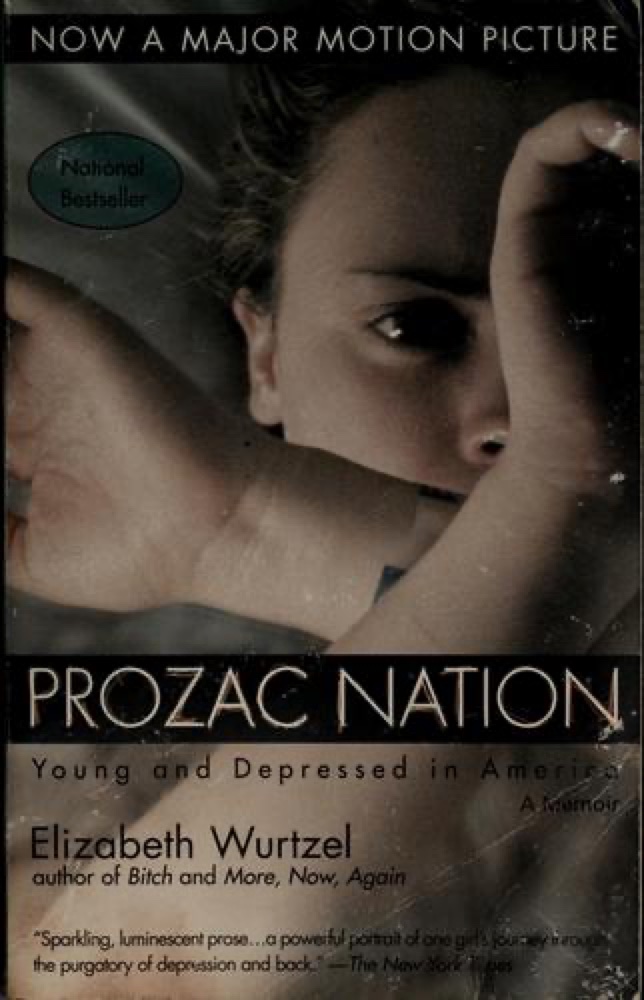
 Prozac Nation
Quotes from the Book
I intend to scream, shout, race the engine, call when I feel like it, throw tantrums in Bloomingdale's if I feel like it and confess intimate details about my life to complete strangers. I intend to do what I want to do and be whom I want to be and answer only to myself: that is, quite simply, the bitch philosophy...
97
Bitch: In praise of difficult women.
32
I think, quite frankly, that the world simply does not care for the complicated girls, the ones who seem too dark, too deep, too vibrant, too opinionated, the ones who are so intriguing that new men fall in love with them every day, at every meal where there's a waiter, in every taxi and on every train they board, in any instance where someone can get to know them just a little bit, just enough to get completely gone. But most men in the end don't quite have the stomach for that much person.
28
So to hell with dignity. Dignity has got nothing on Rita Hayworth singing “Put the Blame on Mame” in Gilda, and absolutely nothing on Mae West in anything. It seems far more exciting to be a Siren beckoning with her song or Calypso captivating on her island than to be Penelope, the archetype of female fidelity, weaving and unweaving at her loom, sending her suitors away, waiting for the errant Odysseus to return, waiting while he luxuriates in lotusland, waiting while, as one correspondent to The New York Times Book Review put it, he “commits adultery with various gorgeous, high-class women,” waiting for her husband like Lucy waits for Desi at the end of the day, or Alice waits for Ralph at the end of the night. Bad girls don’t wait around—one doesn’t get to go everywhere by sitting by the phone.
12
Bad girls understand that there is no point in being good and suffering in silence. What good has good ever done?
10
Good and bad are not opposites, they are both just different forms of intensity.
10
After all, as it says on a needlepoint sampler or throw pillow or the occasional bumper sticker: Good girls go to heaven, but bad girls go everywhere. In high heels. Or mules by Manolo Blahnik, the strappy, tangly kind that give you blisters. And when their feet start to hurt, they bitch about it a lot, until someone agrees to carry them home. Bad girls understand that there is no point in being good and suffering in silence. What good has good ever done? We women still only make seventy-one cents, on average, for every man's dollar. We still have to listen to studies telling us that a single woman over the age of 35 had best avoid airplanes because she is more likely to die in a terrorist attack than get married.
9
Because, frankly, I have a tough time feeling that feminism has done a damn bit of good if I can't be the way I am and have the world accommodate it on some level.
8
I don't think it's really about being bitchy or demanding or cold or calculating: those characteristics, after all, can be attached to most women with even the paltriest of evidence. I think, quite frankly, that the world simply does not care for the complicated girls, the ones who seem too dark, too deep, too vibrant, too opinionated...
7
People surrender to love—they do it reluctantly and with trepidation, but when they give in it is sweet surrender as well as sweet victory. It is part of life, that potential hurt, that fearsome thrill, but women don’t seem to have nearly as hard a time with it. In the end, in the final tally, who knows who has brought the other down more or the most—we only know that this is life’s rich pageant, and we all have to take responsibility for our own feelings, for wishing to succumb and letting it happen. It is degrading to put the blame on Mame or anyone else for the chances we all take freely. One
6
All the backpedaling and backstepping that goes on with powerful women today, with Hillary Clinton saying she could have stayed home and baked cookies and blah blah blah, and then offending everybody so that she had to say that she does, in fact, *love* to make cookies, loves it almost as much as she likes to trade agricultural futures. I mean, what is that about? All this I'm really a lady, I'm really a nice girl crap- who needs it? It really is nothing more than surrender.
6
Whether the emotion is true or truly wished for, anytime anything resembling love comes my way, it makes a fool of me. It
4
All I would like in my life, what I wish for so very much is to someday… become one of those people who is better than the worst thing that happens to her.
3
And you know how it is with things that mean a lot to you. They get heavy. They drive you crazy. They make life worth living, they make life unliveable, you can't stay, you can't go, there's not enough tequila in all of Mexico to straighten out your mind, years go by and nothing ever changes. This face is one that will make you weak forever.
1
We blame repressive times for the madness of Marilyn, we blame the excessive times for the schizophrenia of Zelda. . . . But finally, now, with Prozac . . . it is easy to pin the troubles of all these women in the past on bad chemistry.
1
Watch on YouTube
About Elizabeth Wurtzel
We have collected 75 quotes from 3 books by Elizabeth Wurtzel on BookQuoters.
More about the author →More by Elizabeth Wurtzel
Prozac Nation
 More, Now, Again: A Memoir of Addiction
About the book
No one better understands the desire to be bad than Elizabeth Wurtzel. Bitch is a brilliant tract on the history of manipulative female behavior. By looking at woman who derive their power from their sexuality, Wurtzel offers a trenchant cultural critique of contemporary gender relations. Beginning with Delilah, the first woman to supposedly bring a great man down (latter day Delilahs include Yoko Ono, Pam Smart, Bess Myerson), Wurtzel finds many biblical counterparts to the men and woman in today's headlines. In five brilliant extended essays, she links the lives of women as demanding and disparate as Amy Fisher, Hillary Clinton, Margaux Hemingway, and Nicole Brown Simpson. Wurtzel gives voice to these women whose lives have been misunderstood, who have been dismissed for their beauty, their madness, their youth. She finds in the story of Amy Fisher the tragic plight of all Lolitas, our
Book details
- First published
- 1998
- Author
- Elizabeth Wurtzel
- Genre
- Nonfiction
- Goodreads rating
- 3.38 (5k ratings)
Keep reading
 Trainwreck: The Women We Love to Hate, Mock, and Fear... and Why
 The Favorite Sister
 The Change
 A Certain Hunger
 The Female Man
 Sex Object: A Memoir
 Not That Bad: Dispatches from Rape Culture
 Gone Girl
 Scrappy Little Nobody
 Bad Feminist
 Killers of a Certain Age
 Shrill: Notes from a Loud Woman
 How to Be a Woman
 Where Am I Now?
 Full Frontal Feminism
 All the Women in My Brain: And Other Concerns
 Cunt: A Declaration of Independence
 You'll Grow Out of It
 The Soul of a Woman
 The Women's Room
 I Don't Care About Your Band: Lessons Learned from Indie Rockers, Trust Funders, Pornographers, Felons, Faux-Sensitive Hipsters, and Other Guys I've Dated
 Not That Kind of Girl: A Young Woman Tells You What She's "Learned"
 Difficult Women: A History of Feminism in 11 Fights
 Unspeakable Things: Sex, Lies and Revolution
 Butter
 The Female Eunuch
 A Woman's Worth
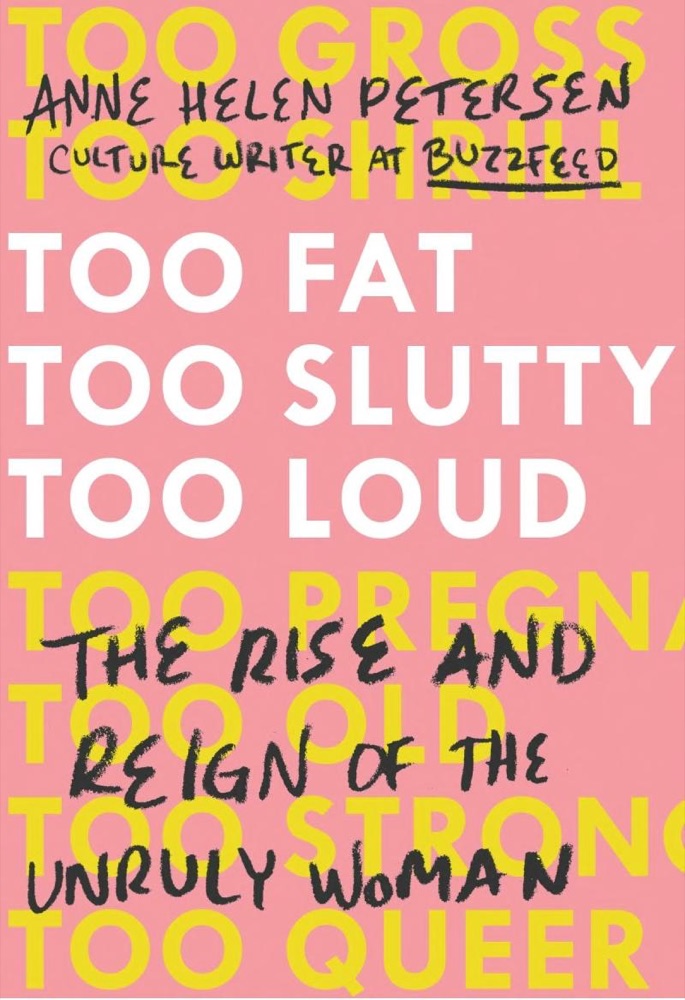 Too Fat, Too Slutty, Too Loud: The Rise and Reign of the Unruly Woman
 The Artificial Silk Girl
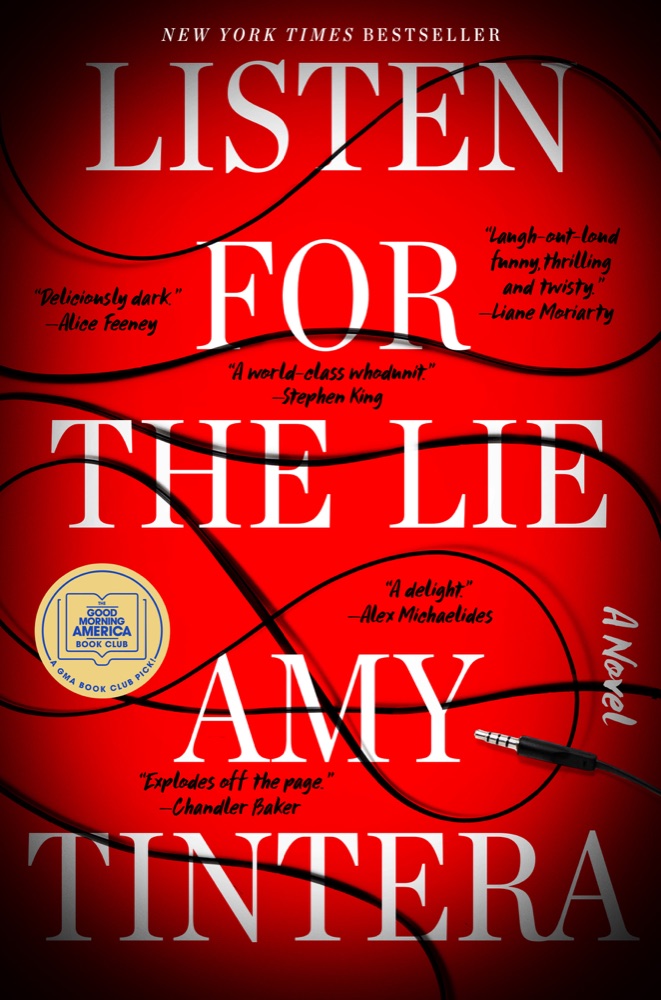 Listen for the Lie
 Brief Interviews with Hideous Men
 Bright Young Women
 Yesteryear
 Paris: A Memoir for Young Women in the Age of Influencers
 What Happened
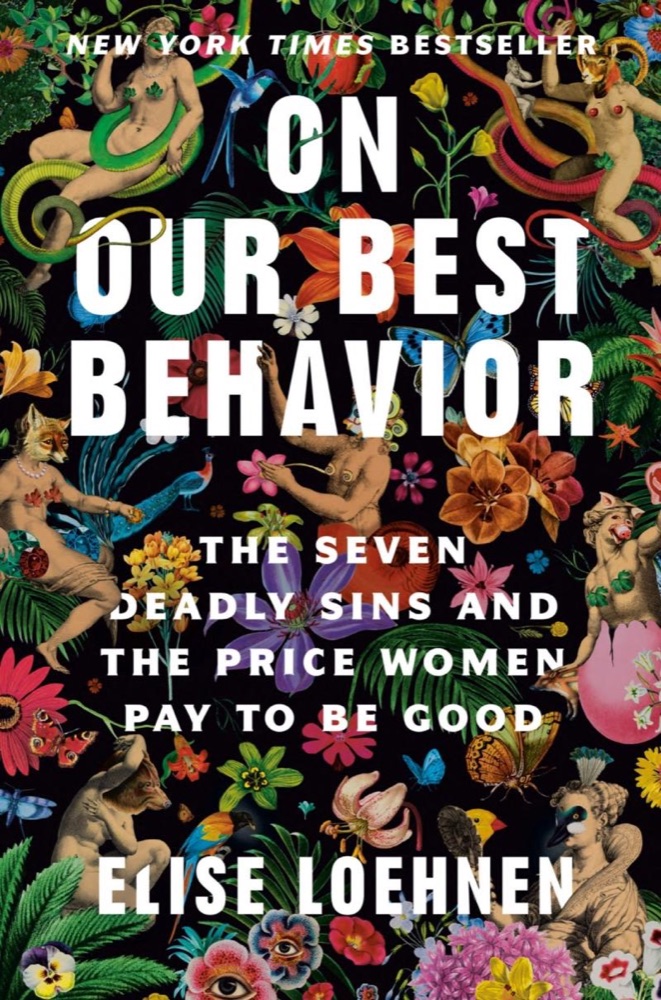 On Our Best Behavior: The Seven Deadly Sins and the Price Women Pay to Be Good
 Grotesque
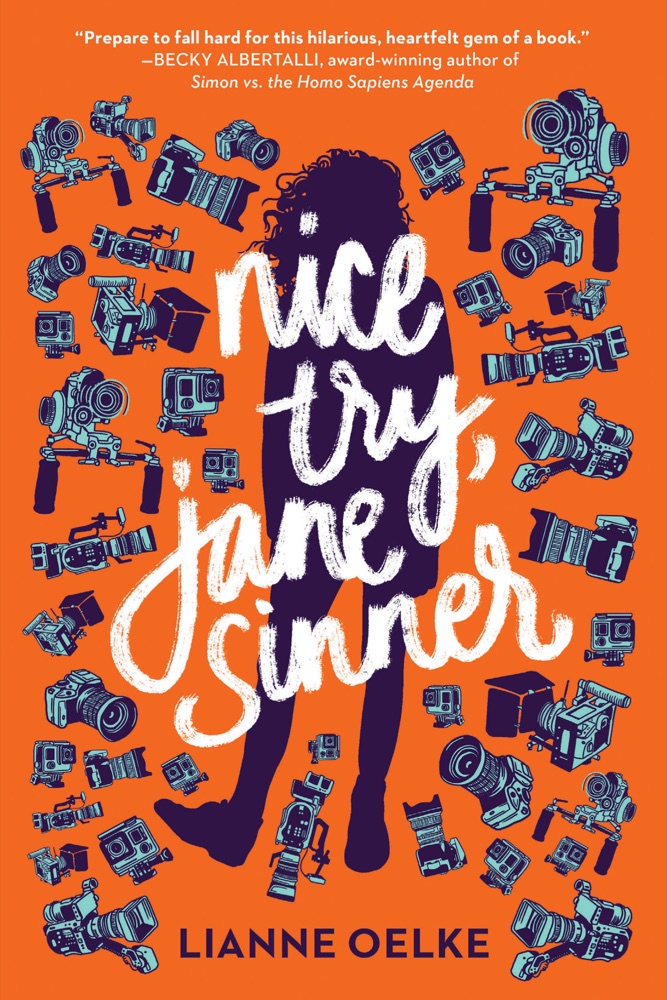 Nice Try, Jane Sinner
 The Lady's Guide to Petticoats and Piracy
 Some Things I Never Thought I'd Do
 Self-Inflicted Wounds: Heartwarming Tales of Epic Humiliation
 Girls in Pants: The Third Summer of the Sisterhood
 The Golden Notebook
 Bridget Jones's Diary
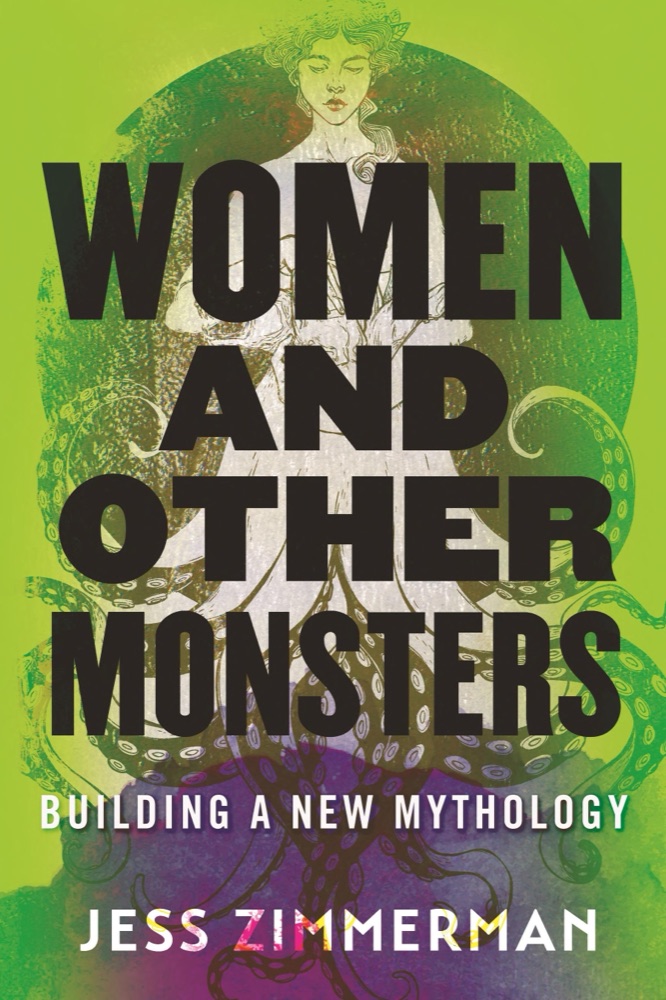 Women and Other Monsters: Building a New Mythology
 My Body
 Mean
Mean
 Slow Days, Fast Company: The World, the Flesh, and L.A.
 I Love Dick
 Fear of Flying
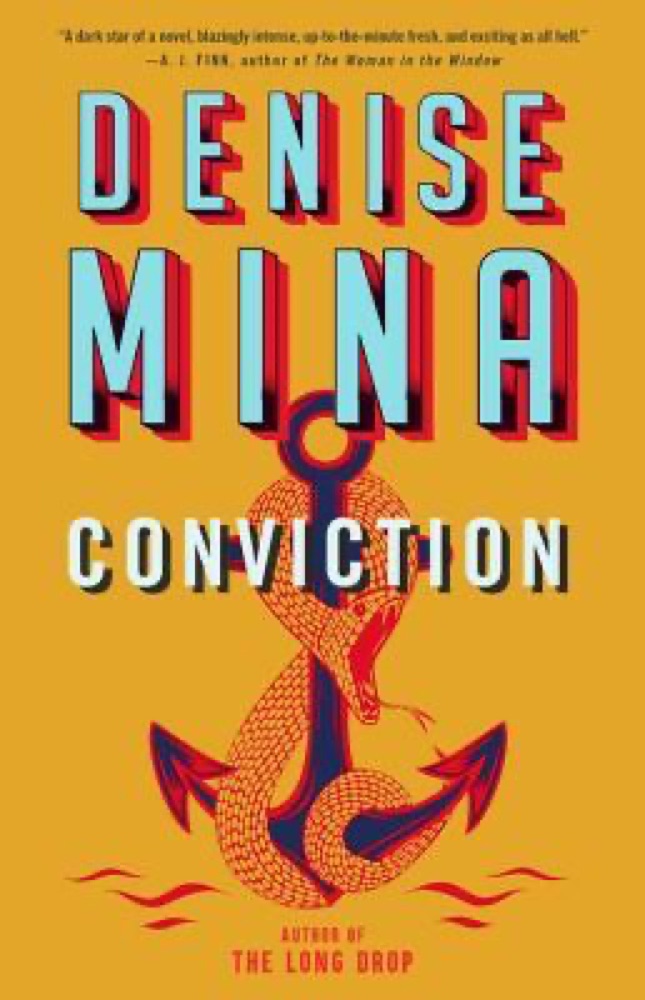 Conviction
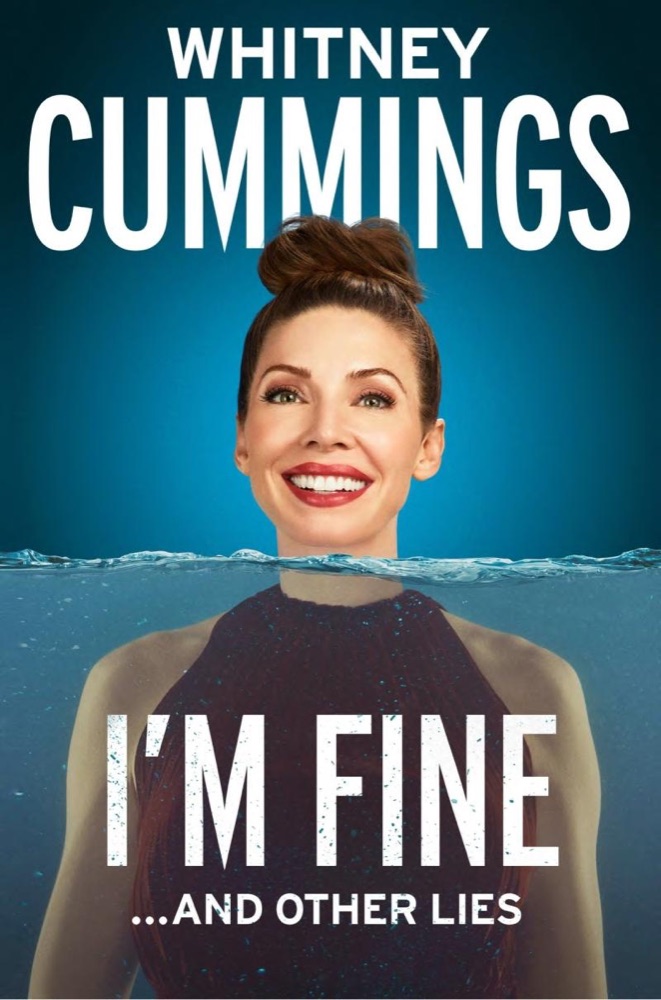 I'm Fine...And Other Lies
 Old Babes in the Wood: Stories
 The Shining Girls
 Brave
Brave
 A Study in Scarlet Women
 Women
Women
 Undercover Bromance
 Iron Widow