 Trick Mirror: Reflections on Self-Delusion
Quotes from the Book
We invited each other into our spaces when parents would allow – girls only in these altars of beauty. We were christened into girlhood, not by holy water or the consumption of Christ’s body and blood, but with these rituals – painting each other’s faces, playing with each other’s hair, making each other over, doing our worst because we were allowed and laughing until we lost all control of our limbs, collapsing in a heavy pile of happy tears. There was an intimacy that was so pure, as deep as if we were real sisters. Our lips frosted with sugar, giggling under duvets, talking about kisses and crushes and trying our hardest not to fall asleep – fighting to keep the night alive.
3
When Audre Lorde wrote that oft-instagrammed quote: 'Caring for myself is not self-indulgence, it is self-preservation, and that is an act of political warfare,' she didn't mean that self-care should be selfish or a form of self-flagellation, that it should be an overpriced moisturizer or a painful procedure. Self-care, in reality, is supposed to coincide with community care. It means taking time for yourself so that you can better support those around you - resting so that you can be a part of the revolution, helping other women with child-care, prepping meals for those in need or providing a voice for the voiceless. We, as women, win and lose together. Sorority is self-care.
1
Much like Sylvia's Plath's famous line in The Bell Jar, as Esther tries to reassure herself of her place in the world - 'I took a deep breath and listened to the old brag of my heart. I am, I am, I am' - the fervour with which we create content, capture ourselves, our rooms, our outfits, our possessions, and the ardour with which we turn ourselves inside out in the digital realm feels like a repeated reassurance: I was here, I was here, I was here.
1
That mythical being, the most beautiful woman in the world, now has light skin chemically darkened with dihydroxyacetone, the chemical used in artificial tanner. (It is important that she begins as light before the darkening – she cannot simply be dark.) She has had her nose broken and reconstructed to be straight and small, and her lips injected with synthetic hyaluronic acid, whilst fat has been beaten out of her body and redistributed to her hips, bum and breasts to create a more exaggerated curve, not dissimilar to that of Sarah Baartman. Everywhere else she is athletic and lean – her stomach is flat and tight. She cannot simply be curvaceous or lean, she must be both and neither. She must be constructed. All of the hair on her body has been removed with a laser whilst her teeth have been filed down into fangs and replaced with porcelain, electric white. She wears the hair of an Asian woman sewn close to her scalp, and her eyes have been stapled up at the outer corner. Where is she from, people ask. Where does the most beautiful woman in the world call home? She laughs coyly, flashing her dazzling smile, but says nothing. She says nothing when women are murdered by their governments for showing their long, luscious hair. Or when dark-skinned women, the ones with no use for the chemical dye, are killed in their homes by those meant to protect them. She does not discuss the teeth knocked out of women’s skulls by their partners or the little girls sexualised for the same features she parades, created from artifice. She is quiet when girls are bullied for their body hair, for their belly rolls and their burdensome bodies. She does not comment on the women of colour calling out for somewhere to belong, a space that’s truly theirs. She claims nowhere whilst taking everywhere, and she says nothing. She has no politics, no culture, no real stance on anything. She consumes but she does not contend (unless it can be made into content). Why should she? She’s the most beautiful woman in the world.
To be a woman is to exist in a changeling body, always on the brink of transformation.
The digital realm is itself a fountain of youth – there are always young, fresh people to follow online, elevated by the algorithm and pushed to visibility.
You look amazing for twenty-eight!’ I wondered what they thought happened when you dared to hit twenty-five – that your face fell off, your muscles melted, you disappeared into thin air, ceased to exist, to mean anything at all?
Preventative Botox doesn’t exist, it’s just Botox, and it’s wildly misleading,’ says Charlotte. ‘Even if you get Botox your entire life, as soon as you stop, you’d start frowning again, and the lines would start showing. And that isn’t a fucking bad thing!
The “cyborg question” around the Kardashians causes us to question whether it empowers women – are we more bionic with these additions to our beauty arsenals? Or do they fragment us into bits and pieces?
The archetypal exaggerated beauty of reality TV may hold currency on social media, in sex work and on shows such as Love Island but can often be a penalising factor in applications for blue-collar jobs in more ‘professional’ offline industries.
Her profiles are awash with high-flash images and designer shopping bags, expensive interiors and nightclub toilets. You would never guess she is broke, that the carrier bags are empty, that she buys expensive makeup to use once a month and the rest of the time is frugal with her routine.
It is convenient to play down the significance of beauty in our lives, to mark it as frivolous and trivial, denying its entrenchment in our social, cultural and economic standing.
South Asian women must remove all body hair whilst the hair on their head is coveted.
Getting to know your body, what brings you joy and makes you feel comfortable and confident is your greatest sexual power, not learning how to push your feelings aside in favour of somebody else’s pleasure.
The word ‘empowered’ was everywhere once more and it started to lose all meaning as it was co-opted and sold to those who needed it least. The celebrities who profited from ‘empowering’ naked selfies were actually already in possession of a great deal of power – including pretty privilege.
The curators of old have simply been replaced by tech bros who decide who gets to be on display and who gets ostracised.
The majority of us perform every day, by applying makeup, wearing high heels or apologising! profusely! as a form of subservience. The performance exists on a sliding scale – from applying lipstick to injecting your lips, from dieting to achieve a smaller waist to undergoing intense plastic surgery to create an hourglass shape.
Whether it’s tanning or lightening your skin, buying more products, investing in risky procedures, concealing some features and emphasising others. Something must always be changed or maintained or sustained in order for us to uphold the most vital of virtues.
Both a rallying cry and a refusal to suffer in silence, this is the defining book on what it feels like to exist as a woman today.
Watch on YouTube
About Ellen Atlanta
About the book
Alternate cover edition of ISBN 9781250286222.
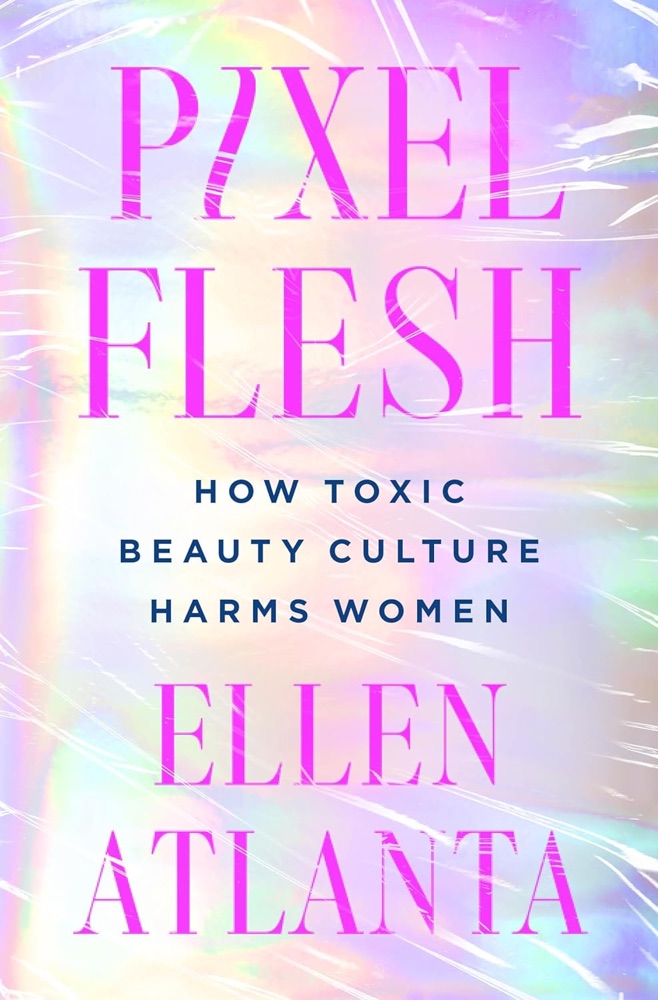
An up-close and striking look at modern beauty culture―from Botox and Instagram filters to lip flips and editing apps―and the realities of coming of age online.
We live in a new age of beauty. With advancements in cosmetic surgery, walk-in treatments, augmented-reality face filters, photo-editing apps, and exposure to more images than ever, we have the ability to craft the image we want everyone to see. We pinch, pull, squeeze, tweeze, smooth, and slice ourselves beyond recognition. But is modern beauty culture truly empowering? Are we really in control?
In Pixel Flesh, Ellen Atlanta holds a mirror up to our modern beauty ideal and the pressure to present a perfect image, to live in an age of constant comparison and curated feeds. She weaves in her personal story with others’ to reconfigure our obsession with the cult of beauty and
Book details
- First published
- 2024
- Author
- Ellen Atlanta
- Genre
- Nonfiction
- Goodreads rating
- 3.98 (2k ratings)
Keep reading
Trick Mirror: Reflections on Self-Delusion
 The Beauty Myth
 My Body
 You'll Grow Out of It
 Things No One Will Tell Fat Girls: A Handbook for Unapologetic Living
 Too Fat, Too Slutty, Too Loud: The Rise and Reign of the Unruly Woman
 Every Exquisite Thing
 Shrill: Notes from a Loud Woman
 The Favorite Sister
 Unspeakable Things: Sex, Lies and Revolution
 Thick: And Other Essays
 Feminists Don't Wear Pink (And Other Lies): Amazing Women on What the F-Word Means to Them
 Girl, Woman, Other
 Natural Beauty
 How Do We Know We're Doing It Right: & Other Essays on Modern Life
 American Girls: Social Media and the Secret Lives of Teenagers
 Women's Bodies, Women's Wisdom: Creating Physical and Emotional Health and Healing
 The Female Eunuch
 Living Dolls: The Return of Sexism
 A Woman's Worth
 Woman: An Intimate Geography
 Paris: A Memoir for Young Women in the Age of Influencers
 More Than Enough: Claiming Space for Who You Are
 All the Women in My Brain: And Other Concerns
 Big Summer
 Animal: The Autobiography of a Female Body
 On Our Best Behavior: The Seven Deadly Sins and the Price Women Pay to Be Good
 Smile: The Story of a Face
 Broken Monsters
 You Have the Right to Remain Fat
 Come as You Are: The Surprising New Science that Will Transform Your Sex Life
 Thin Girls
 A Certain Hunger
 Female Chauvinist Pigs: Women and the Rise of Raunch Culture
 On Beauty
 Horror Stories: A Memoir
 This Is Not a Book About Benedict Cumberbatch: The Joy of Loving Something--Anything--Like Your Life Depends On It
 Body Positive Power
 The Truth Will Set You Free, But First It Will Piss You Off!: Thoughts on Life, Love, and Rebellion
 Unbearable Lightness: A Story of Loss and Gain
 Her Majesty's Royal Coven
 Cunt: A Declaration of Independence
 GuRu
GuRu
 The Feminine Mystique
 Where Am I Now?
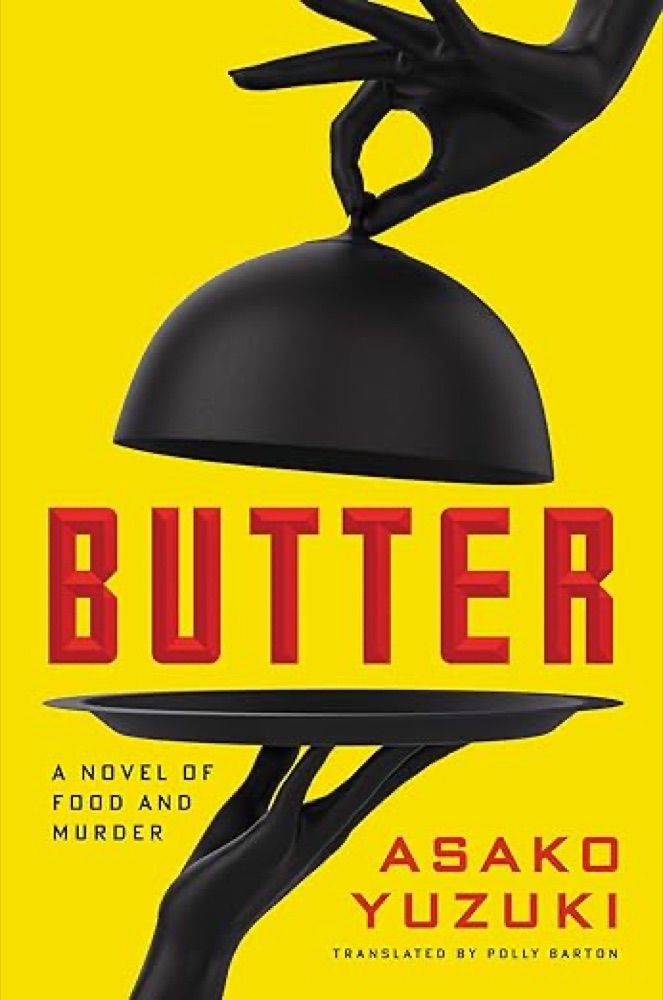 Butter
 Detransition, Baby
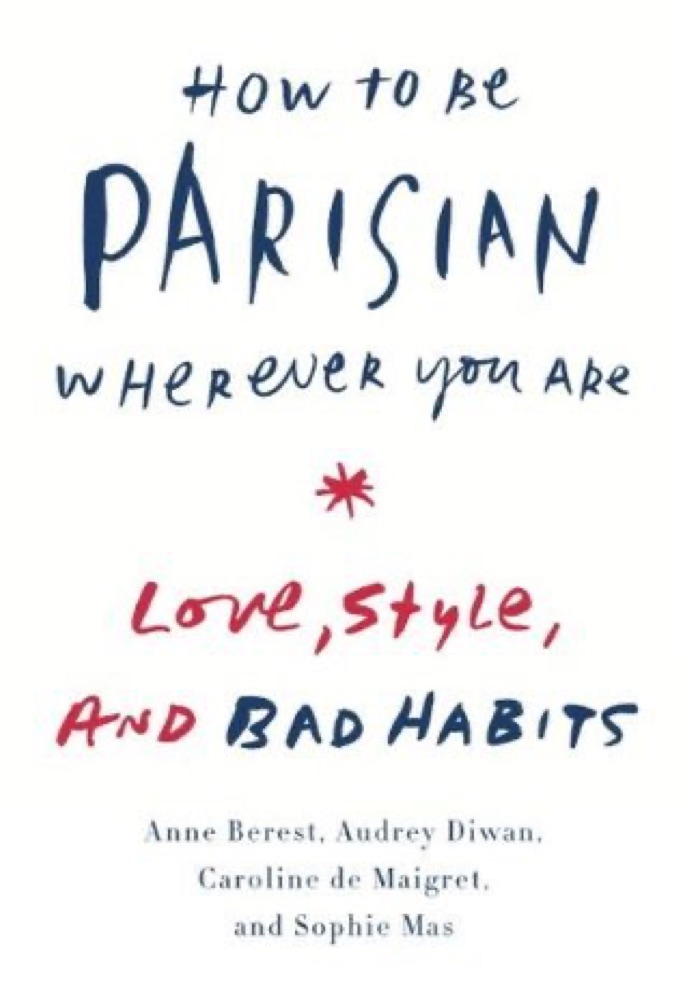 How to Be Parisian Wherever You Are: Love, Style, and Bad Habits
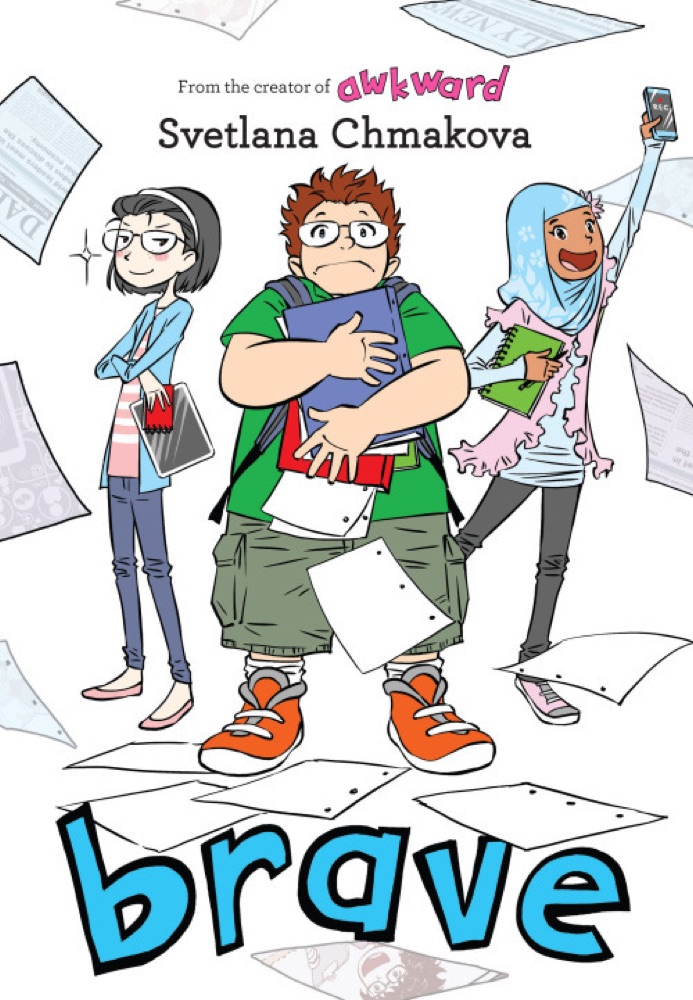 Brave
Brave
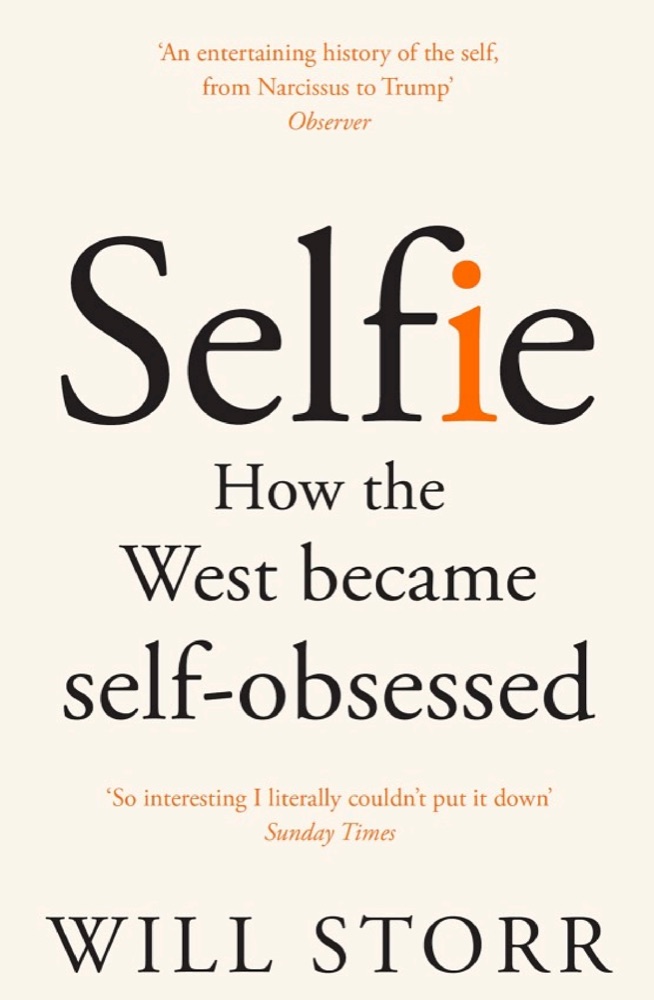 Selfie: How the West Became Self-Obsessed
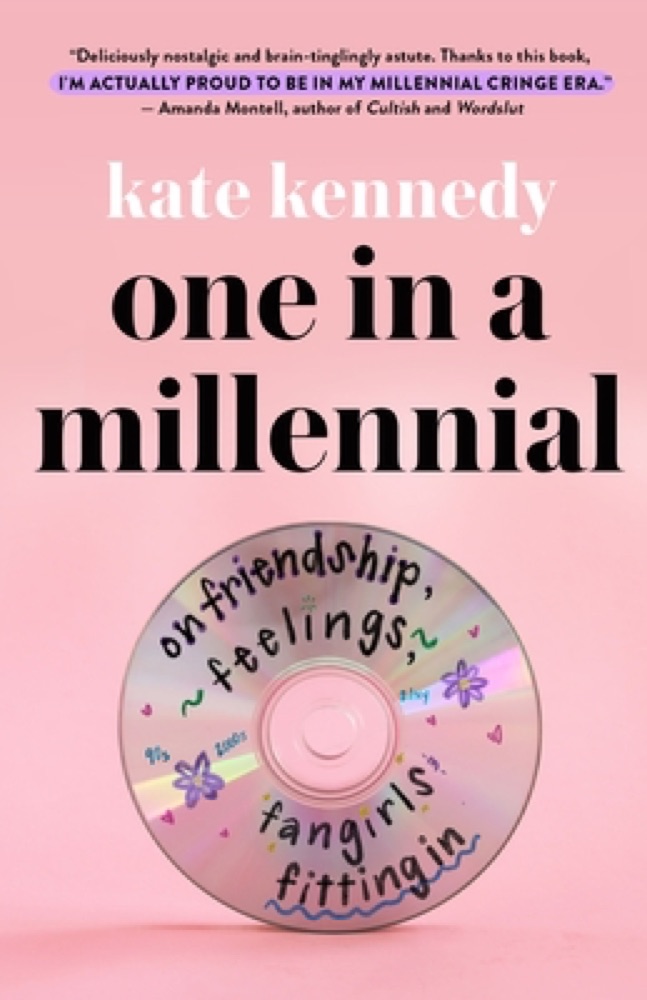 One in a Millennial: On Friendship, Feelings, Fangirls, and Fitting In
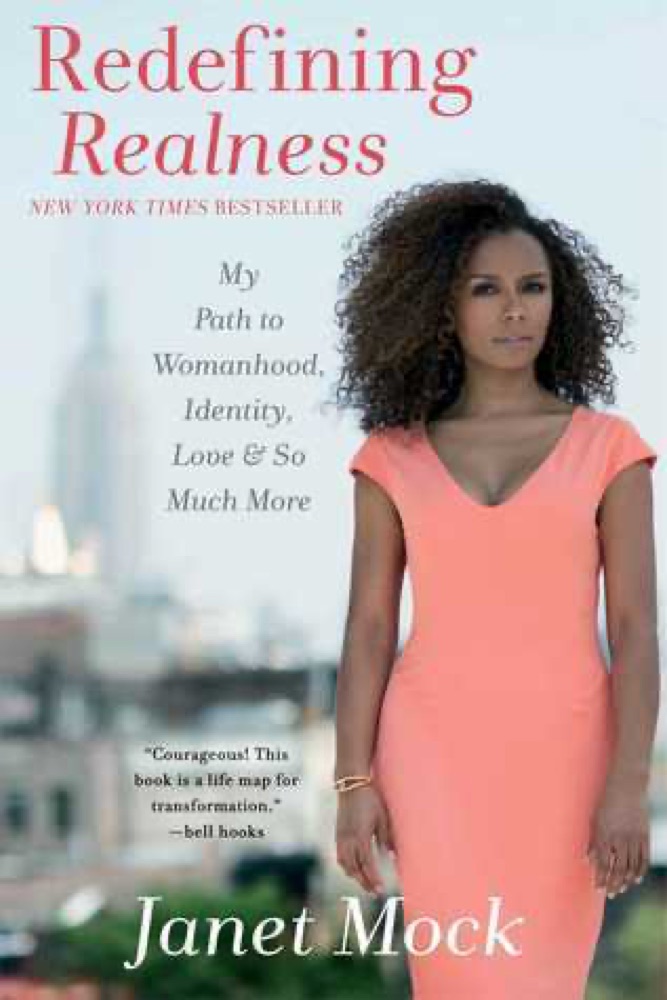 Redefining Realness: My Path to Womanhood, Identity, Love & So Much More
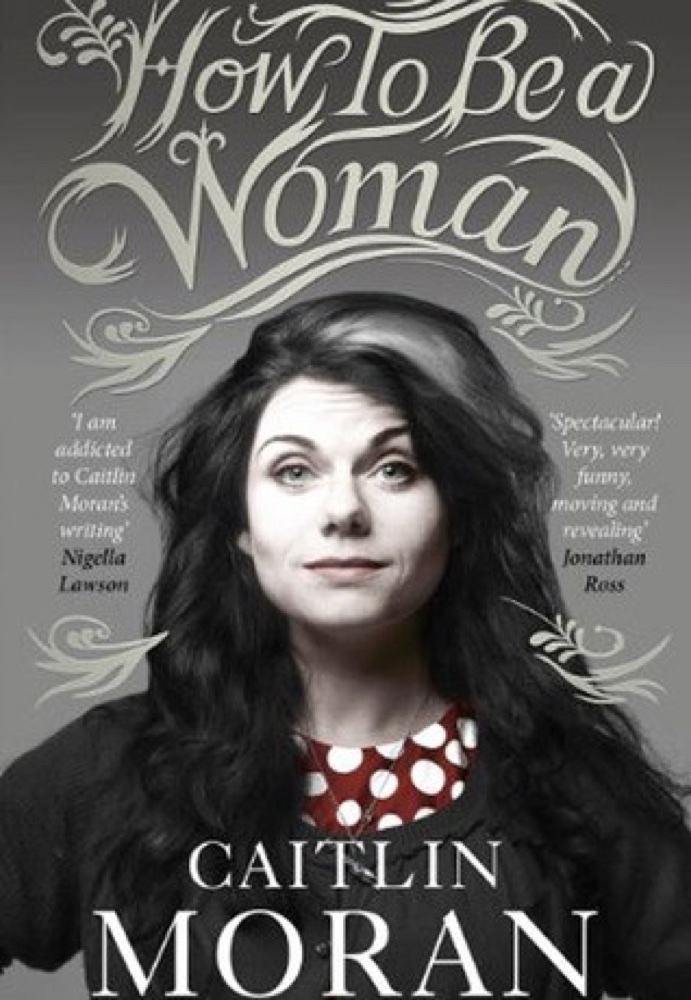 How to Be a Woman
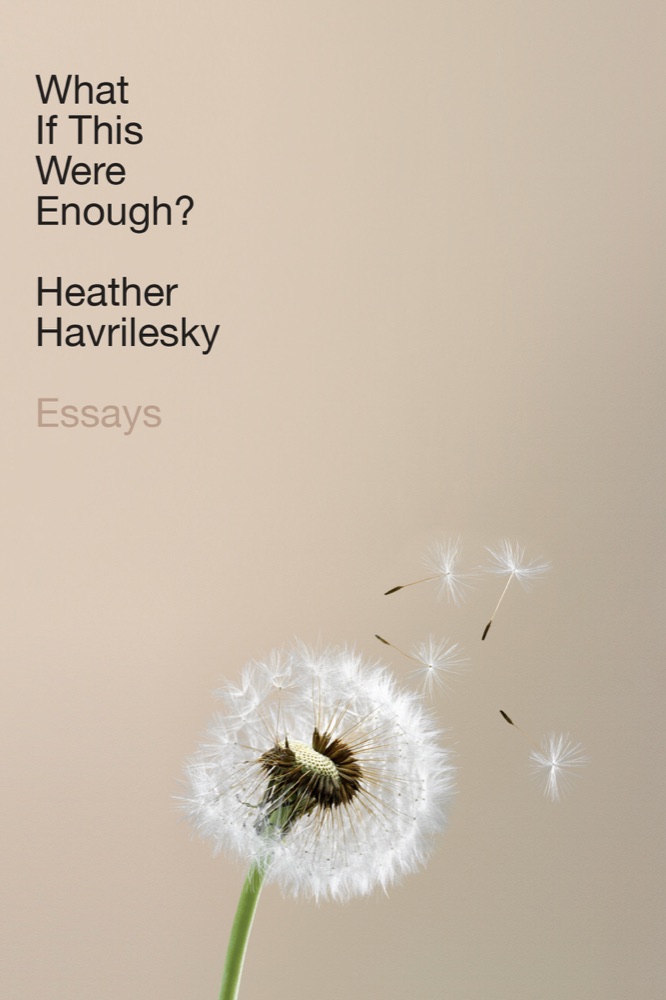 What If This Were Enough?: Essays
 The Tsar of Love and Techno
 Cinderella Ate My Daughter: Dispatches from the Frontlines of the New Girlie-Girl Culture
 The Soul of a Woman
 The Change
 Constellations
 Brief Interviews with Hideous Men