 Female Chauvinist Pigs: Women and the Rise of Raunch Culture
Quotes from the Book
While girls have always been encouraged to see self-decoration as a central part of their lives, today they are also exposed to a deluge of messages, even at an early age, about the importance of becoming sexually attractive. These dolls are just a fragment of a much wider culture in which young women are encouraged to see their sexual allure as their primary passport to success. This highly sexualised culture is often positively celebrated as a sign of women's liberation and empowerment.
5
In the US where the girls are doing not as well as boys in some tests, the information seems to be interpreted as showing that girls just aren't as good at these things so we can't expect them to be mathematicians. But here in the UK people are reacting to boys not doing as well as girls in maths exams by saying, what can we do about that, we need to fix that ... This difference is telling.
4
And the mainstreaming of the sex industry reflects that inequality. It is still women who are dieting or undergoing surgery on their bodies; still women stripping in the clubs while the men chant and cheer; still women, not men, who believe that their ability to reach for fame and success will be defined by how closely they conform to one narrow image of sexuality. If this is the new sexual liberation, it looks too uncannily like the old sexism to convince many of us that this is the freedom we have sought.
4
We cannot pretend that this is all about women as victims, when many women are deeply complicit in creating and selling this culture.
4
The rise of a hypersexual culture is not proof that we have reached full equality; rather, it has reflected and exaggerated the deeper imbalances of power in our society. Without thoroughgoing economic and political change, what we see when we look around us is not the equality we once sought; it is a stalled revolution.
4
What's more, throughout much of our society, the image of female perfection to which women are encouraged to aspire has become more and more defined by sexual allure. Of course wanting to be sexually attractive has always and will always be a natural desire for both men and women, but in this generation a certain view of female sexuality has become celebrated throughout advertisements, music, television programmes, films and magazines. This image of female sexuality has become more than ever defined by the terms of the sex industry.
4
Somehow the ideals of sexual liberation had become twisted until women were being told that if they didn't buy into an increasingly narrow image of what female sexiness looked like, then they must be prudes. No matter if they were looking for something freer rather than less free, nobody wants to be told they're frigid. So even though this wasn't about disliking sex, but disliking sexism, the label 'prude' had become an effective gag on dissent.
4
There are aspects of traditional femininity, from home-making to empathy, that should belong to men too. If we move away from biological determinism we enter a world with more freedom, not less, because then those behaviours traditionally associated with masculinity and femininity could become real choices for each individual.
3
The imperative is to better oneself not through any intellectual or emotional growth, but through physical remaking. Such media encourage young girls to believe that good looks rather than good works are at the centre of the good life. What makes these messages particularly attractive to young women is that they constantly return to the language of empowerment and opportunity.
3
Many young women now seem to believe that sexual confidence is the only confidence worth having, and that sexual confidence can only be gained if a young woman is ready to conform to the soft-porn image of a tanned, waxed young girl with large breasts ready to strip and pole-dance. Whether sexual confidence can be found in other ways, and whether other kinds of confidence are worth seeking, are themes that this hypersexual culture cannot address.
3
What Angela finds most horrifying about her experiences, though, is not the physical violence but the psychological effect, the way that working as a prostitute forces her to dissociate her feelings from her body. 'Even when they are violent, and you are scared, or when you are just repulsed, or just not into it – you have to act as though you are enjoying it. How can that not damage you? How can that not eat away at your psyche?
2
The ease with which prostitution is presented as an acceptable choice for women dismisses the psychological trauma that actually seems to be not the occasional, but the inevitable, result of selling sex.
2
Ellie feels that dissent is being muffled by the identification of sexual liberation with this hypersexual culture. 'Now, women get told they are prudes if they say they don't want their boyfriend to go to a club where he gets to stick his fingers in someone else's vagina, or if they say they don't want to watch porn with their boyfriend. But being sexually liberated ...' Ellie paused for a while as she thought about it. 'Well, I don't think it means that we have to enjoy and accept the forms of sexual entertainment that were invented by men for their own pleasure.
2
Ellie discovered that the whole set-up was the opposite of empowering. 'You are totally and utterly pleasing – that's the game, to be impressed by them. It's not necessarily the best-looking women who do the best, but it's about how much you can convince them that they have the power.' And although Ellie stopped lap dancing a couple of years ago, she hasn't shrugged off its impact. 'You get all this positive affirmation about your appearance, of a totally superficial nature,''she said, 'and in a way that feels good. But it's affirmation of something I already believed, that I am an object, and now I will probably always struggle to see myself sexually in any other way.
2
The mainstreaming of the sex industry has coincided with a point in history when there is much less social mobility than in previous generations. No wonder, then, if the ideal that the sex industry pushes – that status can be won by any woman if she is prepared to flaunt her body – is now finding fertile ground among many young women who, as Phil Hilton says, would never imagine a career in, say, politics.
2
But the revitalisation of glamour modelling has become the symptom of a wider change in our culture, in which the images and attitudes of soft pornography now come flooding in at young women from every side of the media: monthly magazines, weekly magazines, tabloid newspapers, music videos, reality television, and almost every aspect of the internet, from social networking sites to individual blogs.
2
This equation of empowerment and liberation with sexual objectification is now seen everywhere, and is having a real effect on the ambitions of young women. [...] When we talked about empowerment in the past, it was not a young woman in a thong gyrating around a pole that would spring to mind, but the attempts by women to gain real political and economic equality.
2
I get the feeling that the ideal of liberated sex in the 1960s was about really loving and valuing your body and being proud of it. Now there is a toxic mix, for young girls, of feeling they have to be sexually active but also feeling very critical of their bodies. So they will have lots of sex, but without pleasure or pride.
1
I got chatting to a guy on the train the other day – it was an amazing conversation, we talked about everything, you know, we were talking about life and death. Then I mentioned I was looking for a job, and he said, oh, you should be a Trash Society girl. Like that was a compliment: you should get your boobs out. Is there nothing else that a girl is allowed to do?
1
The experiences of a prostitute may be discounted by many women as untypical of normal experience, but there is a resonance to Angela's words as she looks at a society that has successfully told many women that there can be something liberating about working in the sex industry.
1
Watch on YouTube
About Natasha Walter
About the book
Empowerment, liberation, choice. Once the watchwords of feminism, these terms have now been co-opted by a society that sells women an airbrushed, highly sexualised and increasingly narrow vision of femininity. While the opportunities available to women may have expanded, the ambitions of many young girls are in reality limited by a culture that sees women's sexual allure as their only passport to success. At the same time we are encouraged to believe that the inequality we observe all around us is born of innate biological differences rather than social factors. Drawing on a wealth of research and personal interviews, Natasha Walter, author of the groundbreaking THE NEW FEMINISM and one of Britain's most incisive cultural commentators, gives us a straight-talking, passionate and important book that makes us look afresh at women and girls, at sexism and femininity, today.
Book details
- First published
- 2008
- Author
- Natasha Walter
- Genre
- Nonfiction
- Goodreads rating
- 3.83 (3k ratings)
Keep reading
Female Chauvinist Pigs: Women and the Rise of Raunch Culture
 Unspeakable Things: Sex, Lies and Revolution
 The Case Against the Sexual Revolution: A New Guide to Sex in the 21st Century
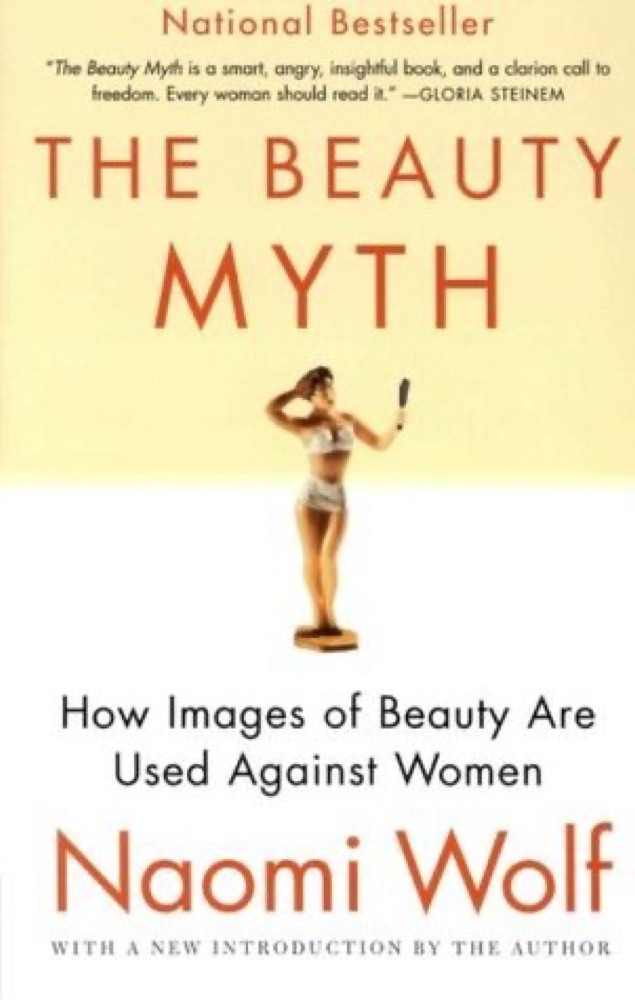 The Beauty Myth
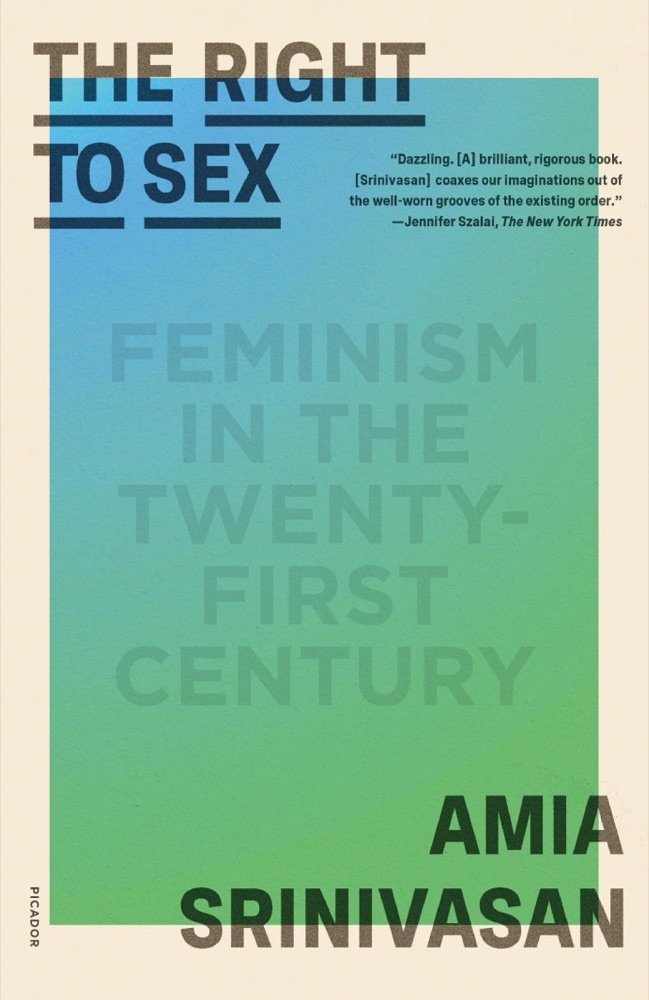 The Right to Sex: Feminism in the Twenty-First Century
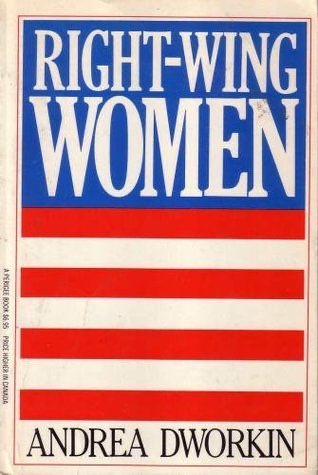 Right Wing Women
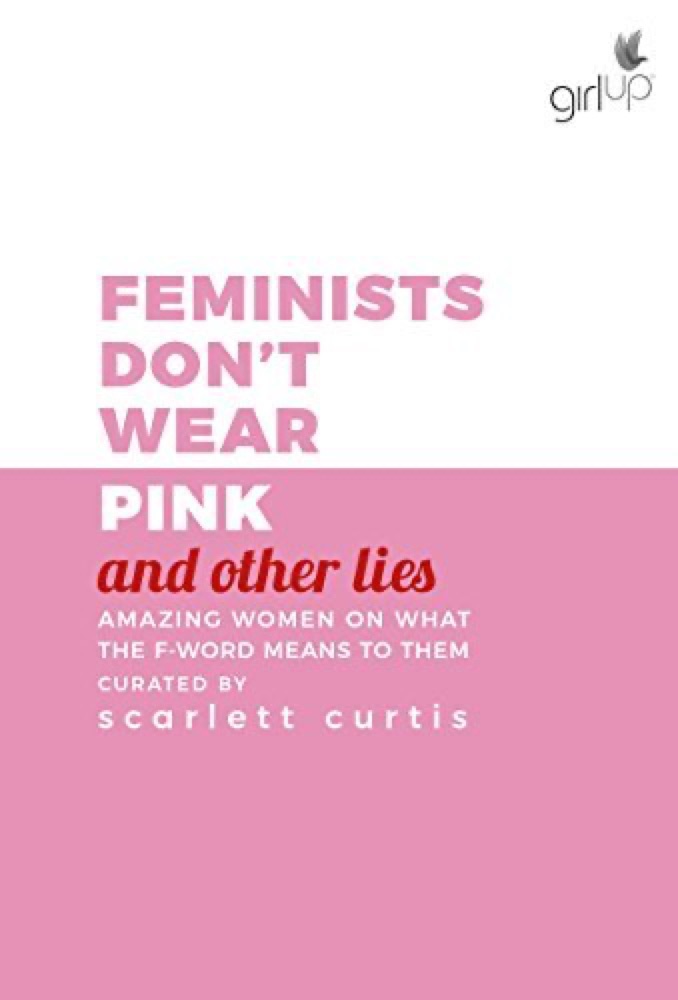 Feminists Don't Wear Pink (And Other Lies): Amazing Women on What the F-Word Means to Them
 American Girls: Social Media and the Secret Lives of Teenagers
 The Feminine Mystique
 The Female Eunuch
 Cinderella Ate My Daughter: Dispatches from the Frontlines of the New Girlie-Girl Culture
 The Dialectic of Sex: The Case for Feminist Revolution
 Cunt: A Declaration of Independence
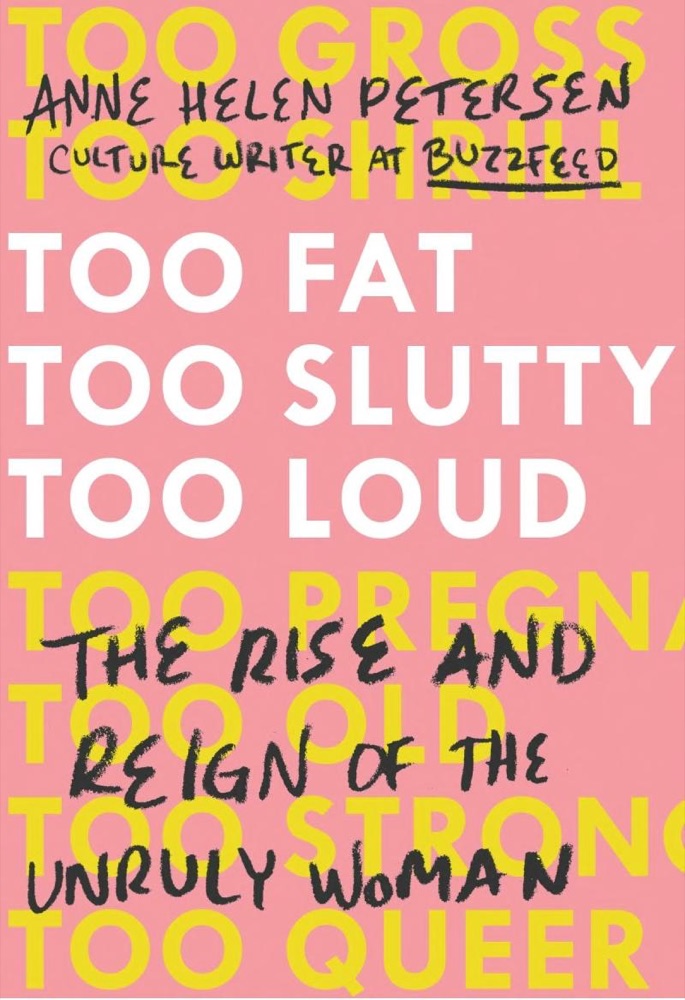 Too Fat, Too Slutty, Too Loud: The Rise and Reign of the Unruly Woman
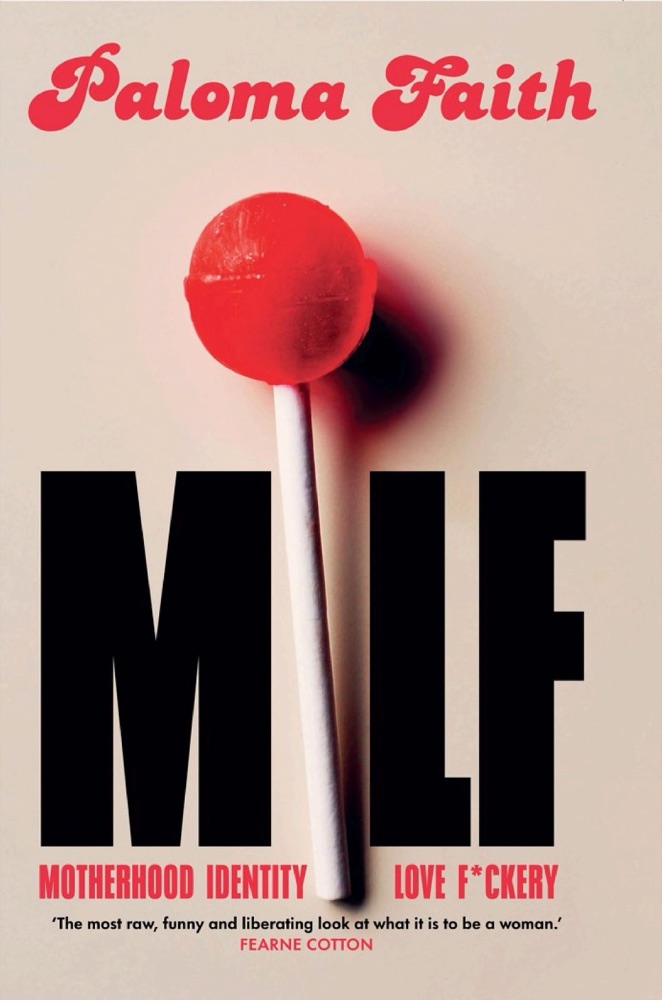 MILF: Motherhood, Identity, Love and F*ckery
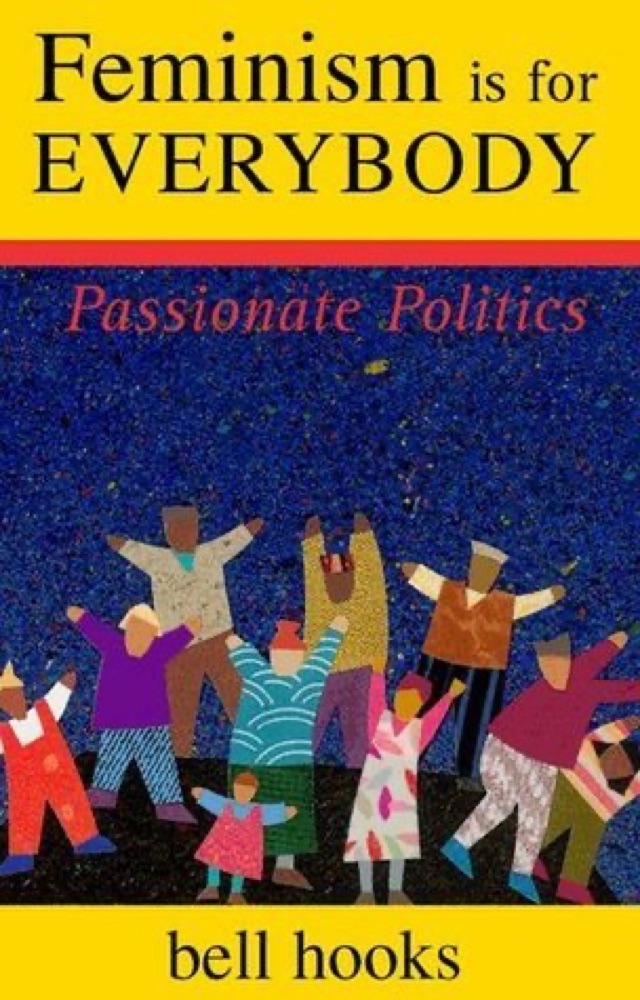 Feminism Is for Everybody: Passionate Politics
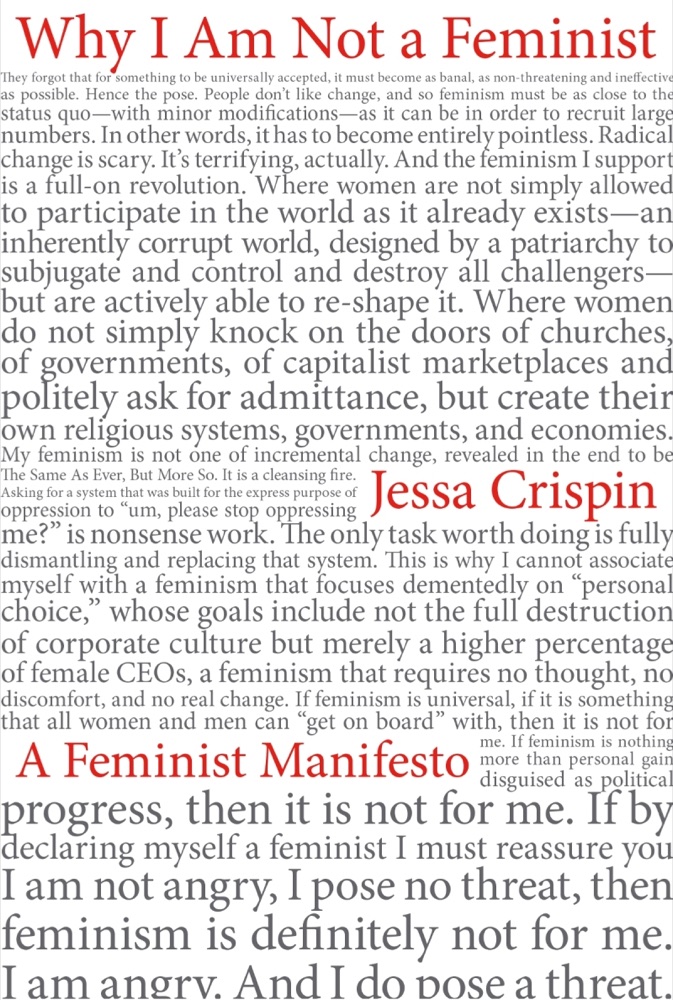 Why I Am Not a Feminist: A Feminist Manifesto
 We Were Feminists Once: From Riot Grrrl to CoverGirl, the Buying and Selling of a Political Movement
 A Woman's Worth
 Come as You Are: The Surprising New Science that Will Transform Your Sex Life
 Intercourse
 Sex Object: A Memoir
 Boys Will Be Boys: Power, Patriarchy and the Toxic Bonds of Mateship
 Pixel Flesh: How Toxic Beauty Culture Harms Women
 Whipping Girl: A Transsexual Woman on Sexism and the Scapegoating of Femininity
 Full Frontal Feminism
 Communion: The Female Search for Love
 Sex at Dawn: The Prehistoric Origins of Modern Sexuality
 Pornography: Men Possessing Women
 The Soul of a Woman
 How to Be a Woman
 Headscarves and Hymens: Why the Middle East Needs a Sexual Revolution
 Women in the Picture: What Culture Does with Female Bodies
 You Have the Right to Remain Fat
 The Truth Will Set You Free, But First It Will Piss You Off!: Thoughts on Life, Love, and Rebellion
 Feminist Theory: From Margin to Center
 A Certain Hunger
 Everyday Sexism
 Reviving Ophelia: Saving the Selves of Adolescent Girls
 Shrill: Notes from a Loud Woman
 Trainwreck: The Women We Love to Hate, Mock, and Fear... and Why
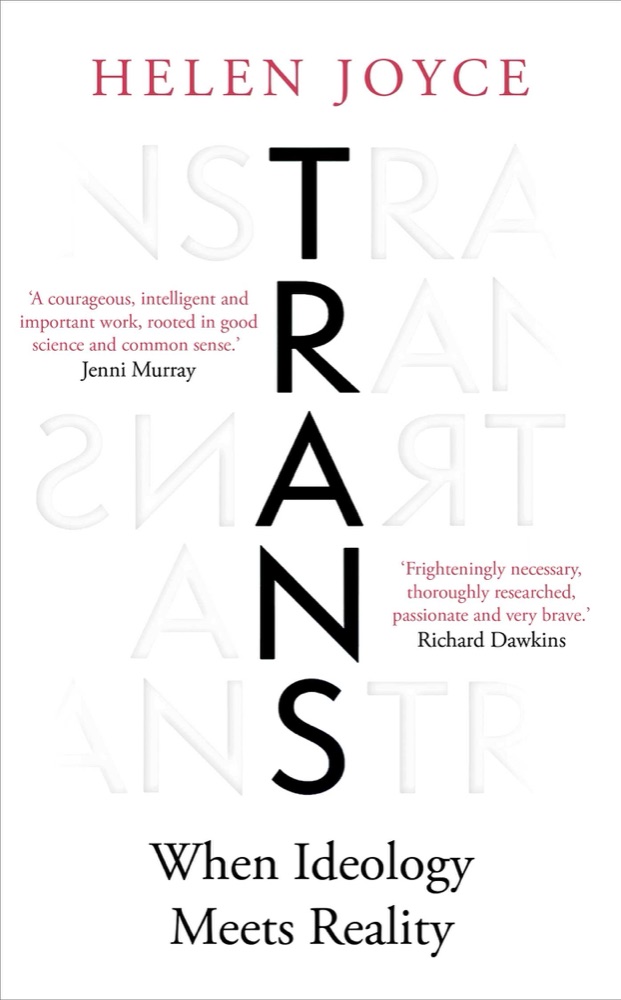 Trans: When Ideology Meets Reality
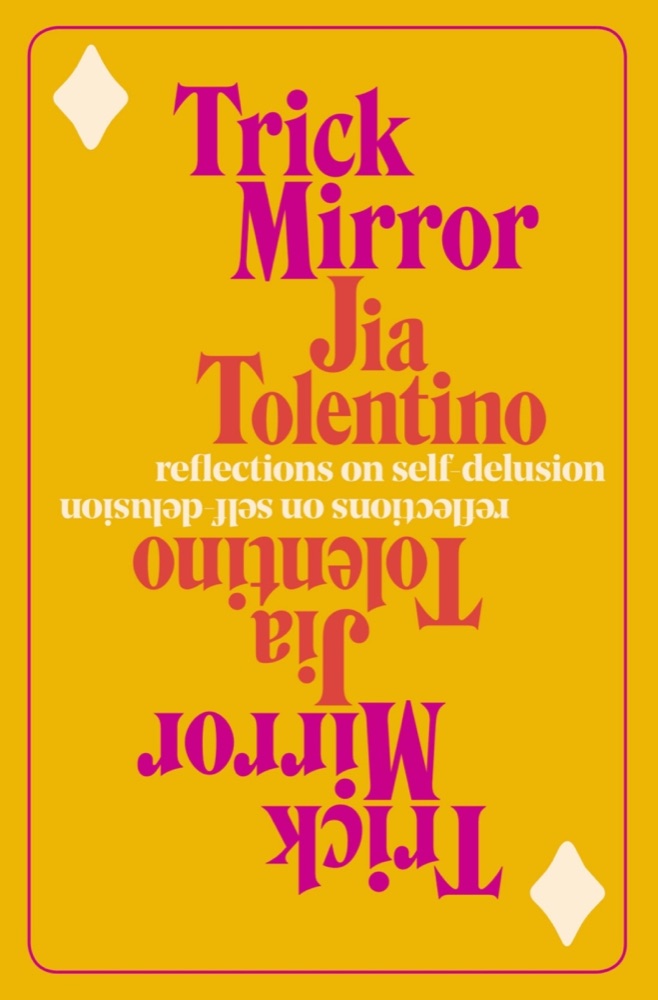 Trick Mirror: Reflections on Self-Delusion
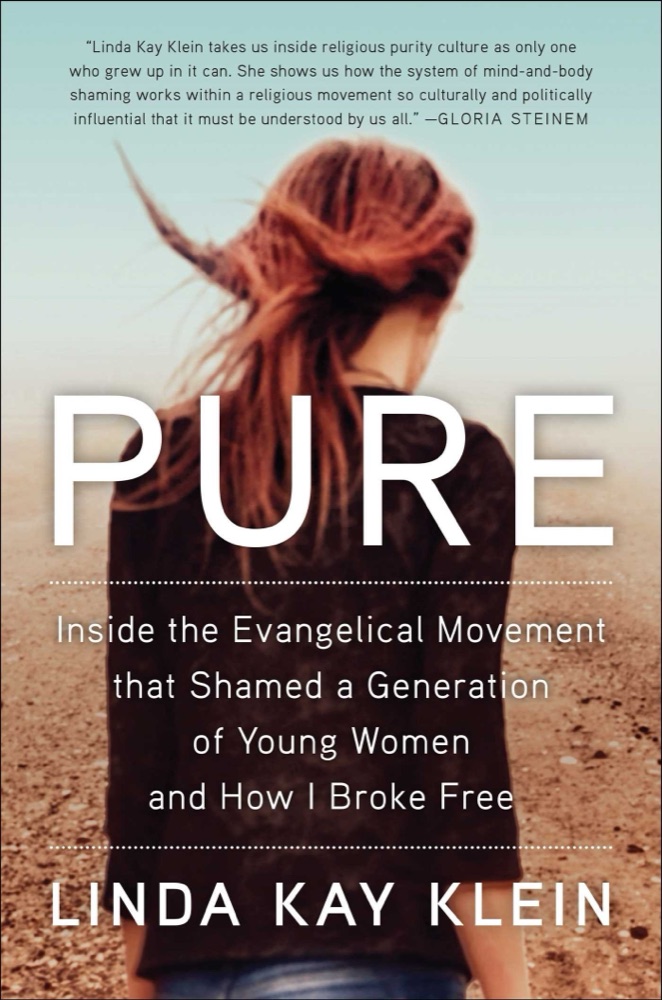 Pure: Inside the Evangelical Movement That Shamed a Generation of Young Women and How I Broke Free
 This Is Not a Book About Benedict Cumberbatch: The Joy of Loving Something--Anything--Like Your Life Depends On It
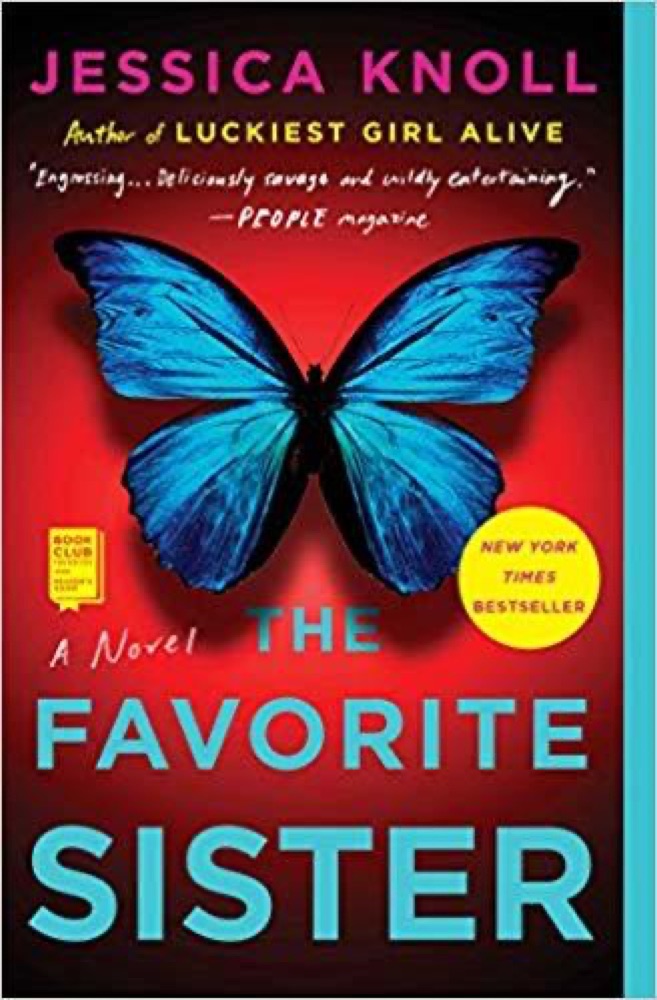 The Favorite Sister
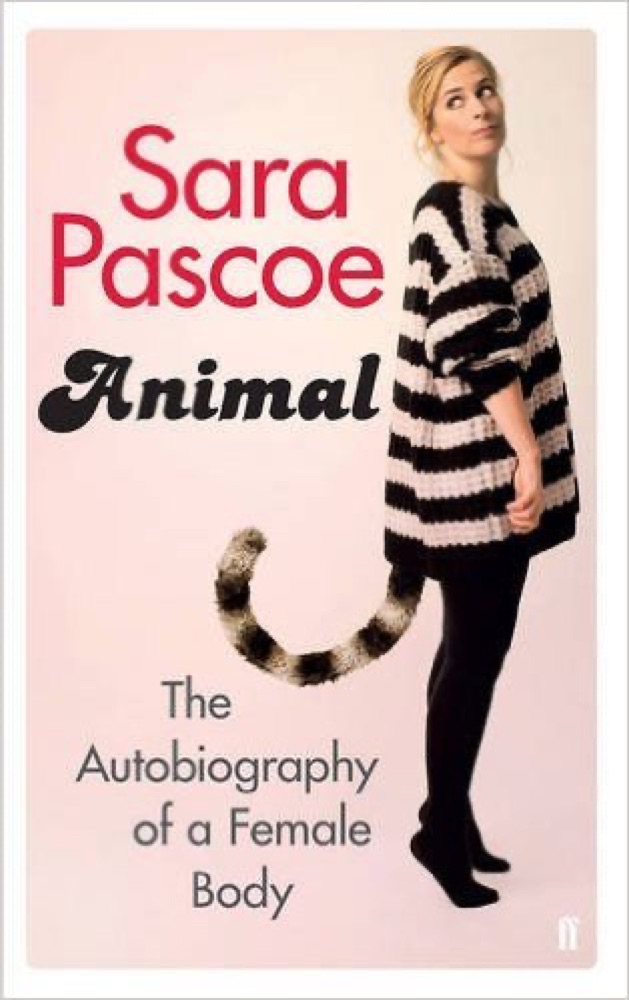 Animal: The Autobiography of a Female Body
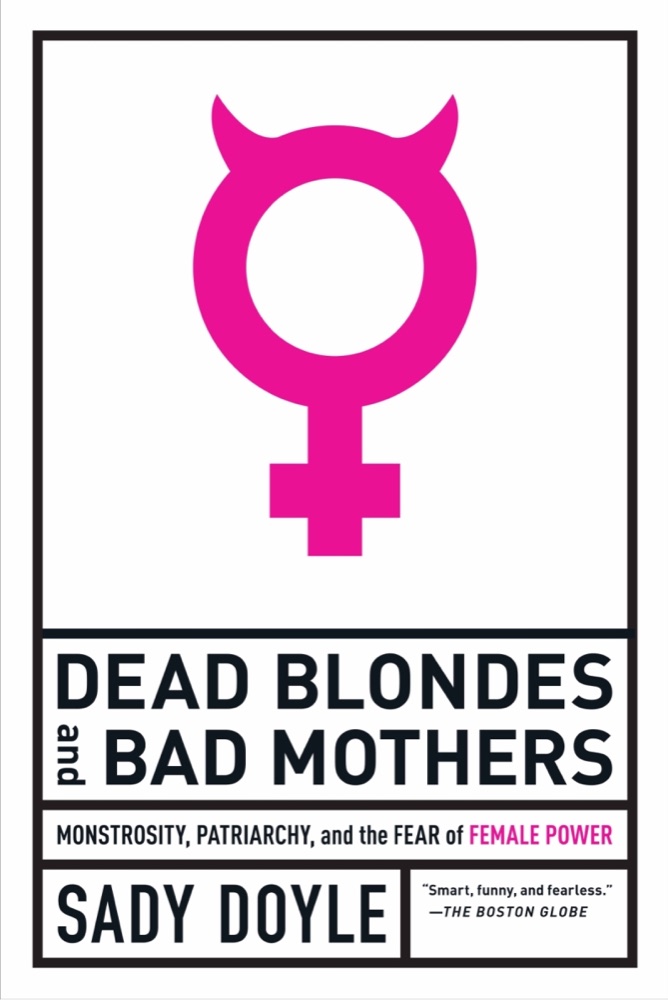 Dead Blondes and Bad Mothers
 The Madness of Crowds: Gender, Race and Identity
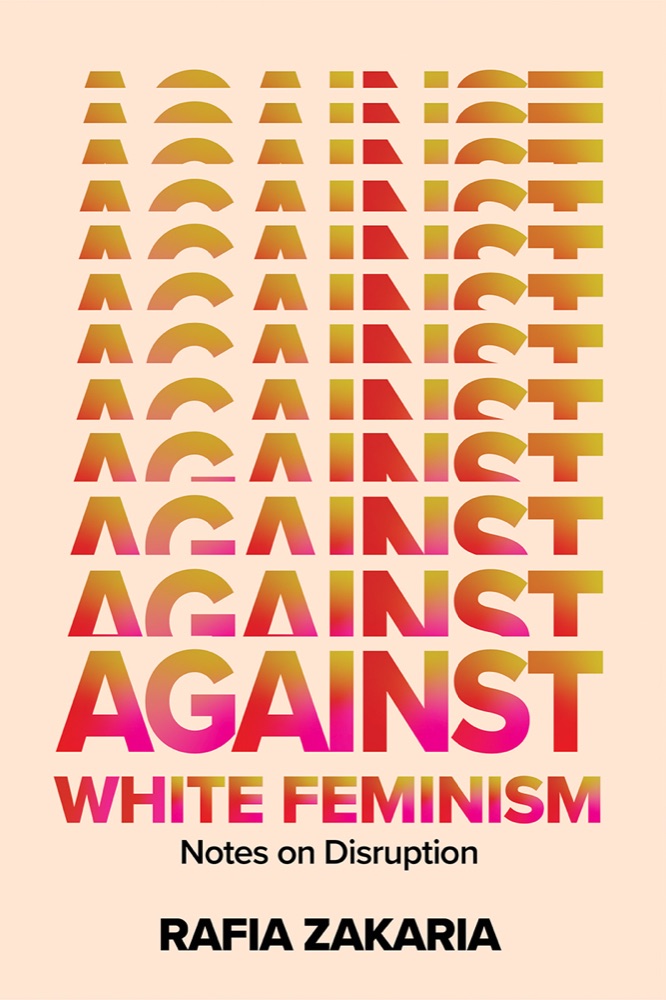 Against White Feminism: Notes on Disruption
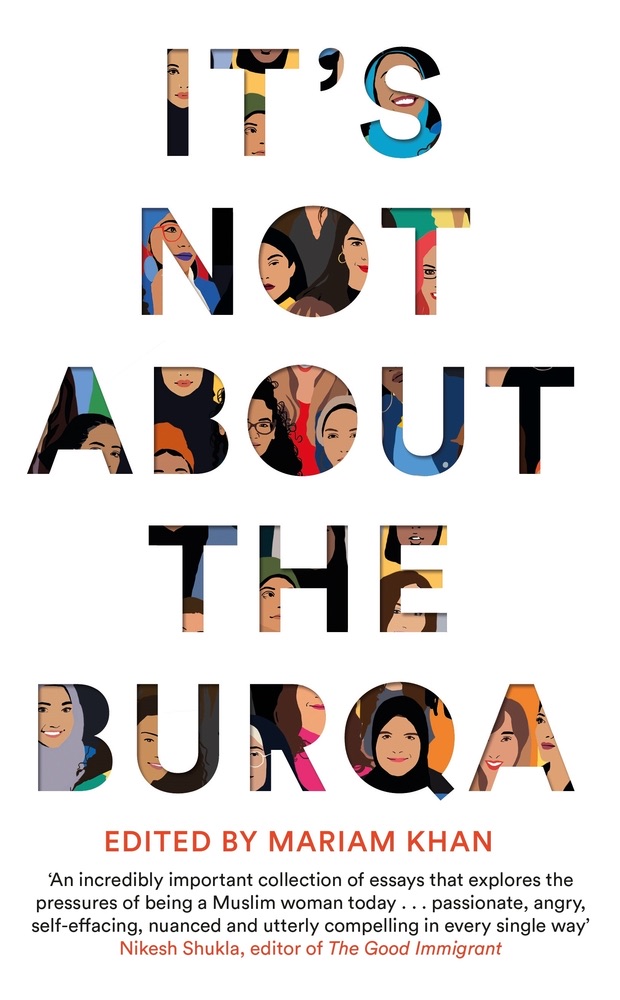 It's Not About the Burqa
 SCUM Manifesto
 We Should All Be Feminists
 The Moment of Lift: How Empowering Women Changes the World
 Not That Bad: Dispatches from Rape Culture
 Of Woman Born: Motherhood as Experience and Institution
 The Tragedy of Heterosexuality
 The Anti-Mary Exposed: Rescuing the Culture from Toxic Femininity
 Woman: An Intimate Geography
 Desperately Seeking Shah Rukh: India's Lonely Young Women and the Search for Intimacy and Independence