
 The Half Has Never Been Told: Slavery and the Making of American Capitalism
Quotes from the Book
The area was like a gigantic moonscape of bleached sand, salt flats, and mountain ranges inhabited by small bands no larger than extended families. Early travelers to the West did not hide their contempt for these "digger Indians", who lacked both horses and weapons. These vulnerable Paiutes, as they were known, had become easy prey for other, mounted Indians.
1
Children were more adaptable than grown-ups, learned languages more easily, and in the fullness of time could even identify with their captors. Indeed, one of the most striking features of this form of bondage is that Indian slaves could eventually become part of the dominant society.
In nomadic Indian societies, men specialized in activities less useful to European colonists, such as hunting and fishing, than women, whose traditional roles included weaving, food gathering, and child rearing. Some early sources also indicate that women were considered better suited to domestic service, as they were though to be less threatening in the home environment.
Indian women could be worth up to fifty or sixty percent more than males.
In fact, a synergistic relationship existed between the two: slaving raids spread germs and caused deaths; deceased slaves needed to be replaced, and thus their deaths spurred additional raids.
But in relative terms, indigenous peoples of the New World experienced an even more catastrophic decline in the sixteenth and seventeenth centuries. In the Caribbean basin, along the Gulf coast, and across large regions of northern Mexico and the American Southwest, Native populations were reduced by seventy, eighty, or even ninety percent through a combination of warfare, famine, epidemics, and slavery.
If we were to add up all the Indian slaves taken in the New World from the time of Columbus to the end of the nineteenth century, the figure would run somewhere between 2.5 and 5 million slaves.
Until quite recently, we did not have even a ballpark estimate of the number of Natives held in bondage. Since Indian slavery was largely illegal, its victims toiled, quite literally, in dark corners and behind locked doors, giving us the impression that they were fewer than they actually were. Because Indian slaves did not have to cross an ocean, no ship manifests or port records exist, but only vague references to slaving raids.
Indian slavery never went away, but rather coexisted with African slavery from the sixteenth all the way through the late nineteenth century.
Ironically, Spain was the first imperial power to formally discuss and recognize the humanity of Indians. In the early 1500s, the Spanish monarchs prohibited Indian slavery except in special cases, and after 1542 they banned the practice altogether. Unlike African slavery, which remained legal and firmly sustained by racial prejudice and the struggle against Islam, the enslavement of Native Americans was against the law. Yet this categorical prohibition did not stop generations of determined conquistadors and colonists from taking Native slaves on a planetary scale, from the Eastern Seaboard of the United States to the Canary Islands to the Philippines. The fact that this other slavery had to be carried out clandestinely made it even more insidious. It is a tale of good intentions gone badly astray.
Native Americans had enslaved each other for millennia, but with the arrival of Europeans, practices of captivity originally embedded in specific cultural contexts became commodified, expanded in unexpected ways, and came to resemble the kinds of human trafficking that are recognizable to us today.
Hesitant at first, the Mormons required some encouragement from slavers, who tortured children with knives or hot irons to call attention to their trade and elicit sympathy from potential buyers or threated to kill any child who went unpurchased. Brigham Young's son-in-law Charles Decker witnessed the execution of an Indian girl before he agreed to exchange his gun for another captive. In the end, the Mormons became buyers and even found a way to rationalize their participation in this human market. "Buy up the Lamanite [Indian] children," Brigham Young counseled his brethren in the town of Parowan, "and educate them and teach them the gospel, so that many generations would not pass ere they should become a white and delightsome people.
The first California legislature passed the Indian Act of 1850, which authorized the arrest of “vagrant” Natives who could then be “hired out” to the highest bidder. This act also enabled white persons to go before a justice of the peace to obtain Indian children “for indenture.
The Comanches would go on to wage a ruinous war in northern Mexico in the 1830s and 1840s, as historian Brian DeLay has shown.
Watch on YouTube
About Andrés Reséndez
We have collected 14 quotes from 1 book by Andrés Reséndez on BookQuoters.
More about the author →About the book
A landmark history — the sweeping story of the enslavement of tens of thousands of Indians across America, from the time of the conquistadors up to the early 20th century
Since the time of Columbus, Indian slavery was illegal in much of the American continent. Yet, as Andrés Reséndez illuminates in his myth-shattering The Other Slavery, it was practiced for centuries as an open secret. There was no abolitionist movement to protect the tens of thousands of natives who were kidnapped and enslaved by the conquistadors, then forced to descend into the “mouth of hell” of eighteenth-century silver mines or, later, made to serve as domestics for Mormon settlers and rich Anglos.
Reséndez builds the incisive case that it was mass slavery, more than epidemics, that decimated Indian populations across North America. New evidence, including testimonies of courageous priests, rapacious mercha
Book details
- First published
- 2016
- Author
- Andrés Reséndez
- Genre
- History
- Goodreads rating
- 4.05 (2k ratings)
The buzz
- NPRReview in NPRprofessional review (via Book Marks)
- Los Angeles TimesReview in Los Angeles Timesprofessional review (via Book Marks)
- SfgateReview in Sfgateprofessional review (via Book Marks)
- NybooksReview in Nybooksprofessional review (via Book Marks)
- PhillyReview in Phillyprofessional review (via Book Marks)
Keep reading
The Half Has Never Been Told: Slavery and the Making of American Capitalism
 An Indigenous Peoples' History of the United States
 1491: New Revelations of the Americas Before Columbus
 Black AF History: The Un-Whitewashed Story of America
 The Inconvenient Indian: A Curious Account of Native People in North America
 The Warmth of Other Suns: The Epic Story of America's Great Migration
 Guns, Germs, and Steel: The Fates of Human Societies
 They Were Her Property: White Women as Slave Owners in the American South
 The Hemingses of Monticello: An American Family
 The 1619 Project: A New Origin Story
 Skeletons on the Zahara: A True Story of Survival
 Bury My Heart at Wounded Knee: An Indian History of the American West
 Short Nights of the Shadow Catcher: The Epic Life and Immortal Photographs of Edward Curtis
 Killers of the Flower Moon: The Osage Murders and the Birth of the FBI
 Empire of the Summer Moon: Quanah Parker and the Rise and Fall of the Comanches, the Most Powerful Indian Tribe in American History
 Almanac of the Dead
 Mayflower: A Story of Courage, Community, and War
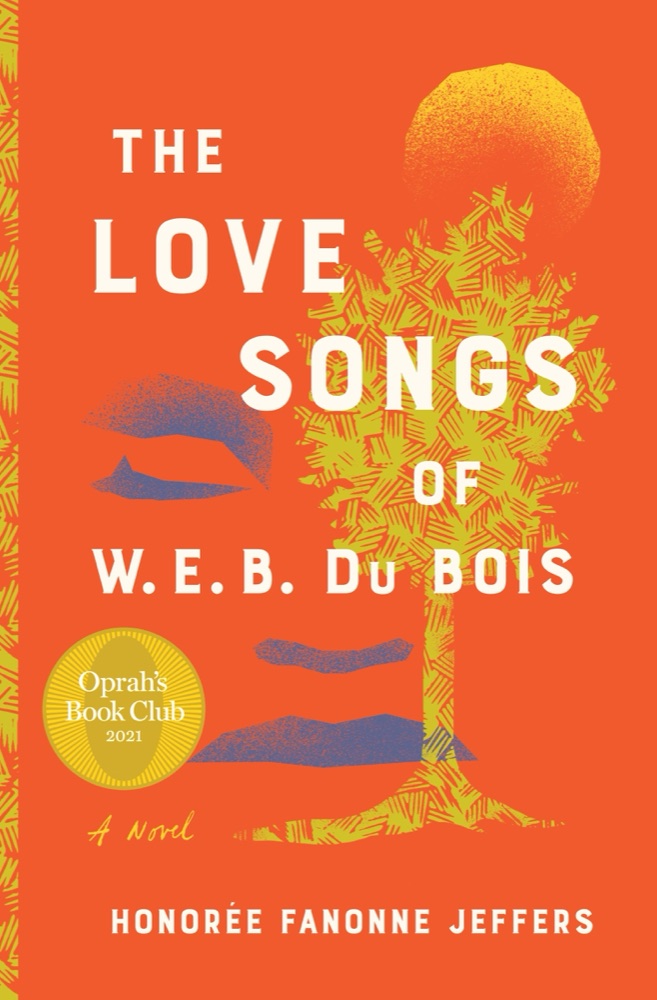 The Love Songs of W.E.B. Du Bois
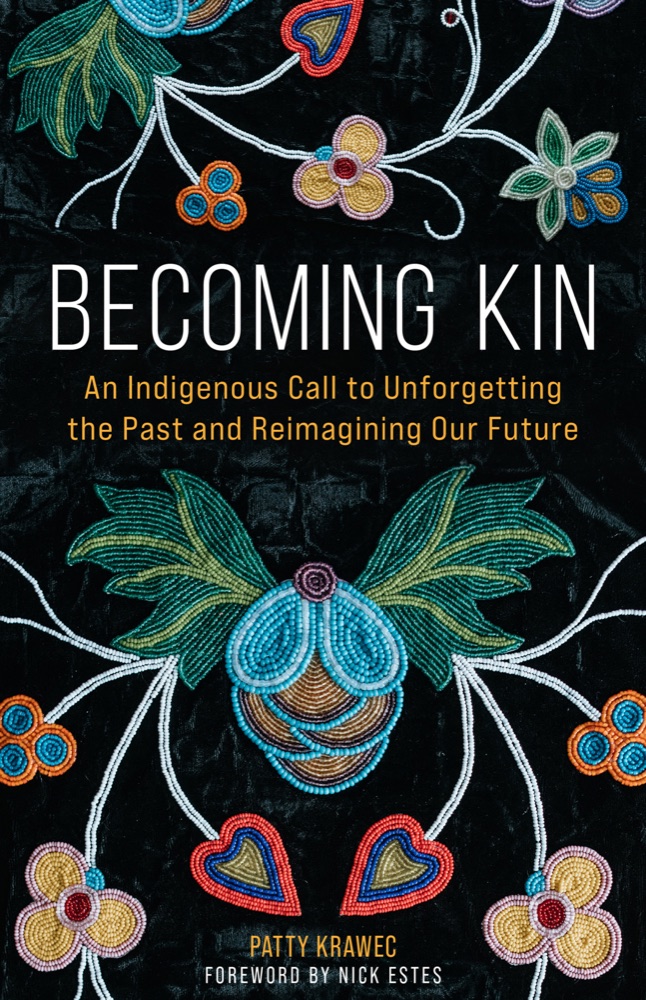 Becoming Kin: An Indigenous Call to Unforgetting the Past and Reimagining Our Future
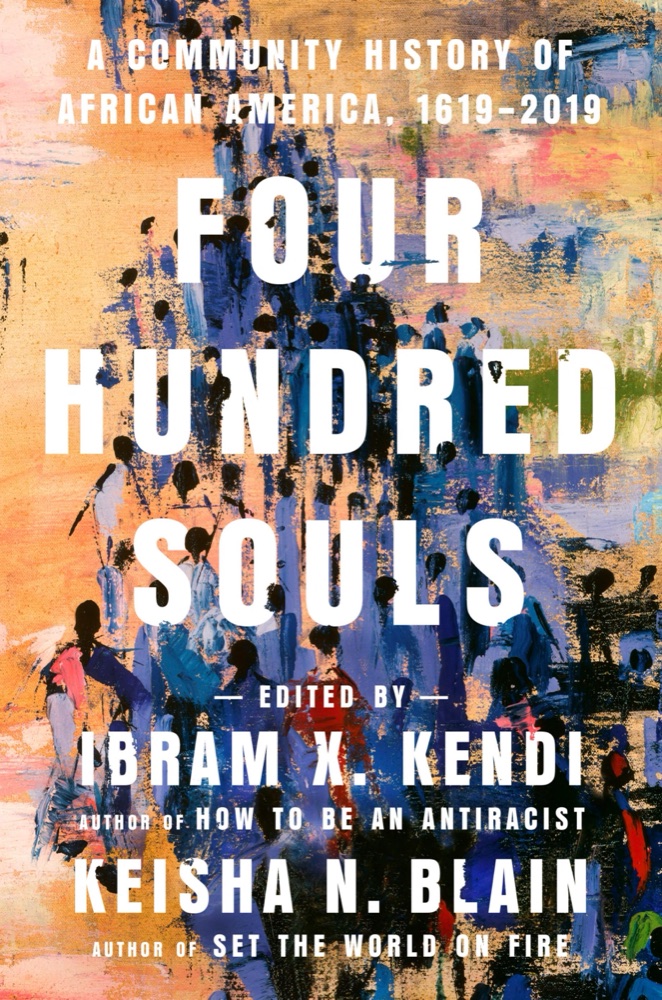 Four Hundred Souls: A Community History of African America, 1619-2019
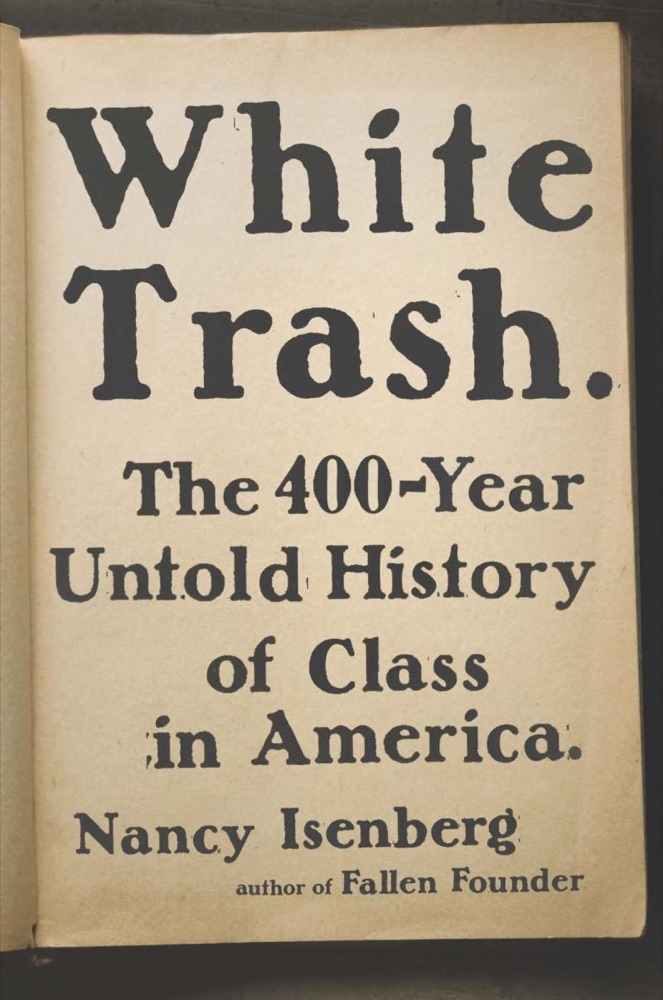 White Trash: The 400-Year Untold History of Class in America
 King Leopold's Ghost
 The Black Jacobins: Toussaint L'Ouverture and the San Domingo Revolution
 Congo: The Epic History of a People
 Barracoon: The Story of the Last "Black Cargo"
 Black Rednecks and White Liberals
 My Bondage and My Freedom
 Whiskey Tender: A Memoir
 The Dawn of Everything: A New History of Humanity
 The Water Dancer
 Lies My Teacher Told Me: Everything Your American History Textbook Got Wrong
 The Underground Railroad
 Collapse: How Societies Choose to Fail or Succeed
 Black Reconstruction in America 1860-1880
 Stony the Road: Reconstruction, White Supremacy, and the Rise of Jim Crow
 Carnage and Culture: Landmark Battles in the Rise of Western Power
 How the Word Is Passed: A Reckoning with the History of Slavery Across America
 Dark Emu
 The Wisdom of the Native Americans: Including The Soul of an Indian and Other Writings of Ohiyesa and the Great Speeches of Red Jacket, Chief Joseph, and Chief Seattle
 The Wretched of the Earth
 The End of the Myth: From the Frontier to the Border Wall in the Mind of America
 A History of the World in 100 Objects
 Thinning Blood: A Memoir of Family, Myth, and Identity
 Discourse on Colonialism
 Petals of Blood
 A People's History of the United States
 Open Veins of Latin America: Five Centuries of the Pillage of a Continent
 The Lost City of Z: A Tale of Deadly Obsession in the Amazon
 Chesapeake
 A Voyage Long and Strange: Rediscovering the New World
 Spying on the South: An Odyssey Across the American Divide
 Truth Telling: Seven Conversations about Indigenous Life in Canada
 Children of Ash and Elm: A History of the Vikings
 Nathaniel's Nutmeg: How One Man's Courage Changed the Course of History
 Black in Blues: How a Color Tells the Story of My People
 America's Women: 400 Years of Dolls, Drudges, Helpmates, and Heroines
 Custer Died for Your Sins: An Indian Manifesto
 The Wager: A Tale of Shipwreck, Mutiny and Murder
 Neither Wolf Nor Dog: On Forgotten Roads with an Indian Elder