
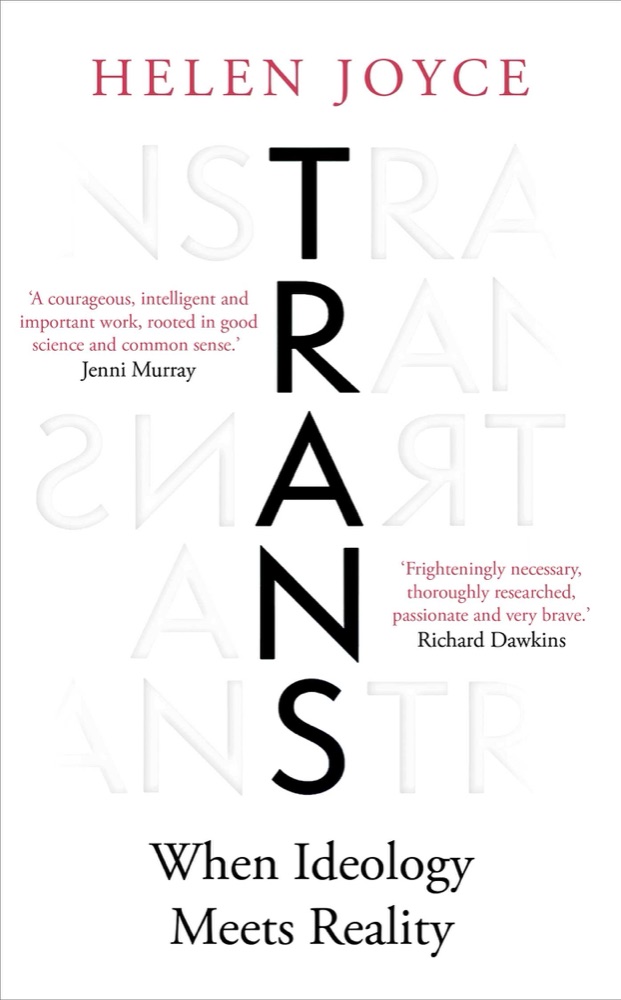
 Trans: When Ideology Meets Reality
Quotes from the Book
This must be said: corporate diversity schemes can never guarantee the safety, dignity, and prosperity of the transgender worker - or, indeed, any worker - in the way that a strong and robust trade union movement and a properly funded welfare state can.
6
Yet - to speak personally - I can say that, ever since I was a child, I have had to learn to keep on going in a world which signaled to me at every turn that I was mad, bad, sick, deluded, disgusting, a pervert, a danger, unlovable. I still do...Often, in the course of writing and researching this book, I spoke to younger trans people and their families and found myself hoping that, at a deep psychic level, they would not have to abide with the recurrent narratives of disgust and shame that this world has always imposed on me. This is not intended to be self-pitying; hope, including mine, is precious and powerful.
5
In my own experience, it is entirely possible for a person to know a woman is trans, insist they do not believe she is really a woman, and yet still treat her misogynistically. This may seem a paradox, - but, as Serano argues, it is because our popular culture and media has spent decades depicting trans women as extreme embodiments of very misogynistic tropes. First, we are represented as agents of vapid and regressive femininity - vain, obsessed with how we look, stupid, weak, childish, and entitled. We are simultaneously hypersexualized: either as grotesque sexual deviants, particularly if we are unconventionally feminine (or lesbians); or, as yielding, sexually passive and deceptive if we are more feminine in appearance and/or if we date men.
3
Hope is part of the human condition and trans people's hope is our proof that we are fully human. We are not an 'issue' to be debated and derided. We are symbols of hope for many non-trans people, too, who see in out lives the possibility of living more fully and freely. That is why some people hate us: they are frightened by the gleaming opulence of our freedom. Our existences enriches this world.
2
Although visibility helps redress a representational inequality, it does nothing on its own to achieve redistributive justice. This is a larger, more complex and ultimately more important fight, one whose aim is to reallocate resources to the most vulnerable trans communities in their struggle to resist state violence (like police harassment, imprisonment, or deportation), poverty and dispossession, and achieve better labour conditions.
2
Together, an LGBTQ+ coalition with class consciousness and anti-racism at its core must recover its radicalism and reaffirm its opposition to capitalism and patriarchy. Infighting and division are in the interests of our right-wing oppressors. Gay people and trans people have had to battle similar arguments about being "unnatural": homophobia still often rests on the prejudice that the worthiest form of sexuality is that which is capable of reproduction. Transphobia, too, emanates from prejudice that a person's stated identity is more trustworthy if it reflects their "natural" role in human reproduction. Similarly, cisgender women's reproductive freedom is the first thing to be curbed by conservative regimes. Misogyny, homophobia and transphobia share much of the same DNA. To the patriarchy, we all do gender wrong.
1
The idea that conspicuous consumption is a route to sexual and gender freedom has been effective in allowing the LGBT movement’s muscles to atrophy. In a godless age, there are new ways to give the masses their opium.
1
The intellectual justification for transphobia on the left is usually framed as concern about a mythological 'trans ideology', which is individualist, bourgeois and unconcerned with class struggle. As we've seen, however, the majority of trans people are working class, and the oppression of trans people is specifically rooted in capitalism. In short, capitalism across the world still relies heavily on the idea of different categories of men's work and women's work, in which "women's work" (such as housework, child-rearing, and emotional labour) is either poorly paid or not paid at all. In order for this categorization to function, it needs to rest on a clear idea of how to divide men and women. Capitalism also requires a certain level of unemployment to function. If there were enough work to go round, no worker would worry about losing their job, and all workers could demand higher wages and better conditions. The ever-present spectre of unemployment, on the other hand, enables employers to dictate conditions. Equally, in terms of severe crisis this 'reserve army' of unemployed people can be called into employment as and when the economy requires it. This system of deliberate unemployment needs ways to mark who will work and who will be left unemployed. In our society this is principally achieved through race, class, gender, and disability. Social exclusion and revulsion at the existence of trans people usefully provides another class of people more likely to be left in the ranks of the unemployed (even more so if they are trans and poor, black, or disabled - which is why unemployment is highest among these trans people).
1
Nearly half of transgender people who do have children have no contact with them.
1
Watch on YouTube
About Shon Faye
We have collected 9 quotes from 1 book by Shon Faye on BookQuoters.
More about the author →About the book
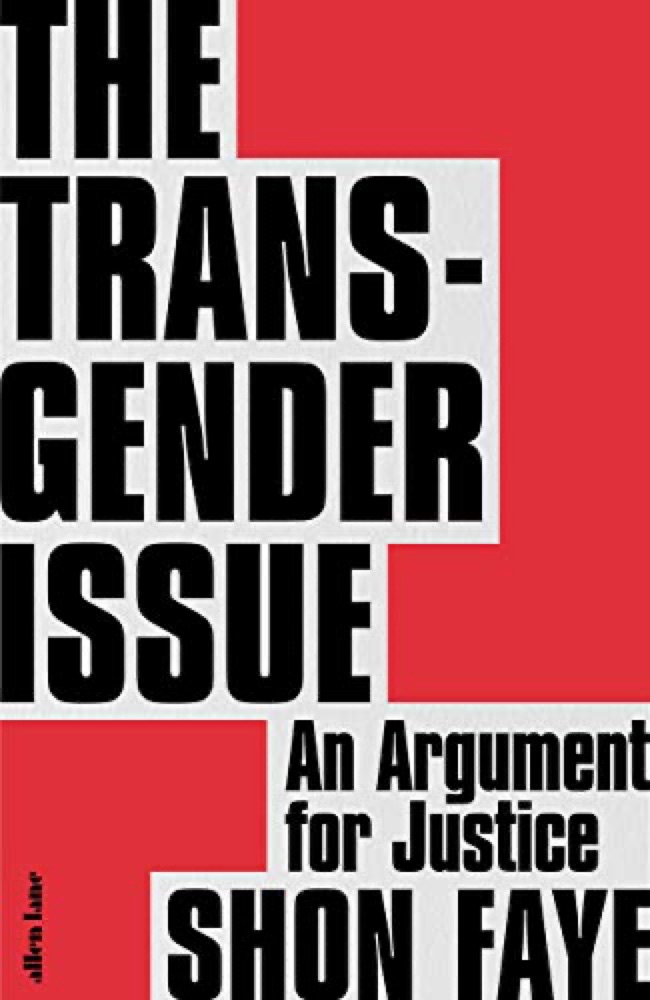
Trans people in Britain today have become a culture war 'issue'. Despite making up less than 1% of the country's population, they are the subjects of a toxic and increasingly polarised 'debate', which generates reliable controversy for newspapers and talk shows. This media frenzy conceals a simple fact: that we are having the wrong conversation, a conversation in which trans people themselves are reduced to a talking point and denied a meaningful voice.In this powerful new book, Shon Faye reclaims the idea of the 'transgender issue' to uncover the reality of what it means to be trans in a transphobic society. In doing so, she provides a compelling, wide-ranging analysis of trans lives from youth to old age, exploring work, family, housing, healthcare, the prison system, and trans participation in the LGBTQ+ and feminist communities, in contemporary Britain and beyond.The Transgender Issu
Book details
- First published
- 2021
- Author
- Shon Faye
- Genre
- Nonfiction
- Goodreads rating
- 4.52 (9k ratings)
Keep reading
Trans: When Ideology Meets Reality
 Material Girls: Why Reality Matters for Feminism
 Whipping Girl: A Transsexual Woman on Sexism and the Scapegoating of Femininity
 Tomorrow Will Be Different: Love, Loss, and the Fight for Trans Equality
 Minority Rule: Adventures in the Culture War
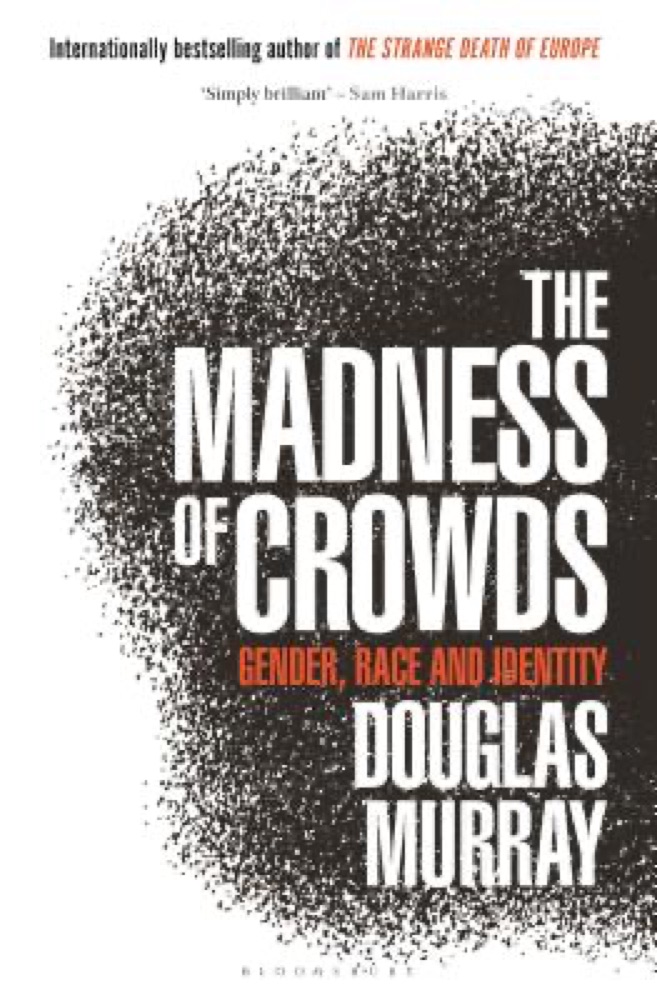 The Madness of Crowds: Gender, Race and Identity
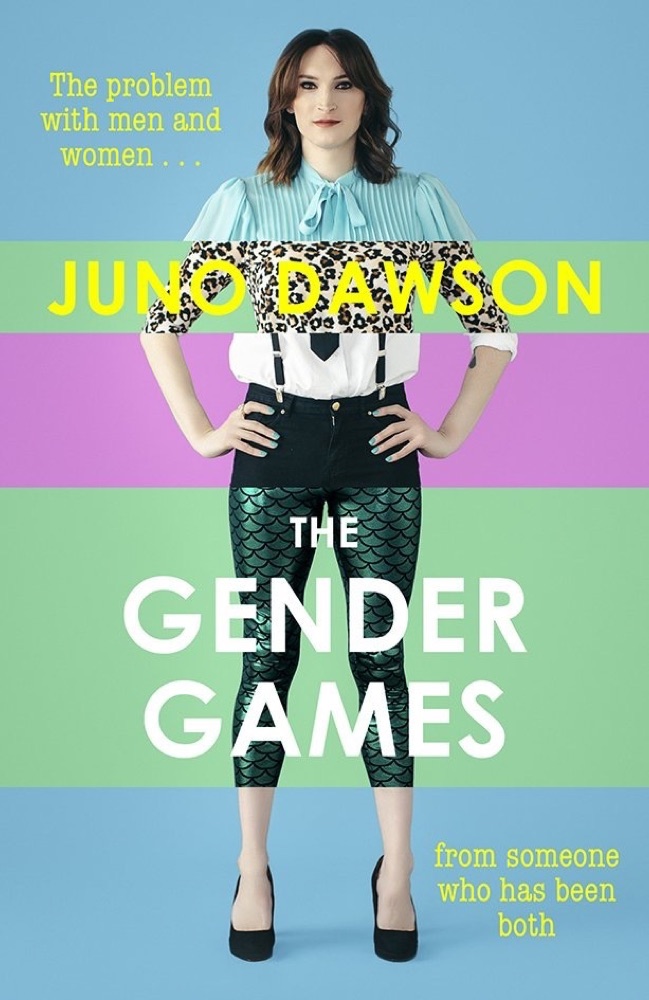 The Gender Games: The Problem with Men and Women, from Someone Who Has Been Both
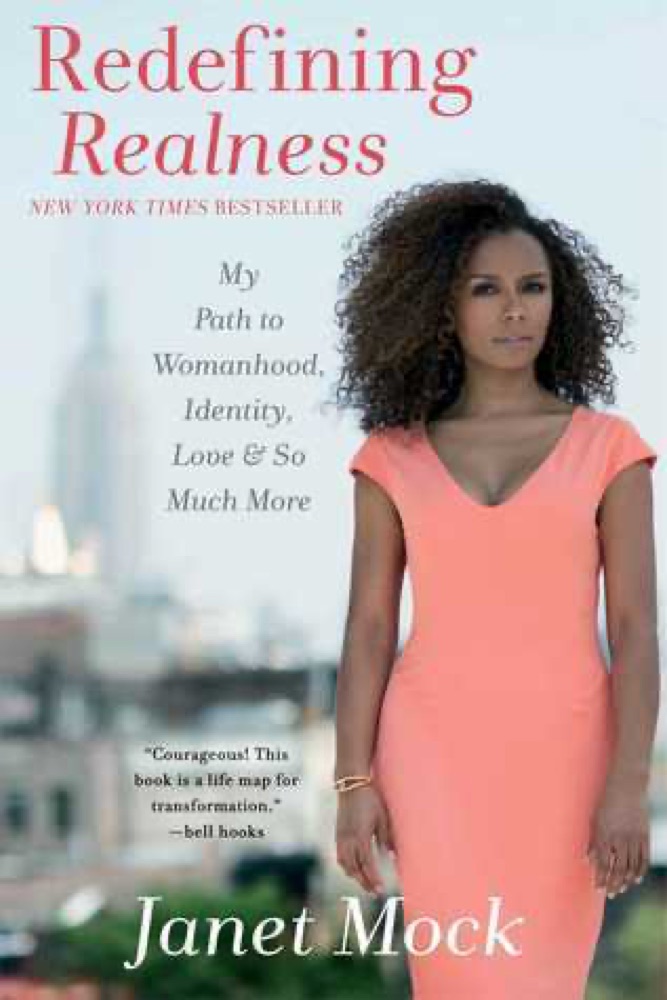 Redefining Realness: My Path to Womanhood, Identity, Love & So Much More
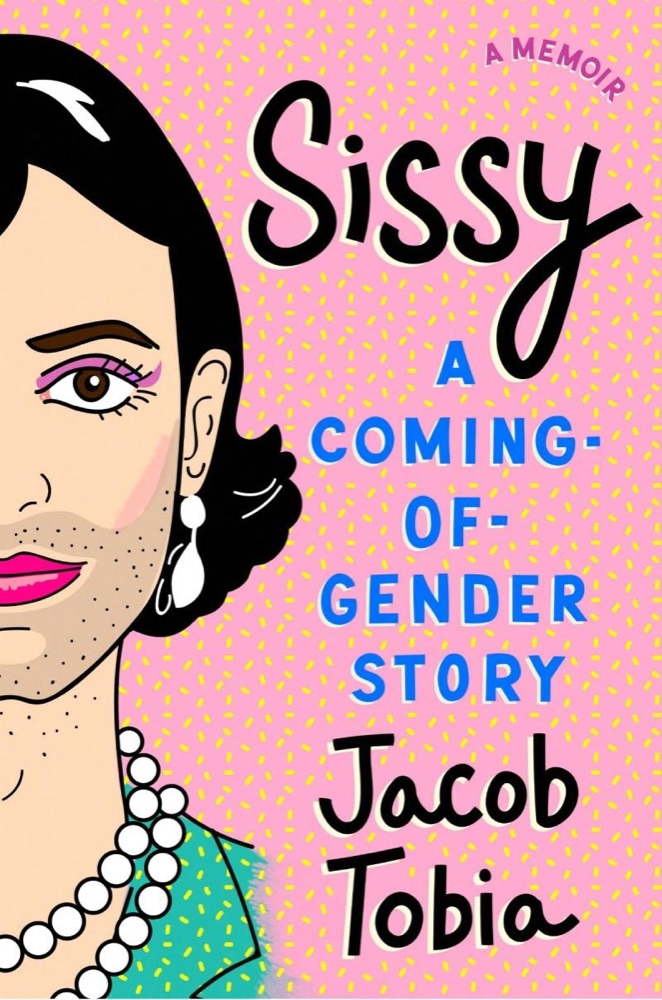 Sissy: A Coming-of-Gender Story
 I Hope We Choose Love: A Trans Girl's Notes from the End of the World
 Detransition, Baby
 Irreversible Damage: The Transgender Craze Seducing Our Daughters
 Miss Major Speaks: Conversations with a Black Trans Revolutionary
 Unspeakable Things: Sex, Lies and Revolution
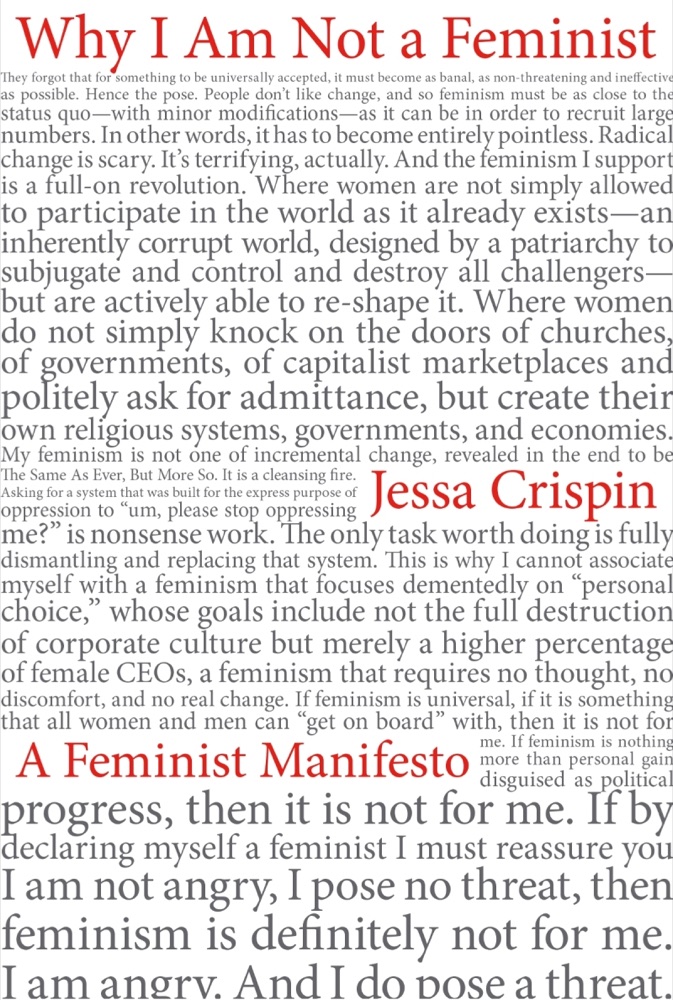 Why I Am Not a Feminist: A Feminist Manifesto
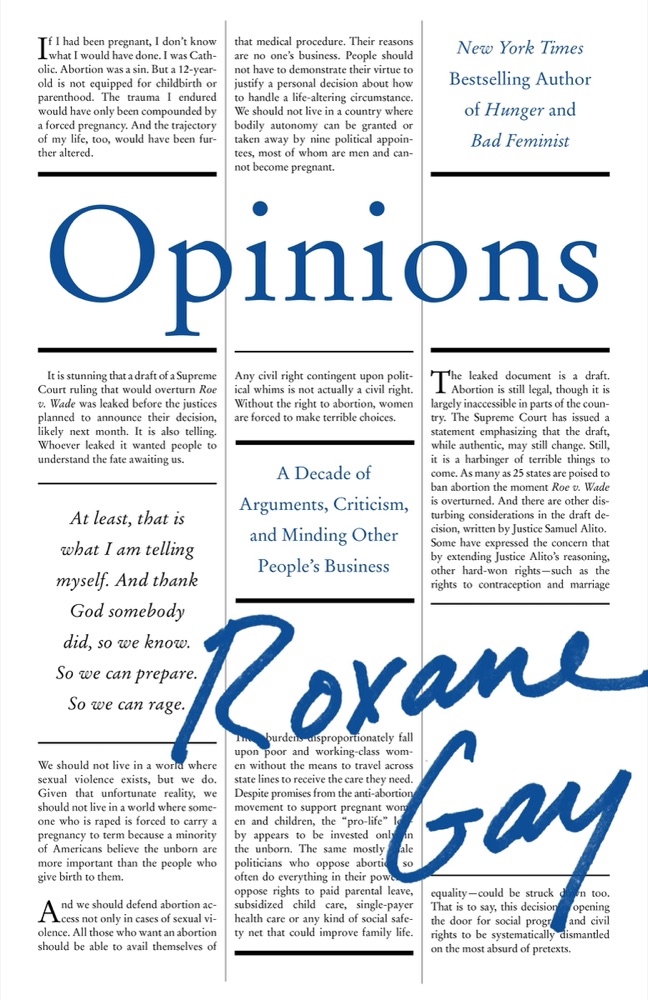 Opinions: A Decade of Arguments, Criticism, and Minding Other People’s Business
 I'm Afraid of Men.
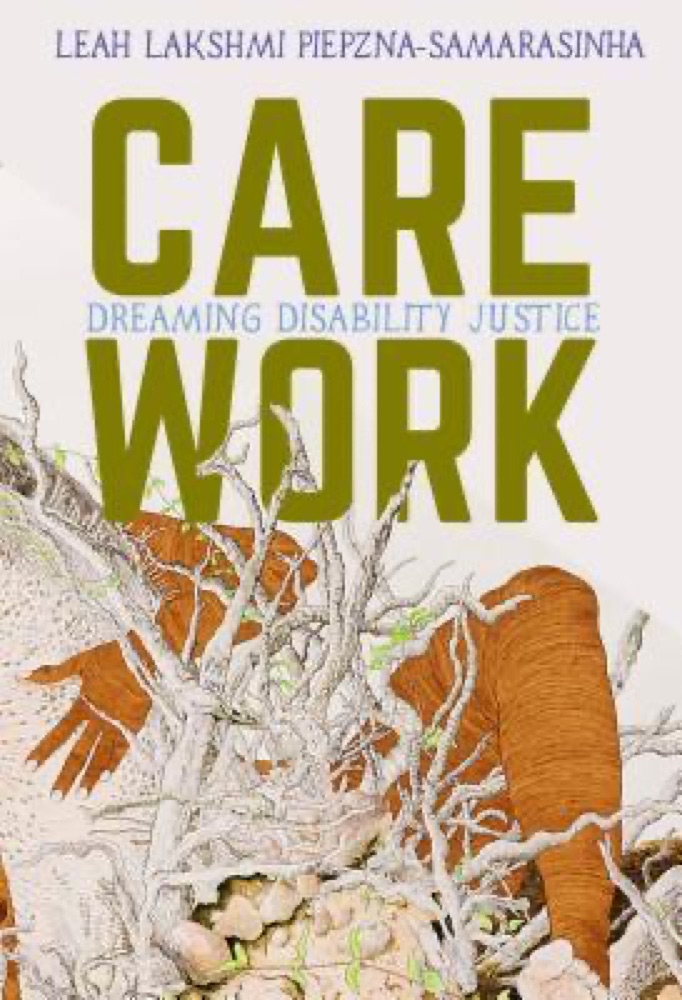 Care Work: Dreaming Disability Justice
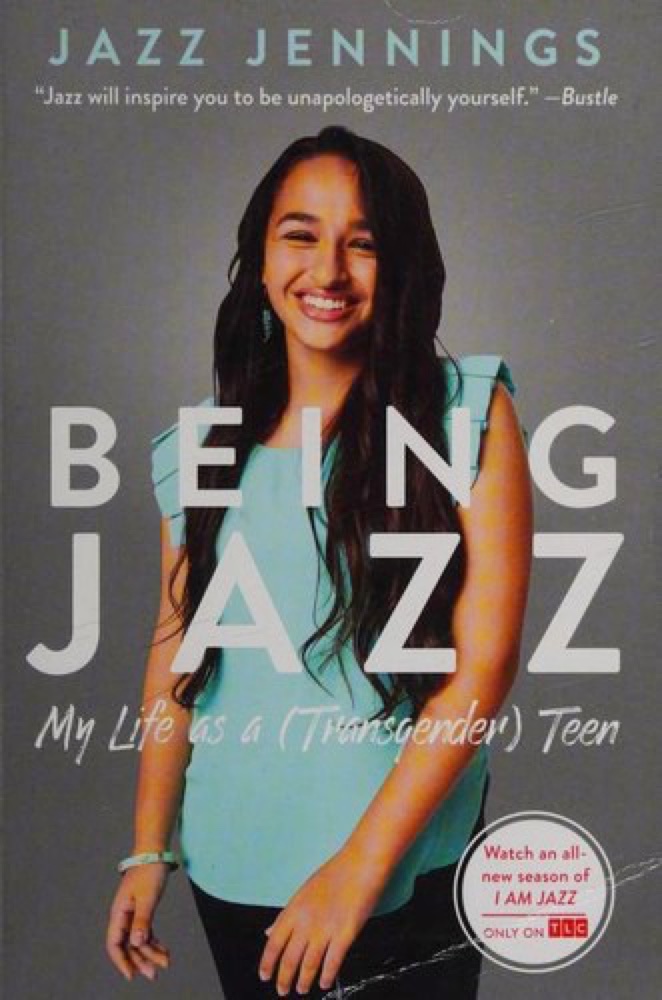 Being Jazz
 Undoing Gender
 Feminist Theory: From Margin to Center
 The Mother of All Questions
 The Lilac People
 Boys Will Be Boys: Power, Patriarchy and the Toxic Bonds of Mateship
 Disability Visibility: First-Person Stories from the Twenty-first Century
 This Bridge Called My Back: Writings by Radical Women of Color
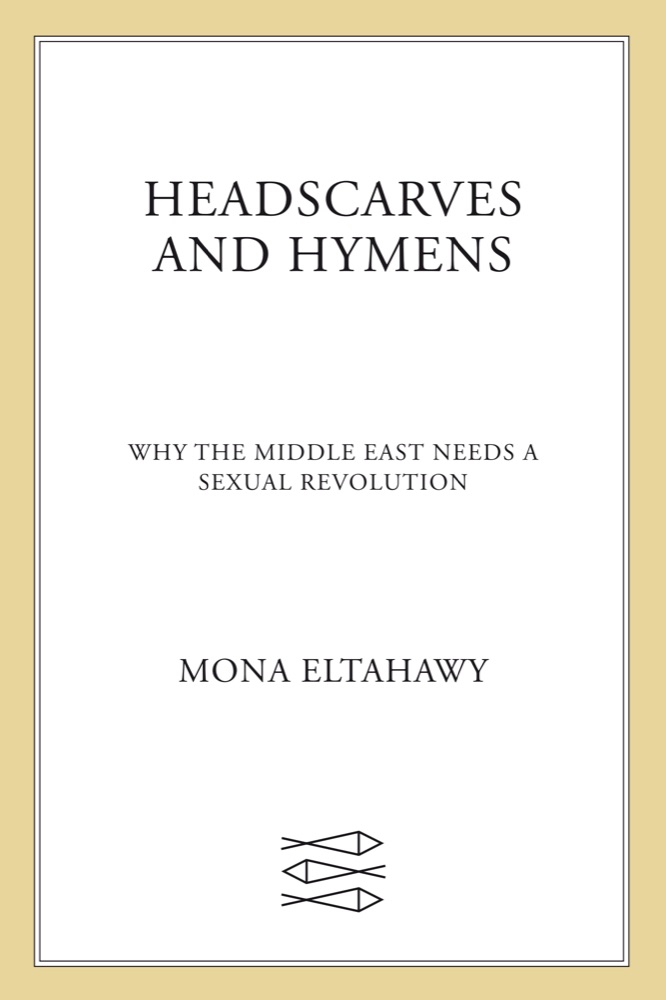 Headscarves and Hymens: Why the Middle East Needs a Sexual Revolution
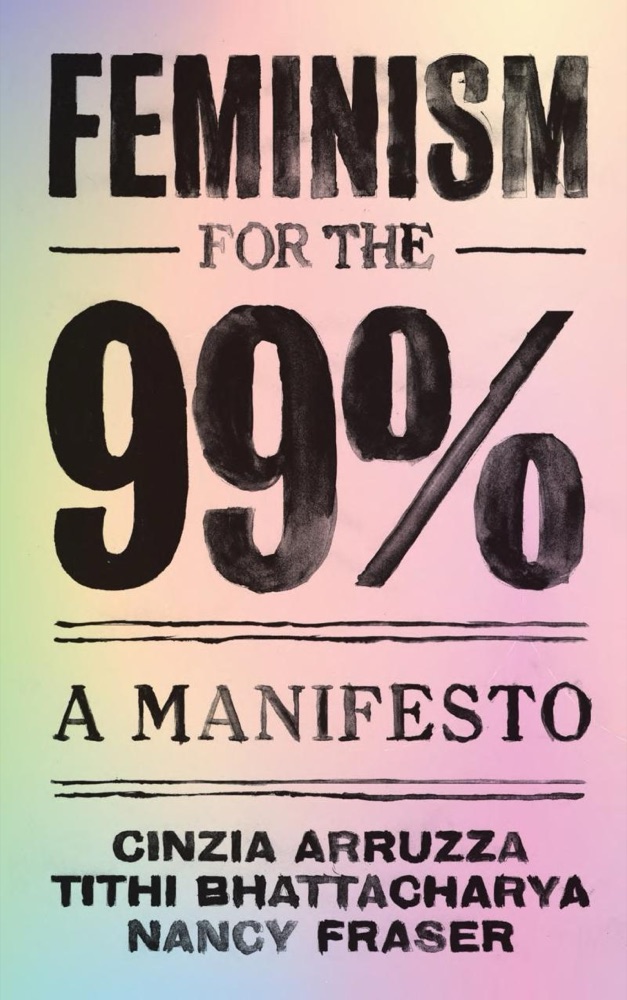 Feminism for the 99%: A Manifesto
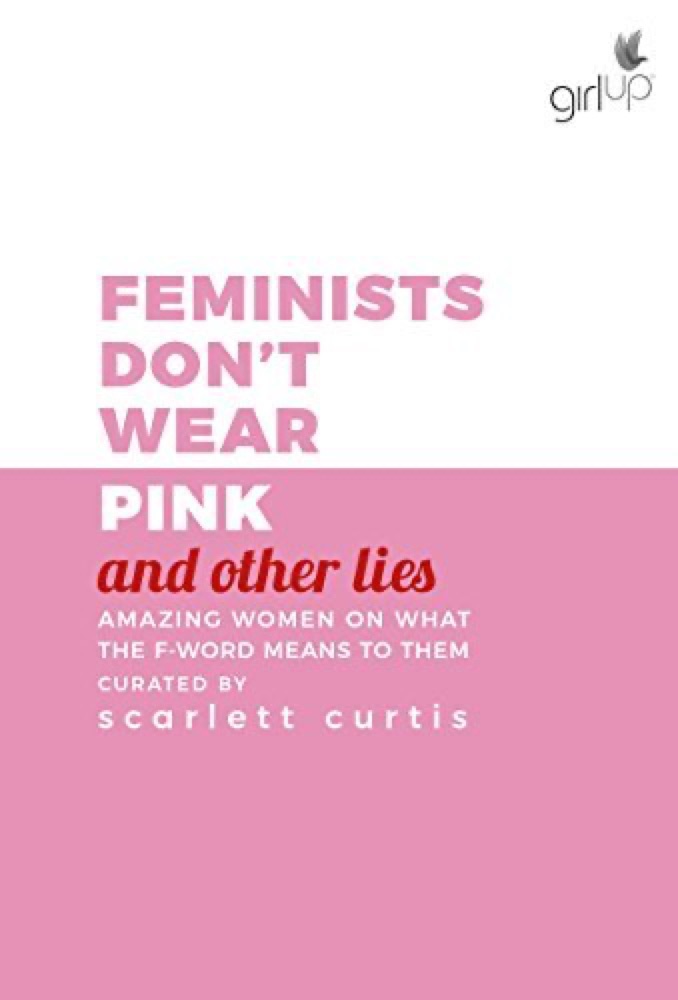 Feminists Don't Wear Pink (And Other Lies): Amazing Women on What the F-Word Means to Them
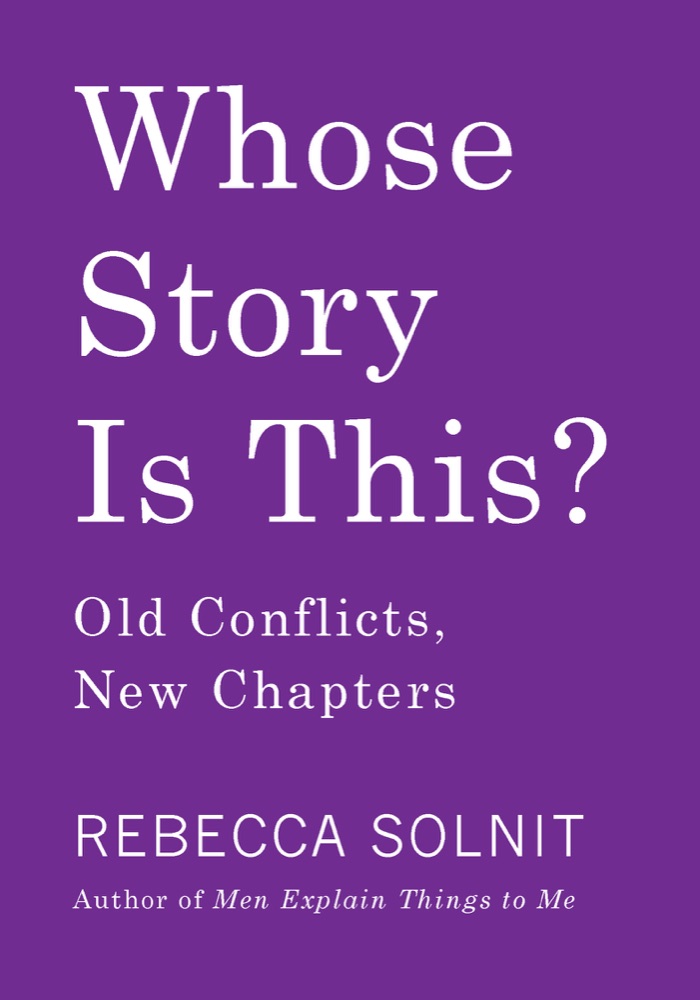 Whose Story Is This? Old Conflicts, New Chapters
 When They Call You a Terrorist: A Black Lives Matter Memoir
 Living a Feminist Life
 Doppelganger: A Trip into the Mirror World
 Queer Ducks (and Other Animals): The Natural World of Animal Sexuality
 You Have the Right to Remain Fat
 Far from the Tree: Parents, Children, and the Search for Identity
 The Witches Are Coming
 The Right to Sex: Feminism in the Twenty-First Century
 On the Other Side of Freedom: The Case for Hope
 What White People Can Do Next: From Allyship to Coalition – An Empowering Guide to Interrogating Whiteness and Creating Justice
 The Geek Feminist Revolution
 Cynical Theories: How Activist Scholarship Made Everything about Race, Gender, and Identity—and Why This Harms Everybody
 The Tragedy of Heterosexuality
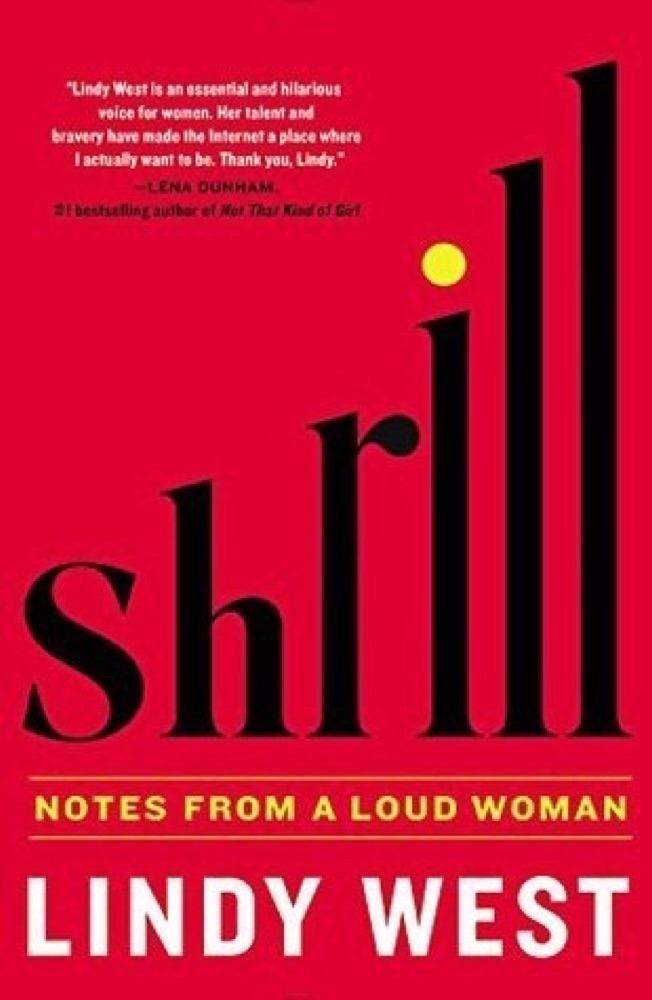 Shrill: Notes from a Loud Woman
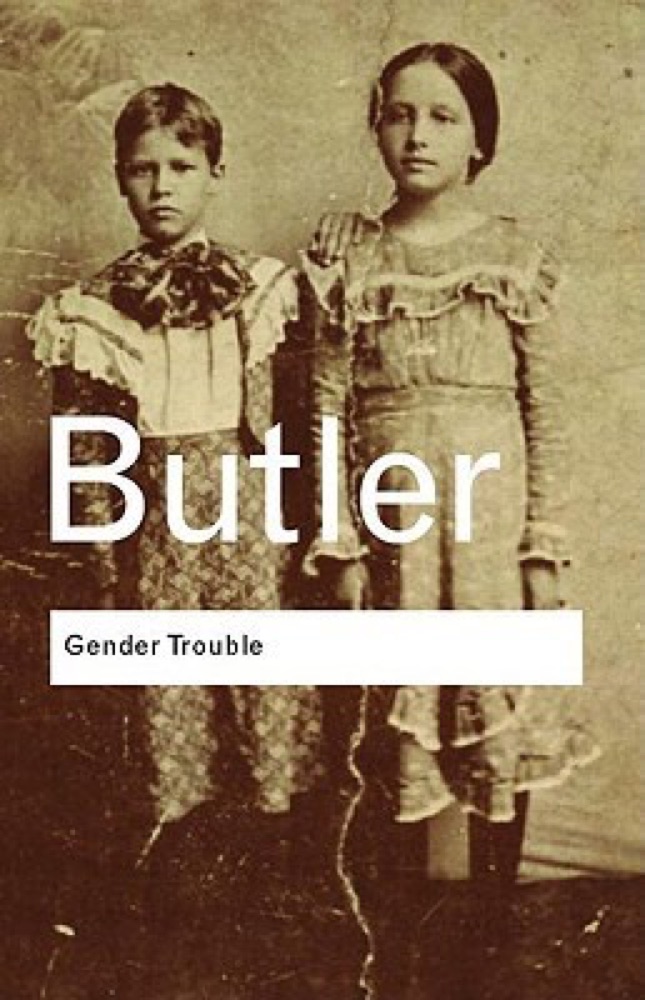 Gender Trouble: Feminism and the Subversion of Identity
 The Descent of Man
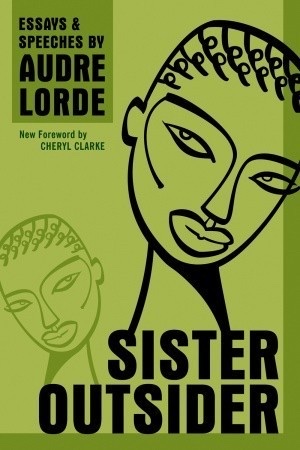 Sister Outsider: Essays and Speeches
 The Master's Tools Will Never Dismantle the Master's House
 Cunt: A Declaration of Independence
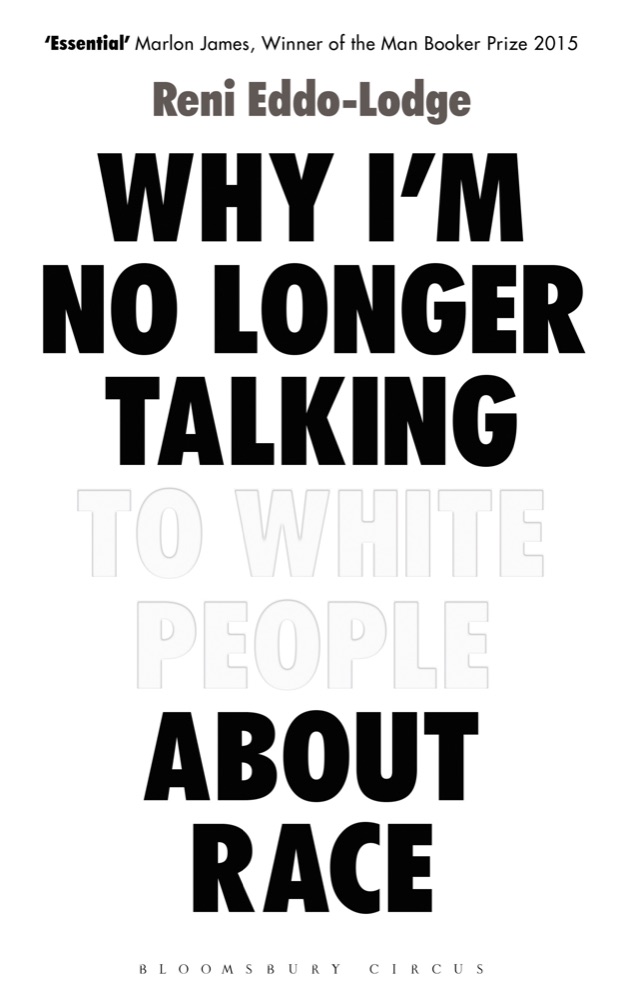 Why I'm No Longer Talking to White People About Race
 I Heard Her Call My Name: A Memoir of Transition
 Against White Feminism: Notes on Disruption
 Girl, Woman, Other
 The Underground Girls of Kabul: In Search of a Hidden Resistance in Afghanistan
 Feminism Is for Everybody: Passionate Politics
 Just Us: An American Conversation
 The Identity Trap: A Story of Ideas and Power in Our Time
 Invisible Women: Data Bias in a World Designed for Men
 A Hunter-Gatherer's Guide to the 21st Century: Evolution and the Challenges of Modern Life
 Of Boys and Men: Why the Modern Male Is Struggling, Why It Matters, and What to Do About It