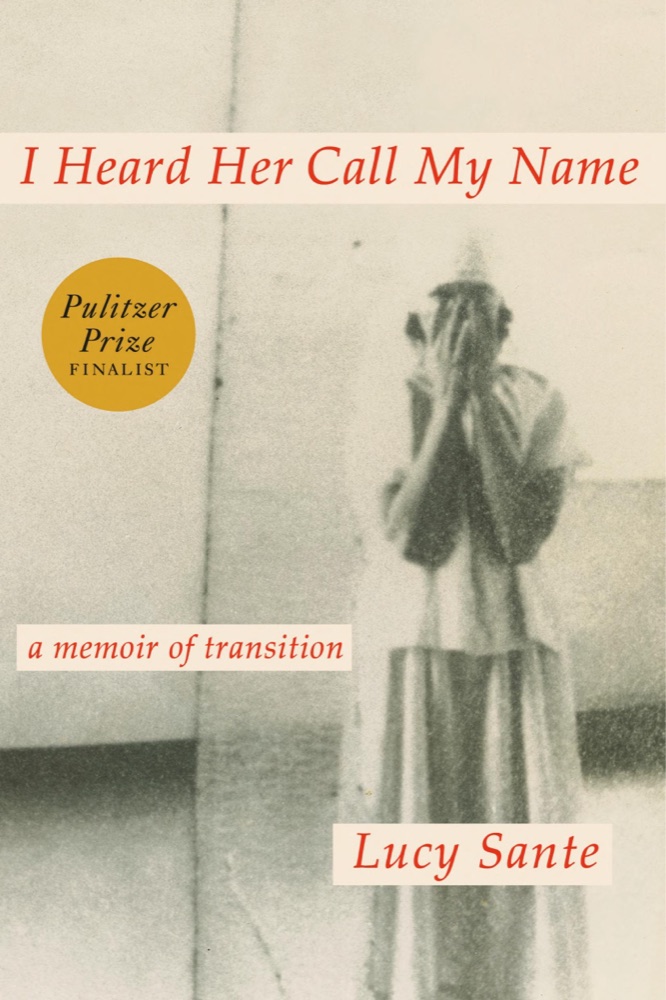

 Amateur: A True Story About What Makes a Man
Quotes from the Book
My secret poisoned my entire experience of life. There was never a moment when I didn't feel the acute shame of being me, even as I denied to myself that my secret had anything to do with it.
1
The dam burst on February 16, when I uploaded FaceApp, for a laugh. I had tried the application a few years earlier, but something had gone wrong and it had returned a badly botched image. But I had a new phone, and I was curious. The gender-swapping feature was the whole point for me, and the first picture I passed through it was the one I had tried before, taken for that occasion. This time it gave me a full-face portrait of a Hudson Valley woman in midlife: strong, healthy, clean-living. She also had lovely flowing chestnut hair and a very subtle makeup job. And her face was mine. No question about it—nose, mouth, eyes, brow, chin, barring a hint of enhancement here or there. She was me. When I saw her I felt something liquefy in the core of my body. I trembled from my shoulders to my crotch. I guessed that I had at last met my reckoning. Very soon I was feeding every portrait and snapshot and ID-card picture I possessed of myself into the magic gender portal.
I don't mind representing myself as an example of someone who has found happiness by confronting the truth.
My story is not a typical trans story - but what is a typical trans story?
Transitioning is not an event but a process, and it will occupy the rest of my life as I go on changing.
although very few expressed their transness because of the exceptionally strong taboo. That taboo was a detail in the male campaign to hold and exercise power; there was to be no blurring of the line, or heaven forbid, deserters.
Whenever I contemplate a gender-related course of action, I ask myself whether I’m basing it on my own happiness or on the judgment of others.
When I say that I have transitioned from male to female, one of the things I mean is that I have built myself a new persona, appropriate to my age and walk of life, with a certain distinctive appearance. I didn’t exactly plan this look—it just happened, but it is strong, and it instructs me on the character I am to play. I have an expectation of myself based on how I appear. My appearance is there for me to grow into.
There is gender playacting, deliberate or unconscious, and the rest is a broad field of ambiguity.
In other words, I’m totally normal, the same person as ever, while also quite different. (Transitioning really makes you appreciate the beauty of the dialectic.)
A prerequisite for maleness was that one must dominate at something (belching, sports statistics, blue humor), or at least make an honest stab, and writing was the only field in which I had a shot.
wasn’t gender a spectrum? Why did I feel as though I had crossed into another dimension? But eventually I realized that the portal was not between genders. It was the eye of the cognitive needle I had to pass through in order to break out of the prison of denial.
But how different were girls from boys? We ate different things, mostly. Boys ate any kind of slop; girls ate mostly leaves, and if you spent the night at a girl’s house there would never be any sugar for your coffee in the morning, maybe honey if you were lucky.
I’m profoundly nostalgic for the analog era, but even more my nostalgia is for the time before Ronald Reagan and Margaret Thatcher ushered in the present sociopathic moral culture, devoted to the destruction of community and the devaluation of human beings, which grew all-pervasive with the coming of the digital era.
I do believe that my newfound sociability came not from transitioning per se, but from the release of the ten-ton secret that had been stapled to my chest for so many decades. Suddenly having nothing to hide will definitely incline one to weightlessness and that is a permanent change. When there is nothing left to protect, the result is freedom.
(Although it is extremely exciting to have tits.)
I experience a kind of serenity, a general rightness with the world, and acceptance of my being and my eventual fate now that I finally have achieved true selfhood. I don’t hate myself anymore, I’m no longer apologetic for my very existence. I walk with pride, I feel exceptionally fortunate, grateful to whatever force cracked my egg before it was too late, I was saved from drowning.
I can honestly say that I'm happy, in a way I’ve never been before. I am finally inhabiting myself, the shadow me once hidden under the floorboards. I feel entirely comfortable, as if I had always been this way in waking life. I’m old, and that’s unfortunate, although I’m exceedingly lucky: on some days in certain kinds of light I don’t look my age. I naturally wish I could have transitioned in my teens, or my twenties, or any age earlier than mine, but there are compensations, being left in peace, remaining immune to all affinity-group competition, being able to nestle my changes into a life that was already structured, having outlived all the censorious elders.
I knew how to be alone, had studied the manner deeply, knew all the shadings of aloneness, and even spent considerable time alone within each of my relationships, but I was afraid to be alone.
and nearly every day at some point, I'd find myself overcome by sheer indredulity, that I’d actually gone and done this thing that had haunted me all my life and that I had been so invested in suppressing. It was if I’ve been struck by lightning, or rescued from a cave-in, or returned from a near death experience. I had been liberated – by mysterious forces it often seemed – and my immediate task was to relearn normal life under vastly changed conditions.
As a trans woman, I might now and then feel freakish, or horribly clockable, or out of place, or resented, but those were all projections from without. In and for myself, I did not have a speck of doubt. I had once described myself in print as a creature made entirely of doubt, most of it self-doubt, but I had now been given something like a euclidean proof of an essential truth about me.
It appeared that transitioning did not involve piling on additional stuff; rather it was a process of removal, dismantling the carapace of maleness that had kept me in its grip for so long.
I wanted to so badly to be a woman that I could not really understand anyone wanting anything else
For those who haven experienced it gender dysphoria is a hard thing to conceptualize. It may be dificult for them to understand that sex and gender are not identical propositions, and it is certainly hard for them to understand the urgency and totality of the need. Not understanding the why and the how will make people a bit frightened. Delicacy and the wish not to hurt may prevent them from articulating the sort of questions they actually want to ask: How did we not know that about you? Will you be dating men now? How do you feel about your dick? If not: Wasn't it taboo only yesterday? Doesn't it run contrary to nature? Isn't it something you'd see in sideshows? Isn't identity just a construct after all? In any case, most of the people in my life preferred to act as if nothing had happened. If we normally talked about movies or music or local gossip or animals, we'd carry on talking about movies or music or local gossip or animals. That was fine as far as it went, but after a while it made me feel a bit sexless and unappreciated. I was, after all, on a metaphysical journey that beggared anything they were likely to have experienced.
Watch on YouTube
About Lucy Sante
We have collected 24 quotes from 1 book by Lucy Sante on BookQuoters.
More about the author →About the book
“Reading this book is a joy... much to say about the trans journey and will undoubtedly become a standard for those in need of guidance. ” — The Washington Post
"Sante’s bold devotion to complexity and clarity makes this an exemplary memoir. It is a clarion call to live one’s most authentic life.” — The Boston Globe
“Not to be missed, I Heard Her Call My Name is a powerful example of self-reflection and a vibrant exploration of the modern dynamics of gender and identity.” — Lit Hub’s Most Anticipated Books of 2024
An iconic writer’s lapidary memoir of a life spent pursuing a dream of artistic truth while evading the truth of her own gender identity, until, finally, she turned to face who she really was
For a long time, Lucy Sante felt unsure of her place. Born in Belgium, the only child of conservative working-class Catholic parents who transplanted their little family to the
Book details
- First published
- 2024
- Author
- Lucy Sante
- Genre
- Biography
- Goodreads rating
- 3.52 (3k ratings)
The buzz
- The New York TimesReview in The New York Timesprofessional review (via Book Marks)
- The New YorkerReview in The New Yorkerprofessional review (via Book Marks)
- The Washington PostReview in The Washington Postprofessional review (via Book Marks)
- Los Angeles TimesReview in Los Angeles Timesprofessional review (via Book Marks)
- SlateReview in Slateprofessional review (via Book Marks)
- The Boston GlobeReview in The Boston Globeprofessional review (via Book Marks)
Keep reading
Amateur: A True Story About What Makes a Man
 Homebody: A Graphic Memoir of Gender Identity Exploration
 Redefining Realness: My Path to Womanhood, Identity, Love & So Much More
 Detransition, Baby
 Sissy: A Coming-of-Gender Story
 Unicorn: The Memoir of a Muslim Drag Queen
 Hijab Butch Blues
 Managing Expectations: A Memoir in Essays – A Poignant Collection of Personal Stories on Acting, Failure, and Motherhood's Joy
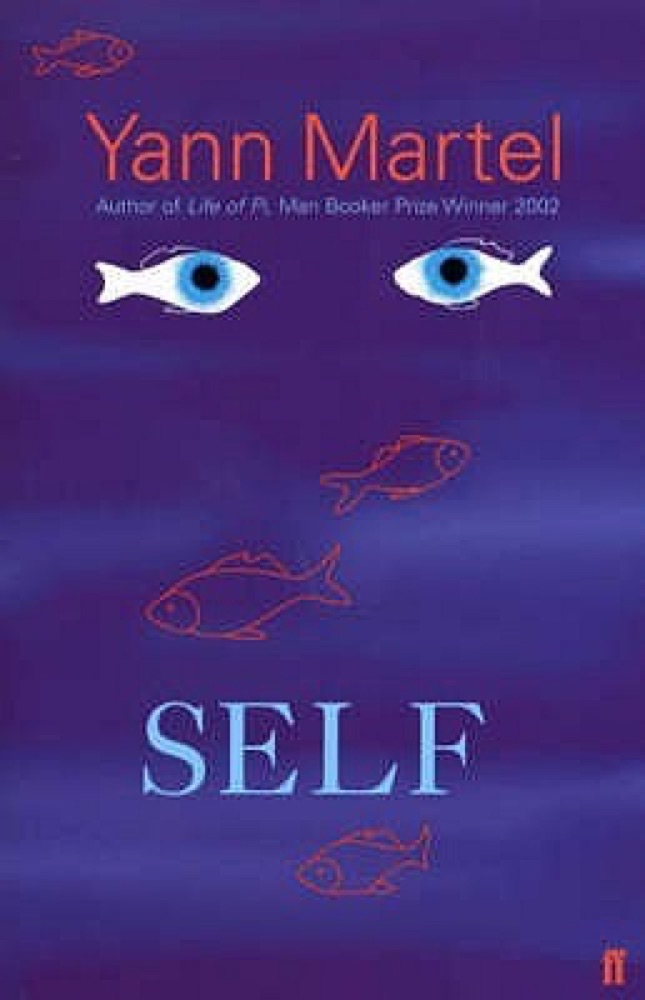 Self
Self
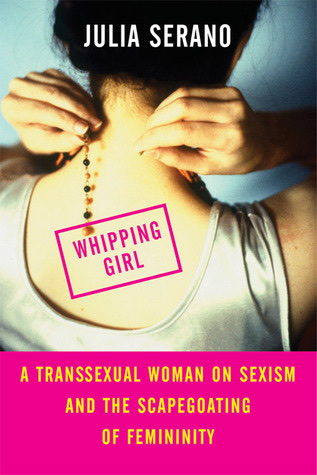 Whipping Girl: A Transsexual Woman on Sexism and the Scapegoating of Femininity
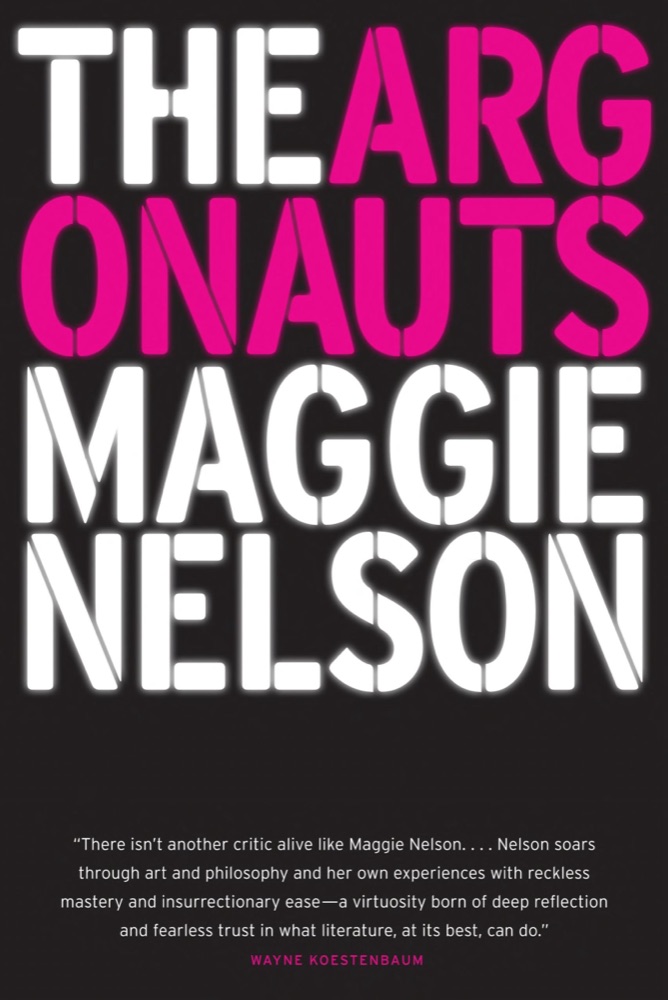 The Argonauts
 My Body
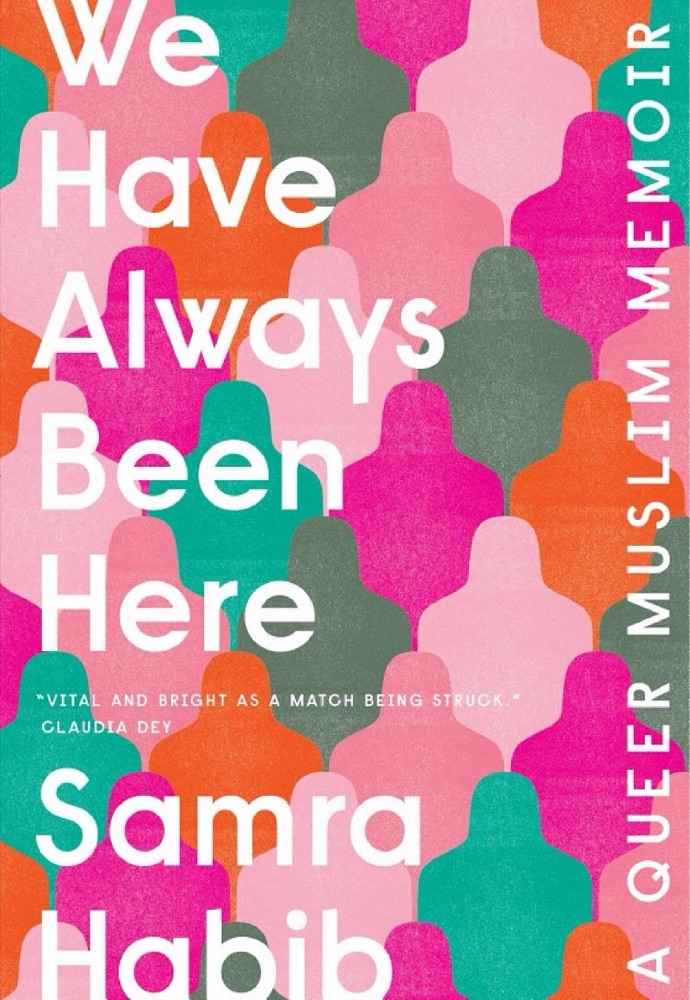 We Have Always Been Here: A Queer Muslim Memoir
 I'm Afraid of Men.
 Girls Can Kiss Now: Essays
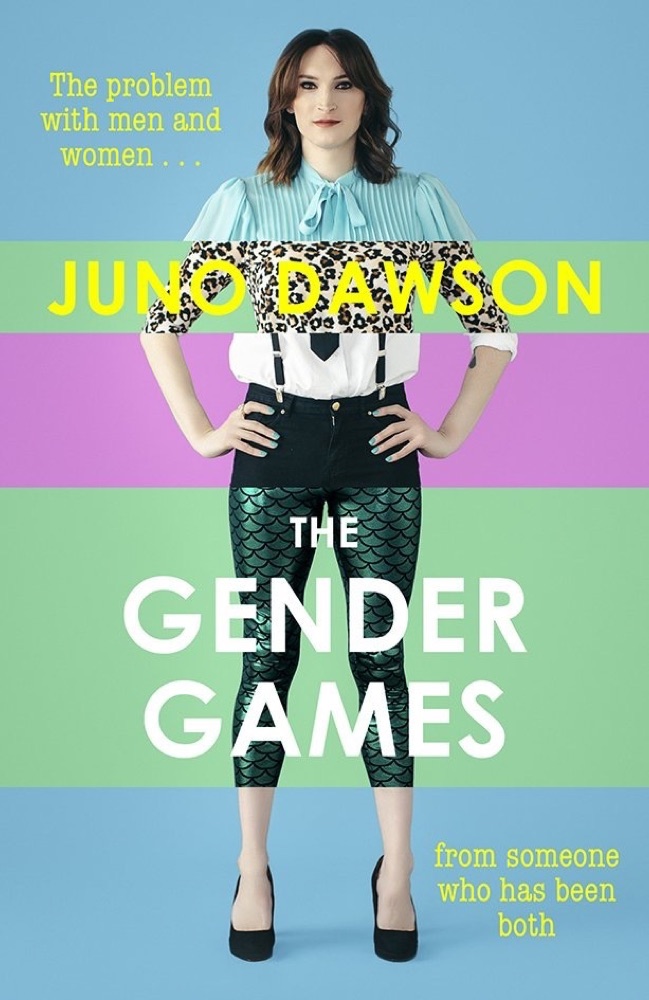 The Gender Games: The Problem with Men and Women, from Someone Who Has Been Both
 Stone Butch Blues
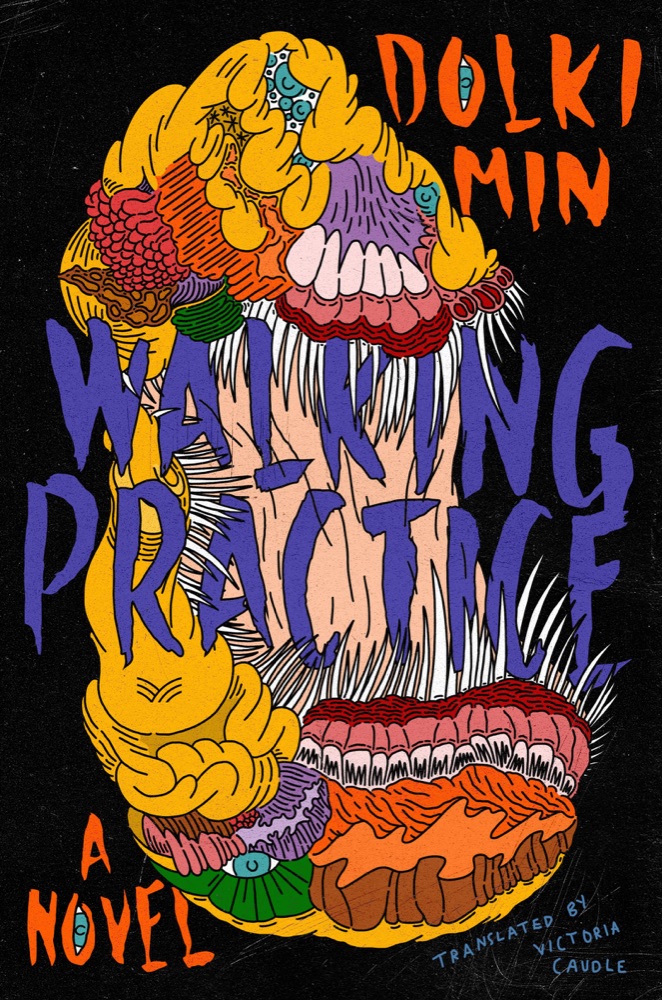 Walking Practice
 Terminal Boredom: Stories
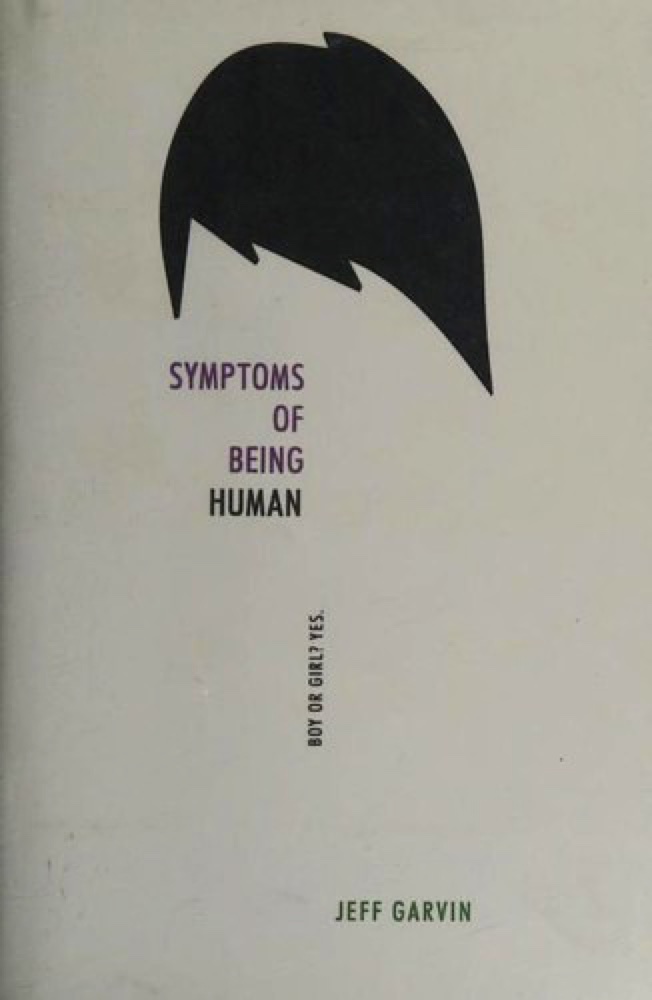 Symptoms of Being Human
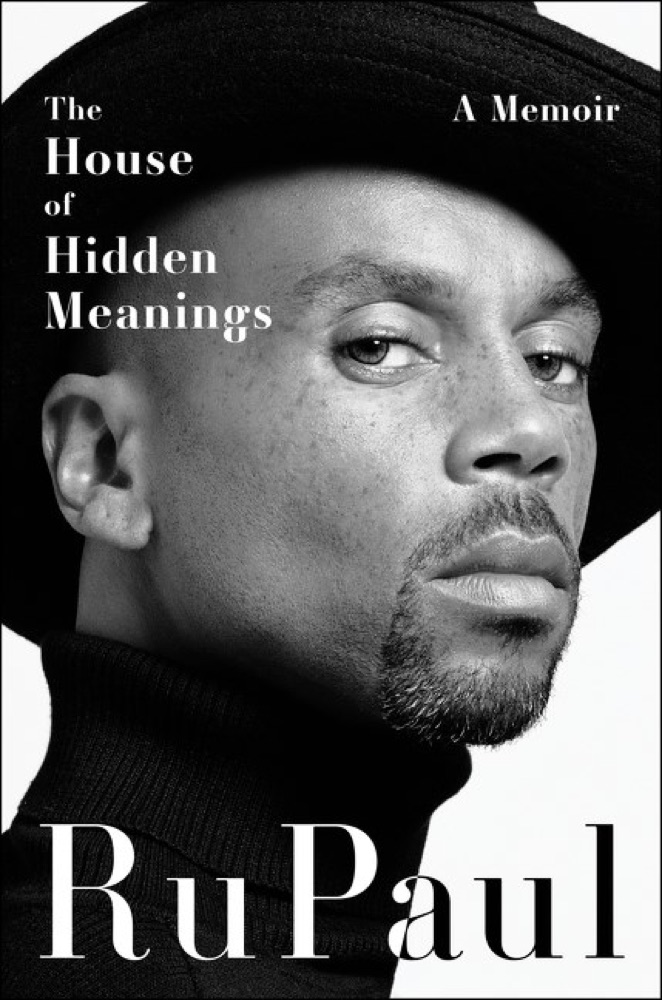 The House of Hidden Meanings
 Aftermath: On Marriage and Separation
 Strong Female Character
 Things I Don't Want to Know
 All Fours
 Hunger Makes Me a Modern Girl
 Being Jazz
 Anthropology of an American Girl
 To Throw Away Unopened
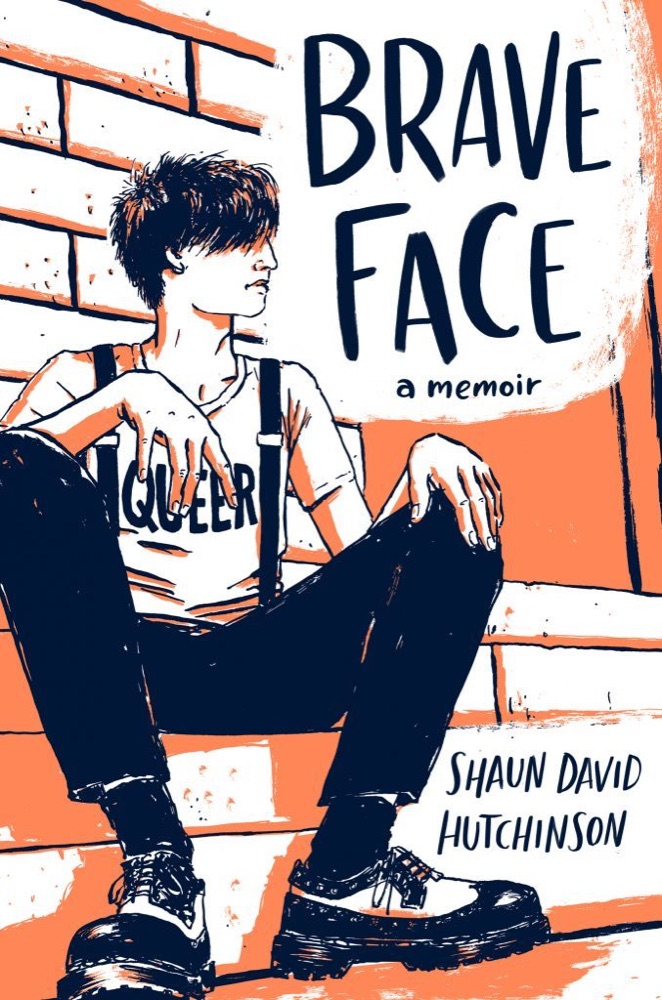 Brave Face
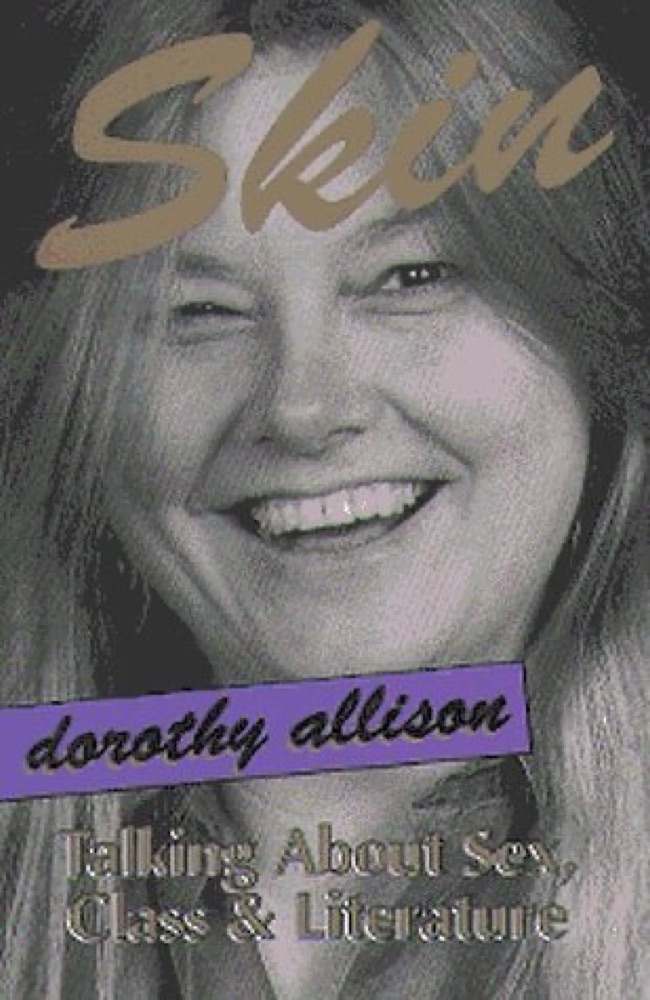 Skin: Talking About Sex, Class And Literature
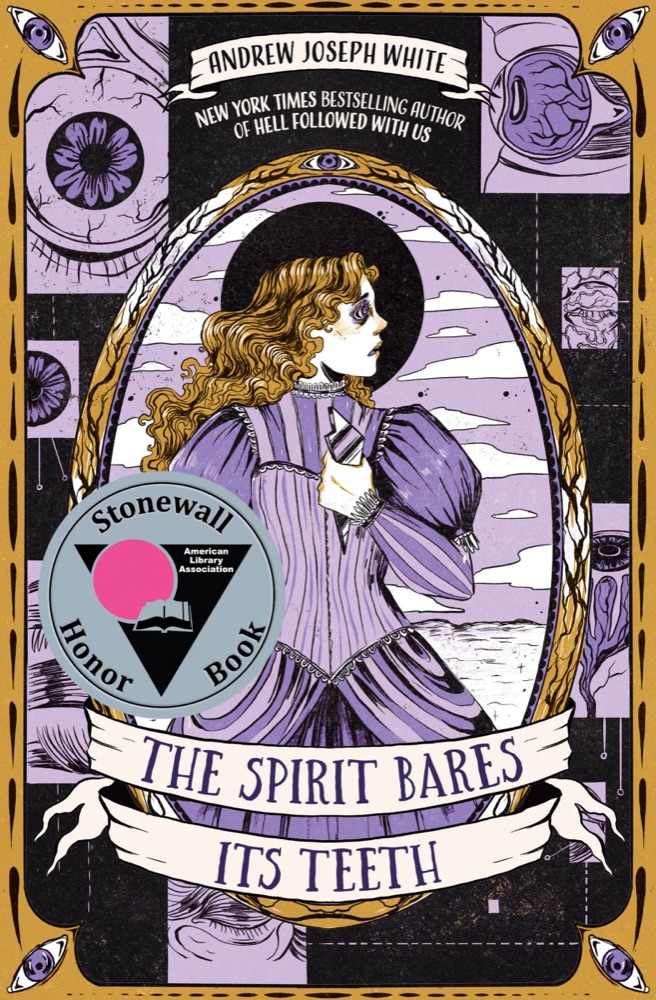 The Spirit Bares Its Teeth
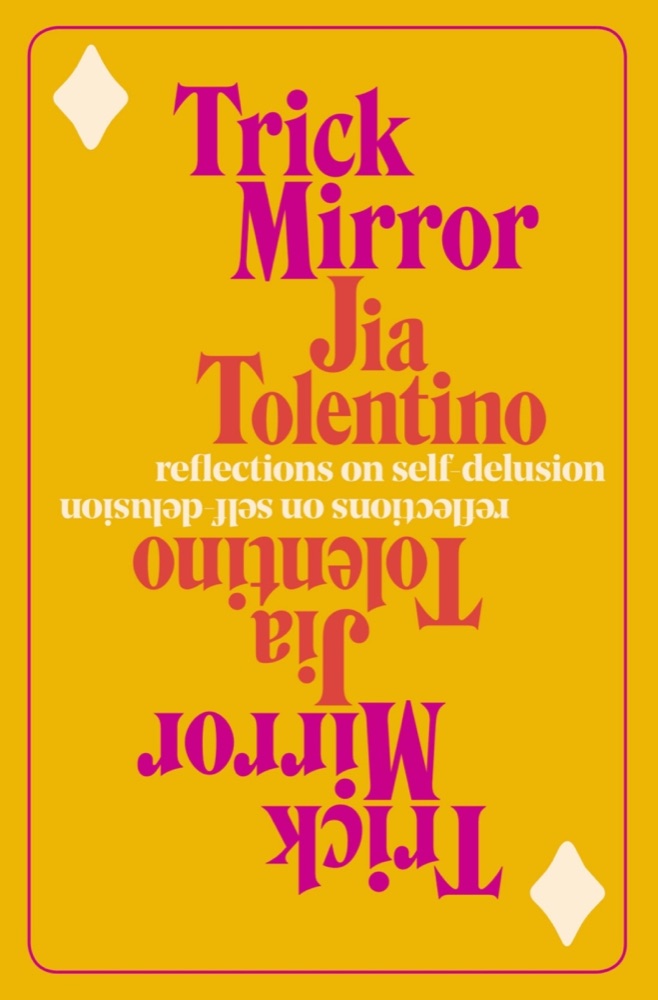 Trick Mirror: Reflections on Self-Delusion
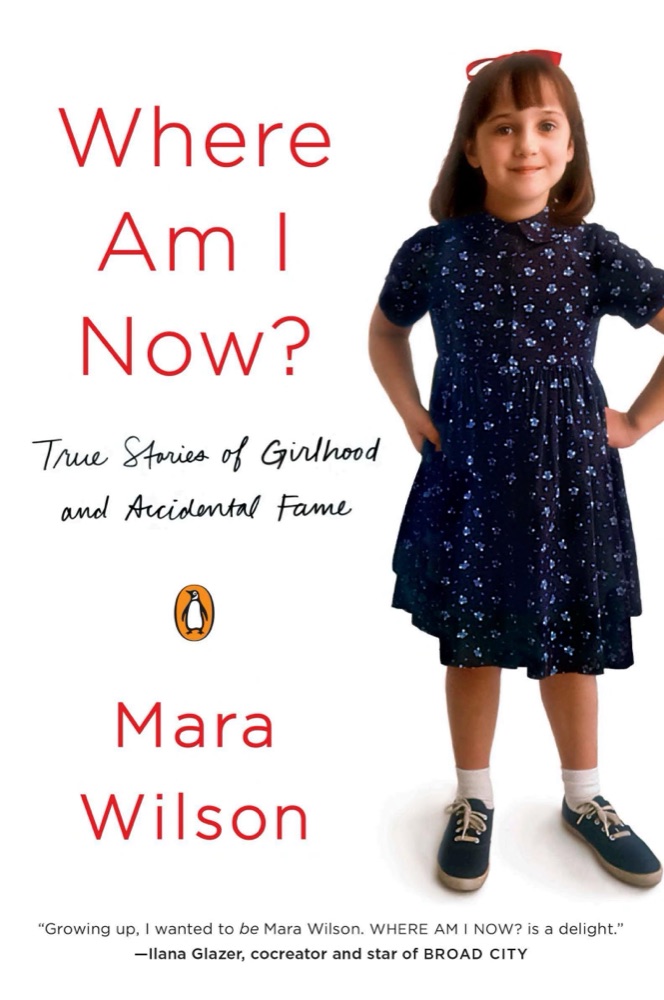 Where Am I Now?
 The Folded Clock: A Diary
 Her Body and Other Parties
 Parrotfish
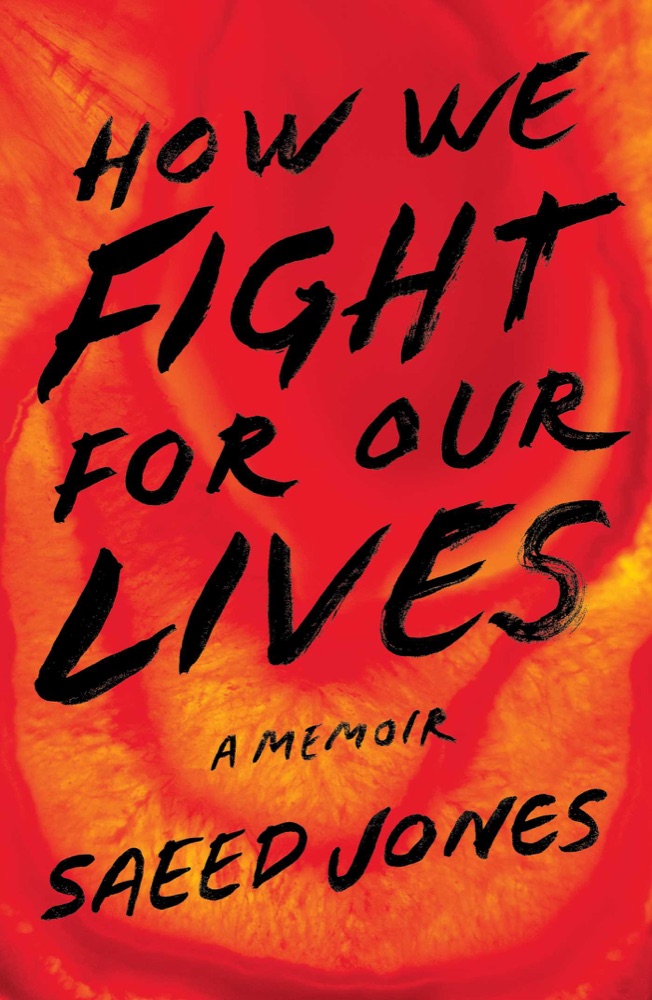 How We Fight For Our Lives
 The Cancer Journals
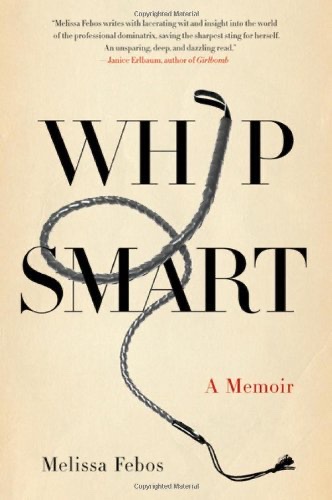 Whip Smart: A Memoir
 Lakelore
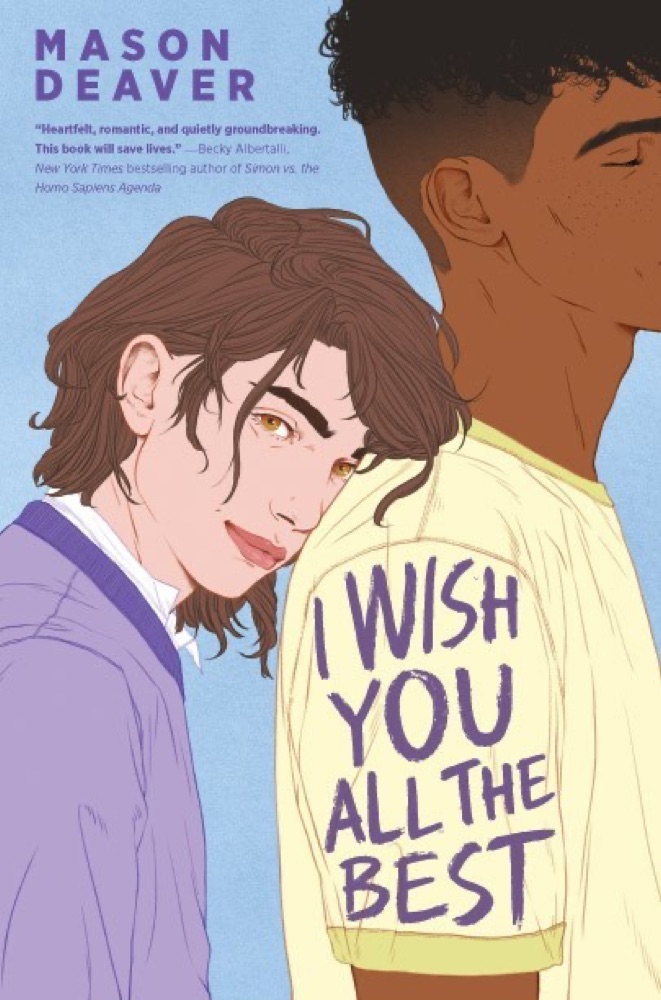 I Wish You All the Best
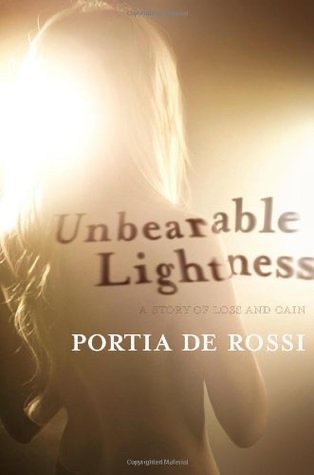 Unbearable Lightness: A Story of Loss and Gain
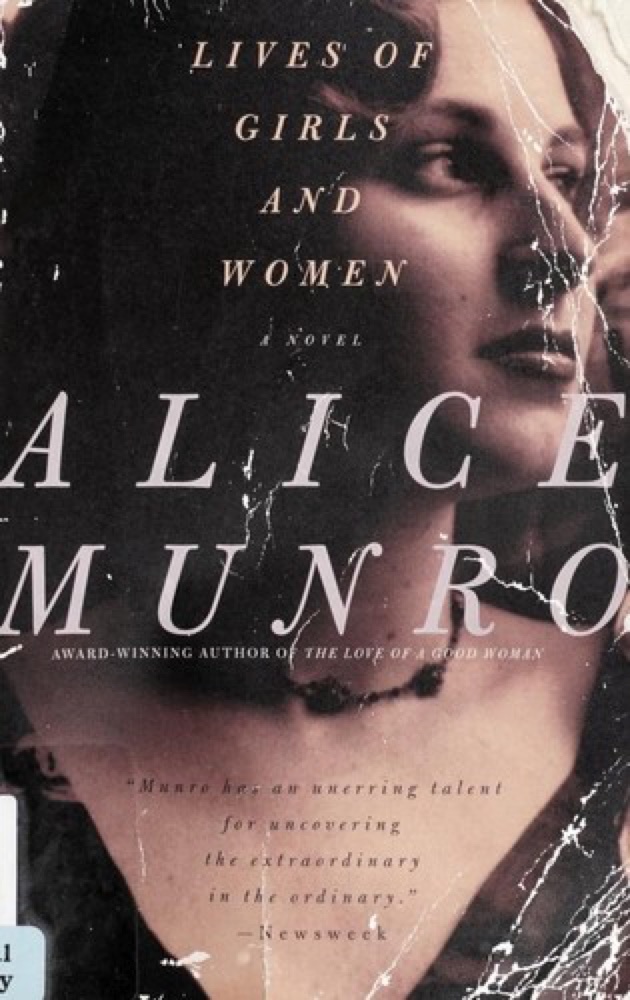 Lives of Girls and Women
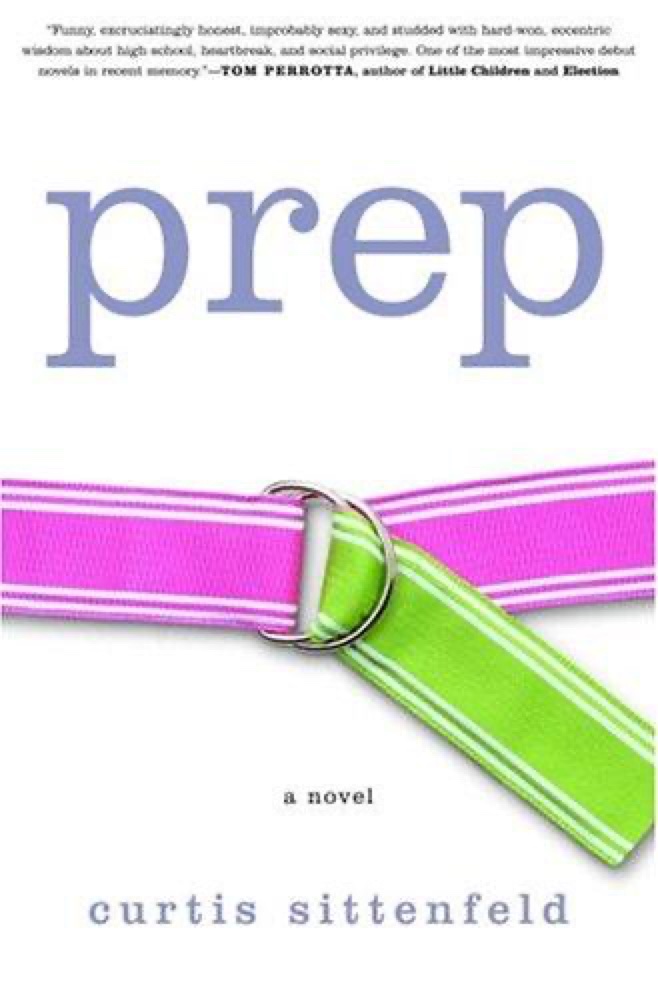 Prep
Prep
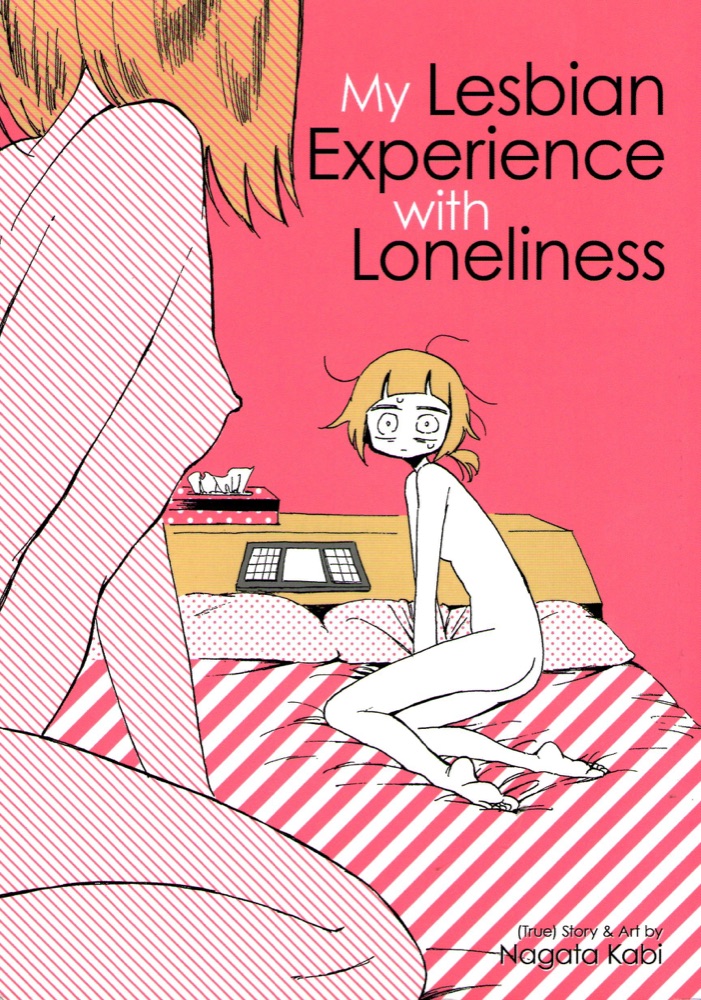 My Lesbian Experience with Loneliness
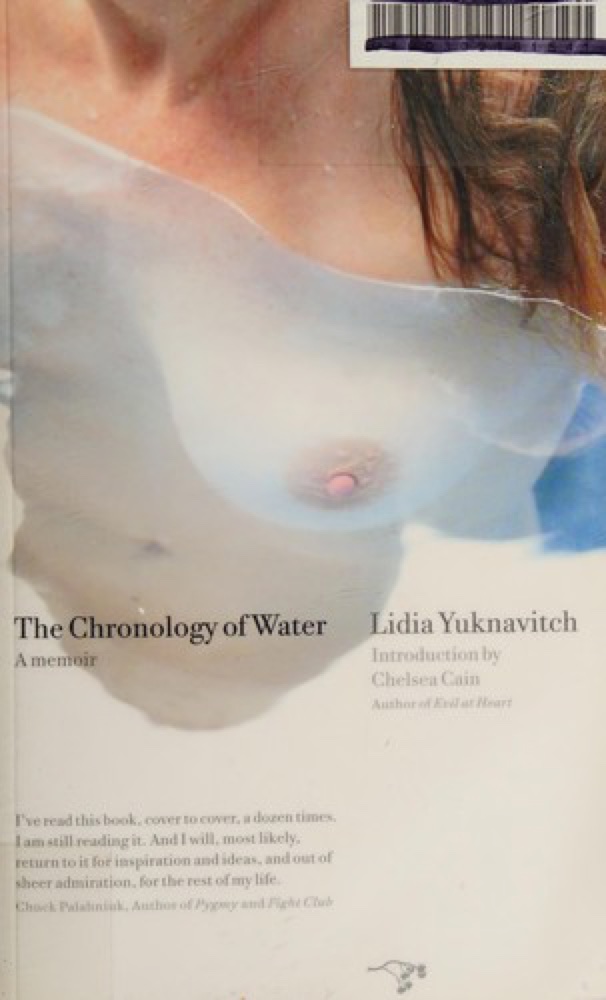 The Chronology of Water
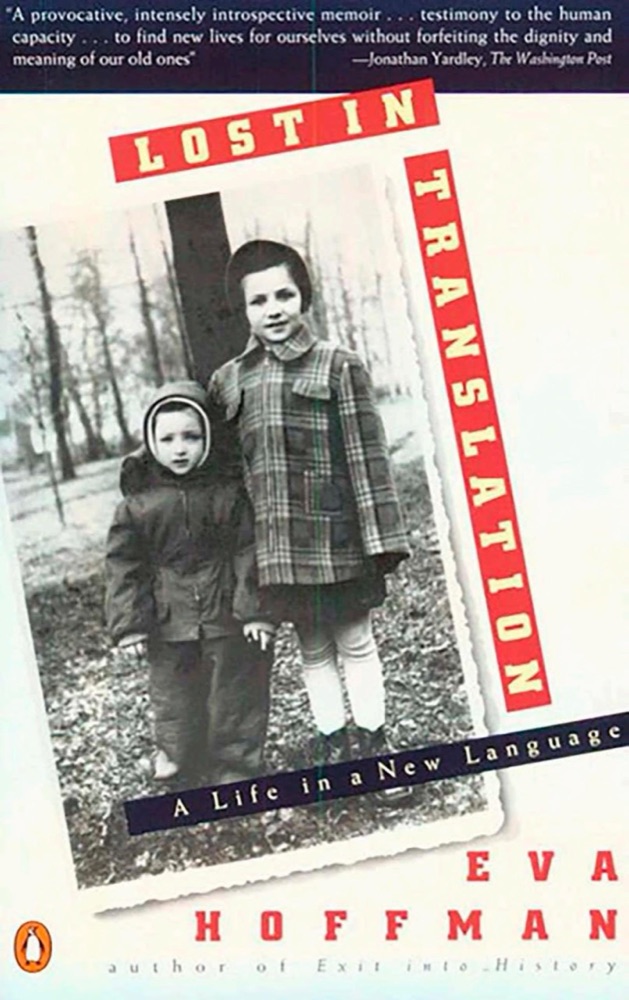 Lost in Translation: A Life in a New Language
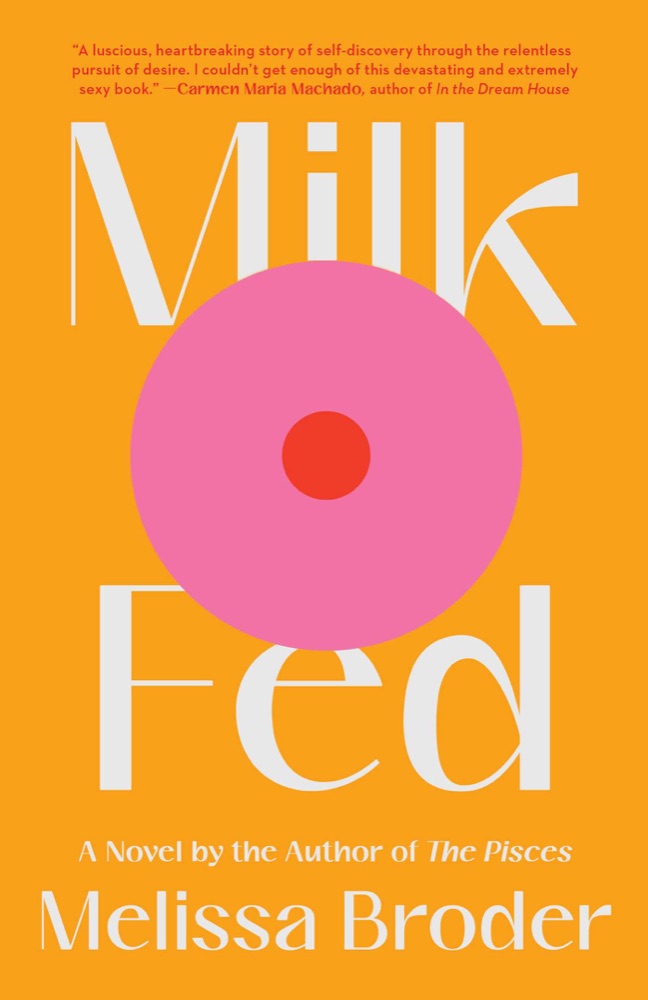 Milk Fed
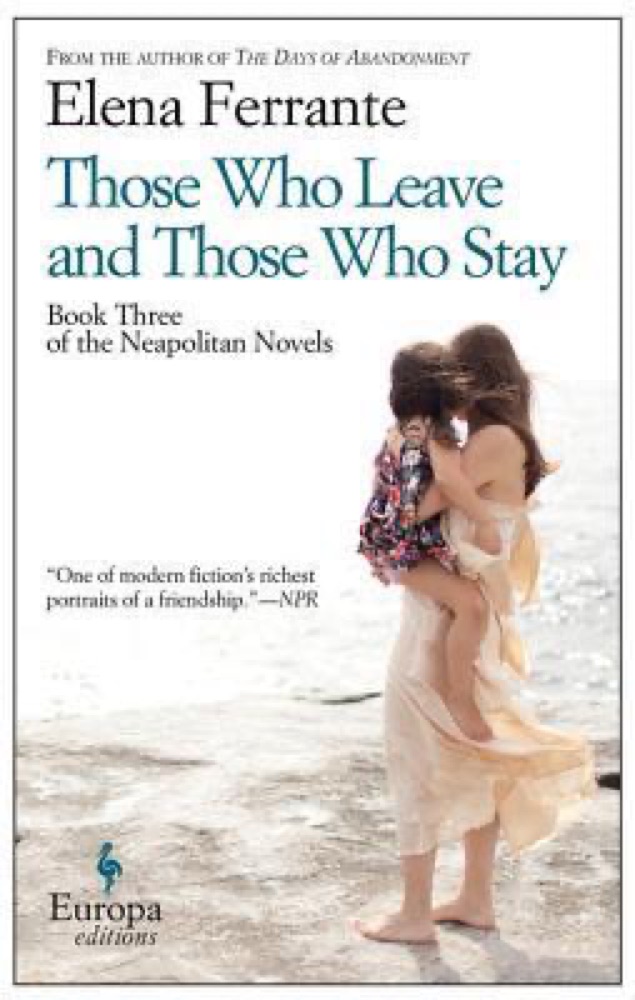 Those Who Leave and Those Who Stay
 Just Ignore Him
 Girl, Woman, Other
 Notes of a Crocodile
 Stag Dance
 The Woman in Me
 On Being Human: A Memoir of Waking Up, Living Real, and Listening Hard
 Dyscalculia: A Love Story of Epic Miscalculation
 Recollections of My Nonexistence: A Memoir
 Finding My Way: A Memoir
 Notes To Self