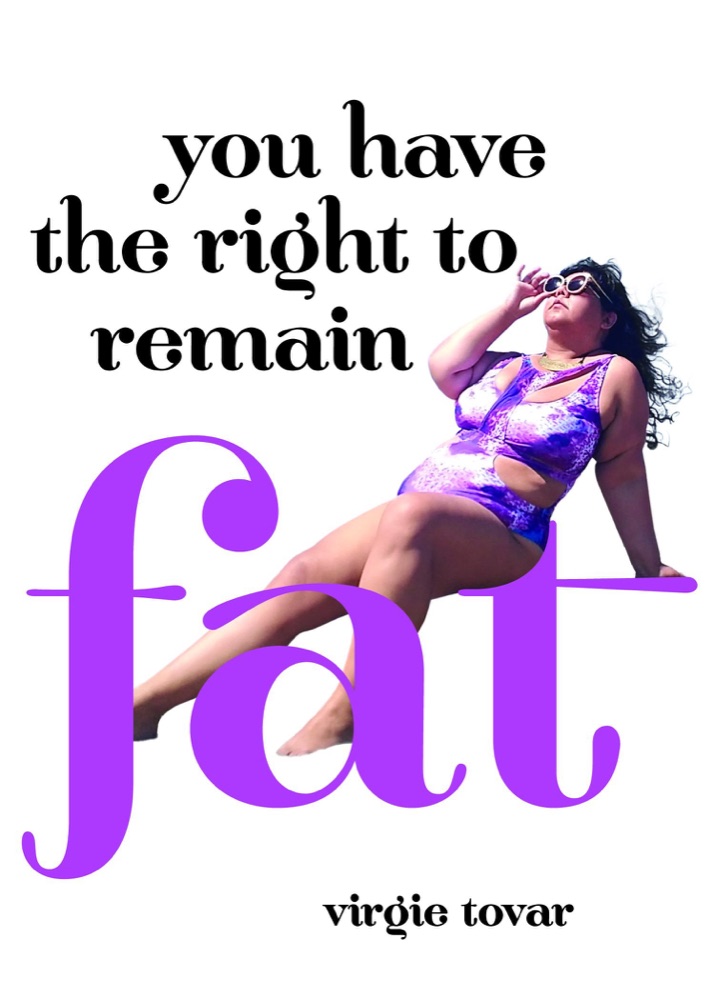

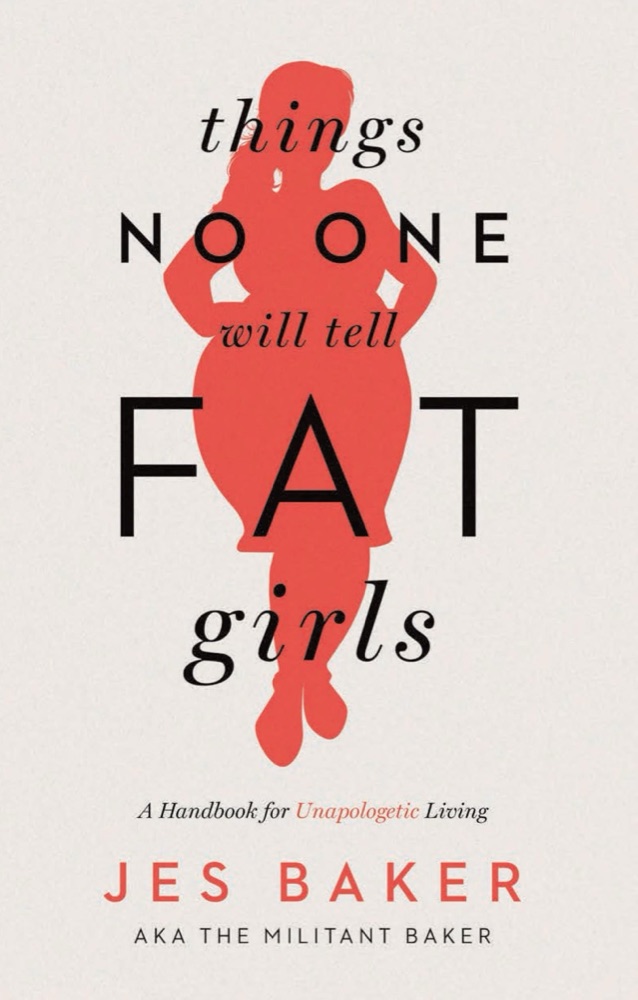
 Things No One Will Tell Fat Girls: A Handbook for Unapologetic Living
Quotes from the Book
My life wouldn't be easier if I were thin. My life would be easier if this culture wasn't obsessed with oppressing me because I'm fat. The solution to a problem like bigotry is not to do everything in our power to accommodate the bigotry. It is to get rid of the bigotry.
10
We are taught that thin is synonymous with beauty, power, and love. But, in fact, it is not. Beauty is not something women earn; it is something people are. Power is not achieved through the dogged pursuit of homogeneity; it is something that is innate within us and that is strengthened by nonconformity. Love is not something people earn through obedience; it is each person’s birthright. We cannot starve our way into being loved, into being free.
4
you can’t find self-love by walking a path paved by self-hatred.
4
Dieting is a practice of fatphobia. Dieting is the result of unresolved fatphobia. We become terrified of what it would mean for us to be fat because we understand fundamentally how poorly fat people are treated. We transpose that bigotry onto the fat itself, rather than placing the blame where it belongs: on the culture that created and promotes injustice and fat hatred. We thereby, perhaps unintentionally, end up blaming fat people for the bigotry they are experiencing. Even though fatphobia is culturally pervasive and treated as if it’s a totally normal part of everyday life, it’s important to recognize that it is a form of bigotry that really harms people and that must be eradicated.
2
What we must realize is that it’s not thinness that is being eroticized. What is being eroticized is the submission thinness represents in our culture. Thinness is a secondary characteristic. The true commodity is the willingness of women to acquiesce to cultural control. Controlling women’s body size is about controlling women’s lives. This claim to control is based on fantasies of masculine superiority bolstered by the culture. This control does not just apply to thinness.
2
We are taught that men are the key to happiness and fulfillment. We fear that without heterosexual marriage and childbearing we cannot become people who matter or “real” adults. It is this nexus of desire and fear that is the breeding ground for self-destructive behavior like dieting. Rather than being taught that you deserve love simply because you are a person, you are taught that love is something people must earn through particular socially sanctioned methods. For many women, that method is weight control.
2
So maybe you don’t consciously feel inferior, but what if I asked you some follow-up questions, like: “Today are you wearing something that is physically uncomfortable because you believe it makes you look better? “Today did you refuse to eat something you wanted to eat because you were worried what it might do to the way you look? “Today did you refuse to do something you wanted to do because you were worried about how it would make you look to another person? “Today did you deny an impulse to say no or yes to something that mattered to you because you were worried that someone wouldn’t like you if you did it?
2
The diet industry was using language like “easy” and “simple” to manipulate dieters everywhere into believing that if their programs didn’t work it was because we were using them incorrectly.
1
I gradually learned that I was less than others because I was a fat brown girl. The lessons I learned about the inferiority of my fat body were brutal; the lessons I received about my racial and gender inferiority were subtle by comparison.
1
Unlike many parts of the world where fate is considered to be something that lies beyond the reach of average humans, in the US fate is considered to be something that is resoundingly within the realm of every single person’s control. Failure is an individual problem, not a collective, cultural, or political problem. The idea is that if you don’t have something, it is because you didn’t want it badly enough, or you didn’t try hard enough. Though the allure of this idea is undeniable, there isn’t much room for serious considerations of justice or historical unfairness in this narrative. But it is this fantasy—the American Dream—that is the siren song for so many.
1
My life wouldn’t be easier if I were thin. My life would be easier if this culture wasn’t obsessed with oppressing me because I’m fat. The solution to a problem like bigotry is not to do everything in our power to accommodate the bigotry. It is to get rid of the bigotry.
1
There is compelling evidence that racism kills people. There is compelling evidence that living with the stress of poverty leads to a number of mental health challenges. There is compelling evidence that weight-based discrimination leads to heightened levels of stress and anxiety that suppress the function of major organs. And, there is evidence that fatphobia leads to shortened life expectancy.3 But racism, poverty, and weight-based bigotry are all social problems. It is through victim-blaming narratives that we cast these social issues as individual ones that can be solved through bootstrapping and consumerism.
1
From the amount of space that male undergraduates take up to the manspreading I witness during my commute, my fat body is frequently attacked on the grounds that I am not beautiful enough to exist because apparently that is my job as a woman. I think about the condescending comments I get from men online who tell me that they honestly think I’d be so beautiful if I lost weight—as if that were the goal of my life or my politics.
1
And any movement that does not center collective liberation is not one in which I can invest.
You cannot earn freedom through conformity. You cannot buy your way in And we can only claim it when we recognize it is already ours.
Any future that doesn't center the eradication of oppression and collective freedom is not a future worth imagining.
I think about the thousand ways that the women in my family were silently (and sometimes outright) expected to give up their lives, their dreams, and their desires, so that they could become the glorified babysitters for the men in their lives who wanted a legacy but none of the responsibility of child-rearing.
Se nos enseña que la delgadez es sinónimo de belleza, poder y amor. Pero, de hecho, no lo es. La belleza no es algo que las mujeres se ganen: es algo que la gente es. El poder no se obtiene a través de la obstinada persecución de la homogeneidad; es algo innato, está en nuestro interior y el inconformismo le da fuerzas. El amor no es algo que la gente se gane obedeciendo; es un derecho de nacimiento de cada persona.
I realize now that all those times I had said, “I want to be thin,” I actually meant: I want to be loved. I want to be happy. I want to be seen. I want to be free. We are taught that thin is synonymous with beauty, power, and love. But, in fact, it is not. Beauty is not something women earn; it is something people are. Power is not achieved through the dogged pursuit of homogeneity; it is something that is innate within us and that is strengthened by nonconformity. Love is not something people earn through obedience; it is each person’s birthright. We cannot starve our way into being loved, into being free. You Have the Right to Remain Fat (pp. 42-43)
My body used to belong to me. When I was a little girl, my favorite part of the day was when we got home from errands or preschool. I would push the front door open with both small hands and run—through the living room filled with plastic-wrapped furniture, past the washer dryer that made funny sounds that I liked, past my bedroom filled with a growing collection of Winnie the Pooh toys—into the bathroom.
They are accepting unacceptable relationships and sexual experiences because they feel like they don’t deserve any better.
Rather than being taught that you deserve love simply because you are a person, you are taught that love is something people must earn through particular socially sanctioned methods. For many women, that method is weight control.
I saw my body as the only commodity I had to trade for love.
my fat body is frequently attacked on the grounds that I am not beautiful enough to exist because apparently that is my job as a woman.
It’s important to be clear that this performance of white femininity and white gentility is just that—a performance. As starched and polished and pearl-bedecked as that performance is, at its core is the notion of submission and the idea that through submission we can maintain privilege.
Performing femininity extra-special hard feels like a particular expectation of me because I am a fat woman and my bigness always makes others call my gender into question.
Watch on YouTube
About Virgie Tovar
We have collected 26 quotes from 1 book by Virgie Tovar on BookQuoters.
More about the author →About the book
Growing up as a fat girl, Virgie Tovar believed that her body was something to be fixed. But after two decades of dieting and constant guilt, she was over it―and gave herself the freedom to trust her own body again. Ever since, she’s been helping others to do the same. Tovar is hungry for a world where bodies are valued equally, food is free from moral judgment, and you can jiggle through life with respect. In concise and candid language, she delves into unlearning fatphobia, dismantling sexist notions of fashion, and how to reject diet culture’s greatest lie: that fat people need to wait before beginning their best lives.
Book details
- First published
- 2018
- Author
- Virgie Tovar
- Genre
- Nonfiction
- Goodreads rating
- 4.25 (3k ratings)
Keep reading
Things No One Will Tell Fat Girls: A Handbook for Unapologetic Living
 Shrill: Notes from a Loud Woman
 Body Positive Power
 Unbearable Lightness: A Story of Loss and Gain
 Hunger: A Memoir of (My) Body
 Thick: And Other Essays
 Women Don't Owe You Pretty
 Fat Girl Walking: Sex, Food, Love, and Being Comfortable in Your Skin...Every Inch of It
 Come as You Are: The Surprising New Science that Will Transform Your Sex Life
 Thin Girls
 Unspeakable Things: Sex, Lies and Revolution
 Butter
 My Body
 Women, Food and God: An Unexpected Path to Almost Everything
 On Our Best Behavior: The Seven Deadly Sins and the Price Women Pay to Be Good
 Trick Mirror: Reflections on Self-Delusion
 Feminists Don't Wear Pink (And Other Lies): Amazing Women on What the F-Word Means to Them
 Brave
Brave
 Why I Am Not a Feminist: A Feminist Manifesto
 The Female Eunuch
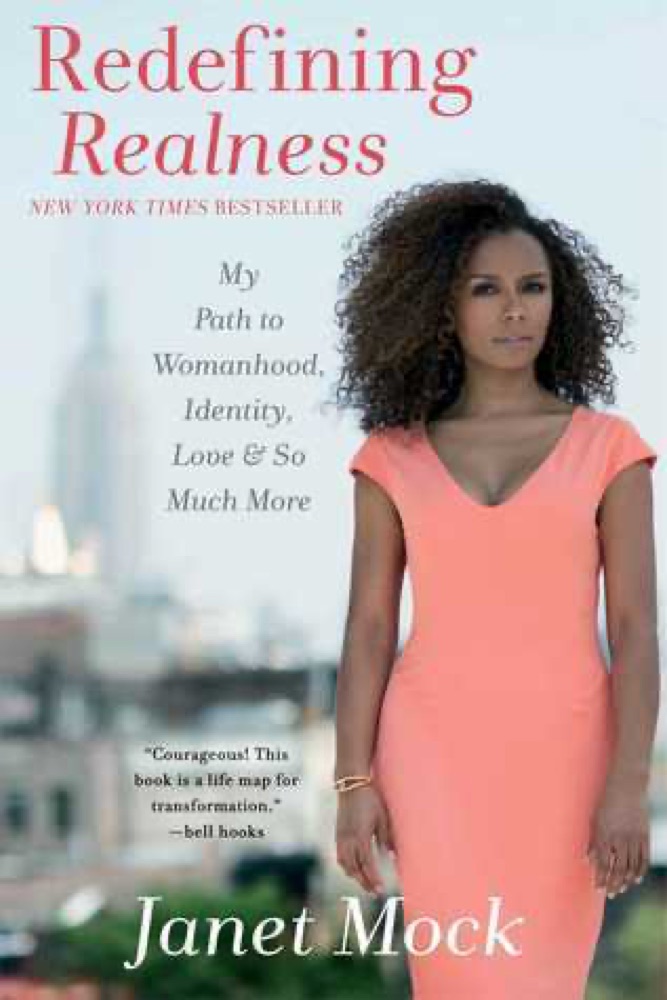 Redefining Realness: My Path to Womanhood, Identity, Love & So Much More
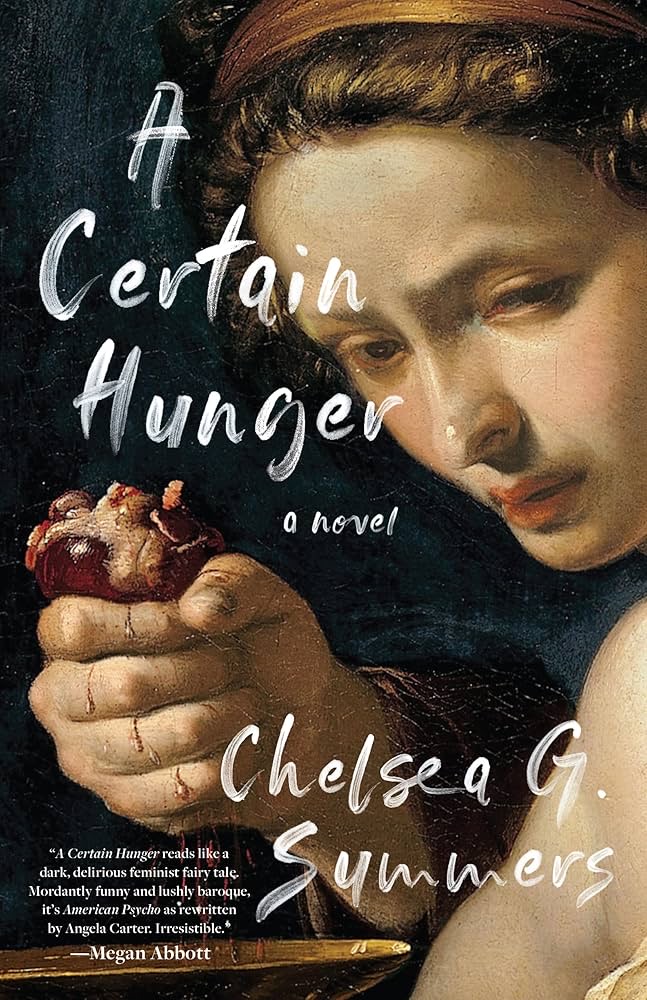 A Certain Hunger
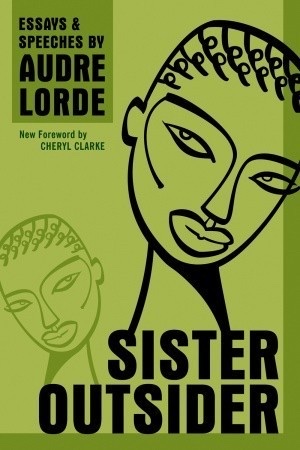 Sister Outsider: Essays and Speeches
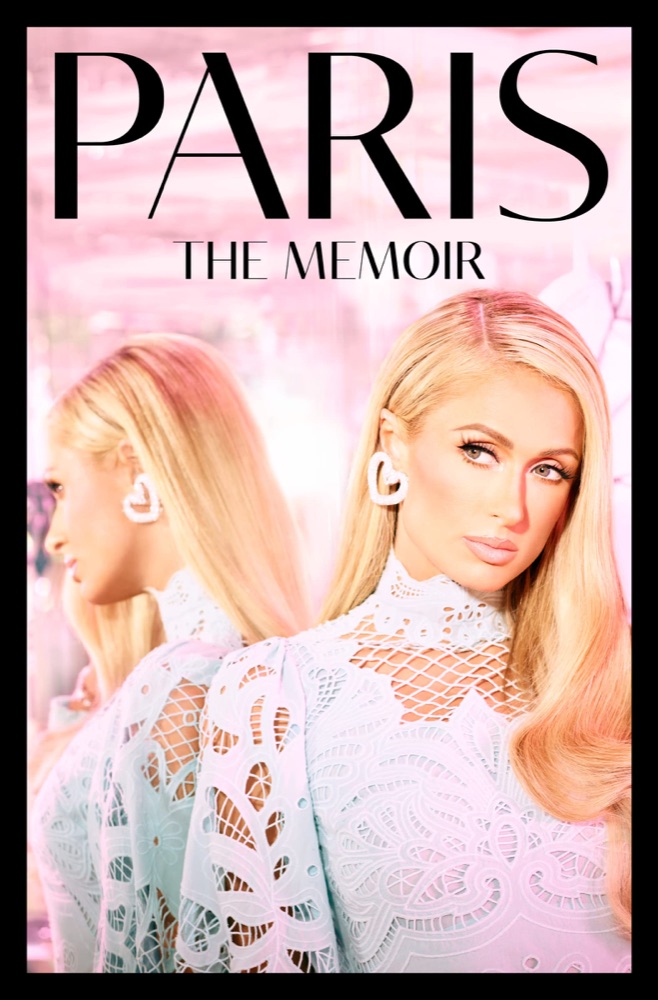 Paris: A Memoir for Young Women in the Age of Influencers
 Wasted: A Memoir of Anorexia and Bulimia
 I'm Afraid of Men.
 This Bridge Called My Back: Writings by Radical Women of Color
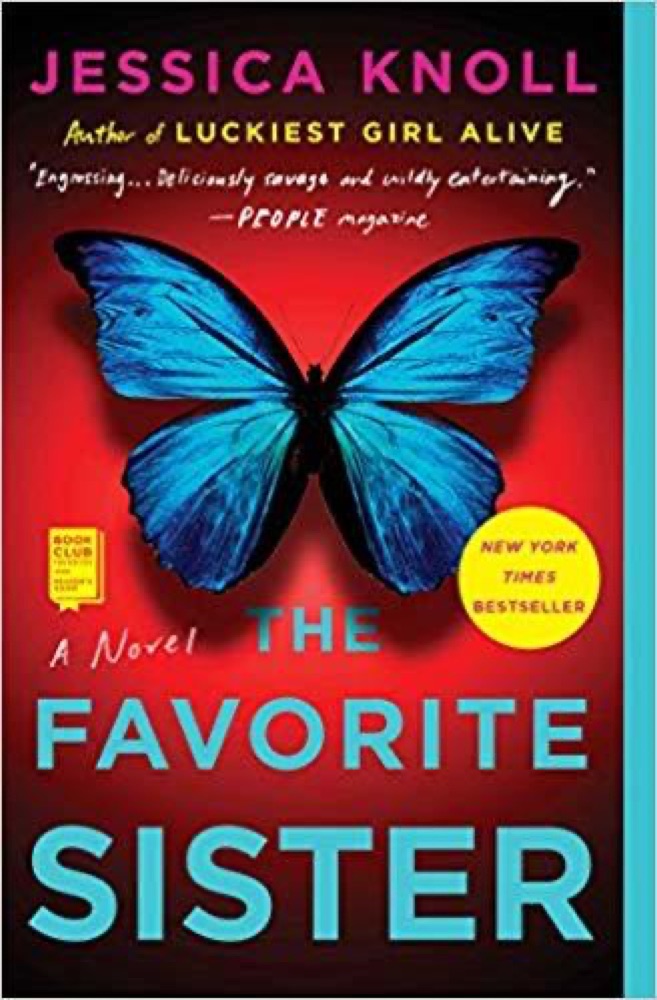 The Favorite Sister
 More Than Enough: Claiming Space for Who You Are
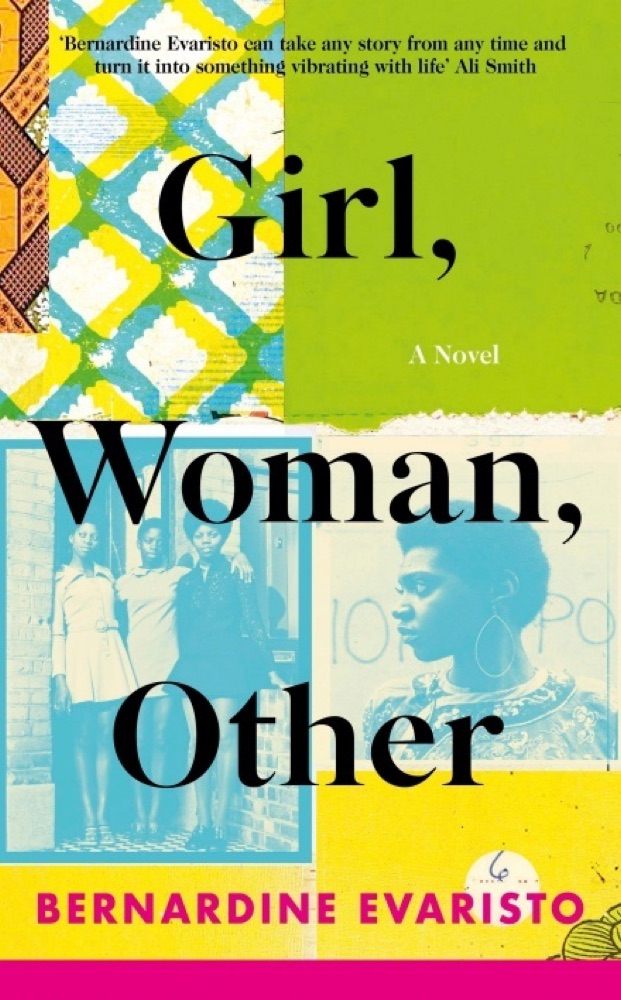 Girl, Woman, Other
 Love, Loss, and What We Ate: A Memoir
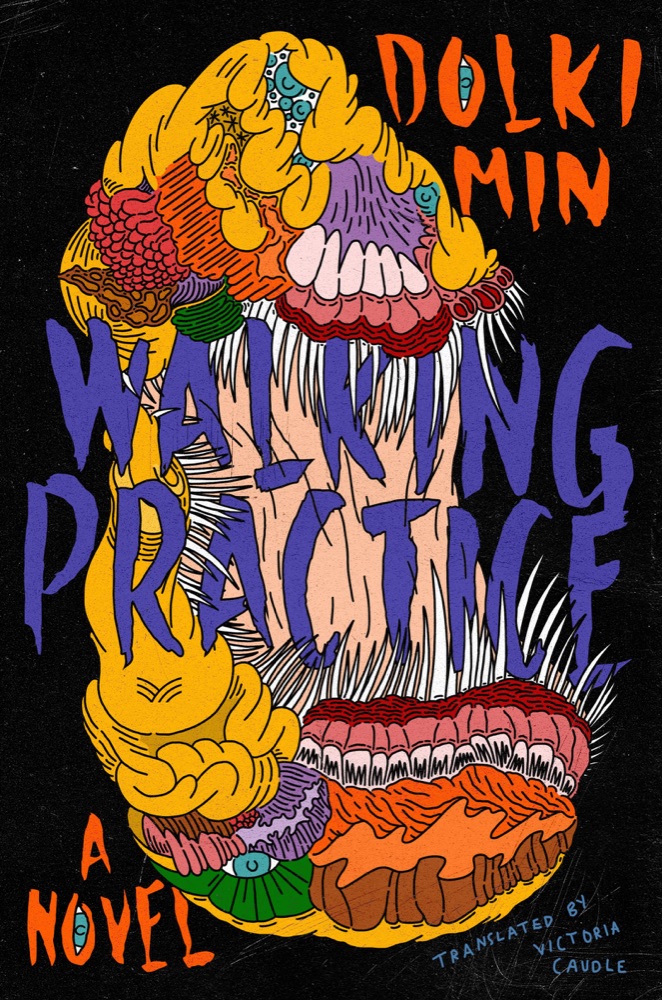 Walking Practice
 Cunt: A Declaration of Independence
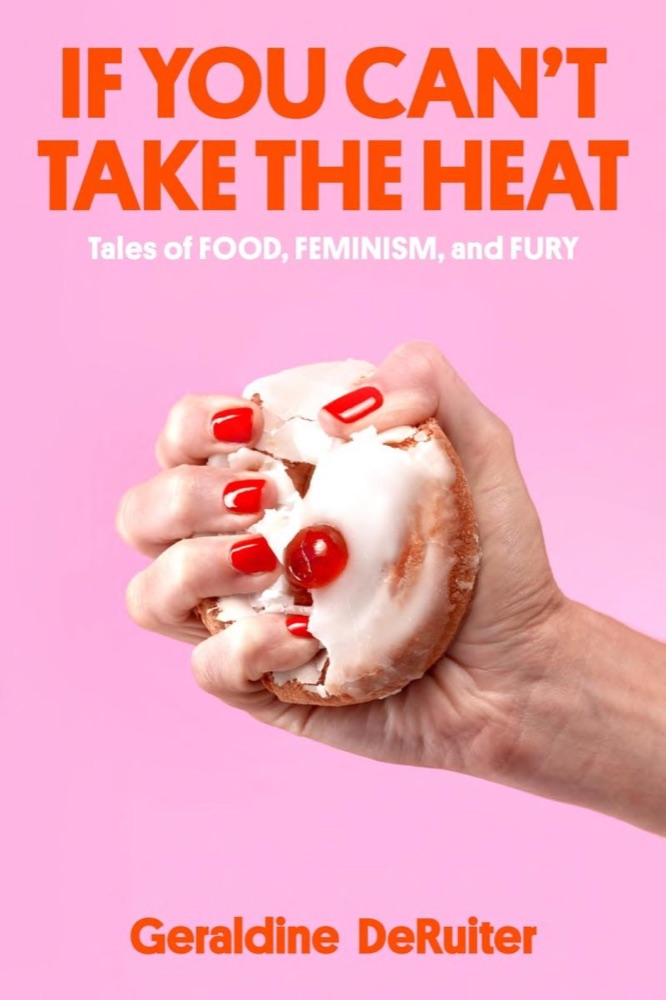 If You Can't Take the Heat: Tales of Food, Feminism, and Fury
 The Art of Starving
 The Moment of Lift: How Empowering Women Changes the World
 The Soul of a Woman
 Natural Beauty
 You'll Grow Out of It
 The Opposite of Butterfly Hunting: The Tragedy and The Glory of Growing Up
 Becoming
 You Are Your Best Thing: Vulnerability, Shame Resilience, and the Black Experience
 Revolution from Within: A Book of Self-Esteem
 It's Not About the Burqa
 Appetites: Why Women Want
 Opinions: A Decade of Arguments, Criticism, and Minding Other People’s Business
 Burnout: The Secret to Unlocking the Stress Cycle
 How to Be a Woman
 Selfie: How the West Became Self-Obsessed
 Sissy: A Coming-of-Gender Story
 The Beauty Myth
 I'm Fine...And Other Lies
 Women's Bodies, Women's Wisdom: Creating Physical and Emotional Health and Healing
 Animal: The Autobiography of a Female Body
 The Naked Civil Servant
 The House of Hidden Meanings
 All the Women in My Brain: And Other Concerns
 Bad Feminist
 Sex Object: A Memoir
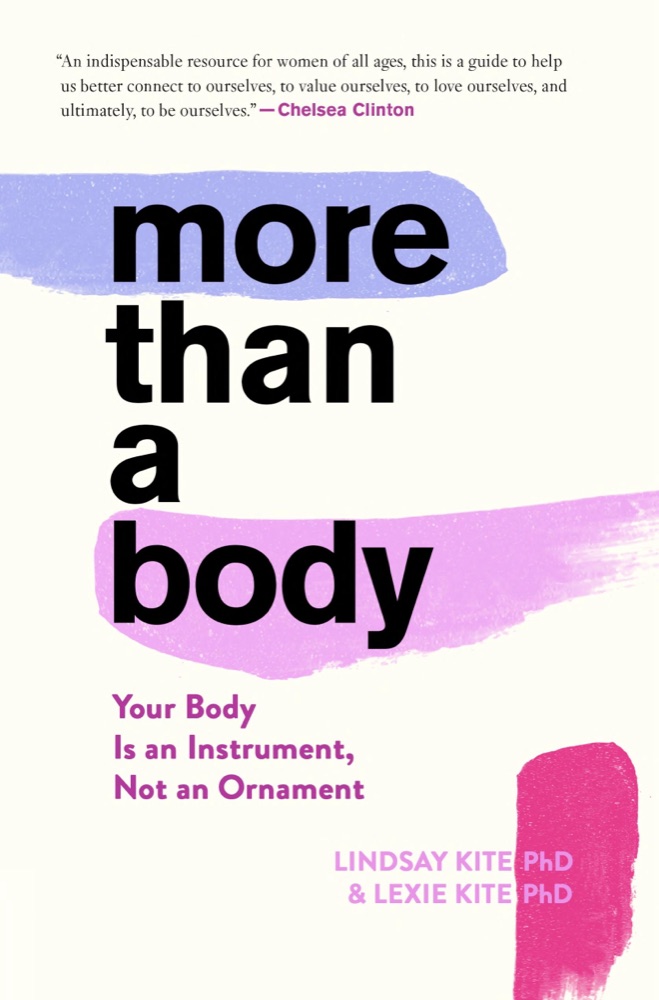 More Than a Body: Your Body Is an Instrument, Not an Ornament