
 The Inconvenient Indian: A Curious Account of Native People in North America
Quotes from the Book
Increasing policing and government programs an teaching women how to be safe is not going to correct this situation. Only understanding and a commitment to telling the truth about the cruelty inflicted on our women in the name of settling this country would help change peoples’ perceptions, end their complacency, and stop the continued brutalization and dehumanization of our women.
1
Consider the recent papal visit and apology. Again, I recognize that some people were able to find peace in hearing the pontiff's words. But, for many, his words fell far short. Where was the acknowledgement of genocide against Indigenous Peoples through these schools? Yes, he spoke those words later, but not directly to the people who suffered it. Further, it cannot be ignored that the Catholic Church has failed to meet its financial obligation to survivors and its failure was officially sanctioned by the federal government and the courts. The Catholic Church is one of the richest, if not the richest, corporations in the world. It is worth billions and billions of dollars. I remember visiting the Vatican Museum in Rome. The art and artifacts alone are worth billions of dollars without even considering the vast worldwide holdings of the Catholic Church. I will never forget seeing Nero's bathtub, a huge, circular stone edifice made of material that no longer exists on earth. The bathtub is described as "invaluable beyond calculation." So why not just sell off the tub and meet their obligations to survivors? It is beyond comprehension how the Catholic Church can express remorse while refusing to abide by the terms of the settlement they originally agreed to and still expect their words to be taken seriously.
1
These legislated acts of colonial violence were aimed directly at eradicating Indigenous independence, economic self-sufficiency, social and governing structures, cultural norms, spiritual practices, and family and community cohesion through the large-scale kidnapping of the children. During the parliamentary debates surrounding the proposal to make attendance at residential schools mandatory, and to give priority to them over community-based schools, Sir John A. Macdonald explained his support of residential schools by saying: "When the school is on the reserve, the child lives with his parents who are savages; he is surrounded by savages...he is simply a savage who can read and write.
1
With the decimation of the majestic herds that roamed the North American prairies, Indigenous people became vulnerable through this intentional impoverishment. Sir John A. Macdonald rigorously followed "a policy of submission shaped by a policy of starvation." Promised rations were withheld not only to reduce costs but to disempower people through starvation.
1
In the US and Canada, the buffalo were slaughtered for their hides. Often, whole carcasses were left to rot after the tongue, popular in the cuisine of the day, was removed. This slaughter was encouraged by both the American and Canadian governments and was yet another implement in the colonial toolkit. Since the buffalo were critical to the survival of the Plains people, the decimation of the herds was an intentional strike against their ability to provide for themselves, a strike against self-sufficiency. The buffalo were a scared gift to the people, providing them with food, clothing, and shelter. The wholesale slaughter was devasting to the people, not only because of the resulting impoverishment and starvation, but also because of the horror of such wanton destruction of the Creator's gifts.
1
Limiting the say of outsiders, no matter that they were also Indigenous, these First Nations were protecting the integrity of their community. That is why it is important that the invasive plants are not given a voice in places they don’t belong and in decisions they ultimately have no stake in.
A community is a group of people whose connections and relations are formed by their shared history, traditions, experiences, geographies, and identities.
For us, the Western literacy tradition is an ill-fitting shoe. We simply cannot be forced to wear a shoe that will pinch our toes.
How we understand history is largely contingent on the perspective and objective of the hand that records it.
Just as the broken, abused child clung to hope for a better life against all odds, I now stand firm in hope and determination that one day justice will prevail.
Apologies must go hand in hand with substantive, systemic change, which, in turn, will support meaningful reconciliation.
Reconciliation requires systemic change. it is not about rote land acknowledgement, apologies, and carefully staged public relations events designed to give the impression of a sincere effort.
For so many years, I lived my life in a defensive stance, putting up a fight when the only thing I was fighting was my own suffering and the fear that someone would find their way through the armour, to the very tender soul I always was, and destroy me all over again.
It took years and years for the chorus of voices demanding an inquiry into the thousands of missing and murdered Indigenous women in Canada to be successful. We heard for years that one of the factors leading to the demise of these women was the assumption that they lived high-risk lifestyles such as working in the sex trade. This was a common reason for rejecting pleas for an inquiry. Even if this were true, does it justify a failure to protect them or properly investigate their deaths?
Now, how do you know these things to be true?
How can we believe in reconciliation in the face of such quietly violent disregard? However, persist we must.
We must embrace history in the way Indigenous peoples experienced as it truly unfolded. Only then will non-Indigenous Canadians begin to grasp the true horror of what we were subjected to and how the seeds of that horror continue to sprout and hold in our lives today.
It's been more than five hundred years; Canada should know we aren't going anywhere. Instead, we remain.
Did you know?
- The book collects seven personal essays on Indigenous life in Canada.
- It expands on Michelle Good's widely read Globe and Mail essay about 'pretendians,' people who falsely claim Indigenous identity.
- One essay, 'A History of Violence,' originally appeared in a book about missing and murdered Indigenous women.
- It was a #1 national bestseller in Canada and a CBC Books top pick for Canadian nonfiction in 2023.
- It followed Good's award-winning debut novel Five Little Indians, which won Canada Reads 2022.
- Good wrote it as an invitation to conversation rather than confrontation on Indigenous issues.
Watch on YouTube
About Michelle Good
Michelle Good is a writer and lawyer of Cree ancestry and a member of the Red Pheasant Cree Nation in Saskatchewan. She worked with Indigenous communities and organizations for decades before earning her law degree, and later completed an MFA in creative writing at the University of British Columbia. Her debut novel, Five Little Indians, won the Governor General's Literary Award and Canada Reads 2022.
More about the author →About the book
Truth Telling is a collection of seven personal essays by Michelle Good, a writer and lawyer of Cree ancestry, examining the contemporary Indigenous experience in Canada. Drawing on her own life and decades of work with Indigenous communities, Good moves across subjects including residential schools, the Sixties Scoop, broken treaties and land claims, the erasure of Indigenous women, the question of who gets to claim Indigenous identity, and the value of Indigenous literature. The book asks non-Indigenous Canadians to reconsider what they think they know about Indigenous life.
Across the essays, Good weaves personal testimony with historical and legal analysis, arguing that the myths underlying Canadian history obscure the ongoing human cost of colonialism and how it continues to shape the country's social institutions. Recurring themes include resistance and reconciliation, the reclamation of Indigenous power, and a vision of meaningful, fact-based reckoning rather than confrontation. Good frames truth-telling itself as a necessary precondition for genuine reconciliation.
Published in 2023 after the acclaim of her novel Five Little Indians, the book became a national bestseller and was named a finalist for the Writers' Trust Balsillie Prize for Public Policy, whose jury called it 'a powerful, urgent, and necessary book that gets to the heart of true reconciliation.' Reviewers praised its clarity and accessibility, and CBC Books listed it among the year's top Canadian nonfiction.
Book details
- First published
- 2023
- Length
- 232 pages
- Reading time
- 14 hours
- Author
- Michelle Good
- Genre
- Nonfiction
- Goodreads rating
- 4.39 (3k ratings)
Critical reception
- Named a finalist for the 2023 Writers' Trust Balsillie Prize for Public Policy.
- Became a #1 national bestseller in Canada.
- Selected by CBC Books as a top pick for Canadian nonfiction in 2023.
- Reviewers praised its accessible writing and its blending of personal story with historical and legal analysis.
The buzz
- The British Columbia ReviewLinda Rogers reviews Truth Telling: Seven Conversations about Indigenous Life in Canada2024Frames the book as a watershed work of documented truth-telling foundational to reconciliation
Keep reading
The Inconvenient Indian: A Curious Account of Native People in North America
 Becoming Kin: An Indigenous Call to Unforgetting the Past and Reimagining Our Future
 Whiskey Tender: A Memoir
 Notes from No Man's Land
 Across That Bridge: A Vision for Change and the Future of America
 One Day, Everyone Will Have Always Been Against This
 A People's History of the United States
 Warrior Girl Unearthed
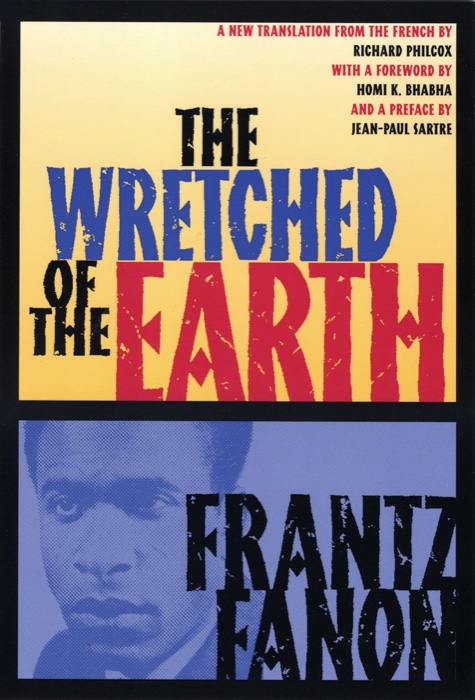 The Wretched of the Earth
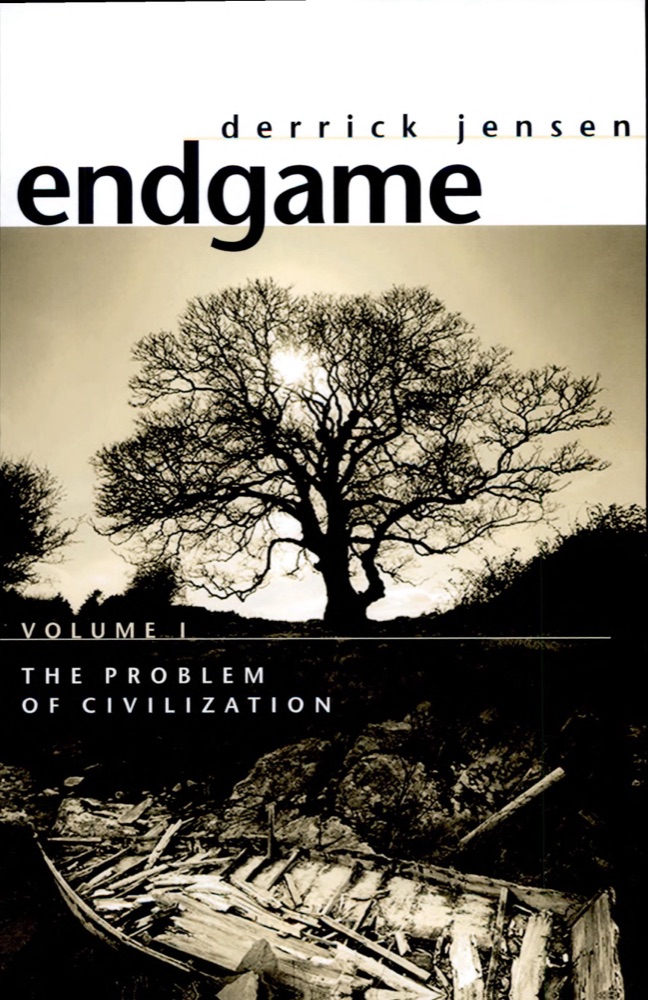 Endgame, Vol. 1: The Problem of Civilization
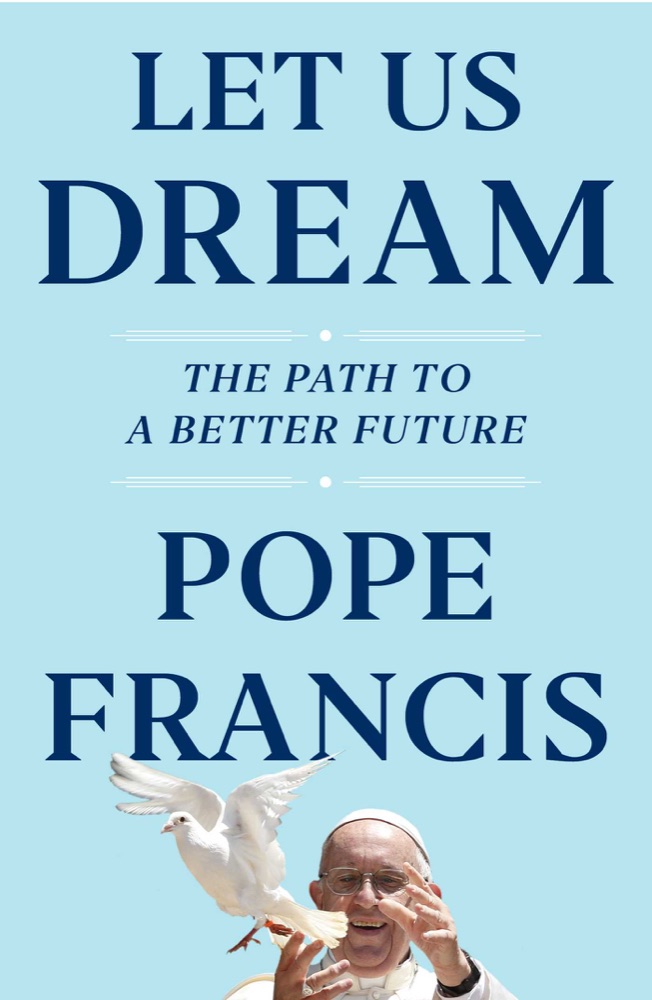 Let Us Dream: The Path to a Better Future
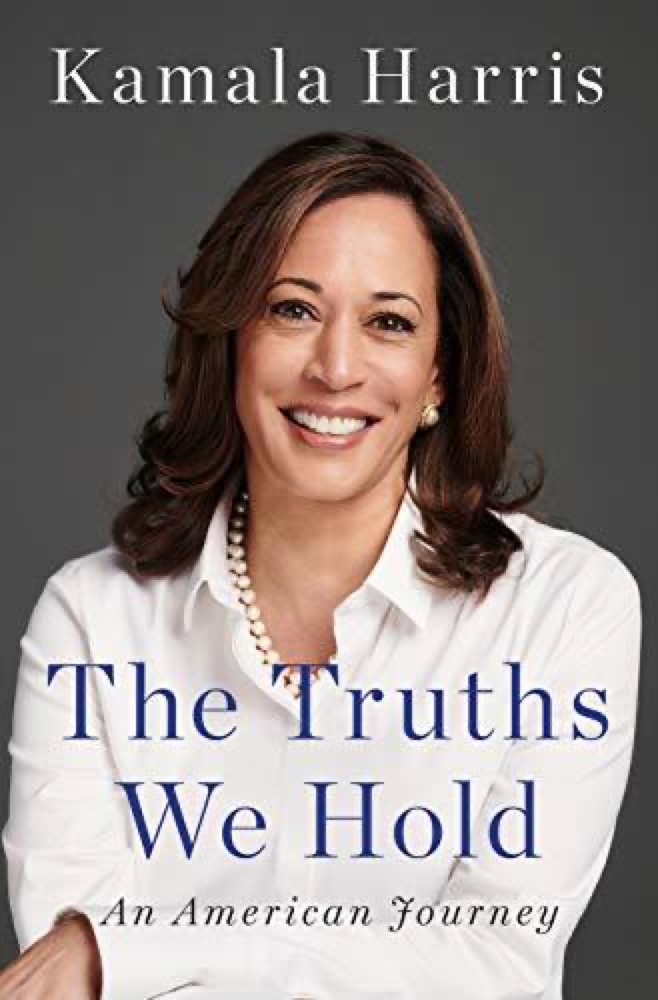 The Truths We Hold: An American Journey
 The Message
 You Can't Be Neutral on a Moving Train: A Personal History of Our Times
 Collapse: How Societies Choose to Fail or Succeed
 Recognizing the Stranger: On Palestine and Narrative
 United: Thoughts on Finding Common Ground and Advancing the Common Good
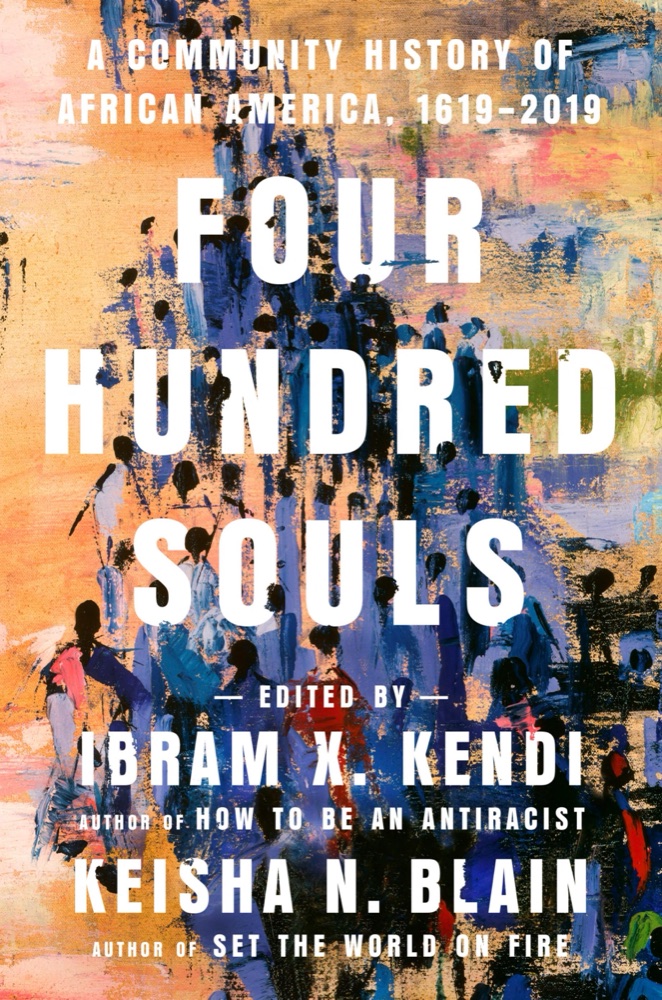 Four Hundred Souls: A Community History of African America, 1619-2019
 The Source of Self-Regard: Selected Essays, Speeches, and Meditations
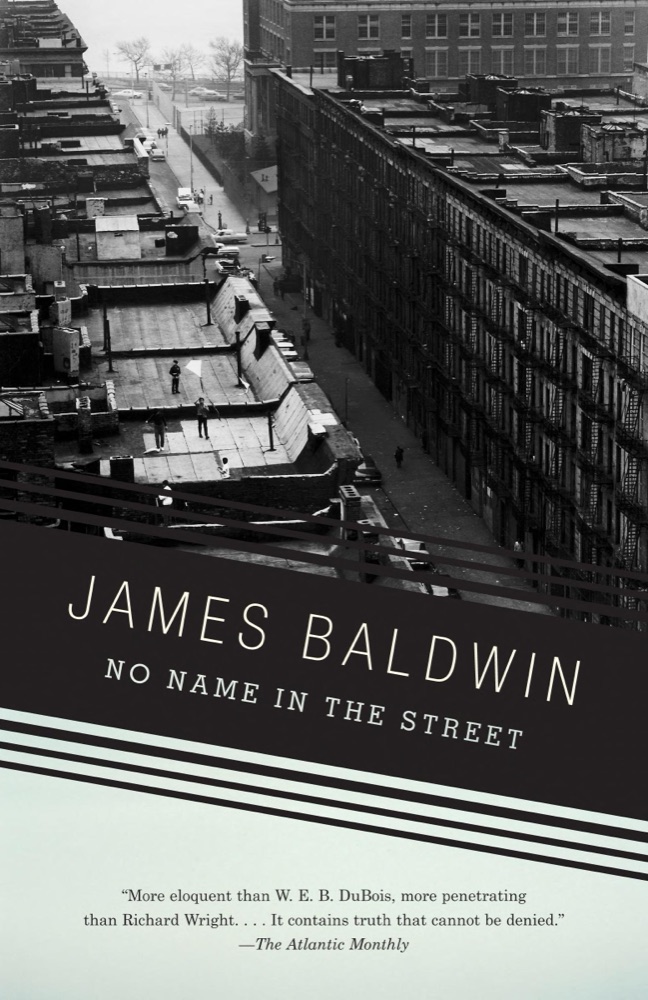 No Name in the Street
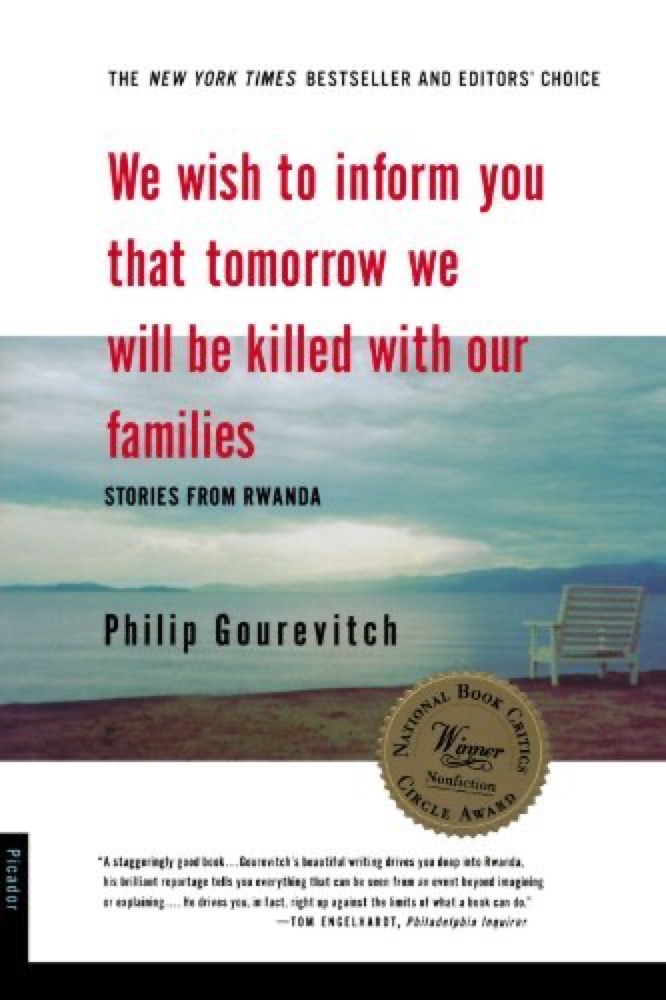 We Wish to Inform You That Tomorrow We Will Be Killed with Our Families
 A Mind Spread Out on the Ground
 Just Us: An American Conversation
 Between the World and Me
 The Fire Next Time
 Blood Done Sign My Name: A True Story
 The War on the West: An Instant NYT Bestselling History of the Modern World
 The Culture of Make Believe
 Where Do We Go from Here: Chaos or Community?
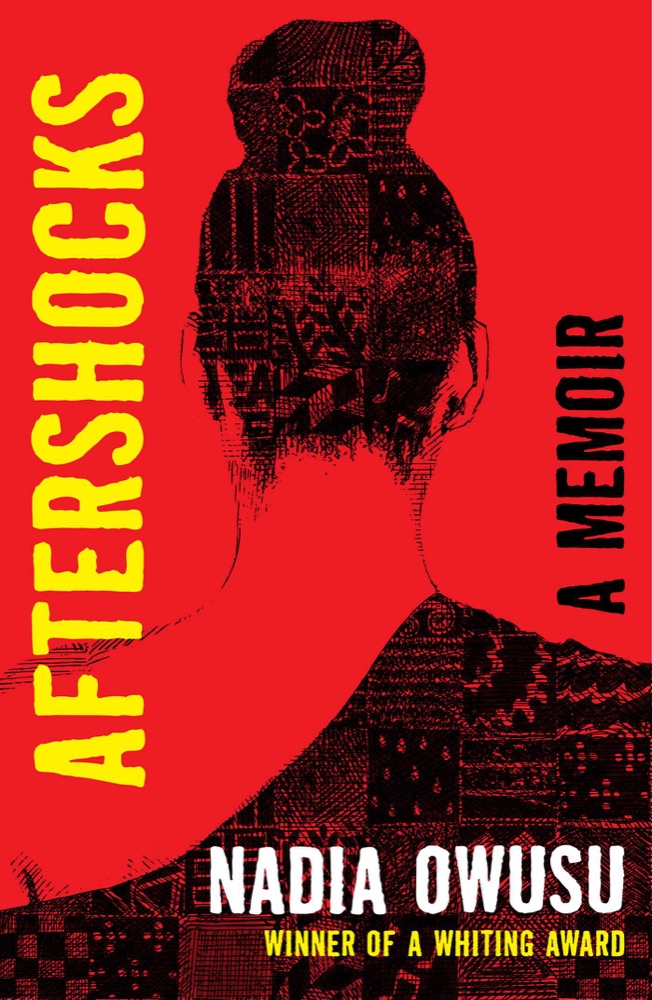 Aftershocks
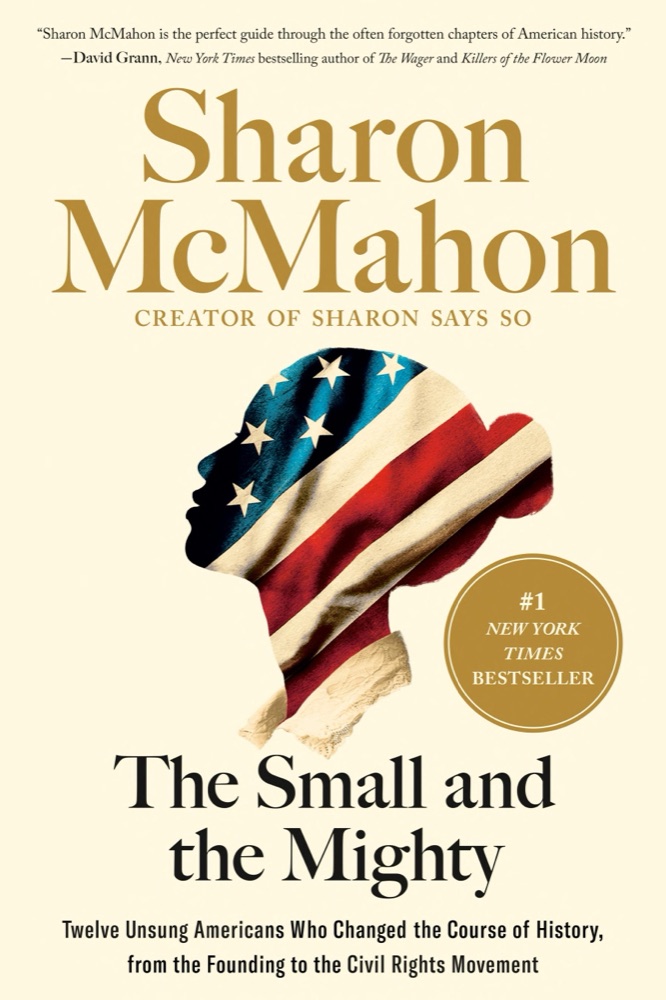 The Small and the Mighty: Twelve Unsung Americans Who Changed the Course of History, from the Founding to the Civil Rights Movement
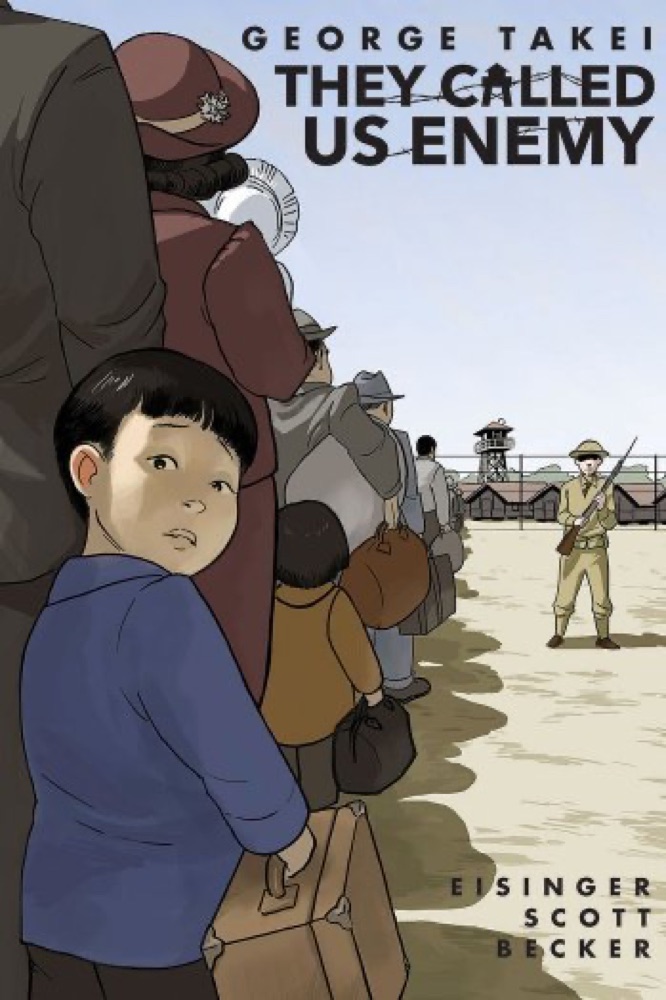 They Called Us Enemy
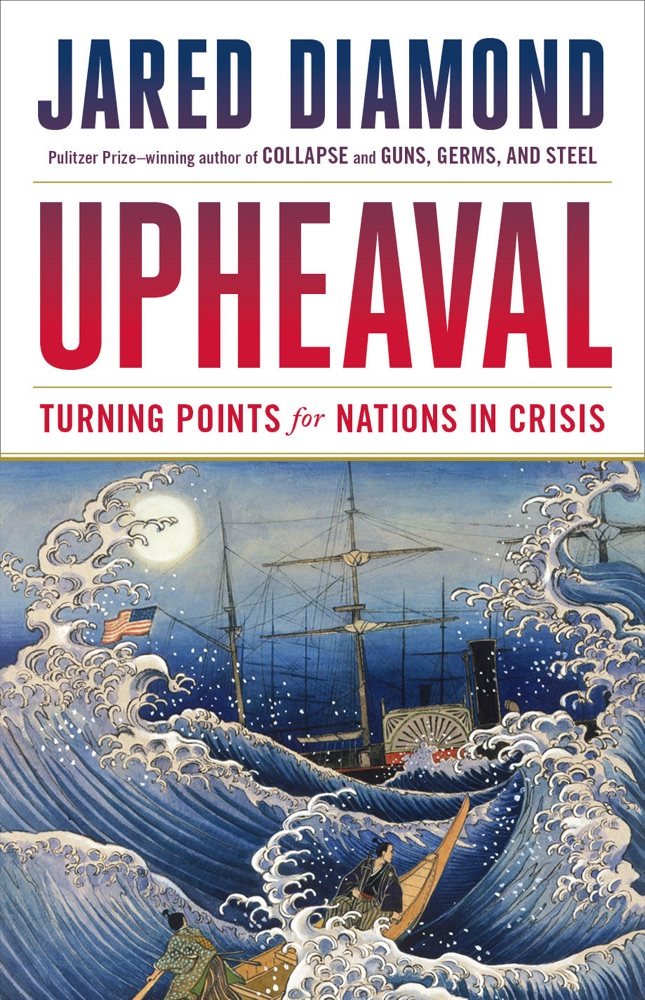 Upheaval: Turning Points for Nations in Crisis
 Doppelganger: A Trip into the Mirror World
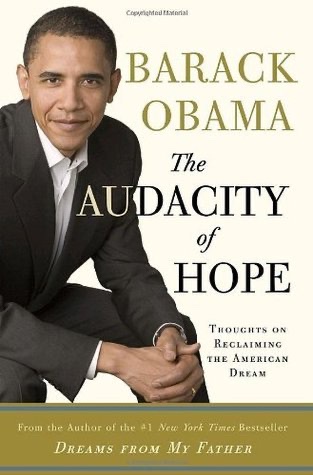 The Audacity of Hope: Thoughts on Reclaiming the American Dream
 The Better Angels of Our Nature: Why Violence Has Declined
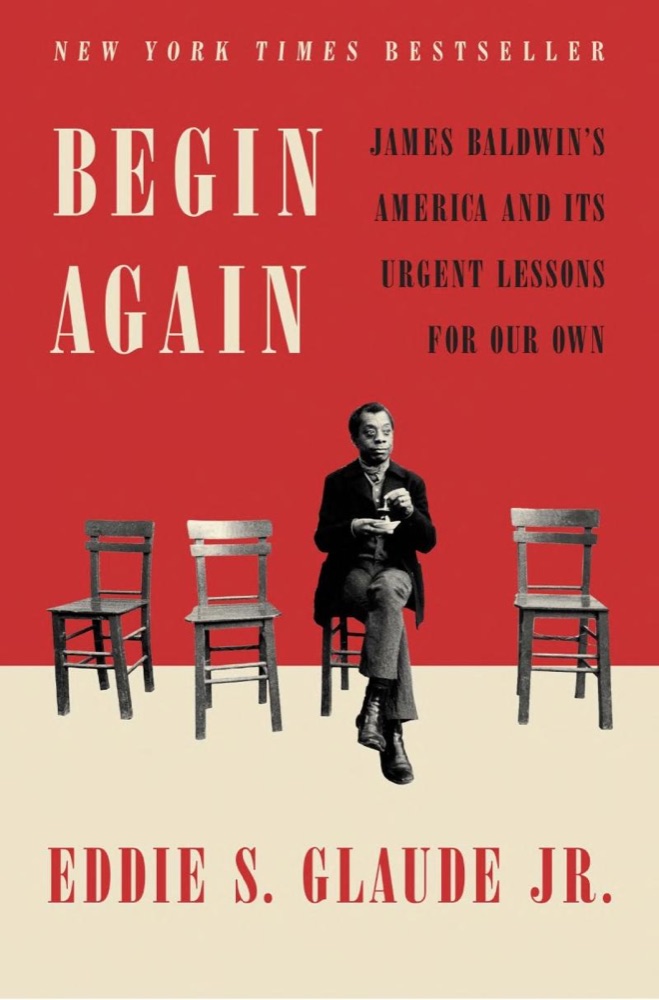 Begin Again: James Baldwin's America and Its Urgent Lessons for Our Own
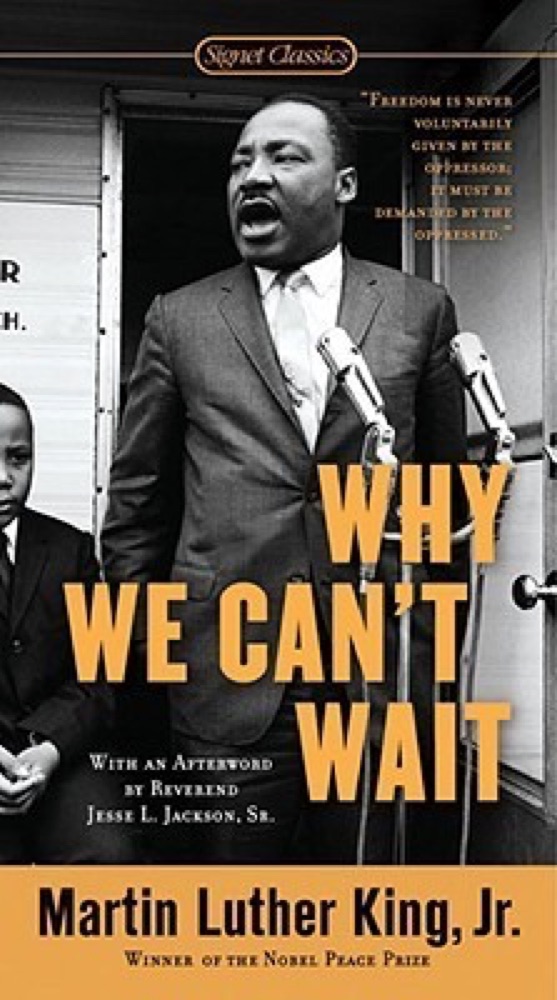 Why We Can't Wait
 On the Other Side of Freedom: The Case for Hope
 An Ordinary Man: An Autobiography
 Letter from the Birmingham Jail
 Opinions: A Decade of Arguments, Criticism, and Minding Other People’s Business
 Regarding the Pain of Others
 Perfect Victims and the Politics of Appeal
 Neither Wolf Nor Dog: On Forgotten Roads with an Indian Elder
 A Language Older Than Words
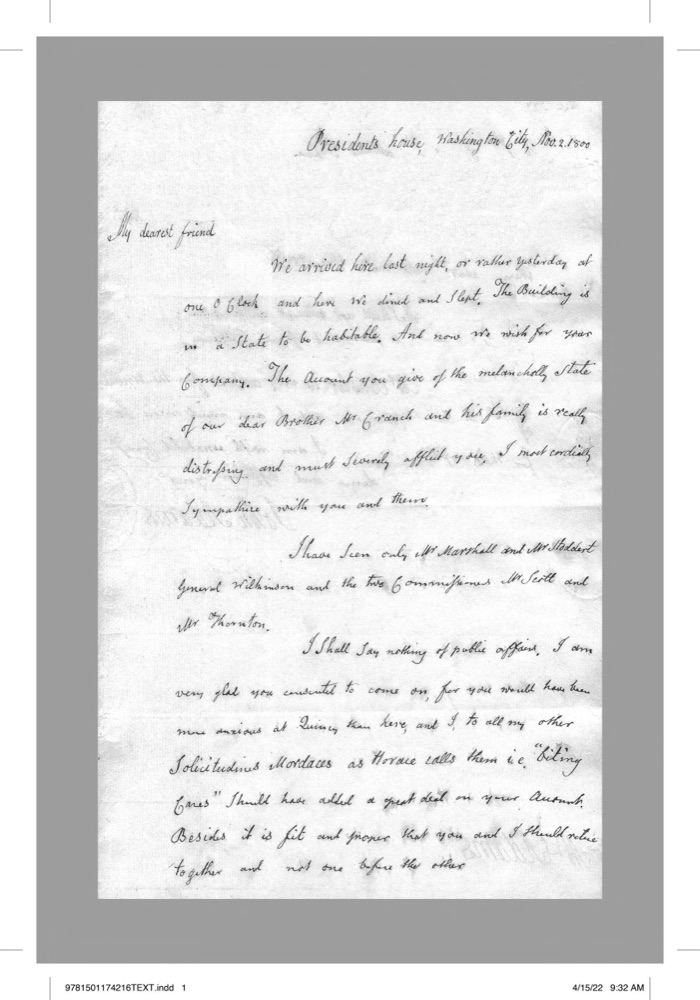 The American Spirit: Who We Are and What We Stand For
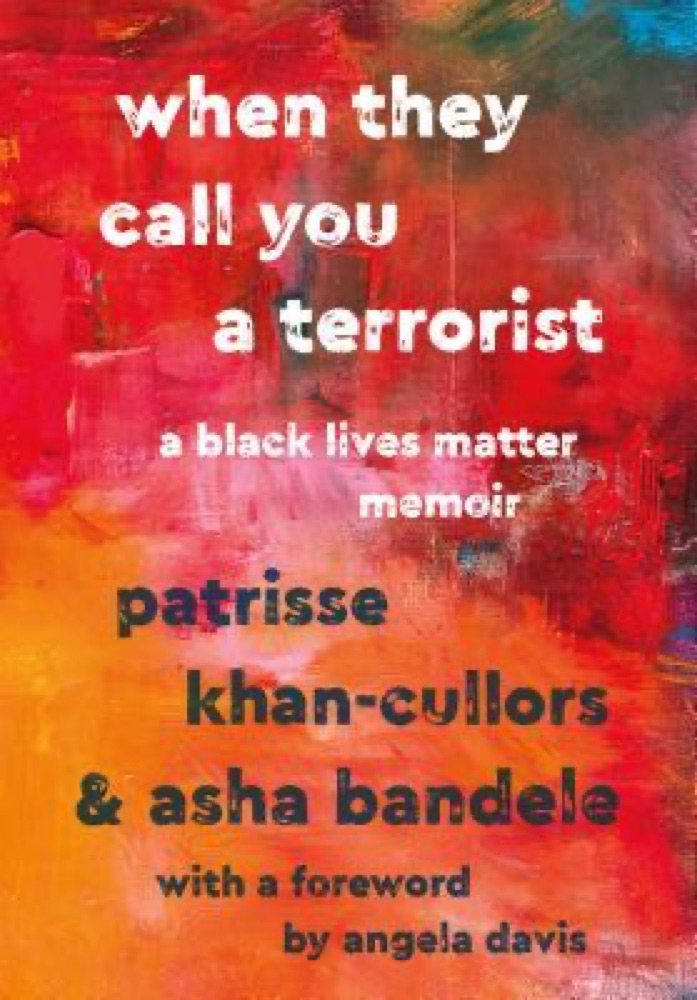 When They Call You a Terrorist: A Black Lives Matter Memoir
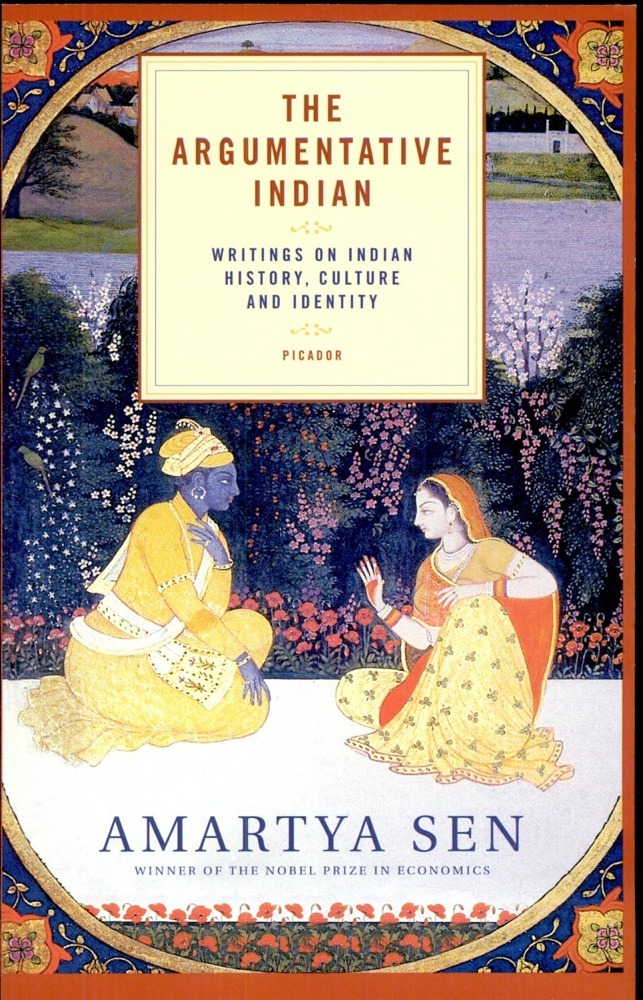 The Argumentative Indian: Writings on Indian History, Culture and Identity
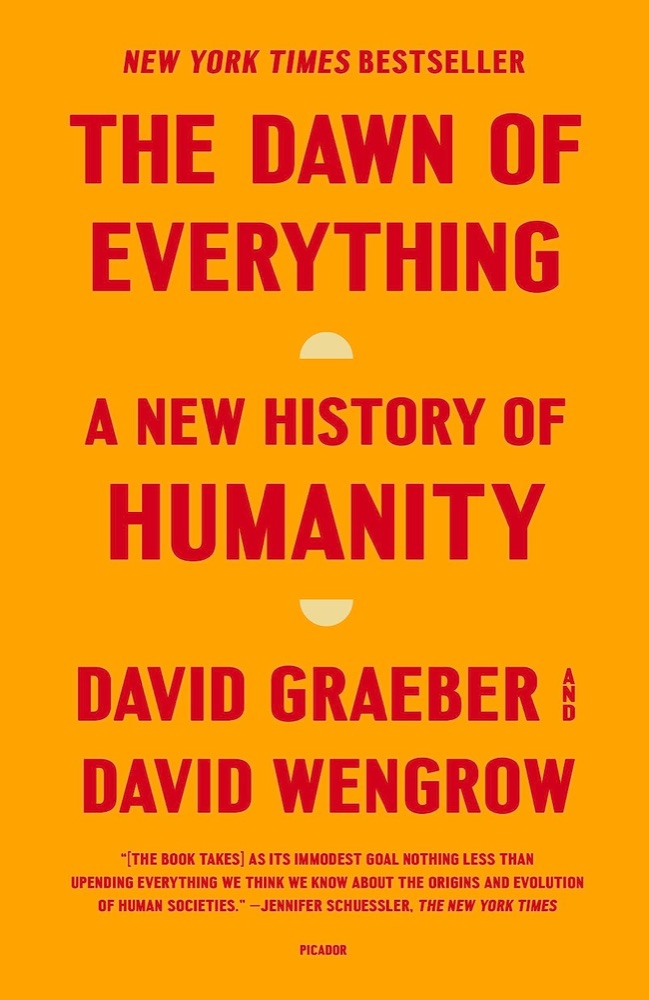 The Dawn of Everything: A New History of Humanity
 An Indigenous Peoples' History of the United States
 Thinning Blood: A Memoir of Family, Myth, and Identity
 Twelve Steps to a Compassionate Life
 Conflict Is Not Abuse: Overstating Harm, Community Responsibility, and the Duty of Repair
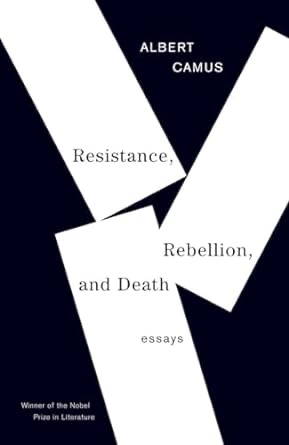 Resistance, Rebellion and Death: Essays
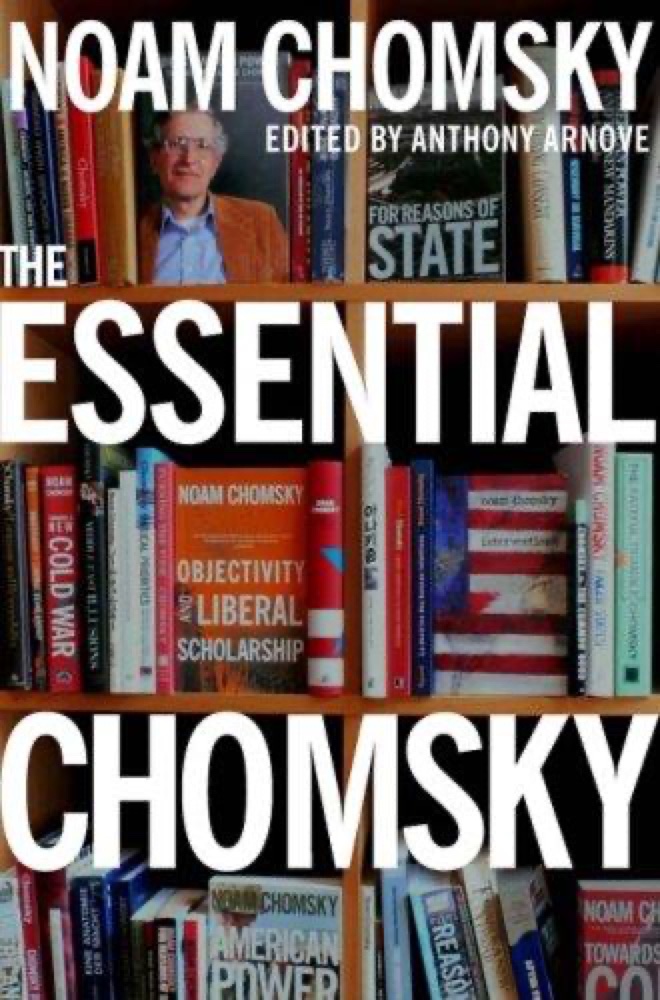 The Essential Chomsky
 The Postcard
 Devolution: A Firsthand Account of the Rainier Sasquatch Massacre
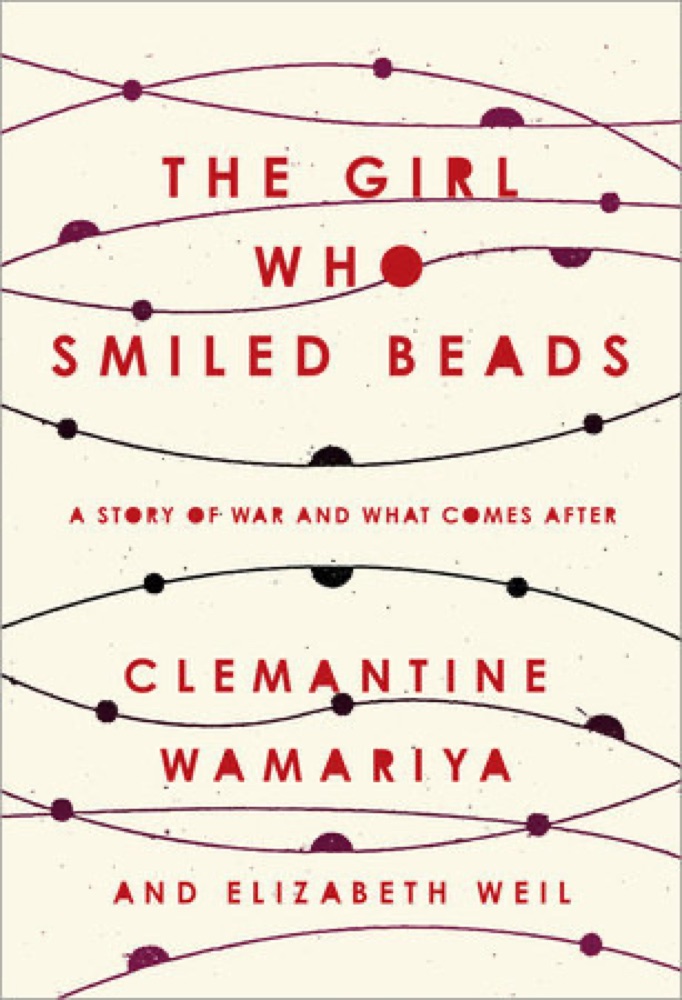 The Girl Who Smiled Beads: A Story of War and What Comes After
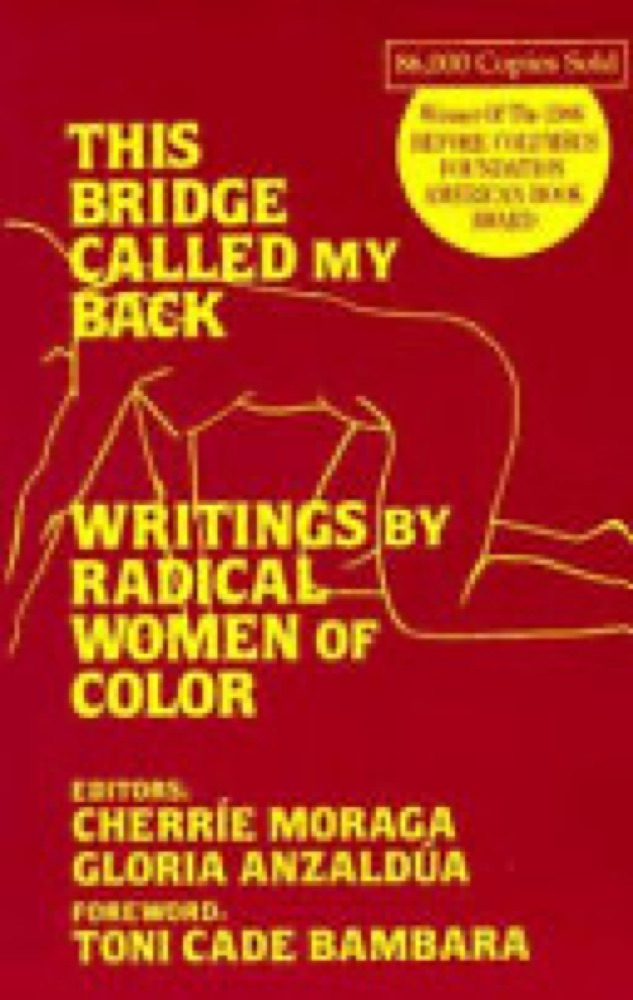 This Bridge Called My Back: Writings by Radical Women of Color