
 The Worst Hard Time: The Untold Story of Those Who Survived the Great American Dust Bowl
Quotes from the Book
I am beginning to believe that nothing is quite so uncertain as facts. (Edward Curtis)
14
by 1900, the tribes owned less than 2 percent of the land they once possessed. Entire languages had already disappeared—more than a loss of words, a loss of a way to look at the world.
3
Good pictures, Curtis explained, are not products of chance, but come from long hours of study.
2
Their humanity has been forgotten,” Grinnell said of the predominant way most outsiders looked at Indians—as either savages or victims.
2
to dare mighty things, to win glorious triumphs, even though checkered by failure, than to rank with those poor spirits who neither enjoy much nor suffer much, because they live in that grey twilight
1
They would begin shooting in 1914, a year out. Curtis felt renewed. With a fresh bounce in his step, he walked the shore of Vancouver Island, all pulsing tides and overgrowth, more than fifty pounds on his back, and slogged through the rainforest in search of people unaffected by modern life. In one of the wettest parts of the world, the Indians spoke of two broad categories for rain: male and female. "A 'she-rain' is gentle, caressing, clinging, persistent," Curtis explained in an extended note to his daughter Florence, one of the many letters to his children that picked up as he entered middle age. "A 'he-rain' is quite the opposite in all ways but that of persistence.
1
Polygamy was common [amongst the Navajo], but women had superior property rights, owning sheep and the houses. A man who deserted his family would be destitute -- a powerful incentive to stay married.
1
photography was “a circus kind of business, and unfit for a gentleman to engage in.
1
In the fall of 1887, Ed Curtis and his father arrived in the Puget Sound area, which was opening up to land opportunists after treaties had removed most of the Indian, and all of the British, claims to the region.
1
The tribes may have been numerous, but the overall population was plummeting. When the results of the 1900 census were published, the government counted only 237,000 Indians in a country of 76 million people. This was the lowest number ever, scholars and Indian authorities said, down from perhaps as many as 10 million at the time of white contact in 1492.
1
Upshaw—Apsaroke, 1905. Curtis’s friend and interpreter Alexander Upshaw, “perfectly educated and absolutely uncivilized,” as Curtis said of him, had trouble shuttling between two worlds. He chose to pose in the clothes of his ancestors.
1
From the Peabody Museum of Archaeology and Ethnology at Harvard came a note from Professor F. W. Putnam, rapturous in his commendation of “your great work.
1
The [Apache] tribe was under siege by government agents, who had jailed some of the medicine men for practicing their rituals. Freedom of religion was cherished as a sacrosanct American right -- everywhere, that is, but on the archipelago of Indian life.
To look at the face [of Princess Angeline] and not see humanity is to lack humanity.
long months of despondency I could
Watch on YouTube
About Timothy Egan
We have collected 78 quotes from 4 books by Timothy Egan on BookQuoters.
More about the author →More by Timothy Egan
The Worst Hard Time: The Untold Story of Those Who Survived the Great American Dust Bowl
 A Pilgrimage to Eternity: From Canterbury to Rome in Search of a Faith
 A Fever in the Heartland: The Ku Klux Klan's Plot to Take Over America, and the Woman Who Stopped Them
About the book
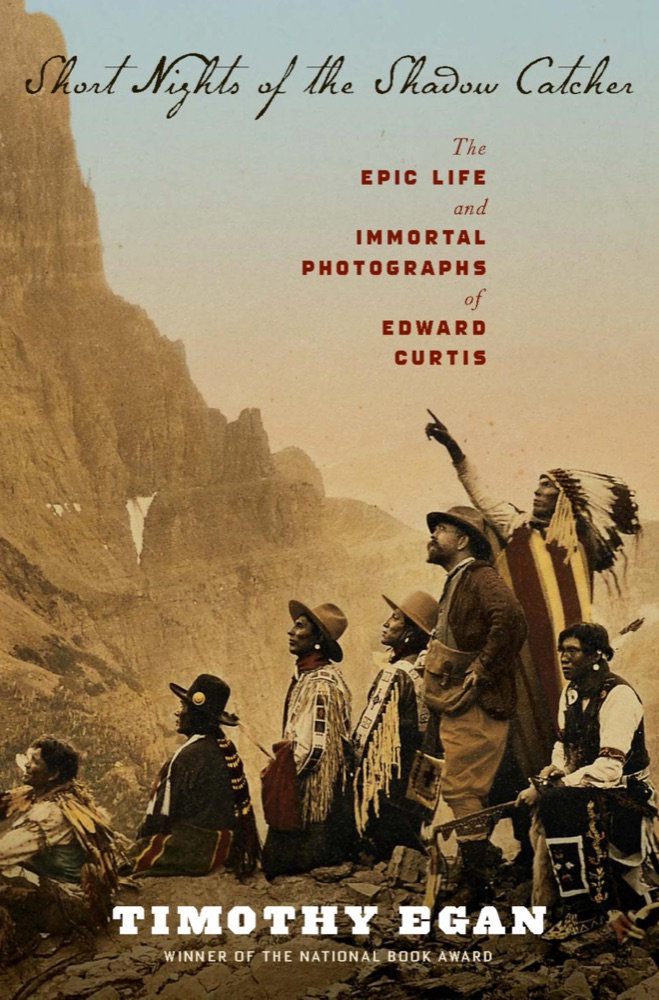
How a lone man's epic obsession led to one of America's greatest cultural treasures: Prize-winning writer Timothy Egan tells the riveting, cinematic story behind the most famous photographs in Native American history -- and the driven, brilliant man who made them.
Edward Curtis was charismatic, handsome, a passionate mountaineer, and a famous photographer, the Annie Leibovitz of his time. He moved in rarefied circles, a friend to presidents, vaudeville stars, leading thinkers. And he was thirty-two years old in 1900 when he gave it all up to pursue his Great Idea: to capture on film the continent’s original inhabitants before the old ways disappeared.
An Indiana Jones with a camera, Curtis spent the next three decades traveling from the Havasupai at the bottom of the Grand Canyon to the Acoma on a high mesa in New Mexico to the Salish in the rugged Northwest rain forest, documentin
Book details
- First published
- 2011
- Author
- Timothy Egan
- Genre
- History
- Goodreads rating
- 4.12 (10k ratings)
Keep reading
 Bury My Heart at Wounded Knee: An Indian History of the American West
 The Night Watchman
 Barkskins
 TransAtlantic
 Prairie Fires: The American Dreams of Laura Ingalls Wilder
 The Inconvenient Indian: A Curious Account of Native People in North America
 Shadow Country
 American Colossus: The Triumph of Capitalism, 1865-1900
 The Lost City of Z: A Tale of Deadly Obsession in the Amazon
 A Thousand Moons
 Killers of the Flower Moon: The Osage Murders and the Birth of the FBI
 The Love Songs of W.E.B. Du Bois
 The Son
 Victory City
 The Last of the Mohicans
 House Made of Dawn
 Dreams from My Father: A Story of Race and Inheritance
 River of Smoke
 One of Ours
 The Siege of Krishnapur
 The Day of the Scorpion
 Following the Equator: A Journey Around the World
 The Bedlam Stacks
 Hawaii
 The Underground Railroad
 Mason & Dixon
 Independent People
 Whiskey Tender: A Memoir
 The Moor's Account
 Serious Men
 Sea of Poppies
 The Enchantress of Florence
 Days Without End
 Gun Island
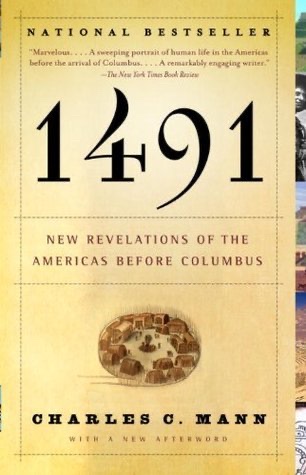 1491: New Revelations of the Americas Before Columbus
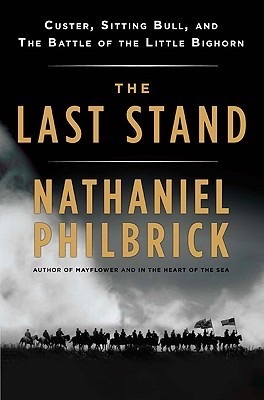 The Last Stand: Custer, Sitting Bull, and the Battle of the Little Bighorn
 The Histories
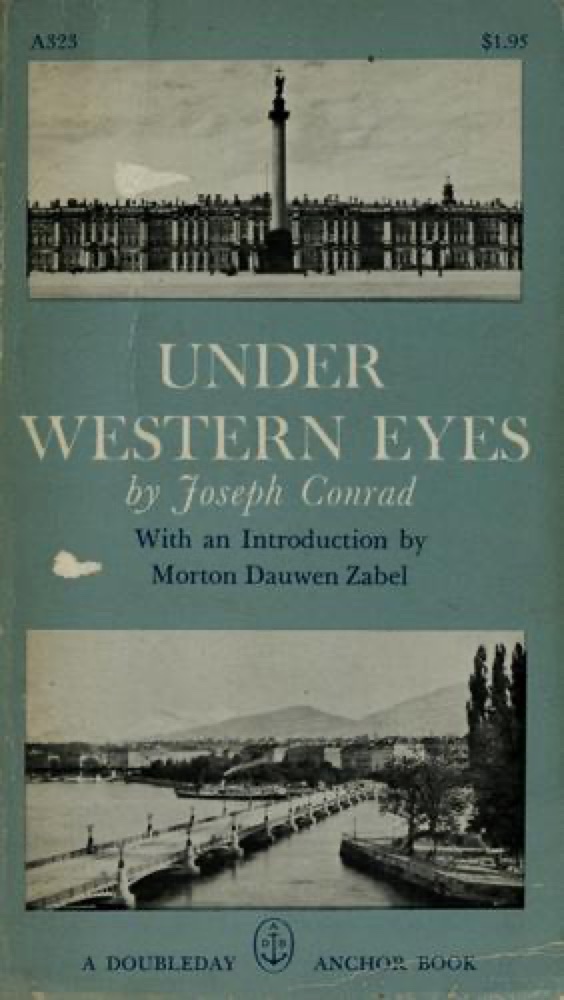 Under Western Eyes
 Black Lamb and Grey Falcon
 The Toughest Indian in the World
 A Time of Torment
 Roughing It
 The Proud Tower: A Portrait of the World Before the War, 1890-1914
 Wolf Willow
 Foundation and Empire
 Ragtime
 O Pioneers!
 Little Monsters
 Hard Times
 Wizard of the Crow
 Gould's Book of Fish: A Novel in Twelve Fish
 The Mysterious Island
 Wandering Stars
 A Passage to India
 West with the Night
 The Jewel in the Crown
 The Water Dancer
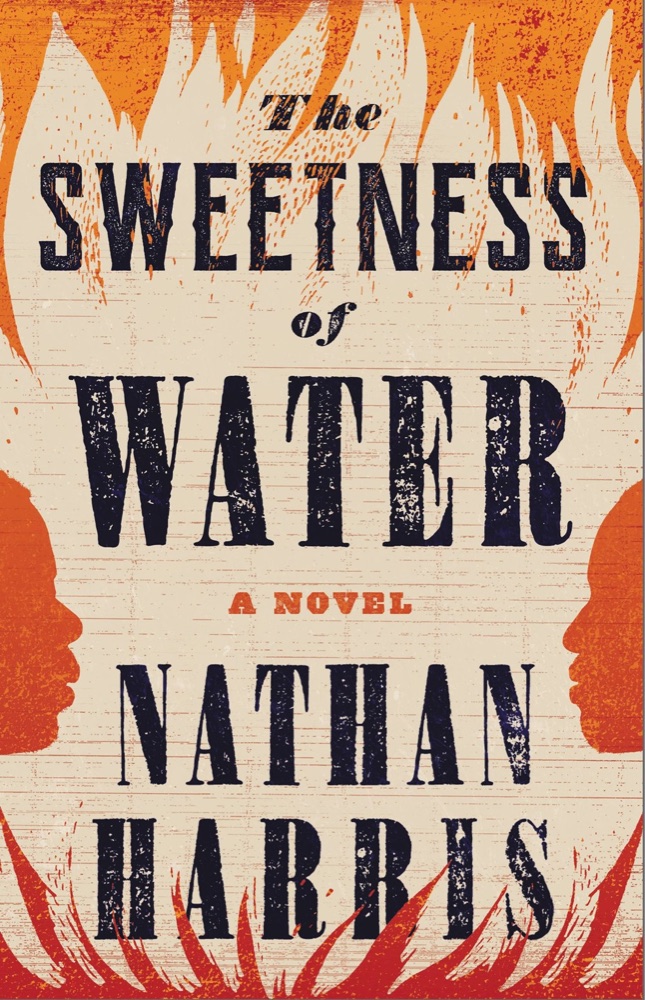 The Sweetness of Water
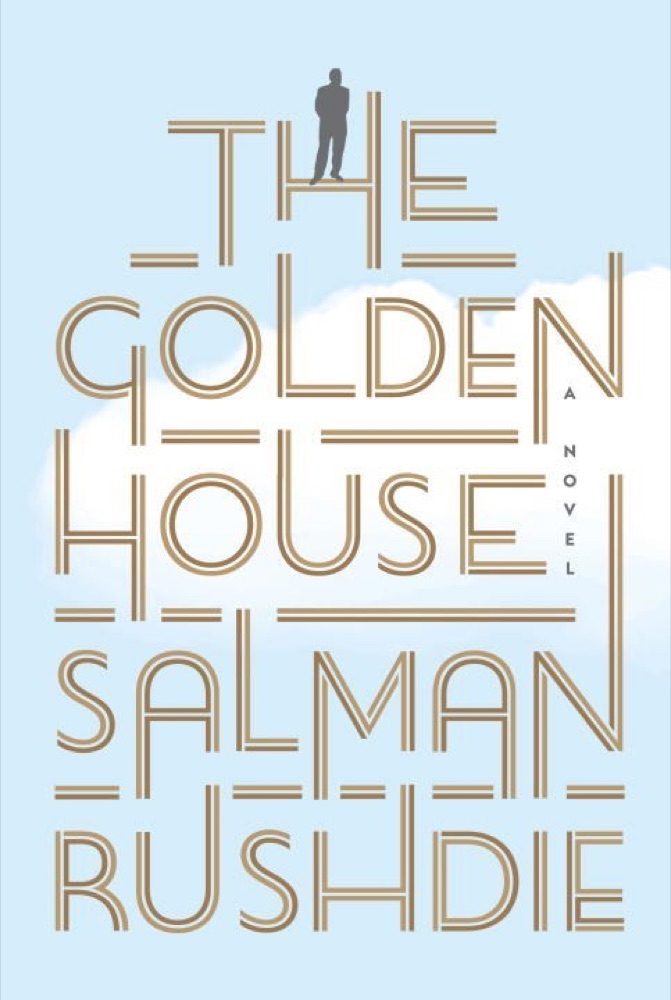 The Golden House