
 Confederates in the Attic: Dispatches from the Unfinished Civil War
Quotes from the Book
Finally, in the midst of the Civil War, Abraham Lincoln proclaimed the last Thursday of November 1863 as Thanksgiving: a day to solemnly acknowledge the sacrifices made for the Union....Shopping was part of the American Dream, too. So in 1939, at the urging of merchants, FDR moved Thanksgiving ahead a week, to lengthen the Christmas shopping season. And there it has remained, a day of national gluttony, retail pageantry, TV football, and remembrance of the Pilgrims, a folk so austere that they regarded Christmas as a corrupt Papist holiday.
11
The past was a consumable, subject to the national preference for familiar products. And history, in America, is a dish best served plain. The first course could include a dollop of Italian in 1492, but not Spanish spice or French sauce or too much Indian corn. Nothing too filling or fancy ahead of the turkey and pumpkin pie, just the way Grandma used to cook it.
7
What I felt at that moment wasn’t sorrow for the 9/11 victims, but mortification. Tiny Ecuador gave precious pottery as a token of its heritage. My nation, the hemisphere’s richest, offered only this: Share our fear and feel our pain. In a venue designed to promote global amity and understanding, the United States chose to emphasize how divided and troubled the world remained. It was a minor thing, really, a display in a little-visited Dominican museum. But still, the exhibit rankled: my own small wall of shame.
2
A bookish man, he read widely, but rarely in search of new knowledge. Instead, he sought confirmation of his preexisting fantasy about an orient that lay almost on Europe’s doorstep. This dream drove him across the ocean sea, where he saw and heard things already in his own head; sirens, cannibals, subjects of the great Kahn, even an island off Hispaniola inhabited by Amazons. Other men of his day had clearer vision. “The hidden half of the globe is brought to light,” Peter Martyris, an Italian historian in the Spanish court wrote upon Columbus’ return from his first voyage in 1493. The next year, Martyris became the first European to refer to the Indies as “Ab orbe novo.” The New World. Yet Columbus never grasped the immensity of what he’d done. The more he saw, the less he learned. Mysticism, and dreams of the Orient kept overwhelming the evidence of his own senses.
1
As with baseball, so, too, with America’s birth. The country’s European founding was slow and messy: a primordial slime of false starts and mutations that evolved, over generations, into English colonies and the United States. Once on its feet, the newborn American nation looked back in search of origins, and located its heroes and sacred places on the stony shore of Massachusetts. The Pilgrim Fathers of 1620 begat the Founding Fathers of 1776. Cooperstown had Doubleday’s cow pasture, Plymouth its hallowed Rock.
1
Ponce de León came for gold and slaves, not a fountain,” he said. “Pedro Menéndez killed all the French except musicians for his private orchestra. How twisted is that?” Chris’s face wrinkled in disgust. “These guys were psychopathic nutballs. Celebrating them is like idolizing Charles Manson.
1
Humans, whether contemplating the genesis of their customs or of their species, yearn to locate “an explicit point of origin,” rather than accept that most beginnings are gradual and complex. “Creation myths,” [Stephen Jay Gould] concluded, “identify heroes and sacred places, while evolutionary stories provide no palpable, particular thing as a symbol for reverence, worship, or patriotism.” As with baseball, so, too, with America’s birth. The country’s European founding was slow and messy: a primordial slime of false starts and mutations that evolved, over generations, into English colonies and the United States. Once on its feet, the newborn American nation looked back in search of origins, and located its heroes and sacred places on the stony shore of Massachusetts. The Pilgrim Fathers of 1620 begat the Founding Fathers of 1776. Cooperstown had Doubleday’s cow pasture, Plymouth it’s hallowed Rock.
1
For all of Melanie’s irreverence, though, there was one thing she couldn’t abide: visitors who asked, as they often did, “Are you a real Indian?” “I tell them, ‘No. I’m completely plastic.’ If I say yes, then they always ask if I’m a ‘full-blood.’ I feel like telling them, ‘No, I donated a pint last week so I’m a little short right now.” Melanie’s grandmother was a full-blood, but told neighbors her family was Cuban, which carried less of a stigma than being Indian. “Now people want you to be real, not a mix like everyone else in America. No one ever goes to the fort here and asks one of the colonial interpreters, “Hey, are you a full-blooded Englishman?” She poked at the fire. “When I have to fill out a form and they ask for my race, I put ‘human.
1
We can’t condone what the Spanish did; it seems barbaric to us,” Larry said. “But I admire their tenacity, giving up everything familiar to come here. It would have been like traveling to the moon today.” Tim agreed. “Unless you reenact Mother Teresa, you’re going to run into problems if you judge people by today’s moral standards.
1
Myth is more important than history. History is arbitrary, a collection of facts. Myth we choose, we create, we perpetuate.
Watch on YouTube
About Tony Horwitz
We have collected 48 quotes from 3 books by Tony Horwitz on BookQuoters.
More about the author →More by Tony Horwitz
Confederates in the Attic: Dispatches from the Unfinished Civil War
 Spying on the South: An Odyssey Across the American Divide
About the book
On a chance visit to Plymouth Rock, Tony Horwitz realizes he's mislaid more than a century of American history, from Columbus’s sail in 1492 to Jamestown's founding in 16-oh-something. Did nothing happen in between? Determined to find out, he embarks on a journey of rediscovery, following in the footsteps of the many Europeans who preceded the Pilgrims to America.
An irresistible blend of history, myth, and misadventure, A Voyage Long and Strange captures the wonder and drama of first contact. Vikings, conquistadors, French voyageurs — these and many others roamed an unknown continent in quest of grapes, gold, converts, even a cure for syphilis. Though most failed, their remarkable exploits left an enduring mark on the land and people encountered by late-arriving English settlers.
Tracing this legacy with his own epic trek — from Florida's Fountain of Youth to Plymouth's sacred Roc
Book details
- First published
- 2008
- Author
- Tony Horwitz
- Genre
- History
- Goodreads rating
- 3.97 (10k ratings)
Keep reading
 1491: New Revelations of the Americas Before Columbus
 Made in America: An Informal History of the English Language in the United States
 Unfamiliar Fishes
 The Inconvenient Indian: A Curious Account of Native People in North America
 Lies My Teacher Told Me: Everything Your American History Textbook Got Wrong
 An Indigenous Peoples' History of the United States
 Mayflower: A Story of Courage, Community, and War
 Black AF History: The Un-Whitewashed Story of America
 How the Word Is Passed: A Reckoning with the History of Slavery Across America
 These Truths: A History of the United States
 Four Hundred Souls: A Community History of African America, 1619-2019
 The Disuniting of America: Reflections on a Multicultural Society
 A History of the World in 100 Objects
 A People's History of the United States
 Almanac of the Dead
 The Moor's Account
 The 1619 Project: A New Origin Story
 At Home: A Short History of Private Life
 The Golden House
 The Dawn of Everything: A New History of Humanity
 The American Spirit: Who We Are and What We Stand For
 Chesapeake
 Undaunted Courage: The Pioneering First Mission to Explore America's Wild Frontier
 Mumbo Jumbo
 The Hemingses of Monticello: An American Family
 We Were Eight Years in Power: An American Tragedy
 Skinny Legs and All
 Flashpoints: The Emerging Crisis in Europe
 Go Back to Where You Came From: And Other Helpful Recommendations on How to Become American
 The End of the Myth: From the Frontier to the Border Wall in the Mind of America
 The Innocents Abroad
 The Committed
 Mason & Dixon
 Custer Died for Your Sins: An Indian Manifesto
 Open Veins of Latin America: Five Centuries of the Pillage of a Continent
 No Name in the Street
 The Log from the Sea of Cortez
 The War on the West: An Instant NYT Bestselling History of the Modern World
 Civilization: The West and the Rest
 A Little History of the World
 Americanah
 Babel
Babel
 White Trash: The 400-Year Untold History of Class in America
 Thirteen
 Assassination Vacation
 A Small Place
 Notes from No Man's Land
 Unruly: The Ridiculous History of England's Kings and Queens
 History Matters
 Becoming Kin: An Indigenous Call to Unforgetting the Past and Reimagining Our Future
 The Small and the Mighty: Twelve Unsung Americans Who Changed the Course of History, from the Founding to the Civil Rights Movement
 From Dawn to Decadence: 500 Years of Western Cultural Life, 1500 to the Present
 The First Salute : View of the American Revolution
 Billions & Billions: Thoughts on Life and Death at the Brink of the Millennium
 Children of Ash and Elm: A History of the Vikings
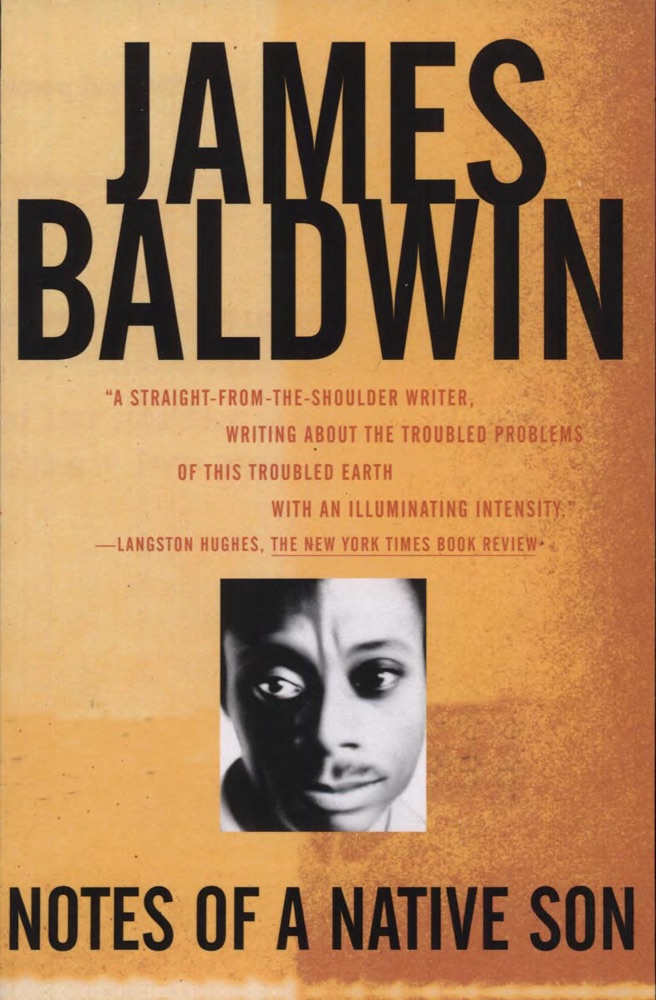 Notes of a Native Son
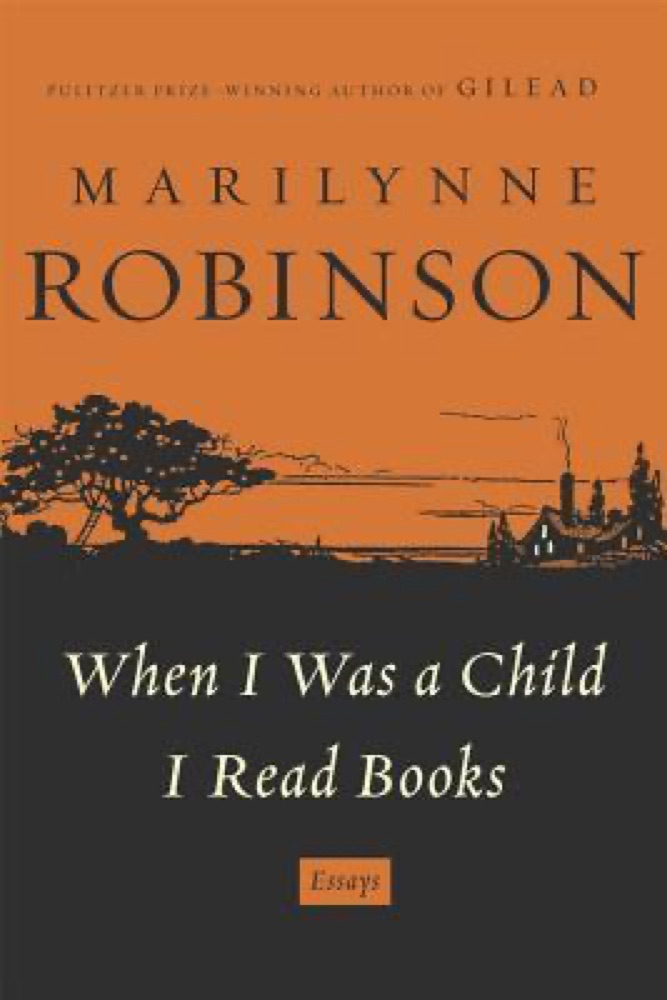 When I Was a Child I Read Books
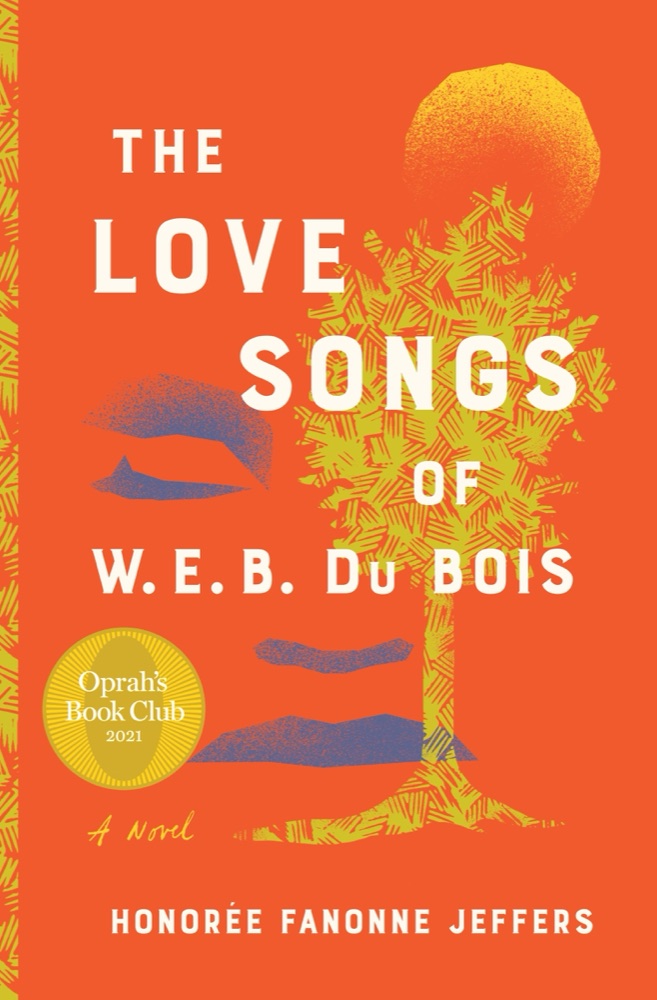 The Love Songs of W.E.B. Du Bois
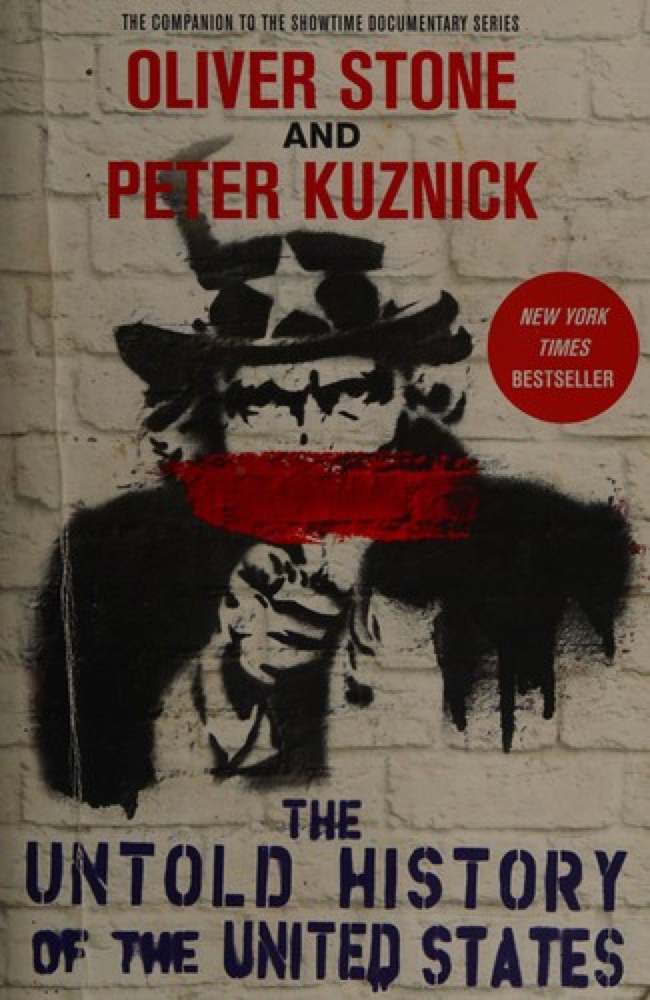 The Untold History of The United States
 The New Penguin History of The World