
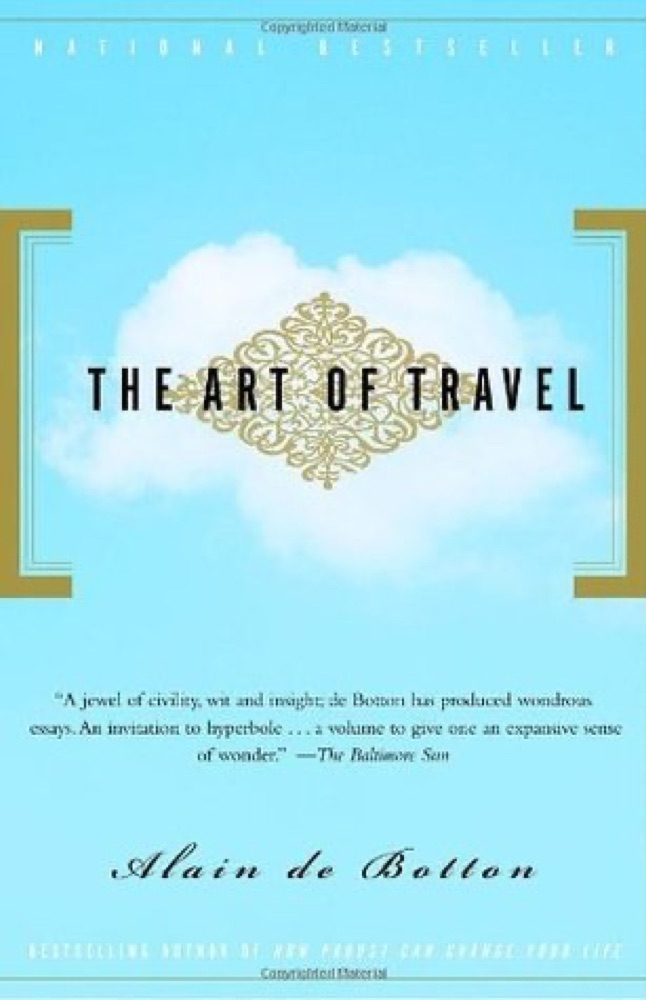
 The Art of Travel
Quotes from the Book
one of the strongest predictors of happiness is whether or not your attention is focused where you are in the present.
5
It is through serendipitous encounters with objects and strangers that the world speaks to us but we have to be listening. By learning to be alert for clues, one is suddenly caught up in an exciting inner adventure.
4
There is a difference, though, between savoring a moment and clinging to it. There’s no scientific upside to clinging, to mourning the last days of a great vacation. Acceptance of this requires practice, but to be a great traveler, to be a good student of life, as Bryant put it, you have to learn to let go. “One of the laws of travel,” he said, “one of the laws of the kingdom, is it must end.
4
Alone, there’s no need for an itinerary. Walk, and the day arranges itself.
4
The researchers found that joyful and fulfilled people seem to intuitively know “that sustained happiness is not just about doing things that you like. It also requires growth and adventuring beyond the boundaries of your comfort zone.
4
There’s only one very good life, and that’s the life that you know you want, and you make it yourself.
3
Research shows that not long after we get home from a vacation, we tend to return to our particular baseline level of happiness. To help prevent that from happening, I didn’t fully leave the cities I’d visited but instead made them filters through which I saw my own. I stopped into small bread and cheese shops, took my time with my coffee. Seemingly cheerless streets became opportunities for observing graffiti and strangers, for “coloring the external world with the warm hues of the imagination,” as Anthony Storr described creative living
2
I used to take walks only in good weather. No I do so in any weather. When I travel, my favorite way to acquaint myself with a city is to walk it. Why not do the same in my hometown?
2
I'm shy, and while I was mildly concerned about what people might think of me when I began dining alone, I was more concerned about what I might think of me if I didn't try. I didn't want to be someone who experienced less of a city, less of life, because I was afraid. So I went.
2
my own serendipitous moments tend to happen when I’m alone, with time to indulge my curiosity.
1
I began reading about urban planning, a subject that had long interested me. To fall in love with your city again, try seeing it through the eyes of an urbanist. You become a benevolent narrator, observing how your characters negotiate daily routines as they hurry about their lives. You come to understand how a new building affects a nearby park, how a few chairs placed under a tree can transform a street. Even things that are irritating - the biker flying down the sidewalk, the plaza with no place to sit - become a puzzle to solve. What design might be better? What would bring everyone together? What pulls them apart? The spirit of investigation began to return, and I was back on the sidewalk, looking for clues.
1
After my return to Paris, one thing seemed obvious: To see Manhattan again, to feel as good about New York as Liza Minnelli sounded singing about it at Giants Stadium in 1986 (Google it), I had to start treating it as if it were a foreign city; to bring a reporter's eye and habits, care, and attention to daily life. But as that was the sort of vague self-directive easily ignored, I gave myself a specific assignment: Once a week, during routine errands, I would try something new or go someplace I hadn't been in a long while. It could be as quick as a walk past the supposedly haunted brownstone at 14 West 10th Street, where former resident Mark Twain is said to be among the ghosts. It could a stroll on the High Line, the elevated park with birch trees and long grasses growing where freight trains used to roll. Or it could be a snowy evening visit to the New York Public Library's Beaux-Arts flagship on Fifth Avenue, where Pamuk wrote the first sentence of The Museum of Innocence. There I wandered past white marble walls and candelabras, under chandeliers and ornate ceiling murals, through the room with more than ten thousand maps of my city, eventually taking a seat at a communal wood table to read a translation of Petrarch's Life of Solitude, to rare to be lent out. Tourist Tuesdays I called these outings, to no one but myself.
1
When preparing for a trip, we can read about architecture and restaurants. But what ultimately breathes life into the daydreams of anticipation are the people we encounter when we're actually there, including those we merely pass on the street or, in this case, the stairwell. I thought, too, of the man on the pier who offered his hand to steady me as I stepped off the ferry, and of the old woman in the public restroom who motioned for me to come and share with her the sole tiny sink. The possibility of these wordless interactions, to which we can be particularly attuned when alone, didn't cross my mind when I was anticipating my days in Istanbul. I had envisioned ships and minarets, the Grand Bazaar and the Hagia Sofia, yet not these faces, not these moments that silently transmit the warmth of a city.
1
Walking alone is a city that's not my own, I think of what Virginia Woolf wished for the women in Cambridge who came to hear her speak in 1928. 'By hook or by crook, I hope that you will possess yourselves of money enough to travel and to idle,' she said, 'to contemplate the future or the past of the world, to dream over books and loiter at street corners and let the line of thought dip deep in the stream.
1
The world's first sidewalks appeared around 2000 B.C. in what is now Turkey. But it was in Paris - where there are at least as many styles of wandering (flanerie, derive, errance) as there are the customary cheek kisses (la bise) - that the sidewalk became an avenue for pleasure. No need to follow the 1920s-style red METRO sign underground, or climb into the taxi with 'Parisien' on its rooftop light. From the sidewalk, the best of the city can be had for free.
1
It is not necessary to have company when you travel.
1
By hook or by crook, I hope that you will possess yourselves of money enough to travel and to idle,” she said, “to contemplate the future or the past of the world, to dream over books and loiter at street corners and let the line of thought dip deep in the stream.
1
Arrows and Angels (page 158) While his work made him solitary, Condivi said it "afforded him such delight and fufillment that the company of others not only failed to satisfy him but even distressed him, as if it distracted him from his meditation.
Musee de la vie romantique (page 77) People who weren't discussing the art with a companion were more frequently and more strongly emotionally stimulated by it.
Introduction: Witches and Shamans (page 13) Being in an unfamiliar place can lead to personal change, renewal, and discoveries. Anthony Storr said it's why many people find it easier to give up smoking when on vacation: It disrupts routine and day-to-day environmental cues that may be limiting or flat-out unhealthy. Indeed, my aim wasn't to master Paris. It was to master myself: to learn how a little alone time can change your life—in any city.
Introduction: Witches and Shamans (pages 6-7) Studies led by Thuy-vy Nguyen, published in the Personality and Social Psychology Bulletin, suggest that we can use solitude or alone time as a tool, a way to regulate our emotional states, "becoming quiet after excitement, calm after an angry episode, or centered and peaceful when desired.
Introduction: Witches and Shamans (page 5) For one thing, time spent away from the influence of others allows us to explore and define who we are.
In order to allow for creative self-renewal and growth, it’s really advisable to go outside the boundaries of what you do and expose yourself to alien worlds as much as possible. —Hussein Chalayan, fashion designer
The word degustation means what it says: not “consumption of” but “tasting,” “savoring” . . . You are in the country of the art of good food, and this degustation is very like what you do in an art gallery, unless your soul is lost. —Eleanor Clark, The Oysters of Locmariaquer
How can one keep one’s enthusiasm concentrated on a subject when one is always at the mercy of other people and in constant need of their society?
All that being said, we have a tendency to underestimate the pleasure that can come from conversations with strangers. For instance, a field study by Gillian M. Sandstrom of the University of Essex in England, and Elizabeth Dunn at the University of British Columbia, asked customers buying coffee in a busy Starbucks to either have a genuine social interaction with the barista, as they would with an acquaintance, or to make their interaction as efficient as possible, avoiding unnecessary conversation. Guess who enjoyed their coffee run more? The people who connected with the person who took their order.
To have the best trip possible when we’re actually on it, we need to stay loose. “One of the arts of savoring experiences and vacation is to let go of all that expectation,” Bryant explained. If you don’t, you’re never really allowing yourself to be in the moment, but are “always comparing it to what you thought it would be.
Such were the things I discovered in the weeks before leaving for the city. In advance of all of my trips I would dip into the culture by reading novels and poetry, watching films and television programs, and browsing fashion, travel, and design blogs. Doing this, relishing how enjoyable an upcoming experience might be, isn’t just edifying—it can boost our spirits long before we even leave for the airport. “Anticipation is a free form of happiness,” Elizabeth Dunn found in her research on well-being, “the one that’s least vulnerable to things going wrong.
People who open themselves to the beauty and excellence around them are more likely to find joy, meaning, and profound connections in their lives,
When I go to a museum with friends, I remember the outing. When I go alone, I remember the art. Certainly, visiting a museum as a social occasion is a wonderful way to spend time with people we love. But there are also upsides to going by oneself, as the research suggests. A person’s response to a work of art may be an emotional, private experience. There are paintings and sculptures you want to fall into, wrestle with, or simply sit across from in silence.
Watch on YouTube
About Stephanie Rosenbloom
We have collected 30 quotes from 1 book by Stephanie Rosenbloom on BookQuoters.
More about the author →About the book
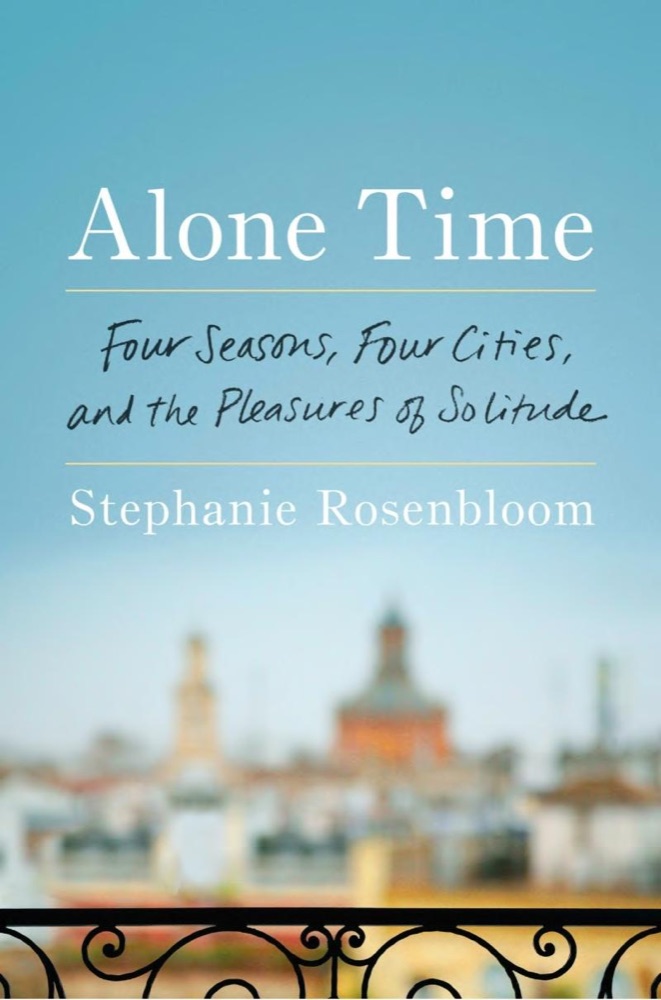
A wise, passionate account of the pleasures of travelling solo
In our increasingly frantic daily lives, many people are genuinely fearful of the prospect of solitude, but time alone can be both rich and restorative, especially when travelling. Through on-the-ground reporting and recounting the experiences of artists, writers, and innovators who cherished solitude, Stephanie Rosenbloom considers how being alone as a traveller--and even in one's own city--is conducive to becoming acutely aware of the sensual details of the world--patterns, textures, colors, tastes, sounds--in ways that are difficult to do in the company of others.
Alone Time is divided into four parts, each set in a different city, in a different season, in a single year. The destinations--Paris, Istanbul, Florence, New York--are all pedestrian-friendly, allowing travelers to slow down and appreciate casual pleasures
Book details
- First published
- 2018
- Author
- Stephanie Rosenbloom
- Genre
- Nonfiction
- Goodreads rating
- 3.47 (3k ratings)
The buzz
- New York Journal of BooksReview in New York Journal of Booksprofessional review (via Book Marks)
- BooklistReview in Booklistprofessional review (via Book Marks)
- PopmattersReview in Popmattersprofessional review (via Book Marks)
- Shelf AwarenessReview in Shelf Awarenessprofessional review (via Book Marks)
Keep reading
The Art of Travel
 Silence: In the Age of Noise
 To Shake the Sleeping Self: A Journey from Oregon to Patagonia, and a Quest for a Life with No Regret
 Without Reservations: The Travels of an Independent Woman
 The Way of the World
 At Home in the World: Reflections on Belonging While Wandering the Globe
 Flights
 Life in Five Senses: How Exploring the Senses Got Me Out of My Head and Into the World
 Journal of a Solitude
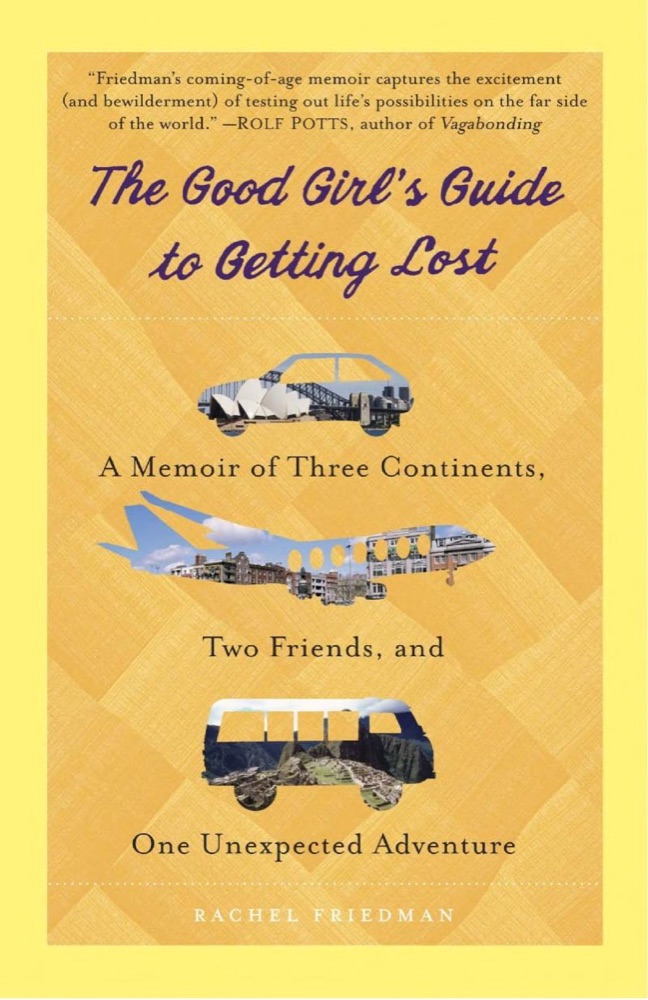 The Good Girl's Guide to Getting Lost: A Memoir of Three Continents, Two Friends, and One Unexpected Adventure
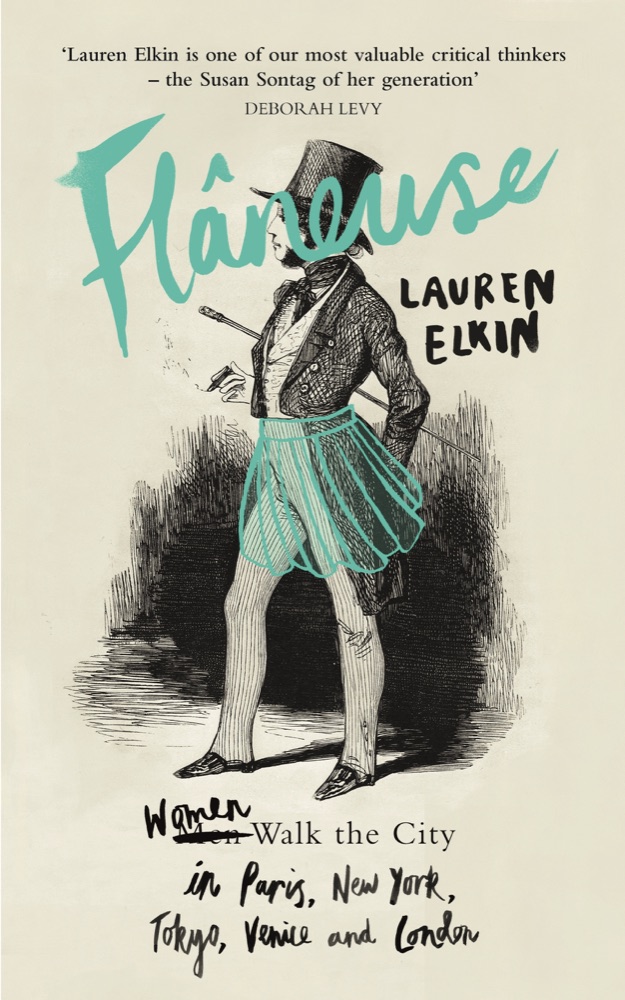 Flâneuse: Women Walk the City in Paris, New York, Tokyo, Venice and London
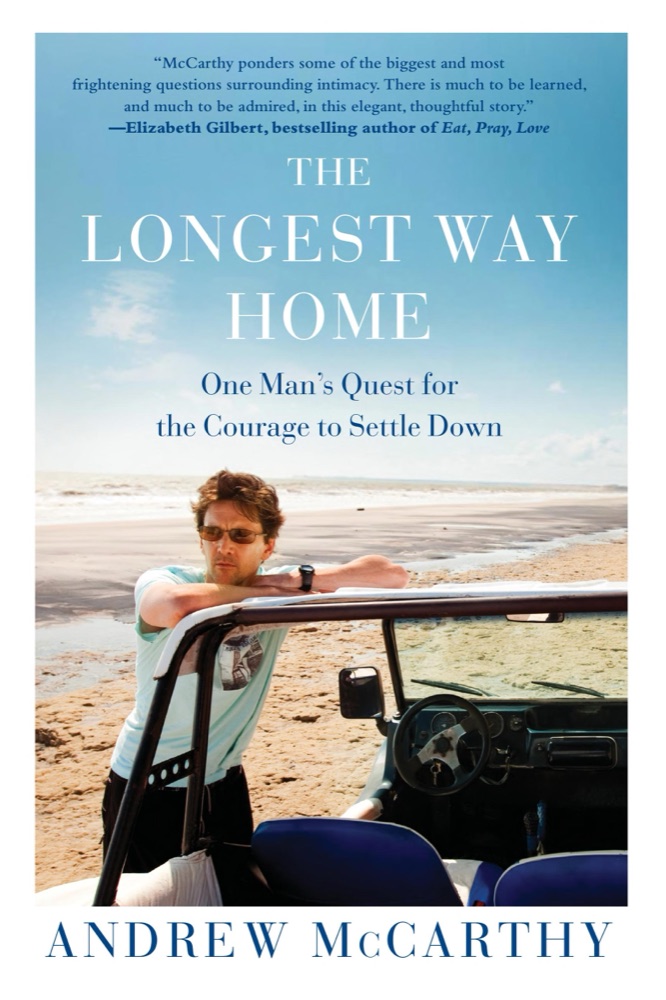 The Longest Way Home: One Man's Quest for the Courage to Settle Down
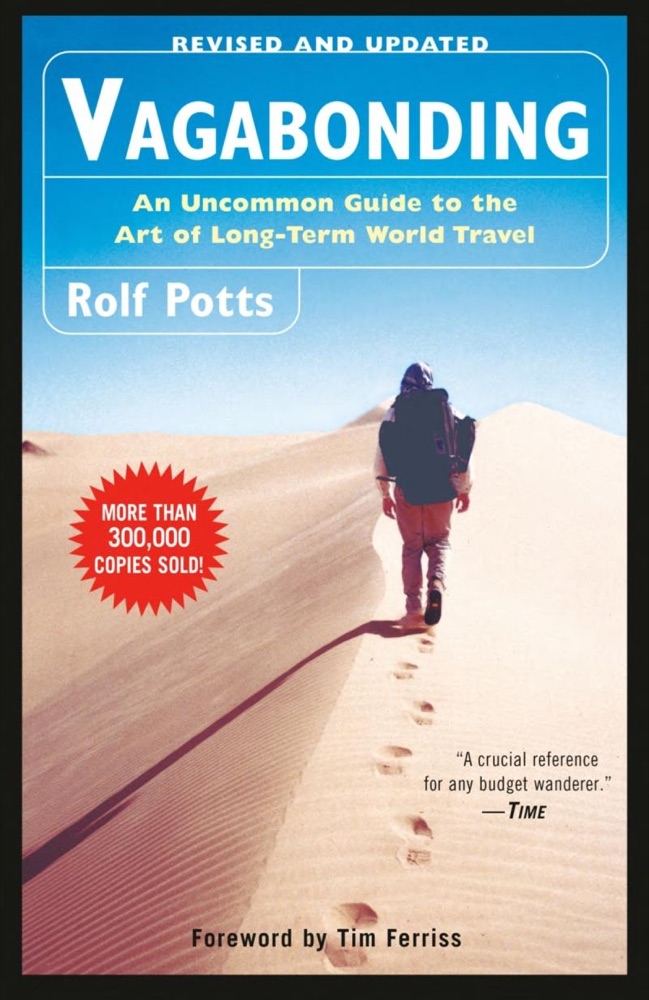 Vagabonding: An Uncommon Guide to the Art of Long-Term World Travel
 Wanderlust
 No One Writes Back
 Wanderlove
 Happier at Home: Kiss More, Jump More, Abandon a Project, Read Samuel Johnson, and My Other Experiments in the Practice of Everyday Life
 A Year By The Sea: Thoughts of an Unfinished Woman
 Gift from the Sea
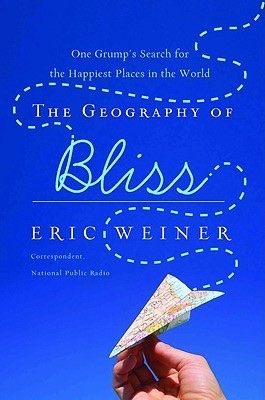 The Geography of Bliss: One Grump's Search for the Happiest Places in the World
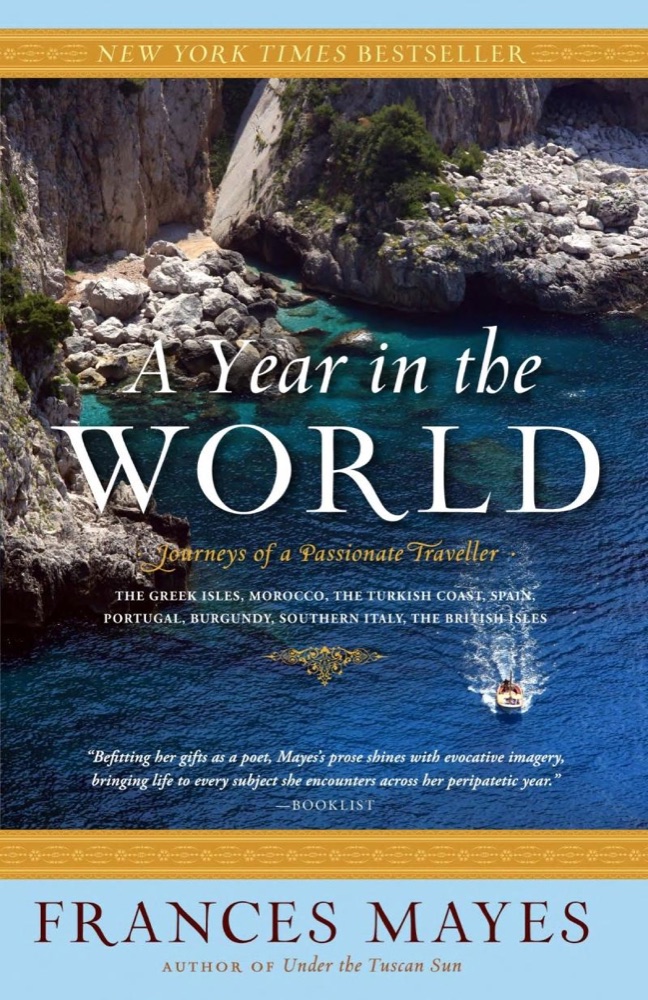 A Year in the World: Journeys of a Passionate Traveller
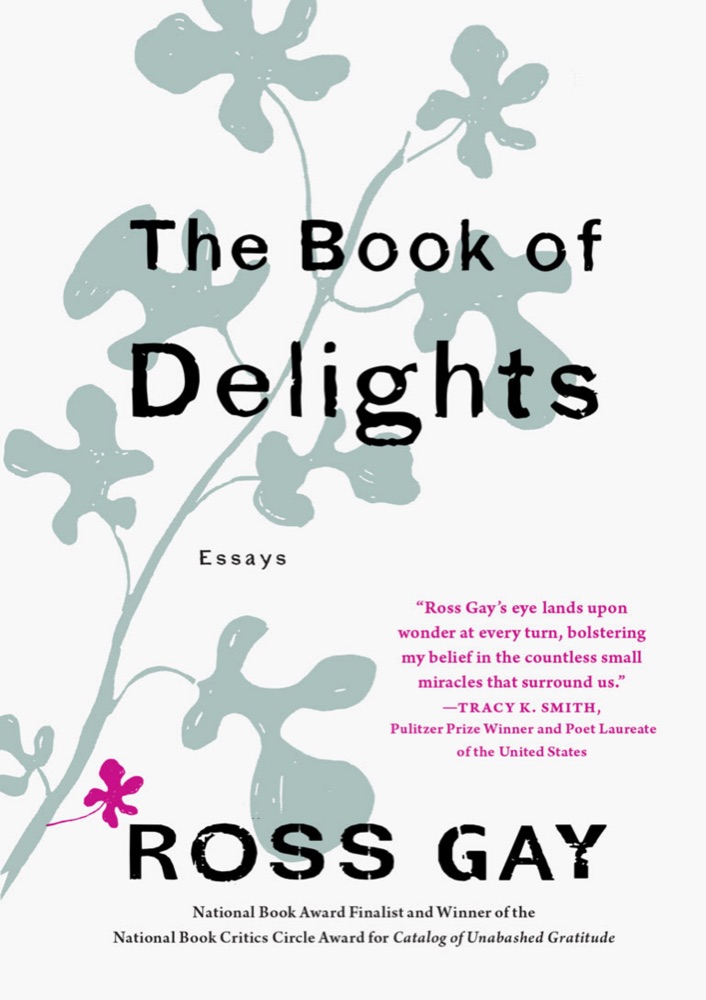 The Book of Delights: Essays
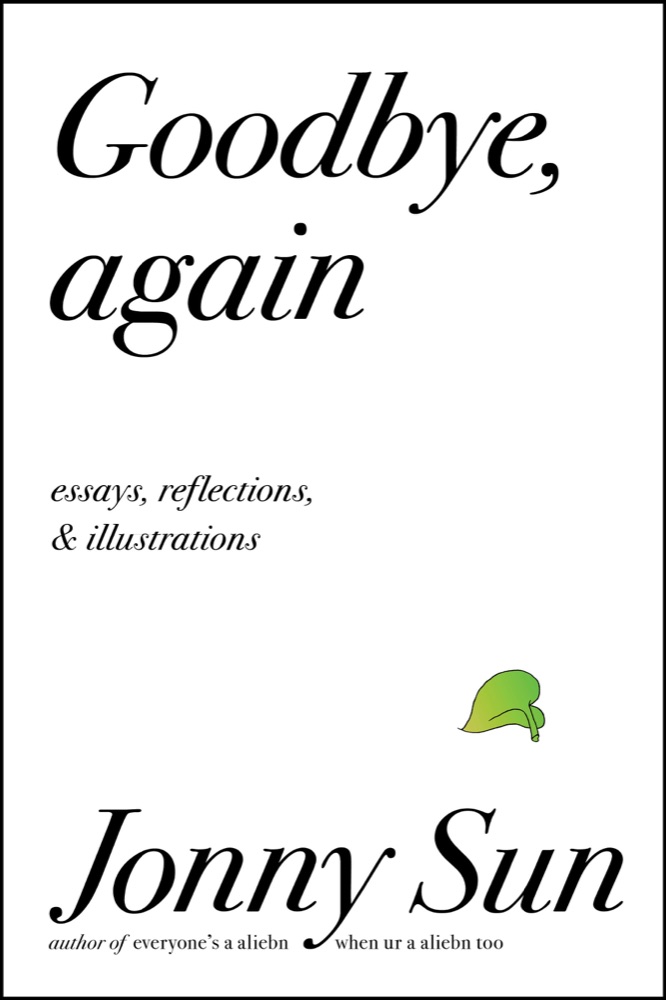 Goodbye, Again: Essays, Reflections, and Illustrations
 Destination Truth: Memoirs of a Monster Hunter
 Finding Flow: The Psychology of Engagement with Everyday Life
 Night Train to Lisbon
 A Field Guide to Getting Lost
 How to Be Alone
 Small World
 Ghost Train to the Eastern Star
 On Connection
 Solitude: A Return to the Self
 Wanderlust: A History of Walking
 I Am, I Am, I Am: Seventeen Brushes with Death
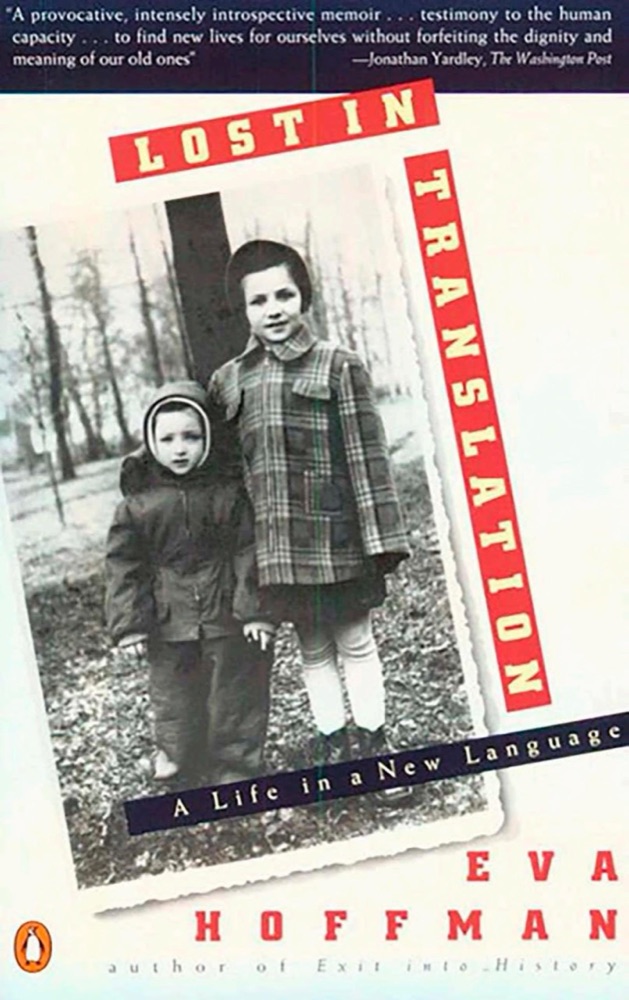 Lost in Translation: A Life in a New Language
 A Room Called Earth
 Open City
 How to Be Alone
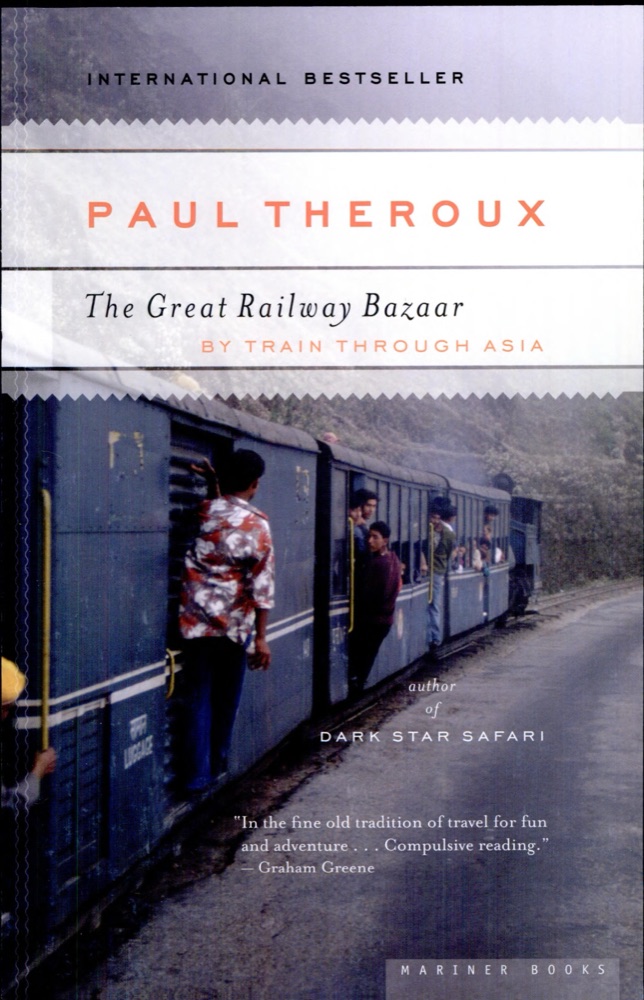 The Great Railway Bazaar
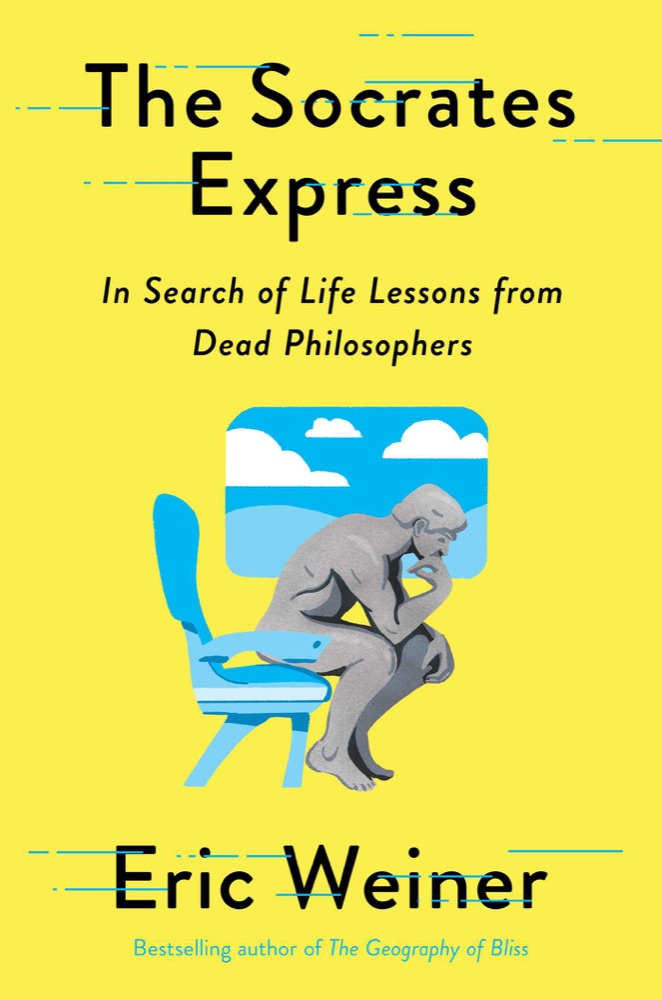 The Socrates Express: In Search of Life Lessons from Dead Philosophers
 A Book of Simple Living
 Happy Hour
 Travels with Charley: In Search of America
 The Things You Can See Only When You Slow Down: How to Be Calm in a Busy World
 The Leisure Seeker
 What If This Were Enough?: Essays
 My Inner Sky: On Embracing Day, Night, and All the Times in Between
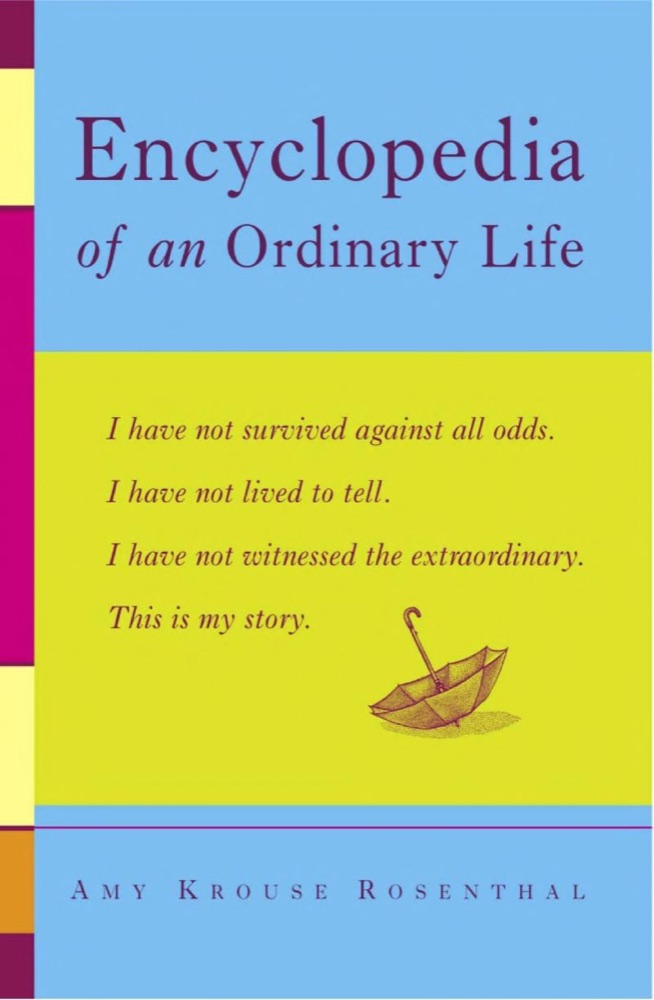 Encyclopedia of an Ordinary Life
 The Stranger in the Woods: The Extraordinary Story of the Last True Hermit
 A Circle of Quiet
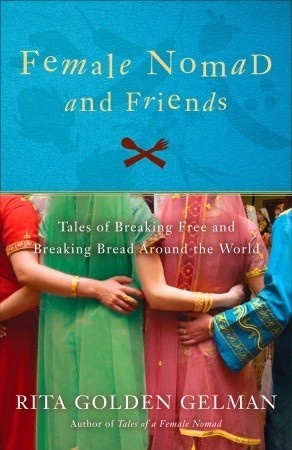 Tales of a Female Nomad: Living at Large in the World
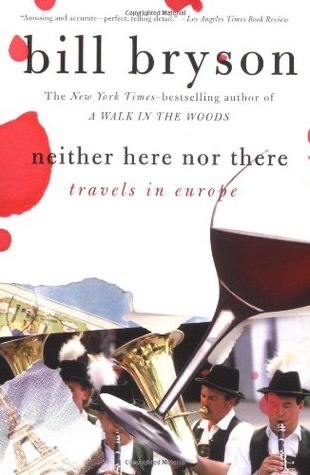 Neither Here nor There: Travels in Europe
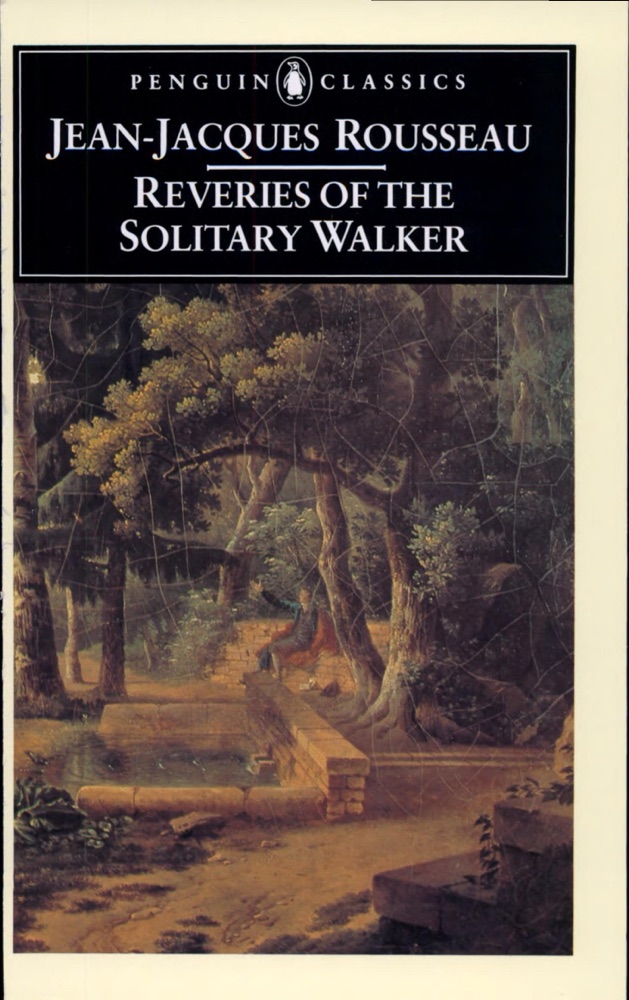 Reveries of the Solitary Walker
 Creativity: Flow and the Psychology of Discovery and Invention
 The Candy House
 The Vacation
 In Arabian Nights: A Caravan of Moroccan Dreams
 Sorry I'm Late, I Didn't Want to Come: An Introvert's Year of Living Dangerously
 Whereabouts
 Welcome to the Hyunam-Dong Bookshop