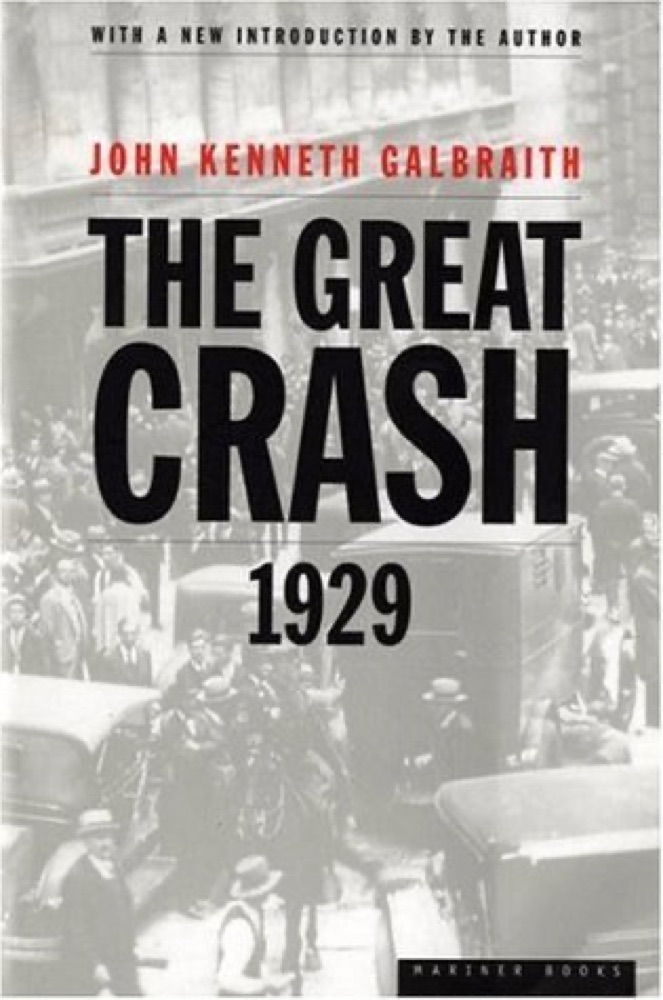

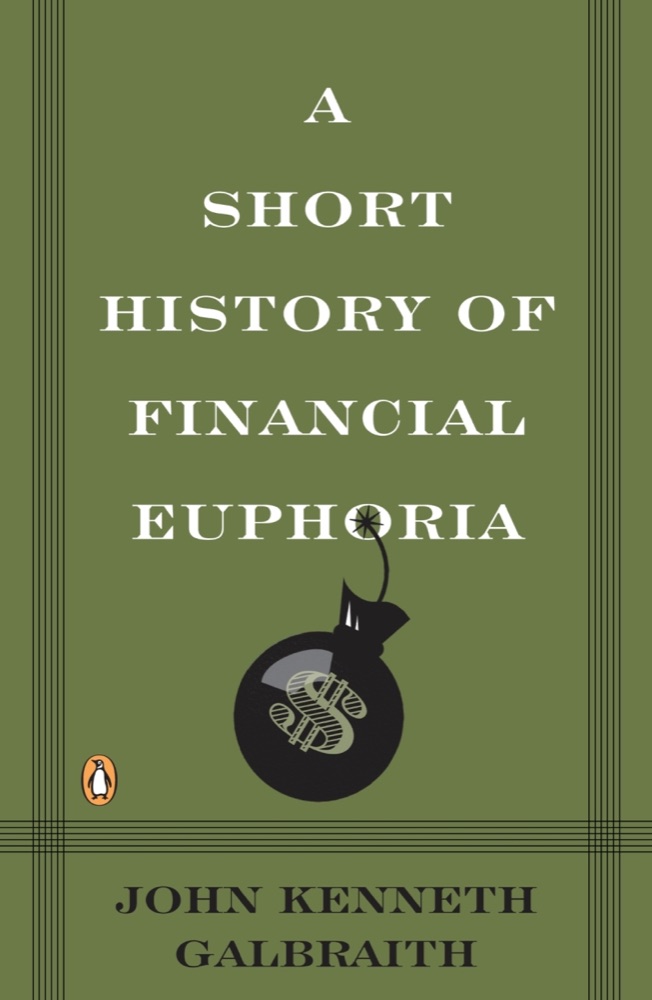
 A Short History of Financial Euphoria
Quotes from the Book
The sense of responsibility in the financial community for the community as a whole is not small. It is nearly nil.
27
In many ways the effect of the crash on embezzlement was more significant than on suicide. To the economist embezzlement is the most interesting of crimes. Alone among the various forms of larceny it has a time parameter. Weeks, months, or years may elapse between the commission of the crime and its discovery. (This is a period, incidentally, when the embezzler has his gain and the man who has been embezzled, oddly enough, feels no loss. There is a net increase in psychic wealth.) At any given time there exists an inventory of undiscovered embezzlement in — or more precisely not in — the country’s businesses and banks. This inventory — it should perhaps be called the bezzle — amounts at any moment to many millions of dollars. It also varies in size with the business cycle. In good times people are relaxed, trusting, and money is plentiful. But even though money is plentiful, there are always many people who need more. Under these circumstances the rate of embezzlement grows, the rate of discovery falls off, and the bezzle increases rapidly. In depression all this is reversed. Money is watched with a narrow, suspicious eye. The man who handles it is assumed to be dishonest until he proves himself otherwise. Audits are penetrating and meticulous. Commercial morality is enormously improved. The bezzle shrinks. … Just as the boom accelerated the rate of growth, so the crash enormously advanced the rate of discovery. Within a few days, something close to a universal trust turned into something akin to universal suspicion. Audits were ordered. Strained or preoccupied behavior was noticed. Most important, the collapse in stock values made irredeemable the position of the employee who had embezzled to play the market. He now confessed.
16
Wisdom, itself, is often an abstraction associated not with fact or reality but with the man who asserts it and the manner of its assertion.
11
If there must be madness, something may be said for having it on a heroic scale
9
The worst continued to worsen. What looked one day like the end proved on the next day to have been only the beginning. Nothing could have been more ingeniously designed to maximize the suffering, and also to insure that as few people as possible escape the common misfortune. The fortunate speculator who had funds to answer the first margin call presently got another and equally urgent one, and if he met that there would still be another. In the end all the money he had was extracted from him and lost. The man with the smart money, who was safely out of the market when the first crash came, naturally went back in to pick up bargains. The bargains then suffered a ruinous fall. Even the man who waited for volume of trading to return to normal and saw Wall Street become as placid as a produce market, and who then bought common stocks would see their value drop to a third or a fourth of the purchase price in the next 24 months. The Coolidge bull market was a remarkable phenomenon. The ruthlessness of its liquidation was, in its own way, equally remarkable.
6
There would also be, we may be certain, the traditional reassuring words from Washington. Always when markets are in trouble, the phrases are the same: “The economic situation is fundamentally sound” or simply “The fundamentals are good.” All who hear these words should know that something is wrong.
1
Financial capacity and political perspicacity are inversely correlated. Long-run salvation by men of business has never been highly regarded if it means disturbance of orderly life and convenience in the present. So inaction will be advocated in the present even though it means deep trouble in the future. Here, at least equally with Communism, lies the threat to Capitalism. It is what causes men who know that things are going quite wrong to say that things are fundamentally sound.
1
There followed every manner of scheme to fleece the unsuspecting—“liars’ loans,” “no-doc loans,” and “neutron loans” were terms of art in the business—bundled together, rated and securitized, then spread through the world and left to fester until rising interest rates and crashing prices wrecked the system. Richard Cohen of the Washington Post penned a memorable account of one case, a Marvene Halterman of Avondale, Arizona:
now, as throughout history, financial capacity and political perspicacity are inversely correlated. Long-run salvation by men of business has never been highly regarded if it means disturbance of orderly life and convenience in the present. So inaction will be advocated in the present even though it means deep trouble in the future. Here, at least equally with communism, lies the threat to capitalism. It is what causes men who know that things are going quite wrong to say that things are fundamentally sound.
In fact, the Federal Reserve was helpless only because it wanted to be. Had it been determined to do something, it could for example have asked Congress for authority to halt trading on margin by granting the Board the power to set margin requirements. Margins were not low in 1929; a residue of caution had caused most brokers to require customers to put up in cash 45 to 50 per cent of the value of the stocks they were buying. However, this was all the cash numerous of their customers had.
Moreover, regulatory bodies, like the people who comprise them, have a marked life cycle. In youth they are vigorous, aggressive, evangelistic, and even intolerant. Later they mellow, and in old age—after a matter of ten or fifteen years—they become, with some exceptions, either an arm of the industry they are regulating or senile.
For now, free at last from all threat of government reaction or retribution, the market sailed off into the wild blue yonder. Especially after June 1 all hesitation disappeared. Never before or since have so many become so wondrously, so effortlessly, and so quickly rich.
But now, as throughout history, financial capacity and political perspicacity are inversely correlated. Long-run salvation by men of business has never been highly regarded if it means disturbance of orderly life and convenience in the present. So inaction will be advocated in the present even though it means deep trouble in the future. Here, at least equally with communism, lies the threat to capitalism. It is what causes men who know that things are going quite wrong to say that things are fundamentally sound.
When people are least sure they are often most dogmatic. We
In recent times the no-business meeting at the White House—attended by governors, industrialists, representatives of business, labor, and agriculture—has become an established institution of government.
The no-business meetings of the great business executives depend for their illusion of importance on something quite different. Not the exchange of ideas or the spiritual rewards of comradeship, but a solemn sense of assembled power gives significance to this assemblage. Even though nothing of importance is said or done, men of importance cannot meet without the occasion seeming important. Even the commonplace observation of the head of a large corporation is still the statement of the head of a large corporation. What it lacks in content it gains in power from the assets back of it.
Yet to suppose that President Hoover was engaged only in organizing further reassurance is to do him a serious injustice. He was also conducting one of the oldest, most important—and, unhappily, one of the least understood—rites in American life. This is the rite of the meeting which is called not to do business but to do no business. It is a rite which is still much practiced in our time. It is worth examining for a moment. Men meet together for many reasons in the course of business. They need to instruct or persuade each other. They must agree on a course of action. They find thinking in public more productive or less painful than thinking in private. But there are at least as many reasons for meetings to transact no business. Meetings are held because men seek companionship or, at a minimum, wish to escape the tedium of solitary duties. They yearn for the prestige which accrues to the man who presides over meetings, and this leads them to convoke assemblages over which they can preside. Finally, there is the meeting which is called not because there is business to be done, but because it is necessary to create the impression that business is being done. Such meetings are more than a substitute for action. They are widely regarded as action.
However, none of this was immediately apparent. If one has been a financial genius, faith in one’s genius does not dissolve at once. To the battered but unbowed genius, support of the stock of one’s own company still seemed a bold, imaginative, and effective course. Indeed, it seemed the only alternative to slow but certain death. So to the extent that their cash resources allowed, the managements of the trusts chose faster, though equally certain death. They bought their own worthless stock. Men have been swindled by other men on many occasions. The autumn of 1929 was, perhaps, the first occasion when men succeeded on a large scale in swindling themselves.
For a long time the New York Stock Exchange looked with suspicion on the investment trusts; only in 1929 was fisting permitted.
In any case, during the same month reassurance came from still higher authority. Andrew W. Mellon said, “There is no cause for worry. The high tide of prosperity will continue.” Mr. Mellon did not know. Neither did any of the other public figures who then, as since, made similar statements. These are not forecasts; it is not to be supposed that the men who make them are privileged to look farther into the future than the rest. Mr. Mellon was participating in a ritual which, in our society, is thought to be of great value for influencing the course of the business cycle. By affirming solemnly that prosperity will continue, it is believed, one can help insure that prosperity will in fact continue. Especially among businessmen the faith in the efficiency of such incantation is very great.
All this notwithstanding, the twenties in America were a very good time. Production and employment were high and rising. Wages were not going up much, but prices were stable. Although many people were still very poor, more people were comfortably well-off, well-to-do, or rich than ever before. Finally, American capitalism was undoubtedly in a lively phase. Between 1925 and 1929, the number of manufacturing establishments increased from 183,900 to 206,700; the value of their output rose from $60.8 billions to $68.0 billions.1 The Federal Reserve index of industrial production which had averaged only 67 in 1921 (1923–25= 100) had risen to 110 by July 1928, and it reached 126 in June 1929.2 In 1926, 4,301,000 automobiles were produced. Three years later, in 1929, production had increased by over a million to 5,358,000,3 a figure which compares very decently with the 5,700,000 new car registrations of the opulent year of 1953. Business earnings were rising rapidly, and it was a good time to be in business. Indeed, even the most jaundiced histories of the era concede, tacitly, that times were good, for they nearly all join in taxing Coolidge for his failure to see that they were too good to last.
There was much that was good about the world of which Coolidge spoke. True, as liberal misanthropes have insisted, the rich were getting richer much faster than the poor were getting less poor. The farmers were unhappy and had been ever since the depression of 1920–21 had cut farm prices sharply but left costs high. Black people in the South and white people in the southern Appalachians continued to dwell in hopeless poverty. Fine old-English houses with high gables, leaded glass, and well-simulated half-timbering were rising in the country club district, while farther in town one encountered the most noisome slums outside the Orient.
The consequences of successful action seemed almost as terrible as the consequences of inaction, and they could be more horrible for those who took the action. A bubble can easily be punctured. But to incise it with a needle so that it subsides gradually is a task of no small delicacy.
Clerks in downtown hotels were said to be asking guests whether they wished the room for sleeping or jumping. Two men jumped hand-in-hand from a high window in the Ritz. They had a joint account.
Watch on YouTube
About John Kenneth Galbraith
We have collected 53 quotes from 2 books by John Kenneth Galbraith on BookQuoters.
More about the author →More by John Kenneth Galbraith
A Short History of Financial Euphoria
About the book
Of Galbraith's classic examination of the 1929 financial collapse, the Atlantic Monthly said:"Economic writings are seldom notable for their entertainment value, but this book is. Galbraith's prose has grace and wit, and he distills a good deal of sardonic fun from the whopping errors of the nation's oracles and the wondrous antics of the financial community." Now, with the stock market riding historic highs, the celebrated economist returns with new insights on the legacy of our past and the consequences of blind optimism and power plays within the financial community.
Book details
- First published
- 1955
- Author
- John Kenneth Galbraith
- Genre
- Nonfiction
- Goodreads rating
- 3.92 (7k ratings)
Keep reading
A Short History of Financial Euphoria
 The Creature from Jekyll Island: A Second Look at the Federal Reserve
 Too Big to Fail: The Inside Story of How Wall Street and Washington Fought to Save the Financial System from Crisis — and Themselves
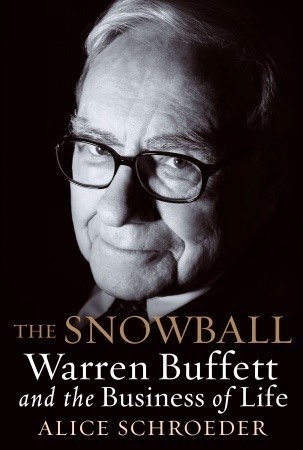 The Snowball: Warren Buffett and the Business of Life
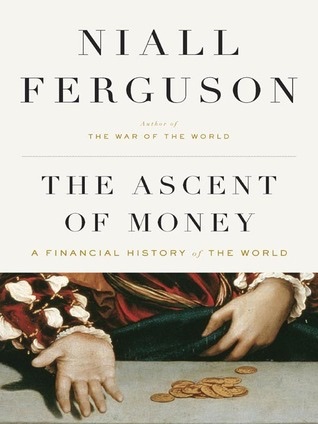 The Ascent of Money: A Financial History of the World
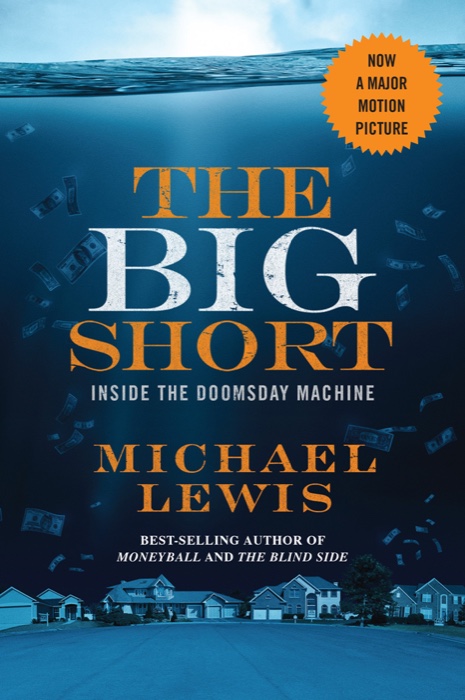 The Big Short: Inside the Doomsday Machine
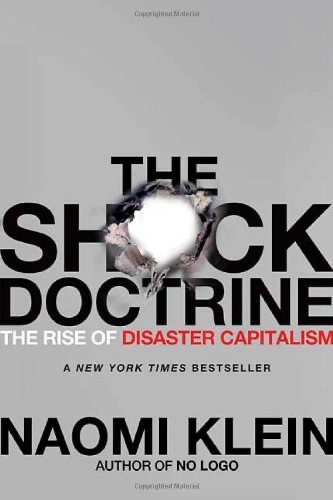 The Shock Doctrine: The Rise of Disaster Capitalism
 First As Tragedy, Then As Farce
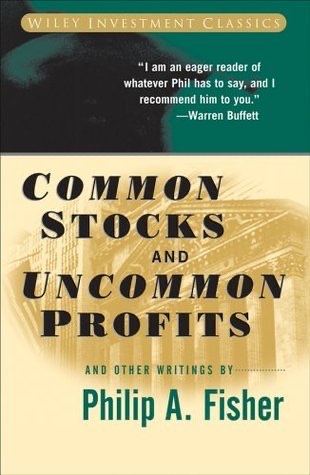 Common Stocks and Uncommon Profits and Other Writings
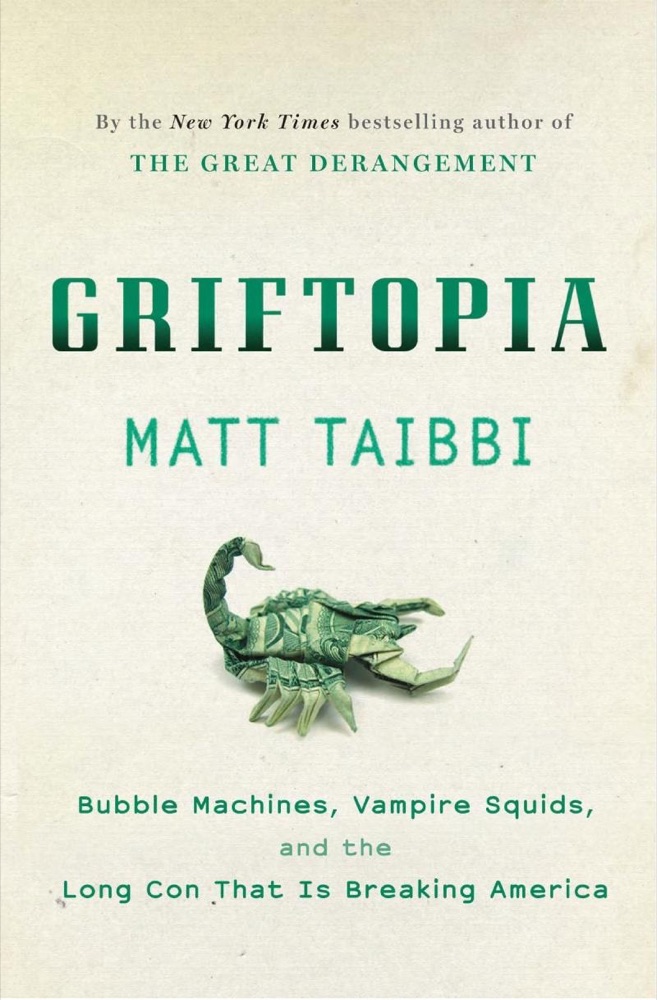 Griftopia: Bubble Machines, Vampire Squids, and the Long Con That Is Breaking America
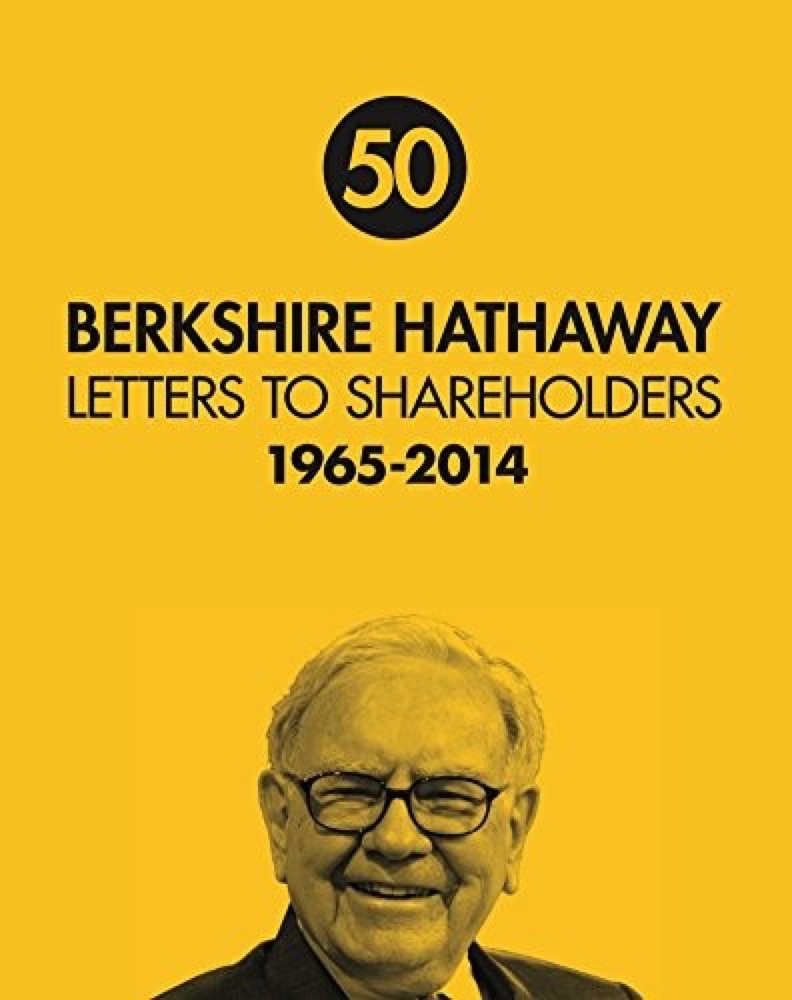 Berkshire Hathaway Letters to Shareholders
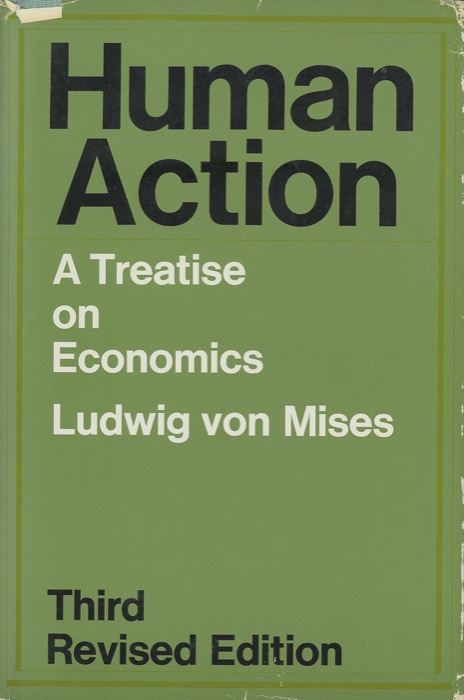 Human Action: A Treatise on Economics
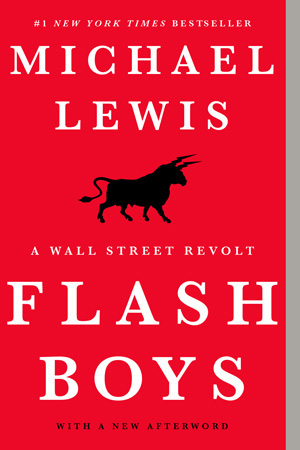 Flash Boys: A Wall Street Revolt
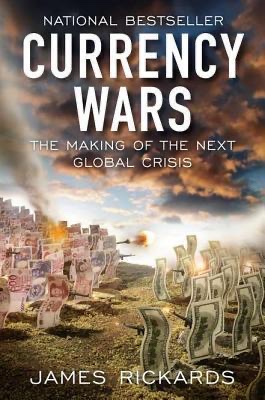 Currency Wars: The Making of the Next Global Crisis
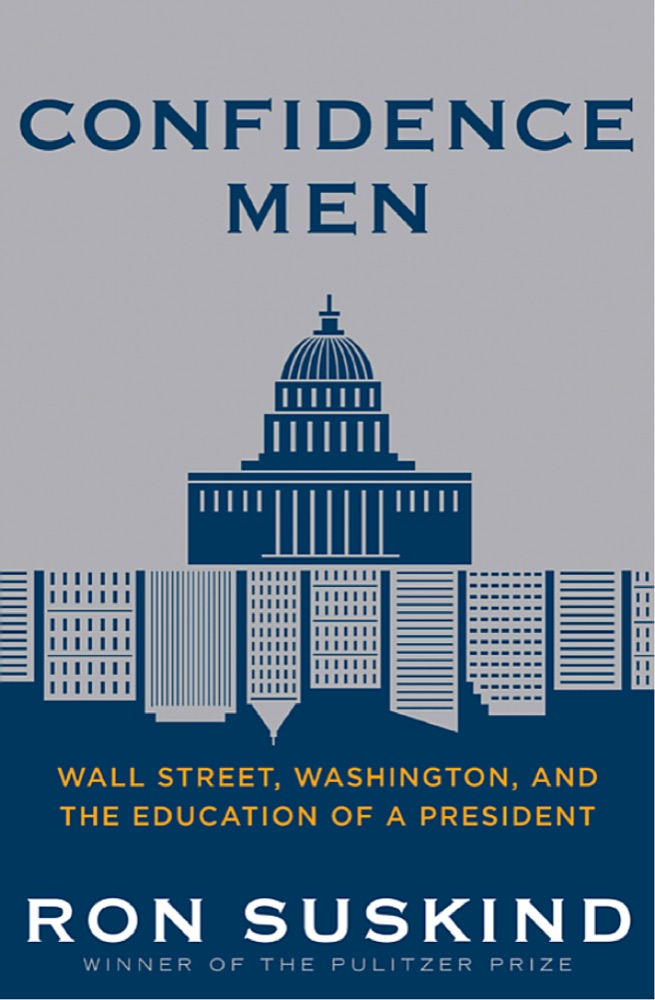 Confidence Men: Wall Street, Washington, and the Education of a President
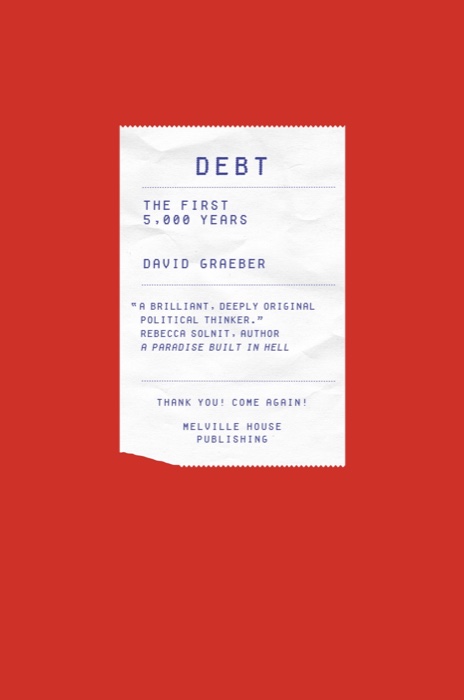 Debt: The First 5,000 Years
 Principles for Dealing with the Changing World Order: Why Nations Succeed and Fail
 Boomerang: Travels in the New Third World
 The General Theory of Employment, Interest, and Money
 Economics in One Lesson
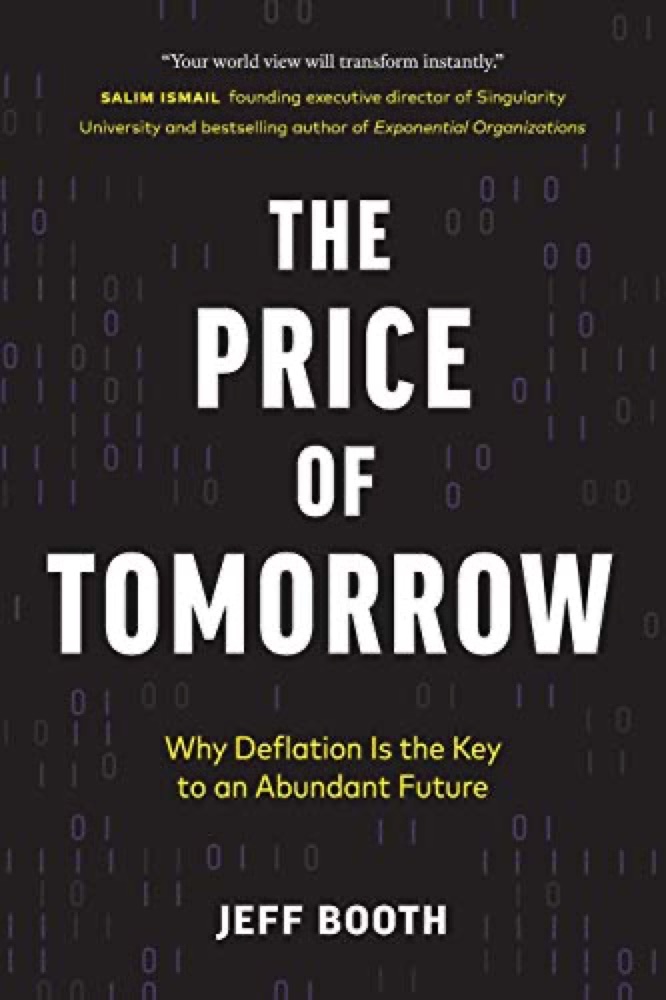 The Price of Tomorrow: Why Deflation is the Key to an Abundant Future
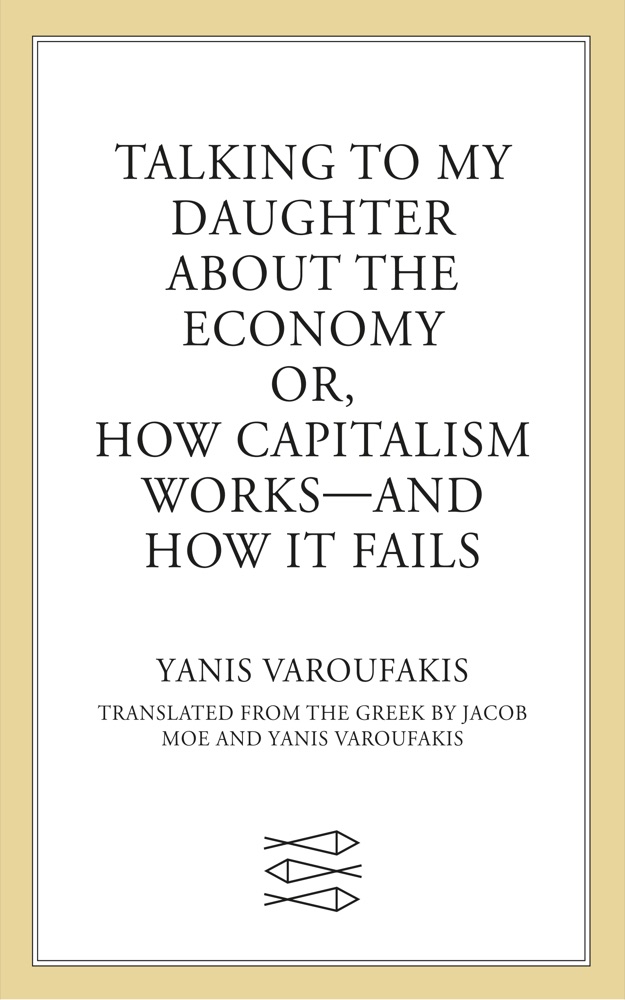 Talking to My Daughter About the Economy: or, How Capitalism Works—and How It Fails
 Reminiscences of a Stock Operator
 A Fighting Chance
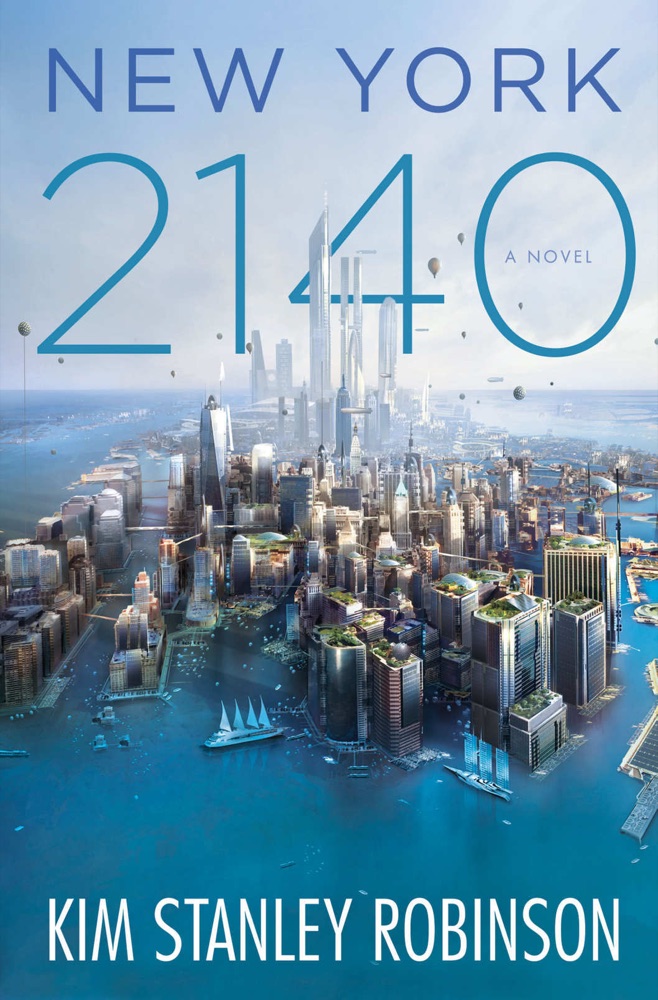 New York 2140
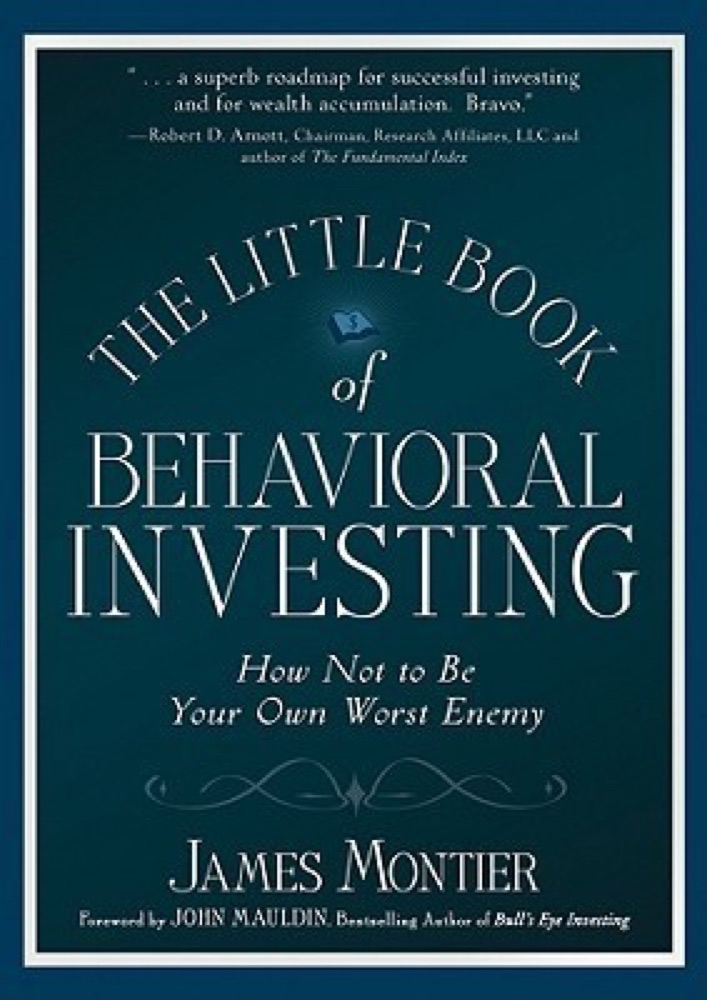 The Little Book of Behavioral Investing: How not to be your own worst enemy
 The Prize: The Epic Quest for Oil, Money, and Power
 Ill Fares the Land
 The Great Transformation: The Political and Economic Origins of Our Time
 In Praise of Idleness and Other Essays
 Occupy
 Basic Economics: A Citizen's Guide to the Economy
 The Smartest Guys in the Room: The Amazing Rise and Scandalous Fall of Enron
 Capitalism, Socialism and Democracy
 Conspirators' Hierarchy: The Story of the Committee of 300
 The Mandibles: A Family, 2029–2047
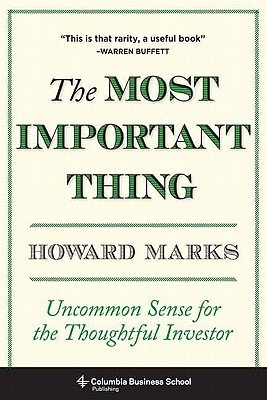 The Most Important Thing: Uncommon Sense for the Thoughtful Investor
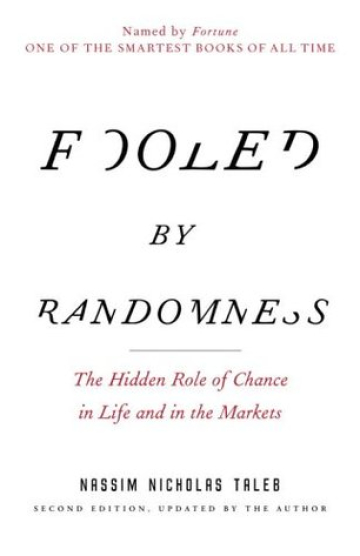 Fooled by Randomness: The Hidden Role of Chance in Life and in the Markets
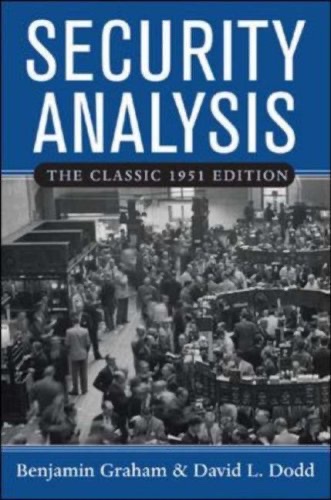 Security Analysis: The Classic 1940 Edition
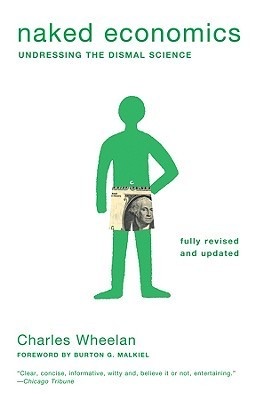 Naked Economics: Undressing the Dismal Science
 American Colossus: The Triumph of Capitalism, 1865-1900
 The Invisible Bridge: The Fall of Nixon and the Rise of Reagan
 Utopia for Realists: How We Can Build the Ideal World
 A Conspiracy of Paper
 Behold a Pale Horse
 The Intelligent Investor
 The Shockwave Rider
 The Iron Heel
 SuperFreakonomics: Global Cooling, Patriotic Prostitutes And Why Suicide Bombers Should Buy Life Insurance
 The Essays of Warren Buffett: Lessons for Corporate America
 Poor Economics: A Radical Rethinking of the Way to Fight Global Poverty
 An Inquiry into the Nature and Causes of the Wealth of Nations
 The Black Swan: The Impact of the Highly Improbable
 Capital in the Twenty-First Century
 I Do What I Do
 The Evolution of Everything: How New Ideas Emerge
 Reflections on the Revolution in France
 Small Is Beautiful: Economics as if People Mattered