
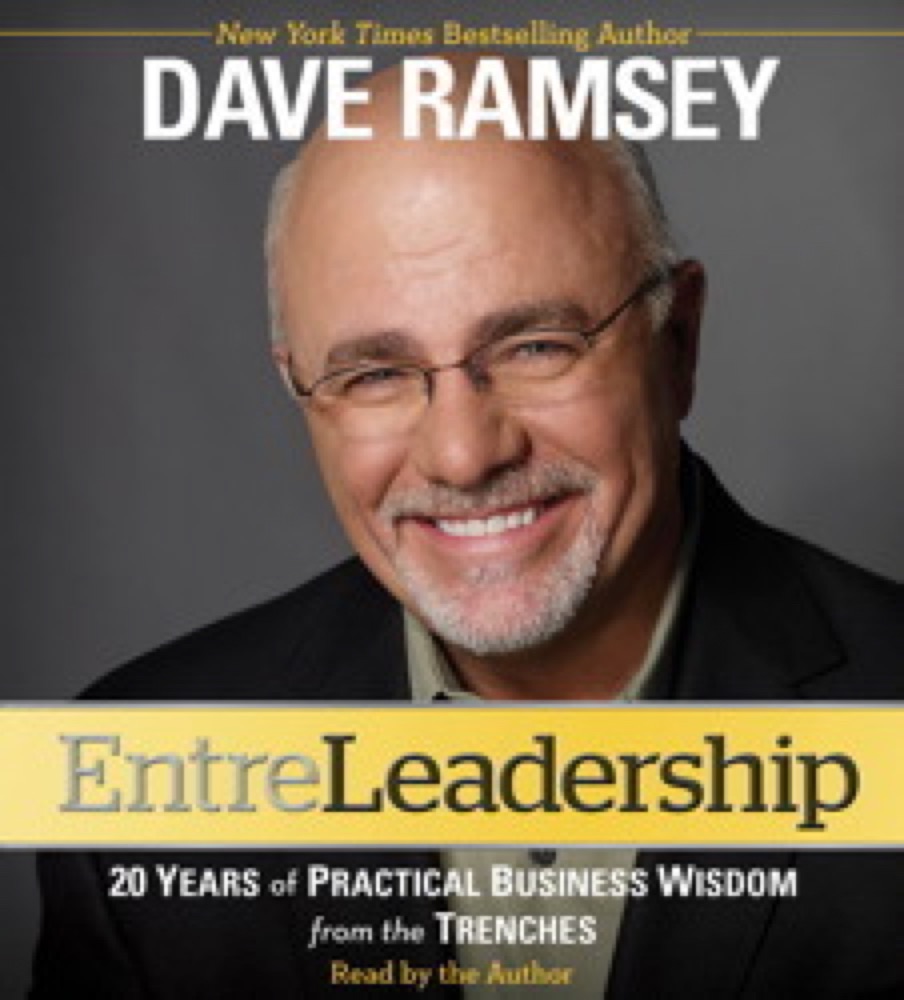
 EntreLeadership: 20 Years of Practical Business Wisdom from the Trenches
Quotes from the Book
We buy things we don't need with money we don't have to impress people we don't like.
For your own good, for the good of your family and your future, grow a backbone. When something is wrong, stand up and say it is wrong, and don't back down.
Change is painful. Few people have the courage to seek out change. Most people won’t change until the pain of where they are exceeds the pain of change.
You must walk to the beat of a different drummer. The same beat that the wealthy hear. If the beat sounds normal, evacuate the dance floor immediately! The goal is to not be normal, because as my radio listeners know, normal is broke.
Years ago, in a motivational seminar by the master, Zig Ziglar, I heard a story about how mediocrity will sneak up on you. The story goes that if you drop a frog into boiling water, he will sense the pain and immediately jump out. However, if you put a frog in room-temperature water, he will swim around happily, and as you gradually turn the water up to boiling, the frog will not sense the change. The frog is lured to his death by gradual change. We can lose our health, our fitness, and our wealth gradually, one day at a time. It might be a cliché, but that’s because it is true: The enemy of “the best” is not “the worst.” The enemy of “the best” is “just fine.
Aristotle once said, “To avoid criticism say nothing, do nothing, and be nothing.
Winning at money is 80 percent behavior and 20 percent head knowledge. What to do isn’t the problem; doing it is. Most of us know what to do, but we just don’t do it. If I can control the guy in the mirror, I can be skinny and rich.
The enemy of “the best” is not “the worst.” The enemy of “the best” is “just fine.
I tell everyone never to take more than a fifteen-year fixed-rate loan, and never have a payment of over 25 percent of your take-home pay. That is the most you should ever borrow.
It is human nature to want it and want it now; it is also a sign of immaturity. Being willing to delay pleasure for a greater result is a sign of maturity.
A budget is people telling their money where to go instead of wondering where it went.
Someone who never has fun with money misses the point. Someone who never invests money will never have any. Someone who never gives is a monkey with his hand in a bottle.
typical millionaire lives in a middle-class home, drives a two-year-old or older paid-for car, and buys blue jeans at Wal-Mart.
Savings without a mission is garbage. Your money needs to work for you, not lie around you.
The lottery is a tax on poor people and on people who can’t do math. Rich people and smart people would be in the line if the lottery were a real wealth-building tool, but the truth is that the lottery is a rip-off instituted by our government. This is not a moral position; it is a mathematical, statistical fact. Studies show that the zip codes that spend four times what anyone else does on lottery tickets are those in lower-income parts of town. The lottery, or gambling of any kind, offers false hope, not a ticket out.
The reality is that Murphy doesn’t visit as much, but when he does, we hardly notice his presence. When Sharon and I were broke, our heating-and-air system quit, and the repair cost $580. It was a huge, hairy deal. Recently I had a new $570 water heater installed because the old one started leaking, and I hardly noticed. I wonder if the stress relief that your Total Money Makeover provides will allow you to live longer?
one reason to have a Total Money Makeover is to build wealth that allows you to have fun. So have some fun! Taking your family, even the extended ones, on a seven-day cruise, buying large diamonds, or even buying a new car are things you can afford to do when you have millions of dollars. You can afford to do these things because when you do them, your money position is hardly even affected. If you like travel, travel. If you like clothes, buy some. I am releasing you to have some fun with your money, because money is to be enjoyed. That guilt-free enjoyment is one of the three reasons to have a Total Money Makeover.
Saving for a down payment or cash purchase of a home should occur after becoming debt-free in Step Two and after finishing the emergency fund in Step Three. That makes saving for a down payment Baby Step Three (b). You should save for the home if you have the itch before moving on to the next step. Many people are worried about getting a home, but please let it be a blessing rather than a curse. It will be a curse if you buy something while you are still broke. There are all sorts of folks who are eager to “work with you” so you can make it happen sooner, but the definition of “Creative Financing” is “Too Broke to Buy a House.
Here’s a Reader’s Digest version of my approach. I select mutual funds that have had a good track record of winning for more than five years, preferably for more than ten years. I don’t look at their one-year or three-year track records because I think long term. I spread my retirement, investing evenly across four types of funds. Growth and Income funds get 25 percent of my investment. (They are sometimes called Large Cap or Blue Chip funds.) Growth funds get 25 percent of my investment. (They are sometimes called Mid Cap or Equity funds; an S&P Index fund would also qualify.) International funds get 25 percent of my investment. (They are sometimes called Foreign or Overseas funds.) Aggressive Growth funds get the last 25 percent of my investment. (They are sometimes called Small Cap or Emerging Market funds.) For a full discussion of what mutual funds are and why I use this mix, go to daveramsey.com and visit MyTotalMoneyMakeover.com. The invested 15 percent of your income should take advantage of all the matching and tax advantages available to you. Again, our purpose here is not to teach the detailed differences in every retirement plan out there (see my other materials for that), but let me give you some guidelines on where to invest first. Always start where you have a match. When your company will give you free money, take it. If your 401(k) matches the first 3 percent, the 3 percent you put in will be the first 3 percent of your 15 percent invested. If you don’t have a match, or after you have invested through the match, you should next fund Roth IRAs. The Roth IRA will allow you to invest up to $5,000 per year, per person. There are some limitations as to income and situation, but most people can invest in a Roth IRA. The Roth grows tax-FREE. If you invest $3,000 per year from age thirty-five to age sixty-five, and your mutual funds average 12 percent, you will have $873,000 tax-FREE at age sixty-five. You have invested only $90,000 (30 years x 3,000); the rest is growth, and you pay no taxes. The Roth IRA is a very important tool in virtually anyone’s Total Money Makeover. Start with any match you can get, and then fully fund Roth IRAs. Be sure the total you are putting in is 15 percent of your total household gross income. If not, go back to 401(k)s, 403(b)s, 457s, or SEPPs (for the self-employed), and invest enough so that the total invested is 15 percent of your gross annual pay. Example: Household Income $81,000 Husband $45,000 Wife $36,000 Husband’s 401(k) matches first 3%. 3% of 45,000 ($1,350) goes into the 401(k). Two Roth IRAs are next, totaling $10,000. The goal is 15% of 81,000, which is $12,150. You have $11,350 going in. So you bump the husband’s 401(k) to 5%, making the total invested $12,250.
Winning at money is 80 percent behavior and 20 percent head knowledge.
Most people won’t change until the pain of where they are exceeds the pain of change.
We are scaling down” is a painful statement to make to friends or family.
Debt is so ingrained into our culture that most Americans cannot even envision a car without a payment, a house without a mortgage, a student without a loan, and credit without a card. We
If you keep a $495 car payment throughout your life, which is “normal,” you miss the opportunity to save that money. If you invested $495 per month from age twenty-five to age sixty-five, a normal working lifetime, in the average mutual fund averaging 12 percent (the eighty-year stock market average), you would have $5,881,799.14 at age sixty-five. Hope you like the car!
The ARM, Adjustable Rate Mortgage, was invented in the early 1980s. Prior to that, those of us in the real estate business sold fixed-rate 7 or 8 percent mortgages. What happened? I was there in the middle of that disaster of an economy when fixed-rate mortgages went as high as 17 percent and the real estate world froze. Lenders paid out 12 percent on CDs but had money loaned out at 7 percent on hundreds of millions of dollars in mortgages. They were losing money, and lenders don’t like to lose money. So the Adjustable Rate Mortgage was born, in which your interest rate goes up when the prevailing market interest rates go up. The ARM was born to transfer the risk of higher interest rates to you, the consumer. In the last several years, home mortgage rates have been at a thirty-year low. It is not wise to get something that adjusts when you are at the bottom of rates! The mythsayers always seem to want to add risk to your home, the one place you should want to make sure has stability. Balloon mortgages are even worse. Balloons pop, and it is always strange to me that the popping sound is so startling. Why don’t we expect it? It is in the very nature of balloons to pop. Wise financial people always move away from risk, and the balloon mortgage creates risk nightmares.
Being the highly trained investment mogul that I am, I could certainly find places to put that money where it would earn more. Or would it? Remember, personal finance is personal. I have come to realize that Sharon’s peace of mind bought with the oversized emergency fund is a great return on investment. Guys, this can be a wonderful gift to your wife. An Emergency Fund Can
There are some Baby Step Three clarifications. Joe asked recently if he should stop his Snowball—Step Two—to get his emergency fund finished. Joe and his wife have twins due in six months. Brad’s plant is closing in four months, and he will lose his job. Mike got a huge severance check of $25,000 last week when his company downsized him. Should these people work on debt or finish the emergency fund? All three should temporarily stop Snowballing and concentrate on the emergency fund because we can see distant storm clouds that are real. Once the storm passes, they can resume the plan as before. Resuming the plan for Joe means that once the babies are born healthy, are home, and everyone is fine, Joe will take the emergency fund back down to $1,000 by using the rest of the savings to pay the Debt Snowball. Resuming for Brad would mean that once he finds his new job, he’ll do the same. Mike should hold his instant emergency fund of $25,000 until he is reemployed. The sooner he can get a job, the more that severance is going to look like a bonus and have a huge impact on the Debt Snowball.
At this stage in The Total Money Makeover, you are the Mr. Universe of Money, with serious abs, pecs, and quads. You have all this financial muscle, so now you should do something intentional with it. It is not just to look at. We built this financial superbody for a reason. To have FUN, INVEST, and GIVE.
we buy things we don’t need with money we don’t have in order to impress people we don’t like.
IF YOU WILL LIVE LIKE NO ONE ELSE, LATER YOU CAN LIVE LIKE NO ONE ELSE. This is the motto of your Total Money Makeover. It’s my way of reminding you that if you will make the sacrifices now that most people aren’t willing to make, later on you will be able to live as those folks will never be able to live.
Watch on YouTube
About Dave Ramsey
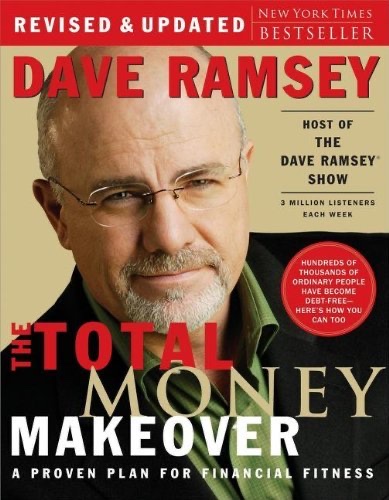
We have collected 59 quotes from 2 books by Dave Ramsey on BookQuoters.
More about the author →More by Dave Ramsey
EntreLeadership: 20 Years of Practical Business Wisdom from the Trenches
Book details
- Author
- Dave Ramsey
- Genre
- Nonfiction
- Goodreads rating
- 4.22 (98k ratings) →
Keep reading
 Smart Women Finish Rich: 9 Steps to Achieving Financial Security and Funding Your Dreams
 The Art of Spending Money: Simple Choices for a Richer Life
 Secrets of Jewish Wealth Revealed!
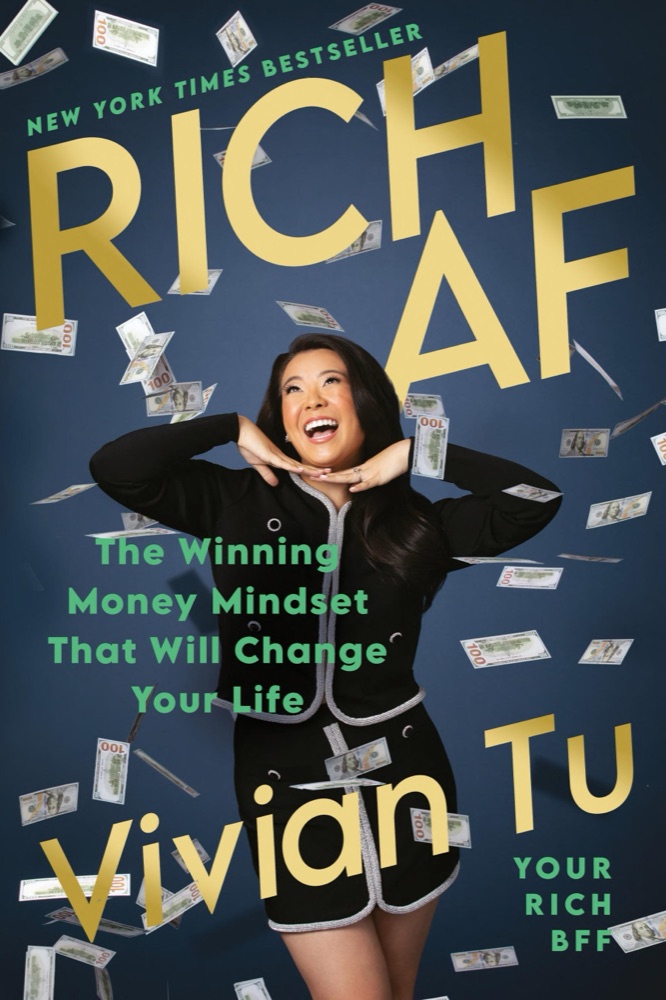 Rich AF: The Winning Money Mindset That Will Change Your Life
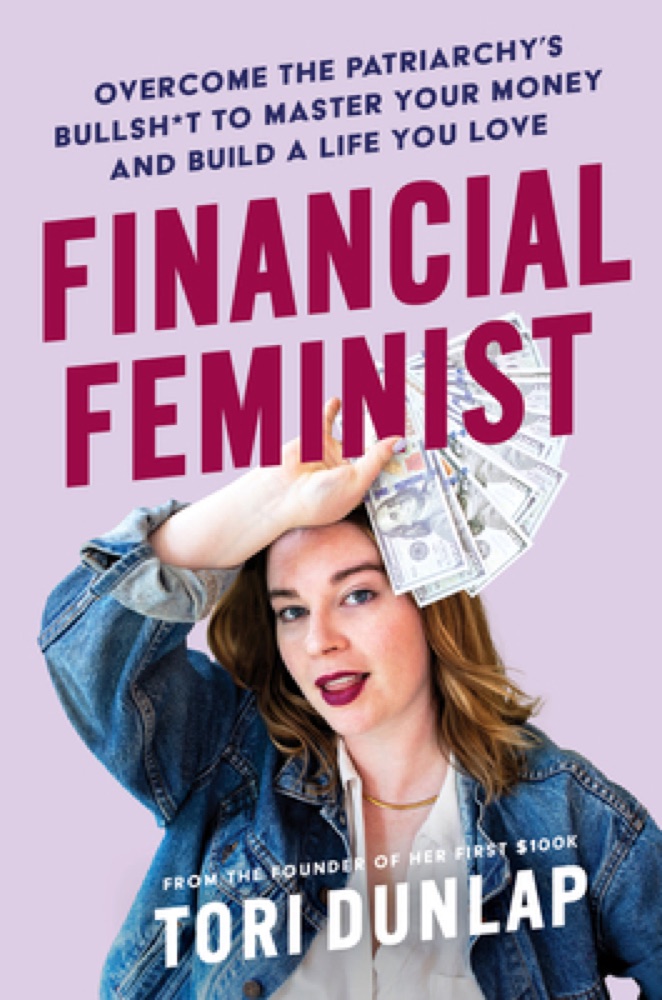 Financial Feminist: Overcome the Patriarchy's Bullsh*t to Master Your Money and Build a Life You Love
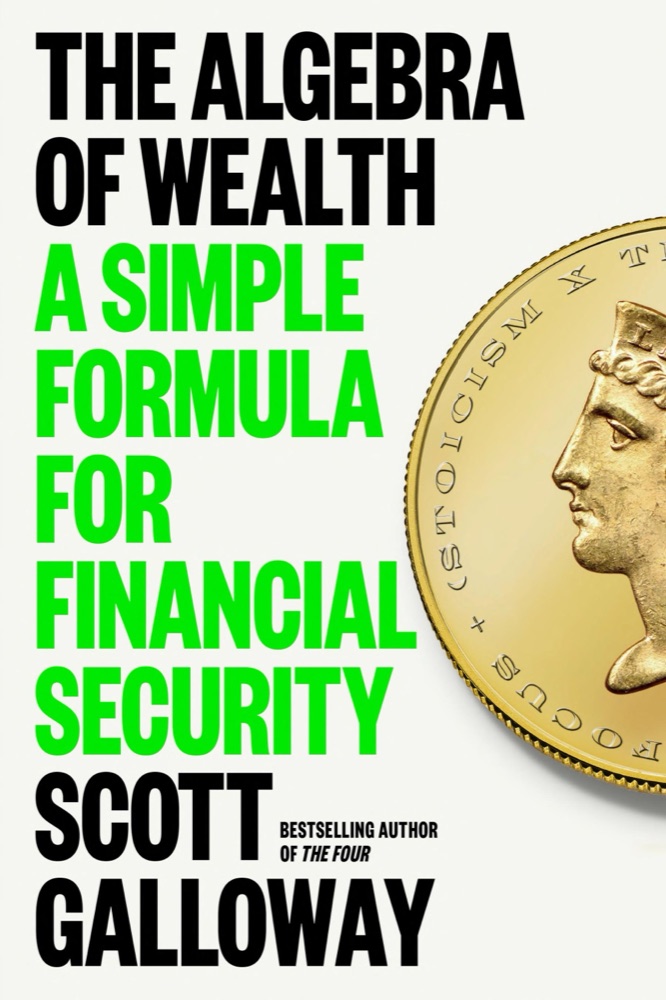 The Algebra of Wealth: A Simple Formula for Financial Security
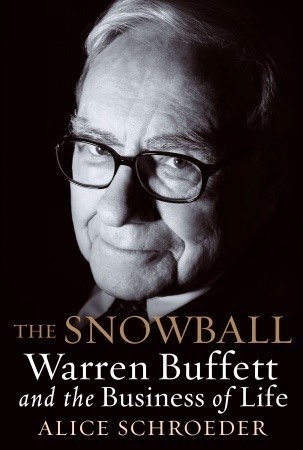 The Snowball: Warren Buffett and the Business of Life
 The Financial Diet
 The Millionaire Fastlane: Crack the Code to Wealth and Live Rich for a Lifetime!
 Rich Dad's Guide to Investing: What the Rich Invest in That the Poor and Middle Class Do Not!
EntreLeadership: 20 Years of Practical Business Wisdom from the Trenches
Rich Dad's Guide to Investing: What the Rich Invest in That the Poor and Middle Class Do Not!
EntreLeadership: 20 Years of Practical Business Wisdom from the Trenches
 Rich Dad Poor Dad
 The Millionaire Next Door: The Surprising Secrets of America's Wealthy
 Early Retirement Extreme: A Philosophical and Practical Guide to Financial Independence
 Die with Zero: Getting All You Can from Your Money and Your Life
 How To Get Rich
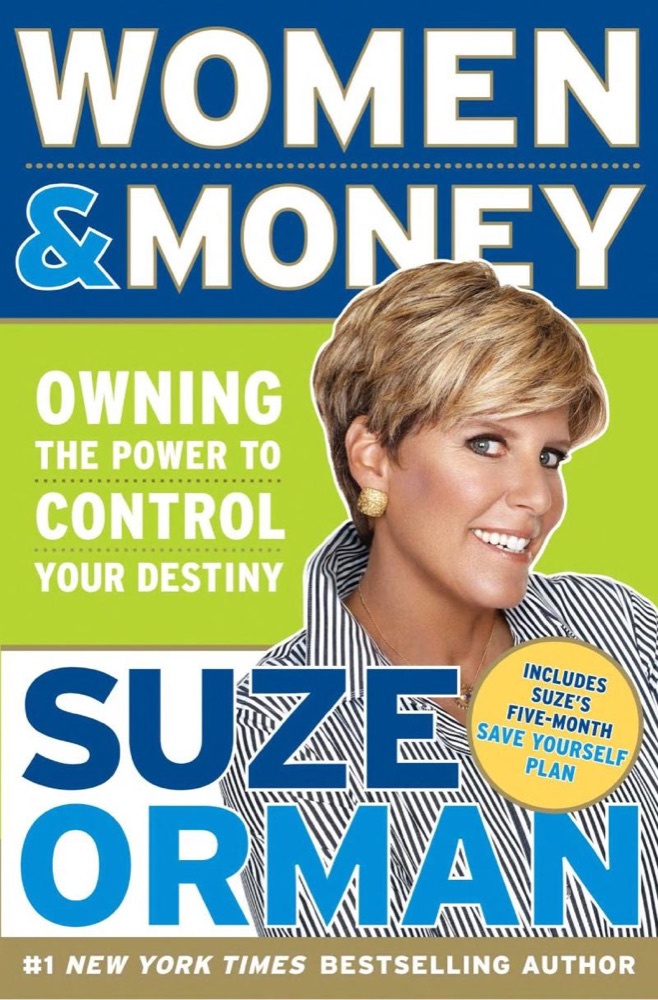 Women & Money: Owning the Power to Control Your Destiny
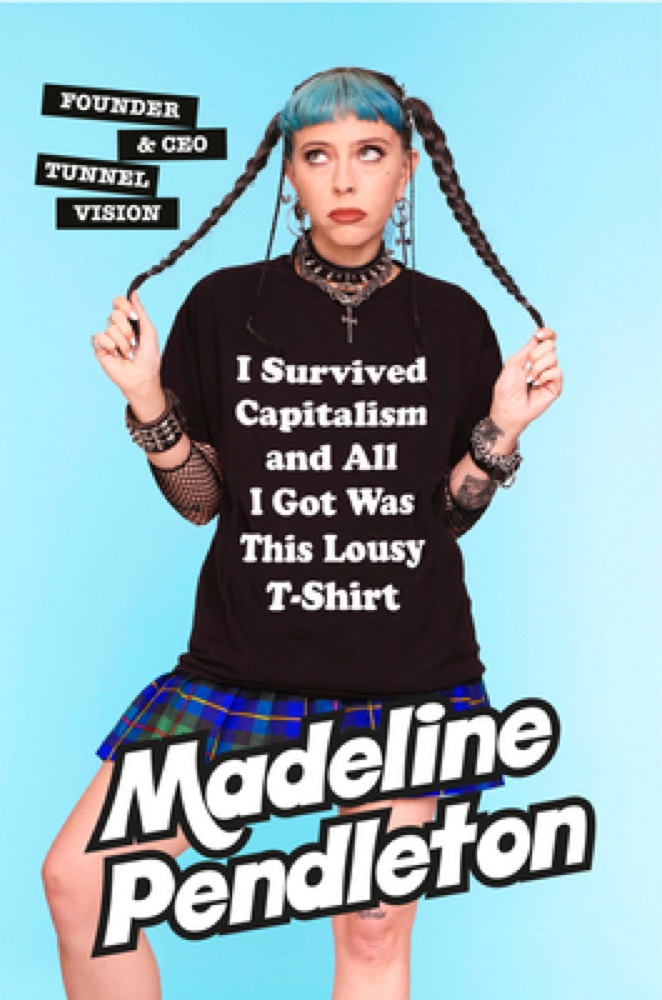 I Survived Capitalism and All I Got Was This Lousy T-Shirt: Everything I Wish I Never Had to Learn About Money
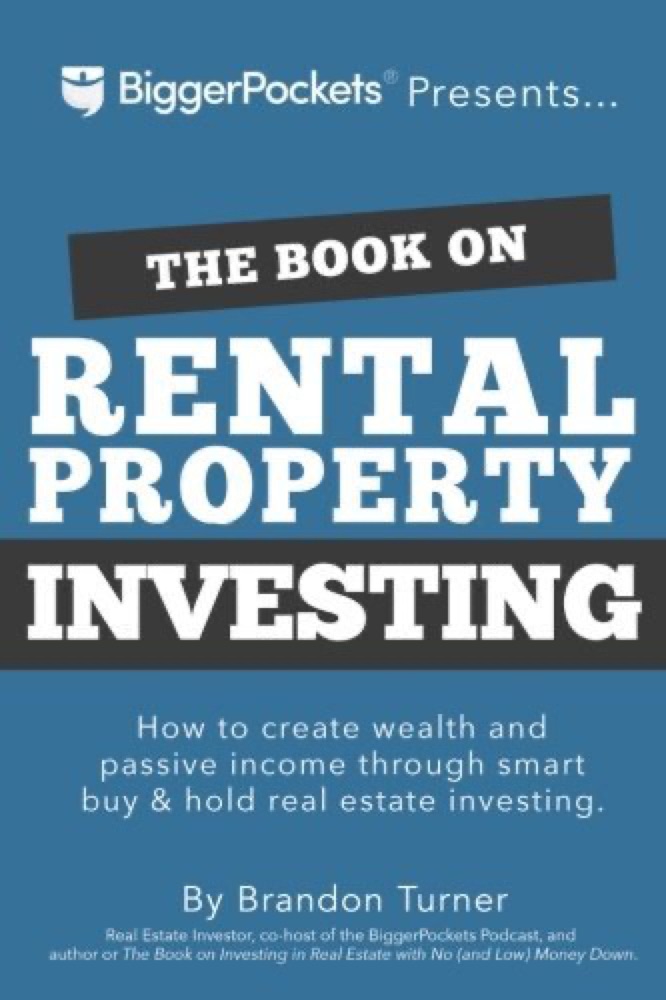 The Book on Rental Property Investing: How to Create Wealth With Intelligent Buy and Hold Real Estate Investing
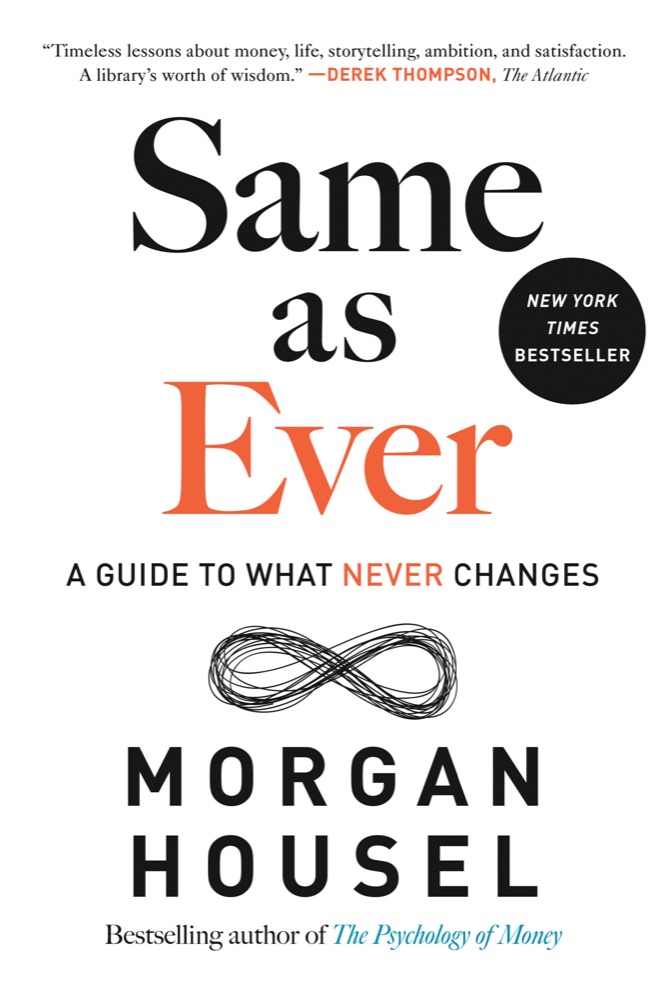 Same as Ever: A Guide to What Never Changes
 Get Rich Lucky Bitch Release Your Money Blocks and Live a First Class Life
 Choose Yourself: Be Happy, Make Millions, Live the Dream
 You Are a Badass at Making Money: Master the Mindset of Wealth
 The Little Book of Behavioral Investing: How not to be your own worst enemy
 7 Strategies for Wealth & Happiness: Power Ideas from America's Foremost Business Philosopher
 Secrets of the Millionaire Mind: Mastering the Inner Game of Wealth
 The Algebra of Happiness: Notes on the Pursuit of Success, Love, and Meaning
 The Success Principles: How to Get from Where You Are to Where You Want to Be
 Tools of Titans: The Tactics, Routines, and Habits of Billionaires, Icons, and World-Class Performers
 Unscripted: Life, Liberty, and the Pursuit of Entrepreneurship
 The Compound Effect: Jumpstart Your Income, Your Life, Your Success
 #Girlboss
 Predictably Irrational: The Hidden Forces That Shape Our Decisions
 How to Fail at Almost Everything and Still Win Big: Kind of the Story of My Life
 The Last Lecture
 Millionaire Success Habits: The Gateway To Wealth & Prosperity
 Principles: Life and Work
 Your Next Five Moves: Master the Art of Business Strategy
 Rework
 Nickel and Dimed: On (Not) Getting by in America
 The Art of Thinking Clearly
 Berkshire Hathaway Letters to Shareholders
 Barking Up the Wrong Tree: The Surprising Science Behind Why Everything You Know About Success Is (Mostly) Wrong
 Do Over: Rescue Monday, Reinvent Your Work, and Never Get Stuck
 Be Useful: Seven Tools for Life
 Trump: The Art of the Deal
 The Sweet Potato Queens' Big-Ass Cookbook
 SuperFreakonomics: Global Cooling, Patriotic Prostitutes And Why Suicide Bombers Should Buy Life Insurance
 The Happiness Equation: Want Nothing + Do Anything = Have Everything
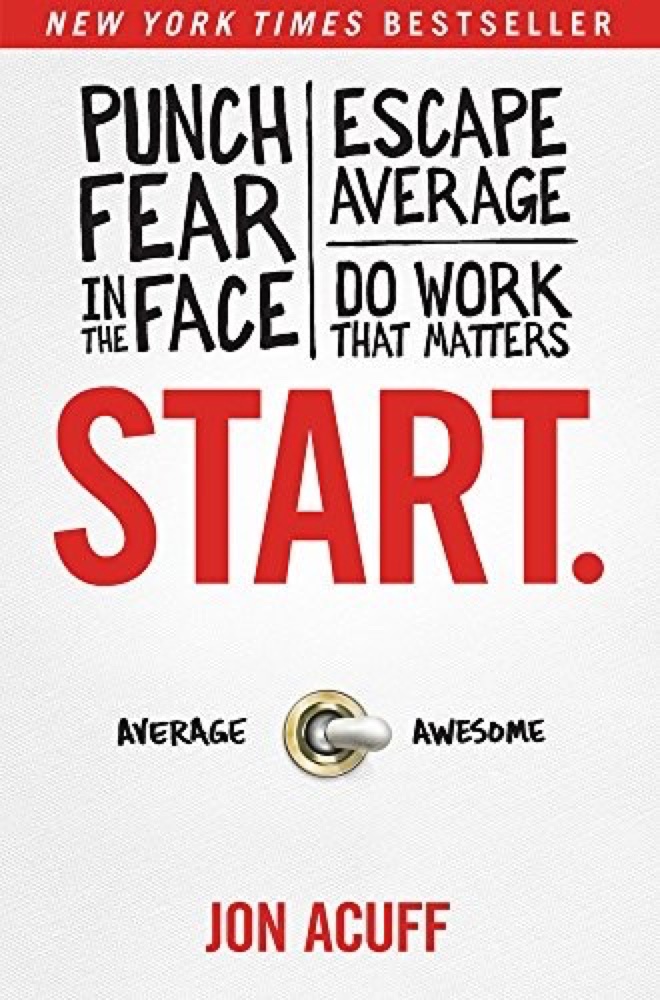 Start: Punch Fear in the Face, Escape Average and Do Work that Matters
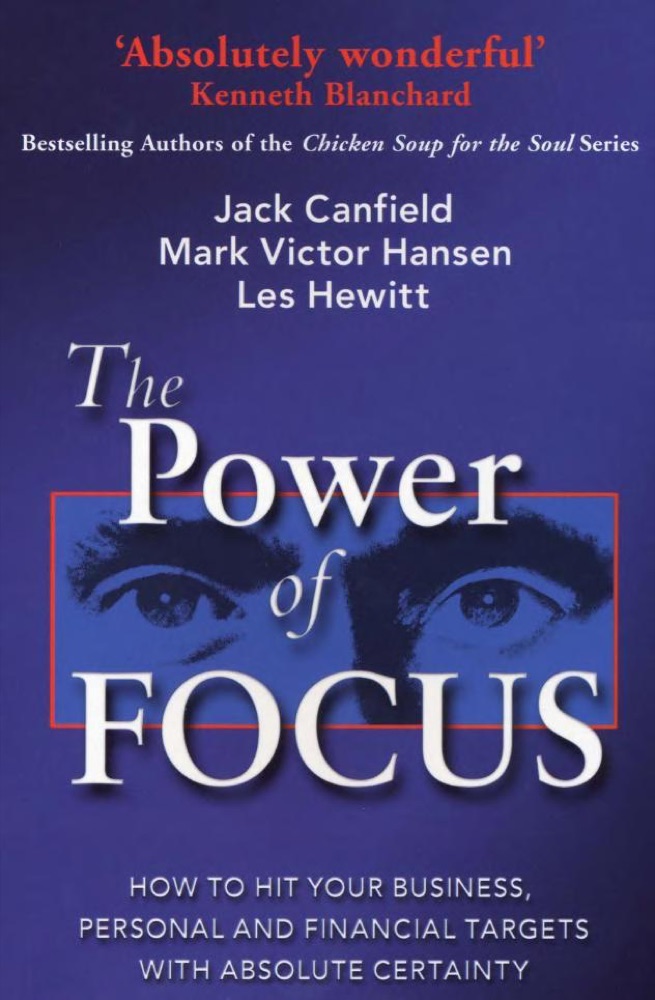 The Power of Focus
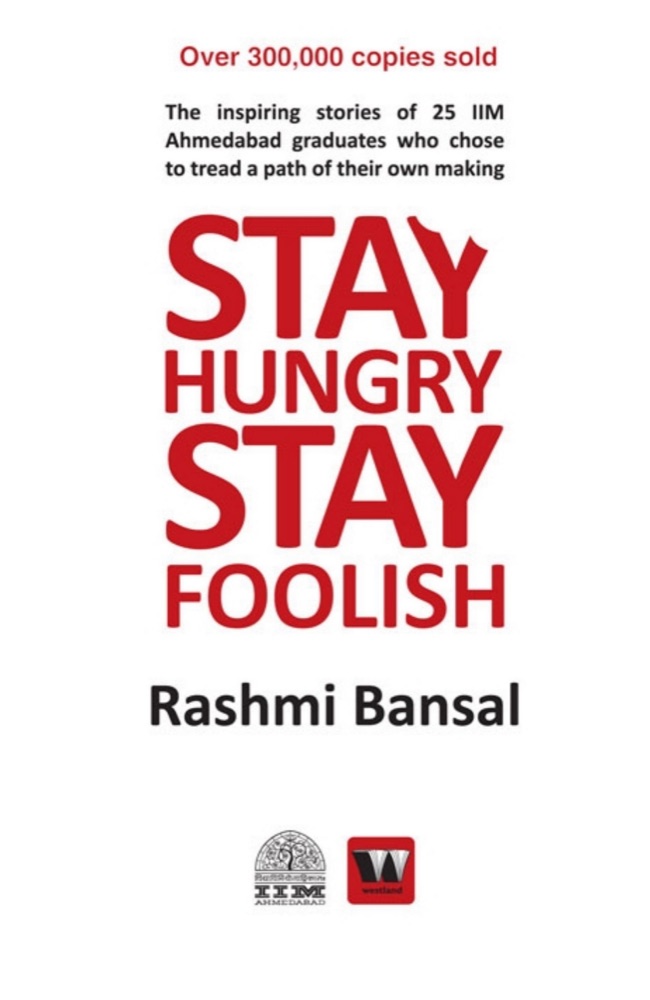 Stay Hungry Stay Foolish
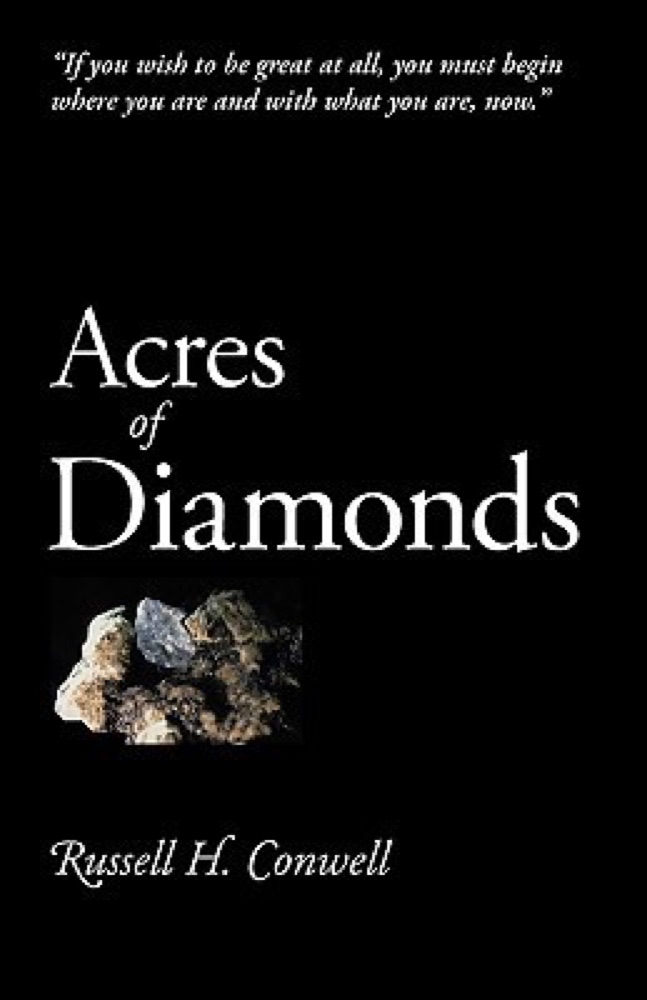 Acres of Diamonds
 Getting There: A Book of Mentors
 Poor Charlie's Almanack: The Wit and Wisdom of Charles T. Munger
 A Fighting Chance
 The $100 Startup: Reinvent the Way You Make a Living, Do What You Love, and Create a New Future