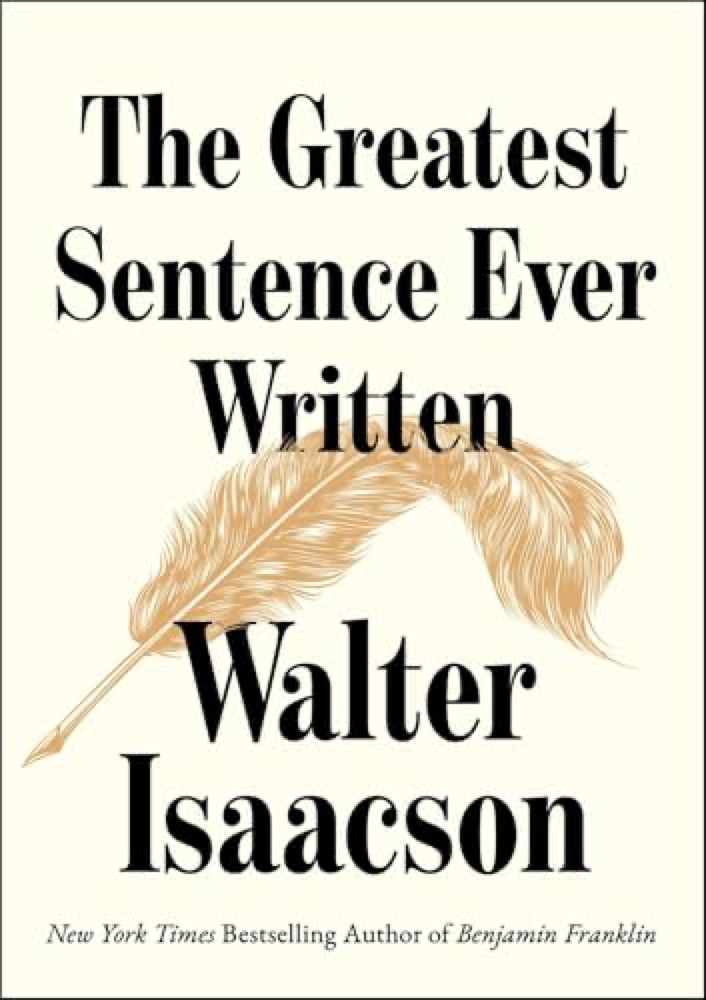

 Einstein: His Life and Universe
Quotes from the Book
Of more worth is one honest man to society and in the sight of God, than all the crowned ruffians that ever lived.
3
Yes, we must, indeed, all hang together, or most assuredly we shall all hang separately.
3
Property is a cornerstone of Locke’s theory of justice. By owning the fruits of their labor, people preserve their liberty and individual rights.
3
As we reach the 250th anniversary of the Declaration, we are embroiled in increasingly polarized debates over policies ranging from healthcare and housing to immigration and the role of religion in our society. One way to restore stability to our politics is to look at issues through the two ideals that are at the heart of the Declaration’s key sentence: common ground and the pursuit of the American Dream.
2
Franklin and Jefferson understood balance. They were part of an Enlightenment era that embraced the scientific method of testing and revising beliefs based on evidence. Both of them studied Isaac Newton, whose mechanics explained how contending forces could be brought into equilibrium. Their goal on contentious issues was not to triumph but to find the right balance, an art that has been lost today. Compromisers may not make great heroes, Franklin liked to say, but they do make great democracies.
2
We hold these truths to be self-evident
1
Franklin correctly saw the danger of creating a meritocratic aristocracy. His proposals for what became the University of Pennsylvania were designed not to filter a new elite but to provide opportunities and enrichment for all young people to succeed as best they could, whatever their level of talent. He aimed at what he called "true merit," which he defined as "an inclination joined with an ability to serve mankind, one's country, friends, and family, which... should indeed be the great aim and end of all learning.
1
civil discussions, personal conversations, algorithms, and chatbots that
When in the course of human events it becomes necessary for a people to advance from that subordination in which they have hitherto remained, & to assume among the powers of the earth the equal & independant station to which the laws of nature & of nature’s god entitle them, a decent respect to the opinions of mankind requires that they should declare the causes which impel them to the change.
Did you know?
- The book is built around a single sentence from the Declaration of Independence beginning "We hold these truths to be self-evident."
- It was published to coincide with the lead-up to the 250th anniversary of American independence.
- Isaacson examines the editing the sentence received from Benjamin Franklin and John Adams after Thomas Jefferson's draft.
- At roughly 80 pages, it is one of Isaacson's shortest books, far briefer than his sweeping biographies.
- The book includes discussion of Thomas Jefferson's rough draft of the Declaration with the founders' edits.
Watch on YouTube
About Walter Isaacson
Walter Isaacson is an American author, journalist, and professor of history at Tulane University. A former editor of Time and CEO of CNN and the Aspen Institute, he is best known for biographies of figures including Benjamin Franklin, Albert Einstein, Steve Jobs, Leonardo da Vinci, and Elon Musk.
More about the author →More by Walter Isaacson
Einstein: His Life and Universe
 Benjamin Franklin: An American Life
 Steve Jobs
 The Innovators: How a Group of Hackers, Geniuses and Geeks Created the Digital Revolution
About the book
In this short book, biographer Walter Isaacson takes a single sentence from the Declaration of Independence and parses it word by word: "We hold these truths to be self-evident, that all men are created equal, that they are endowed by their Creator with certain unalienable Rights, that among these are Life, Liberty, and the pursuit of Happiness." Timed to America's 250th anniversary, the book reconstructs how Thomas Jefferson drafted the line and how Benjamin Franklin and John Adams edited it, treating the sentence as both a literary artifact and a founding philosophical statement.
Isaacson uses the sentence to explore the Enlightenment ideas behind it and the moral contradiction at the nation's heart: that Jefferson and many signers proclaimed human equality while enslaving people, and that the promise initially excluded women, Native Americans, and the enslaved. He argues that the sentence's aspirational language created an ideal the country has been pushed to live up to over generations, and frames its themes around the value of common ground and the idea of the American Dream.
Published by Simon & Schuster in November 2025, the book drew positive reviews, with Kirkus calling it a short, smart analysis that reveals both the passage's potency and its unfulfilled promise. Isaacson discussed the book widely in interviews and public talks tied to the Declaration's 250th-anniversary moment.
Book details
- First published
- 2025
- Length
- 80 pages
- Reading time
- 1 hour
- Author
- Walter Isaacson
- Genre
- History
- Goodreads rating
- 4.11 (7k ratings)
Critical reception
- Kirkus Reviews recommended the book, calling it a short, smart analysis that reveals the sentence's potency and its unfulfilled promise.
- Kirkus highlighted Isaacson's account of the Enlightenment influences and the editorial revisions to Jefferson's draft, casting Benjamin Franklin as the book's civic-minded hero.
- Reviewers and interviewers noted Isaacson's focus on the moral contradiction of founders proclaiming equality while enslaving people.
The buzz
- PBS NewsHourWalter Isaacson on what he calls 'The Greatest Sentence Ever Written'2026Broadcast interview on the sentence's ideals and contradictions
- Kirkus ReviewsThe Greatest Sentence Ever Written2025Review praising the book as short and smart
- Harvard GazetteOur self-evident truths2025Interview on using the sentence to find common ground in a polarized nation
Keep reading
 The American Spirit: Who We Are and What We Stand For
 These Truths: A History of the United States
 The Small and the Mighty: Twelve Unsung Americans Who Changed the Course of History, from the Founding to the Civil Rights Movement
 On the Republic / On the Laws
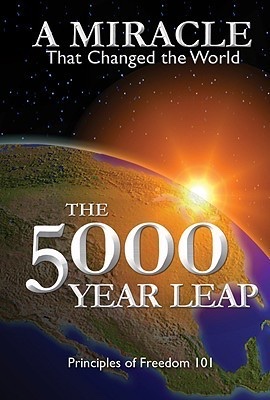 The 5000 Year Leap: A Miracle That Changed the World
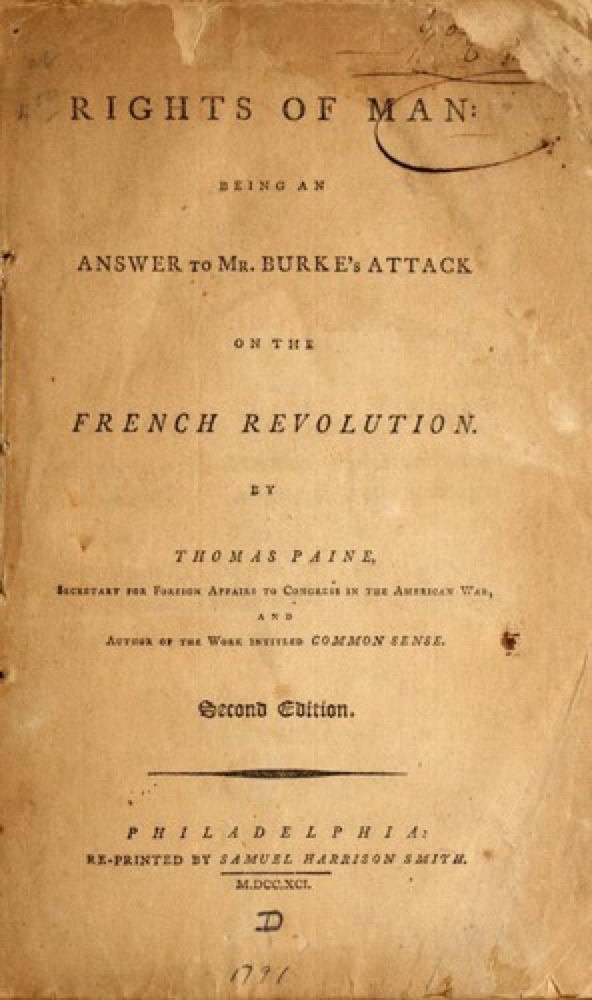 Rights of Man
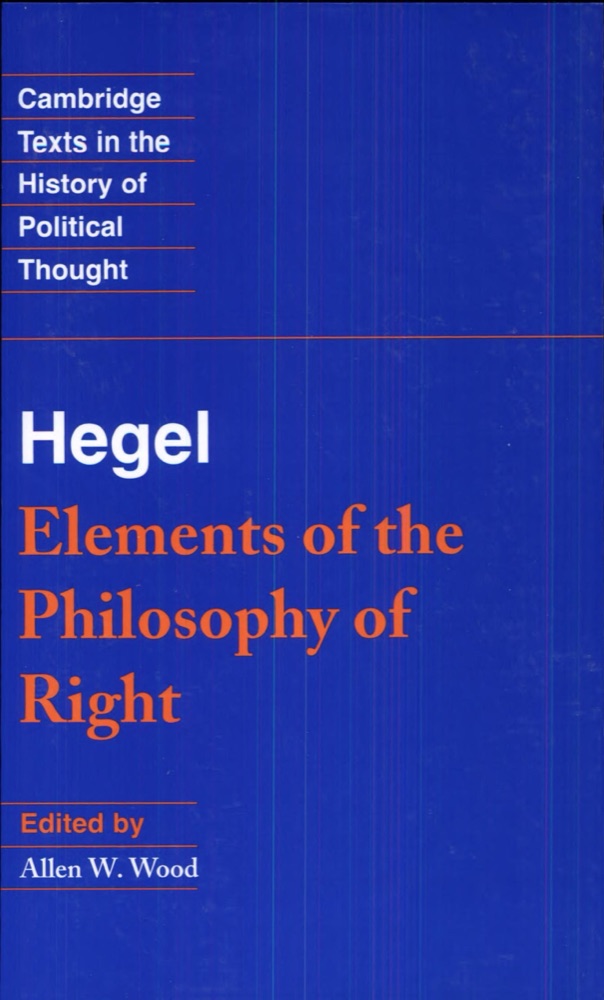 Elements of the Philosophy of Right
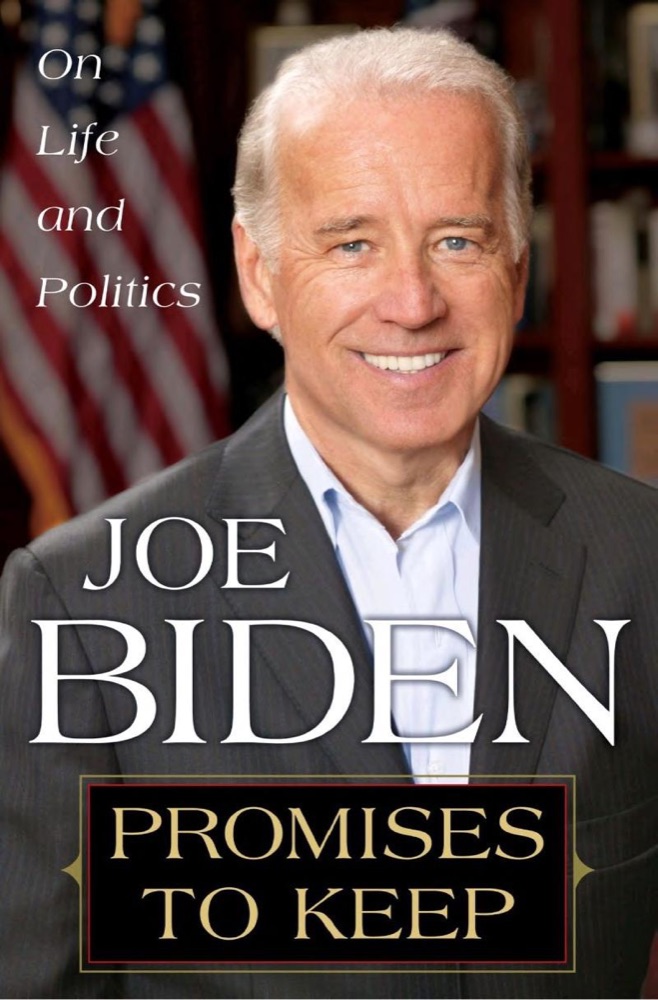 Promises to Keep: On Life and Politics
 The Soul of America: The Battle for Our Better Angels
 Across That Bridge: A Vision for Change and the Future of America
 Justice: What's the Right Thing to Do?
 Reflections on the Revolution in France
 On Liberty
 One Nation: What We Can All Do to Save America's Future
 United: Thoughts on Finding Common Ground and Advancing the Common Good
 Capitalism: The Unknown Ideal
 The Constitution of Liberty
 Democracy in America
 Civil Disobedience
 A Theory of Justice
 The Federalist Papers
 Rules for Radicals: A Pragmatic Primer for Realistic Radicals
 Common Sense
 John Adams
 A People's History of the United States
 The Social Contract
 Profiles in Courage
 Anarchy, State, and Utopia
 What Unites Us: Reflections on Patriotism
 The Radicalism of the American Revolution
 The Autobiography of Eleanor Roosevelt
 Doing Justice: A Prosecutor's Thoughts on Crime, Punishment, and the Rule of Law
 Politics
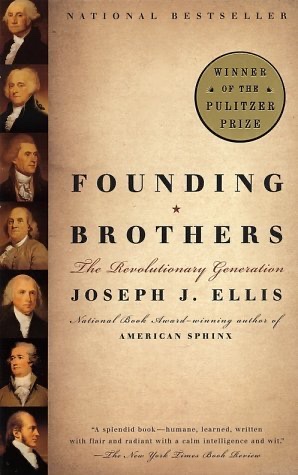 Founding Brothers: The Revolutionary Generation
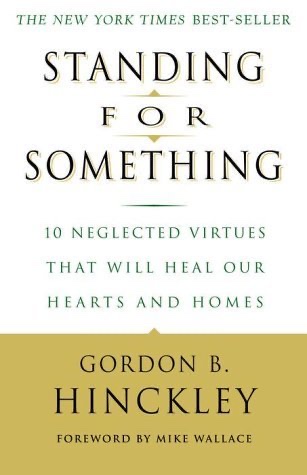 Standing for Something: 10 Neglected Virtues That Will Heal Our Hearts and Homes
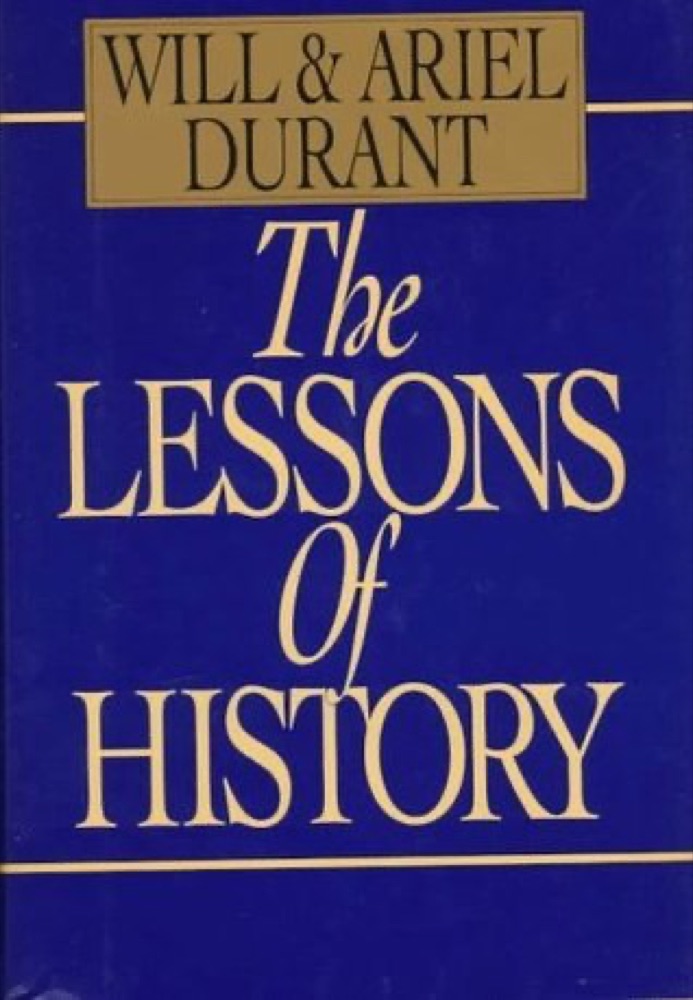 The Lessons of History
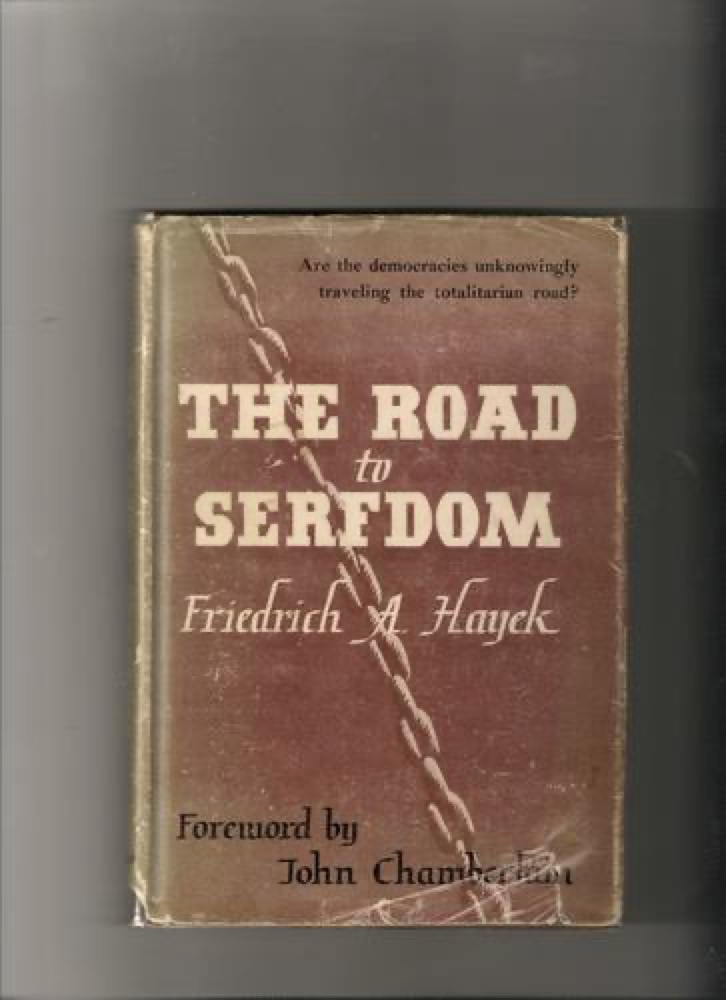 The Road to Serfdom
 Liberty and Tyranny: A Conservative Manifesto
 The Iron Heel
 Self-Reliance and Other Essays
 The Machiavellians: Defenders of Freedom
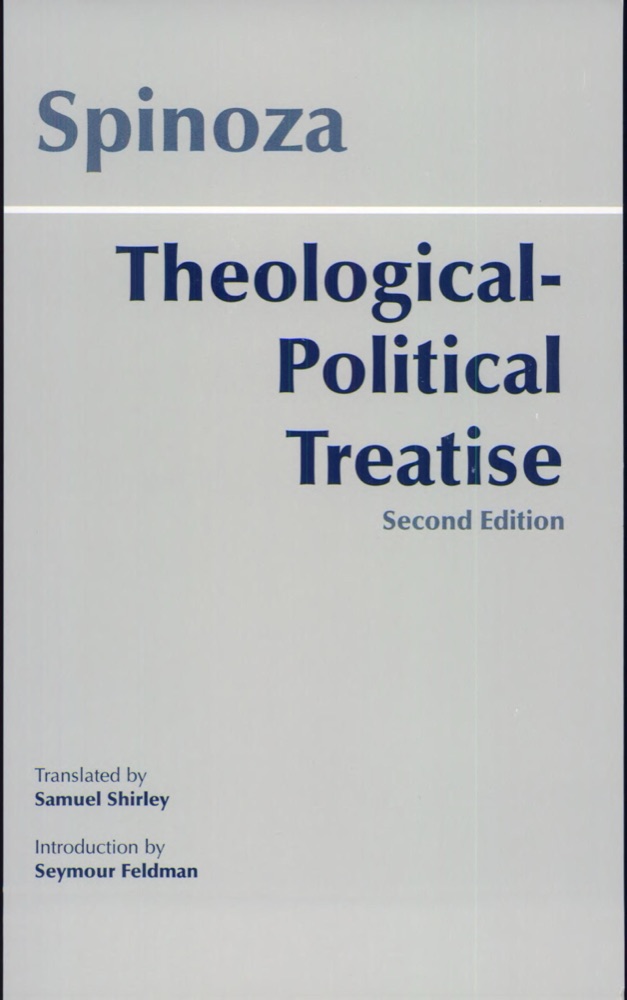 Theological-Political Treatise
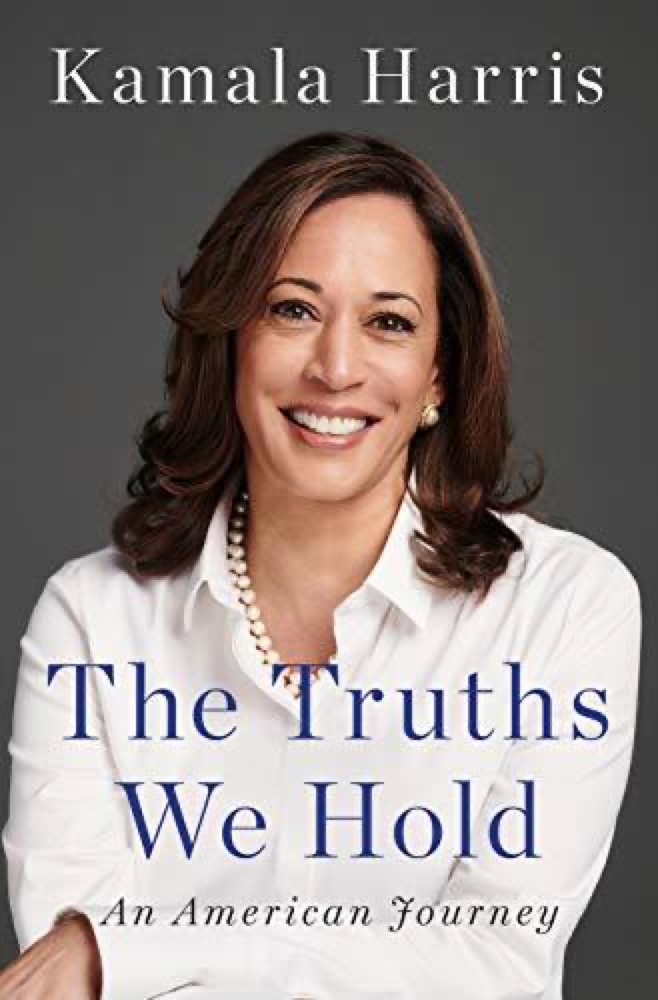 The Truths We Hold: An American Journey
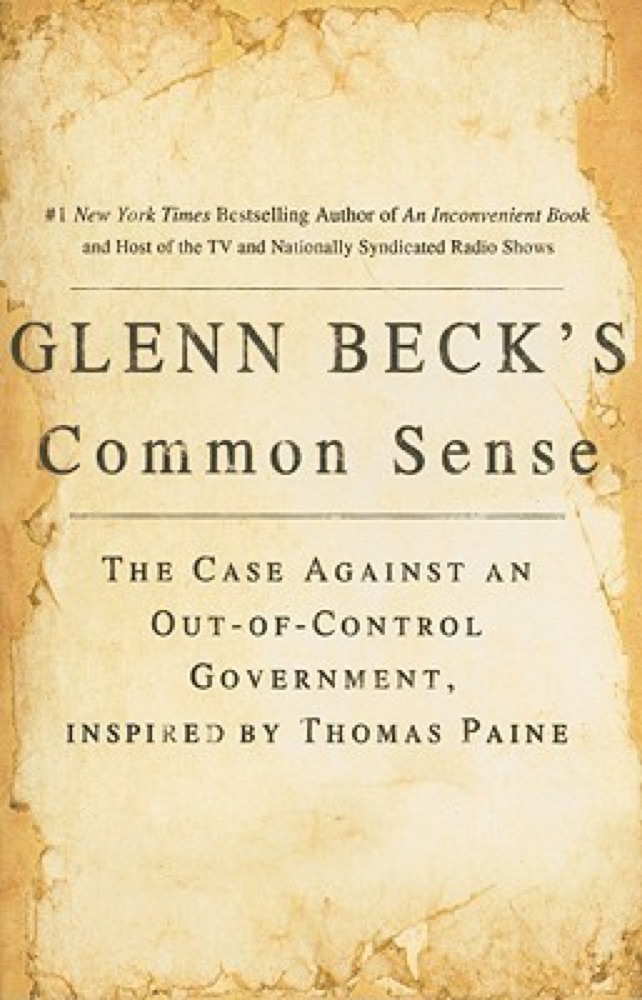 Glenn Beck's Common Sense: The Case Against an Out-of-Control Government, Inspired by Thomas Paine
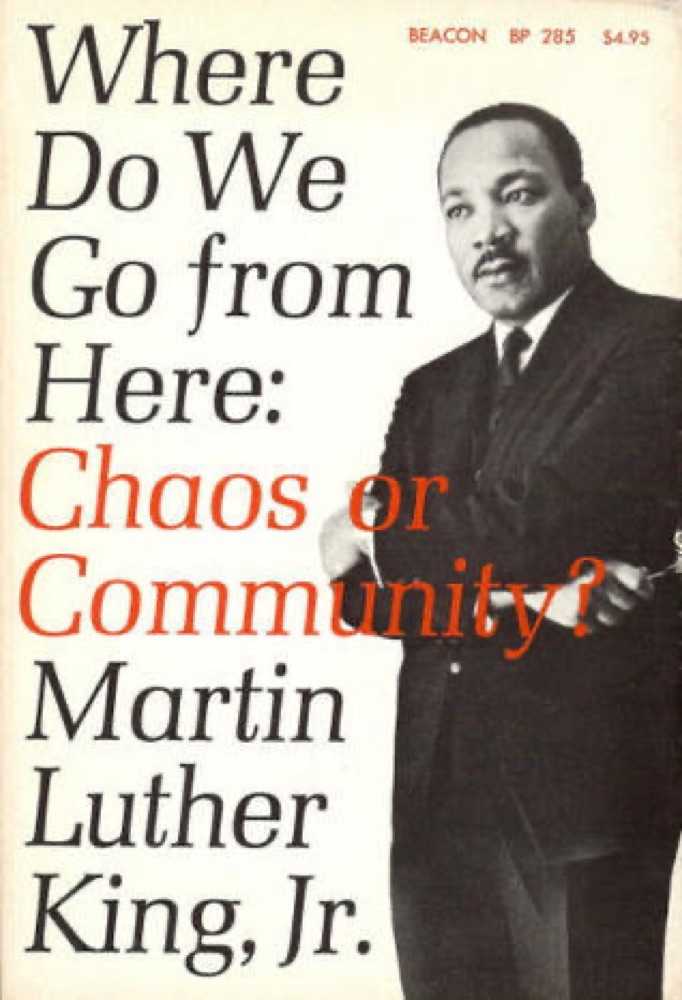 Where Do We Go from Here: Chaos or Community?
 Self-Reliance: An Excerpt from Collected Essays, First Series
 Discourse on the Origin of Inequality
 You Can't Be Neutral on a Moving Train: A Personal History of Our Times
 Freedom
 Ameritopia: The Unmaking of America
 Civil Disobedience and Other Essays
 The End of History and the Last Man
 A Promised Land
 Conversations With Myself
 My Own Words
 Behold a Pale Horse
 Children of Dune
 Liberty Defined: 50 Essential Issues That Affect Our Freedom
 Human Action: A Treatise on Economics
 Gorgias