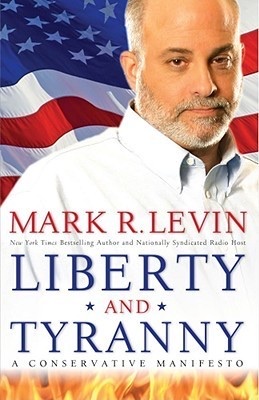

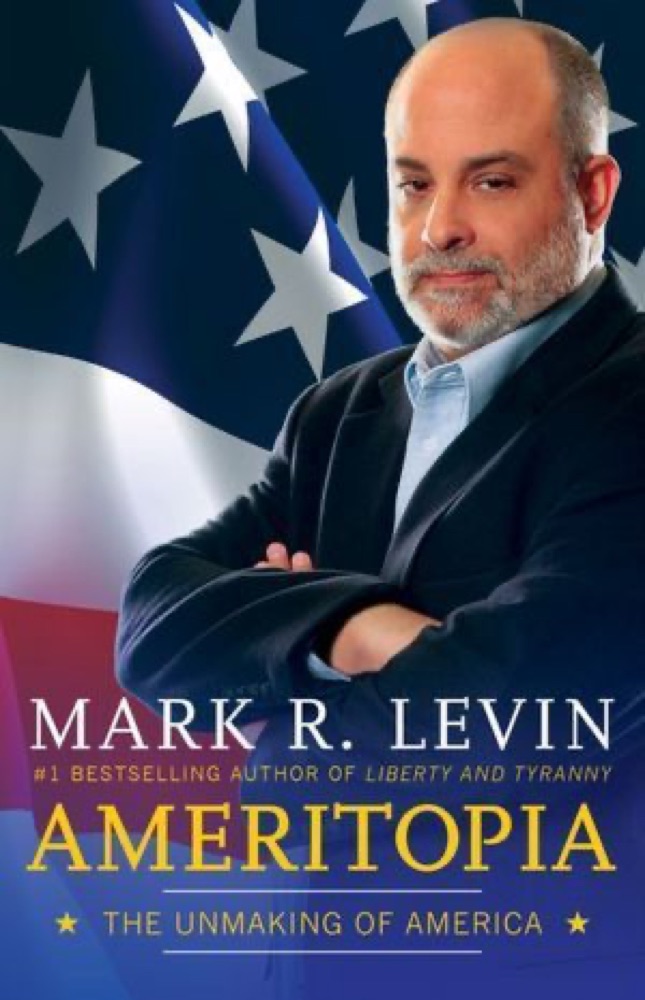
 Ameritopia: The Unmaking of America
Quotes from the Book
The Conservative does not despise government. He despises tyranny. This is precisely why the Conservative reveres the Constitution and insists on adherence to it.
The Founders believed, and the Conservative agrees, in the dignity of the individual; that we, as human beings, have a right to live, live freely, and pursue that which motivates us not because man or some government says so, but because these are God-given natural rights.
In the civil society, the individual is recognized and accepted as more than an abstract statistic or faceless member of some group; rather, he is a unique, spiritual being with a soul and a conscience. He is free to discover his own potential and pursue his own legitimate interests, tempered, however, by a moral order that has its foundation in faith and guides his life and all human life through the prudent exercise of judgment.
Like the Founders, the Conservative also recognizes in society a harmony of interests, as Adam Smith put it, and rules of cooperation that have developed through generations of human experience and collective reasoning that promote the betterment of the individual and society. This is characterized as ordered liberty, the social contract, or the civil society.
The Conservative may ask the following questions: If words and their meaning can be manipulated or ignored to advance the Statist’s political and policy preferences, what then binds allegiance to the Statist’s words? Why should today’s law bind future generations if yesterday’s law does not bind this generation? Why should judicial precedent bind the nation if the Constitution itself does not? Why should any judicial determination based on a judge’s notion of what is “right” or “just” bind the individual if the individual believes the notion is wrong and unjust? Does not lawlessness beget lawlessness? Or is not the Statist really saying that the law is what he says it is, and that is the beginning and end of it? And if judges determine for society what is right and just, and if their purpose is to spread democracy or liberty, how can it be said that the judiciary is coequal with the executive or legislative branch?
The latest Congressional Budget Office figures show that the top 1 percent of income earners in the United States paid 39 percent of federal income taxes while earning 18 percent of pretax income and the top 5 percent of income earners paid 61 percent of federal income taxes while earning 31 percent of pretax income. Indeed, the top 40 percent of income earners paid 99.4 percent of federal income taxes. The bottom 40 percent of income earners paid no federal income tax and received 3.8 percent from the tax system. And the middle 20 percent of income earners pay only 4.4 percent of federal income taxes.3
One of the fundamental ways man adapts is to acquire and possess property. It is how he makes his home, finds or grows food, makes clothing, and generally improves his life. Private property is not an artificial construct. It is endemic to human nature and survival.
In 1999, USA Today analyzed the statistical link between CAFE standards and traffic fatalities and reported that “46,000 people have died in crashes they would have survived in bigger, heavier cars…since 1975.”32
The only way that the Treasury can redeem its debt to the Social Security Administration is to borrow the money from the public, run a surplus in its other activities or have the Federal Reserve print the money—the same alternatives that would be open to it to pay Social Security benefits if there were no trust fund.
Watch on YouTube
About Mark R. Levin
We have collected 33 quotes from 2 books by Mark R. Levin on BookQuoters.
More about the author →More by Mark R. Levin
Ameritopia: The Unmaking of America
Book details
- Author
- Mark R. Levin
- Genre
- History
- Goodreads rating
- 4.17 (8k ratings) →
Keep reading
 The Constitution of Liberty
 Free to Choose: A Personal Statement
 The 5000 Year Leap: A Miracle That Changed the World
 Capitalism: The Unknown Ideal
 One Nation: What We Can All Do to Save America's Future
 The Reactionary Mind: Conservatism from Edmund Burke to Sarah Palin
 A Theory of Justice
 The Law
 The Road to Serfdom
 Capitalism and Freedom
 Liberty Defined: 50 Essential Issues That Affect Our Freedom
 Rights of Man
 Freedom
 Liberalism: The Classical Tradition
 Civil Disobedience
 Reflections on the Revolution in France
 The System: Who Rigged It, How We Fix It
 Justice: What's the Right Thing to Do?
 Democracy in America
 What Kind of Creatures Are We?
 Anarchy, State, and Utopia
 The Greatest Sentence Ever Written
 Glenn Beck's Common Sense: The Case Against an Out-of-Control Government, Inspired by Thomas Paine
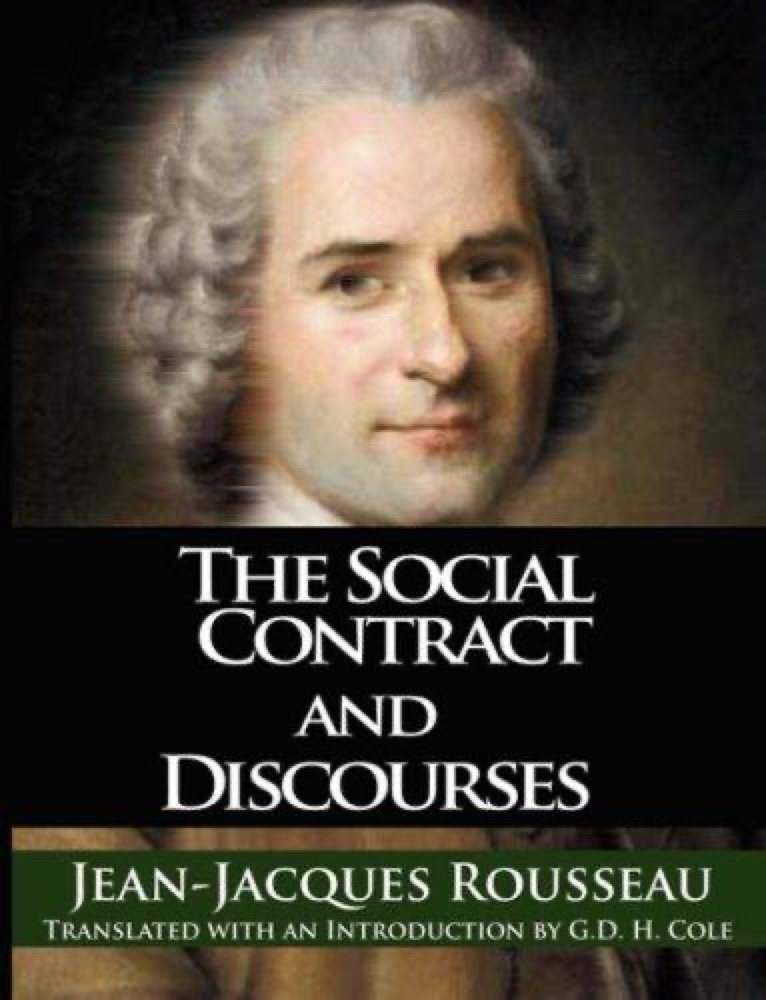 The Social Contract
 Civil Disobedience and Other Essays
 On Liberty
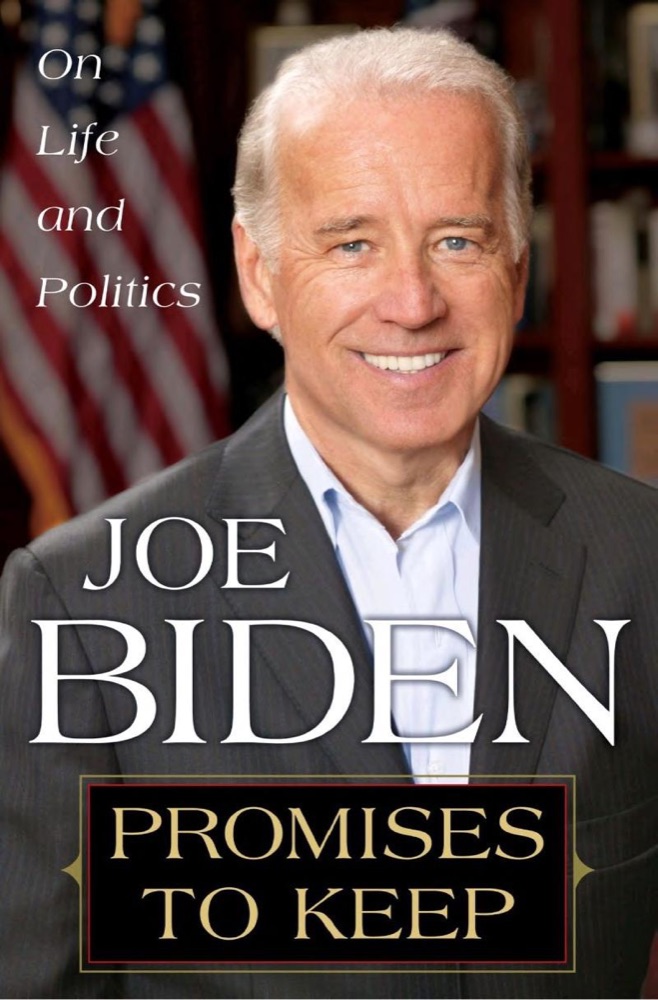 Promises to Keep: On Life and Politics
 Sex, Economy, Freedom, and Community: Eight Essays
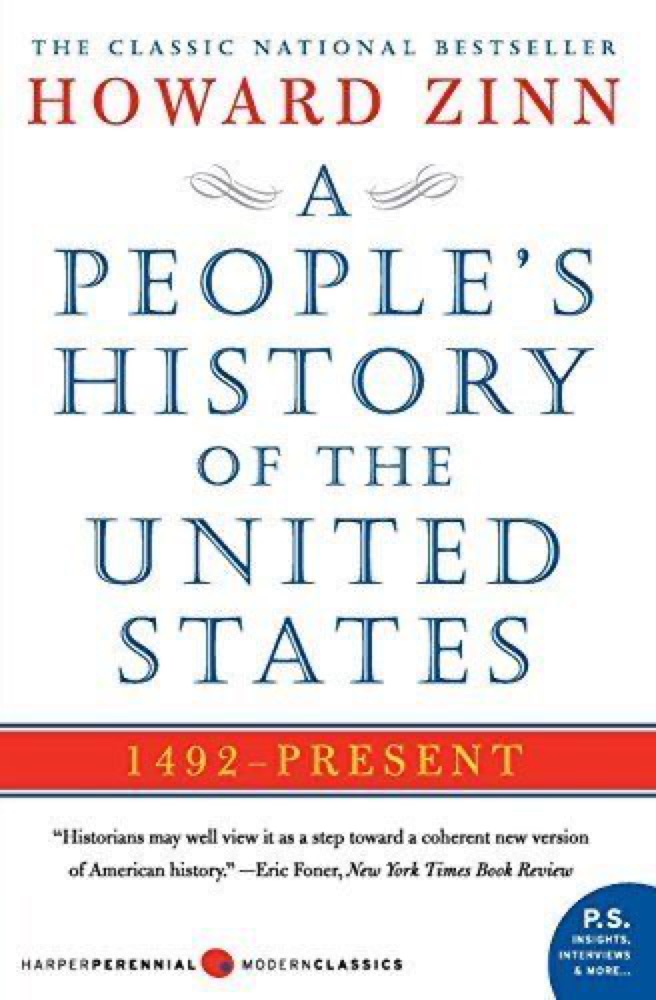 A People's History of the United States
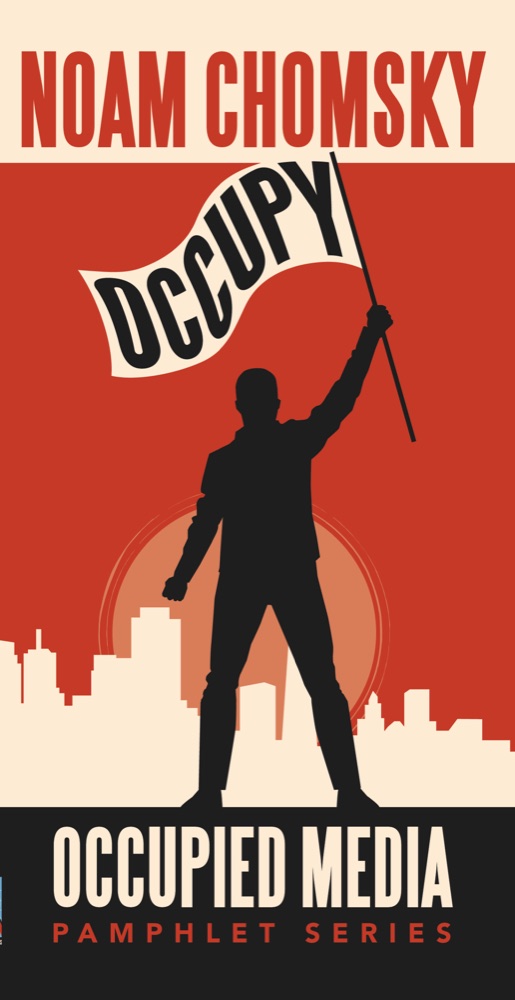 Occupy
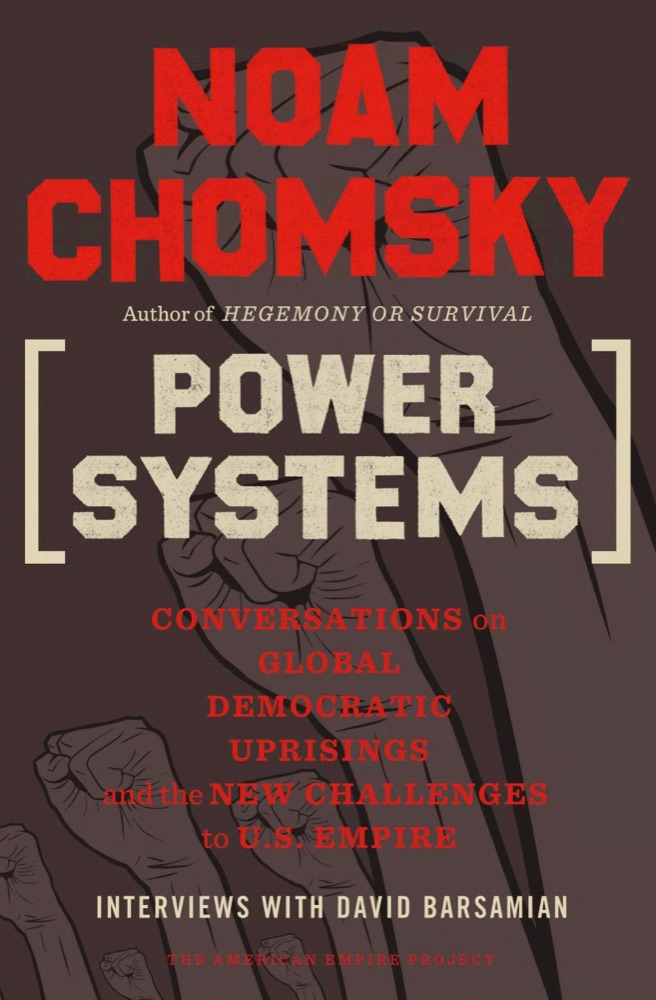 Power Systems: Conversations on Global Democratic Uprisings and the New Challenges to U.S. Empire
 Behold a Pale Horse
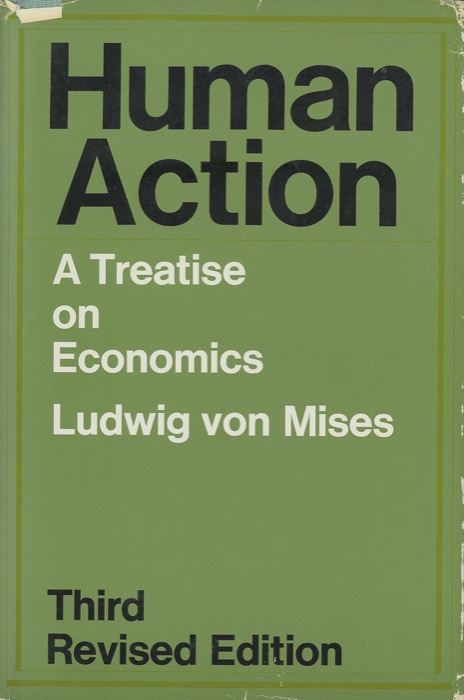 Human Action: A Treatise on Economics
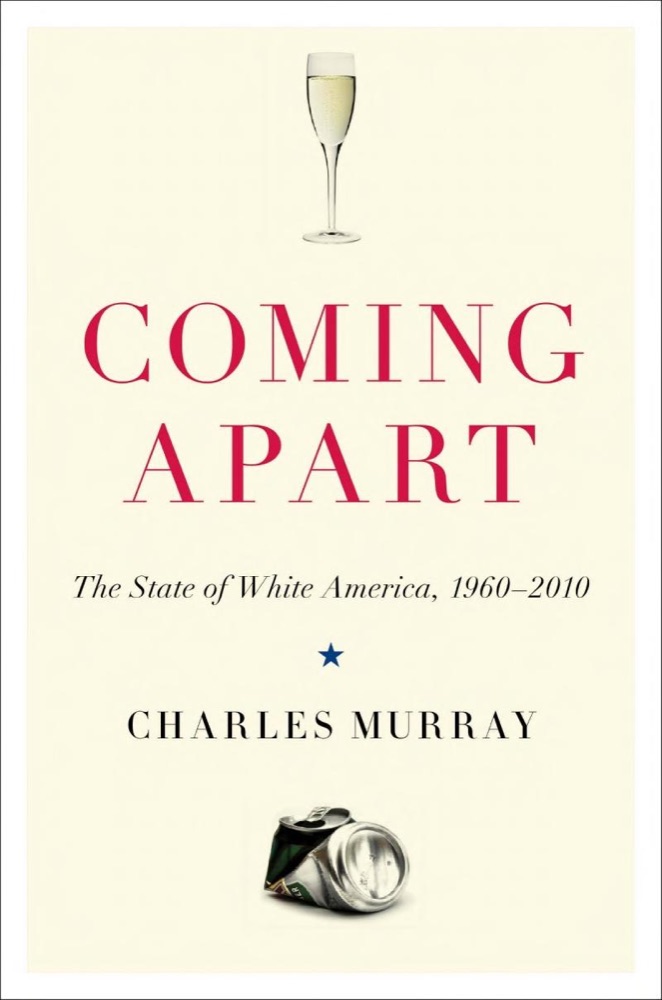 Coming Apart: The State of White America, 1960-2010
 On the Republic / On the Laws
 The Spirit of the Laws
 The Machiavellians: Defenders of Freedom
 The Federalist Papers
Ameritopia: The Unmaking of America
The Federalist Papers
Ameritopia: The Unmaking of America
 America (The Book): A Citizen's Guide to Democracy Inaction
 Conspirators' Hierarchy: The Story of the Committee of 300
 America: The Farewell Tour
 Debt: The First 5,000 Years
 The Revolution: A Manifesto
 On Tyranny: Twenty Lessons from the Twentieth Century
 The Small and the Mighty: Twelve Unsung Americans Who Changed the Course of History, from the Founding to the Civil Rights Movement
 Politics
 Ill Fares the Land
 Evil Geniuses: The Unmaking of America
 Common Sense
 The Iron Heel
 On Liberty and Other Essays
 Doing Justice: A Prosecutor's Thoughts on Crime, Punishment, and the Rule of Law
 Second Treatise of Government
 What Unites Us: Reflections on Patriotism
 Rules for Radicals: A Pragmatic Primer for Realistic Radicals
 The Myth of the Rational Voter: Why Democracies Choose Bad Policies
 Political Order and Political Decay: From the Industrial Revolution to the Globalization of Democracy
 Economics in One Lesson
 Parliament of Whores: A Lone Humorist Attempts to Explain the Entire U.S. Government