
 Benjamin Franklin: An American Life
Quotes from the Book
To dwell on the things that depress or anger us does not help in overcoming them. One must knock them down alone.
The value of a college education is not the learning of many facts but the training of the mind to think, he [Einstein] said.
One of the strongest motives that leads men to art and science is escape from everyday life with its painful crudity and hopeless dreariness. Such men make this cosmos and its construction the pivot of their emotional life, in order to find the peace and security which they cannot find in the narrow whirlpool of personal experience.
A society’s competitive advantage will come not from how well its schools teach the multiplication and periodic tables, but from how well they stimulate imagination and creativity.
How did he get his ideas? “I’m enough of an artist to draw freely on my imagination. Imagination is more important than knowledge. Knowledge is limited. Imagination encircles the world.
I believe that love is a better teacher than a sense of duty,” he said, “at least for me.
Politics is for the present, while our equations are for eternity.
(In a letter from Einstein to Curie) Do not laugh at me for writing you without having anything sensible to say. But I am so enraged by the base manner in which the publc is presently daring to concern itself with you that I absolutely must give vent to this feeling. I am impelled to tell you how much I have come to admire your intellect, your drive, and your honesty, and that I consider myself lucky to have made your personal acquaintance in Brussels. Anyone who does not number among these reptiles is certainly happy, now as before, that we have such personages amoung us as you, and Langevin too, real peole with whom one feels privileged to be in contact. If the rabble continues to occupy itself with you, then simply dont read that hogwash, but rather leave it to the reptile for whom it has been fabricated.
I believe that the most important mission of the state is to protect the individual and to make it possible for him to develop into a creative personality,
The most beautiful emotion we can experience is the mysterious. It is the fundamental emotion that stands at the cradle of all true art and science. He to whom
Life is like riding a bicycle. To keep your balance you must keep moving. —ALBERT EINSTEIN, IN A LETTER TO HIS SON EDUARD, FEBRUARY 5, 19301
He was a loner with an intimate bond to humanity, a rebel who was suffused with reverence. And thus it was that an imaginative, impertinent patent clerk became the mind reader of the creator of the cosmos, the locksmith of the mysteries of the atom and the universe.
If we want to resist the powers that threaten to suppress intellectual and individual freedom, we must be clear what is at stake,” he said. “Without such freedom there would have been no Shakespeare, no Goethe, no Newton, no Faraday, no Pasteur, no Lister.” Freedom was a foundation for creativity.
During the crossing, Einstein explained his theory to me every day, and by the time we arrived I was fully convinced that he really understands it.
science without religion is lame, religion without science is blind.
Since the mathematicians have grabbed hold of the theory of relativity, I myself no longer understand it.
When a person can take pleasure in marching in step to a piece of music it is enough to make me despise him. He has been given his big brain only by mistake.
A new idea comes suddenly and in a rather intuitive way,” Einstein once said. “But,” he hastened to add, “intuition is nothing but the outcome of earlier intellectual experience.
One day someone called the Institute and asked to speak to a particular dean. When his secretary said that the dean wasn’t available, the caller hesitantly asked for Einstein’s home address. That was not possible to give out, he was informed. The caller’s voice then dropped to a whisper. “Please don’t tell anybody,” he said, “but I am Dr. Einstein, I’m on my way home, and I’ve forgotten where my house is.”40
A foolish faith in authority is the worst enemy of truth.”46
Falling in love is not the most stupid thing that people do,” Einstein scribbled on the letter, “but gravitation cannot be held responsible for it.
What do you think of Adolf Hitler?” Einstein replied, “He is living on the empty stomach of Germany. As soon as economic conditions improve, he will no longer be important.
It is tasteless to prolong life artificially,” he told Dukas. “I have done my share, it is time to go. I will do it elegantly.
Subtle is the Lord, but malicious he is not.”*
Einstein was asked what the next war would look like. “I do not know how the Third World War will be fought,” he answered, “but I can tell you what they will use in the Fourth—rocks.
Any government is evil if it carries within it the tendency to deteriorate into tyranny,” he warned the Russian scientists. “The danger of such deterioration is more acute in a country in which the government has authority not only over the armed forces but also over every channel of education and information as well as over the existence of every single citizen.”27
Did you know?
- The book draws on a trove of Einstein's personal letters that had only recently been released when Isaacson was writing.
- Isaacson largely avoids mathematical formulas in order to make Einstein's physics accessible to general readers.
- The biography gives special emphasis to Einstein's 1905 "annus mirabilis," when he published papers on the photoelectric effect, Brownian motion, special relativity, and mass-energy equivalence.
- Isaacson frames Einstein's nonconformist, rebellious character as central to his scientific creativity.
About Walter Isaacson
Walter Isaacson (born 1952) is an American journalist and biographer who served as editor of Time magazine, chairman and CEO of CNN, and president of the Aspen Institute. He is known for best-selling biographies of figures including Benjamin Franklin, Albert Einstein, Steve Jobs, Leonardo da Vinci, and Elon Musk.
More about the author →More by Walter Isaacson
Benjamin Franklin: An American Life
 Steve Jobs
 The Innovators: How a Group of Hackers, Geniuses and Geeks Created the Digital Revolution
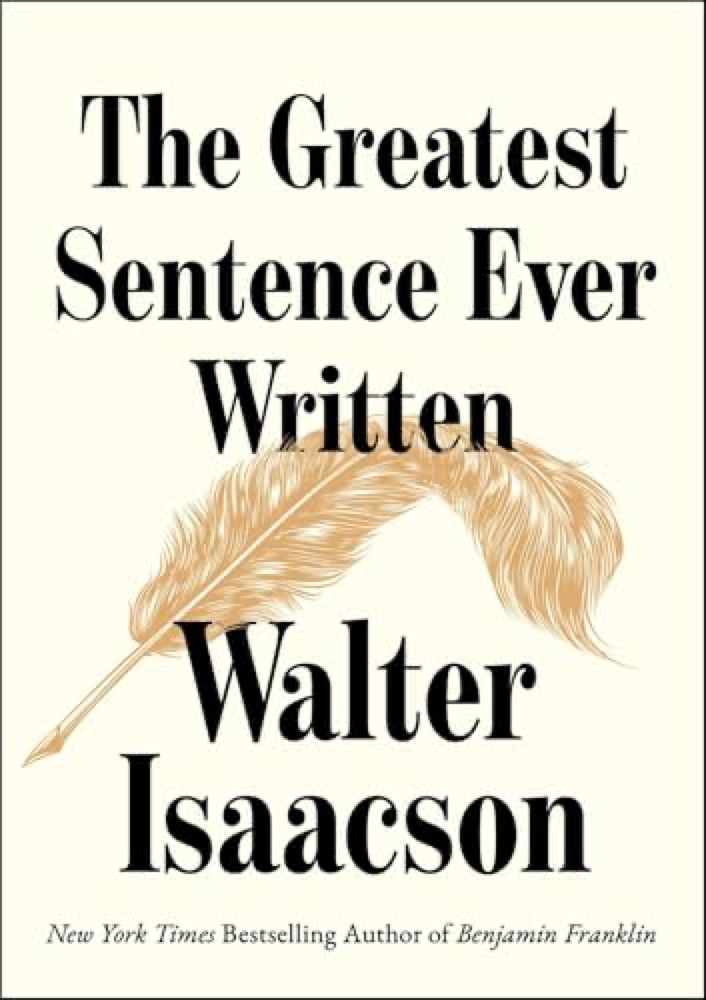 The Greatest Sentence Ever Written
About the book
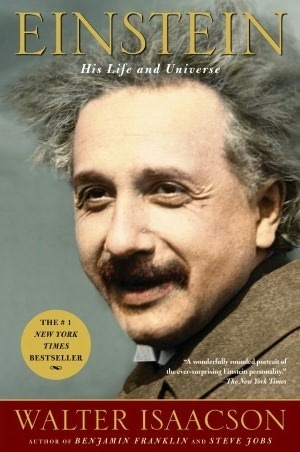
Einstein: His Life and Universe is Walter Isaacson's comprehensive biography of Albert Einstein, published in 2007 and drawing on personal letters that had only recently been released. Isaacson traces Einstein's entire life, from a boy who was slow to speak into the world's most famous scientist, giving particular weight to the 1905 "miracle year" in which Einstein published landmark papers on the photoelectric effect, Brownian motion, special relativity, and mass-energy equivalence, and to his later development of general relativity.
A central thread of the book is Isaacson's argument that Einstein's rebellious, nonconformist temperament was inseparable from his scientific creativity. The narrative follows him from the Swiss patent office through his rise to international fame, his political activism and pacifism, his forced emigration from Nazi Germany, and his settling in the United States, while also examining his complicated marriages and family life. Isaacson aims to make Einstein's ideas accessible to general readers, largely avoiding mathematical formulas.
The biography was a major popular success and was praised for balancing difficult physics with an engaging human portrait, though some scientists and reviewers noted the avoidance of equations and questioned how far the "rebel" framing could be stretched. It stands among Isaacson's series of best-selling biographies of figures such as Benjamin Franklin, Steve Jobs, and Leonardo da Vinci.
Book details
- First published
- 2007
- Length
- 675 pages
- Reading time
- 41 hours
- Author
- Walter Isaacson
- Genre
- History
- Goodreads rating
- 4.16 (207k ratings) →
- First line
- “He was slow in learning how to talk.”
If you liked this, read…
- 1Benjamin Franklin: An American LifeAnother accessible Isaacson biography of a scientific and public figure.
- 2Steve JobsIsaacson's best-selling biography applying a similar narrative approach to a modern innovator.
- 3Subtle Is the LordAbraham Pais's acclaimed scientific biography of Einstein for readers wanting more physics.
Keep reading
 Emile or On Education
 The Ascent of Man
 The Man Without Qualities
 The World As I See It
 The Magic Mountain
 Galileo
 The Spinoza Problem
 Second Foundation
 The Eternal Wonder
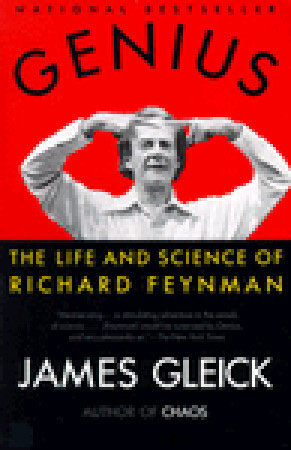 Genius: The Life and Science of Richard Feynman
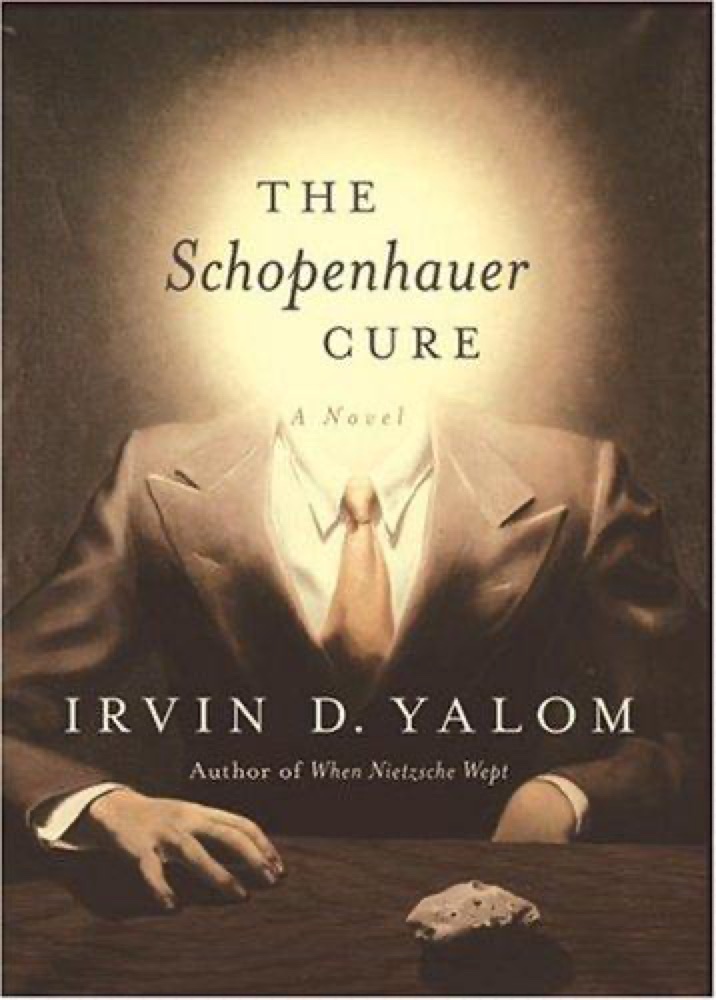 The Schopenhauer Cure
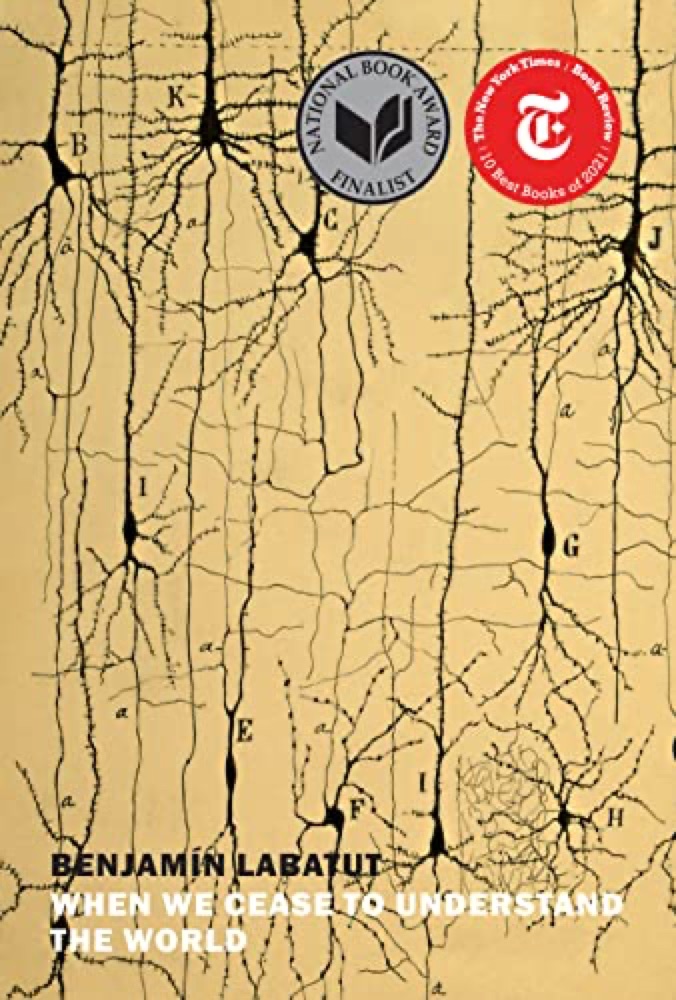 When We Cease to Understand the World
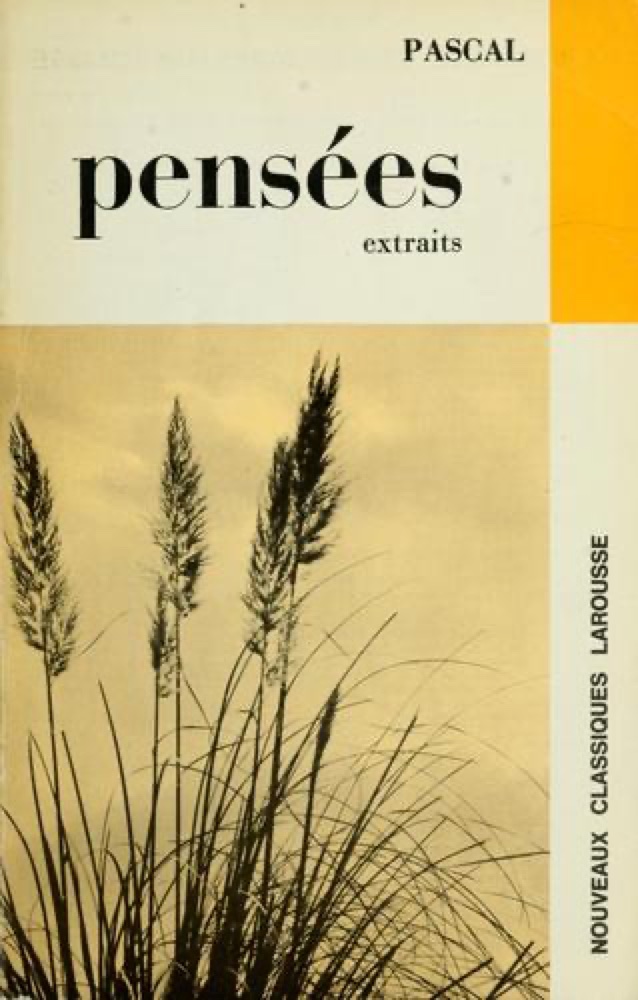 Pensées
 Doctor Faustus
 The Pleasure of Finding Things Out: The Best Short Works of Richard P. Feynman
 The Gay Science
 Death's End
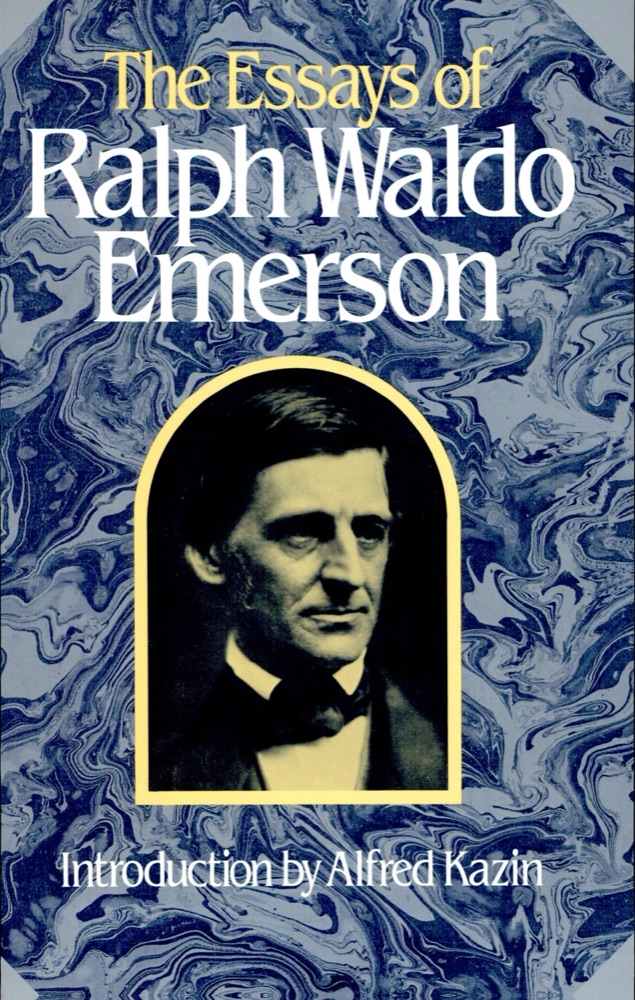 The Essays of Ralph Waldo Emerson
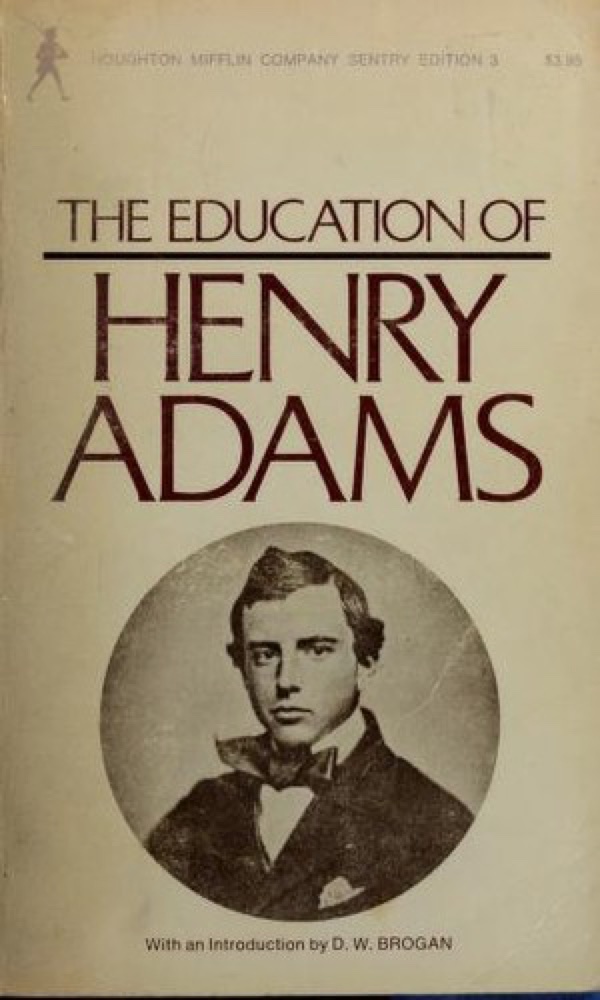 The Education of Henry Adams
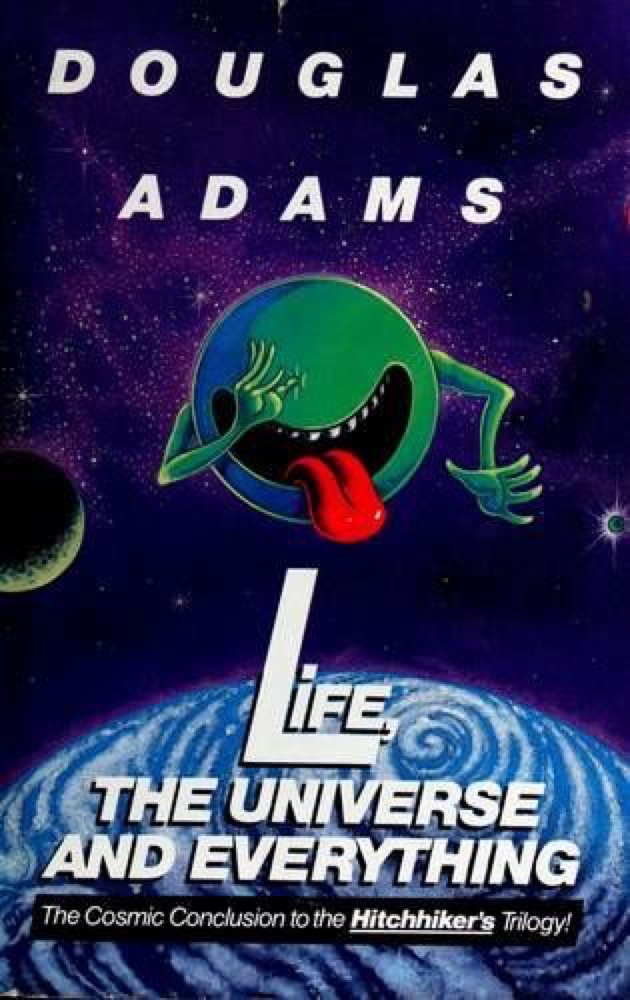 Life, the Universe and Everything
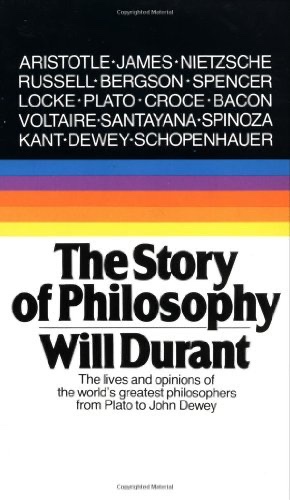 The Story of Philosophy: The Lives and Opinions of the World's Greatest Philosophers
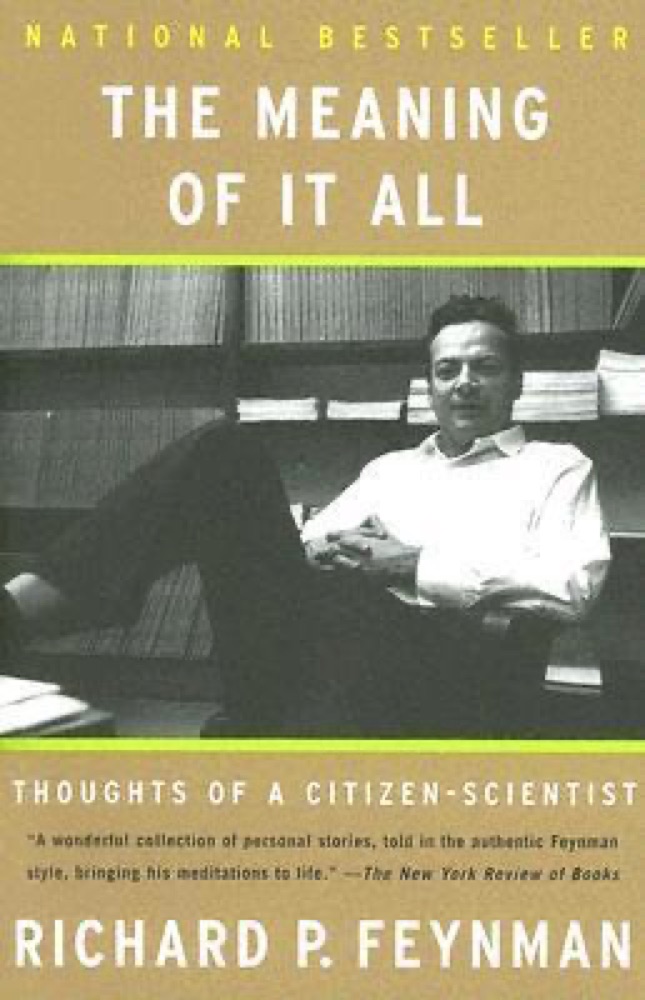 The Meaning of It All: Thoughts of a Citizen-Scientist
 The Big Picture: On the Origins of Life, Meaning, and the Universe Itself
 The Myth of Sisyphus and Other Essays
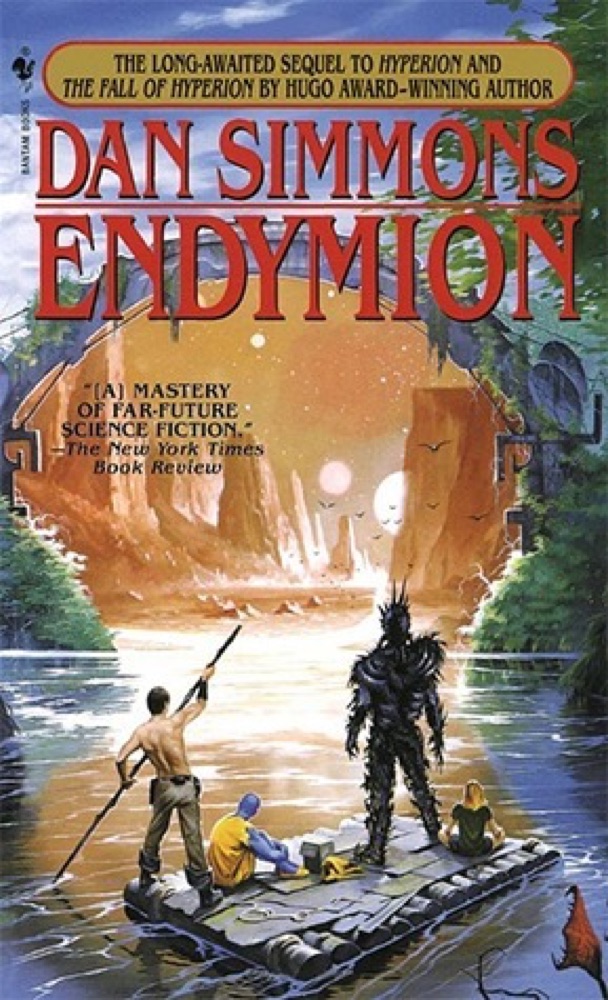 Endymion
 Cultural Amnesia: Necessary Memories from History and the Arts
 The Wisdom of Life
 In the Light of What We Know
 House Harkonnen
 The Time Machine
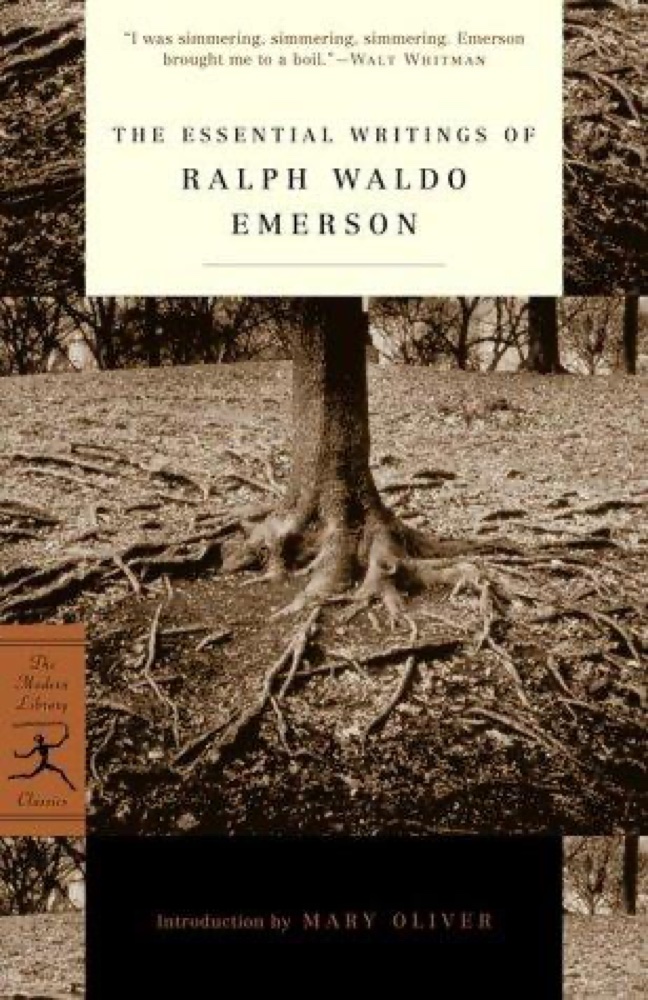 The Essential Writings of Ralph Waldo Emerson
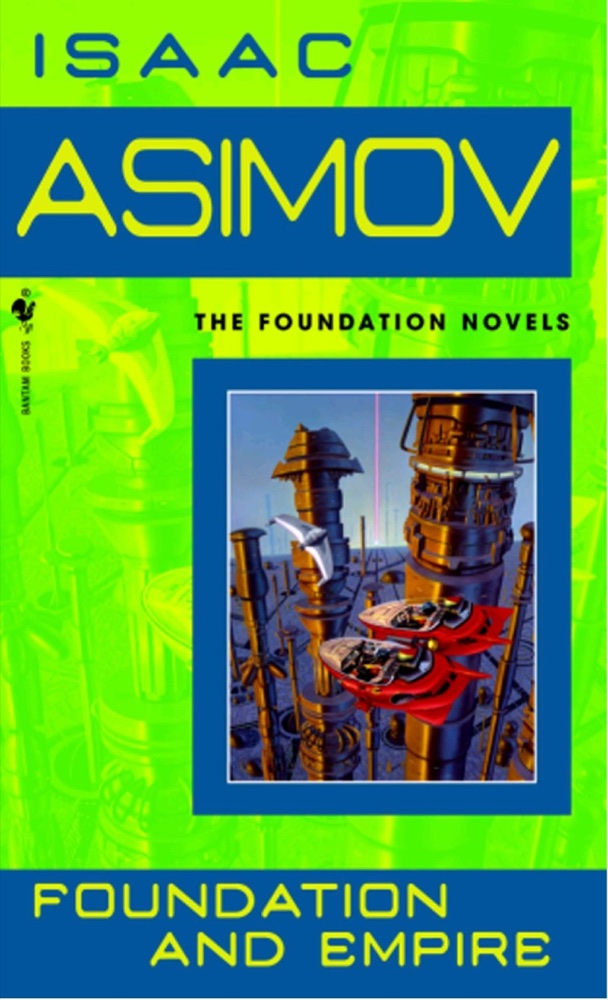 Foundation and Empire
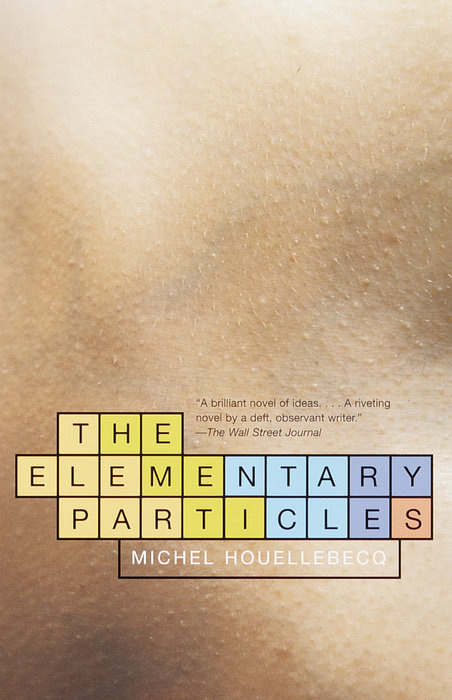 The Elementary Particles
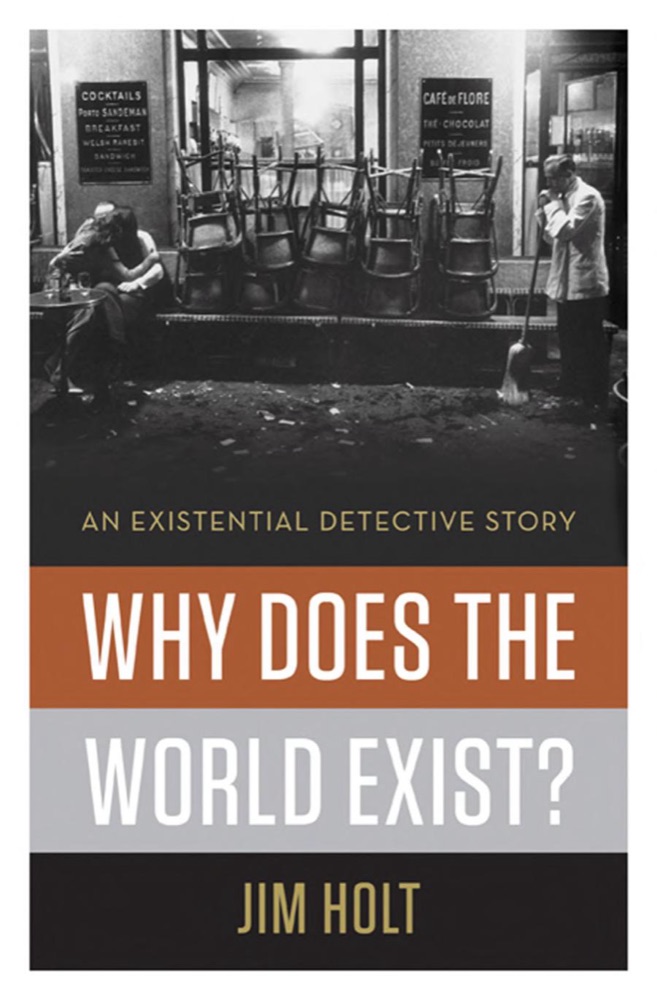 Why Does the World Exist?: An Existential Detective Story
 Foucault's Pendulum
 The World as Will and Representation, Vol 1
 The Three-Body Problem
 The Myth of Sisyphus
 A History of Western Philosophy
 Last and First Men
 A Study in Scarlet
 Origin
 Twilight of the Idols
 The Idiot
 Point Omega
 The Fifth Science
 The Ides of March
 Self-Reliance: An Excerpt from Collected Essays, First Series
 The Fountainhead
 The Man in the High Castle
 Brief Answers to the Big Questions
 An Essay Concerning Human Understanding
 Heretics
 The Star Diaries
 My Inventions
 The Intellectual Life: Its Spirit, Conditions, Methods
 A Soldier of the Great War
 Libra
Libra
 Hyperion
 The Socrates Express: In Search of Life Lessons from Dead Philosophers