
 The Myth of the Rational Voter: Why Democracies Choose Bad Policies
Quotes from the Book
The heralded social dividends of education are largely illusory: rising education’s main fruit is not broad-based prosperity, but credential inflation
8
Once everyone can enrich their souls for free, government subsidies for enrichment forfeit their rationale. To object, 'But most people don't use the Internet for spiritual enrichment' is actually a damaging admission that eager students are few and far between. Subsidized education's real aim isn't to make ideas and culture accessible to anyone who's interested, but to make them mandatory for everyone who *isn't* interested . . . The rise of the Internet has two unsettling lessons . . . First: the humanist case for education subsidies is flimsy today because the Internet makes enlightenment practically free. Second: the humanist case for education subsidies was flimsy all along because the Internet proves low consumption of ideas and culture stems from apathy, not poverty or inconvenience. Behold: when the price of enlightenment drops to zero, remains embarrassingly scarce.
4
It is precisely because education is so affordable that the labor market expects us to possess so much. Without the subsidies, you would no longer need the education you can no longer afford.
2
the less education applicants have, the less applicants need to convince employers they’re worth hiring.
1
When spending collective resources, in contrast, second-guessing popular ideas is selfishly futile. Taxpayers who discover a beloved program is junk must pay their taxes like everyone else. Don’t like it? You’re only one person. Without the prominence and charisma to reverse public opinion, nay-saying won’t save you money but will make you enemies. The moral: in politics, critical thinking is an act of charity. Objective truth has to beg for spare change to survive. Owing to these perverse incentives, almost any political idea that becomes popular tends to remain popular. Even if it’s false. Even if it’s always been false.
By analogy, both sculptors and appraisers have the power to raise the market value of a piece of stone. The sculptor raises the market value of a piece of stone by shaping it. The appraiser raises the market value of a piece of stone by judging it. Teachers need to ask ourselves, “How much of what we do is sculpting, and how much is appraising?
Education can be glorious. At its best, to quote Roman philosopher Lucretius, it is a “voyage in mind throughout infinity.
Government heavily subsidizes education. In 2011, U.S. federal, state, and local governments spent almost a trillion dollars on it.5 The simplest way to get less education, then, is to cut the subsidies.
Higher education is the only product where the consumer tries to get as little out of it as possible. —Arnold Kling, “College Customers vs. Suppliers
Watch on YouTube
About Bryan Caplan
We have collected 39 quotes from 2 books by Bryan Caplan on BookQuoters.
More about the author →More by Bryan Caplan
The Myth of the Rational Voter: Why Democracies Choose Bad Policies
About the book
Despite being immensely popular--and immensely lucrative—education is grossly overrated. In this explosive book, Bryan Caplan argues that the primary function of education is not to enhance students' skill but to certify their intelligence, work ethic, and conformity—in other words, to signal the qualities of a good employee. Learn why students hunt for easy As and casually forget most of what they learn after the final exam, why decades of growing access to education have not resulted in better jobs for the average worker but instead in runaway credential inflation, how employers reward workers for costly schooling they rarely if ever use, and why cutting education spending is the best remedy.
Caplan draws on the latest social science to show how the labor market values grades over knowledge, and why the more education your rivals have, the more you need to impress employers. He expl
Book details
- First published
- 2018
- Author
- Bryan Caplan
- Genre
- Nonfiction
- Goodreads rating
- 3.94 (2k ratings)
Keep reading
 Deschooling Society
 Dumbing Us Down: The Hidden Curriculum of Compulsory Education
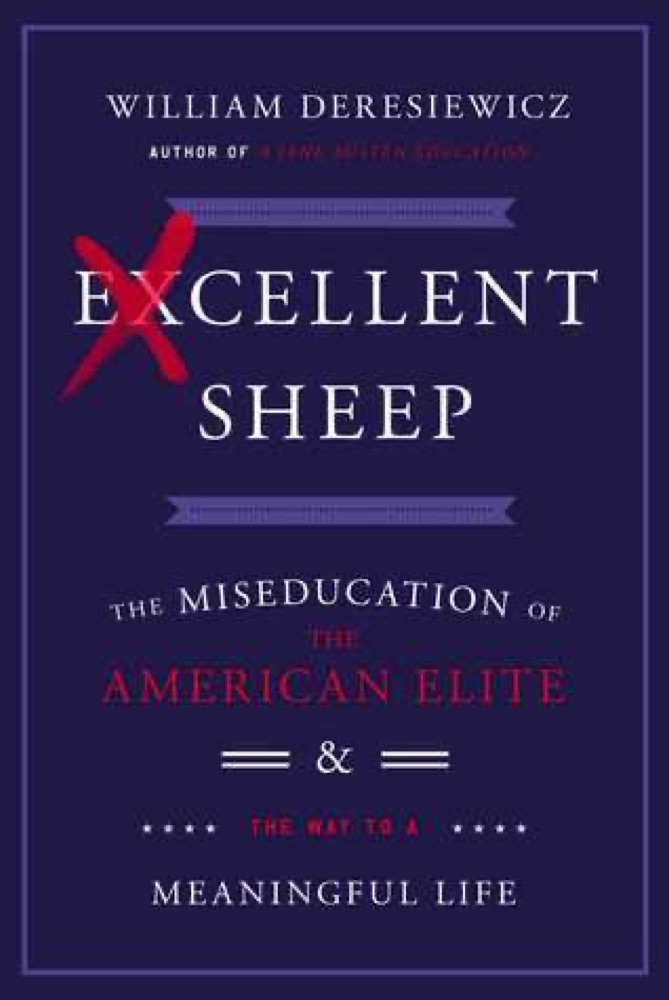 Excellent Sheep: The Miseducation of the American Elite and the Way to a Meaningful Life
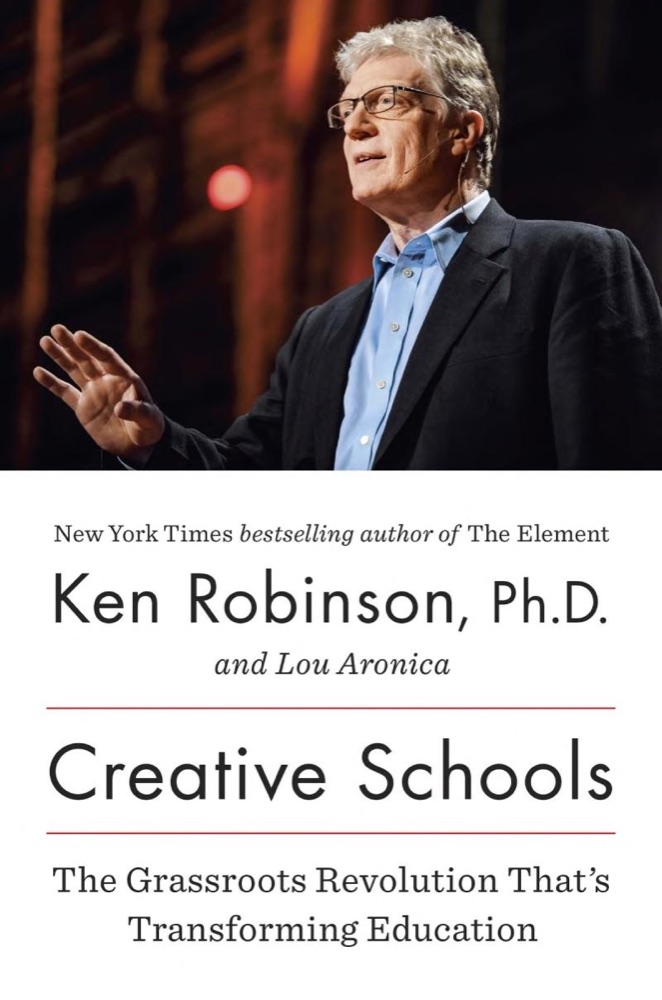 Creative Schools: The Grassroots Revolution That's Transforming Education
 The Core
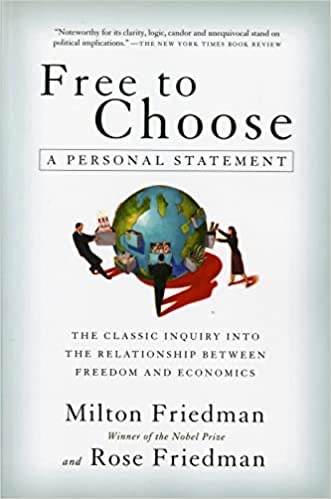 Free to Choose: A Personal Statement
 Naked Economics: Undressing the Dismal Science
 The World Is Flat: A Brief History of the Twenty-first Century
 The Death and Life of the Great American School System: How Testing and Choice Are Undermining Education
 Economics in One Lesson
 The Element: How Finding Your Passion Changes Everything
 Basic Economics: A Citizen's Guide to the Economy
 Utopia for Realists: How We Can Build the Ideal World
 The Vanishing American Adult: Our Coming-of-Age Crisis—and How to Rebuild a Culture of Self-Reliance
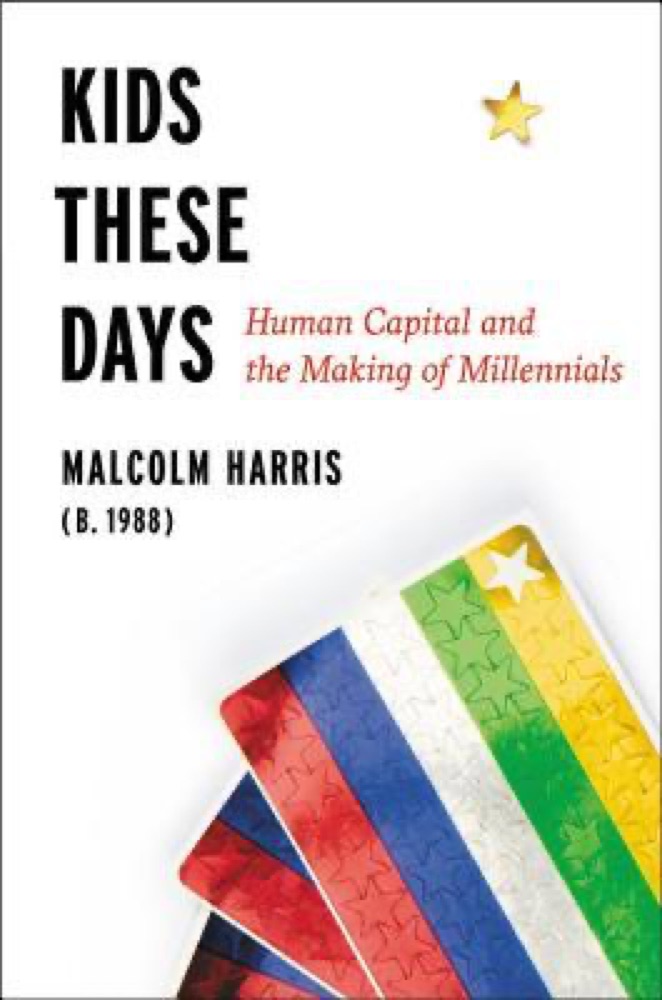 Kids These Days: Human Capital and the Making of Millennials
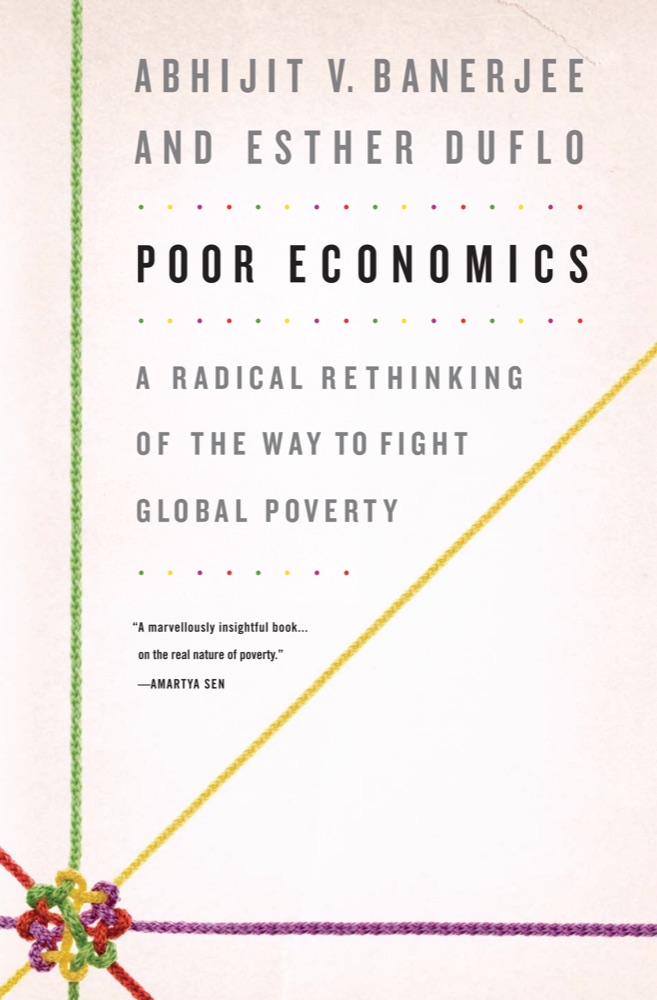 Poor Economics: A Radical Rethinking of the Way to Fight Global Poverty
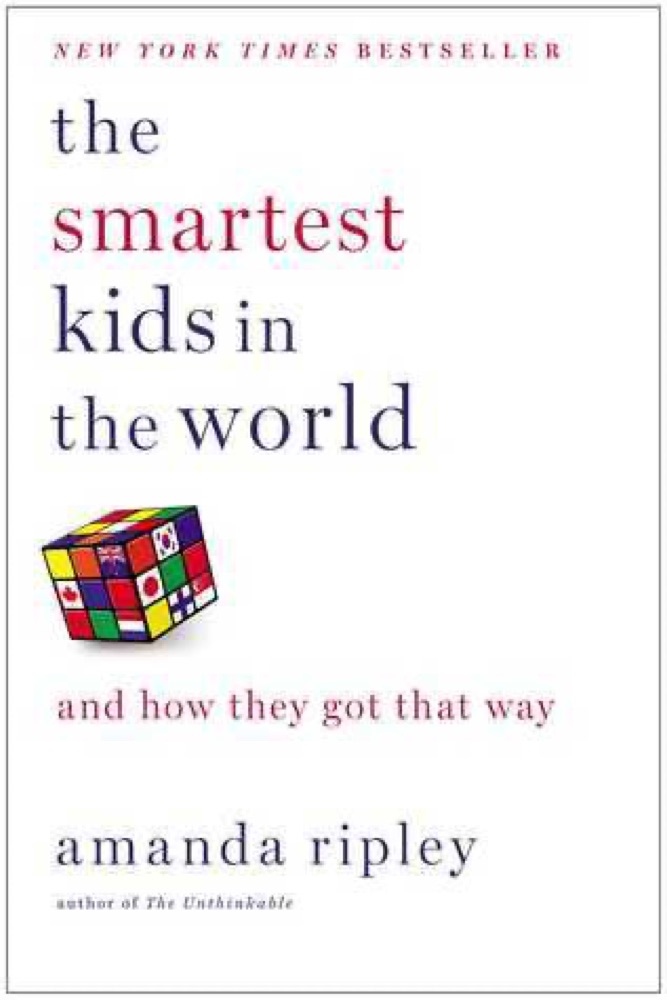 The Smartest Kids in the World: And How They Got That Way
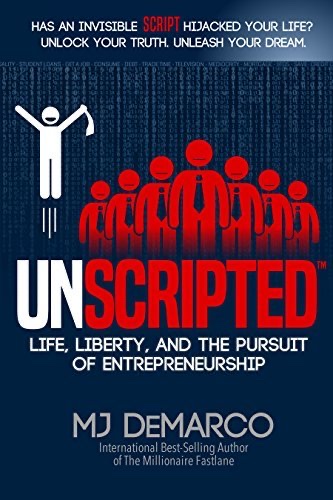 Unscripted: Life, Liberty, and the Pursuit of Entrepreneurship
 Give People Money: The Simple Idea to Solve Inequality and Revolutionise Our Lives
 23 Things They Don't Tell You About Capitalism
 Wealth, Poverty and Politics: An International Perspective
 Shop Class as Soulcraft: An Inquiry Into the Value of Work
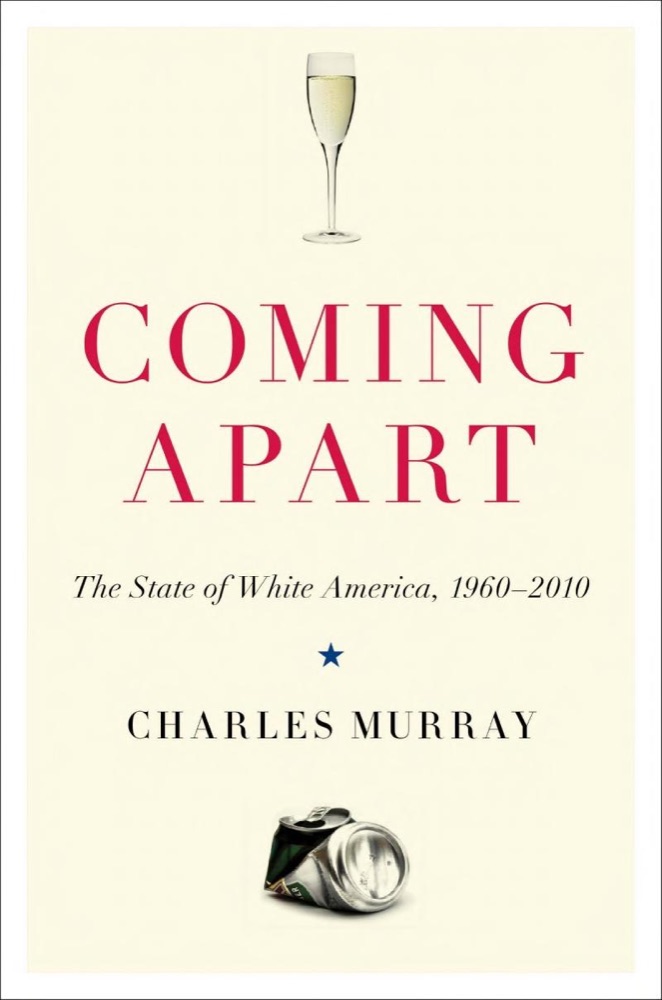 Coming Apart: The State of White America, 1960-2010
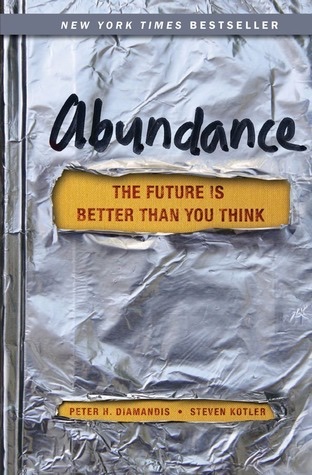 Abundance: The Future Is Better Than You Think
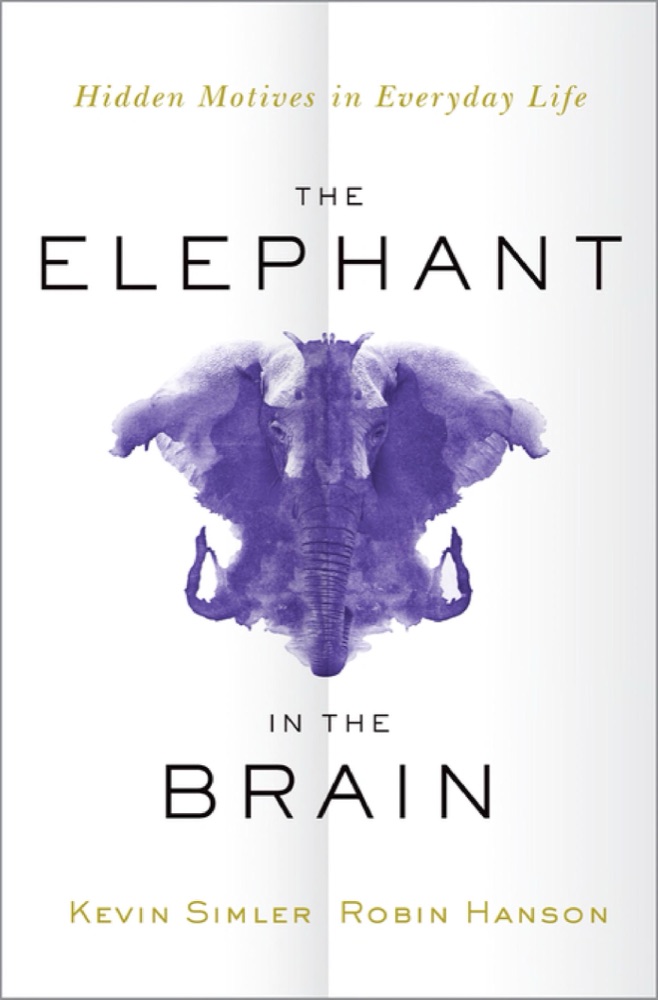 The Elephant in the Brain: Hidden Motives in Everyday Life
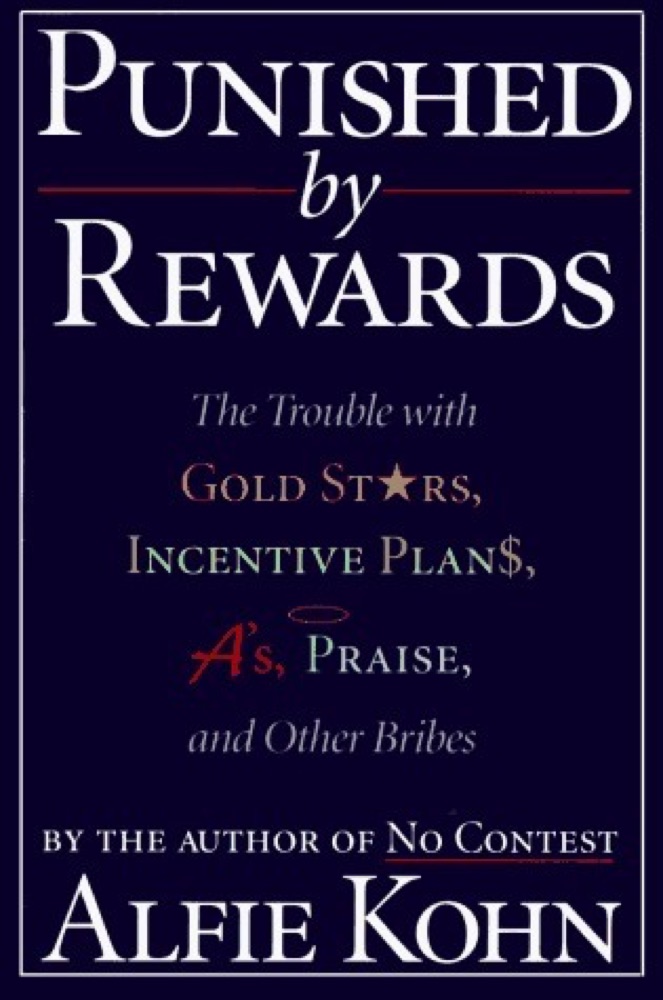 Punished by Rewards: The Trouble with Gold Stars, Incentive Plans, A's, Praise and Other Bribes
 The View From Flyover Country: Essays by Sarah Kendzior
 Twilight of the Elites: America After Meritocracy
 Behold a Pale Horse
 Teach Like a PIRATE: Increase Student Engagement, Boost Your Creativity, and Transform Your Life as an Educator
 Not for Profit: Why Democracy Needs the Humanities
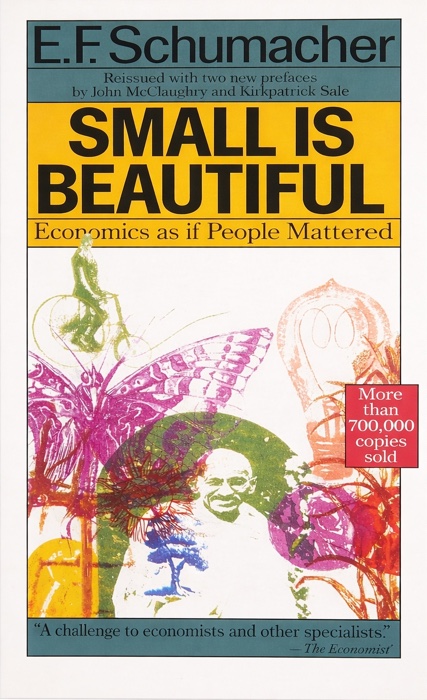 Small Is Beautiful: Economics as if People Mattered
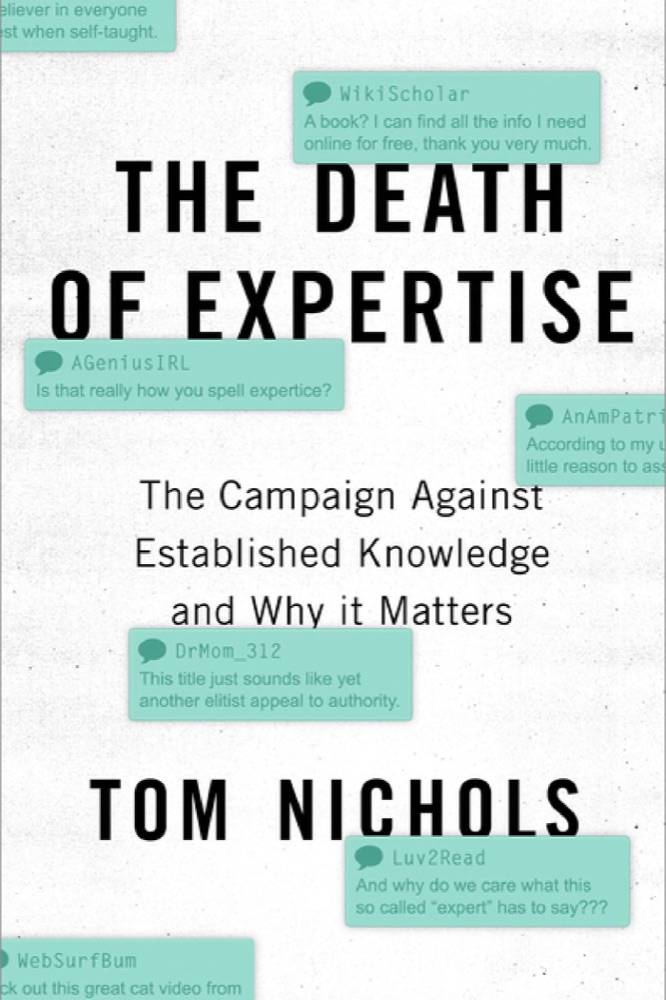 The Death of Expertise: The Campaign Against Established Knowledge and Why It Matters
 Experience and Education
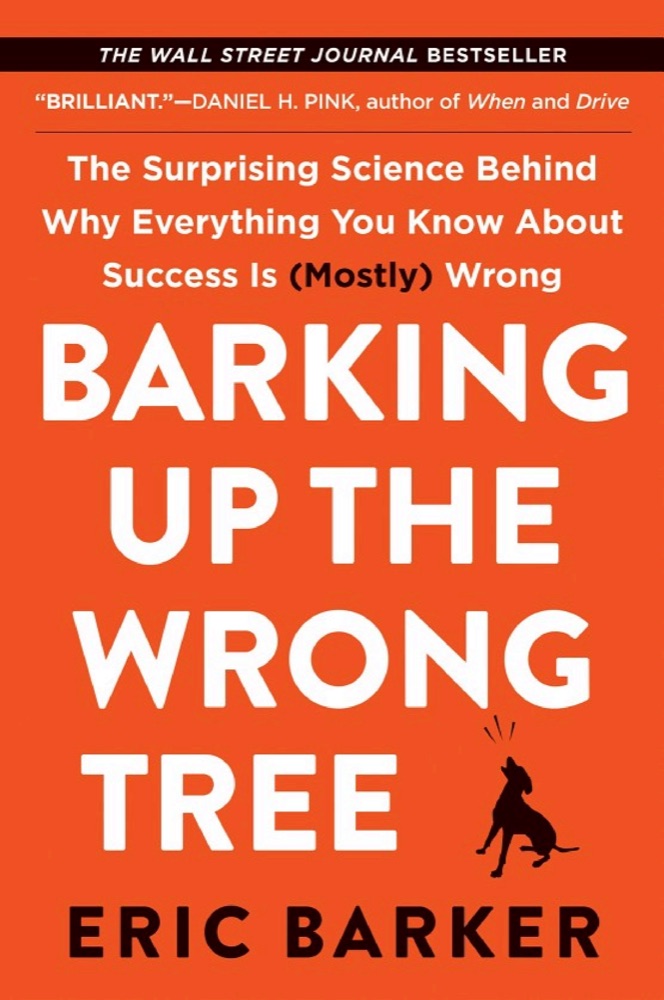 Barking Up the Wrong Tree: The Surprising Science Behind Why Everything You Know About Success Is (Mostly) Wrong
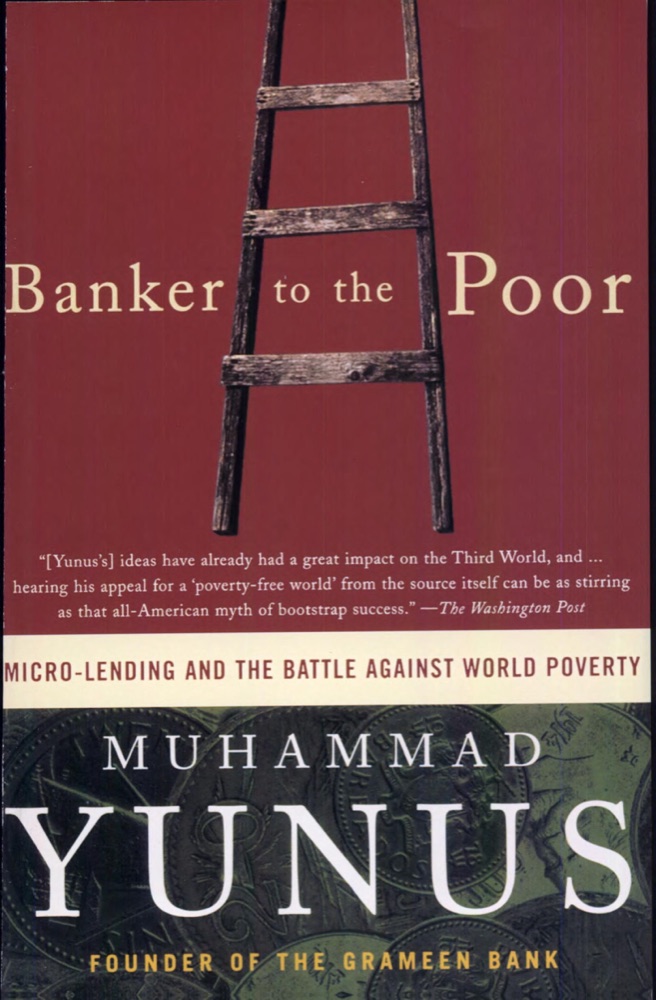 Banker to the Poor: Micro-Lending and the Battle Against World Poverty
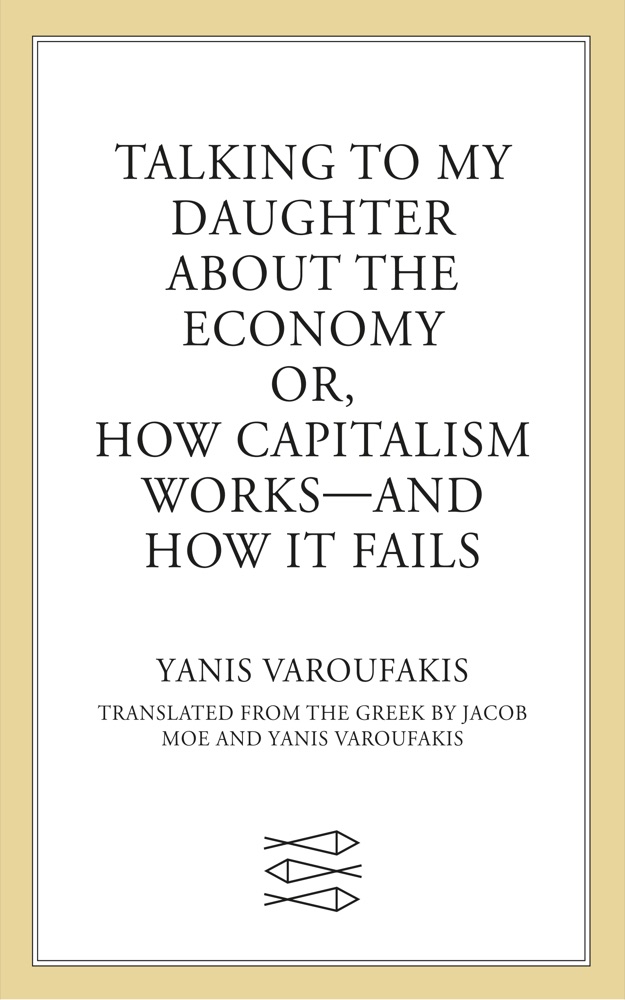 Talking to My Daughter About the Economy: or, How Capitalism Works—and How It Fails
 Hackers & Painters: Big Ideas from the Computer Age
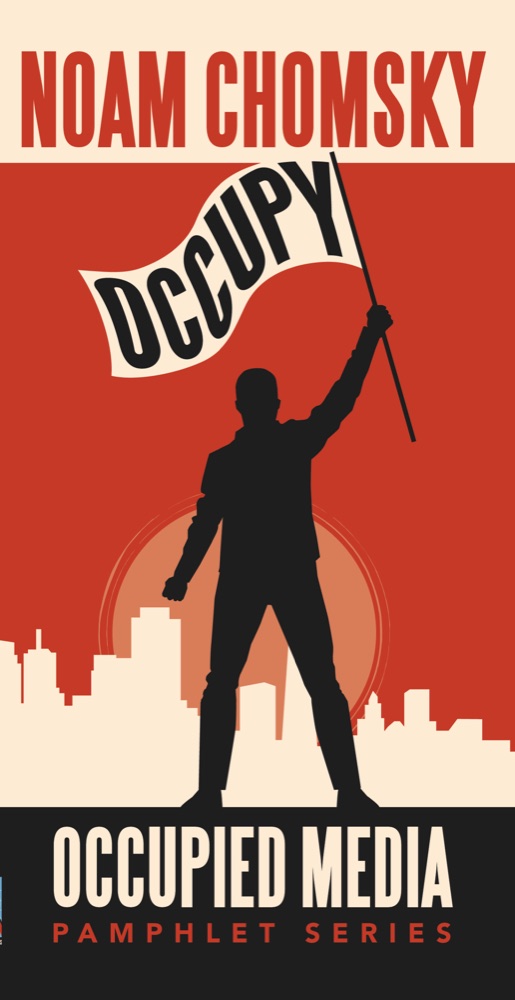 Occupy
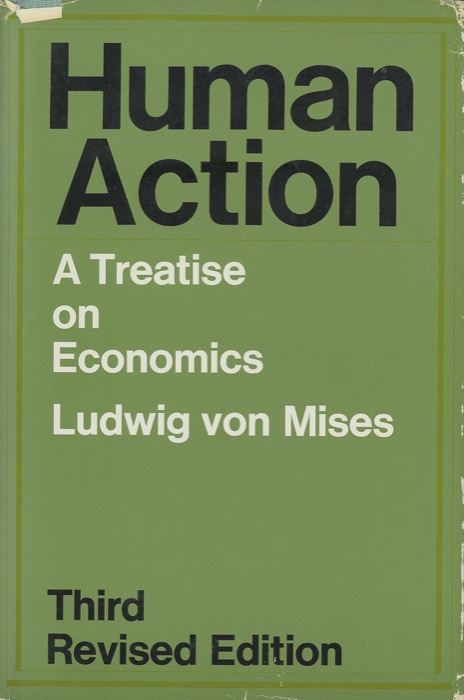 Human Action: A Treatise on Economics
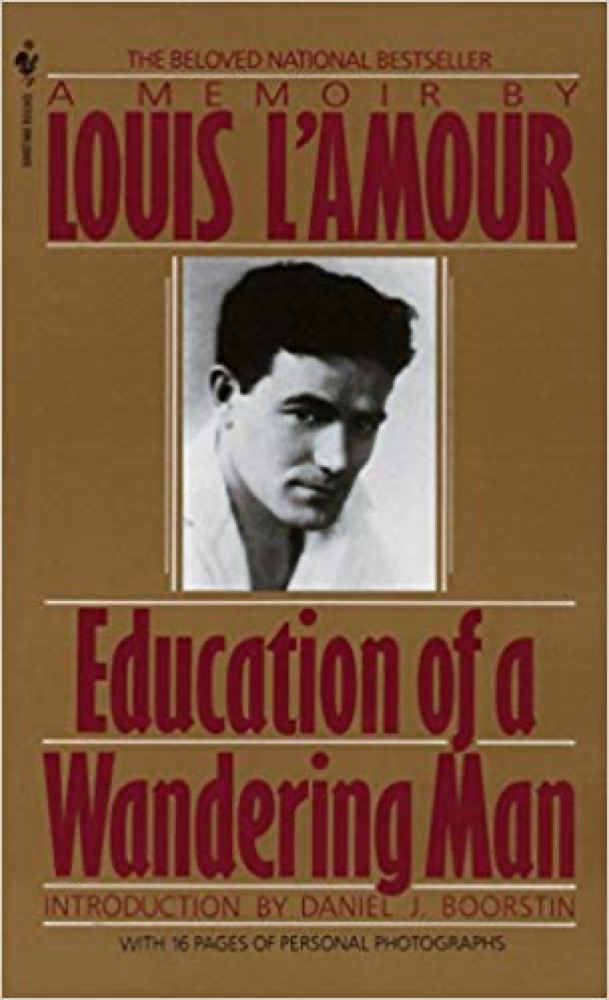 Education of a Wandering Man: A Memoir
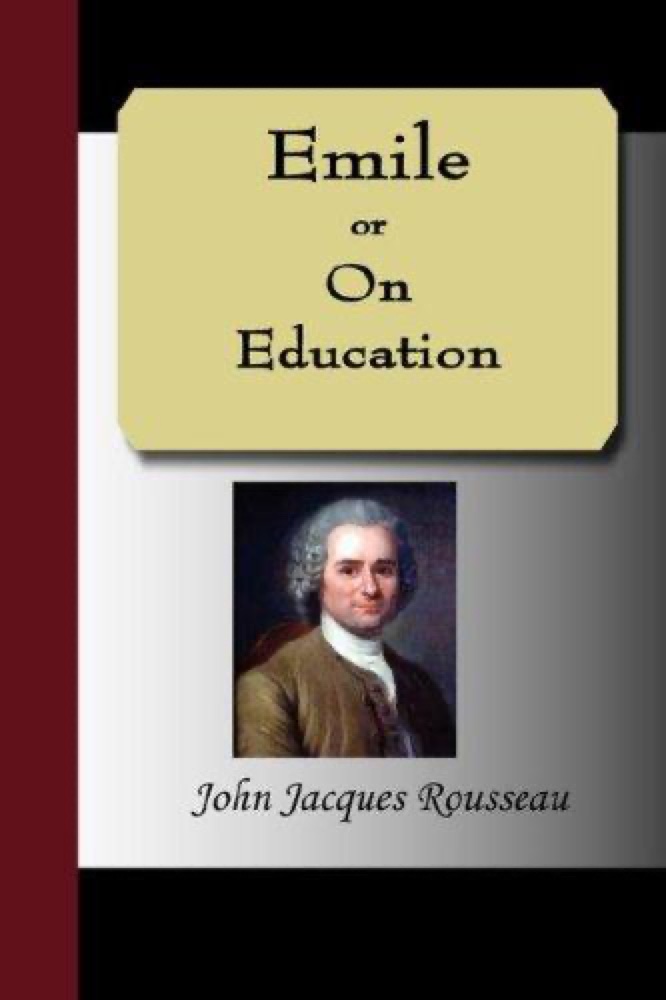 Emile or On Education
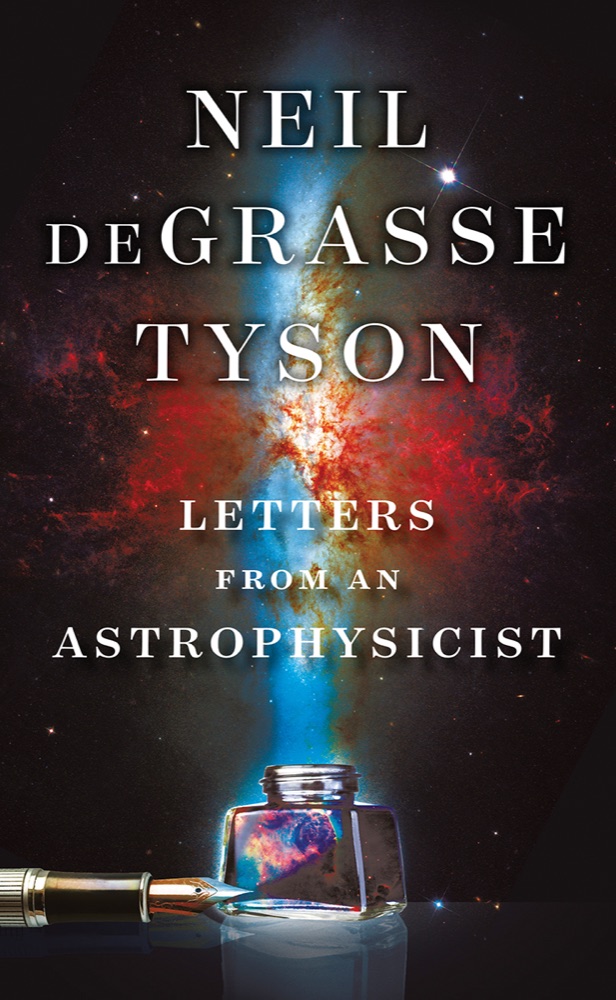 Letters from an Astrophysicist
 Our Kids: The American Dream in Crisis
The Myth of the Rational Voter: Why Democracies Choose Bad Policies
Our Kids: The American Dream in Crisis
The Myth of the Rational Voter: Why Democracies Choose Bad Policies
 The Lost Tools of Learning
 Freakonomics: A Rogue Economist Explores the Hidden Side of Everything
 SuperFreakonomics: Global Cooling, Patriotic Prostitutes And Why Suicide Bombers Should Buy Life Insurance
 We Make the Road by Walking: Conversations on Education and Social Change
 In Praise of Idleness and Other Essays
 Rich Dad Poor Dad
 The Evolution of Everything: How New Ideas Emerge
 The Spirit Level: Why More Equal Societies Almost Always Do Better
 The Art of Thinking Clearly
 The Algebra of Wealth: A Simple Formula for Financial Security
 Empire of Illusion: The End of Literacy and the Triumph of Spectacle
 Predictably Irrational: The Hidden Forces That Shape Our Decisions
 How Children Fail
 The Tyranny of Merit: What's Become of the Common Good?
 Smartcuts: How Hackers, Innovators, and Icons Accelerate Success