
 Bloodlands: Europe Between Hitler and Stalin
Quotes from the Book
Freedom is not just an absence of evil but a presence of good.
15
We are told that we are "born free": untrue. We are born squalling, attached to an umbilical cord, covered in a woman's blood. Whether we become free depends upon the actions of others, upon the structures that enable those actions, upon the values that enliven those structures—and only then upon a flicker of spontaneity and the courage of our own choices.
10
People who lie about the end of the world will keep lying until the world ends.
9
In a world of relativism and cowardice, freedom is the absolute among absolutes, the value of values.
7
Social media make us more predictable than we need to be and so easier to rule.
5
We chose freedom when we did not run.
5
When we are very young, we all need someone else's goodwill if we are to learn to stand at all. Because we live in time in a certain direction, we cannot make up later for what we were not given earlier.
4
But is the removal of something in the world really enough to liberate us? Is it not as important, perhaps even more important, to add things?
4
Without a sense of what should be, we cannot be clear about how what is could ever change.
4
In dehumanizing others, we make ourselves unfree.
3
From regarding the body as an object, it is a short step to regarding it as a commodity. It seems normal in the United States to see the body as a source of profit.
3
We cannot be neutral: we either deaden the world around us, or we make it more lively.
3
None of us remembers being born, but all of us were born. None of us will remember dying, but we remember others dying. Empathy is not just some vague urging to be kind. Empathy is a precondition for certain knowledge of the world. The isolated individual, trying to contemplate the world alone, has no chance at understanding it.
3
We enable freedom not by rejecting government, but by affirming freedom as the guide to good government.
2
The absence of freedom threatens life, just as threats to life undermine freedom.
2
In Ukraine’s Donetsk, an abandoned factory became an art lab; under Russian occupation, the same building became a torture facility.
2
...we gain knowledge of ourselves when we acknowledge others. Only when we recognize that other people are in the same predicament as we are, live as bodies as we do, can we take seriously how they see us. When we identify with them as they regard us, we understand ourselves as we otherwise might not. Our own objectivity in other words, depends on the subjectivity of others.
2
We talked about how, over time, beginning in youth, an accumulation of decisions makes us who we are. Then a moment comes when we do what we must because of what we have chosen to become. An unfree person can always try to run. But sometimes a free person has to stay. Free will is character.
2
In conditions of extreme inequality, the word freedom, which should belong to everyone, attaches instead to abstractions that suit oligarchs. When we speak of “free markets” instead of “free people,” we are in trouble. In American oligarchy, “free speech” all too often means the privilege of the very wealthy to transmit anonymous propaganda and to fund electoral campaigns. In such a situation, we the people will have little to say.
1
Tyrannies make anxiety seem normal. They attach a threat to a group (in this case Blacks) whom the authorities don’t really fear, then boast to their supporters of having protected them from that threat. They substitute relief from fear for freedom and teach citizens to confuse the two. The cycle of anxiety and release is not liberation, of course, but manipulation. It is not immobilizing the way that prison is. It is nevertheless a policy of immobility that extends from the Black bodies on the inside to other American minds on the outside.
1
The oligarchical turn made mobility very difficult and warped the conversation about freedom. The more concentrated the wealth became, the more constrained was the discussion—until, in effect, the word freedom in American English came to mean little more than the privilege of a few wealthy Americans not to pay taxes, the power of a few oligarchs to shape the discourse, and the unequal application of criminal law.
1
Although sometimes presented as the natural result of capitalism, the American Dream depended on social policies developed after the capitalist collapse of the Great Depression. It lasted until its origins were forgotten and capitalism itself was enthroned as the lone source of freedom. That happened in the 1980s.
1
Beginning in the 1930s, an incipient American welfare state took shape. Franklin D. Roosevelt’s “New Deal,” John F. Kennedy’s “New Frontier,” and Lyndon B. Johnson’s “Great Society” described the shift from imperial expansion to social mobility. For many Americans, these were the decades of the American Dream. Through the 1970s, the gap between the richest and the rest was closing, enabling ever more Americans to join a broad middle class. The American Dream meant social mobility. Rather than promising more land forever, it offered a sense of unpredictable but possible social advancement on the present territory of the United States. Mobility was no longer about families settling down on land but about new generations creating new kinds of lives.
1
freedom is the condition in which all the good things can flow within us and among us.
1
Those who believe themselves free because they dominate others define freedom negatively, as the absence of government, because only a government could emancipate the slaves or enfranchise the women. The conflation of a Liberty Bell with the American Revolution dodges the issue of what freedom is, and for whom that bell tolls.
1
In my childhood, the Soviet Union always seemed close, a few minutes' flight by intercontinental ballistic missile. Reader's Digest featured articles on Soviet and American nuclear arsenals. The obsession with the superpowers' destructive capacity was a way to ignore the people who suffered directly in the Cold War, such as the Latin Americans we kept invading and the East Europeans the Soviets kept invading.
1
The occupiers had gotten in the way of a sense that the world was opening up, that the next generation would have a better life, that decisions made now would matter in years to come. ... Freedom was a future when some things were the same and others were better. It was life expanding and growing.
1
Taking a seat on the bench and listening to Mariia, I think about freedom. The village, one would say, has been liberated. Are its people free?
1
Advances in medicine made possible a profound gain of freedom. People who are more confident about health will have greater ambitions for life. People
Did you know?
- The book is structured around five forms of freedom that Snyder argues are necessary for a free life.
- It became a New York Times bestseller after its September 2024 release.
- Snyder frames freedom as a positive condition—the freedom to flourish—rather than simply freedom from state interference.
- It follows his earlier bestsellers On Tyranny (2017) and The Road to Unfreedom (2018) as part of his writing on democracy and authoritarianism.
- Snyder blends political philosophy with personal memoir and firsthand reporting in the book.
Watch on YouTube
About Timothy Snyder
Timothy Snyder is an American historian specializing in Central and Eastern Europe, the Soviet Union, and the Holocaust, and the author of acclaimed books including Bloodlands, On Tyranny, and The Road to Unfreedom. He served as the Richard C. Levin Professor of History at Yale University from 2017 to 2025.
More about the author →More by Timothy Snyder
Bloodlands: Europe Between Hitler and Stalin
 On Tyranny: Twenty Lessons from the Twentieth Century
About the book
In On Freedom, the historian Timothy Snyder sets out to redefine a word he believes Americans have hollowed out. Rather than treating freedom as merely the absence of government interference, he argues for a positive conception: freedom is not just freedom from coercion but the freedom to develop one's full human potential, which requires functioning institutions, the rule of law, and structures that allow people to flourish together.
The book is organized around five forms of freedom Snyder identifies as essential, and it blends political philosophy with reportage, history, and personal memoir, drawing on thinkers and dissidents he has known as well as his own experiences. Among its most pointed sections are critiques of libertarianism's false promises, an examination of the injustices of the American prison system, and an analysis of how a tax system favoring the wealthy corrodes shared liberty.
Published in September 2024 amid a contentious U.S. presidential election, the book became a New York Times bestseller and extended the public conversation Snyder began with On Tyranny. Reviews were mixed: many praised its urgency and moral clarity, while some critics found its structure sprawling and its mix of memoir and argument uneven.
Book details
- First published
- 2024
- Length
- 368 pages
- Reading time
- 7 hours
- Author
- Timothy Snyder
- Genre
- Nonfiction
- Goodreads rating
- 4.28 (5k ratings)
Critical reception
- Reached the New York Times bestseller list following its 2024 publication.
- Kirkus Reviews called it an incisive, urgently relevant analysis of America's foundational ideal.
- Some critics found the book's blend of memoir, philosophy, and history sprawling or uneven in structure.
The buzz
- Kirkus ReviewsOn Freedom2024Praises the book as an urgent reframing of freedom as positive liberty
- Texas Public RadioTimothy Snyder on freedom2024Interview tying the book to competing visions of freedom in the 2024 election
Keep reading
 Freedom
 Revolution
 You Can't Be Neutral on a Moving Train: A Personal History of Our Times
 Escape from Freedom
 Secondhand Time: The Last of the Soviets
 The Small and the Mighty: Twelve Unsung Americans Who Changed the Course of History, from the Founding to the Civil Rights Movement
 Assata: An Autobiography
 The Road to Serfdom
 On Freedom: Four Songs of Care and Constraint
 Democracy in America
 Liberty Defined: 50 Essential Issues That Affect Our Freedom
 Walden Two
 The Constitution of Liberty
 Across That Bridge: A Vision for Change and the Future of America
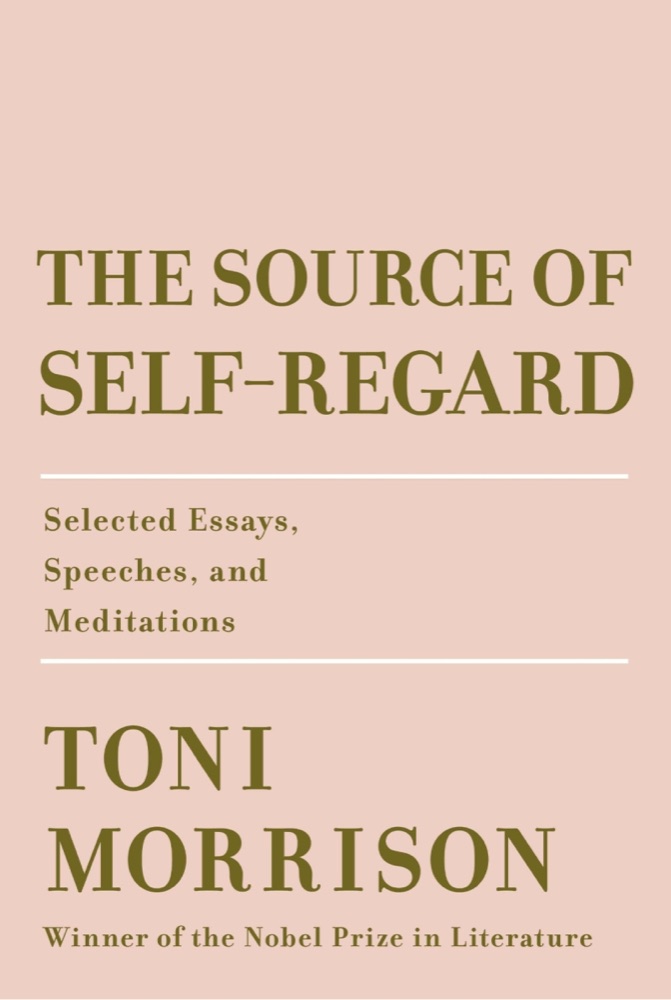 The Source of Self-Regard: Selected Essays, Speeches, and Meditations
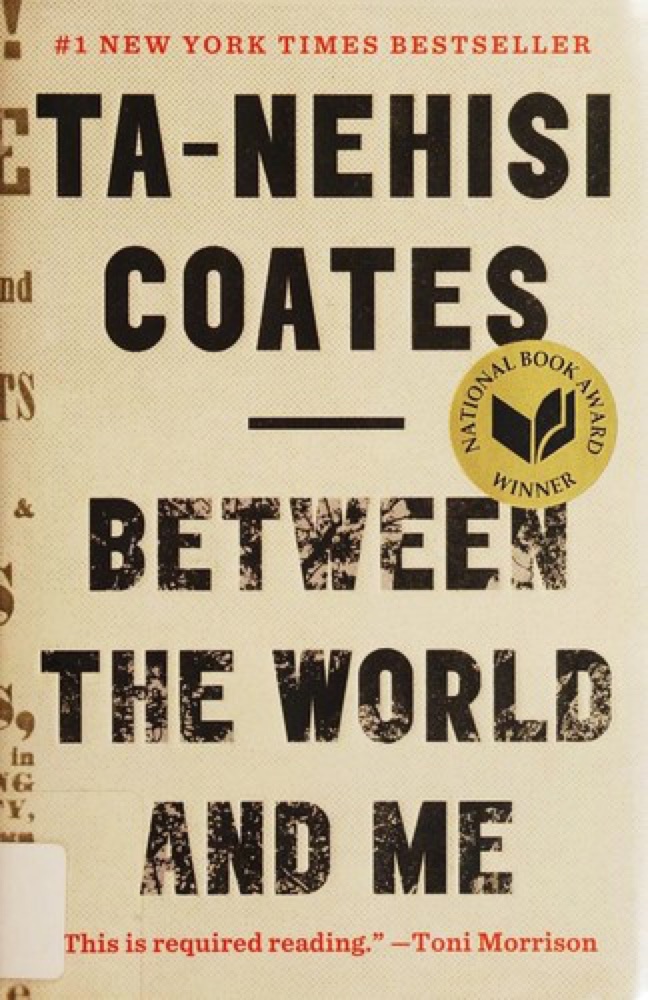 Between the World and Me
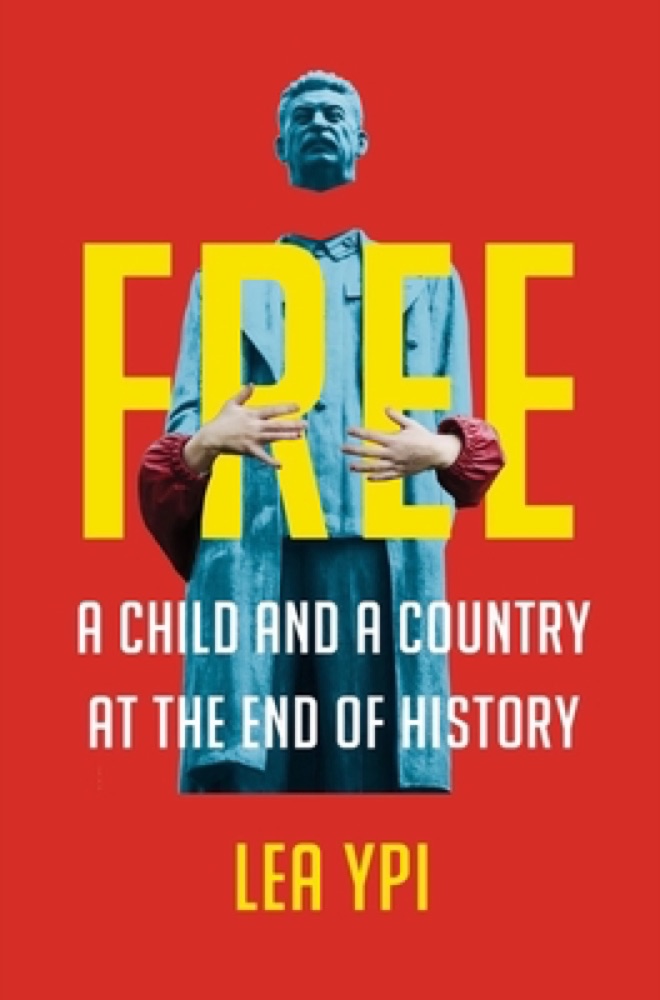 Free: A Child and a Country at the End of History
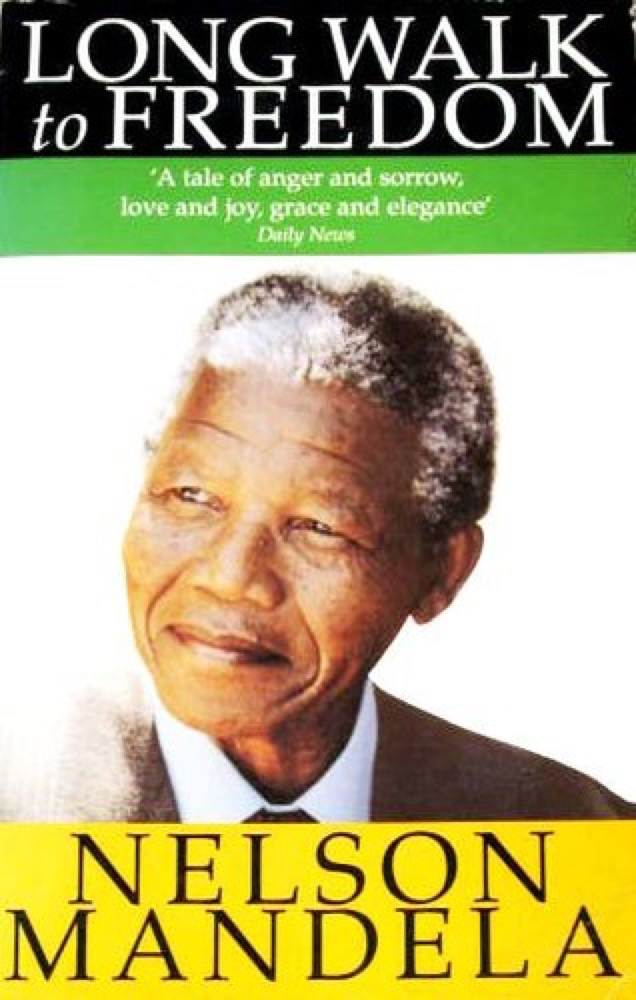 Long Walk to Freedom
 The Closing of the American Mind
 Behold a Pale Horse
 Humankind: A Hopeful History
 Resistance, Rebellion and Death: Essays
 A People's History of the United States
 The Autobiography of Martin Luther King, Jr.
 1984
1984
 The Vanishing American Adult: Our Coming-of-Age Crisis—and How to Rebuild a Culture of Self-Reliance
 Pedagogy of the Oppressed
 The Rebel: An Essay on Man in Revolt
 The Dispossessed
 The Freedom Manifesto
 Reflections on the Revolution in France
 United: Thoughts on Finding Common Ground and Advancing the Common Good
 Freedom from the Known
 Hope in the Dark: The Untold History of People Power
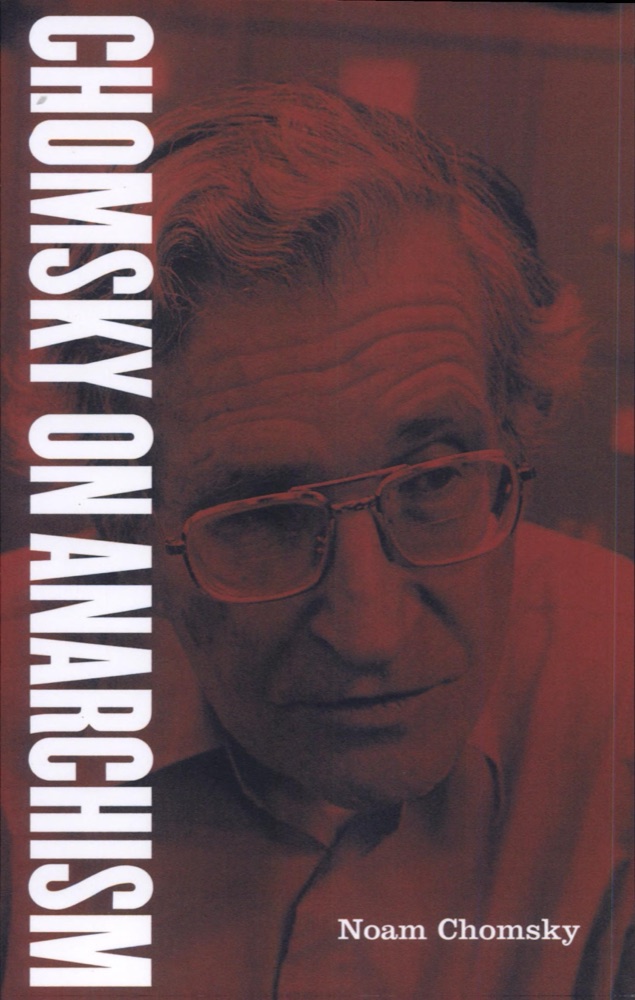 Chomsky On Anarchism
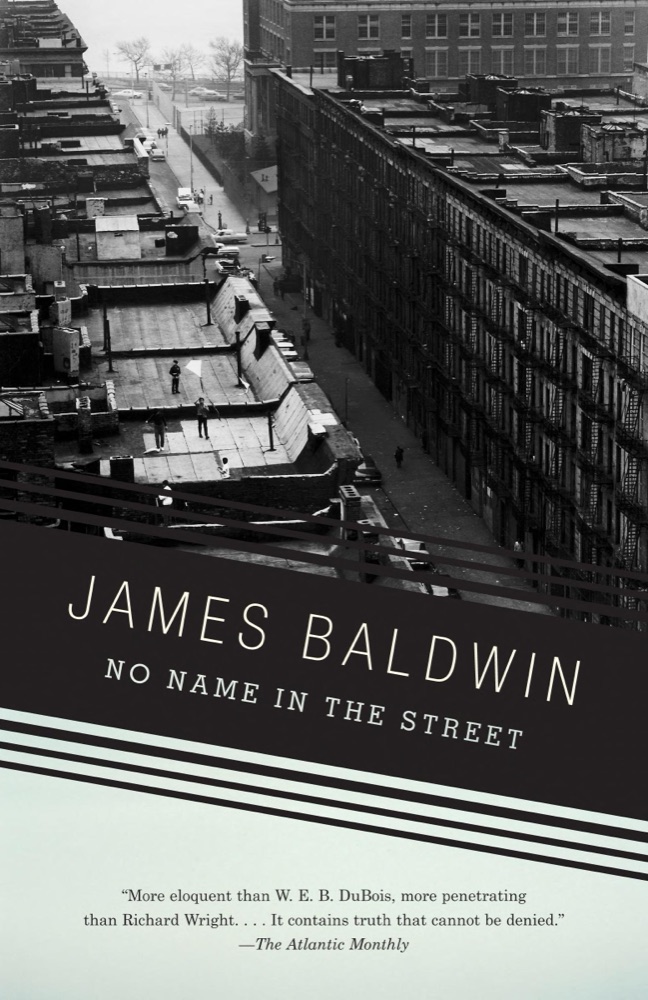 No Name in the Street
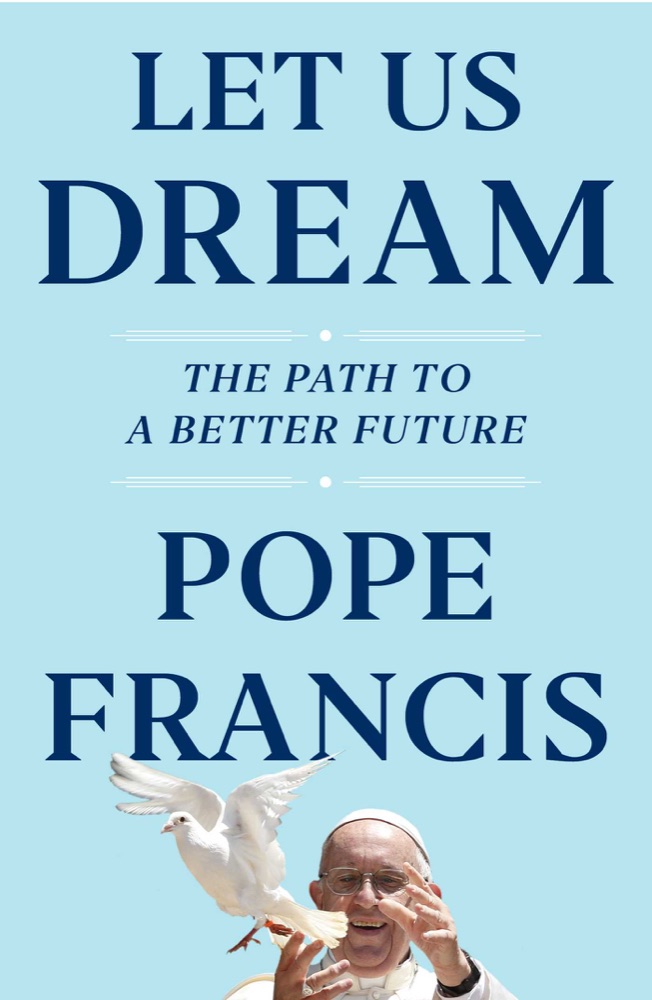 Let Us Dream: The Path to a Better Future
 Ill Fares the Land
On Tyranny: Twenty Lessons from the Twentieth Century
Ill Fares the Land
On Tyranny: Twenty Lessons from the Twentieth Century
 Children of Dune
 Green Mars
 Nobody Knows My Name
 Freedom
 The Audacity of Hope: Thoughts on Reclaiming the American Dream
 Where Do We Go from Here: Chaos or Community?
 The Ethics of Ambiguity
 Why We Can't Wait
 Freedom™
 Justice: What's the Right Thing to Do?
 At the Existentialist Café
 The Coming Insurrection
 Enlightenment Now: The Case for Reason, Science, Humanism, and Progress
 God Emperor of Dune
 Rules for Radicals: A Pragmatic Primer for Realistic Radicals
 The Discovery of India
 Everything Is F*cked: A Book About Hope
 Capitalism: The Unknown Ideal
 The American Spirit: Who We Are and What We Stand For
 The Social Contract
 One Nation: What We Can All Do to Save America's Future