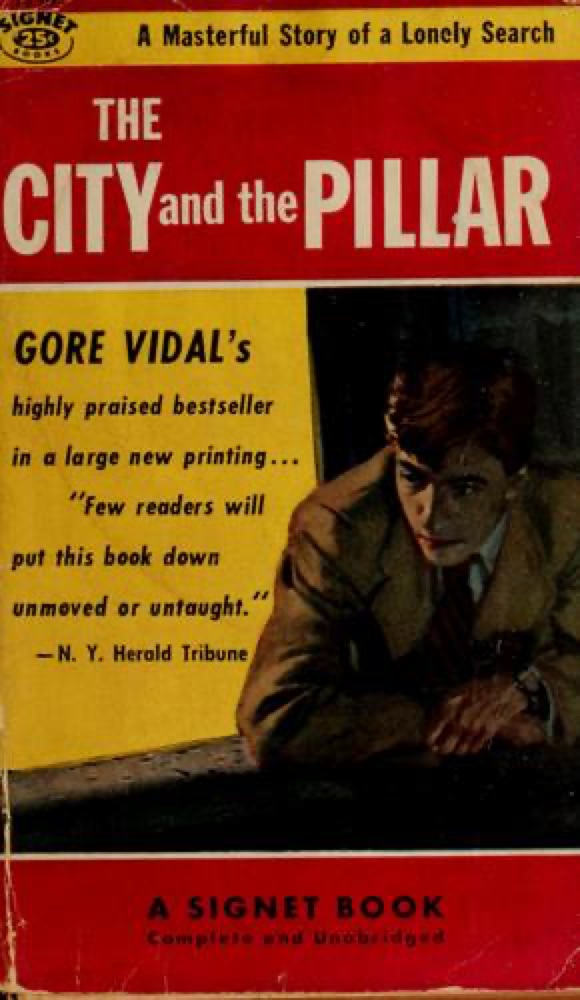
 The City and the Pillar
Quotes from the Book
Although Americans justify their self-interest in moral terms, their true interest is never itself moral.
For the average American freedom of speech is simply the freedom to repeat what everyone else is saying and no more.
Eventually all things are known. And few matter.
…the American reader cannot bear a surprise. He knows that this is the greatest country on earth…and evidence to the contrary is not admissible. That means no inconvenient facts, no new information. If you really want the reader’s attention, you must flatter him. Make his prejudices your own. Tell him things he already knows. He will love your soundness.
The public is always relieved to find that once the chief officers of state are elected they do not sincerely want change.
None of this is quite true but Leggett feels that to be excitingly right in general is better than to be dully accurate in particular. That is why he is such an effective journalist.
But then in all his words if not deeds Jefferson was so beautifully human, so eminently vague, so entirely dishonest but not in any meretricious way. Rather it was a passionate form of self-delusion that rendered Jefferson as president and as man (not to mention as writer of tangled sentences and lunatic metaphors) confusing even to his admirers. Proclaiming the unalienable rights of man for everyone (excepting slaves, Indians, women and those entirely without property), Jefferson tried to seize the Floridas by force, dreamed of a conquest of Cuba, and after his illegal purchase of Louisiana sent a military governor to rule New Orleans against the will of its inhabitants.
I am afraid that as people grow old there is a tendency for them to believe that what the past *ought* to have been it was.
It was of course Jefferson’s gift at one time or another to put with eloquence the “right” answer to every moral question. In practice, however, he seldom deviated from an opportunistic course, calculated to bring him power.
...Leggett feels that to be excitingly right in general is better than to be dully accurate in particular. That is why he is such an effective journalist.
Now-a-days lower Broadway is blocked with traffic at this hour and everyone walks; even the decrepit John Jacob Astor can be seen crawling along the street like some ancient snail, his viscous track the allure of money. Instead
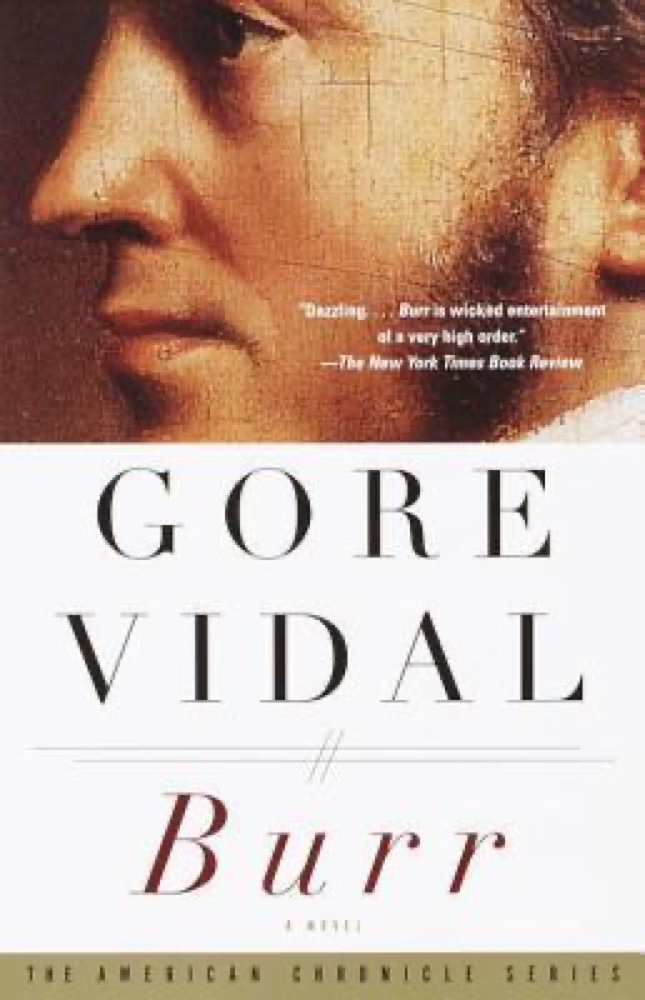
AFTER HAMILTON’S DEATH, I remained at Richmond Hill for ten days. I confess that I was not prepared for the response to our interview. Apparently no one had ever fought a duel in the whole history of the United States until Aaron Burr invented this diabolic game in order to murder the greatest American that ever lived (after George Washington, of course). Over night the arrogant, mob-detesting Hamilton was metamorphosed into a Christ-like figure with me as the Judas—no, the Caiaphas who so villainously despatched the godhead to its heavenly father (George Washington again) at Weehawk, our new Jerusalem’s most unlikely Golgotha. I
Contrary to accepted legend, the Philadelphians did not at all mind the presence of the British army in their city; in fact, many of them hoped that Washington would soon be caught and hanged, putting an end to those disruptions and discomforts which had been set in motion by the ambitions of a number of greedy and vain lawyers shrewdly able to use as cover for their private designs Jefferson’s high-minded platitudes and cloudy political theorizings. Shortly
We do not want to old to be sharper than we. It is bad enough that they were there first, and got the best things.
of all this world’s creatures, the author is the vainest,
I confess to not having listened to a word of the Declaration of Independence. At the time I barely knew the name of the author of this sublime document. I do remember hearing someone comment that since Mr. Jefferson had seen fit to pledge so eloquently our lives to the cause of independence, he might at least join us in the army. But wise Tom preferred the safety of Virginia and the excitement of local politics to the discomforts and dangers of war.
breathed breakfast Madeira in my face. “Charlot, he has robbed me!” I looked at her blankly; not breathing until she removed her face from mine, and sank back onto the velvet cushions. “I have married a thief!” Madame clutched her reticule to her bosom as though I had designs on one or the other, and in a torrent of Frenchified English told me how she had owned stock in a toll-bridge near Hartford. During the first raptures of their honeymoon in the house of Governor Edwards, the Colonel persuaded her to sell the stock. So trusting, so loving, so secure in her new place as the bride of a former vice-president, Madame
In passing, I continually marvel at how different today’s lawyers and politicians are from us of the first generation. We did not possess a single orator to compare with the present crop. Jefferson and Madison were inaudible. Monroe was dull. Hamilton rambled and I was far too dry (and brief) for the popular taste. Fisher Ames was the nearest thing we had to an orator (I never heard Patrick Henry). Today, however, practically every public man is now a marvellous orator—no, actor! capable of shouting down a tempest, causing tears to flow, laughter to rise. I cannot fathom the reason for this change unless it be the influence of a generation of evangelical ministers (Clay always makes me think of a preacher a-wash in the Blood of the Lamb who, even as he calls his flock to repent, is planning to seduce the lady in the back pew); and of course today’s politician must deal with a much larger electorate than ours. We had only to enchant a caucus in a conversational tone while they must thrill the multitude with brass and cymbal.
The next week both small pox and the bloody flux began to go through the camp. General Washington maintained that the flux came from drinking new cider. But the cider-drinking continued, and so for that matter did the flux, which is a terrible death, the bowels emptying out one’s life in bloody spasms. I
We are in danger of government by professional office-holders …
Watch on YouTube
About Gore Vidal
We have collected 62 quotes from 5 books by Gore Vidal on BookQuoters.
More about the author →
Book details
- Author
- Gore Vidal
- Genre
- Fiction
- Goodreads rating
- 4.09 (11k ratings) →
Keep reading
 Truman
 It Can't Happen Here
 The Proud Tower: A Portrait of the World Before the War, 1890-1914
 John Adams
 Founding Brothers: The Revolutionary Generation
 Arguably: Selected Essays
 Mason & Dixon
 The Invisible Bridge: The Fall of Nixon and the Rise of Reagan
 Radio Free Albemuth
 Babbitt
 A Connecticut Yankee in King Arthur's Court
 Destiny of the Republic: A Tale of Madness, Medicine and the Murder of a President
 American Colossus: The Triumph of Capitalism, 1865-1900
 The Secret Agent
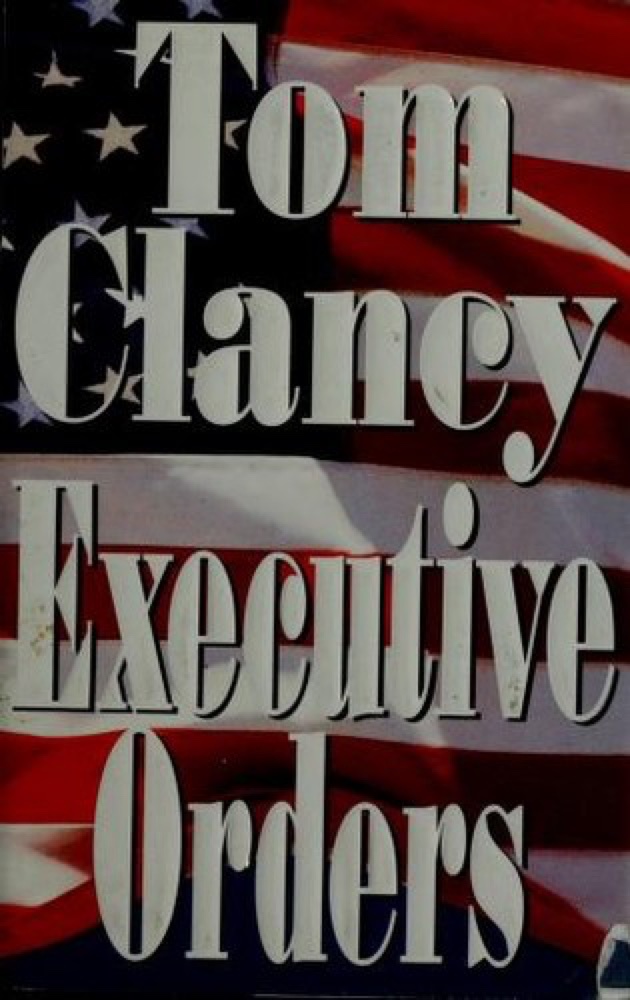 Executive Orders
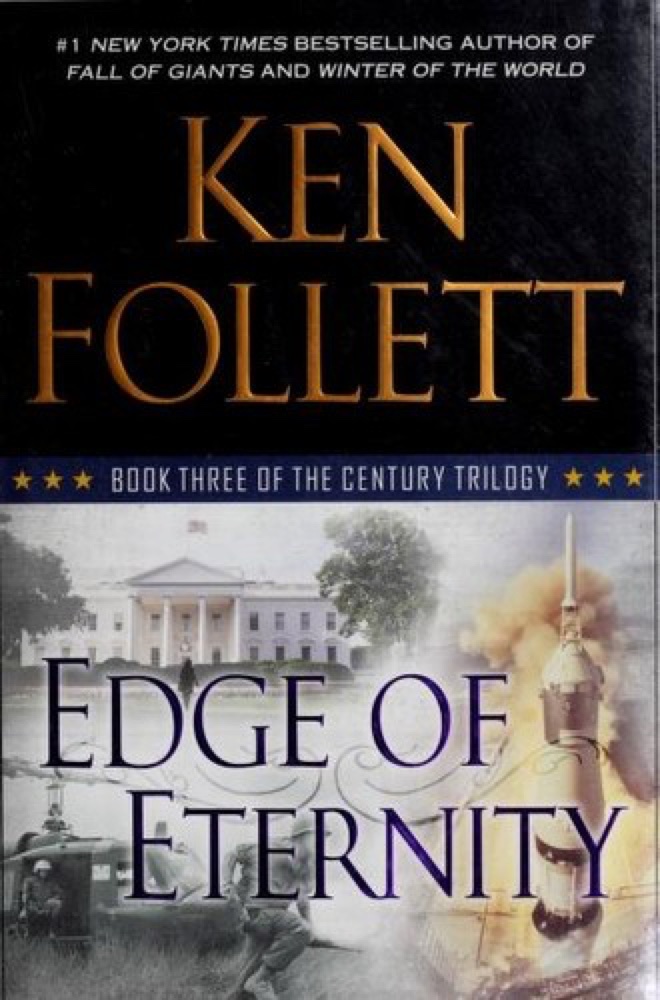 Edge of Eternity
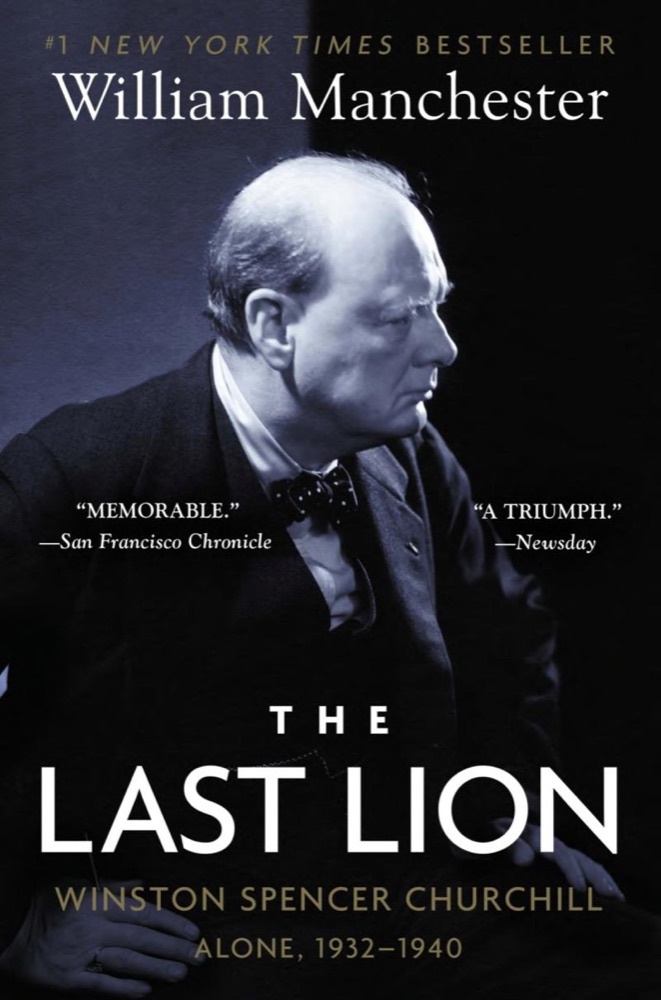 The Last Lion: Winston Spencer Churchill: Alone, 1932-40
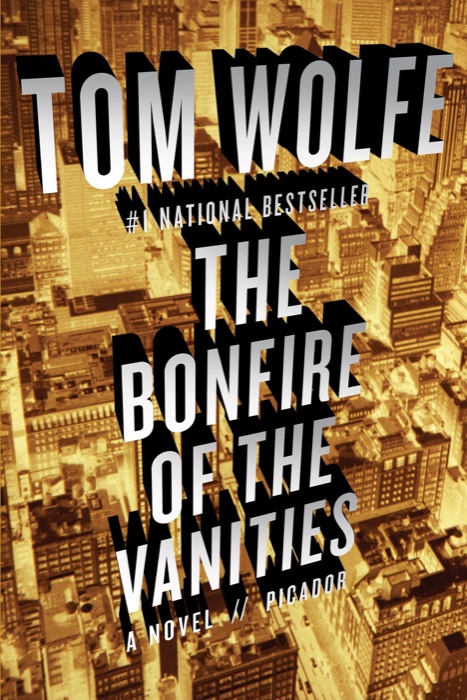 The Bonfire of the Vanities
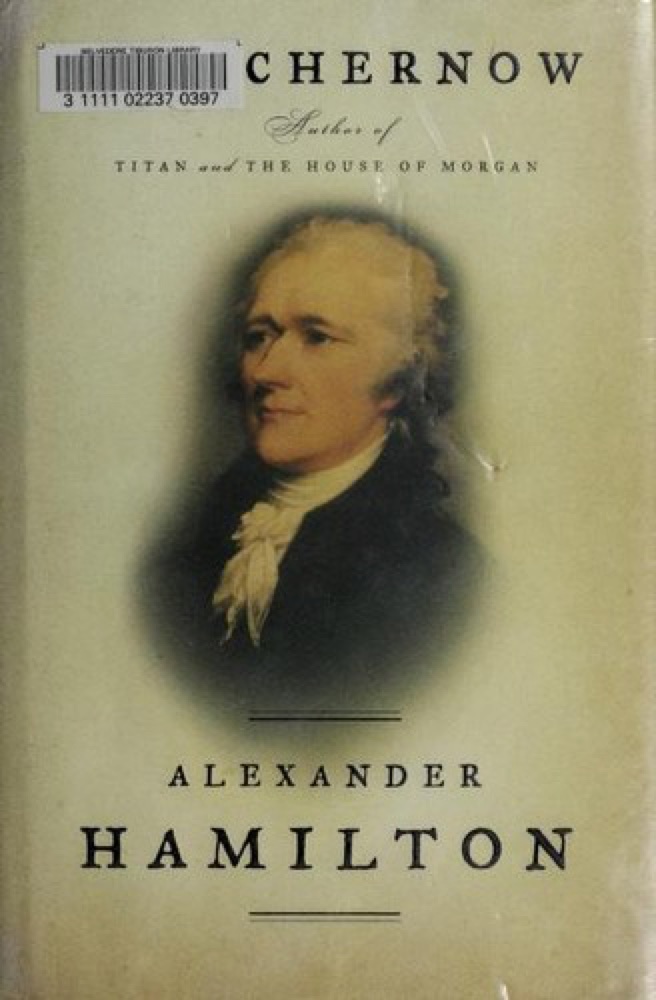 Alexander Hamilton
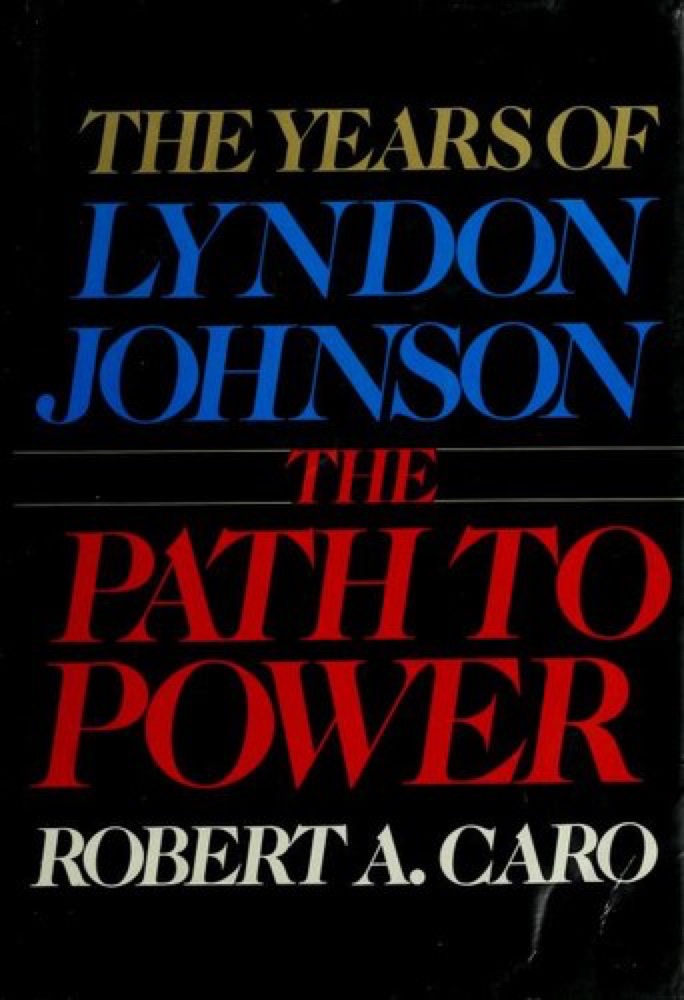 The Path to Power
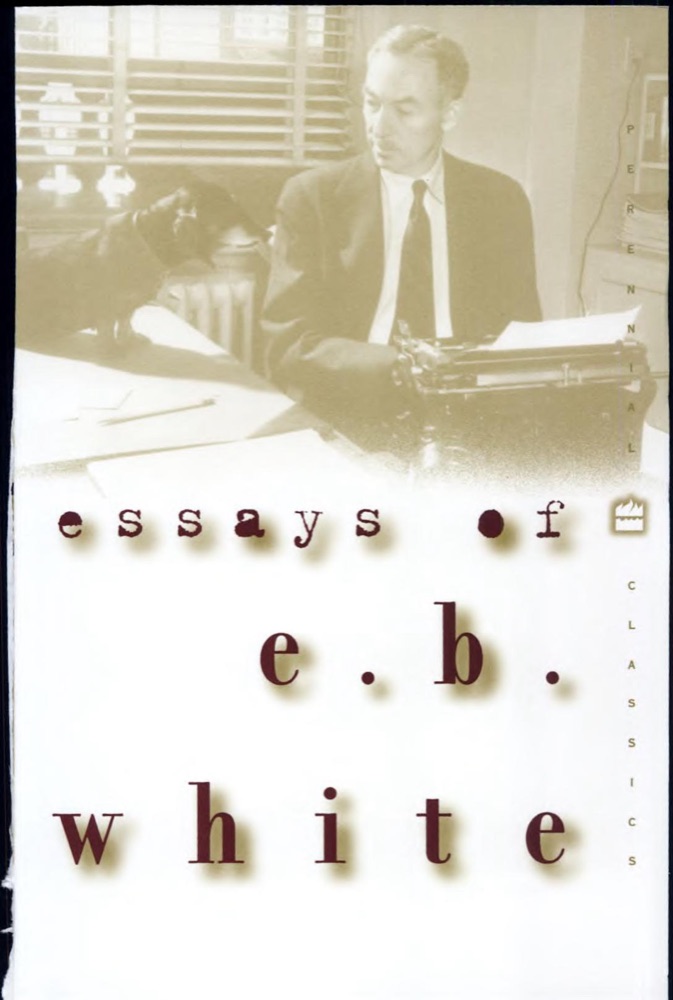 Essays of E.B. White
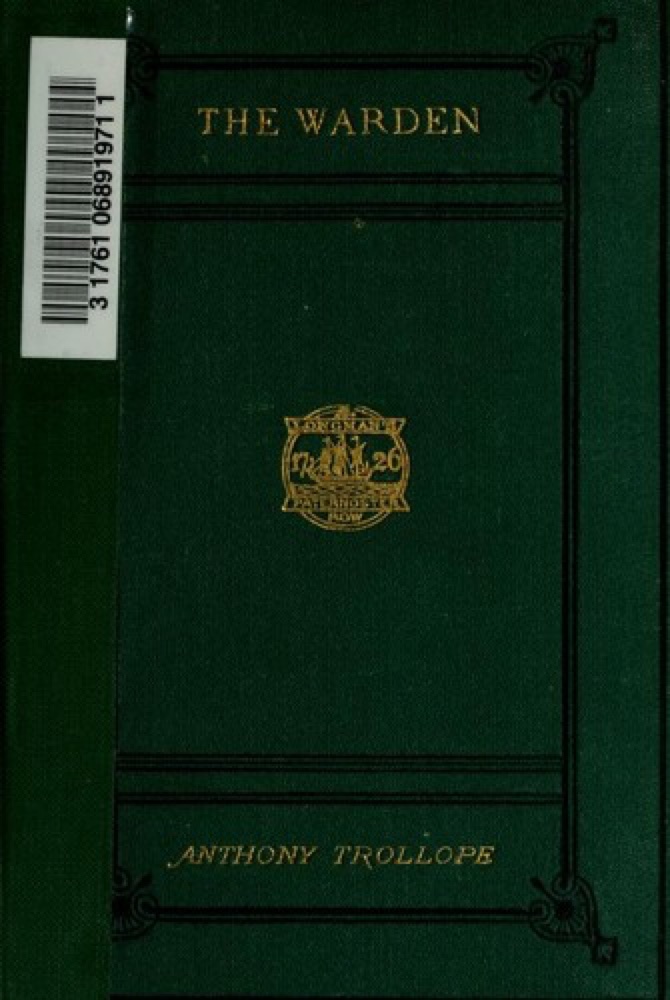 The Warden
 Fall of Giants
 Reflections on the Revolution in France
 These Truths: A History of the United States
 Scoop
Scoop
 The Daughter of Time
 Assassination Vacation
 Hocus Pocus
 The Partly Cloudy Patriot
 The Mandibles: A Family, 2029–2047
 Bluebeard
 State of Fear
 An Instance of the Fingerpost
 Murder in the Mews
 New York
 The Rise of Theodore Roosevelt
 The Virginian
 The Best and the Brightest
 Too Like the Lightning
 The Accursed
 Foundation and Empire
 The Fall of Babel
 Wampeters, Foma and Granfalloons
 The Truth: Stage Adaptation
 The Honourable Schoolboy
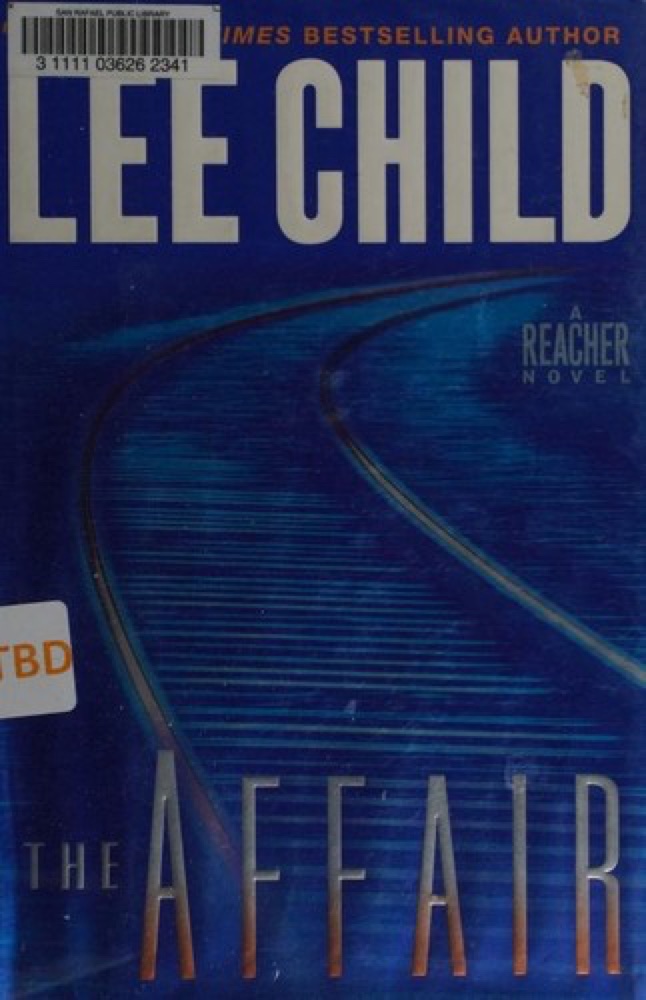 The Affair
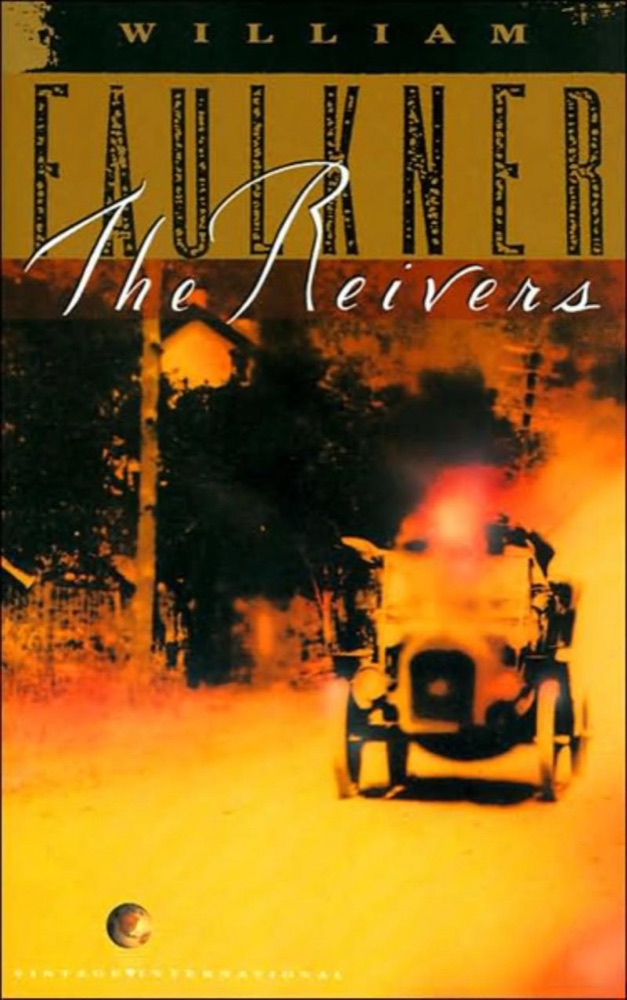 The Reivers
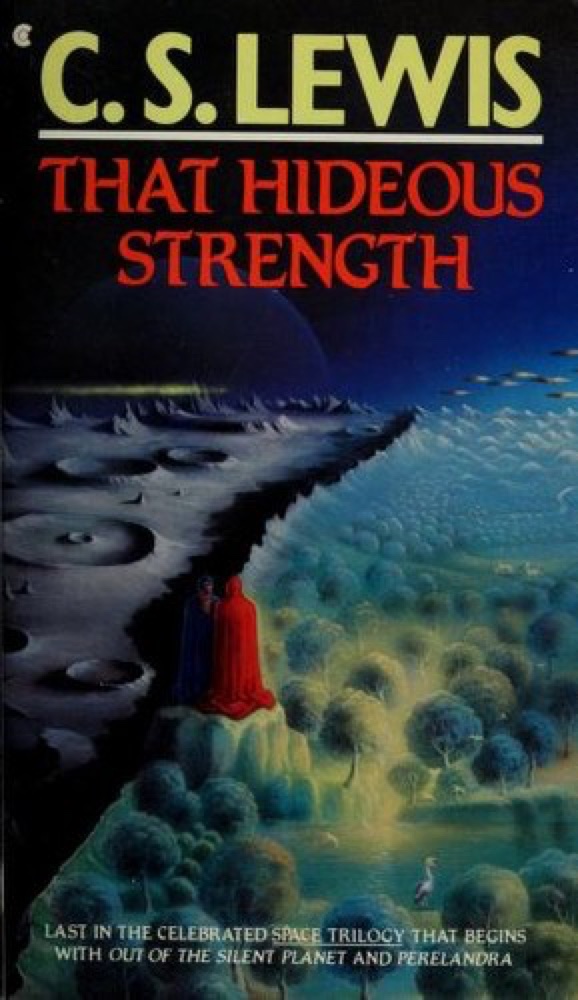 That Hideous Strength
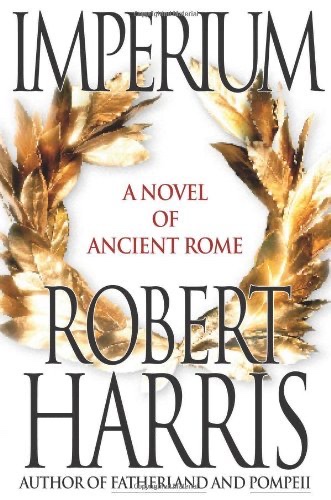 Imperium: A Novel of Ancient Rome
 Hawaii
 The Autobiography of Benjamin Franklin
 The Expedition of Humphry Clinker
 The Alienist
 Behold a Pale Horse
 Civil Disobedience
 Quicksilver
 Bleak House
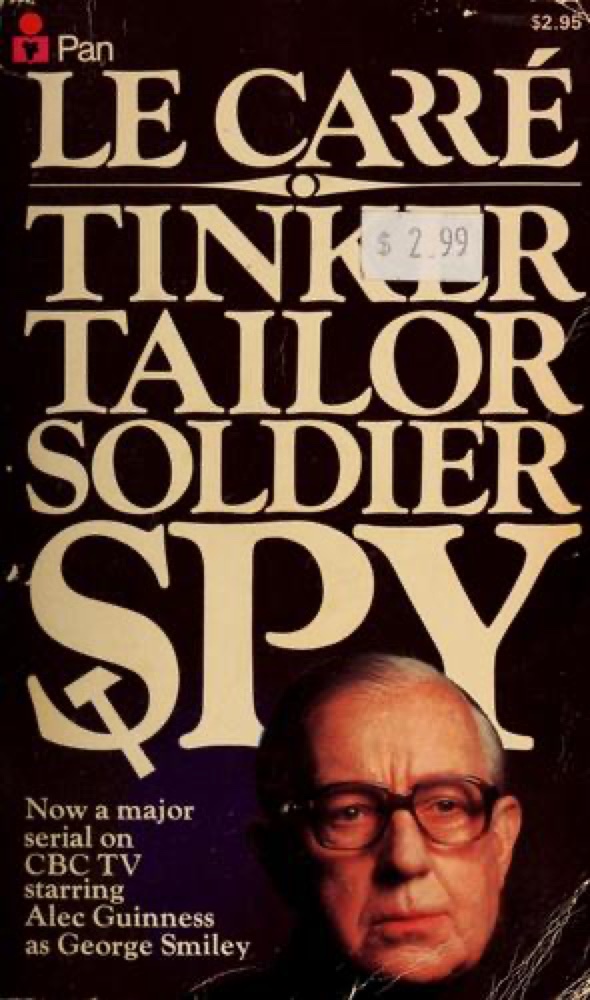 Tinker Tailor Soldier Spy