 Same as Ever: A Guide to What Never Changes
Quotes from the Book
Another successful entertainer, Jimmy Carr, says, “Everyone is jealous of what you’ve got, no one is jealous of how you got it.
5
Spend less than you make. Quietly compound. Money serves you, not the other way around. No one is thinking about you as much as you are. Independence is wealth. Health is wealth. Aim to be a good ancestor. Love your family.
2
I don’t think these two points contradict each other. Remember, the opposite of a good idea can also be a good idea. They are equally important.
2
There’s this idea in relationships that you can’t be happy with a partner if you can’t be happy without them. It’s the same for spending money.
2
Recall the fascinating finding from behavioral finance that having more money is more likely to make you happy if you were already happy before you had more money.
2
All behaviors make sense with enough information
1
We view nice stuff as the ticket to what we actually desire: attention.
1
software engineer Billy Markus says, “People are not rational. They are rationalizing. Once you understand this simple fact, all the oddest human behavior will suddenly make way more sense.
1
Good memories are the closest thing to living for today while compounding for tomorrow. The anonymous Twitter account FedSpeak once wrote
1
We value the attention money brings us more than we value the comfort and convenience of stuff that money can buy.
1
Money is less about numbers and more about stories - stories we tell ourselves about what matters, what makes us happy and how we measure success. Understanding our emotions, our biases, hopes and fears, can guide us toward smarter choices. Choices that reflect who we are, what we value and how we want to live. Desiring less can have the same impact on your well-being as gaining more money. But it's not only more in your control; it's a game you can actually win, leading to durable contentment instead of fleeting happiness. If you already have some of the core ingredients for happiness, spending money can be like leverage for a good life. The people I admire most have a way of escaping the bubble of culture. Sometimes via religion, sometimes via time in nature, sometimes via old books. Without such an escape, propaganda wins. You stop thinking for yourself. Modern delusions grow into an all-consuming mind virus. Envy is inversely correlated with self-examination. The less you know yourself, the more you look to others to get an idea of your worth. But the more you delve into who you are, the less you seek from others and the dissolution of envy begins. Money you haven't spent buys something intangible but valuable: freedom, independence and being able to spend time in your own way. Every dollar of savings buys a claim check on the future. And every dollar of debt you hold is a piece of your future that someone else controls. I think bragging is the inverse of how satisfied you are with your life. What do you do when your real life exceeds your dreams? Keep it to yourself. The more you want people's attention and the more you try to focus that attention on how smart, rich and successful you are, the highest the odds that you're trying to fill some sort of emotional hole. The more your identity becomes attached to your physical possessions, the more other people's thoughts about you influence your spending decisions and the more eager you are to constantly wow those people with something newer, bigger, better and more expensive. The more susceptible you are to advertising, the less satisfied you are with your own life. You're desperate for someone to tell you what you should like because you haven't yet figured it out for yourself.
1
No amount of money can compensate for a lack of character, honesty, and genuine empathy toward others.
1
Desire is a hidden form of debt that must be repaid before you get to feel any happiness.
1
Money is like gasoline during a road trip,” says author Tim O’Reilly. “You don’t want to run out of gas on your trip, but you’re not doing a tour of gas stations.
1
Maybe You Already Have Enough One of the most powerful money tales is the parable of the Mexican fisherman. An American businessman visits Mexico and meets a local fisherman. The American is shocked to learn the fisherman only works a few hours a day. “What do you do with the rest of your time?” the American asks. “I sleep late, hang out with my family, read, take naps, and play guitar with my friends,” the fisherman says. “You’re doing this all wrong. I have an idea,” says the American. “You should work all day. Borrow money and buy another boat. Hire more fishermen to work for you. You could make so much money you’ll be retired in ten years.” “What would I do in retirement?” the fisherman asks. “You could sleep late, hang out with your family, read, take naps, and play guitar with your friends,” says the American.
1
Every few years there’s a story of a country bumpkin who has no education and a low-wage job but manages to save and compound tens of millions of dollars.
1
Here’s how I put it in a letter to my kids: This may sound harsh
Author Ramit Sethi has advice that I love: You should spend extravagantly on the things you love as long as you mercilessly cut the things you don’t. His specific example: He loves clothes
Visa founder Dee Hock had a great saying: “A belief is not dangerous until it turns absolute.
So be careful who you seek advice from
Inherited wealth is a real handicap to happiness. It is as a death to ambition as cocaine is to morality.
A simple life can be the most potent way to enjoy luxury items.
The gap between struggle and reward is a big part of what makes people happy.
A good life is everything you need and some of what you want.
Most of what makes you happy in life has nothing to do with money
The key is realizing that happiness is the state when nothing is missing
Warren Buffett—one of the richest men in history
When you get to my age
Watch on YouTube
About Morgan Housel
More by Morgan Housel
Same as Ever: A Guide to What Never Changes
About the book
From the bestselling author of The Psychology of Money and Same as Ever, lessons on harnessing the power of money to live a happier lifeCan money buy happiness? Yes. Can spending it make you happier? Absolutely. Yet, many of us struggle to unlock its full potential—either by spending on things that don't bring as much joy as they should or by avoiding investments that would truly enhance our mental well-being.In The Art of Spending Money, award-winning author Morgan Housel offers a refreshingly practical approach to managing wealth while finding deeper meaning and contentment. Instead of cookie-cutter financial advice, Housel provides you with psychological tools to navigate your personal relationship between money and optimizing for happiness. Discover why people often mistake envy for admiration, how to align your expectations with your income, and ways to invest in future happiness wh
Book details
- First published
- 2025
- Author
- Morgan Housel
- Genre
- Nonfiction
- Goodreads rating
- 4.12 (22k ratings)
Keep reading
 The Algebra of Wealth: A Simple Formula for Financial Security
 Secrets of Jewish Wealth Revealed!
 You Are a Badass at Making Money: Master the Mindset of Wealth
 The Financial Diet
 The Total Money Makeover: A Proven Plan for Financial Fitness
 The Millionaire Fastlane: Crack the Code to Wealth and Live Rich for a Lifetime!
 The Happiness Equation: Want Nothing + Do Anything = Have Everything
 Smart Women Finish Rich: 9 Steps to Achieving Financial Security and Funding Your Dreams
 Secrets of the Millionaire Mind: Mastering the Inner Game of Wealth
 The Algebra of Happiness: Notes on the Pursuit of Success, Love, and Meaning
 Rich Dad Poor Dad
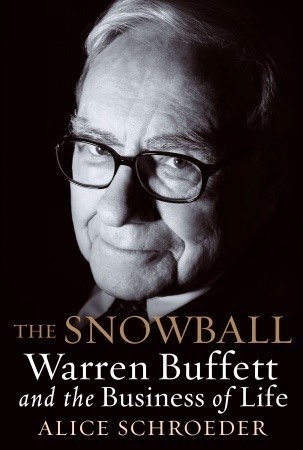 The Snowball: Warren Buffett and the Business of Life
Same as Ever: A Guide to What Never Changes
The Snowball: Warren Buffett and the Business of Life
Same as Ever: A Guide to What Never Changes
 The Book on Rental Property Investing: How to Create Wealth With Intelligent Buy and Hold Real Estate Investing
 7 Strategies for Wealth & Happiness: Power Ideas from America's Foremost Business Philosopher
 How Adam Smith Can Change Your Life: An Unexpected Guide to Human Nature and Happiness
 Financial Feminist: Overcome the Patriarchy's Bullsh*t to Master Your Money and Build a Life You Love
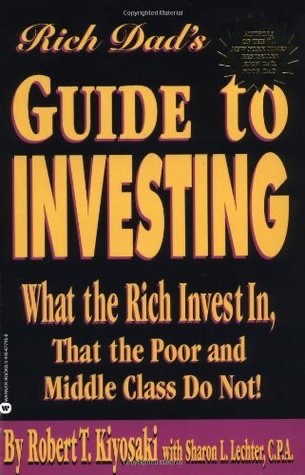 Rich Dad's Guide to Investing: What the Rich Invest in That the Poor and Middle Class Do Not!
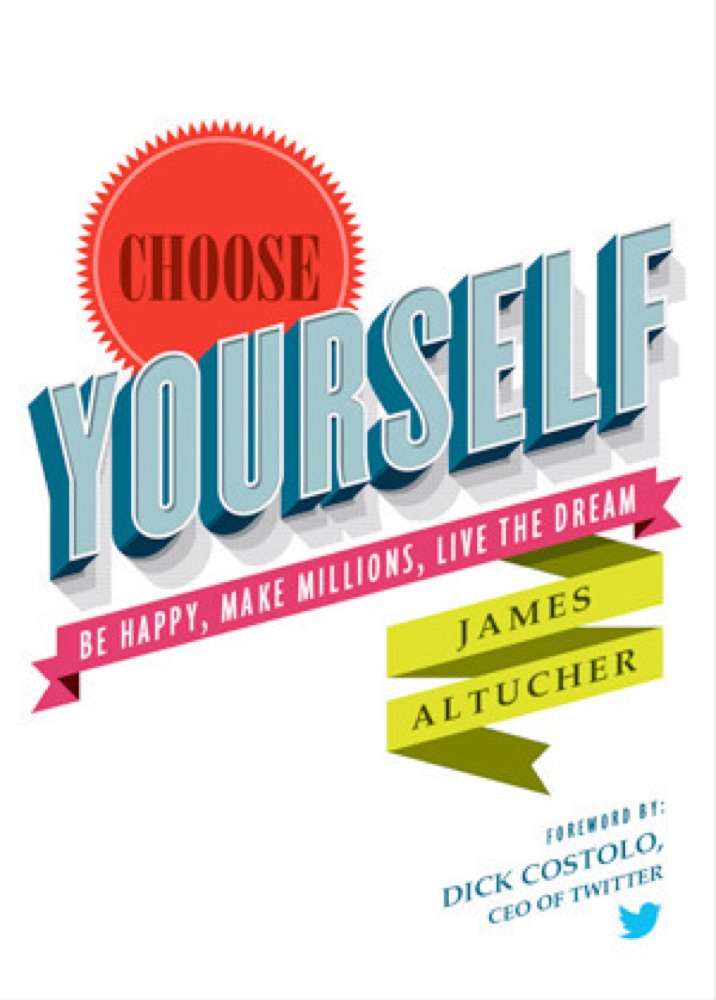 Choose Yourself: Be Happy, Make Millions, Live the Dream
 Delivering Happiness: A Path to Profits, Passion, and Purpose
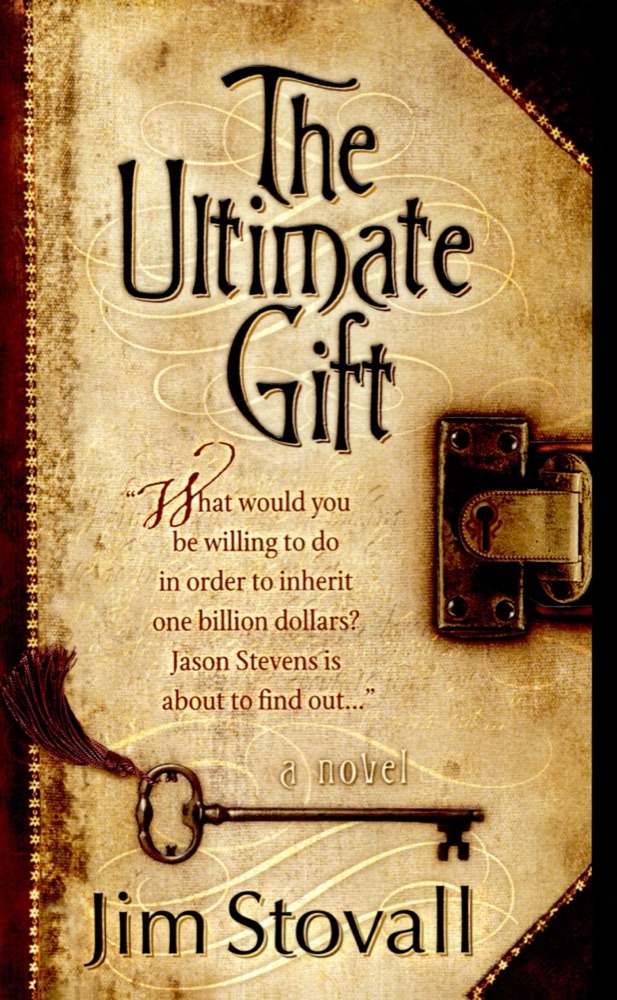 The Ultimate Gift
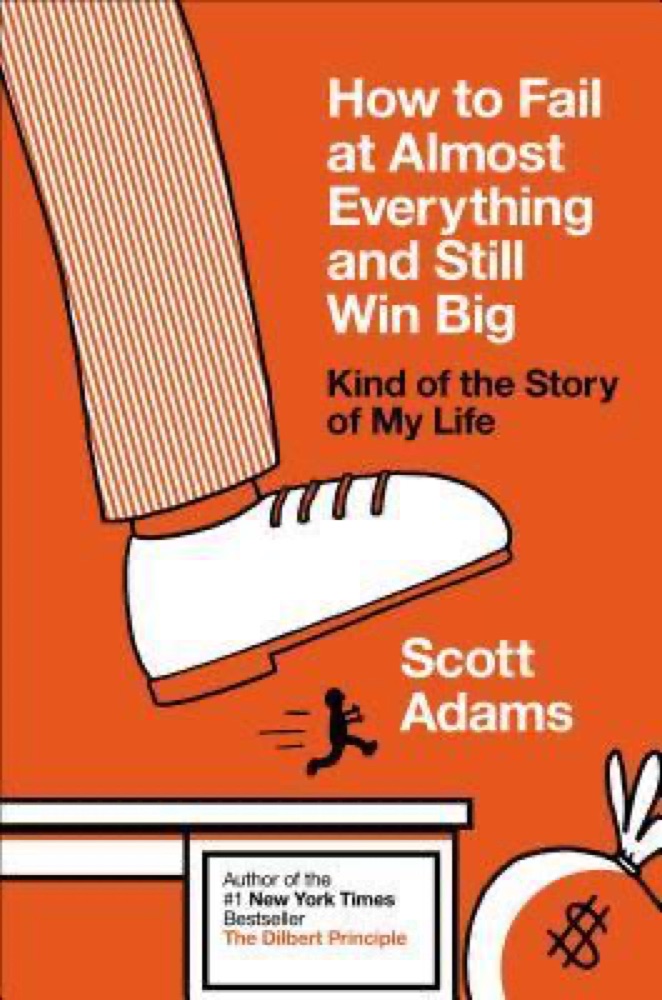 How to Fail at Almost Everything and Still Win Big: Kind of the Story of My Life
 Tools of Titans: The Tactics, Routines, and Habits of Billionaires, Icons, and World-Class Performers
 Rich AF: The Winning Money Mindset That Will Change Your Life
 Barking Up the Wrong Tree: The Surprising Science Behind Why Everything You Know About Success Is (Mostly) Wrong
 The Happiness Hypothesis: Finding Modern Truth in Ancient Wisdom
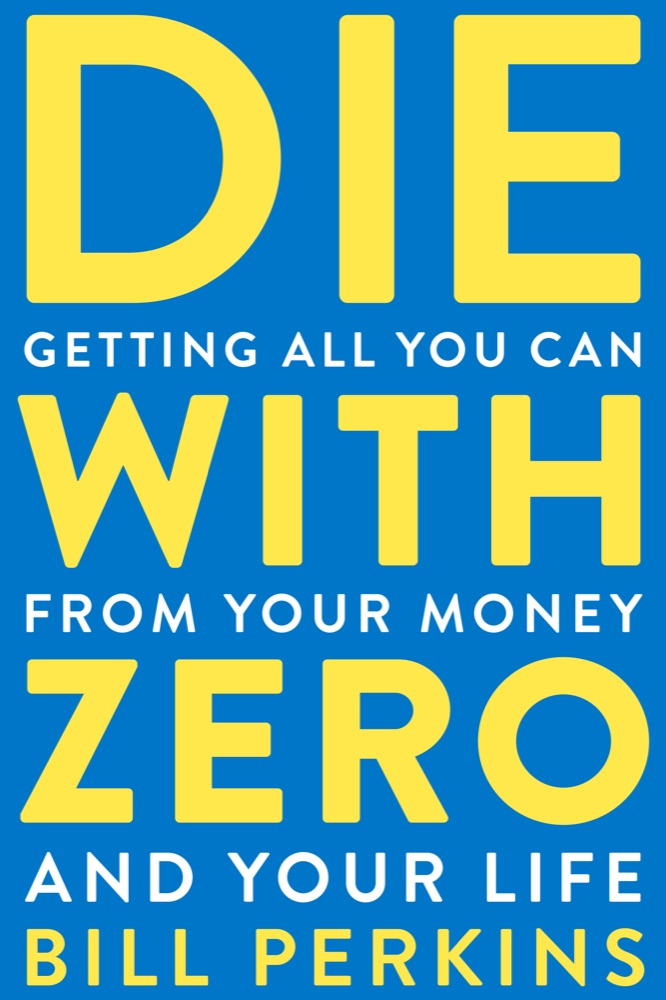 Die with Zero: Getting All You Can from Your Money and Your Life
 Predictably Irrational: The Hidden Forces That Shape Our Decisions
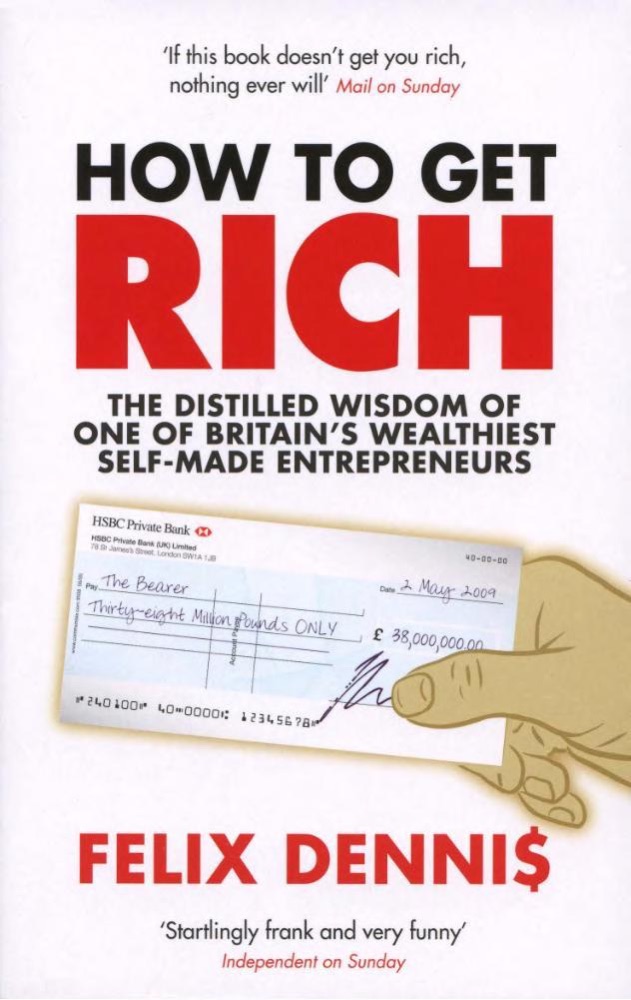 How To Get Rich
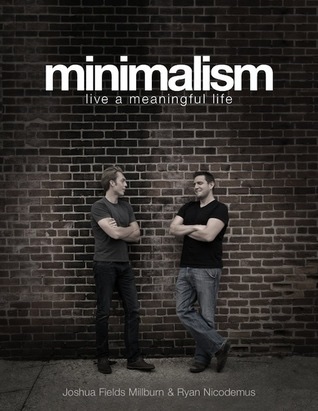 Minimalism: Live a Meaningful Life
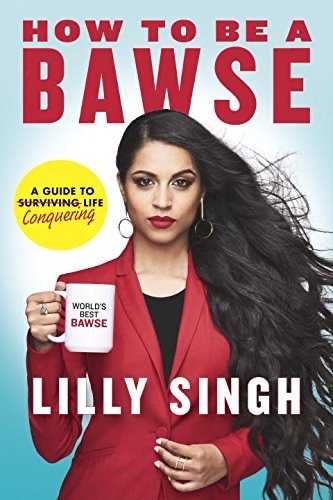 How to Be a Bawse: A Guide to Conquering Life
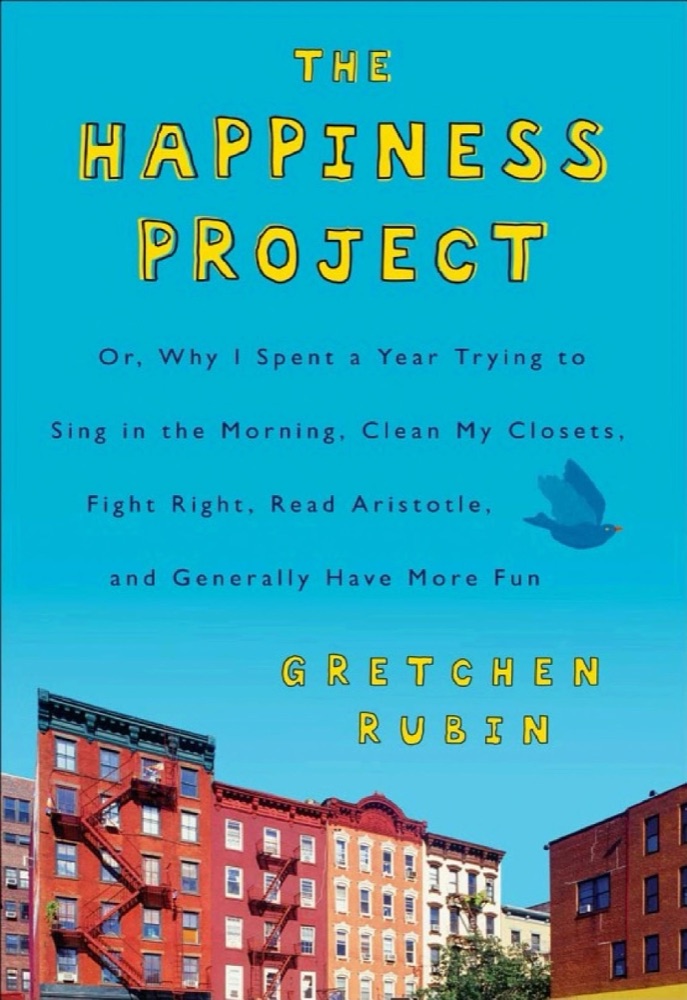 The Happiness Project
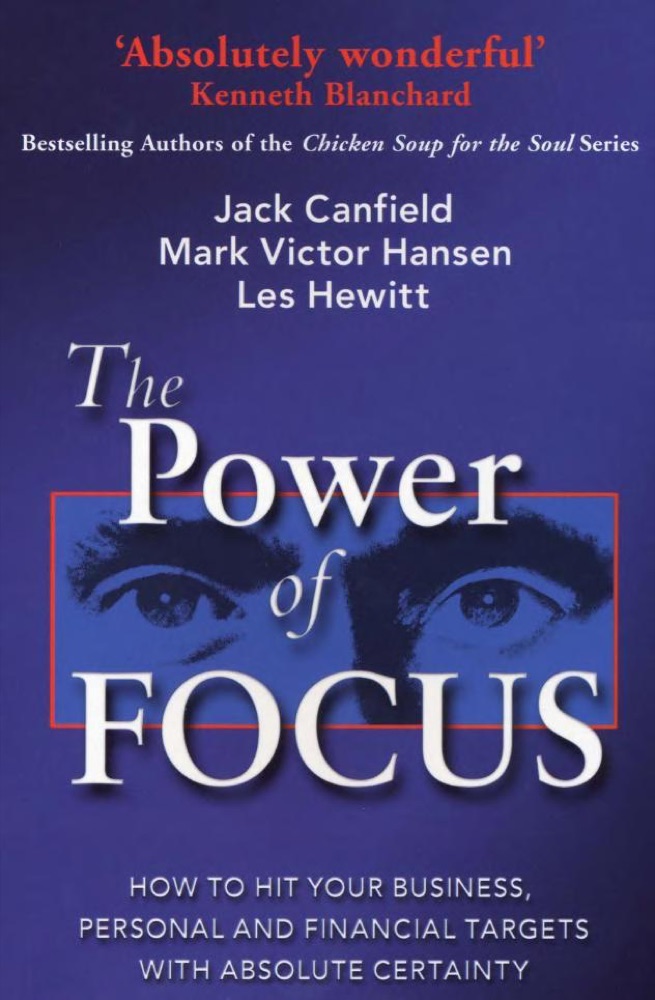 The Power of Focus
 I Survived Capitalism and All I Got Was This Lousy T-Shirt: Everything I Wish I Never Had to Learn About Money
 The Millionaire Next Door: The Surprising Secrets of America's Wealthy
 The Last Lecture
 Millionaire Success Habits: The Gateway To Wealth & Prosperity
 Do Epic Shit
 Think and Grow Rich
 Principles: Life and Work
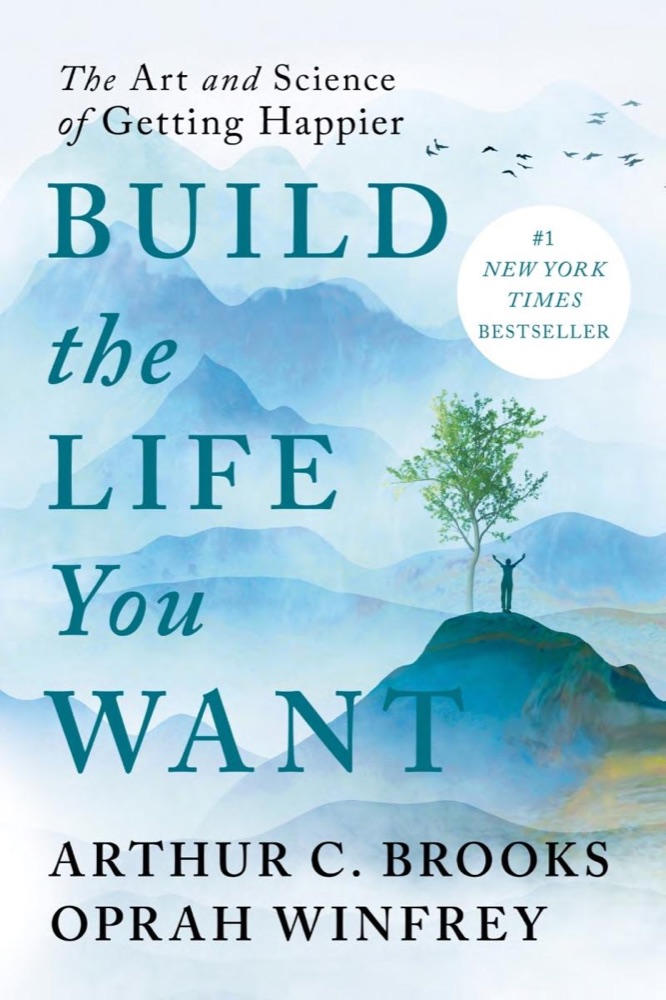 Build the Life You Want: The Art and Science of Getting Happier
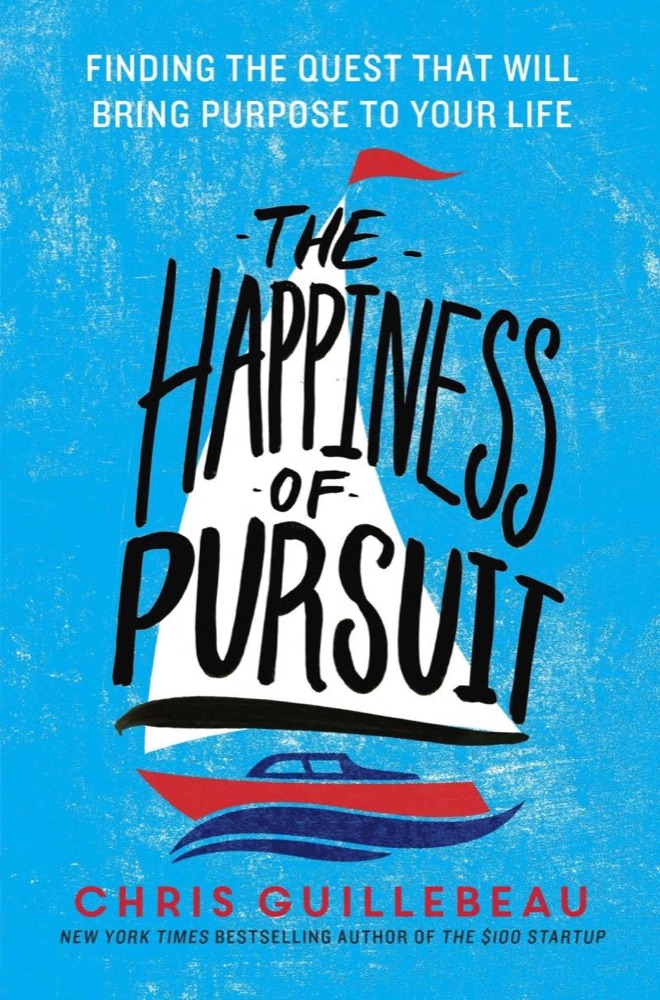 The Happiness of Pursuit: Finding the Quest That Will Bring Purpose to Your Life
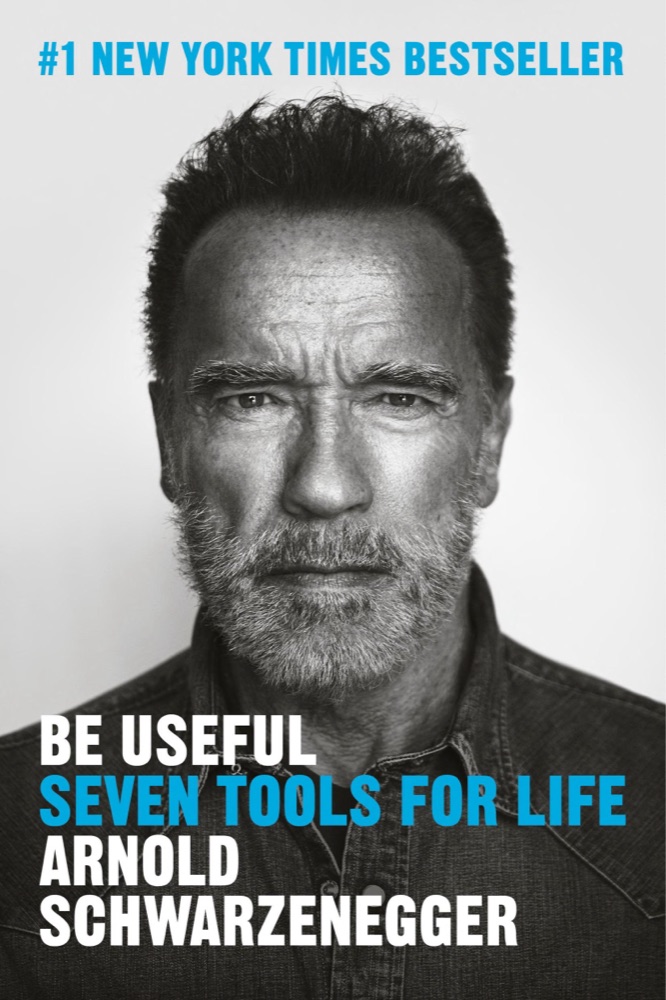 Be Useful: Seven Tools for Life
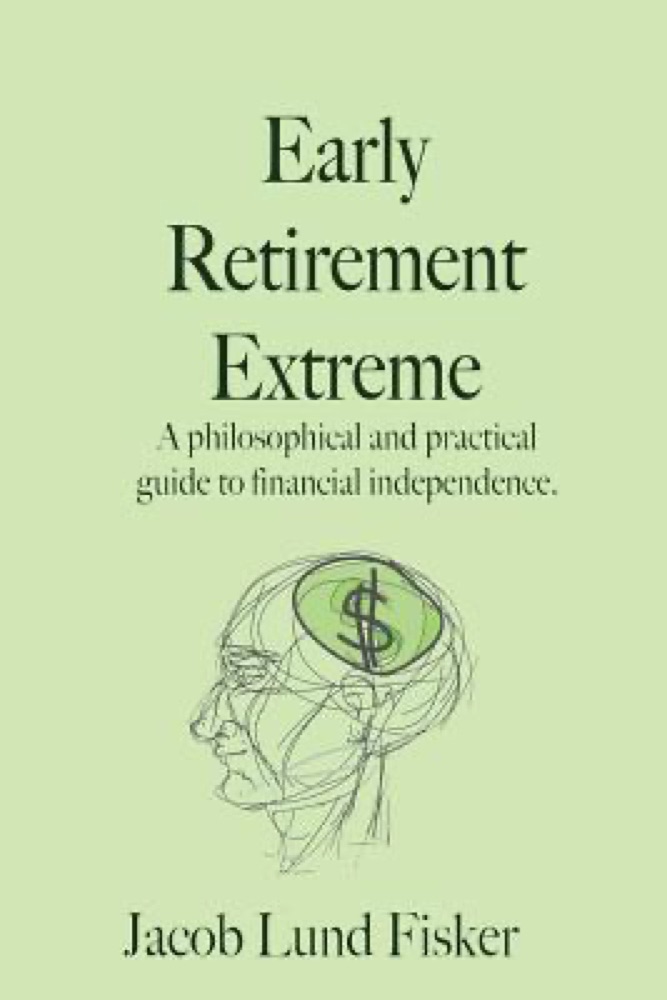 Early Retirement Extreme: A Philosophical and Practical Guide to Financial Independence
 Tribe Of Mentors: Transformative Wisdom From Icons and Innovators to Help You Navigate Life's Challenges
 Stuffocation: Living More with Less
 EntreLeadership: 20 Years of Practical Business Wisdom from the Trenches
 Happier at Home: Kiss More, Jump More, Abandon a Project, Read Samuel Johnson, and My Other Experiments in the Practice of Everyday Life
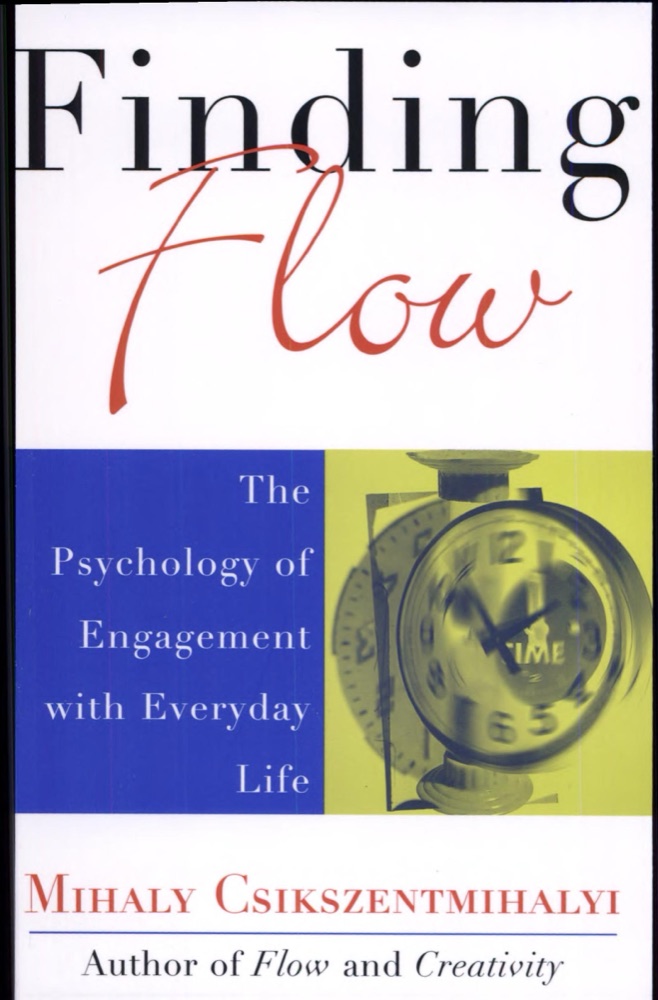 Finding Flow: The Psychology of Engagement with Everyday Life
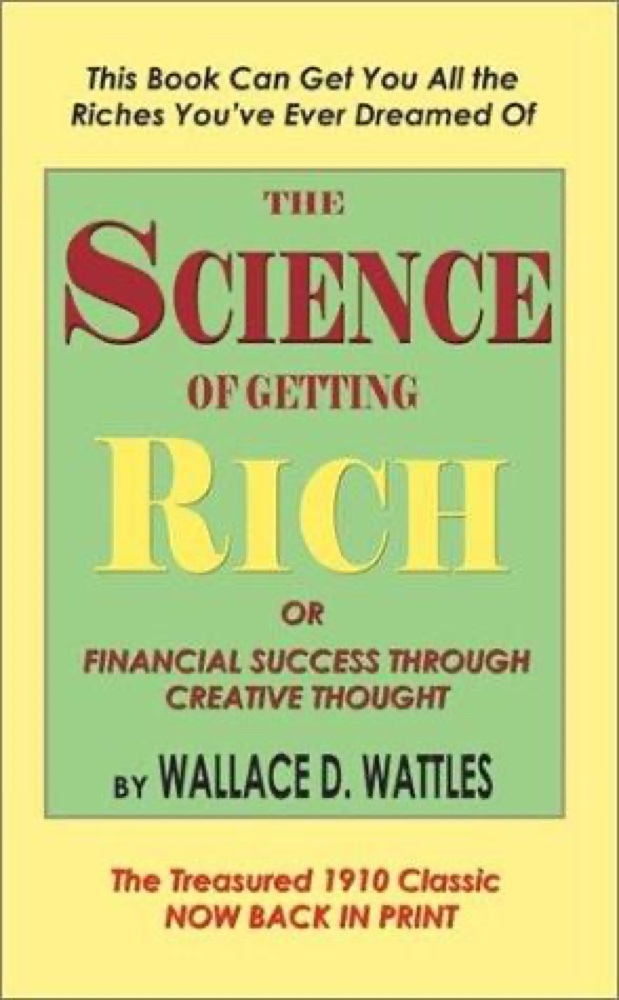 The Science of Getting Rich
 Will
Will
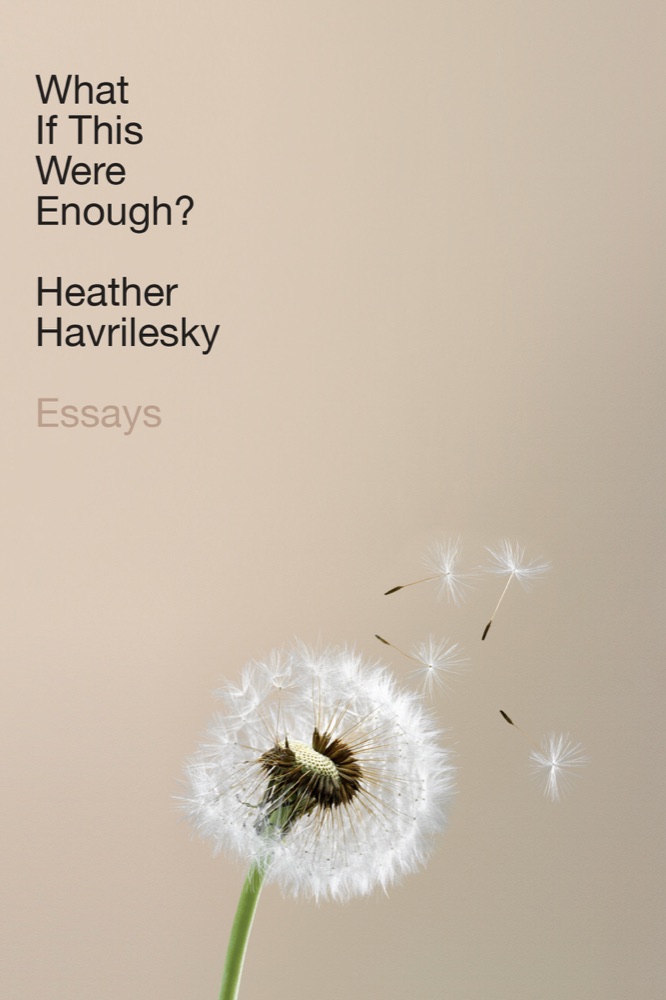 What If This Were Enough?: Essays
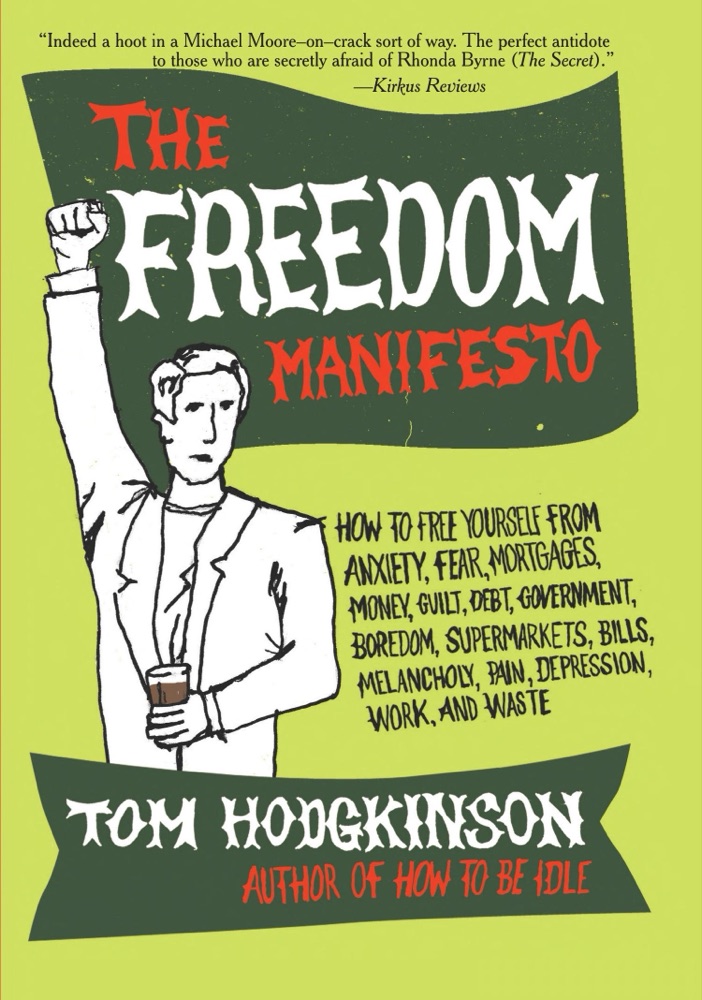 The Freedom Manifesto
 The Art of Thinking Clearly
 Notes on a Nervous Planet
 #Girlboss
 Getting There: A Book of Mentors