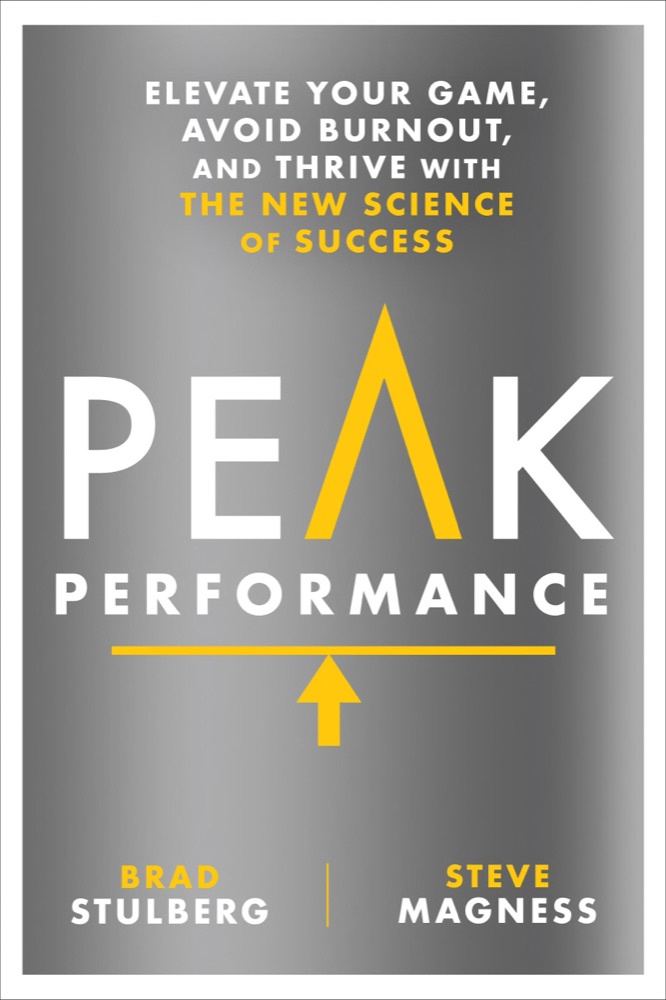
 Peak Performance: Elevate Your Game, Avoid Burnout, and Thrive with the New Science of Success
Quotes from the Book
Gratitude” is about letting go of desired outcomes and fully embracing the privilege and process of pursuing goals and dreams. “Believe” refers to the confidence that arises naturally through this process, a self-trust that is the antithesis of the doubt-fueled fixation on goals and dreams expressed in Siri’s nightly fantasy of having the perfect race at the 2000 Olympics. Siri
6
One cannot improve as an endurance athlete except by changing one’s relationship with perception of effort.
5
Studies on the phenomenon indicate that a person with a high tolerance for pain is likely to also have above-average capacity to cope with the stress of a job layoff or a cancer diagnosis, and this same person is more likely as well to have experienced a moderate amount of psychological trauma in his or her past. It would appear that a certain amount of misfortune is needed to toughen the mind against suffering and hardship, but excessive trauma leaves scar tissue.
4
What is the logic of punishing yourself each day, of striving to become better, more efficient, tougher?” He went on to answer his own question. “The value in it is what you learn about yourself. In this sort of situation all kinds of qualities come out—things that you may not have seen in yourself before.
3
Every athlete who has pushed beyond his or her known limits of endurance in the quest for improvement understands these sentiments. There is no experience quite like that of driving yourself to the point of wanting to give up and then not giving up. In that moment of “raw reality,” as Mark Allen has called it, when something inside you asks, How bad do you want it?, an inner curtain is drawn open, revealing a part of you that is not seen except in moments of crisis. And when your answer is to keep pushing, you come away from the trial with the kind of self-knowledge and self-respect that can’t be bought.
2
More often, they insist that their advantage lies not in having more to give but rather in being able to give more of what they have. Past
2
Starting today, you’re retired. The way you look at this sport and the pressure you put on yourself are just all wrong. You started doing triathlon because you loved it. Let’s go back to that. Let’s just see how fit, how fast, and how strong Siri Lindley can be—and have fun doing it.
1
The truth of the matter is that the stronger or more capable the body is, the weaker or lazier the mind can afford to be.
1
no matter how gifted and successful an athlete may be, she must always brace for the worst to race her best.
Why go out there every afternoon and beat out your brains? . . . What is the logic of punishing yourself each day, of striving to become better, more efficient, tougher?” He went on to answer his own question. “The value in it is what you learn about yourself. In this sort of situation all kinds of qualities come out—things that you may not have seen in yourself before.
Endurance athletes perceive less effort and perform better when training and racing cooperatively than they do alone.
Being heavy is not a virtue in itself for rowers, but strength is. Strength comes from muscle, and muscle is heavy.
sports. In a 2012 paper titled “The Rocky Road to the Top: Why Talent Needs Trauma” and published in Sports Medicine, sports psychologists Dave Collins and Aine MacNamara argued that “the knowledge and skills [that] athletes accrue from ‘life’ traumas and their ability to carry over what they learn in that context to novel situations certainly appear to affect their subsequent development and performance in sport.” If this is true, then having things too easy in life can actually put developing athletes at a significant disadvantage.
Because you never know exactly what you’ll find inside that black box until you open it, there is a temptation to hope—perhaps not quite consciously—that your next race won’t be one of those grinding affairs. This hope is a poor coping skill. Bracing yourself—always expecting your next race to be your hardest yet—is a much more mature and effective way to prepare mentally for competition.
Perceived effort actually has two layers. The first layer is how the athlete feels. The second layer is how the athlete feels about how she feels. The first layer is strictly physiological, whereas the second is emotional, or affective.
In reality, the scenario I’ve just described could never happen. Perceived effort is essentially the body’s resistance to the mind’s will. The fitter an athlete becomes, the less resistance the body puts up. Therefore increased physical capacity is always felt.
Interpreting running as an opportunity to discover and become his best self, and to give his best to others, through the relentless pursuit of toughness, or guts—a kind of courage.
Exercising mental fitness was a daily battle for him, but a battle he chose.
It was a very hard race from the word go with a combination of great runners and a tough course,” he wrote. “I had my problems winning. I felt several times like giving into the pain and letting Gary [sic] win but I just couldn’t. I just kept driving myself harder and harder, longer and longer.
The best source of knowledge concerning the most effective methods of coping with the challenges of endurance sports is the example set by elite endurance athletes. The methods that the greatest athletes rely on to overcome the toughest and most common mental barriers to better performance are practically by definition the most effective coping methods for all athletes.
So, when looking at white dominance of a particular sport, white people tend to look for a social or environmental explanation, such as a strong work ethic, but when looking at black dominance of a sport, they are more likely to look for an explanation in breeding.
Science has shown that mass below the knee is very costly in terms of its effect on running economy.
people often choose to expect the worst of an upcoming experience in hopes of creating a more favorable contrast between their expectations and reality.
If you accept as fact that the only limitations you ever encounter in your sport are mental, then you will become a better fire walker, creeping closer to your unreachable physical limit than you would otherwise
mainly by increasing tolerance for perceived effort and by reducing the amount of effort that is perceived at any given intensity of exercise.
Physical fitness determines where the wall that represents your physical limit is placed. Mental fitness determines how close you are able to get to that limit in competition.
If you want to get a sense of what a very high level of perceived effort feels like in isolation from fatigue, find a steep hill and run up it as fast as you can. (You should probably warm up first.) That feeling of trying as hard as you can that hits you immediately, before fatigue sets in, is the feeling of a very high level of perceived effort.
My own term for a highly developed overall coping capacity in endurance sports is mental fitness.
To become the best athlete you can be, you need to become really good at coping with the characteristic forms of discomfort and stress that the endurance sports experience dishes out, beginning with perceived effort and extending to the many challenges that are secondary to it, such as fear of failure.
Watch on YouTube
About Matt Fitzgerald
We have collected 29 quotes from 1 book by Matt Fitzgerald on BookQuoters.
More about the author →About the book
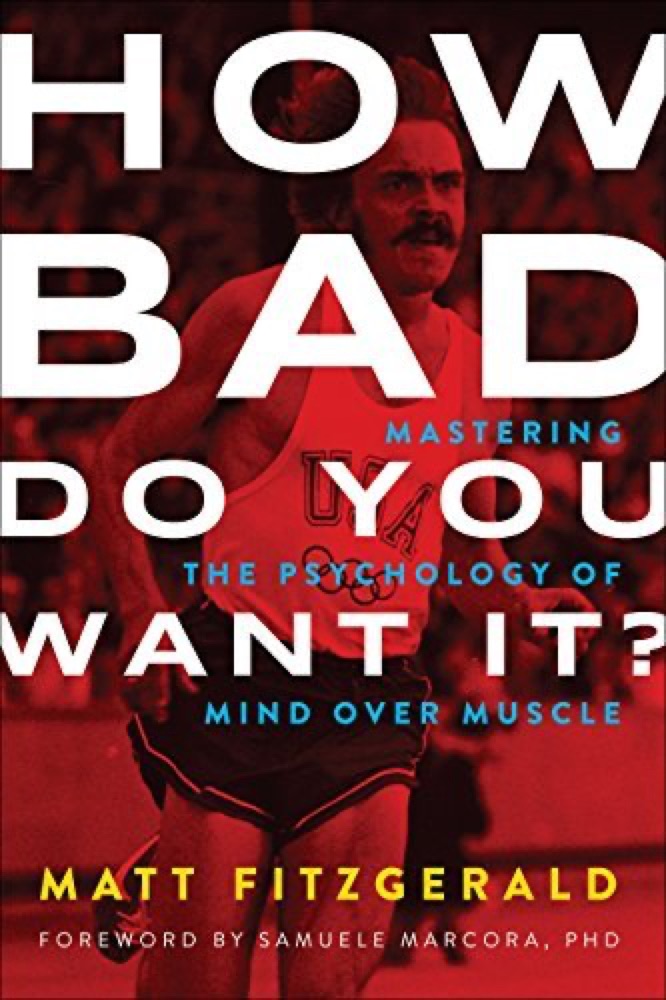
The greatest athletic performances spring from the mind, not the body.
Elite athletes have known this for decades and now science is learning why it's true. In his fascinating new book How Bad Do You Want It?, coach Matt Fitzgerald examines more than a dozen pivotal races to discover the surprising ways elite athletes strengthen their mental toughness.
Fitzgerald puts you into the pulse-pounding action of more than a dozen epic races from running, cycling, triathlon, XTERRA, and rowing with thrilling race reports and revealing post-race interviews with the elites. Their own words reinforce what the research has found: strong mental fitness lets us approach our true physical limits, giving us an edge over physically stronger competitors. Each chapter explores the how and why of an elite athlete's transformative moment, revealing powerful new psychobiological principles you can pra
Book details
- First published
- 2015
- Author
- Matt Fitzgerald
- Genre
- Nonfiction
- Goodreads rating
- 4.08 (7k ratings)
Keep reading
Peak Performance: Elevate Your Game, Avoid Burnout, and Thrive with the New Science of Success
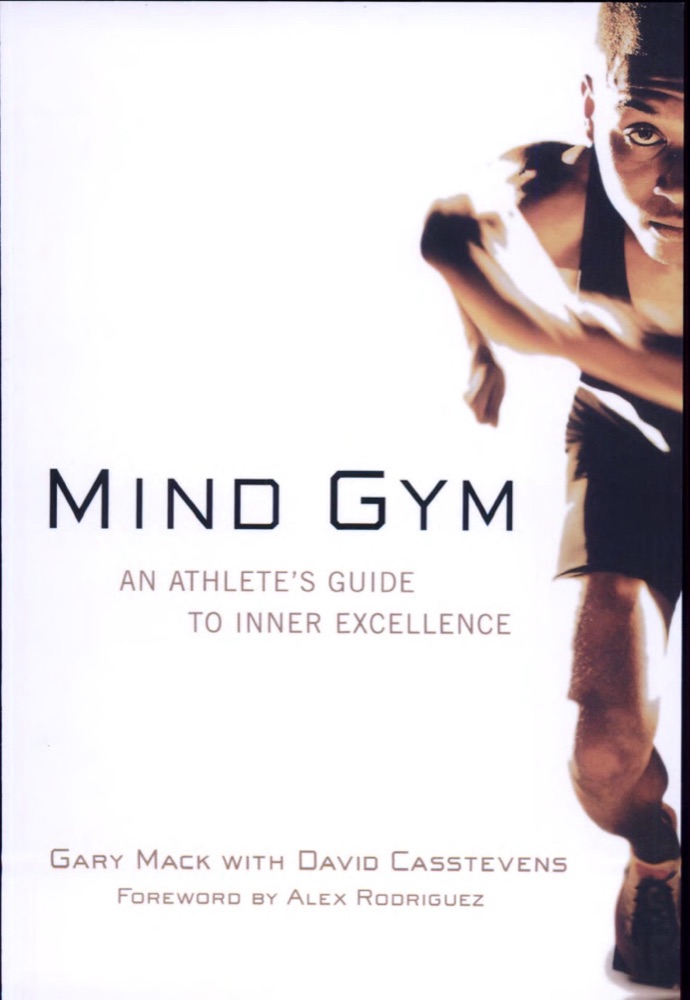 Mind Gym: An Athlete's Guide to Inner Excellence
 Dottir: My Journey to Becoming a Two-Time CrossFit Games Champion
 The Art of Impossible: A Peak Performance Primer
 Peak: Secrets from the New Science of Expertise
 Can't Hurt Me: Master Your Mind and Defy the Odds
 It Takes What It Takes: How to Think Neutrally and Gain Control of Your Life
 Eat & Run: My Unlikely Journey to Ultramarathon Greatness
 My Fight / Your Fight
 The Rise of Superman: Decoding the Science of Ultimate Human Performance
 Never Finished: Unshackle Your Mind and Win the War Within
 Grit: The Power of Passion and Perseverance
 The Inner Game of Tennis: The Classic Guide to the Mental Side of Peak Performance
 The Mindful Athlete: Secrets to Pure Performance
 Flow: The Psychology of Optimal Experience
 The Score Takes Care of Itself: My Philosophy of Leadership
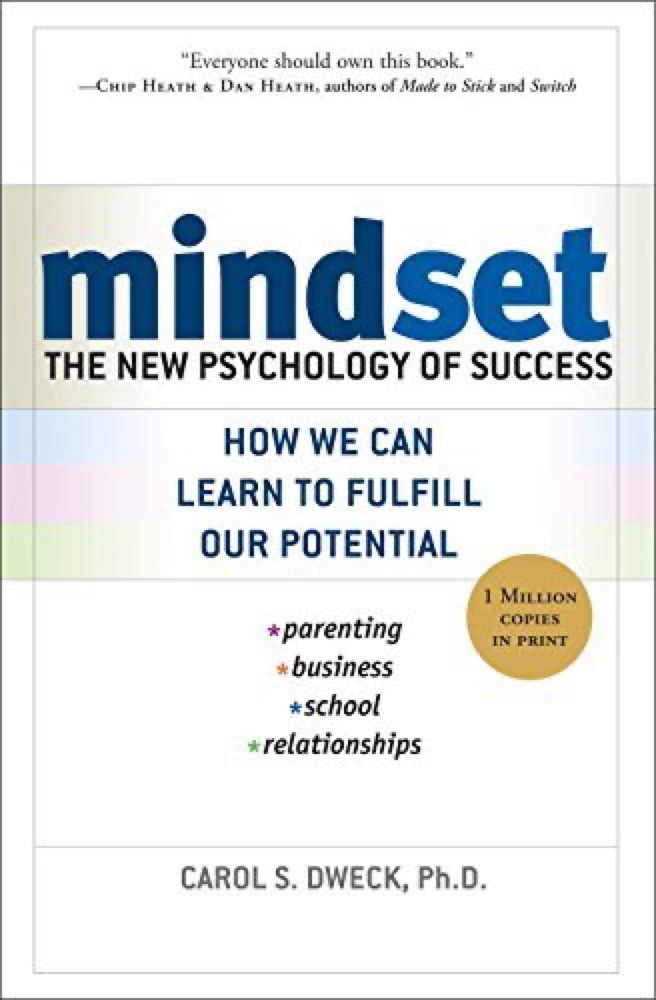 Mindset: The New Psychology of Success
 David and Goliath: Underdogs, Misfits, and the Art of Battling Giants
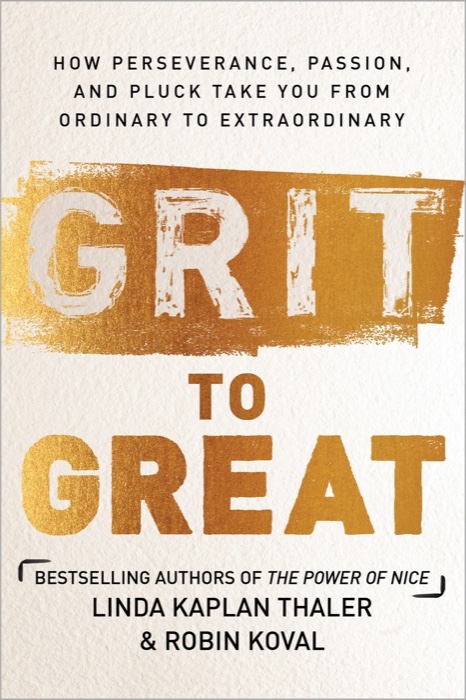 Grit to Great: How Perseverance, Passion, and Pluck Take You from Ordinary to Extraordinary
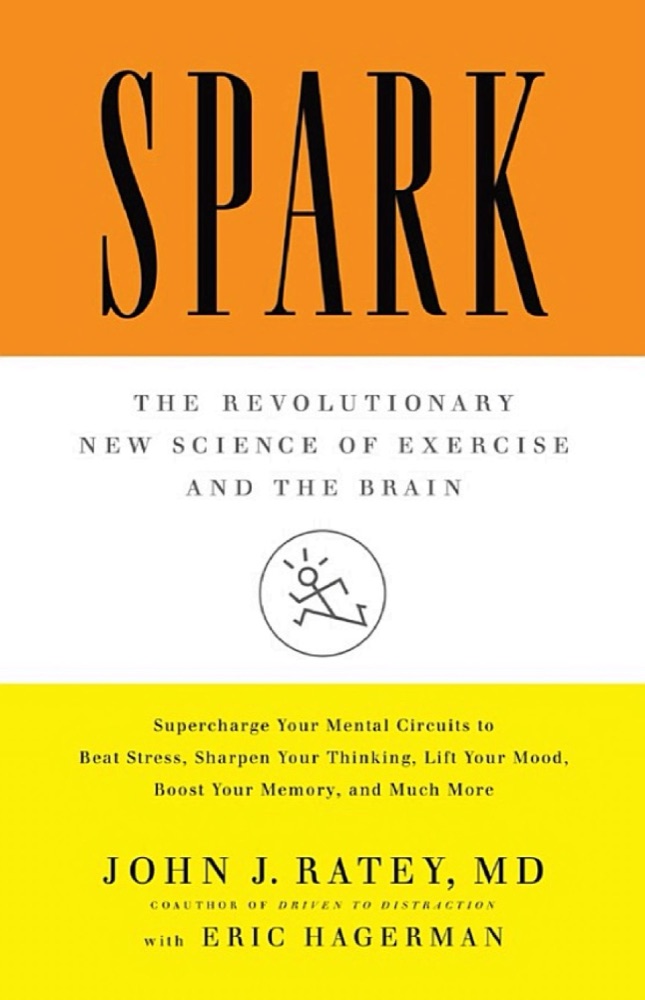 Spark: The Revolutionary New Science of Exercise and the Brain
 What I Talk About When I Talk About Running
 Ultramarathon Man: Confessions of an All-Night Runner
 Wooden: A Lifetime of Observations and Reflections On and Off the Court
 Tools of Titans: The Tactics, Routines, and Habits of Billionaires, Icons, and World-Class Performers
 Rafa
Rafa
 Once a Runner
 Starting Strength: Basic Barbell Training
 Burnout: The Secret to Unlocking the Stress Cycle
 5/3/1: The Simplest and Most Effective Training System for Raw Strength
 Every Second Counts
 Leading: Learning from Life and My Years at Manchester United
 The New Psycho-Cybernetics: The Original Science of Self-Improvement and Success That Has Changed the Lives of 30 Million People
 Becoming Bulletproof: Protect Yourself, Read People, Influence Situations, and Live Fearlessly
 What Doesn't Kill Us: How Freezing Water, Extreme Altitude, and Environmental Conditioning Will Renew Our Lost Evolutionary Strength
 The Tools: Transform Your Problems into Courage, Confidence, and Creativity
 Limitless: Upgrade Your Brain, Learn Anything Faster, and Unlock Your Exceptional Life
 The Compound Effect: Jumpstart Your Income, Your Life, Your Success
 Discipline Is Destiny: The Power of Self-Control
 Born to Run: A Hidden Tribe, Superathletes, and the Greatest Race the World Has Never Seen
 Shoe Dog: A Memoir by the Creator of NIKE
 Above the Line: Lessons in Leadership and Life from a Championship Season
 You Can Win: A Step by Step Tool for Top Achievers
 Late Bloomers: The Power of Patience in a World Obsessed with Early Achievement
 The Flinch
 The Secret Race: Inside the Hidden World of the Tour de France: Doping, Cover-ups, and Winning at All Costs
 The Gap and The Gain: The High Achievers' Guide to Happiness, Confidence, and Success
 How to Fail at Almost Everything and Still Win Big: Kind of the Story of My Life
 Sum It Up: 1,098 Victories, a Couple of Irrelevant Losses, and a Life in Perspective
 Total Recall: My Unbelievably True Life Story
 Discipline Equals Freedom: Field Manual
 Talent is Overrated: What Really Separates World-Class Performers from Everybody Else
 The Boys in the Boat: Nine Americans and Their Epic Quest for Gold at the 1936 Berlin Olympics
 Tribe Of Mentors: Transformative Wisdom From Icons and Innovators to Help You Navigate Life's Challenges
 Why We Run: A Natural History
 High Performance Habits: How Extraordinary People Become That Way
 The Success Principles: How to Get from Where You Are to Where You Want to Be
 Resilience: Hard-Won Wisdom for Living a Better Life
 Psycho-Cybernetics
 A Life Without Limits: A World Champion's Journey