
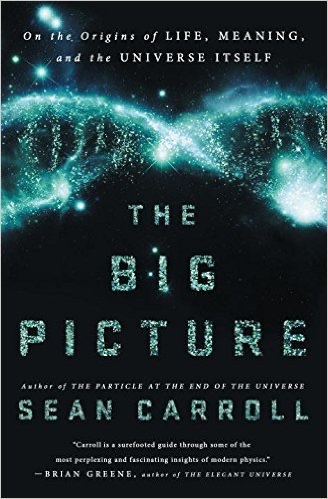
 The Big Picture: On the Origins of Life, Meaning, and the Universe Itself
Quotes from the Book
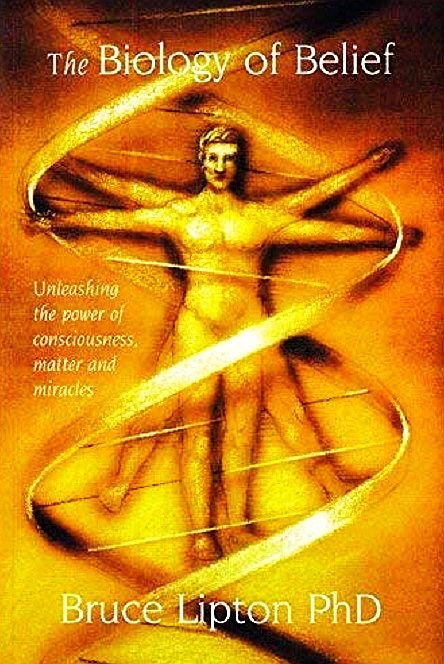
Quantum physicists discovered that physical atoms are made up of vortices of energy that are constantly spinning and vibrating; each atom is like a wobbly spinning top that radiates energy. Because each atom has its own specific energy signature (wobble), assemblies of atoms (molecules) collectively radiate their own identifying energy patterns. So every material structure in the universe, including you and me, radiates a unique energy signature. If it were theoretically possible to observe the composition of an actual atom with a microscope, what would we see? Imagine a swirling dust devil cutting across the desert’s floor. Now remove the sand and dirt from the funnel cloud. What you have left is an invisible, tornado-like vortex. A number of infinitesimally small, dust devil–like energy vortices called quarks and photons collectively make up the structure of the atom. From far away, the atom would likely appear as a blurry sphere. As its structure came nearer to focus, the atom would become less clear and less distinct. As the surface of the atom drew near, it would disappear. You would see nothing. In fact, as you focused through the entire structure of the atom, all you would observe is a physical void. The atom has no physical structure—the emperor has no clothes! Remember the atomic models you studied in school, the ones with marbles and ball bearings going around like the solar system? Let’s put that picture beside the “physical” structure of the atom discovered by quantum physicists. No, there has not been a printing mistake; atoms are made out of invisible energy not tangible matter! So in our world, material substance (matter) appears out of thin air. Kind of weird, when you think about it. Here you are holding this physical book in your hands. Yet if you were to focus on the book’s material substance with an atomic microscope, you would see that you are holding nothing. As it turns out, we undergraduate biology majors were right about one thing—the quantum universe is mind-bending. Let’s look more closely at the “now you see it, now you don’t” nature of quantum physics. Matter can simultaneously be defined as a solid (particle) and as an immaterial force field (wave). When scientists study the physical properties of atoms, such as mass and weight, they look and act like physical matter. However, when the same atoms are described in terms of voltage potentials and wavelengths, they exhibit the qualities and properties of energy (waves). (Hackermüller, et al, 2003; Chapman, et al, 1995; Pool 1995) The fact that energy and matter are one and the same is precisely what Einstein recognized when he concluded that E = mc2. Simply stated, this equation reveals that energy (E) = matter (m, mass) multiplied by the speed of light squared (c2). Einstein revealed that we do not live in a universe with discrete, physical objects separated by dead space. The Universe is one indivisible, dynamic whole in which energy and matter are so deeply entangled it is impossible to consider them as independent elements.
Just like a single cell, the character of our lives is determined not by our genes but by our responses to the environmental signals that
the character of our life is based upon how we perceive it.
The overuse of prescription drugs provides a vacation from personal responsibility.
We need to move beyond Darwinian Theory, which stresses the importance of individuals, to one that stresses the importance of the community. British scientist Timothy Lenton provides evidence that evolution is more dependent on the interaction among species than it is on the interaction of individuals within a species. Evolution becomes a matter of the survival of the fittest groups rather than the survival of the fittest individuals. In a 1998 article in Nature, Lenton wrote that rather than focusing on individuals and their role in evolution “we must consider the totality of organisms and their material environment to fully understand which traits come to persist and dominate.” (Lenton
physicists abandoned their belief in a Newtonian, material universe because they had come to realize that the universe is not made of matter suspended in empty space but energy.
Just like a single cell, the character of our lives is determined not by our genes but by our responses to the environmental signals that propel life.
human beings have a great capacity for sticking to false beliefs with great passion and tenacity,
At the atomic level, matter does not even exist with certainty; it only exists as a tendency to exist.
We are not victims of our genes, but masters of our fates, able to create lives overflowing with peace, happiness, and love.
I knew I was going to be a cellular biologist whose research would focus on scrutinizing every nuance of the cell's ultrastructure to gain insights into the secrets of cellular life.
No one is fixed until they make the effort to change.
As a nation we should look more carefully at how our fear of future acts of terrorism is undermining our quality of life.
The Universe is one indivisible, dynamic whole in which energy and matter are so deeply entangled it is impossible to consider them as independent elements.
Ésa es la razón de que, cuando di el primer paso para cambiar mi vida, estudiara con detenimiento en qué estaba gastando mi energía mental. Tuve que examinar los resultados de la energía que invertía en mis pensamientos con tanta atención como lo hacía con la que consumía para fortalecer mi cuerpo físico.
Biological behavior can be controlled by invisible forces, including thought, as well as it can be controlled by physical molecules like penicillin, a fact that provides the scientific underpinning for pharmaceutical-free energy medicine.
Matter can simultaneously be defined as a solid (particle) and as an immaterial force field (wave).
You know why it’s hard to be happy—it’s because we refuse to LET GO of the things that make us sad.
However, I truly believe that only when Spirit and Science are reunited will we be afforded the means to create a better world.
Recent studies funded by Britain’s Natural Environment Research Council provide support for those concerns. (Thomas, et al, 2004; Stevens, et al, 2004) While there have been five mass extinctions in the history of our planet, they are all presumed to have been caused by extraterrestrial events, such as a comet smashing to earth. One of the new studies concludes that the “natural world is experiencing the sixth, major extinction event in its history.” (Lovell 2004) This time though, the cause of the extinction is not extraterrestrial. According to one of the study’s authors, Jeremy Thomas, “As far as we can tell this one is caused by one animal organism—man.
PSYCH-K can change long-standing, limiting beliefs in a matter of minutes.
school you may have learned the basic components of a cell: the nucleus that contains genetic material, the energy-producing mitochondria, the protective membrane at the outside rim, and the cytoplasm in between.
Signal transduction science recognizes that the fate and behavior of an organism is directly linked to its perception of the environment.
The science of epigenetics has also made it clear that there are two mechanisms by which organisms pass on hereditary information. Those two mechanisms provide a way for scientists to study both the contribution of nature (genes) and the contribution of nurture (epigenetic mechanisms) in human behavior. If you only focus on the blueprints, as scientists have been doing for decades, the influence of the environment is impossible to fathom. (Dennis 2003; Chakravarti and Little 2003)
So one way of looking at our trillion-celled bodies is that they are protein machines, although, as you know, I think we are more than machines! It sounds simple, but it isn’t. For one thing, it takes over 100,000 different types of proteins to run our bodies. Let
Because we are not powerless biochemical machines, popping a pill every time we are mentally or physically out of tune is not the answer. Drugs and surgery are powerful tools when they are not overused, but the notion of simple drug fixes is fundamentally flawed. Every time a drug is introduced into the body to correct function A, it inevitably throws off function B, C, or D. It is not gene-directed hormones and neurotransmitters that control our bodies and our minds; our beliefs control our bodies, our minds, and thus our lives … Oh ye of little belief!
Watch on YouTube
About Bruce H. Lipton
We have collected 26 quotes from 1 book by Bruce H. Lipton on BookQuoters.
More about the author →Book details
- Author
- Bruce H. Lipton
- Genre
- Nonfiction
- Goodreads rating
- 4.16 (18k ratings) →
Keep reading
The Big Picture: On the Origins of Life, Meaning, and the Universe Itself
 How the Mind Works
 A Devil's Chaplain: Reflections on Hope, Lies, Science, and Love
 The Lives of a Cell: Notes of a Biology Watcher
 The Tell-Tale Brain: A Neuroscientist's Quest for What Makes Us Human
 Incognito: The Secret Lives of the Brain
 The Gene: An Intimate History
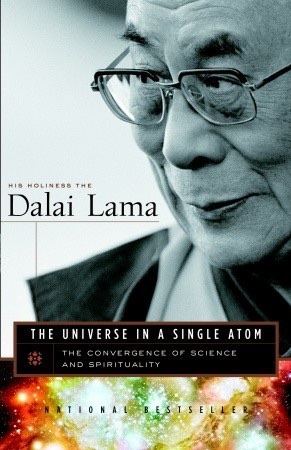 The Universe in a Single Atom: The Convergence of Science and Spirituality
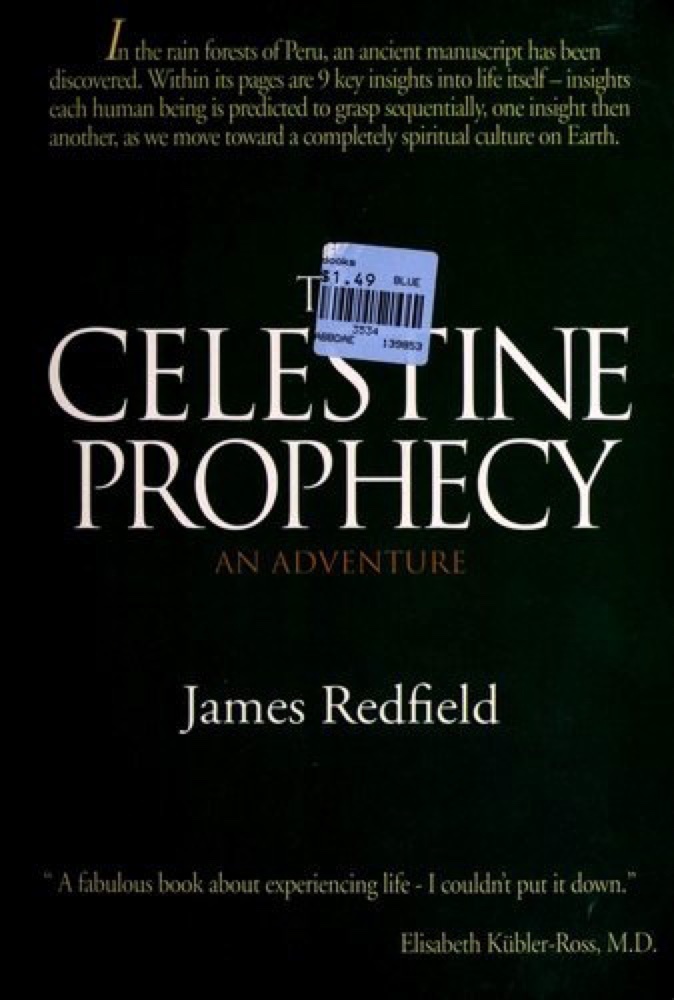 The Celestine Prophecy
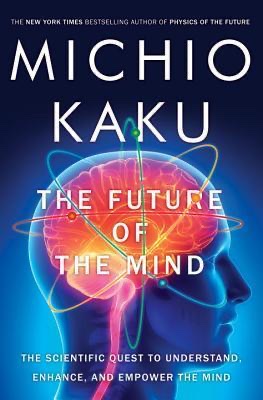 The Future of the Mind: The Scientific Quest to Understand, Enhance, and Empower the Mind
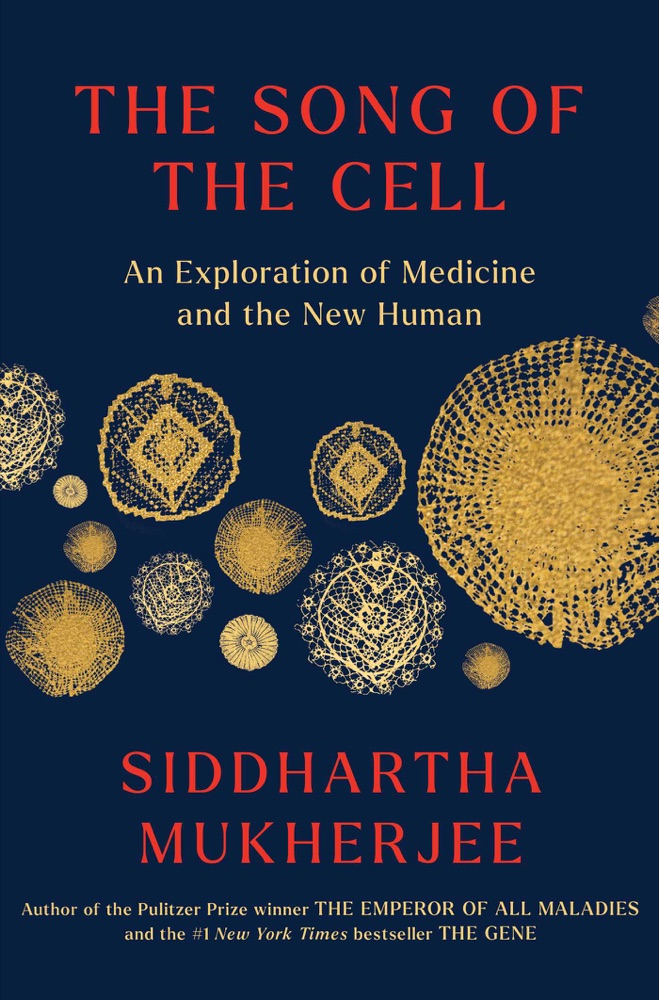 The Song of the Cell: An Exploration of Medicine and the New Human
 Becoming Supernatural: How Common People are Doing the Uncommon
 Genome: the Autobiography of a Species in 23 Chapters
 Until the End of Time: Mind, Matter, and Our Search for Meaning in an Evolving Universe
 The Social Animal: The Hidden Sources of Love, Character, and Achievement
 The Grand Design
 Evolve Your Brain: The Science of Changing Your Mind
 Genome
 The Case Against Reality: Why Evolution Hid the Truth from Our Eyes
 The Science of Mind
 The Code Breaker: Jennifer Doudna, Gene Editing, and the Future of the Human Race
 Why Fish Don’t Exist: A Story of Loss, Love, and the Hidden Order of Life
 God's Debris: A Thought Experiment
 The Tenth Insight: Holding the Vision
 The Brain That Changes Itself: Stories of Personal Triumph from the Frontiers of Brain Science
 The Blind Watchmaker: Why the Evidence of Evolution Reveals a Universe Without Design
 How to Change Your Mind: The New Science of Psychedelics
 Letters from an Astrophysicist
 A Hunter-Gatherer's Guide to the 21st Century: Evolution and the Challenges of Modern Life
 Descartes' Error: Emotion, Reason and the Human Brain
 What Technology Wants
 Natural Causes: An Epidemic of Wellness, the Certainty of Dying, and Killing Ourselves to Live Longer
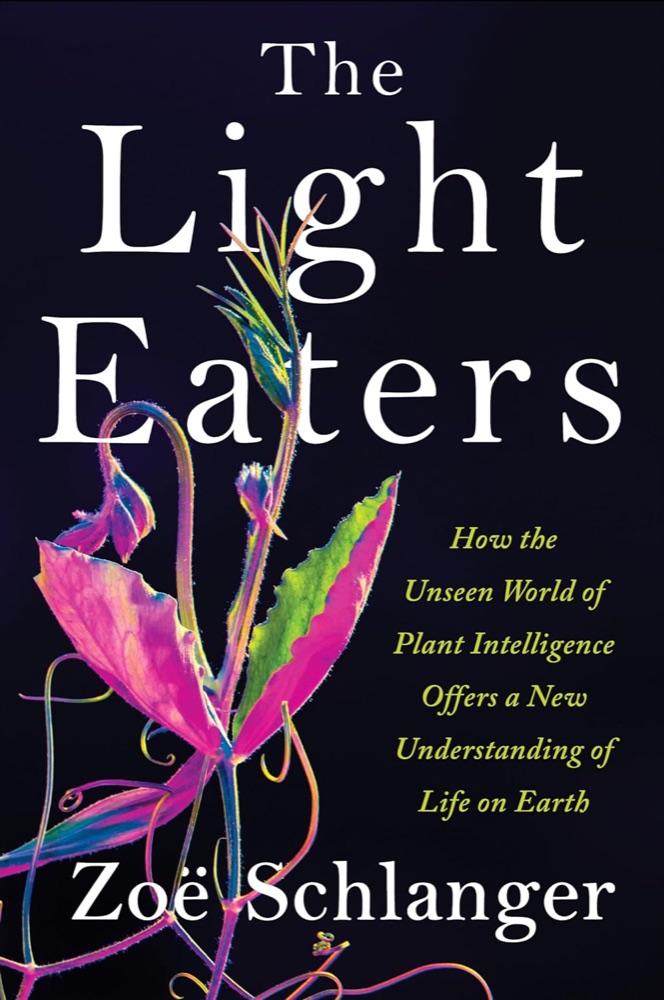 The Light Eaters: How the Unseen World of Plant Intelligence Offers a New Understanding of Life on Earth
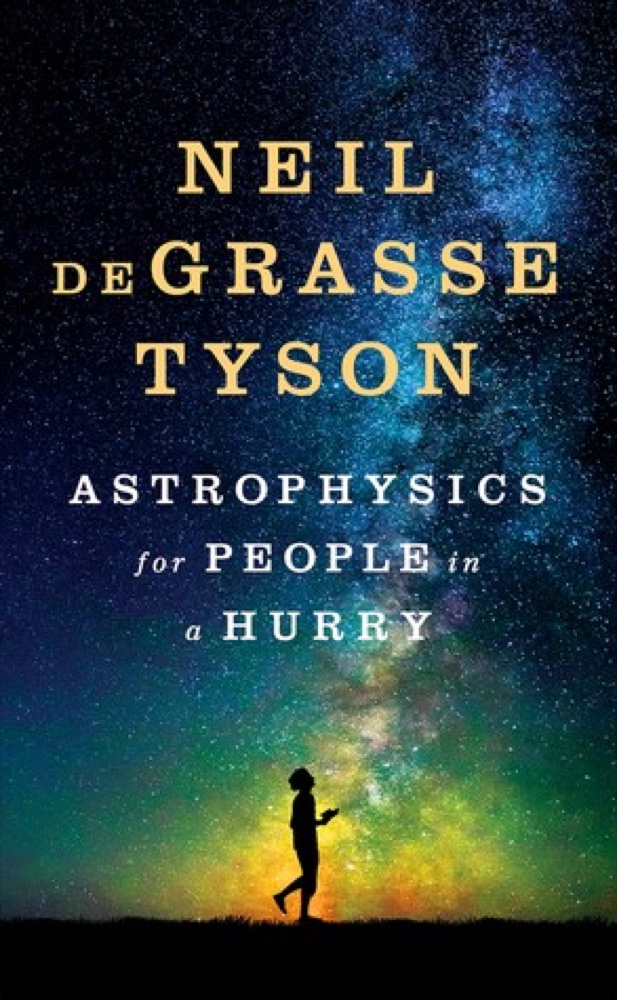 Astrophysics for People in a Hurry
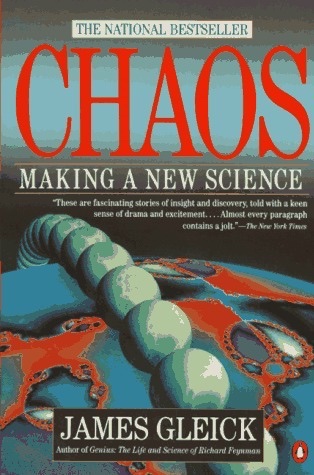 Chaos: Making a New Science
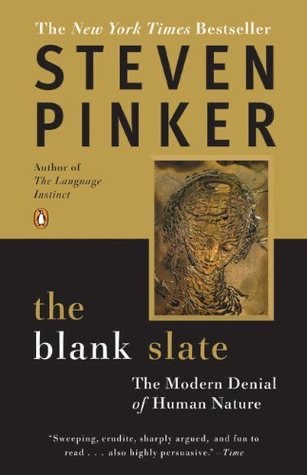 The Blank Slate: The Modern Denial of Human Nature
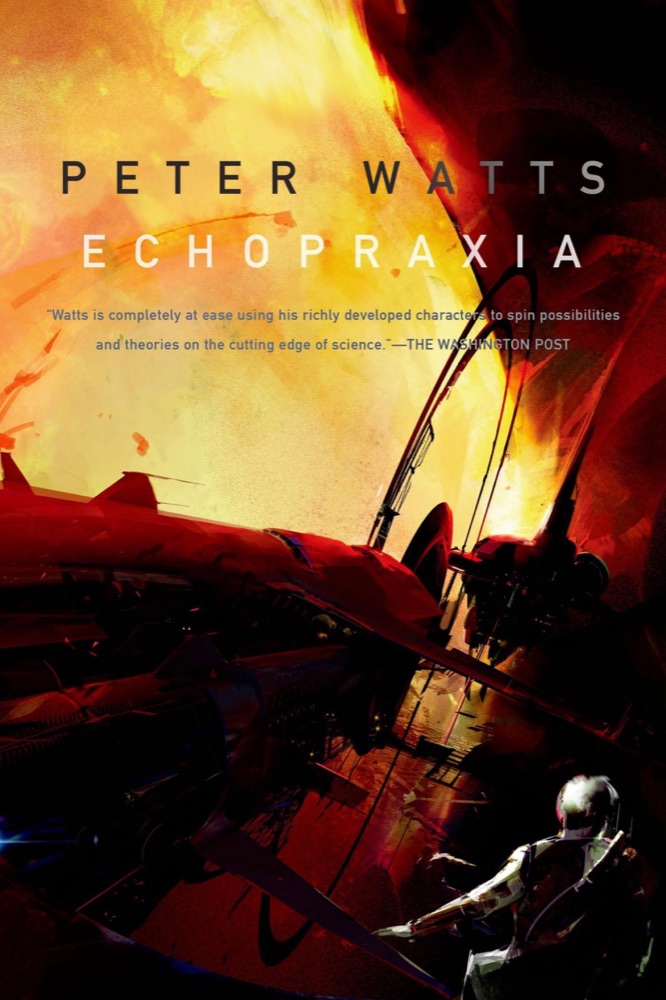 Echopraxia
 The Book: On the Taboo Against Knowing Who You Are
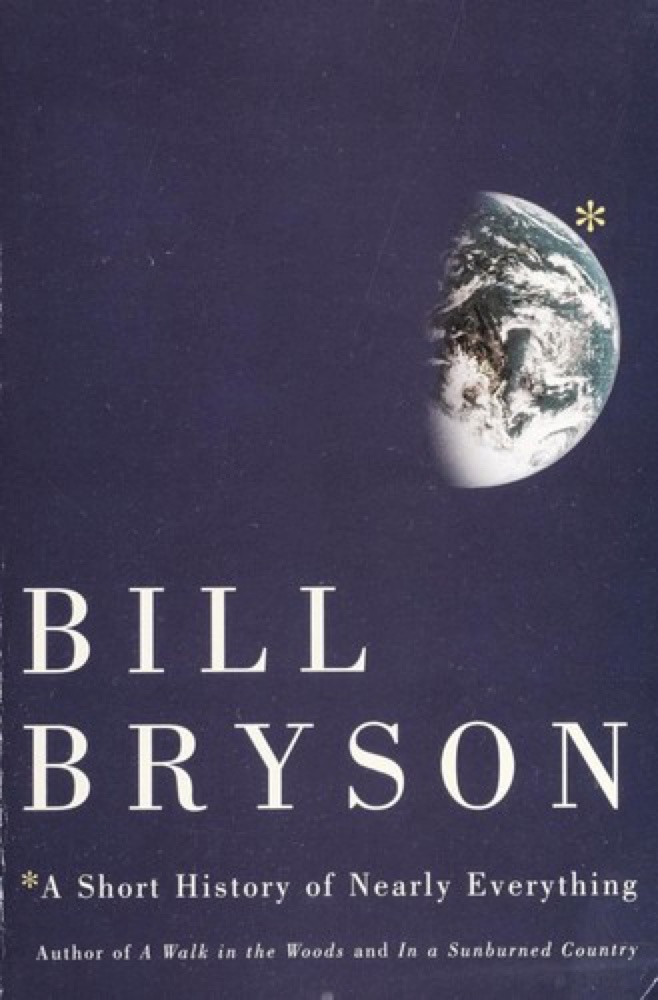 A Short History of Nearly Everything
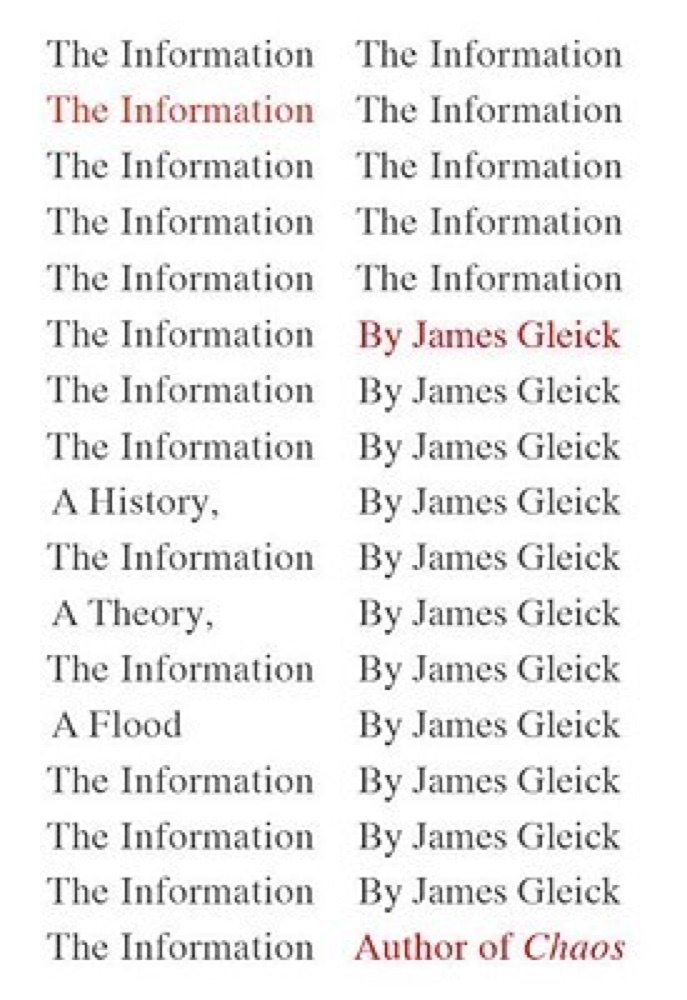 The Information: A History, a Theory, a Flood
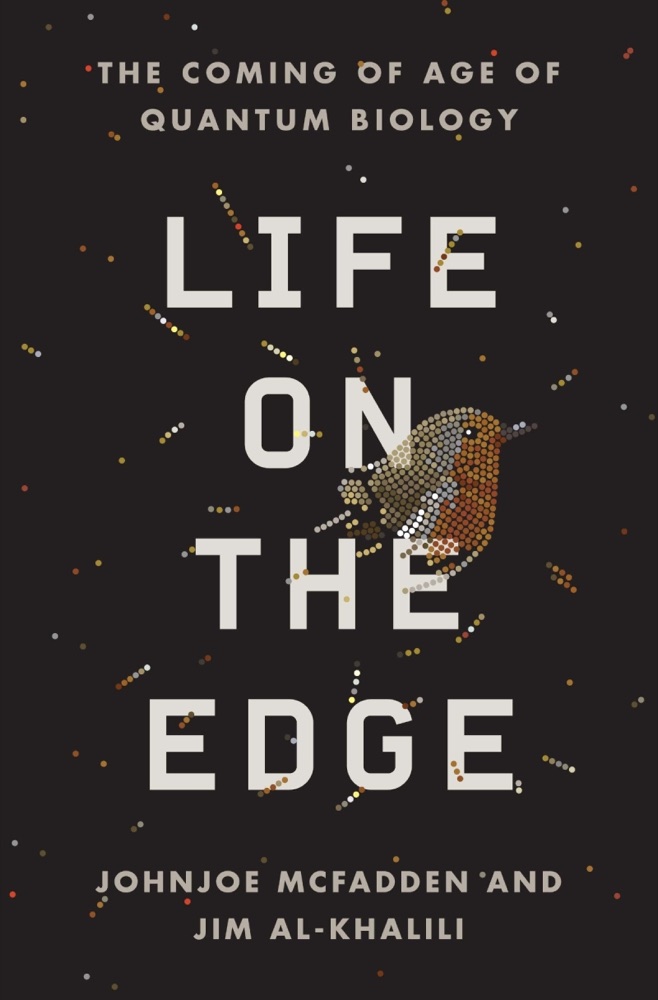 Life on the Edge: The Coming of Age of Quantum Biology
 The Origin of Consciousness in the Breakdown of the Bicameral Mind
 Exhalation
 The Lost World
 Genesis
 Power vs. Force
 On Human Nature
 Living with a Wild God: A Nonbeliever's Search for the Truth about Everything
 Black Holes and Baby Universes and Other Essays
 The Convoluted Universe, Book 1
 Darwin's Dangerous Idea: Evolution and the Meanings of Life
 Maps of Meaning: The Architecture of Belief
 A New Earth: Awakening to Your Life's Purpose
 The Singularity is Near: When Humans Transcend Biology
 The Accidental Universe: The World You Thought You Knew
 Physics of the Future: How Science Will Shape Human Destiny and Our Daily Lives by the Year 2100
 Behave: The Biology of Humans at Our Best and Worst
 The Master Key System
 The Fifth Science
 Sapiens: A Brief History of Humankind