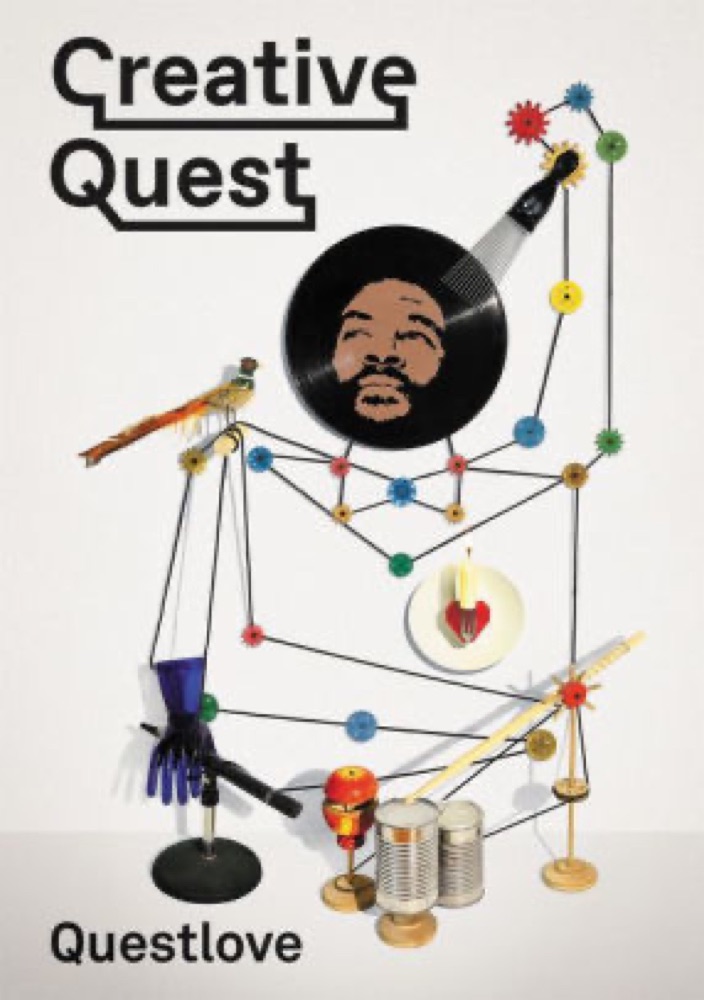
 Creative Quest
Quotes from the Book
And even though people like to furrow their brow like they suspect you're not being honest about yourself, the truth is that they worry that you're not serving their idea of you.
14
How do you plan a rebirth? I'm not sure you do. You just stand in the darkness until you can't endure it any long, and then you move forward until you're standing in the light.
12
When you live your life through records, the records are a record of your life.
11
Music has the power to stop time. When I listen to songs, I'm transported back to the moment of their birth, which is sometimes even before the moment of my birth. Old songs, rock or soul or blues, still connect with me because the human emotions in them, whether jealousy or rage or hope, are recognizably similar to the emotions that I'm feeling now. But I'm feeling all of them, all the time, and so the songs act like a chemical process that isolates certain feelings at certain times: maybe one song helps illuminate the jubilation and one helps illuminate the sorrow and one helps illuminate the resignation. Music has the power to stop time. But music also keeps time.
10
Part of me would just like to relax and have one job that pays me the amount I need to survive. And another part of me wants the creativity that comes out of struggle and frustration and fear. It's a never-ending cycle, which must be how I want it, on some level.
6
I remember being a teenager and being ashamed of my musical tastes, at least some of them. My Brian Wilson and Beach Boys fandom, which is as important to me as anything else, was almost like a porn stash. Hide that shit, someone's coming! You couldn't look like me and be black in West Philadelphia and love the Beach Boys the way I did.
5
It's a funny word, persistence. It means not giving up, but it also means just passing on through time.
5
Rich said, "As your get older, feelings are harder to come by." It was so simple and poignant.
5
When I really like something, I tend to never listen to it again. I want to remember the feeling even more than I want to remember the music. If you get that record back out, you risk learning that it’s not as good in reality as it is inside of you. Better to have the memory than to go back and have to adjust your truth. And even if it is every bit as good, you’re just going to deconstruct it. You’re going to use your brain instead of your feelings. As you get older, feelings are hard to come by. - Richard Nichols
4
Every time a new record started, people exhaled with pleasure, or their bodies moved automatically. I really started getting high off of the euphoric exclamations. Every record I put on was like a baptism.
4
What a shitty way to go through life, hiding your love for music so that people don’t think the wrong things about you.
2
In general, I don’t like to blame the creators. They are making work that appeals to them and the people in the room with them. They are making something that is, at some level, genuine. But the distributors, the networks that bring art to the population, they are the ones who ensure that there’s a flattening and narrowing. The younger me may have sat up all night with bandmates raging against Puffy or DMX or whoever, but the fact is that they were never the problem. The problem was that someone in the corporate chain of command felt that there was a need to play those songs fourteen times a day and to eliminate alternatives.
2
One night, I was out driving with a few friends of mine when the police pulled us over. We were told we fit the description of someone who had committed a robbery or stolen a car, though I don't really know what kind of description that could have been: three black kids in a Hyundai blasting U2's Joshua Tree on their way back from Bible study?
2
Switching off perfection switched on the human quality
2
I wasn’t a normal kid. My father used to say half-jokingly that there was a little concern over whether or not I was okay. Maybe it wasn’t a joke at all. The concern was about my personality, which seemed too eccentric. I don’t think “autistic” was a common term back then, but I later found out that they had taken me to a doctor to see if something was really wrong. It wasn’t that I was violent or temperamental. In fact, my mom said it was a blessing because I never gave her trouble. It was the opposite—they knew exactly how to sedate me, which was to sit me in front of something that held my interest and then just leave. I’d develop a deep relationship with that thing, whether it was Soul Train or a record on a turntable. But that led to a secondary worry, which was that I was falling inward into some kind of trance. Once, when I was very young, my dad installed a light with a rotating shade around a lightbulb, one of those lamps that works like a kind of carousel. He pressed the switch that caused the shade to turn and, according to him, I just disappeared inside myself. Five minutes passed, then ten, then fifteen, and I didn’t seem any less interested in the rotating lamp. Then my parents started noticing a broader pattern of me trying to spin stuff. I would take my sister’s bike and watch the wheel go around and around. I would take my father’s records and twirl them on my finger. They had a moment where they thought I might be interested in cars, because I was driving the records like a steering wheel. That was my whole entertainment for a while there, but to my parents, it was almost like a bad habit that they wanted me to drop. But I haven’t dropped it, not at all. To this day, my life revolves around circles. My drums are circles. Turntables are circles. My logo or autograph, which I developed over the years through doodling, is composed of six circles. My life revolves around that shape.
1
But that California trip was just a flash in the eye of that year. The rest of the time, I hung in purgatory, playing talent shows and showcases here and there, living like a normal teenager in Philadelphia. Or maybe I should say living like a normal black teenager, which meant that aimlessness was accompanied by a certain unique set of risks. One night, I was out driving with a few friends of mine when the police pulled us over. We were told we fit the description of someone who had committed a robbery or stolen a car, though I don’t really know what kind of description that could have been: three black kids in a Hyundai blasting U2’s Joshua Tree on their way back from Bible study? The officer actually drew a gun. I was terrified. The worst part of all was that when I saw the police in the rearview mirror, I started thinking that maybe I had stolen the car. I don’t know what the psychological phenomenon is called, exactly, but when you encircle someone with suspicion, the idea of guilt just starts to appear within them. It was a terrible feeling and it’s a terrible process, and it was another reminder that the life I was leading, while superficially uneventful, had the potential to turn against me at any moment.
1
What's the point in being here if you have to follow a computer? What is this, a fucking Turing test in reverse?
1
Sitting there at one twenty in the afternoon in a maroon Chrysler, I told myself that I had to cherish that magical moment, because there was no guarantee that I would never again know what it felt like to hear that for the first time.
1
I keep moving through time and time keeps moving through me. And through that process, life takes shape. The question is what shape it is. I'm not the first person to ask that question, or to see how absurd it is to think there's a real answer. Maybe life's a circle...
1
The question marks were piling up and I wasn't even ?uestlove yet. But Amir had questions, too, and the fishhook of the punctuation wasn't catching anything, and it wasn't straightening out either.
1
Whenever we ran into him on the road, my dad called Bernard over to tell me 'how he keeps food on the table.' Bernard simply said, 'The two and the four.
Much later in life, I had a friend who tried to explain Roland Barthes to me; not all of it, of course, but that one little principle about how a text is not a unified thing, but a fragmentary or divisible thing, and that the reader is the one who divides it up, arbitrarily. Reading is the act that creates the pieces.
as I loved all those artists, as much as I saw their genius, the fact of the matter is that for a while, there was only Prince. It may be hard for kids now to recover a sense of how out there Prince was in the early eighties, how far above the crowd he was operating, especially since the Prince today is kind of the opposite of the Prince then. But in the early eighties, people spoke of him as a genius, and they weren’t kidding, not even a little.
Trying to be white? What the hell does that mean? I've never understood that. How could anyone be white when they aren't white? Seems like a simple enough thing to prove, right? Hold out your arm next to someone else's arm and do a simple swatch test. Of course, what people mean when they say that is that there's some kind of authentic black experience that the accused isn't properly expressing. But what is the authentic experience? Clothes that wannabe gangbangers wear on the street? Hood style? What's authentic about that? For that matter, is fashion even a good marker of authenticity or race, anyway? Aren't clothes a second skin you wear over your real skin to obscure who you really are? Can they also express who you really are?
Think of all the different ways that stories get told. I’m working with the James Brown people on a movie that will end up being the closest thing to a biopic that can possibly exist for a man like that, who was actively working for fifty years. The story is too big to tell straight on through, so they decided to deal with it by breaking it into five different episodes, five representative short stories.
On the plantations the slave owners would take their slaves’ drums away because they didn’t want them communicating with other slaves. They were afraid that the drum was some kind of magic signal system, a primal, coded language, which it was. And is. When the drums were taken away, other instruments were taken up—fifes and fiddles and the rest, and they were used for celebration and lamentation both, and a new kind of song sprung up, a work song, to document the labor in the fields, to pass the time, to pass on the content of the time, so that people would know what had happened.
Watch on YouTube
About Ahmir Thompson
More by Ahmir Thompson
Creative Quest
About the book
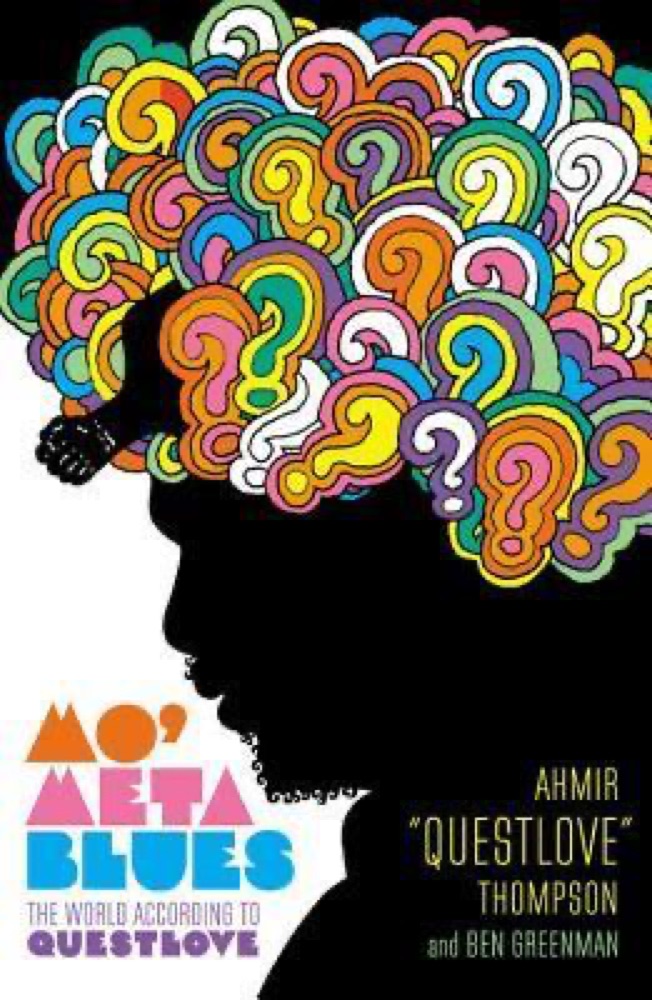
Mo' Meta Blues is a punch-drunk memoir in which Everyone's Favorite Questlove tells his own story while tackling some of the lates, the greats, the fakes, the philosophers, the heavyweights, and the true originals of the music world. He digs deep into the album cuts of his life and unearths some pivotal moments in black art, hip hop, and pop culture.
Ahmir "Questlove" Thompson is many things: virtuoso drummer, producer, arranger, Late Night with Jimmy Fallon bandleader, DJ, composer, and tireless Tweeter. He is one of our most ubiquitous cultural tastemakers, and in this, his first book, he reveals his own formative experiences--from growing up in 1970s West Philly as the son of a 1950s doo-wop singer, to finding his own way through the music world and ultimately co-founding and rising up with the Roots, a.k.a., the last hip hop band on Earth.
Mo' Meta Blues also has some (many) ra
Book details
- First published
- 2013
- Author
- Ahmir Thompson
- Genre
- Nonfiction
- Goodreads rating
- 4.12 (7k ratings)
Keep reading
 Born to Run
 Let's Go (So We Can Get Back): A Memoir of Recording and Discording with Wilco, Etc.
 High Fidelity
 White Tears
 Life
Life
 The Final Revival of Opal & Nev
 See A Little Light: The Trail of Rage and Melody
 Waging Heavy Peace: A Hippie Dream
 The Uncool
 Miles: The Autobiography
 Broken Horses
 The Gum Thief
 Me
Me
 Decoded
 How to Kill a Rock Star
 Hunger Makes Me a Modern Girl
 Piece by Piece
 Utopia Avenue
 Bono: In Conversation with Michka Assayas
 Love Is a Mix Tape
 Buffering: Unshared Tales of a Life Fully Loaded
 Life Itself
 The House of Hidden Meanings
 This Song Will Save Your Life
 My Booky Wook
 Attempting Normal
 Moonwalk
 Go Ahead in the Rain: Notes to A Tribe Called Quest
 Rat Girl
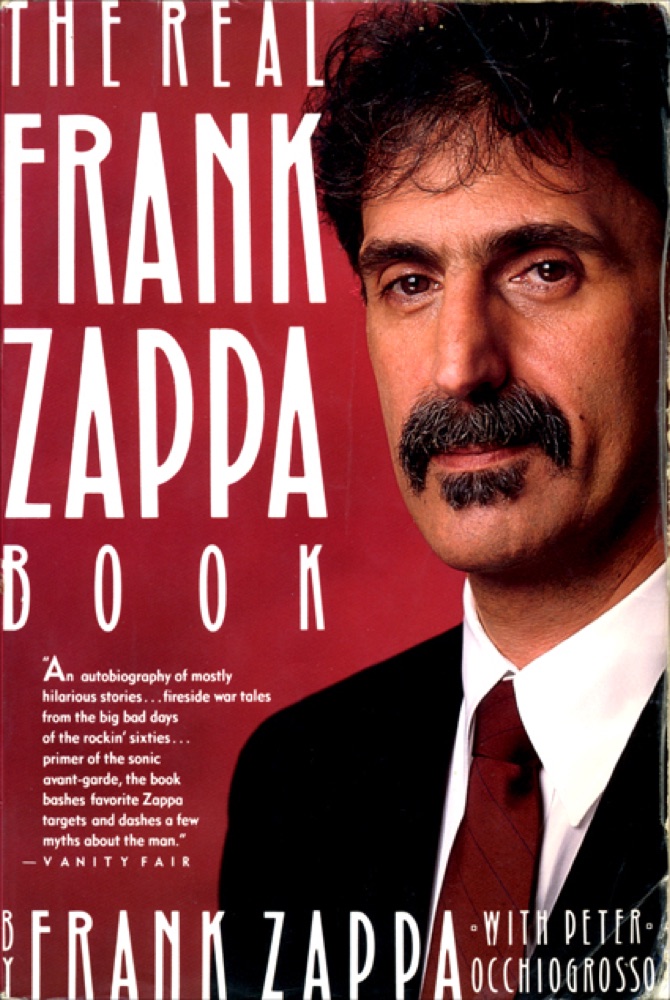 The Real Frank Zappa Book
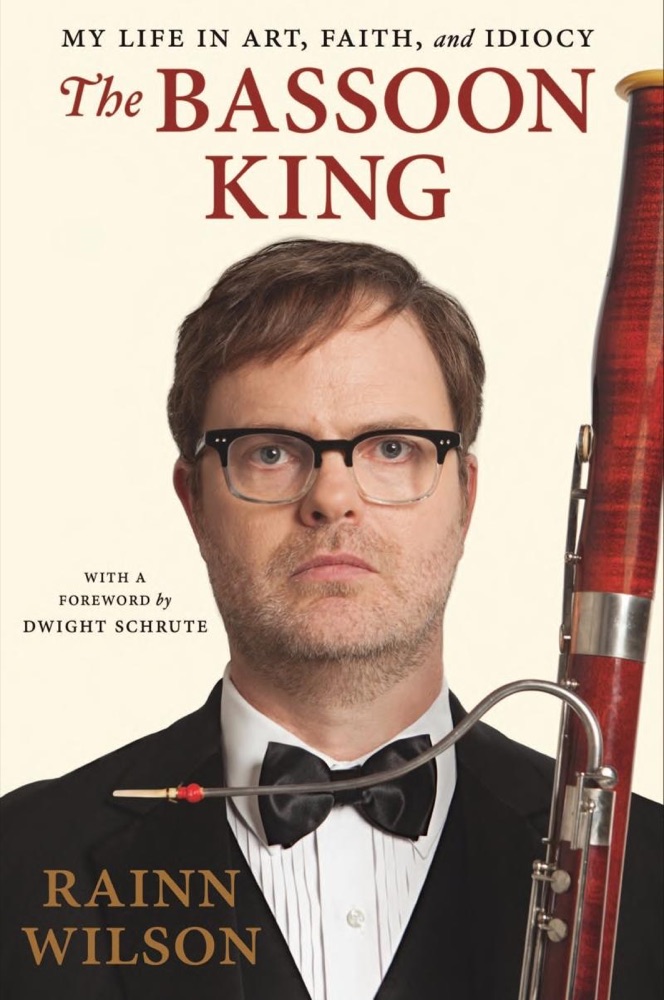 The Bassoon King: My Life in Art, Faith, and Idiocy
 Marcelo in the Real World
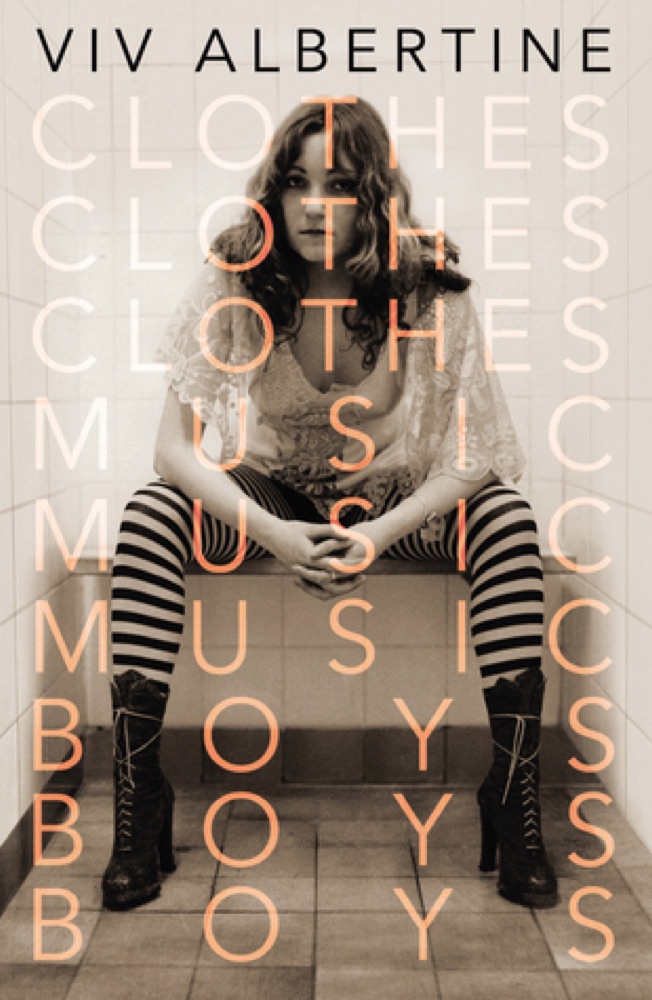 Clothes, Clothes, Clothes. Music, Music, Music. Boys, Boys, Boys
 Take the Cannoli
 Sex, Drugs, and Cocoa Puffs: A Low Culture Manifesto
 A Song Flung Up to Heaven
 Psychotic Reactions and Carburetor Dung
 The Harder I Fight the More I Love You: A Memoir
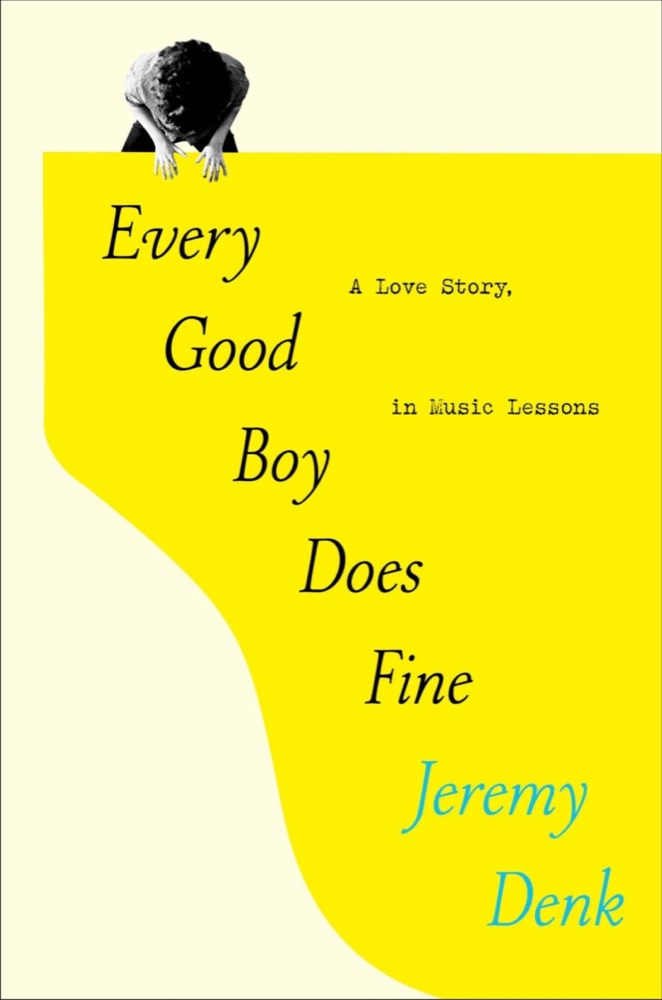 Every Good Boy Does Fine: A Love Story, in Music Lessons
 My Name Is Barbra
 Slash
Slash
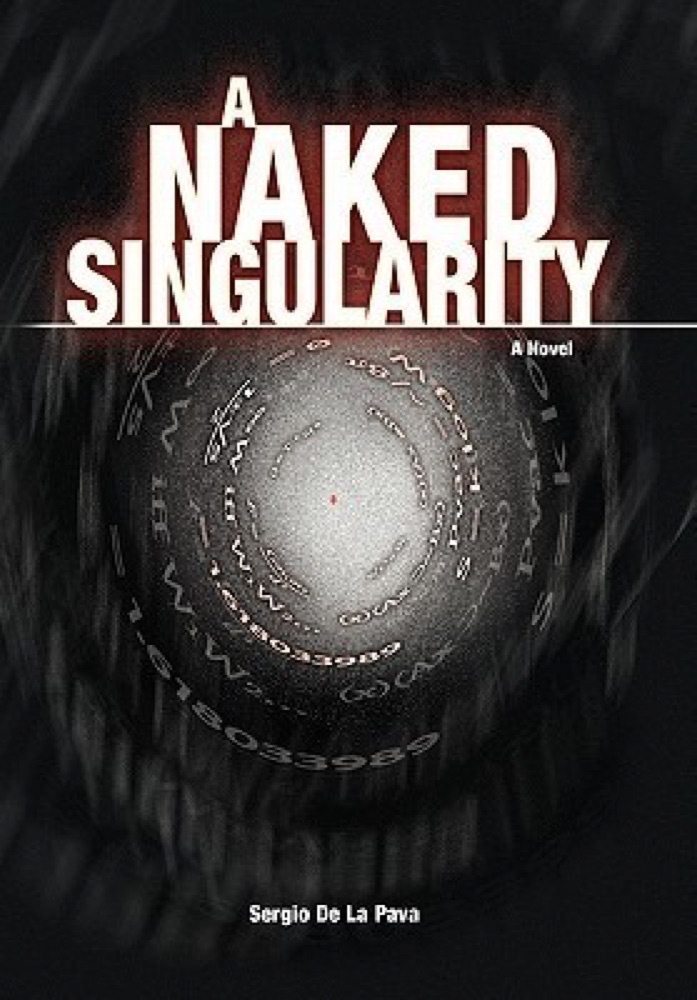 A Naked Singularity
 Open Book
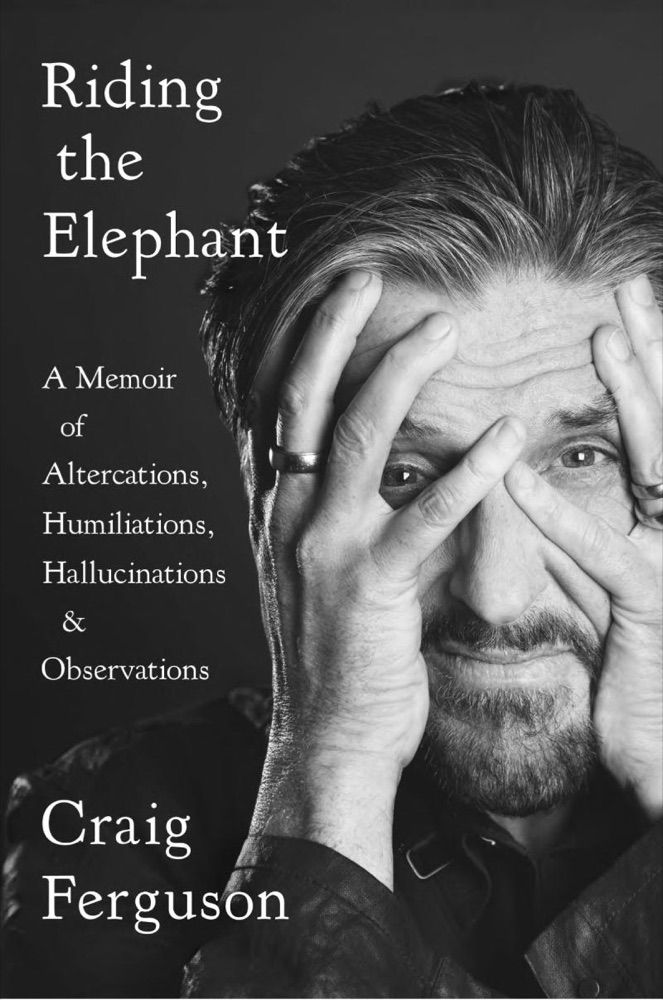 Riding the Elephant: A Memoir of Altercations, Humiliations, Hallucinations, and Observations
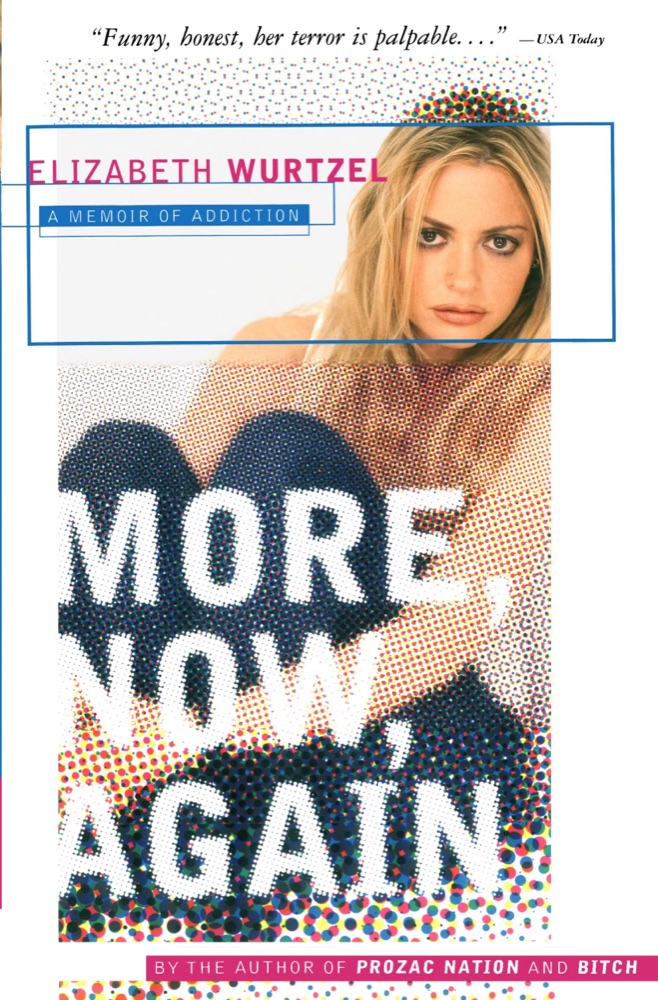 More, Now, Again: A Memoir of Addiction
 Anansi Boys
 Erasure
 Journals
 Killing Yourself to Live: 85% of a True Story
 The Folded Clock: A Diary
 The Fortunes of Indigo Skye
 Ayoade on Top
 Last Night I Sang to the Monster
 On Being Human: A Memoir of Waking Up, Living Real, and Listening Hard
 Microserfs
 Hell of a Book
 They're Going to Love You
 How to be Famous
 Five Flavors of Dumb