
 Cruddy
Quotes from the Book
There are certain children who are told they are too sensitive, and there are certain adults who believe sensitivity is a problem that can be fixed in the way that crooked teeth can be fixed and made straight. And when these two come together you get a fairytale, a kind of story with hopelessness in it. I believe there is something in these old stories that does what singing does to words. They have transformational capabilities, in the way melody can transform mood. They can't transform your actual situation, but they can transform your experience of it. We don't create a fantasy world to escape reality, we create it to be able to stay. I believe we have always done this, used images to stand and understand what otherwise would be intolerable.
201
What year is it in your imagination?
32
The thing I call ‘my mind’ seems to be kind of like a landlord that doesn’t really know its tenants.
22
At the center of everything we call 'the arts,' and children call 'play,' is something which seems somehow alive.
19
What is it? The ordinary is EXTRAORDINARY. The ordinary is extraordinary. The ordinary is the thing we want back when someone we love dies. When someone dies or leaves or falls out of love with us. We call it "little things". We say, "it's the little things I miss most." The ordinary things. It's the little thing that brings them back to us unexpectedly. We say "reminds us" but it is more than reminding-it's a conflagration-it's an inundation-Both fire and flood is memory. It's spark and breach so ordinary we do not question it. The atom split. The little thing.
17
what is an imaginary friend? are there also imaginary enemies?
17
something can only become an illusion after disillusionment. before that, it is something real. what caused the disillusionment? no one told me the print on the wall was just ink and paper and had no life of its own. at some point the cat stopped blinking, and i stopped thinking it could.
11
What is an idea made of? Of future, past and also meanwhile.
10
are memories pictures or the secret doorway?
9
i believe [images] are the soul's immune system and transit system.
9
One by one most kids I knew quit drawing and never drew again. It left behind too much evidence.
8
but paper and ink have conjuring abilities of their own. arrangements of lines and shapes, of letters and words on a series of pages make a world we can dwell and travel in.
8
Playing and fun are not the same thing, though when we grow up we may forget that and find ourselves mixing up playing with happiness. There can be a kind of amnesia about the seriousness of playing, especially when we played by ourselves or looked like we were playing by ourselves. I believe a kid who is playing is not alone. There is something brought alive during play, and this something, when played, seems to play back. If playing isn't happiness or fun, if it is something which may lead to those things or to something else entirely, not being able to play is a misery. No one stopped me from playing when I was alone, but there were times when I wasn't able to, though I wanted to--there were times when nothing played back. Writers call it 'writer's block'. For kids there are other names for that feeling, though kids don't usually know them. Fairy tales and myths are often about this very thing. They begin sometimes with this very situation: a dead kingdom. Its residents all turned to stone. It's a good way to say it, that something alive is gone. The television eased the problem by presenting channels to an ever-lively world I could watch, though it couldn't watch me back, not that it would see much if it could. A girl made of stone facing a flickering light, 45 years later a woman made of stone doing the same thing. In a myth or a fairy tale one doesn't restore the kingdom by passivity, nor can it be done by force. It can't be done by logic or thought. It can't be done by logic or thought. So how can it be done? Monsters and dangerous tasks seem to be part of it. Courage and terror and failure or what seems like failure, and then hopelessness and the approach of death convincingly. The happy ending is hardly important, though we may be glad it's there. The real joy is knowing that if you felt the trouble in the story, your kingdom isn't dead.
7
i didn't know there were different lines of aliveness, and two worlds contained by each other.
4
The thing i call 'my mind' seems to be kind of like a landlord that doesn't really know its tenants.
4
Some lights shine without any flashing. Others flash on and off.
3
No, she answered, “one is of tin, and one of straw; one is a girl and another a Lion. None of them is fit to work, so you may tear them into small pieces.
2
once i knew the blinking cat could not really blink, was just paper and ink.
2
To follow a wandering mind means having to get lost. Can you stand being lost?
1
I believe they [images] are the soul's immune system....
1
I thought imaginary meant unseen so this imaginary friend could be anywhere. People who had them heard them speak but no one else could hear them. I wanted one and tried to conjure one in different ways but none came. Finally I just lied about having one. Which meant I had an imaginary imaginary friend.
Stuart Dybeck wrote a book called ‘Childhood and Other Neighborhoods’ and I think this begins to describe it, the idea of our childhood as a neighborhood with something like streets and houses, schoolyards and cemeteries, short cuts and long ways. It’s a good way to start, by thinking of childhood as a place rather than a time.
Sometimes in order to remember we have to completely forget. Sometimes in order to forget we have to completely remember.
The night was when you needed an imaginary friend. Mine didn’t come until I learned to read.
The time for it is always with us though we say I do not have that kind of time. The kind of time I have is not for this but for that. I wish I had that kind of time.
About Lynda Barry
We have collected 47 quotes from 3 books by Lynda Barry on BookQuoters.
More about the author →More by Lynda Barry
Cruddy
About the book
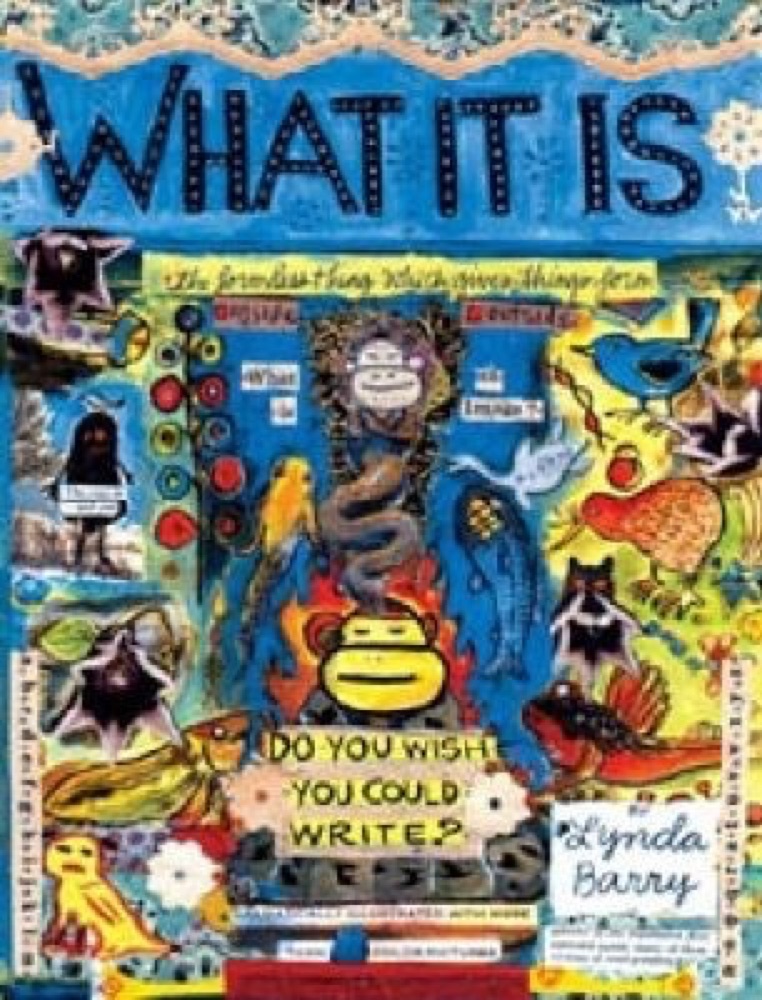
How do objects summon memories? What do real images feel like? For decades, these types of questions have permeated the pages of Lynda Barry’s compositions, with words attracting pictures and conjuring places through a pen that first and foremost keeps on moving. What It Is demonstrates a tried-and-true creative method that is playful, powerful, and accessible to anyone with an inquisitive wish to write or to remember. Composed of completely new material, each page of Barry’s first Drawn & Quarterly book is a full-color collage that is not only a gentle guide to this process but an invigorating example of exactly what it is: “The ordinary is extraordinary.”
Book details
- First published
- 2008
- Author
- Lynda Barry
- Genre
- Nonfiction
- Goodreads rating
- 4.20 (26k ratings)
Keep reading
 Dearly
 Smoke and Mirrors: Short Fiction and Illusions
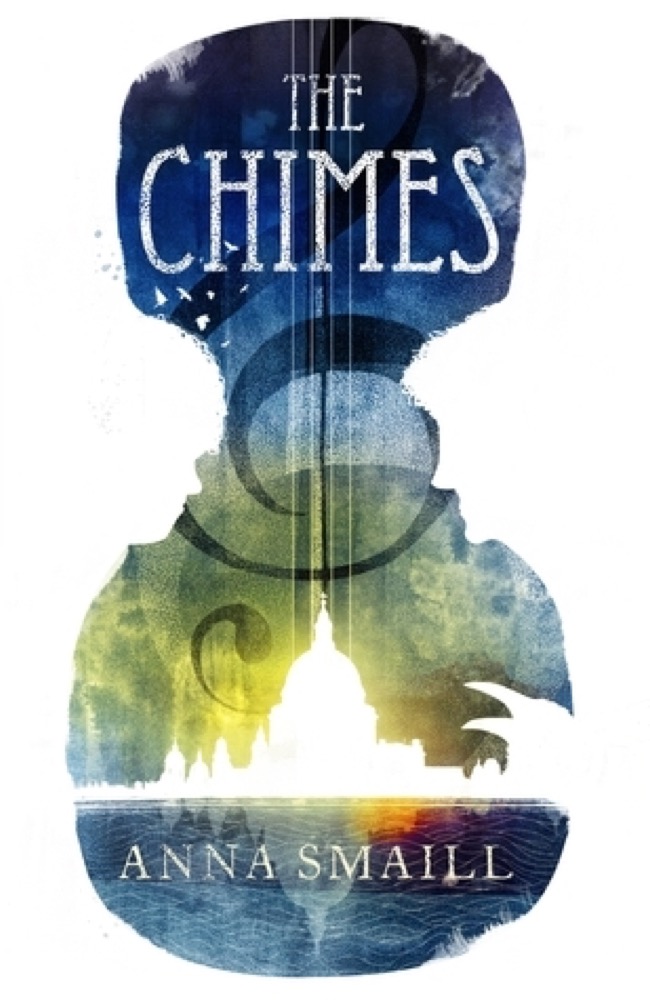 The Chimes
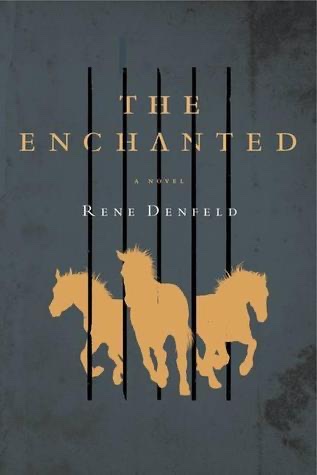 The Enchanted
 M Train
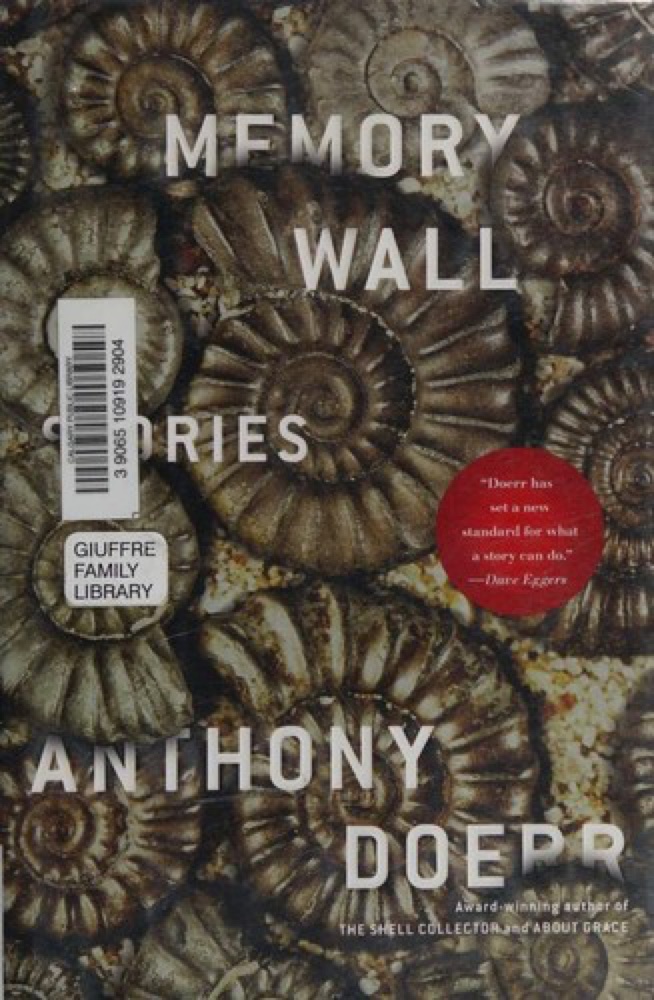 Memory Wall
 The Sorrows of an American
 The Book of Form and Emptiness
 A Tale for the Time Being
 The Hidden Girl and Other Stories
 How to be Both
 Stories of Your Life and Others
 Killing Commendatore
 Fragile Things: Short Fictions and Wonders
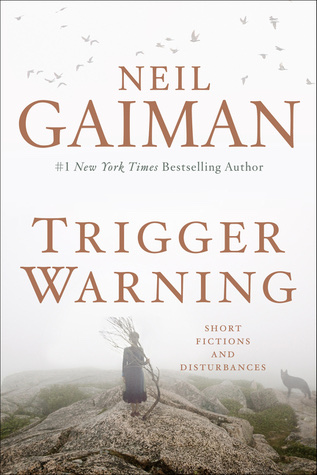 Trigger Warning: Short Fictions and Disturbances
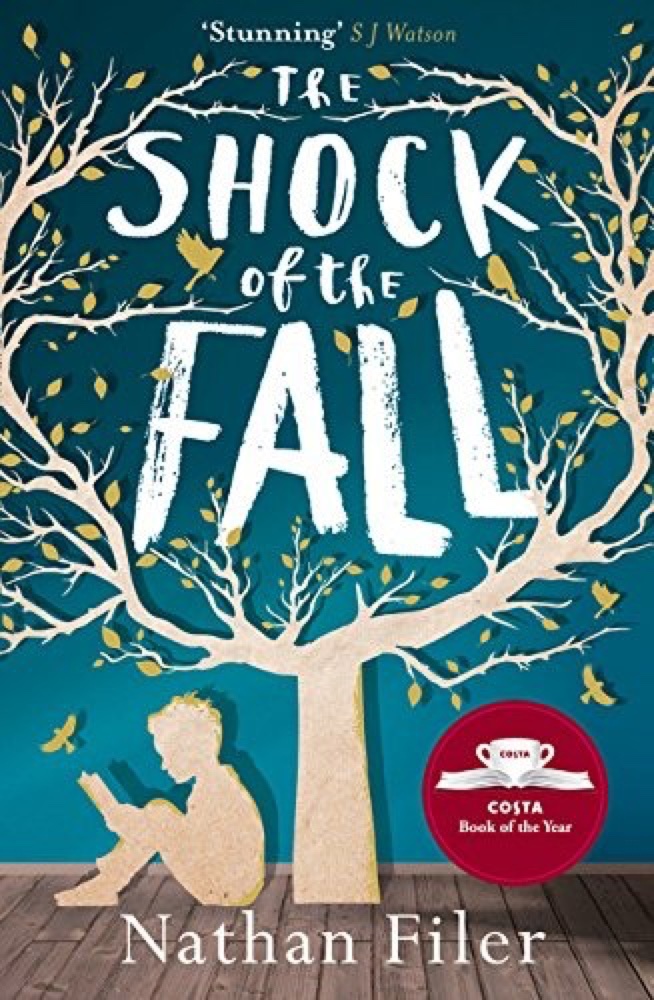 The Shock of the Fall
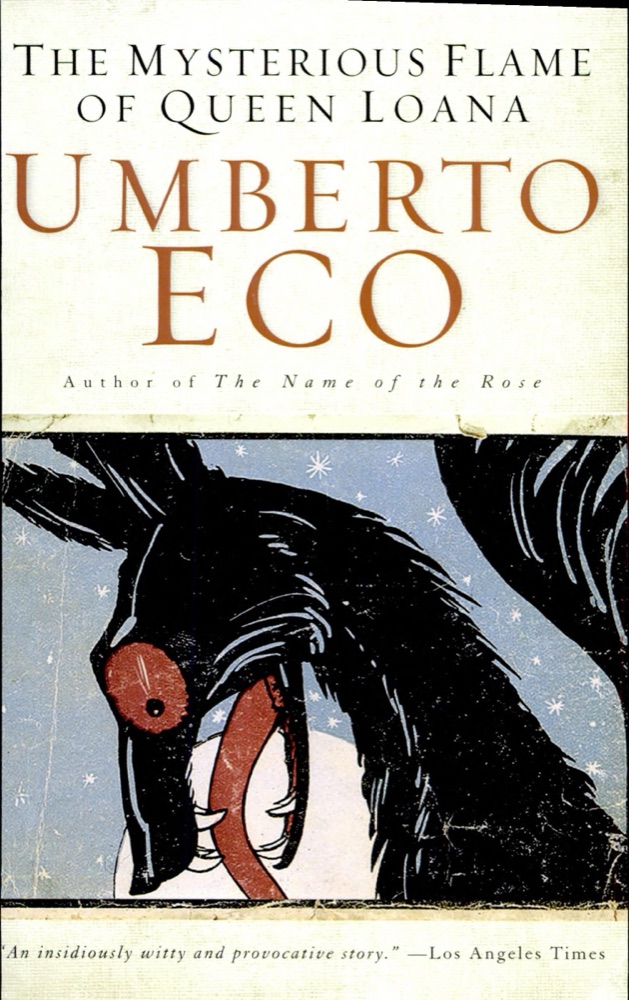 The Mysterious Flame of Queen Loana
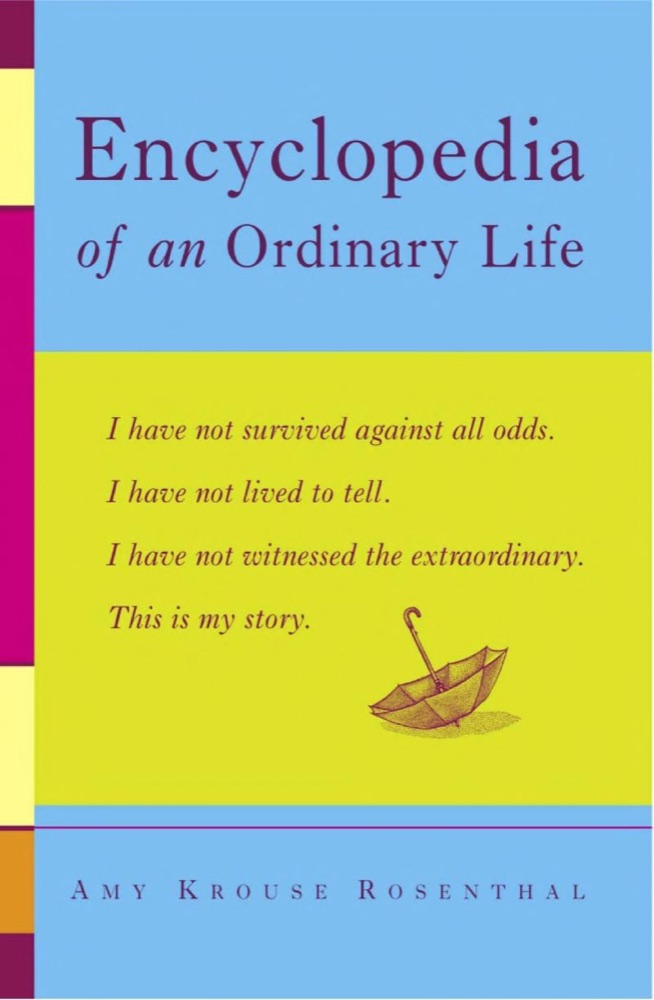 Encyclopedia of an Ordinary Life
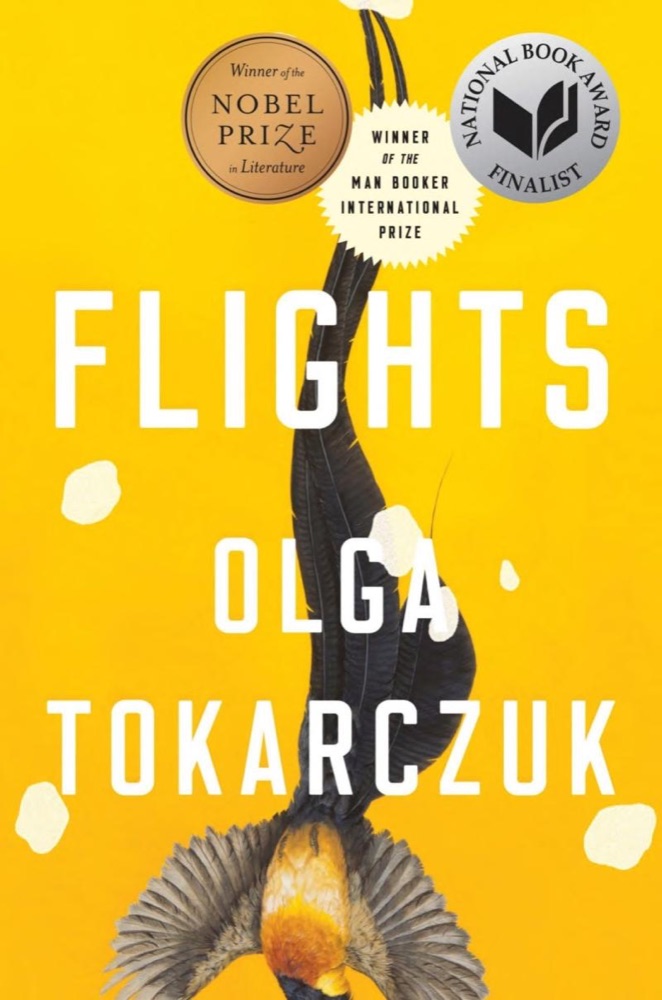 Flights
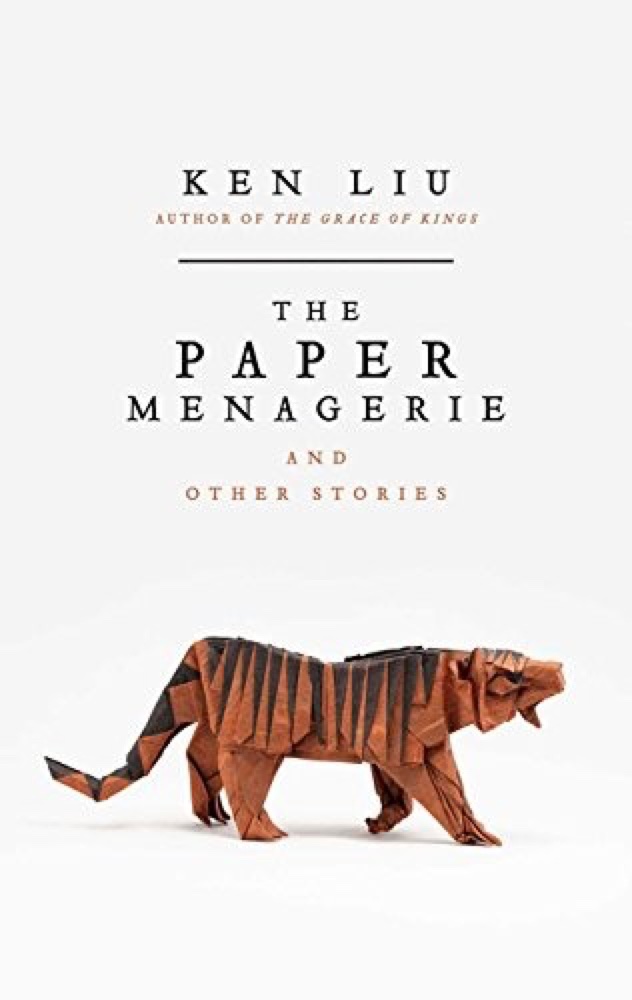 The Paper Menagerie and Other Stories
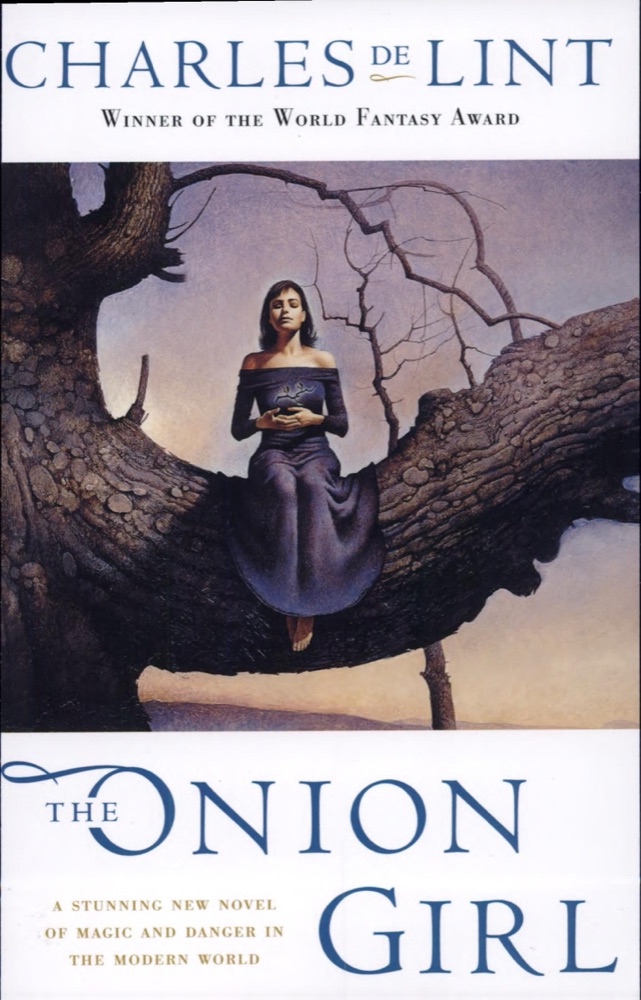 The Onion Girl
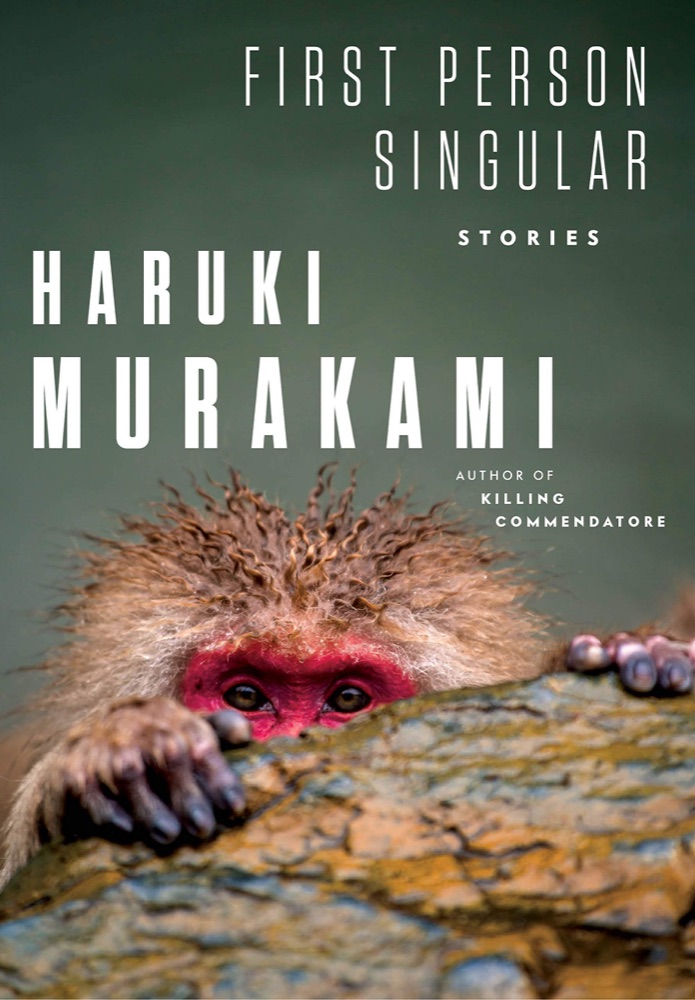 First Person Singular: Stories
 Stay Awake
 The Dream of Perpetual Motion
 Make It Scream, Make It Burn
 The Year of Magical Thinking
 The Names
 Year of the Monkey
 Lost Children Archive
 The Unlikely Escape of Uriah Heep
 The Beginning of Everything
 Hard-Boiled Wonderland and the End of the World
 Utopia Avenue
 The Book of Dreams
 Christmas Days: 12 Stories and 12 Feasts for 12 Days
 Speak, Memory
 The Rose Field
 Dreams Underfoot
 Mister Pip
 Hourglass: Time, Memory, Marriage
 Acceptance
 No and Me
 The Book of Illusions
 Winter
 The Stone Gods
 Night Train to Lisbon
 The World to Come
 Checkout 19
 What I Loved
 Pet
Pet
 The End of Mr. Y
 What Comes Next and How to Like It
 The Book of Tomorrow
 The Last House on Needless Street
 Another Roadside Attraction
 Negotiating with the Dead: A Writer on Writing
 number9dream
 Aquarium
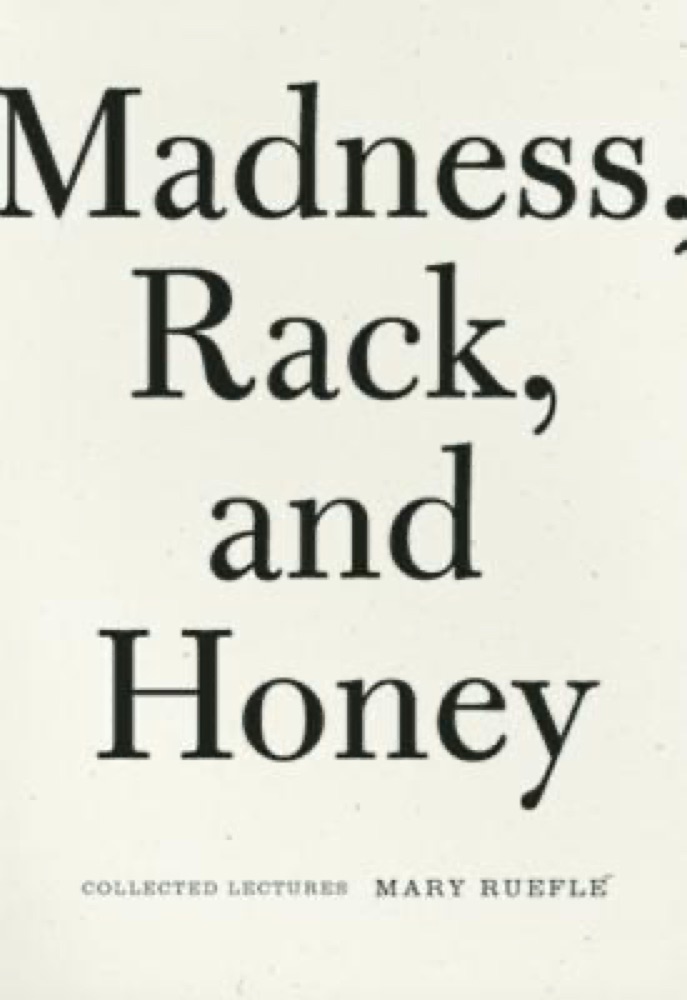 Madness, Rack, and Honey: Collected Lectures