 Psychotic Reactions and Carburetor Dung
Quotes from the Book
Without music to decorate it, time is just a bunch of boring production deadlines or dates by which bills must be paid.
721
Definition of rock journalism: People who can't write, doing interviews with people who can't think, in order to prepare articles for people who can't read.
660
A drug is not bad. A drug is a chemical compound. The problem comes in when people who take drugs treat them like a license to behave like an asshole.
522
It's better to have something to remember than anything to regret.
399
The Ultimate Rule ought to be: 'If it sounds GOOD to you, it's bitchin'; if it sounds BAD to YOU, it's shitty. The more your musical experience, the easier it is to define for yourself what you like and what you don't like. American radio listeners, raised on a diet of _____ (fill in the blank), have experienced a musical universe so small they cannot begin to know what they like.
67
For the record, folks; I never took a shit on stage and the closest I ever came to eating shit anywhere was at a Holiday Inn buffet in Fayetteville, North Carolina, in 1973.
39
I detest love lyrics. I think one of the causes of bad mental health in the United States is that people have been raised on 'love lyrics'. You're a young kid and you hear all those 'love lyrics', right? Your parents aren't telling you the truth about love, and you can't really learn about it in school. You're getting the bulk of your 'behaviour norms' mapped out for you in the lyrics to some dumb fucking love song. It's a subconscious training that creates desire for an imaginary situation which will never exist for you. People who buy into that mythology go through life feeling that they got cheated out of something. What I think is very cynical about some rock and roll songs -- especially today -- is the way they say: "Let's make love." What the fuck kind of wussy says shit like that in the real world? You ought to be able to say "Let's go fuck", or at least "Let's go fill-in-the-blank" -- but you gotta say "Let's make love" in order to get on the radio. This creates a semantic corruption, by changing the context in which the word 'love' is used in the song. When they get into drooling about love as a 'romantic concept' -- especially in the lyrics of sensitive singer/songwriter types -- that's another shove in the direction of bad mental health. Fortunately, lyrics over the last five or six years have gotten to be less and less important, with 'art rock groups' and new wavers specializing in 'nonjudgemental' or 'purposely inconsequential' lyrics. People have stopped listening to the lyrics -- they are now only 'pitched mouth noises'.
26
The really big news of the eighties is the stampede to regurgitate mildly camouflaged musical styles of previous decades, in ever-shrinking cycles of 'nostalgia. (It isn't necessary to imagine the world ending in fire or ice—there are two other possibilities: one is paperwork, and the other is nostalgia. When you compute the length of time between The Event and The Nostalgia For The Event, the span seems to be about a year less in each cycle. Eventually within the next quarter of a century, the nostalgia cycles will be so close together that people will not be able to take a step without being nostalgic for the one they just took. At that point, everything stops. Death by Nostalgia.)
5
The most important thing in art is The Frame. For painting: literally; for other arts: figuratively - because, without this humble appliance, you can't know where The Art stops and The Real World begins. You have to put a 'box' around it because otherwise, what is that shit on the wall? If John Cage, for instance, says, "I'm putting a contact microphone on my throat, and I'm going to drink carrot juice, and that's my composition," then his gurgling qualifies as his composition because he put a frame around it and said so. "Take it or leave it, I now will this to be music." After that it's a matter of taste. Without the frame-as-announced, it's a guy swallowing carrot juice.
2
In the future, etiquette will become more and more important. That doesn't mean knowing which fork to pick up—I mean basic consideration for the rights of other animals (human beings included) and the willingness, whenever practical, to tolerate the other guy's idiosyncracies. We live in a world where people preach at you constantly (like now, even)—telling you not to be fat, you can't smoke, you can't eat butter, sugar will kill you, everything is bad for you—especially sex. Every natural human urge has been thwarted in one way or another, so that some cocksucker gets to make a dollar off your guilt. Certain people buy into this because they don't want to rock the boat. Unfortunately, adaptation of this sort requires that the adaptee willingly destroys his own personality.
2
Failure is one of those things that 'serious people' dread. Invariably, the persons most likely to be crippled by this fear are people who have convinced themselves that they are SO bitchen they shouldn't ever be placed in a situation where they might fail. Failure is nothing to get upset about. It's a fairly normal condition; an inevitability in ninety-nine percent of all human undertakings. Success is rare—that's why people get so cranked up about it.
2
I feel that if you live life in pursuit of 'certification,' 'appreciation’, or ‘compensation' in any form from your parents, you're making a big mistake. The sooner you can say, “Okay, they're them and I'm me, and let's make the best of it," the better off you're going to be. We could improve worldwide mental health if we acknowledged that parents can make you crazy. I believe that, to a certain extent, kids get weird because their parents made them weird. Parents have more to do with making their children weird than TV or rock and roll records. The only other thing that makes them weirder than TV and parents is religion and drugs.
2
I do not belong to your organization. I know nothing about it. I'm not even interested in it – and yet, a request has been made for me to give what purports to be a keynote speech. Before I go on, let me warn you that I talk dirty, and that I will say things you will neither enjoy nor agree with. You shouldn't feel threatened though, because I am a mere buffoon, and you are all Serious American Composers. For those of you who don't know, I am also a composer. I taught myself how to do it by going to the library and listening to records. I started when I was fourteen and I've been doing it for thirty years. I don't like schools. I don't like teachers. I don't like most of the things that you believe in – and if that weren't enough, I earn a living by playing the electric guitar.
1
I think it is good that books still exist, but they make me sleepy.
1
All the old history was written for the amusement of the ruling classes. The lower classes couldn't read, and their rulers didn't care about remembering what happened to them." — My Dad (something he told me when I was a kid)
If any of my kids ever asked me that question, the answer would have to be: "What I do is composition." I just happen to use material other than notes for the pieces. Composition is a process of organization, very much like architecture. As long as you can conceptualize what that organizational process is, you can be a ‘composer’ — in any medium you want. You can be a ‘video composer’, ‘film composer’, a ‘choreography composer’, a ‘social engineering’ composer — whatever. Just give me some stuff, and I'll organize it for you. That's what I do.
Watch on YouTube
About Frank Zappa
We have collected 16 quotes from 1 book by Frank Zappa on BookQuoters.
More about the author →About the book
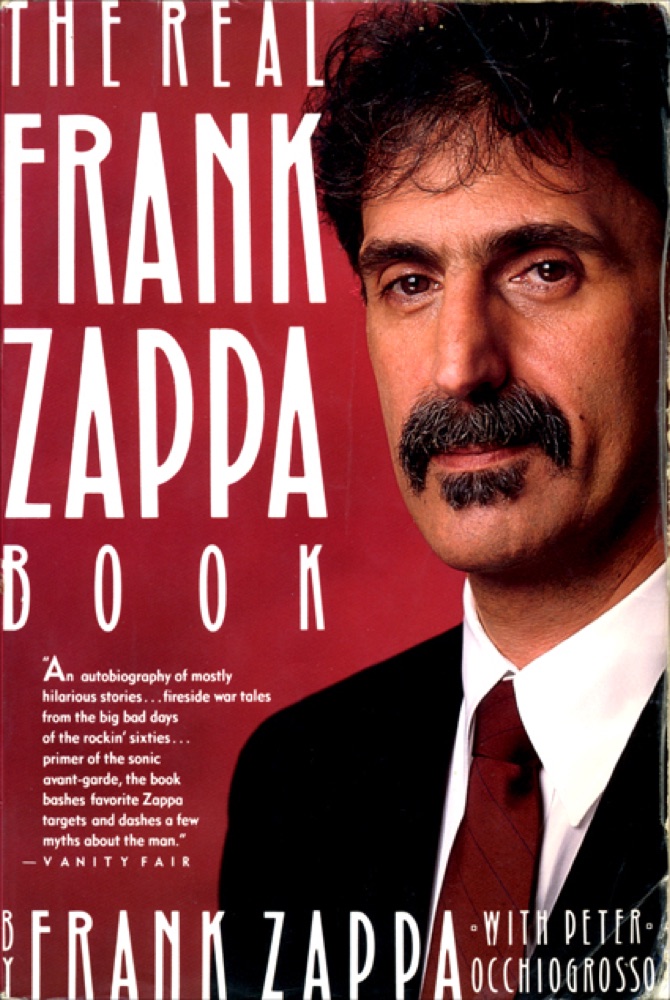
The legendary Frank Zappa, one of the most influential, innovative and controversial musical artists for the past 20 years, takes us on a wild, funny trip through his life and times. Along the way, Zappa offers his inimitable views on many things such as art, politics and beer.
Book details
- First published
- 1989
- Author
- Frank Zappa
- Genre
- Biography
- Goodreads rating
- 4.13 (7k ratings)
Keep reading
Psychotic Reactions and Carburetor Dung
 Mo' Meta Blues: The World According to Questlove
 Sex, Drugs, and Cocoa Puffs: A Low Culture Manifesto
 Miles: The Autobiography
 If This Isn't Nice, What Is?: Advice for the Young
 Eating the Dinosaur
 A Man Without a Country
 Let's Go (So We Can Get Back): A Memoir of Recording and Discording with Wilco, Etc.
 Journals
 On Writing
 The Salmon of Doubt
 The Fry Chronicles
 Ignore Everybody: and 39 Other Keys to Creativity
 High Fidelity
 Life
Life
 Love All the People: Letters, Lyrics, Routines
 Born to Run
 Slumberland
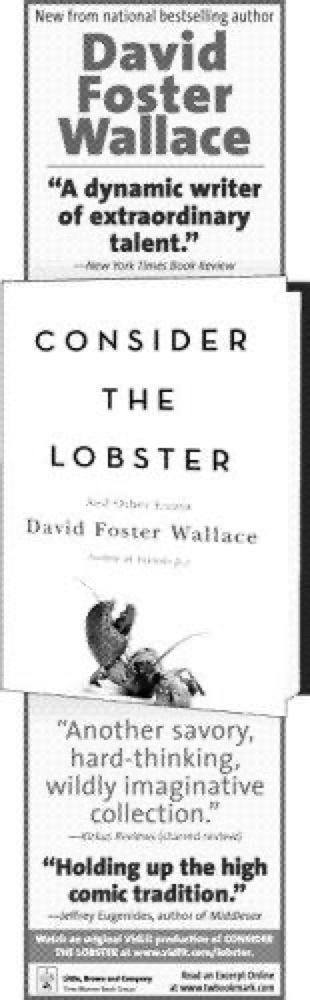 Consider the Lobster and Other Essays
 The Gum Thief
 The Wave in the Mind: Talks and Essays on the Writer, the Reader and the Imagination
 Silence: Lectures and Writings
 How to Talk Dirty and Influence People
 Main Lines, Blood Feasts, and Bad Taste: A Lester Bangs Reader
 You're Making Me Hate You: A Cantankerous Look at the Common Misconception That Humans Have Any Common Sense Left
 Decoded
 When Will Jesus Bring the Pork Chops?
 Songbook
 Half Asleep in Frog Pajamas
 Money
Money
 Attempting Normal
 I. Asimov: A Memoir
 Wampeters, Foma and Granfalloons
 Back Story
 Utopia Avenue
 My Booky Wook
 Dæmon Voices
 Bird by Bird
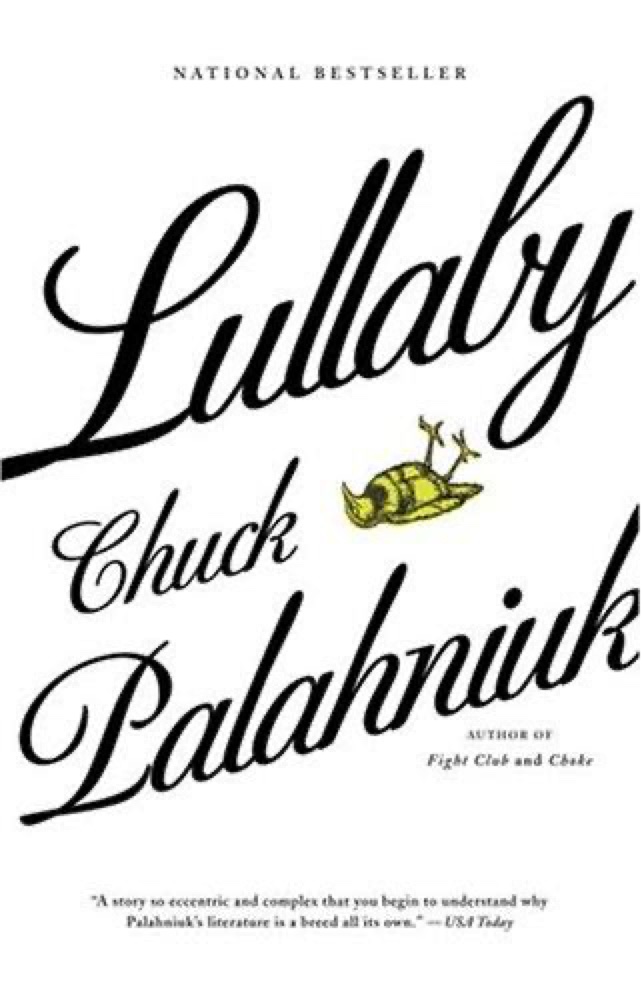 Lullaby
 The Fran Lebowitz Reader
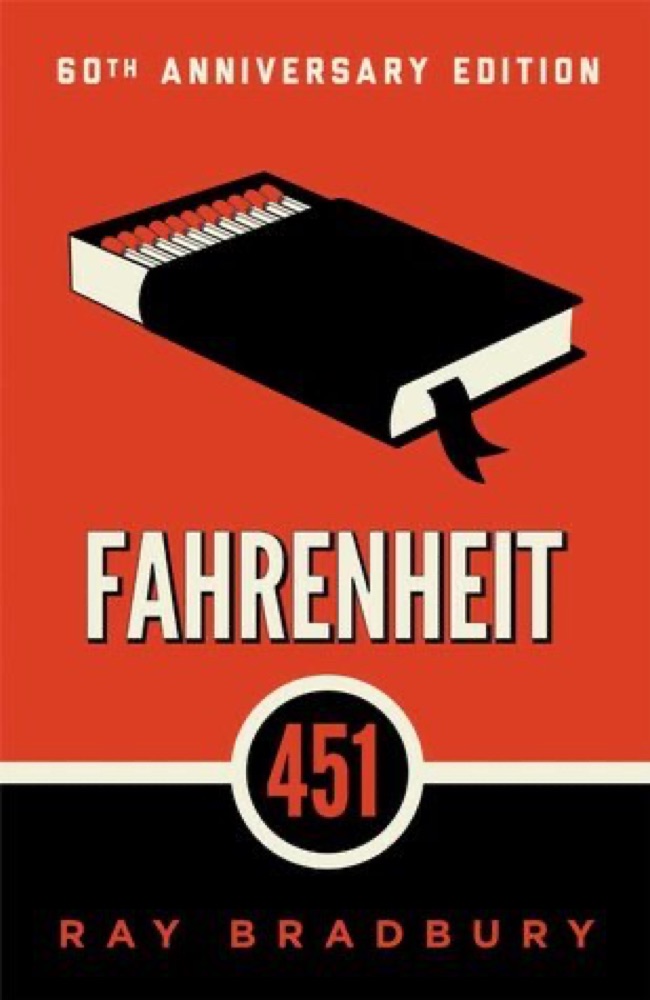 Fahrenheit 451
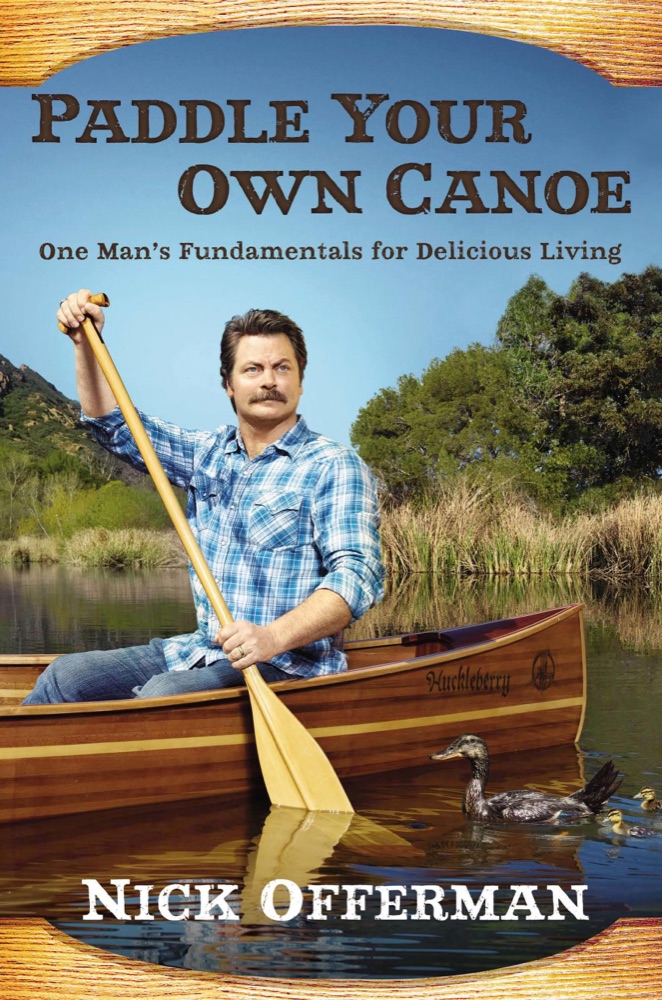 Paddle Your Own Canoe: One Man's Fundamentals for Delicious Living
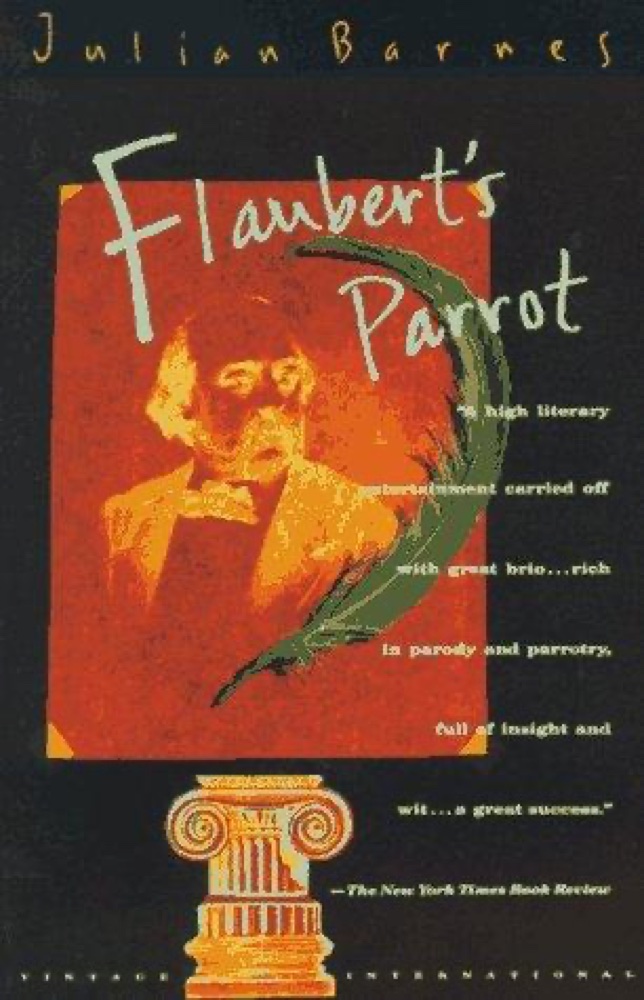 Flaubert's Parrot
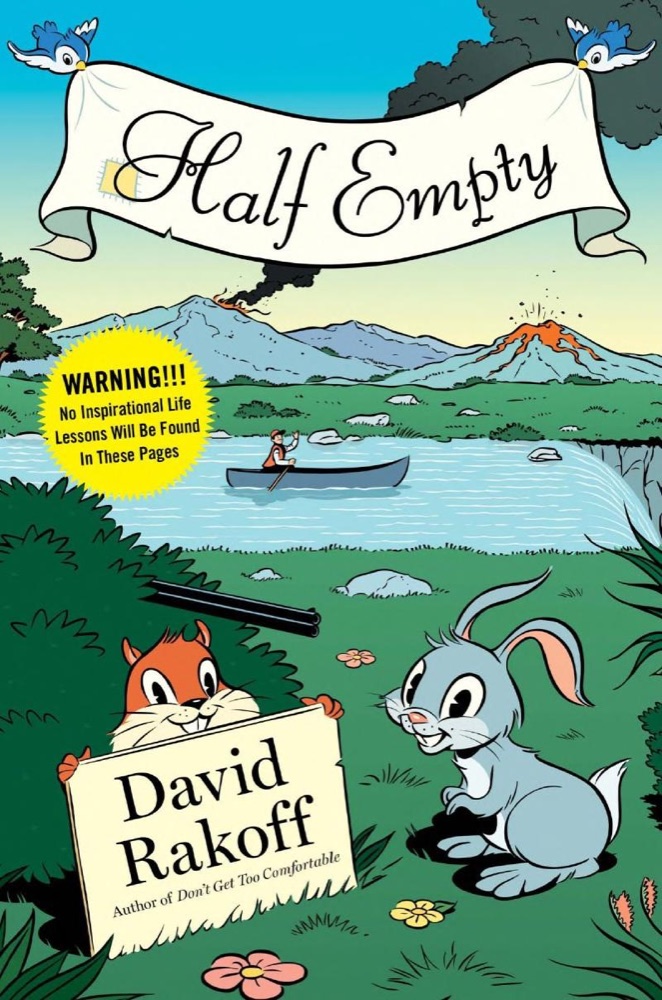 Half Empty
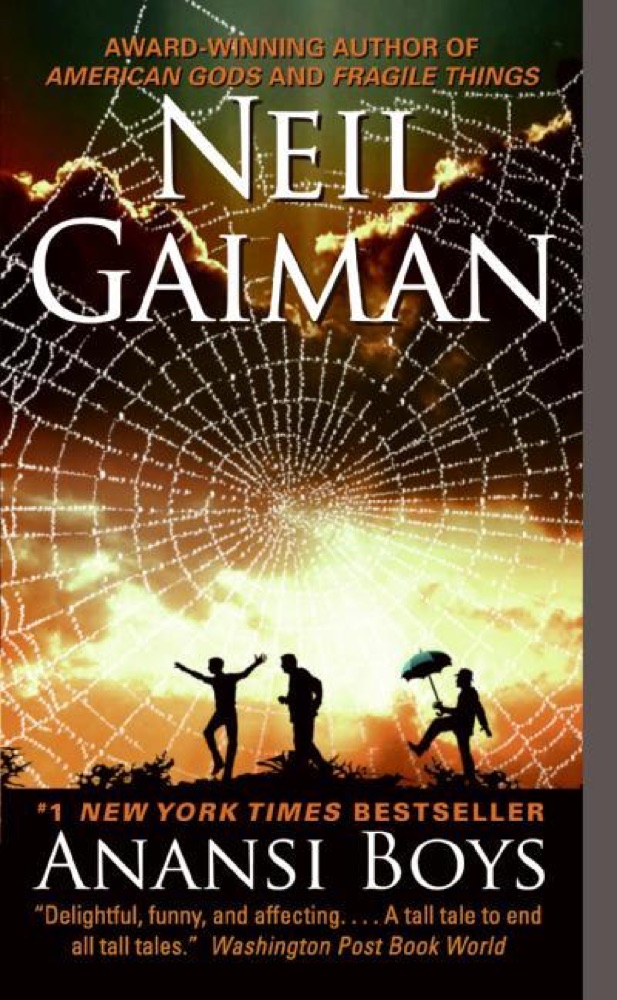 Anansi Boys
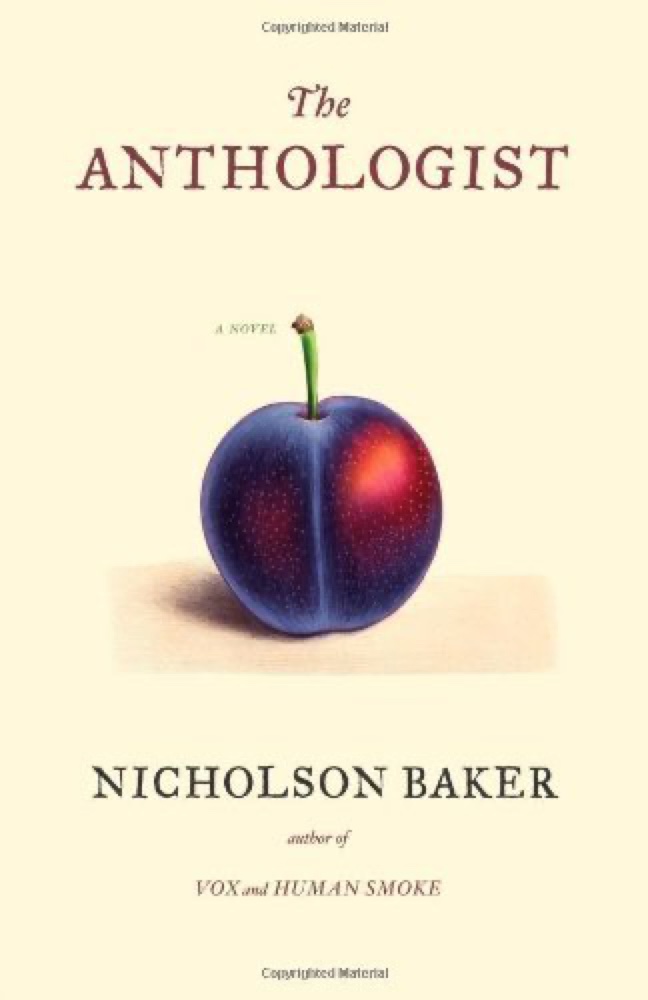 The Anthologist
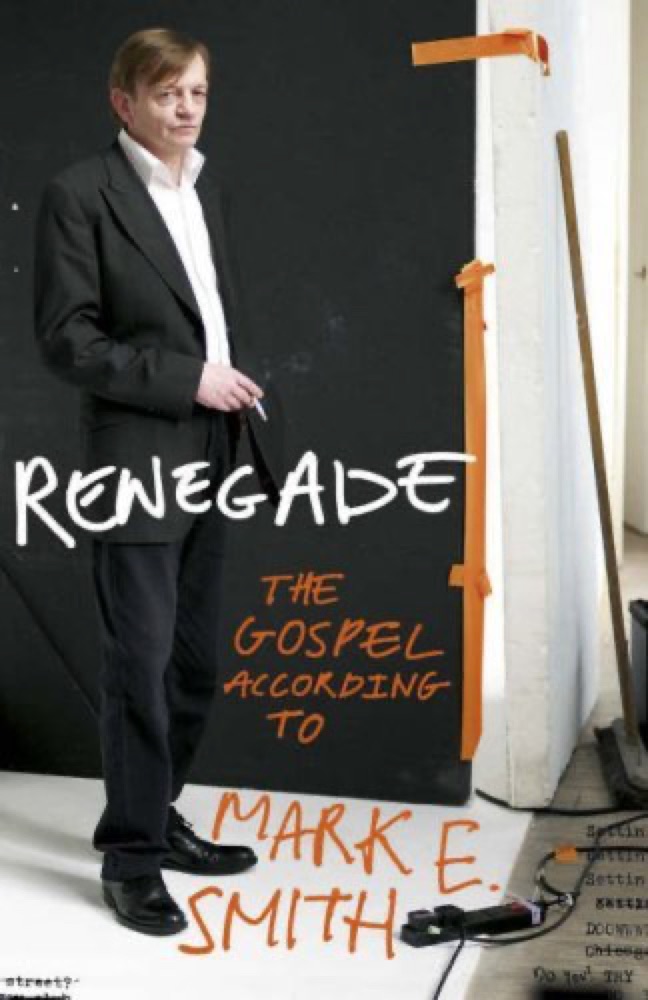 Renegade: The Lives and Tales of Mark E. Smith
 Harassment Architecture
 Lanark
 The Triggering Town: Lectures and Essays on Poetry and Writing
 Before & Laughter: A Life Changing Book
 A Naked Singularity
 Hunger Makes Me a Modern Girl
 Skinny Legs and All
 The Ghost
 Dear Mr. M
 Ayoade on Top
 The View from the Cheap Seats: Selected Nonfiction
 How to Write One Song: Loving the Things We Create and How They Love Us Back