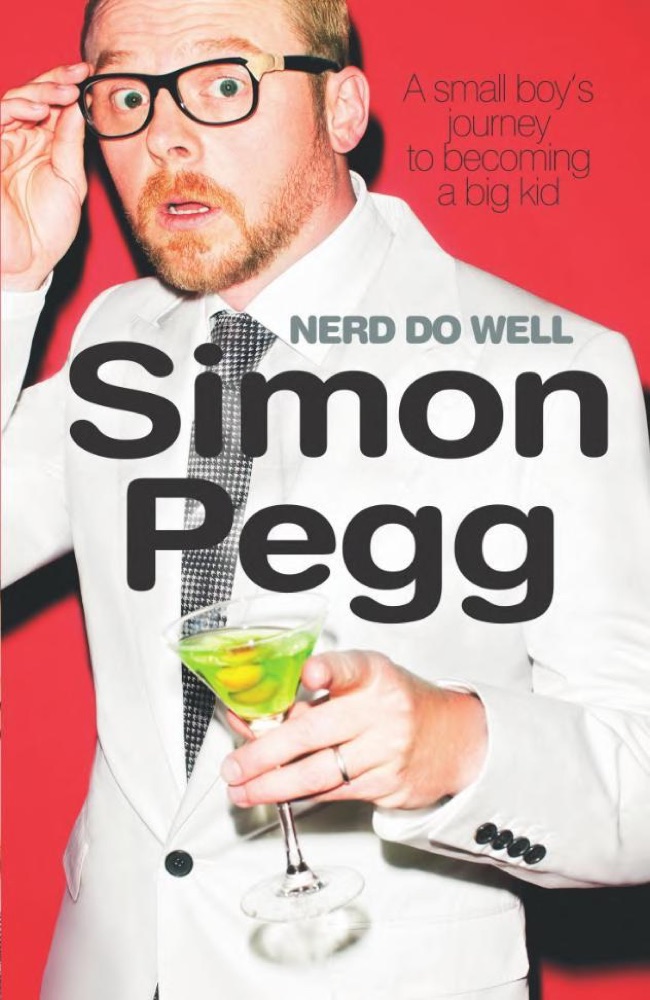

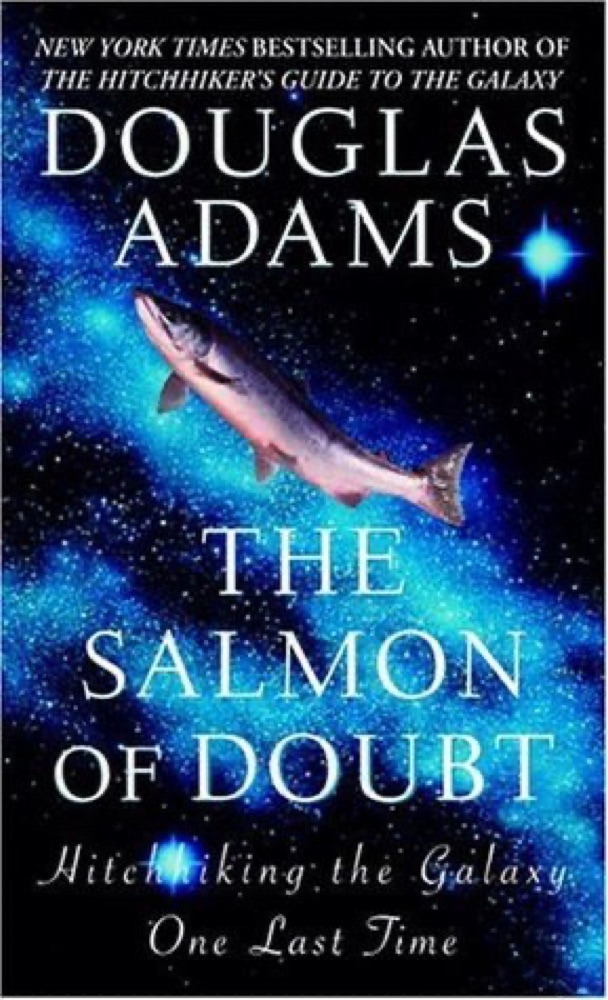
 The Salmon of Doubt
Quotes from the Book
We might not know we are seeking people who best enrich our lives, but somehow on a deep subconscious level we absolutely are. Whether the bond is temporary or permanent, whether it succeeds or fails, fate is simply a configuration of choices that combine with others to shape the relationships that surround us. We cannot choose our family, but we can choose our friends, and we sometimes, before we even meet them.
63
Plainly it isn't an exact science, despite it being a complex interaction of micro-decisions and corresponding thought; perhaps it doesn't always work and we pass by some potential soulmates like the proverbial ships in the night, never quite connecting. Then again, perhaps the system is tenacious and continues to run like a computer program on infinite loop, so that if at first you don't meet, you are drawn back together for another try.
33
Ultimately, we are all products of the experiences we have and the decisions we make as children, and it remains a peculiar detail of human condition that something as precious as the future is entrusted to us when we possess so little foresight. Perhaps that's what makes hindsight so intriguing. When you're young the future is a blank canvas, but looking back you are always able to see the big picture.
24
If there is no fate and our interactions depend on such a complex system of chance encounters, what potentially important connections do we fail to make? What life changing relationships or passionate and lasting love affairs are lost to chance?
23
It's why I get miffed at all the dashing around in recent zombie films. It completely misses the point; transforms the threat to a straightforward physical danger from the zombies themselves, rather than our own inability to avoid them and these films are about us, not them. There's far more meat on the bones of the latter, far more juicy interpretation to get our teeth into. The first zombie is by comparison thin and one dimensional and ironically, it is down to all the exercise.
17
(on the word "fuck") 'Oh, come on, Mum,' I sighed at her protest. 'It's just an old Anglo-Saxon word for the female organ which has been adopted by an inherently misogynist language as a negative epithet. It's the same as "fuck", it basically means the same as copulate, but the latter is perfectly acceptable. Why? Because copulate has its roots in Latin and Latin reminds us that we are a sophisticated, learned species, not the rutting animals that these prehistoric grunts would have us appear to be, and isn't that really the issue here? We don't want to admit that we are essentially animals? We want to distinguish ourselves from the fauna with grand conceits and elaborate language; become angels worthy of salvation, not dumb creatures consigned to an earthly, terminal end. It's just a word, Mum; a sound meaning a thing; and your disgust is just denial of a greater horror: that our consciousness is not an indication of our specialness but the terrifying key to knowing how truly insignificant we are.' She told me to got fuck myself.
15
It wasn't until a year later, when a young woman with Danish pastries on either side of her head knelt down in front of a walking dustbin to record an important message, that love truly came to town." - p 16 [re: Princess Leia]
15
Remember when only a few people had mobile phones. Generally regarded as an object of derision, you would occasionally see business types clutching those ridiculous grey bricks to their faces and mutter to yourself 'what a prick.' Nowadays, an eyebrow hardly even flutters when we see a ten-year-old child happily texting away. You probably wouldn't notice anyway; you'd be too busy downloading an app that could definitively pinpoint who it was that had just farted in your tube carriage.
15
It is an extraordinary thing to meet your heroes and find them to be everything you hoped they would be.
8
In the most basic terms it was about how when we experience art without critical awareness we consent to the ideas being promoted, either intentionally or unintentionally, by the filmmaker. For instance, if you watch a racist comedian and laugh at his jokes, you are consenting to the prejudices inherent within them. Similarly, if you watch a movie which perpetuates conventional ideas about race, gender, etc., you are consenting to them and not affecting change in any way.
8
[The USA in the '70s] The country's cinematic output was appropriately bleak, reflecting the moroseness and self-hatred that riddled the national psyche. Anti-heroes such as Bonnie and Clyde, Travis Bickle, Popeye Doyle and the Corleones dominated the box office and the public wallowed in a morass of guilty introspection. There was never a country in more desperate need of a blow job than the United States of America: enter George Lucas.
7
Suddenly, the world I had scrutinised for so long was all around me, as if I had leaned forward and climbed into the television like Alice through the looking-glass. I had no idea just how deep the rabbit hole would go.
5
I'm simply saying that our deepest thoughts, desires and preoccupations manifest themselves in art, whether we intend them to or not. That's what art is for; it's not cerebral, it's emotional.
3
Maybe I'm wrong; I might not believe in fate but I do believe in causality and who's to say fate isn't just a sort of social mathematics that brings like-minded people together.
2
We might not know we are seeking out the people who best enrich our lives, but somewhere on a deep, subconscious level we absolutely are. Whether that bond is temporary or permanent, whether it succeeds or fails, fate is simply a conflagration of choices that combine with others to shape the relationships that surround us. We cannot choose our family but we can choose our friends, and we do, sometimes before we have even met them.
2
We are never more creative than when we are at odds with the world and there is nothing so artistically destructive as comfort.
1
I decided to go and see another film, just to take my mind off Star Wars, and noticed that a film called The Matrix was playing in the same theatre. Two hours later, I re-emerged into the street full of the excitement and satisfaction that The Phantom Menace had failed to inspire. The Matrix seemed fresh and cool and visually breathtaking; making wonderful, intelligent use of CGI to augment the on-screen action, striking a perfect balance of the real and the hyperreal. It was possibly the coolest film I had ever seen. Ironically, fraternal directing team the Wachowskis faltered quickly with their sequels, killing their baby in just three years. Credit to George Lucas, it took him twenty-five to murder his.
1
It happened in tiny increments as I remember. Mr Miller sat on the edge of the desk, which shifted slightly; the sudden exertion of the correction he had to make to regain his balance resulted in a double blow-off; two little rasping braps, accompanied by an expression of amused shame on his face, before the table suddenly lurched, cracked and then collapsed on to the floor with Mr Miller on top of it. There must have been a nanosecond of disbelief and amazement at the confluence of this combination of farcical ingredients before the class exploded into frenzied, screeching giggles, which Mr Miller simply had to allow, since his embarrassment and indignation would have only made it worse.
1
The Wombles was a hugely popular, animated children's TV series, about a family of diminutive creatures living on Wimbledon Common .... "making good use of the things that [they] find, things that the everyday folks leave behind. " it was essentially a show about recycling ... It became so popular that Merton council, which presides over the borough of Wimbledon, had to deal with a sharp increase in littering, after children desperate to catch a glimpse of these little eco-warriors began willfully discarding rubbish across the common.
In what can sometimes be a sea of apathy, teachers are drawn moth-like to kids with light bulbs hovering over their heads. It gives them something to work with. I will be forever grateful to Dora Brooking, for not only spotting my light bulb but also helping me turn up the wattage.
Star Wars was released in the UK in December 1977 and it's fair to say, like the peaceful planet of Alderaan, I was totally blown away.
It's interesting that I should recall so precisely what I was watching on TV at the time. I'm not sure whether it was the shock of my first bereavement that imprinted the moment so vividly in my memory or the sharp contrast between the fantasy of the show and the reality of my mother's tears. I certainly didn't understand the concept of death, and as such, I didn't truly experience a great sense of loss, I just remember feeling guilty that I had complained about missing my show, as I witnessed Mum struggling to give me the news, a sight far scarier than the Abominable Snowman or the Fiji Mermaid.
I would often sit in the corner of the room wearing Dad's massive headphones, carefully replaying the records time after time. It was something I did frequently throughout my childhood with music, comedy and film, inspiring my own creative imagination, the headphones rendering the experience intensely personal, as though it were all happening inside my own head.
I will be forever grateful to Dora Brooking, for not only spotting my light bulb but also helping me turn up the wattage.
However, neither occasion quite matched the levels of hilarity that ensued on the day Mr Miller sat on the corner of his desk and farted it to pieces.
Watch on YouTube
About Simon Pegg
We have collected 25 quotes from 1 book by Simon Pegg on BookQuoters.
More about the author →About the book
The unique life story of one of Britain's most talented and inventive comedians, star of Shaun of the Dead , Hot Fuzz and Star Trek .
Zombies in North London, death cults in the West Country, the engineering deck of the Enterprise: Simon Pegg has been ploughing some bizarre furrows in recent times. Having blasted onto the small screens with his now legendary sitcom Spaced , his rise to the UK's favourite son status has been mercurial, meteoric, megatronnic, but mostly just plain great.
From his childhood (and subsequently adult) obsession with Star Wars , his often passionate friendship with Nick Frost, and his forays into stand-up which began with his regular Monday morning slot in front of his 12-year-old classmates, this is a joyous tale of a homegrown superstar and a loval boy made good.
Book details
- First published
- 2009
- Author
- Simon Pegg
- Genre
- Nonfiction
- Goodreads rating
- 3.62 (11k ratings)
Keep reading
The Salmon of Doubt
 Life Itself
 The Universe Versus Alex Woods
 Ayoade on Top
 Agatha Christie: An Autobiography
 A Room Called Earth
 The Fry Chronicles
 What I Loved
 First Among Sequels
 Believe Me: A Memoir of Love, Death, and Jazz Chickens
 Reckoning: A Memoir
 My Booky Wook
 Re: Colonised Planet 5, Shikasta
 Geek Love
 Tibetan Peach Pie
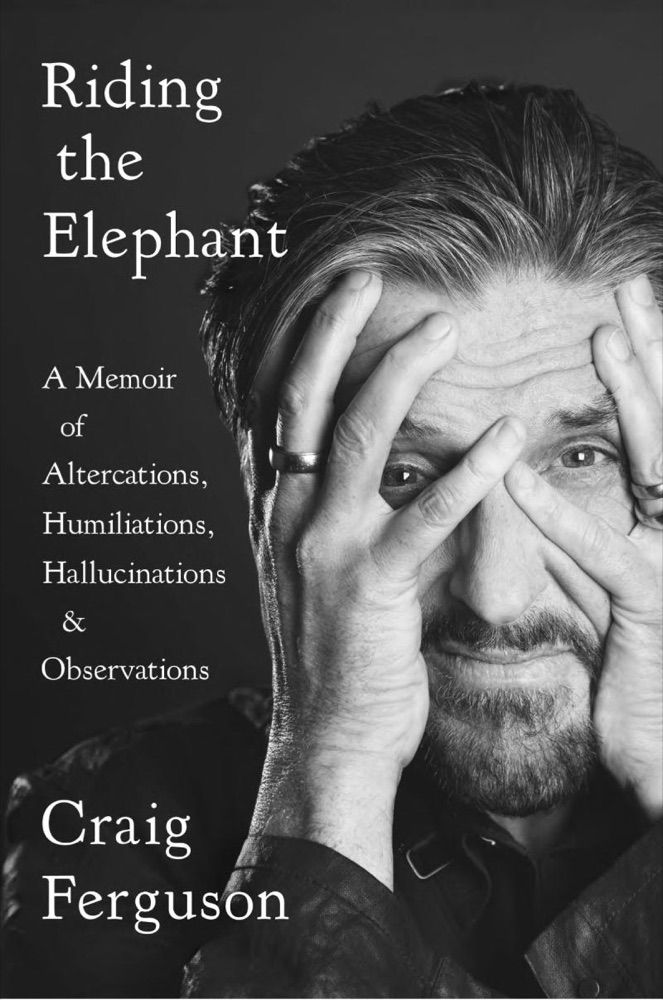 Riding the Elephant: A Memoir of Altercations, Humiliations, Hallucinations, and Observations
 Generation X: Tales for an Accelerated Culture
 The Manticore
 A Closed and Common Orbit
 Stories of Your Life and Others
 Silver Screen Fiend: Learning About Life from an Addiction to Film
 A Fisherman of the Inland Sea
 Slapstick, or Lonesome No More!
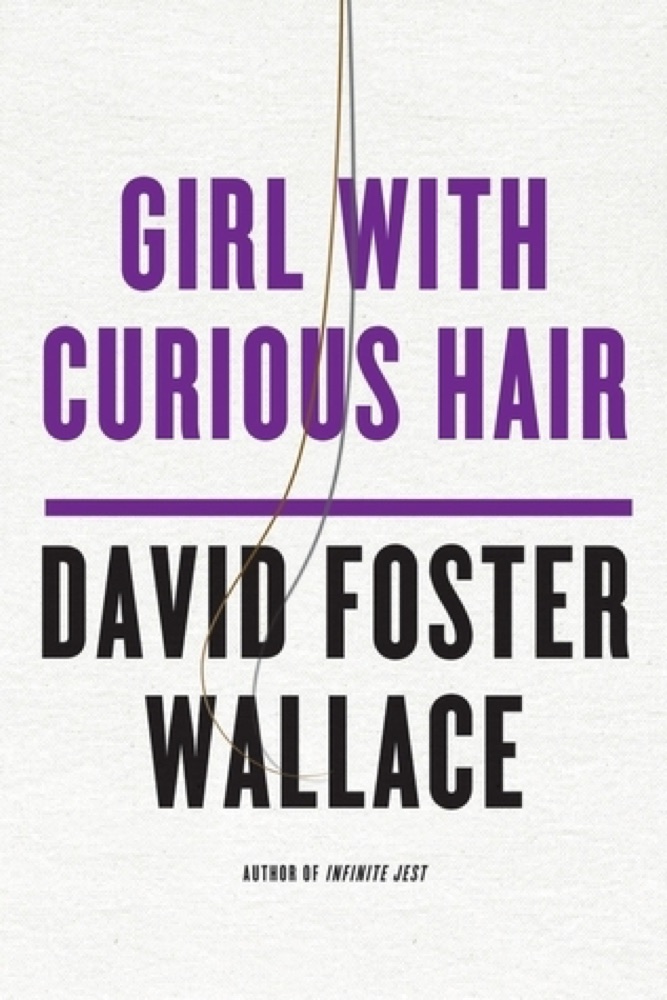 Girl with Curious Hair
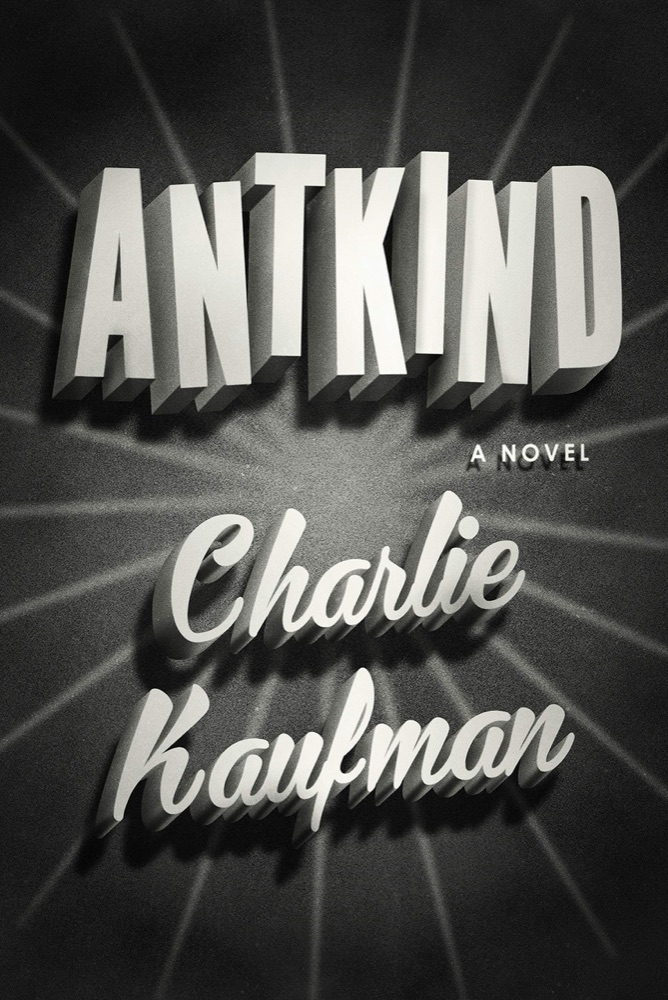 Antkind
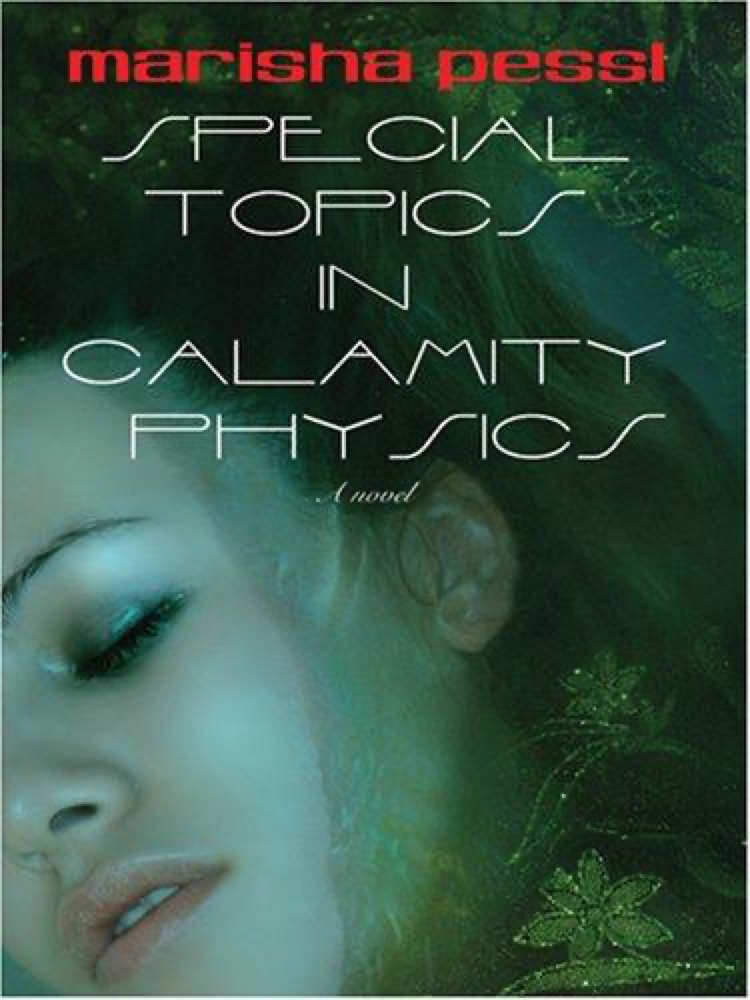 Special Topics in Calamity Physics
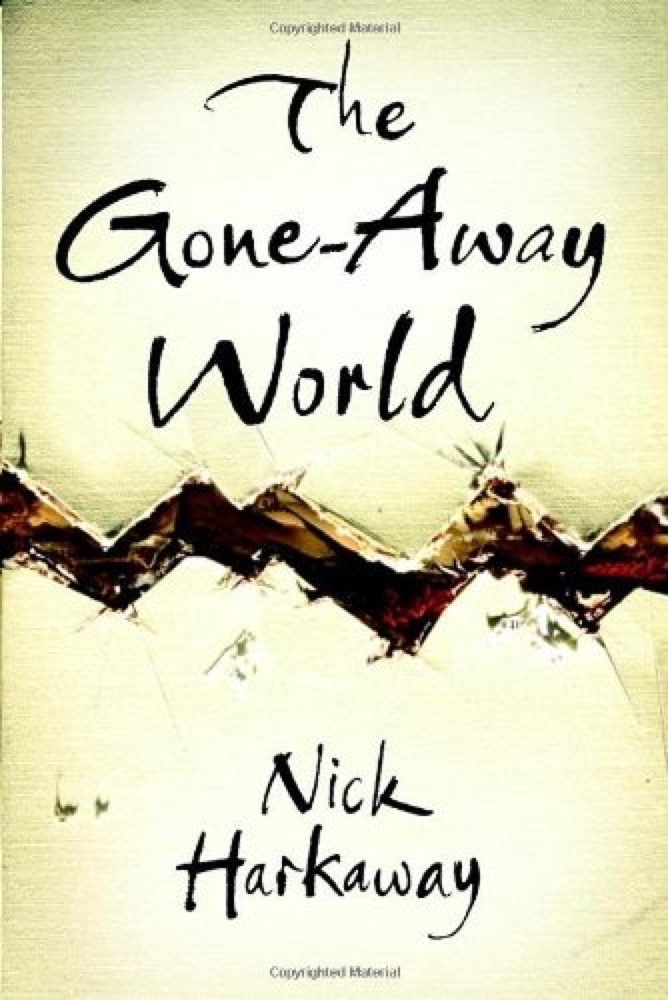 The Gone-Away World
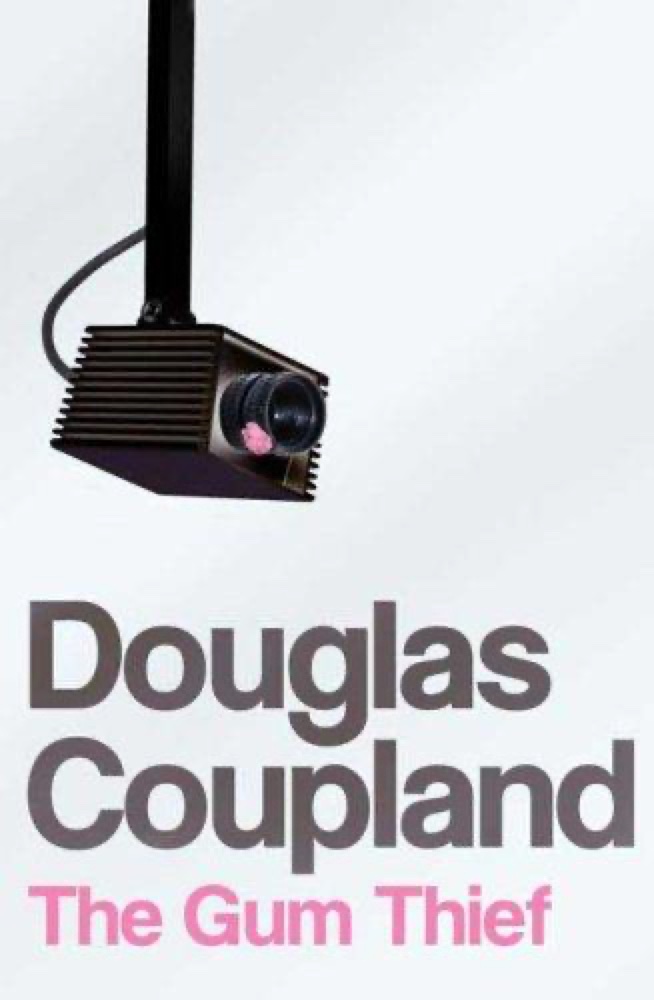 The Gum Thief
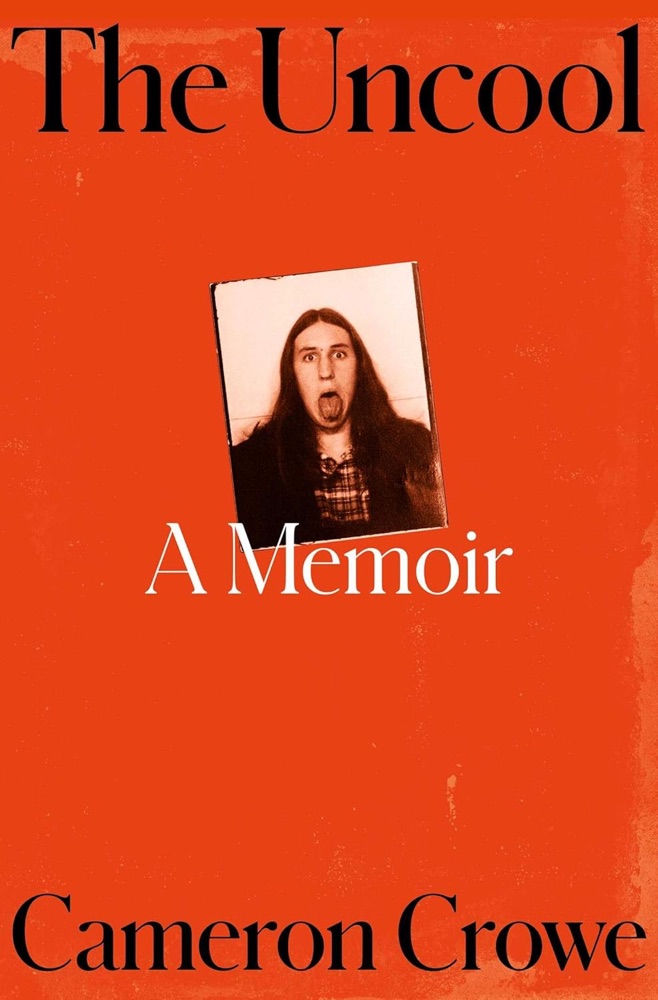 The Uncool
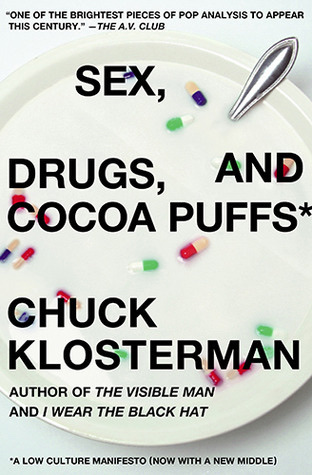 Sex, Drugs, and Cocoa Puffs: A Low Culture Manifesto
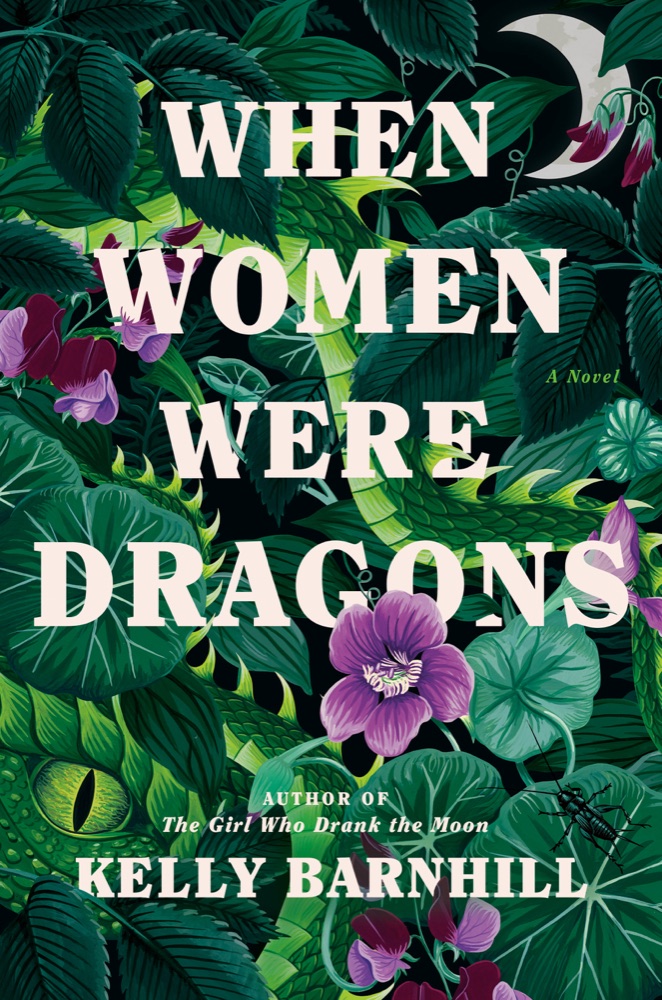 When Women Were Dragons
 The Post-Birthday World
 The Likeness
 Belong to Me
 Skippy Dies
 The World According to Clarkson
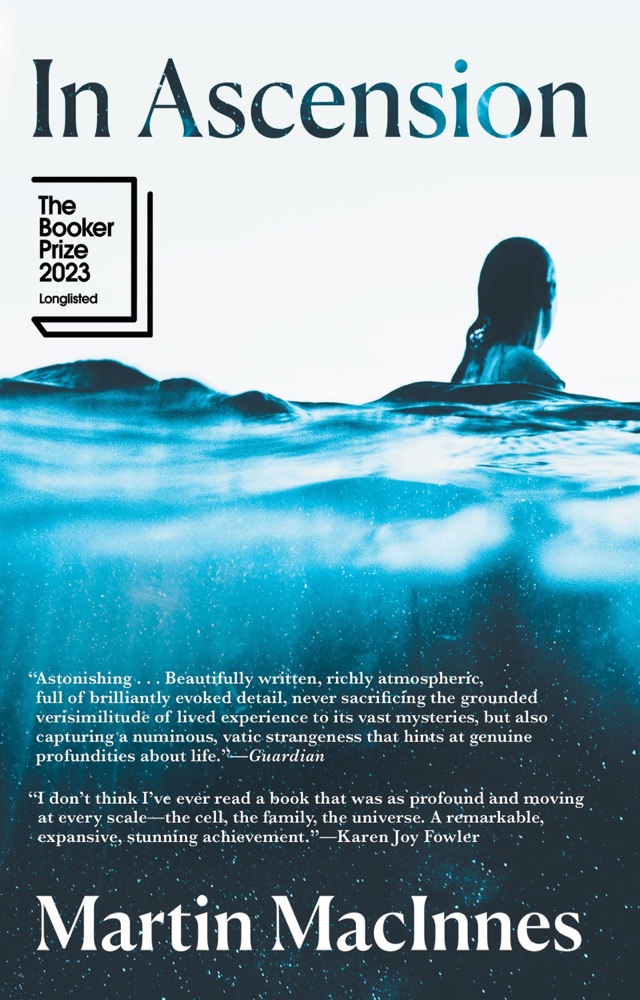 In Ascension
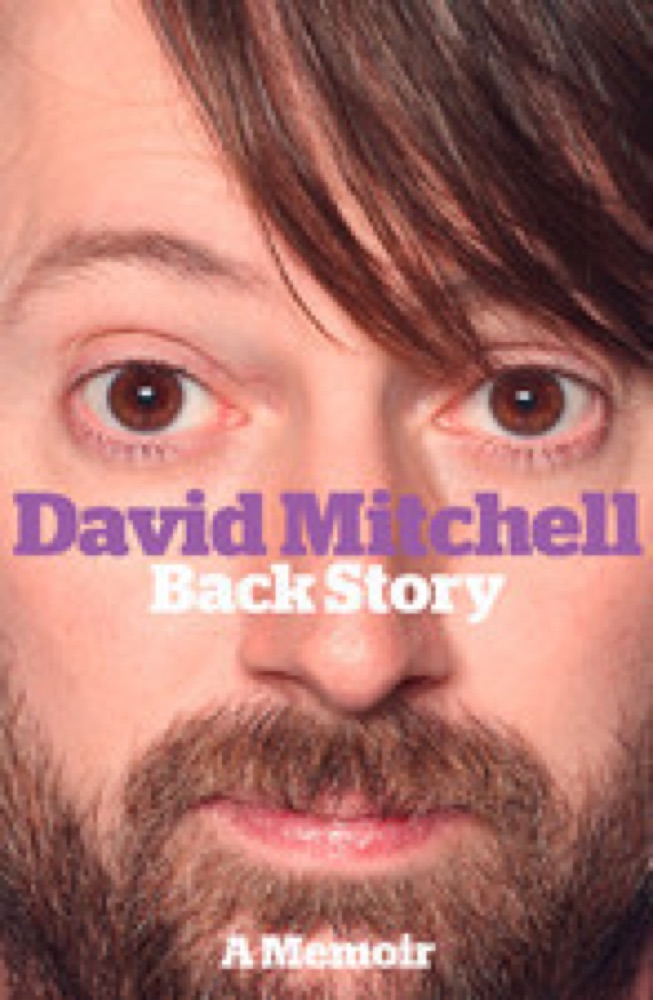 Back Story
 The Sea, the Sea
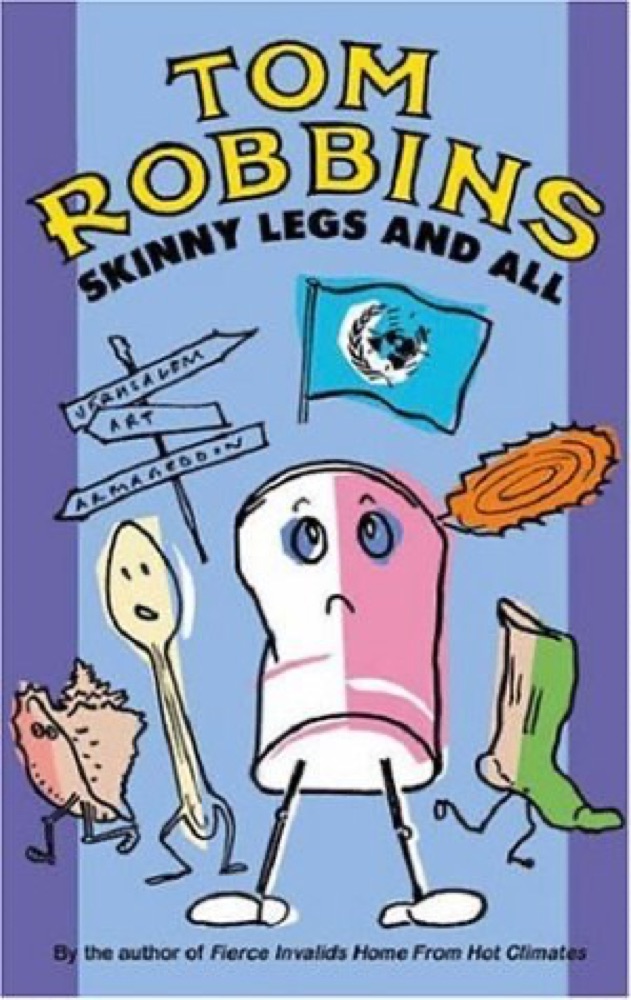 Skinny Legs and All
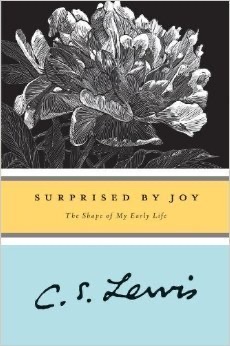 Surprised by Joy: The Shape of My Early Life
 The Book of Love
 Sputnik Sweetheart
 Where Am I Now?
 The Bassoon King: My Life in Art, Faith, and Idiocy
 Crossing to Safety
 Youth in Revolt
 Liberation Day
 The Tsar of Love and Techno
 Underworld
 Somewhere Towards the End
 The State of the Art
 Half Asleep in Frog Pajamas
 Our Chemical Hearts
 The Library of the Dead
 The Wednesday Wars
 Mister Pip
 Make It Scream, Make It Burn
 Madly, Deeply: The Diaries of Alan Rickman
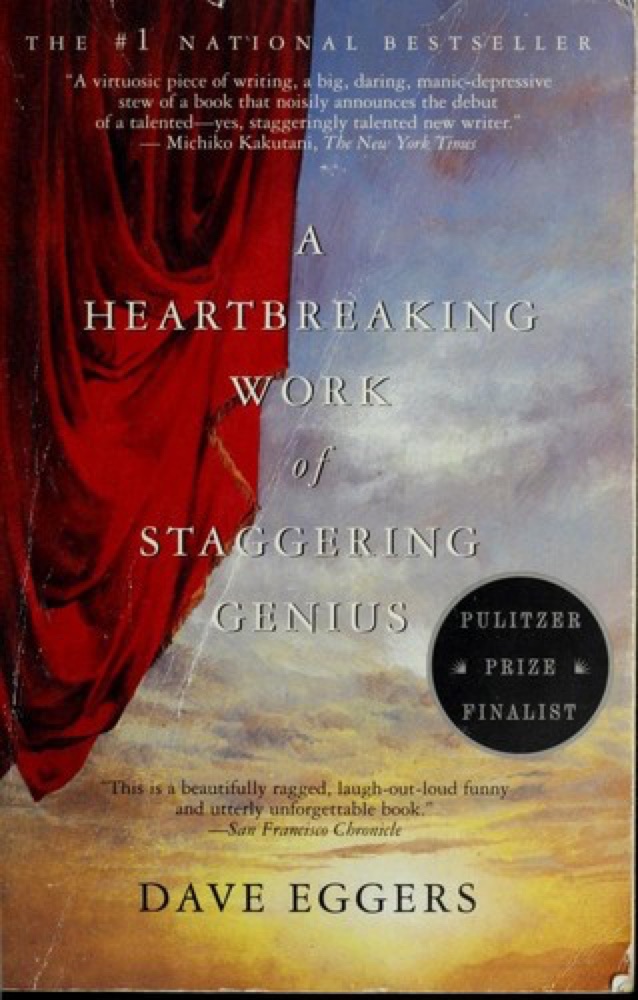 A Heartbreaking Work of Staggering Genius