
 Glengarry Glen Ross
Quotes from the Book
The audience can endorse the triviality of modern art, but they can’t like it.
3
Good luck will be the residue of good design.
The job of the film director is to tell the story through the juxtaposition of uninflected images—because that is the essential nature of the medium.
Just so with the movie, which is why bad filmmaking can "succeed." It is our nature to want to make sense of these events—we can't help it. The human mind would make sense of them even if they were a random juxtaposition.
Performance art" works, as it's the nature of human perception to order random images in favor of an overriding preconception. Another example of this is neurosis. Neurosis is the ordering of unrelated events or ideas or images in favor of an overriding preconception. "I am," for example, "an unsightly person": that's the overriding preconception. then given any two unrelated events I can order them to make them mean that. "Oh, yes, I understand. This woman came out of the hall and did not seem to notice me and rushed into the elevator and quickly pushed the button and the elevator closed because I am an unattractive person.
About David Mamet
We have collected 11 quotes from 2 books by David Mamet on BookQuoters.
More about the author →More by David Mamet
Glengarry Glen Ross
About the book
According to David Mamet, a film director must, above all things, think visually. Most of this instructive and funny book is written in dialogue form and based on film classes Mamet taught at Columbia University. He encourages his students to tell their stories not with words, but through the juxtaposition of uninflected images. The best films, Mamet argues, are composed of simple shots. The great filmmaker understands that the burden of cinematic storytelling lies less in the individual shot than in the collective meaning that shots convey when they are edited together. Mamet borrows many of his ideas about directing, writing, and acting from Russian masters such as Konstantin Stanislavsky, Sergei M. Eisenstein, and Vsevelod Pudovkin, but he presents his material in so delightful and lively a fashion that he revitalizes it for the contemporary reader.
Book details
- First published
- 1991
- Author
- David Mamet
- Genre
- Nonfiction
- Goodreads rating
- 3.80 (4k ratings)
Keep reading
 Notes on the Cinematographer
 Understanding Comics: The Invisible Art
 Story: Substance, Structure, Style, and the Principles of Screenwriting
 The Shock of the New
 Seven Days in the Art World
 Hit Makers: The Science of Popularity in an Age of Distraction
 Sculpting in Time
 Into the Woods: A Five Act Journey Into Story
 Herzog on Herzog
 Math with Bad Drawings
 Poetics
 Playing to the Gallery
 Create Dangerously
 Illuminations: Essays and Reflections
 Art and Fear: Observations on the Perils (and Rewards) of Artmaking
 Against Interpretation and Other Essays
 Reality Hunger: A Manifesto
 Eating the Dinosaur
 What the Dog Saw and Other Adventures
 Danse Macabre
 Story Engineering: Character Development, Story Concept, Scene Construction
 Made to Stick: Why Some Ideas Survive and Others Die
 The Science of Storytelling
 The Design of Everyday Things
 The Atrocity Exhibition
 Experimental Film
 Understanding Media: The Extensions of Man
 The Art of Fiction: Notes on Craft for Young Writers
 The Medium is the Massage
 Aspects of the Novel
 Both Flesh and Not: Essays
 The Birth of Tragedy
 How to Read Literature
 Amusing Ourselves to Death: Public Discourse in the Age of Show Business
 All the Beauty in the World: The Metropolitan Museum of Art and Me
 What Is Art?
 The Icarus Deception: How High Will You Fly?
 How to Read Literature Like a Professor
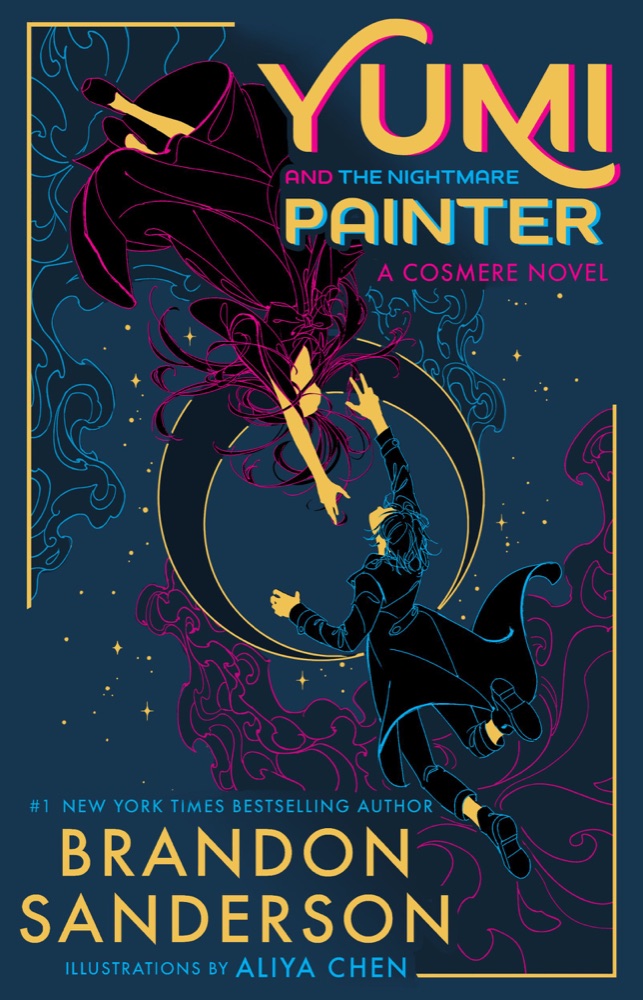 Yumi and the Nightmare Painter
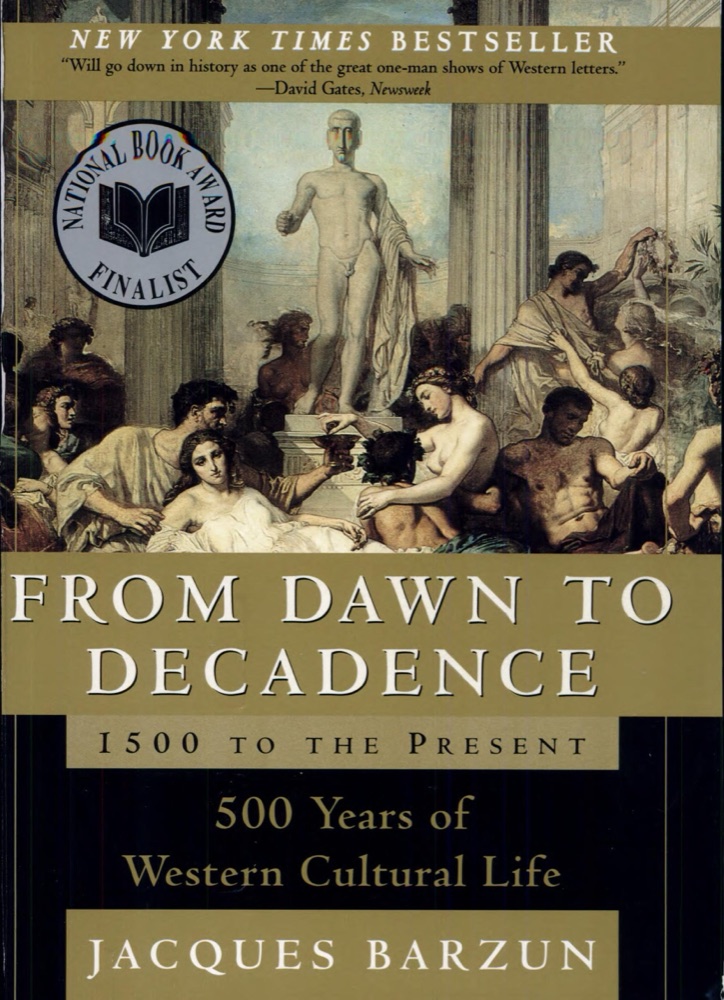 From Dawn to Decadence: 500 Years of Western Cultural Life, 1500 to the Present
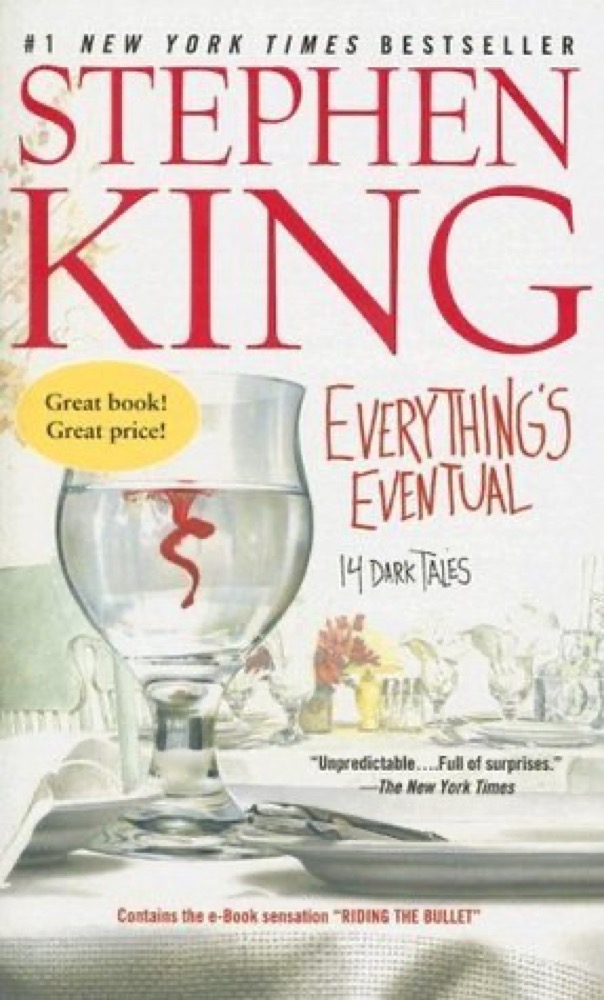 Everything's Eventual
 The Parallax View
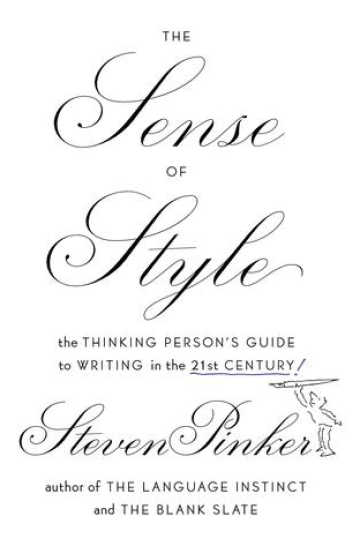 The Sense of Style: The Thinking Person's Guide to Writing in the 21st Century
 Camera Lucida: Reflections on Photography
 Notes on ‘Camp’
 Dæmon Voices
 Screenplay: The Foundations of Screenwriting
 Skinny Legs and All
 Mao II
 Silver Screen Fiend: Learning About Life from an Addiction to Film
 Slow Learner
 Introductory Lectures on Psychoanalysis
 The Rhetoric & The Poetics of Aristotle
 The Writer's Journey: Mythic Structure for Writers
 The Art of Creative Thinking
 The Cheese Monkeys
 Please Understand Me II: Temperament, Character, Intelligence
 Imagine: How Creativity Works
 Genesis