
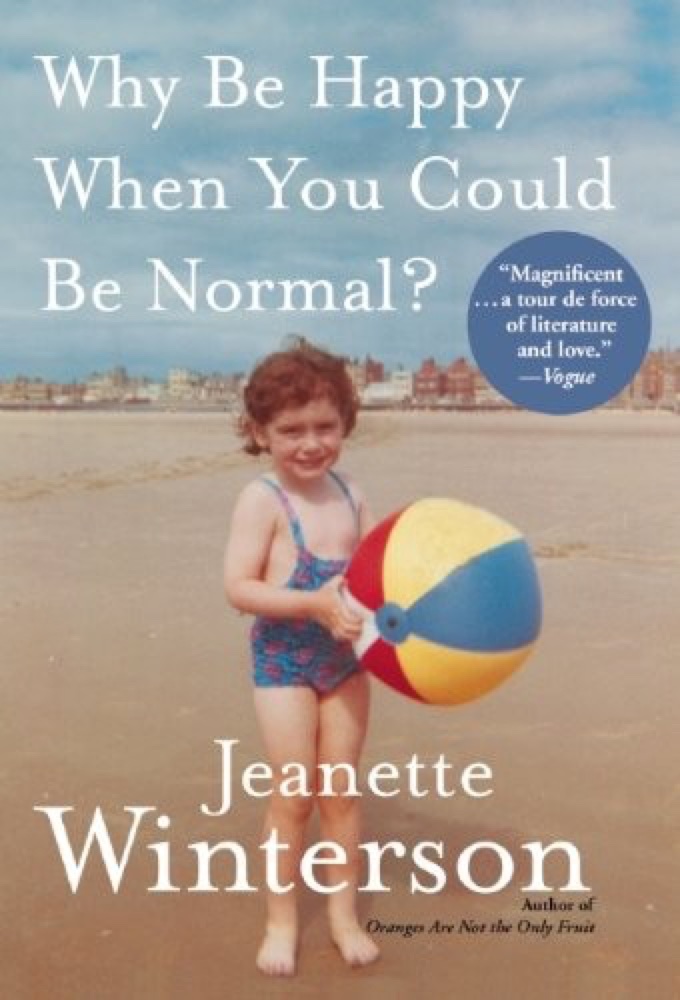
 Why Be Happy When You Could Be Normal?
Quotes from the Book
We are what we love to read, and when we admit to loving a book, we admit that the book represents some aspect of ourselves truly, whether it is that we are suckers for romance or pining for adventure or secretly fascinated by crime.
76
It is a gift we humans have, to hold on to beauty felt in a moment for a lifetime.
34
Life is hard, unfair, painful. But life is also guaranteed - one hundred percent, no doubt, no question - to offer unexpected and sudden moments of beauty, joy, love, acceptance, euphoria." The good stuff. It is our ability to recognize and then hold on to the moments of good stuff that allows us to survive, even thrive. And when we can share the beauty, hope is restored.
21
Desire for a person is not the same thing as having that unique appreciation and need for them, nor is affection. Desire waxes and wanes, and affection can be felt without long-standing commitment. But 'You matter to me' means that the long haul is accepted, even willingly taken on: I will carry you, hold you and applaud you, from here on in. Dependability: I will be here to take care of you. And when you are gone, I will be here to remember you.
19
Books. The more I thought about how to stop and get myself back together as one sane, whole person, the more I thought about books. I thought about escape. Not running to escape but reading to escape. Cyril Connolly, twentieth-century writer and critic, wrote that “words are alive and literature becomes an escape, not from, but into living.” That was how I wanted to use books: as an escape back to life. I wanted to engulf myself in books and come up whole again.
17
Are you busy?" the caller would ask. "Yes I'm working." Sitting in my chair, cats nearby, I was reading a great book. That was my job this year, and it was a good one. The salary was nonexistent, but the satisfaction was daily and deep.
12
The only balm to sorrow is memory; the only salve for the pain of losing someone to death is acknowledging the life that existed before.
9
Remembrance is acknowledging that a life was lived ... My father finally wrote out his memories for a reason. I took on a year of reading books for a reason. Because words are witness to life: they record what has happened, and they make it all real. Words create the stories that become history and become unforgettable. Even fiction portrays truth: good fiction is truth. Stories about lives remembered bring us backward while allowing us to move forward.
7
The truth of living is proved not by the inevitability of death but by the wonder that we lived at all. Remembering lives from the past ratifies that truth, more and more so the older we get. When I was growing up, my father told me once, "Do by look for happiness; life itself is happiness." It took me years to understand what he meant. The value of a life lived; the sheer value of living.
7
Words create the stories that become history and become unforgettable.
7
My hiatus is over, my soul and body are healed, but I will never leave the purple chair for long. So many books waiting to be read, so much happiness to be found, so much wonder to be revealed.
7
And in reading, I discovered that the burden of living is the uneven and unlimited allotment of pain. Tragedy is conferred randomly and unfairly. Any promise of easy times to come is a false one.
5
We all need a space to just let things be, a place to remember who we are and what is important to us, an interval of time that allows the happiness and joy of living back into our consciousness.
4
I took on a year of reading books for a reason. Because words are witness to life: they record what has happened, and they make it all real. Words create the stories that become history and become unforgettable. Even fiction portrays truth: good fiction is truth.
3
Tolstoy wrote, 'The sole meaning of life is to serve humanity.' He understood this service as a religious duty. For me, I understand it as a fact of life, as THE fact of life. What we do for each other is what survives. My sister is dead, but everything she did for me while she was alive is still going strong. I can still feel her hand reaching across the backseat of our car in Berlin, and I still hear her voice, our conversations going late into the night.
3
The value of experience, real or imagined, is that is shows us how to - or how NOT to - live. In reading about different characters and the consequences of their choices, I was finding myself changed. I was discovering new and distinct ways of undergoing life's sorrows and joys ... and all the great books I was reading - were about the complexity and entirety of the human experience. About the things we wish to forget and those we want more and more of. About how we react and how we wish we could react. Books ARE experience, the words of authors proving the solace of love, the fulfillment of family, the torment of war, and the wisdom of memory. Joy and tears, pleasure and pain: everything came to me while I read in my purple chair. i had never sat so still, and yet experienced so much.
3
Because being witness to all types of human experience is important to understanding the world, but also to understanding myself. To define what is important to me, and who is important, and why.
3
Our house was open to anyone who needed a little extra support or comfort or just a home-cooked meal.
3
...but I know that I can survive the hard times, taking the worst of what happens to me as a burden but not as a noose .
3
Sorrow is the violent smashing of reason, in that reason has no power over it.
2
People share books they love. They want to spread to friends and family the goodness that they felt when reading the book or the ideas they found in the pages. In sharing a loved book, a reader is trying to share the same excitement, pleasure, chills, and thrills of reading that they themselves experienced. Why else share? Sharing a love of books and of one particular book is a good thing. But it is also a tricky maneuver, for both sides. The giver of the book is not exactly ripping open her soul for a free look, but when she hands over the book with the comment that it is one of her favorites, such an admission is very close to the baring of the soul. We are what we love to read, and when we admit to loving a book, we admit that the book represents some aspect of ourselves truly, whether it is that we are suckers for romance or pining for adventure or secretly fascinated by crime.
2
Cyril Connolly, twentieth-century writer and critic, wrote that ‘words are alive and literature becomes an escape, not from, but into living.’ That was how I wanted to use books: as an escape back to life. I wanted to engulf myself in books and come up whole again. p.
2
one of the simplest pleasures I know is to sit and eat with a book beside me, devouring words as I devour food.
1
I do need to talk about books. Because talking about books allows me to talk about anything with anyone. With family, friends, and even with strangers who contacted me through my Web site (and became friends), when we discuss what we are reading, what we are really discussing is our own lives, our take on everything from sorrow to fidelity to responsibility, from money to religion, from worrying to inebriation, from sex to laundry, and back again. No topic is taboo, as long as we can tie it in to a book we’ve read, and all responses are allowed, couched in terms of characters and their situations.
1
The world shifts, and lives change. Without warning or reason, someone who was healthy becomes sick and dies. An onslaught of sorrow, regret, anger, and fear buries those of us left behind. Hopelessness and helplessness follow. But then the world shifts again — rolling on as it does — and with it, lives change again. A new day comes, offering all kinds of possibilities. Even with the experience of pain and sorrow set deep within me and never to be forgotten, I recognize the potent offerings of my unknown future. I live in a “weird world,” shifting and unpredictable, but also bountiful and surprising. There is joy in acknowledging that both the weirdness and the world roll on, but even more, there is resilience.
1
I was scared of living a life not worth the living. Why did I deserve to live when my sister had died? I was responsible now for two lives, my sister's and my own, and, damn, I'd better live well.
1
Because to take someone for granted is a luxury; to have her and not think about losing her or never seeing her again, that is a gift.
1
I needed comfort now. I needed hope. Hope that when life turns on you for the worst, it will turn back again, for the good.
Watch on YouTube
About Nina Sankovitch
We have collected 28 quotes from 1 book by Nina Sankovitch on BookQuoters.
More about the author →About the book
After the death of her sister, Nina Sankovitch found herself caught up in grief, dashing from one activity to the next to keep her mind occupied. But on her forty-sixth birthday she decided to stop running and start reading.
Catalyzed by the loss of her sister, a mother of four spends one year savoring a great book every day, from Thomas Pynchon to Nora Ephron and beyond. In the tradition of Gretchen Rubin's The Happiness Project and Joan Dideon's A Year of Magical Thinking, Nina Sankovitch's soul-baring and literary-minded memoir is a chronicle of loss,hope, and redemption. Nina ultimately turns to reading as therapy and through her journey illuminates the power of books to help us reclaim our lives.
Book details
- First published
- 2011
- Author
- Nina Sankovitch
- Genre
- Nonfiction
- Goodreads rating
- 3.48 (8k ratings)
Keep reading
Why Be Happy When You Could Be Normal?
 These Precious Days: Essays
 Dear Friend, from My Life I Write to You in Your Life
 Dearest Josephine
 The Secret, Book & Scone Society
 The Faraway Nearby
 Every Day I Read: 53 Ways to Get Closer to Books
 The End of Your Life Book Club
 The Paris Library
 The Story of My Life
 First Person Singular: Stories
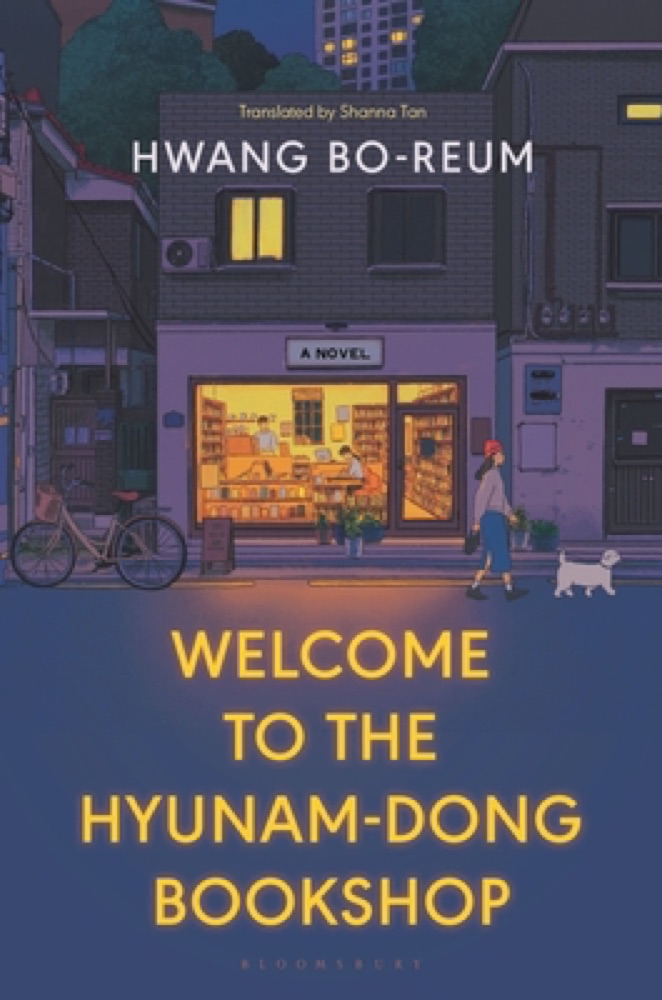 Welcome to the Hyunam-Dong Bookshop
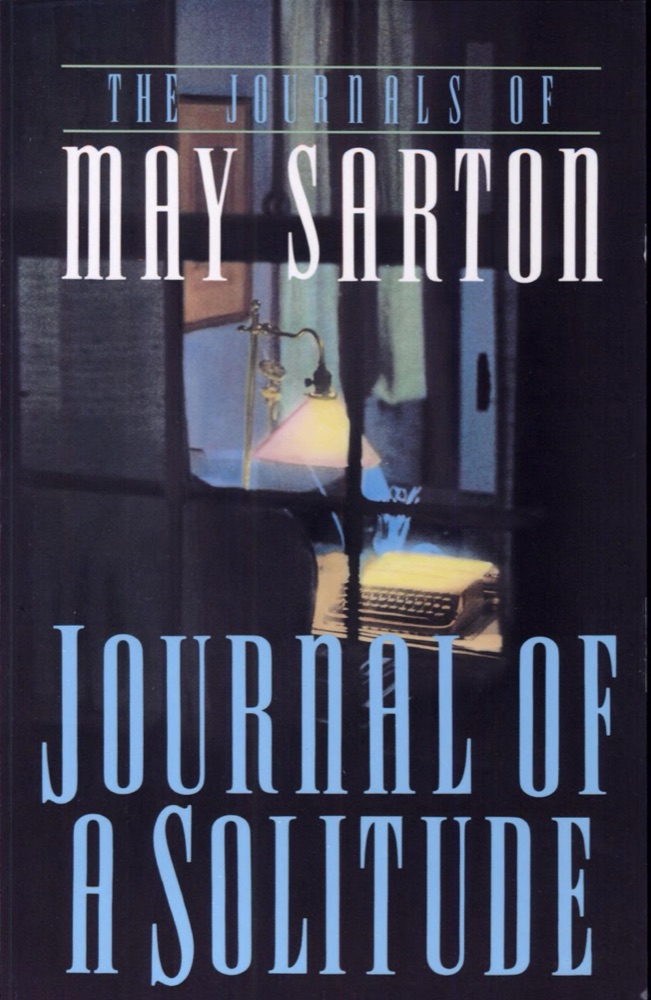 Journal of a Solitude
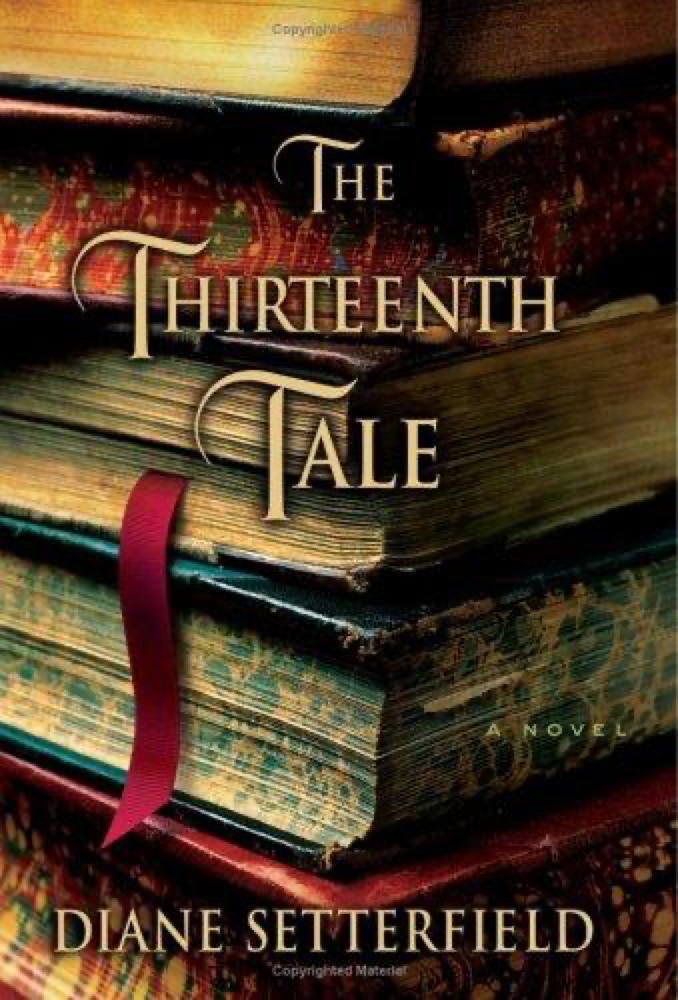 The Thirteenth Tale
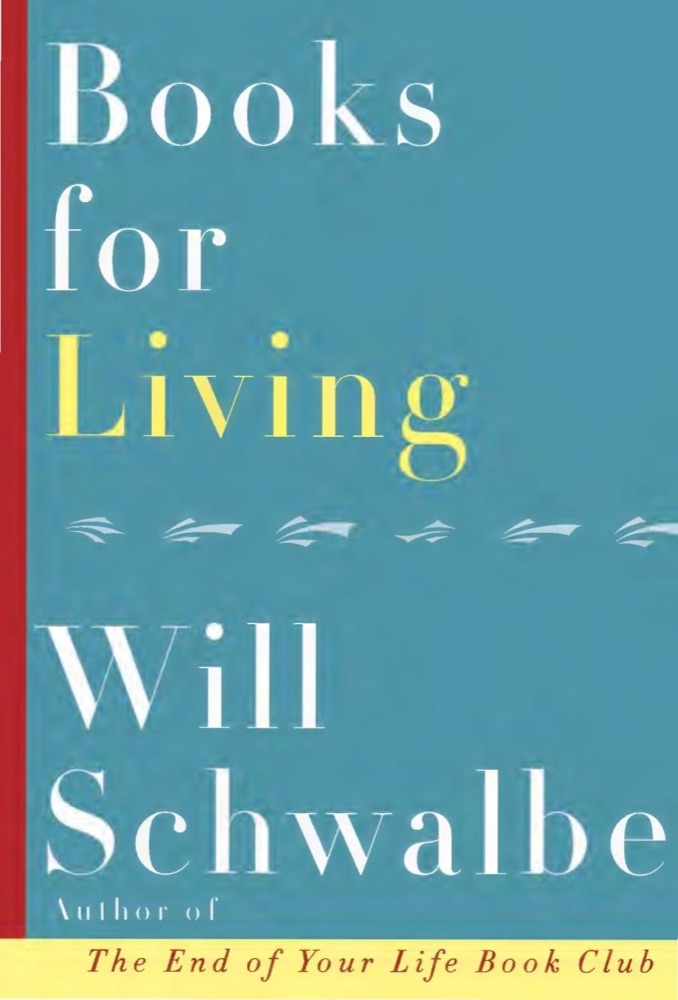 Books for Living
 This Is the Story of a Happy Marriage
 With Love from London
 This Star Won't Go Out: The Life and Words of Esther Grace Earl
 Kafka on the Shore
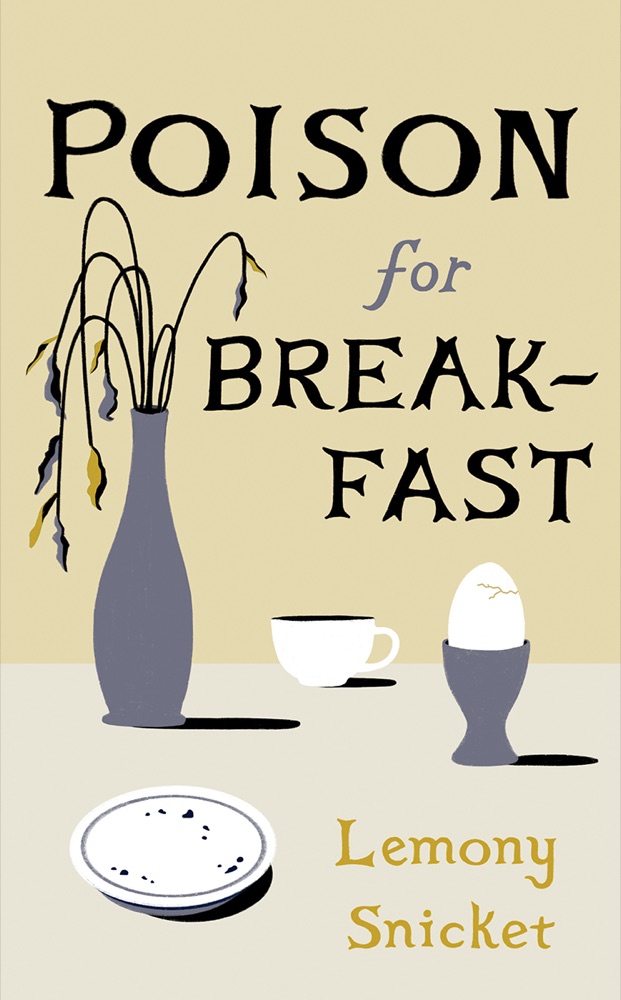 Poison for Breakfast
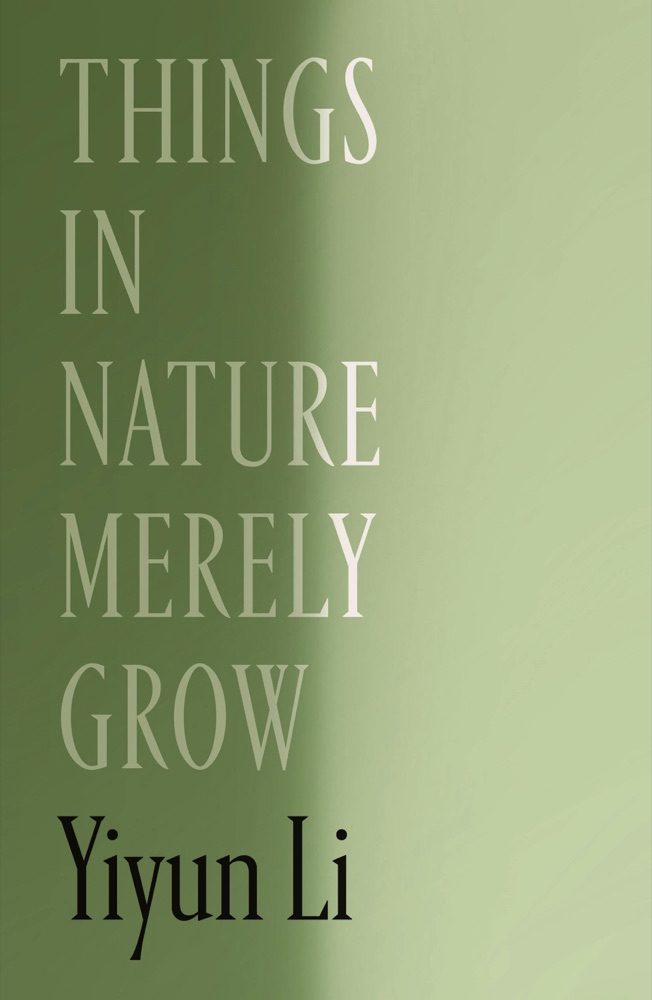 Things in Nature Merely Grow
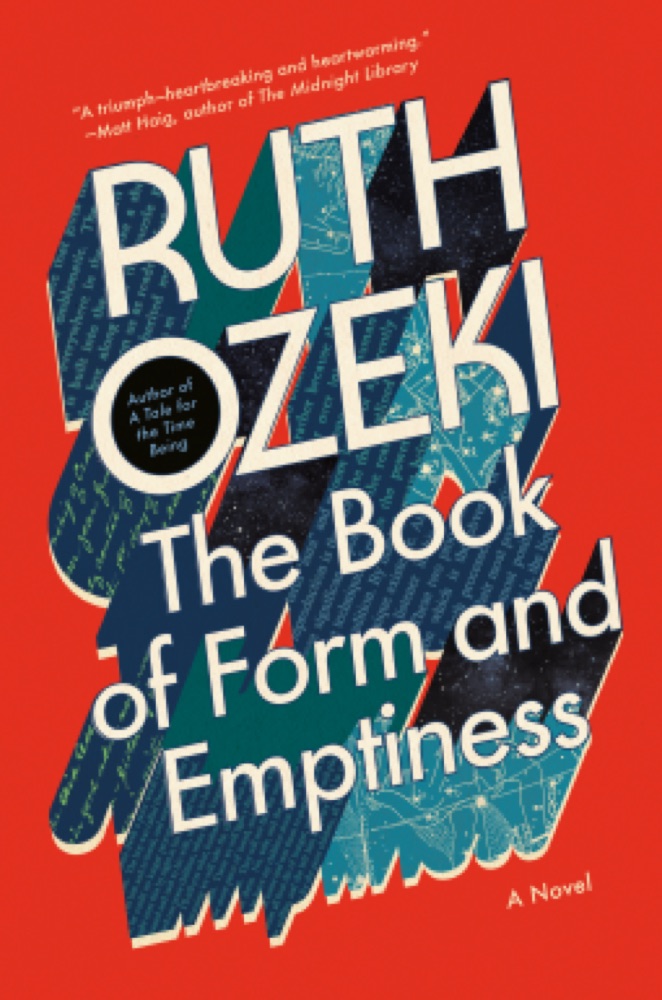 The Book of Form and Emptiness
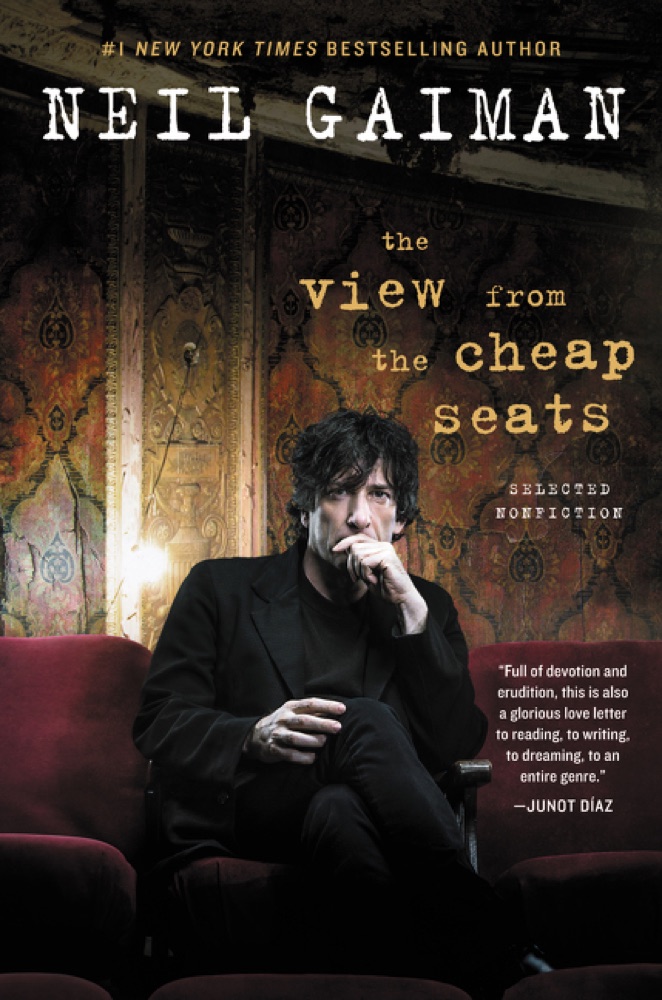 The View from the Cheap Seats: Selected Nonfiction
 Winter Hours: Prose, Prose Poems, and Poems
 Miss Morgan's Book Brigade
 Almond
 Knife: Meditations After an Attempted Murder
 The Book of Dreams
 How to Stop Time
 The Reader
 In the Wild Light
 Carry On, Warrior: Thoughts on Life Unarmed
 Trigger Warning: Short Fictions and Disturbances
 The Book of Goose
 Levels of Life
 The Diary of Anaïs Nin, Vol. 1: 1931-1934
 Lost & Found: A Memoir
 The Door-to-Door Bookstore
 Blueberries: Essays Concerning Understanding
 When the World Tips Over
 Hourglass: Time, Memory, Marriage
 Suggested Reading
 The Storied Life of A.J. Fikry
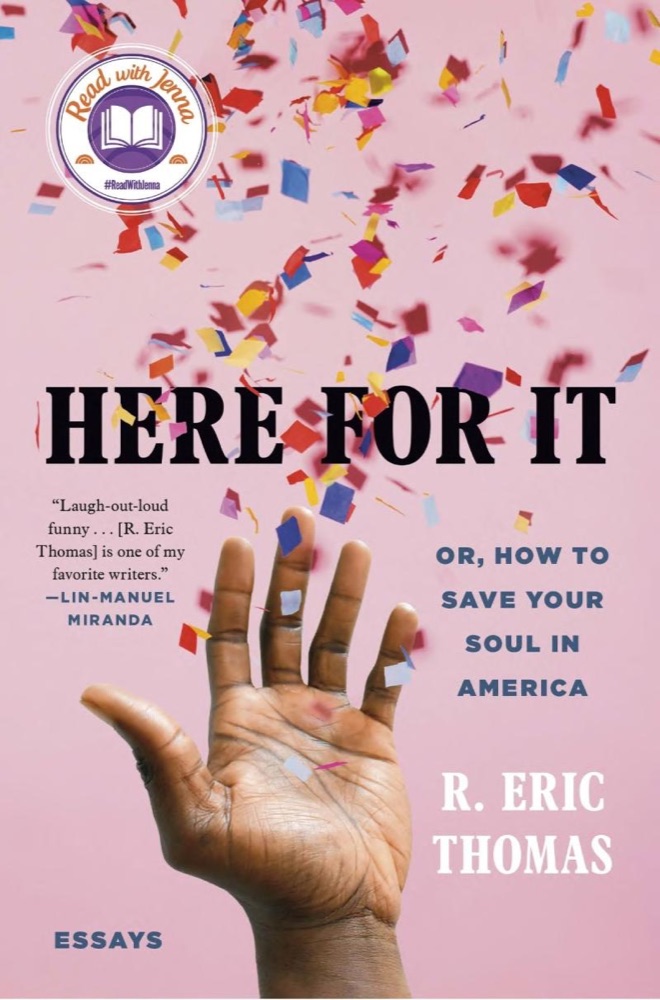 Here for It; Or, How to Save Your Soul in America: Essays
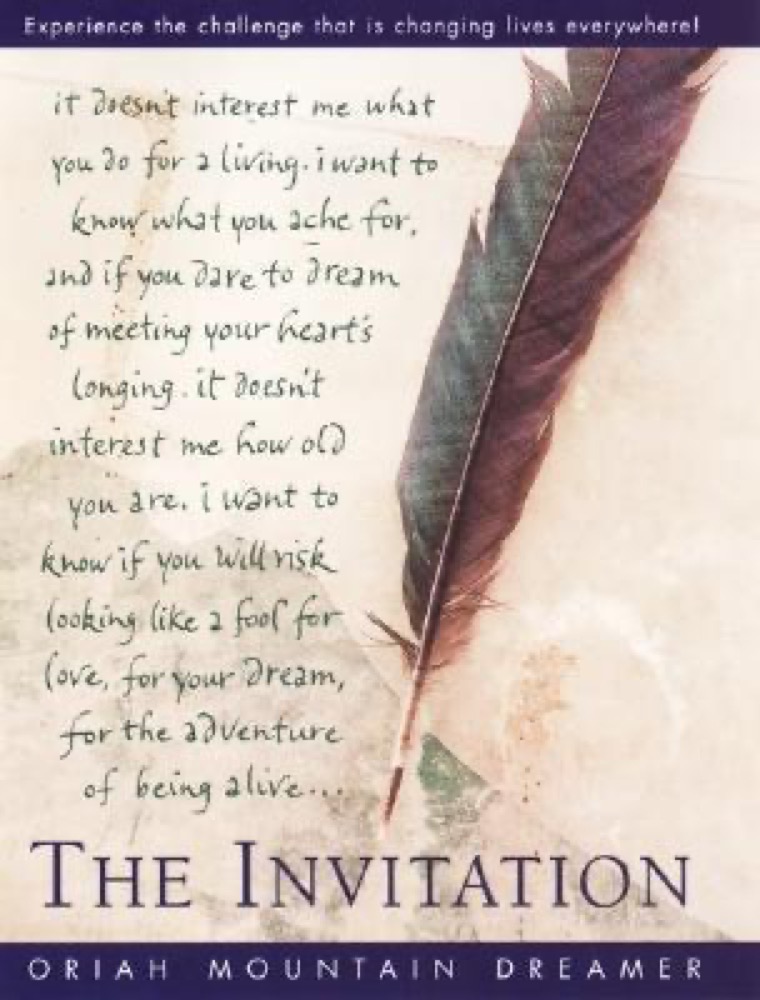 The Invitation
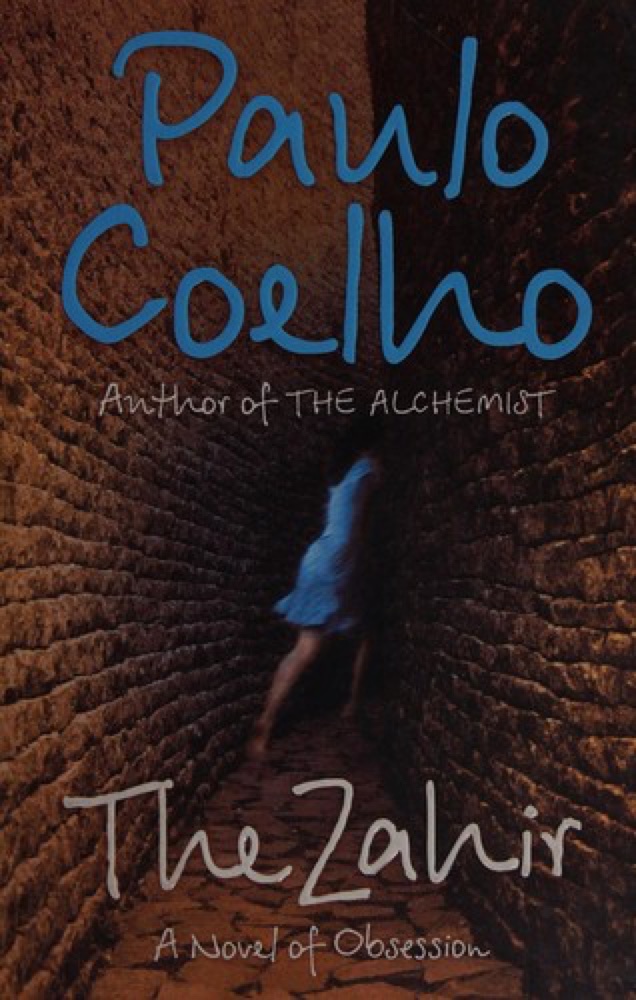 The Zahir
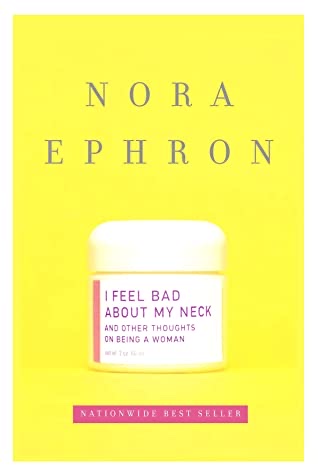 I Feel Bad about My Neck: And Other Thoughts on Being a Woman
 My Friends
 Life After Death
 Bittersweet: How Sorrow and Longing Make Us Whole
 Words in Deep Blue
 Amelia Unabridged
 We Are the Luckiest: The Surprising Magic of a Sober Life
 Am I There Yet? The Loop-de-Loop, Zigzagging Journey to Adulthood
 The Dead Romantics
 Cursed Bread
 Like Streams to the Ocean: Notes on Ego, Love, and the Things That Make Us Who We Are
 The Bookstore Family
 What Comes Next and How to Like It
 If Cats Disappeared from the World