 The Book That Held Her Heart
Quotes from the Book
Books are extremely dangerous; they make people think.
69
Life, any life, is very short. But if you've managed to be happy for at least an instant, it will have been worth living.
41
A book is like a trapdoor that leads to a secret attic: You can open it and go inside. And your world is different.
39
Within their pages, books contain the wisdom of the people who wrote them. Books never lose their memory.
30
Throughout history, all dictators, tyrants, and oppressors, whatever their ideology—whether Aryan, African, Asian, Arab, Slav, or any other racial background; whether defenders of popular revolutions, or the privileges of the upper classes, or God’s mandate, or martial law—have had one thing in common: the vicious persecution of the written word. Books are extremely dangerous; they make people think.
27
In a place like Auschwitz, where everything is designed to make you cry, a smile is an act of defiance.
25
Literature has the same impact as a match lit in the middle of a field in the middle of the night. The match illuminates relatively little, but it enables us to see how much darkness surrounds it.
19
The strongest athlete isn't the one who finishes first. That athlete is the fastest. The strongest athlete is the one who gets up again every time he falls, the one who doesn't stop when he feels a pain in his side, the one who doesn't abandon the race, no matter how far away the finish line is. That runner is a winner whenever he reaches the finish line, even if he comes in last. Sometimes, no matter how much you want it, being the fastest isn't an option, because your legs aren't as long or your lungs as large. But you can always choose to be the strongest. It's up to you - your willpower and your effort.
19
Os livros conservam nas suas páginas a sabedoria de quem os escreveu. Os livros nunca perdem a memória.
19
It doesn’t matter how many schools the Nazis close, he would say to them. Each time someone stops to tell a story and children listen, a school has been established.
16
A person waiting for you somewhere is like a match you strike at night in the couuntryside. It may not be able to light up everything, but it does show you the way back home.
12
Os corajosos não são os que não têm medo. Esses são os temerários, os que ignoram o risco e se colocam em perigo sem consciência das consequências. Uma pessoa que não tenha consciência do perigo pode pôr em risco todos os que estejam a seu lado. Esse é o género de gente que não quero na minha equipa. Do que preciso é dos que tremem, mas não cedem, dos que arriscam e mesmo assim seguem em frente.
12
Brave people are not the ones who aren't afraid. Those are reckless people who ignore the risk; they put themselves and others in danger. That's not the sort of person I want on my team. I need the ones who know the risk-- whose legs shake, but carry on.
11
You are what you dream,
10
Adults wear themselves out pointlessly searching for a joy they never find. But in children, it bursts out of every pore.
10
But those who believe that flowers grow in vases don't understand anything about literature. The library has now become her first-aid kit, and she's going to give the children a little of the medicine that helped her recover her smile when she thought she'd lost it forever.
10
She smiles again at the thought of all those pages. Since then, she has discovered that her life can be made much more profound, because books multiply your experiences and enable you to meet people...
9
The most beautiful flowers emerge from the foulest dung heap. So maybe, thinks Dita, God isn’t a watchmaker but a gardener.
8
There are those who might think that this was an act of useless bravery in an extermination camp when there were other, more pressing concerns-- books don't cure illnesses; they can't be used as weapons to defeat an army of executioners; they don't fill your stomach or quench your thirst. It's true: culture isn't necessary for the survival of mankind; for that, you only need bread and water. It's also true that with bread to eat and water to drink, humans survive; but with only this, humanity dies. If human beings aren't deeply moved by beauty, if they don't close their eyes and activate their imaginations, if they aren't capable of asking themselves questions and discerning the limits of their ignorance, then they are men or women, but they are not complete persons.
6
The strongest athlete isn’t the one who finishes first. That athlete is the fastest. The strongest athlete is the one who gets up again every time he falls, the one who doesn’t stop when he feels a pain in his side, the one who doesn’t abandon the race, no matter how far away the finish line is. That runner is a winner whenever he reaches the finish line, even if he comes in last.
6
The real disease is intolerance
6
But hate is too much like love: Neither of them is a matter of choice
5
It's easy to commend the hero whose actions are visible. But how do you measure the bravery of those who step aside?
5
We’re stronger than them because our hearts are stronger. We’re better than them because our hearts are more powerful.
4
Adults are corrupted. That's why young people are so important. You can still shape them, improve them.
4
Los mayores se desgastan inútilmente buscando una felicidad que nunca encuentran; en cambio, a los niños, la felicidad les brota de la palma de las manos.
4
Watch on YouTube
About Antonio Iturbe
We have collected 26 quotes from 1 book by Antonio Iturbe on BookQuoters.
More about the author →About the book
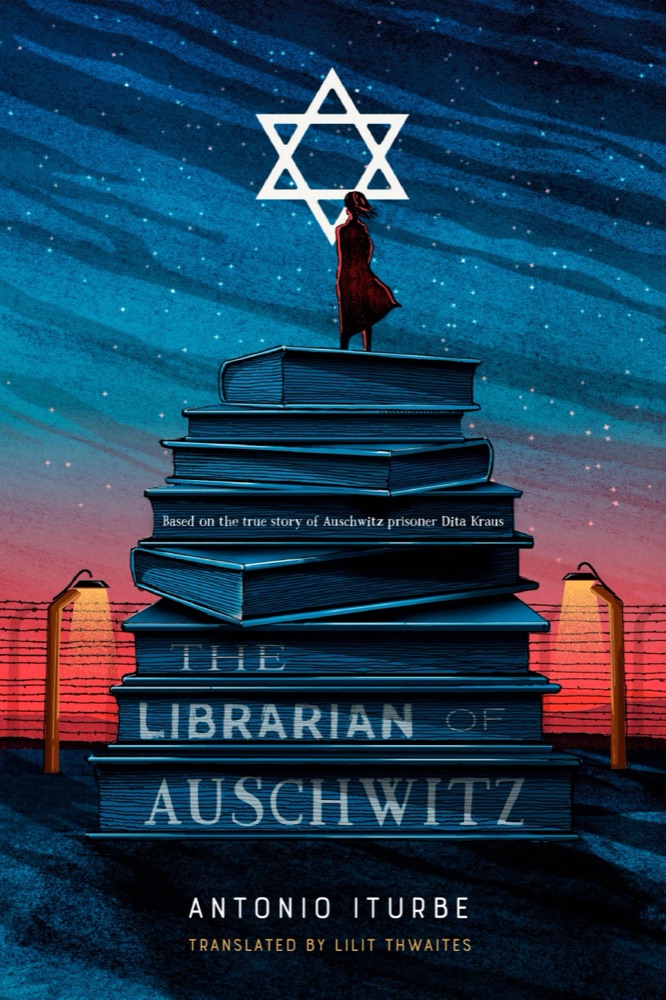
Based on the experience of real-life Auschwitz prisoner Dita Kraus, this is the incredible story of a girl who risked her life to keep the magic of books alive during the Holocaust.
Fourteen-year-old Dita is one of the many imprisoned by the Nazis at Auschwitz. Taken, along with her mother and father, from the Terezín ghetto in Prague, Dita is adjusting to the constant terror that is life in the camp. When Jewish leader Freddy Hirsch asks Dita to take charge of the eight precious volumes the prisoners have managed to sneak past the guards, she agrees. And so Dita becomes the librarian of Auschwitz.
Out of one of the darkest chapters of human history comes this extraordinary story of courage and hope.
Book details
- First published
- 2012
- Author
- Antonio Iturbe
- Genre
- Historical
- Goodreads rating
- 4.15 (66k ratings)
Keep reading
The Book That Held Her Heart
 The Last Librarian
 The Fall of Babel
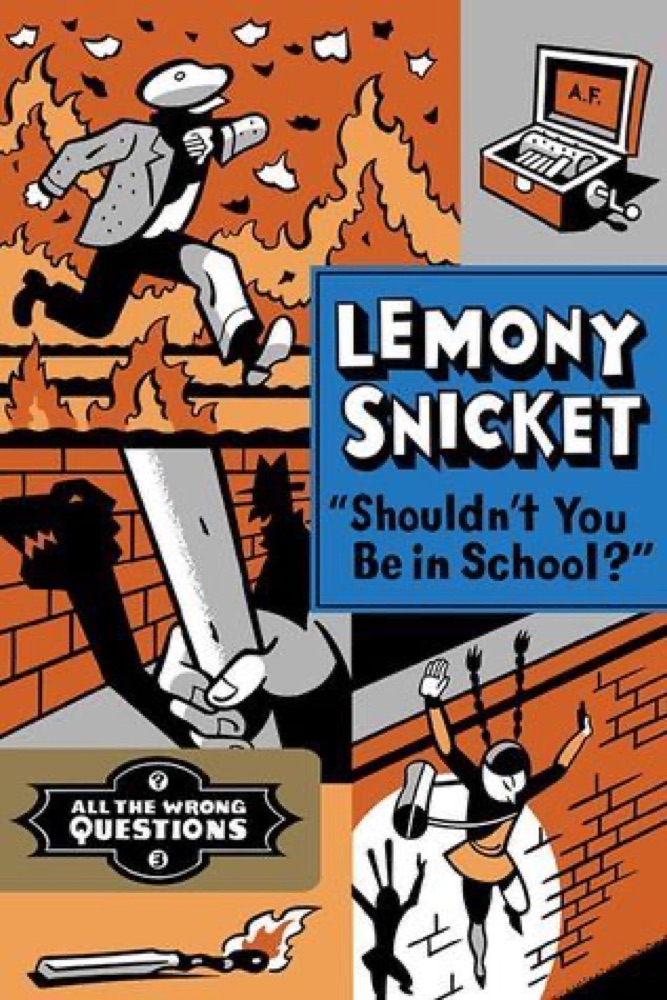 Shouldn't You Be in School?
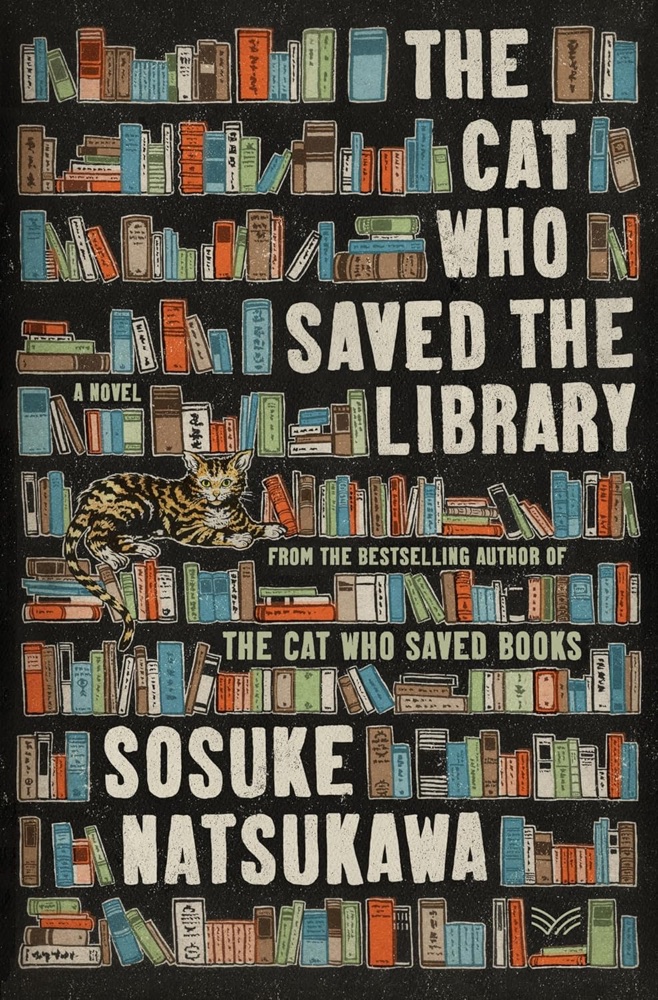 The Cat Who Saved the Library
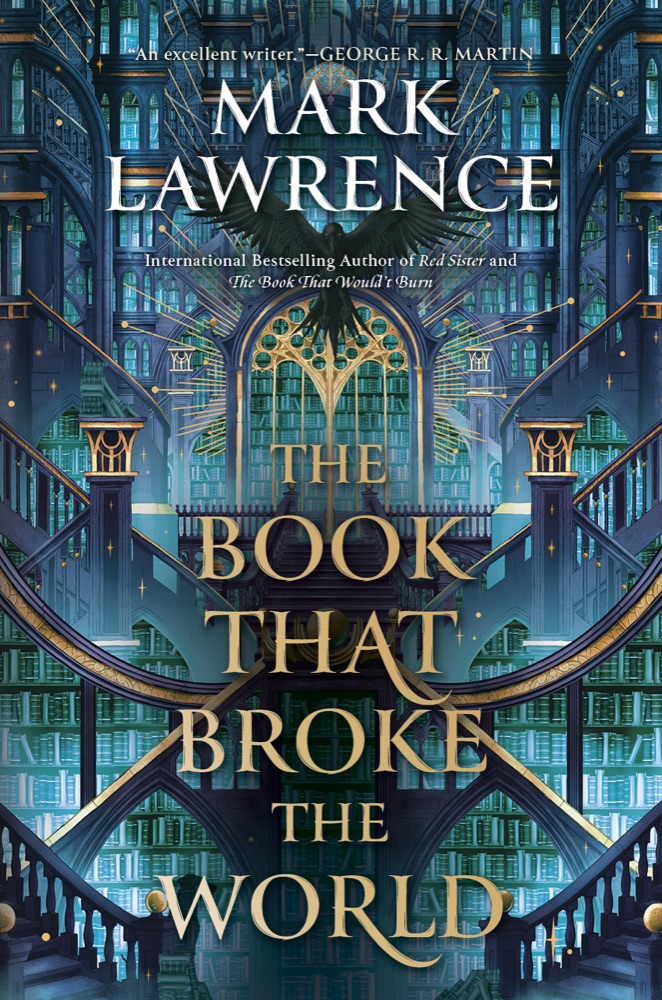 The Book That Broke the World
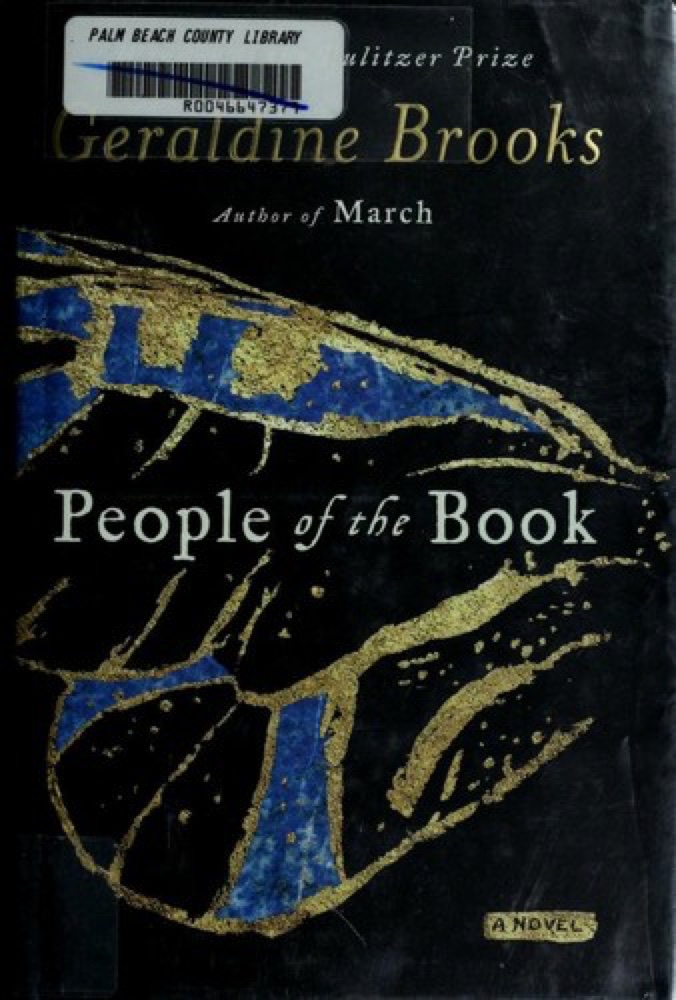 People of the Book
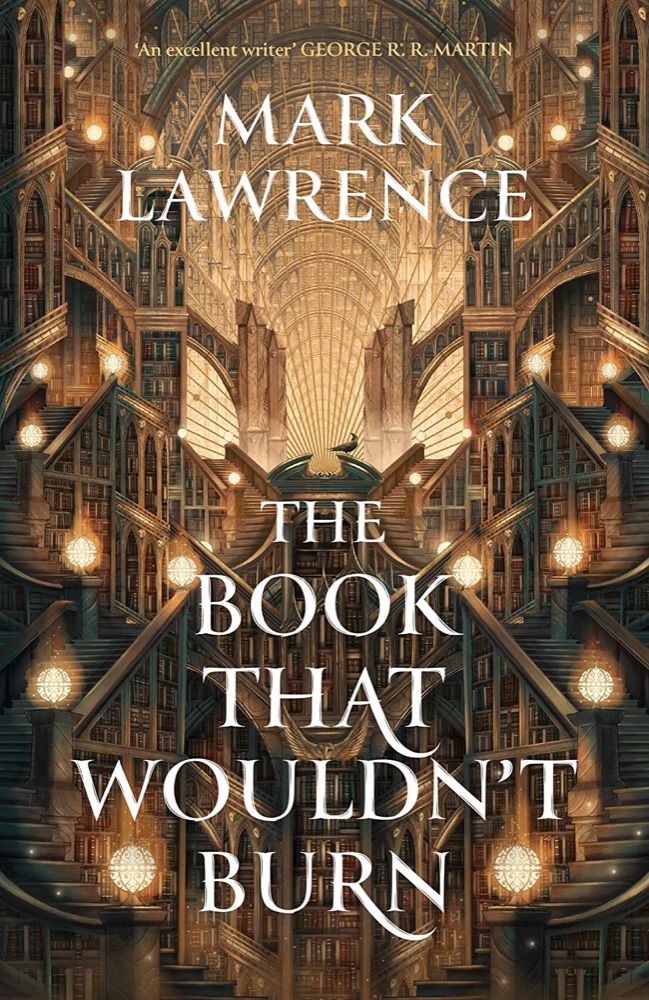 The Book That Wouldn’t Burn
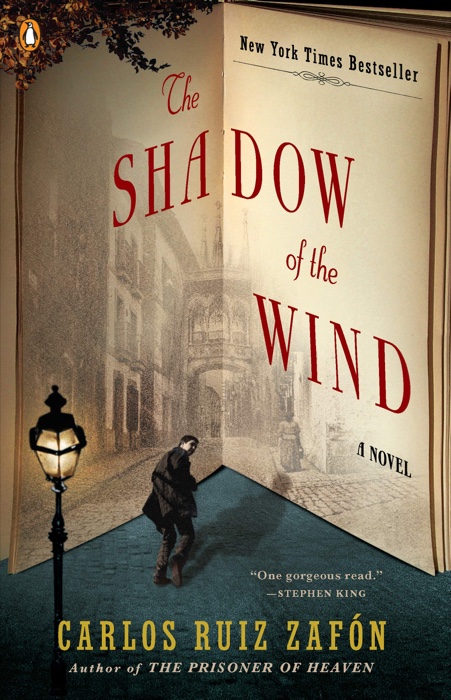 The Shadow of the Wind
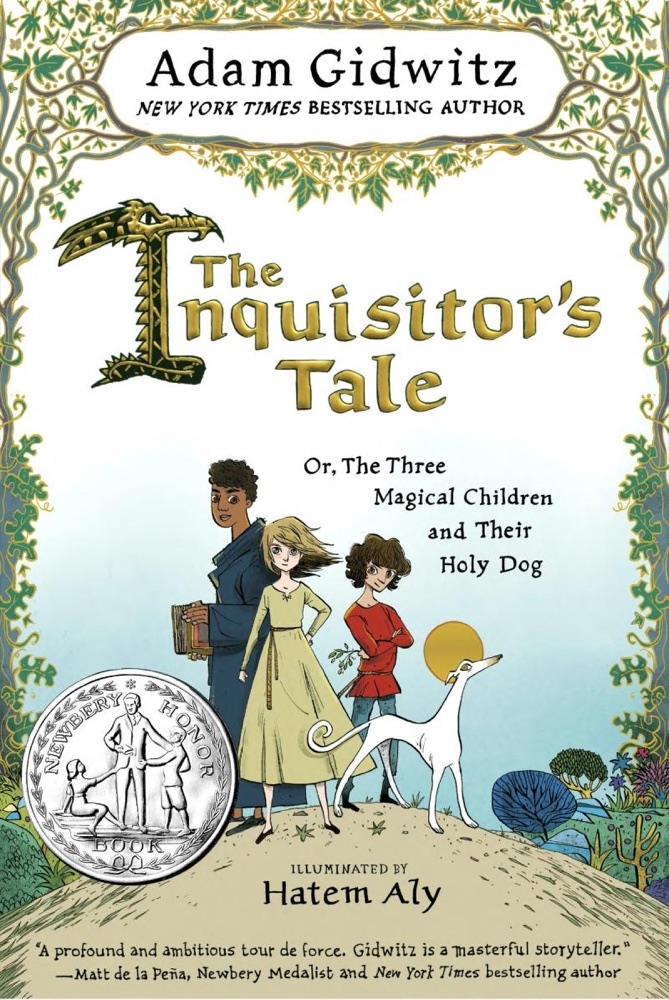 The Inquisitor's Tale: Or, The Three Magical Children and Their Holy Dog
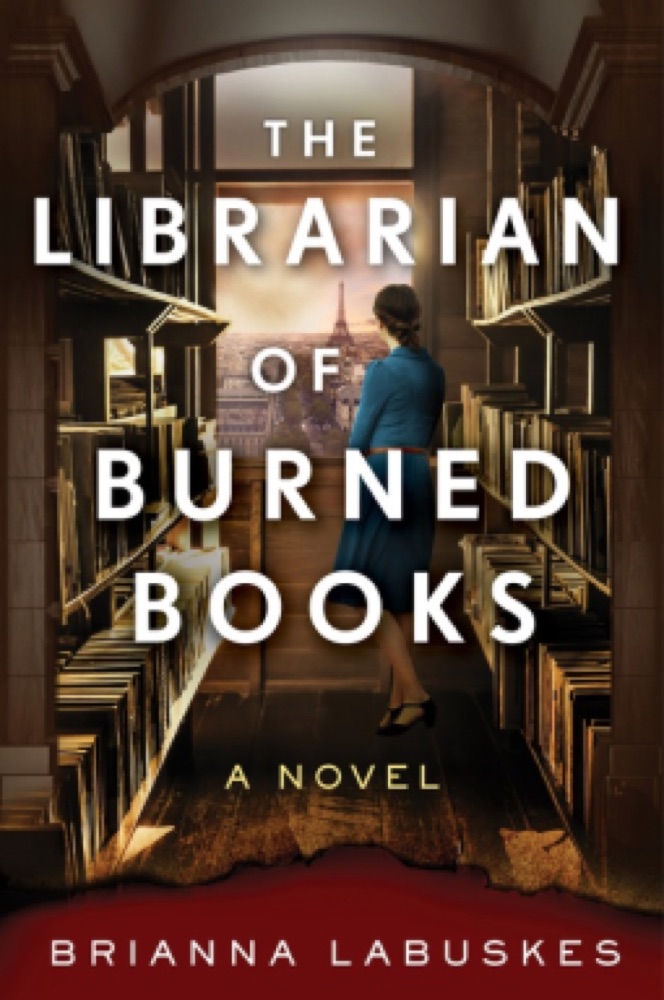 The Librarian of Burned Books
 Too Like the Lightning
 The Paris Library
 Under the Same Stars
 The Book of Lost Names
 The Rent Collector
 The Ogress and the Orphans
 Arm of the Sphinx
 A Tale of Love and Darkness
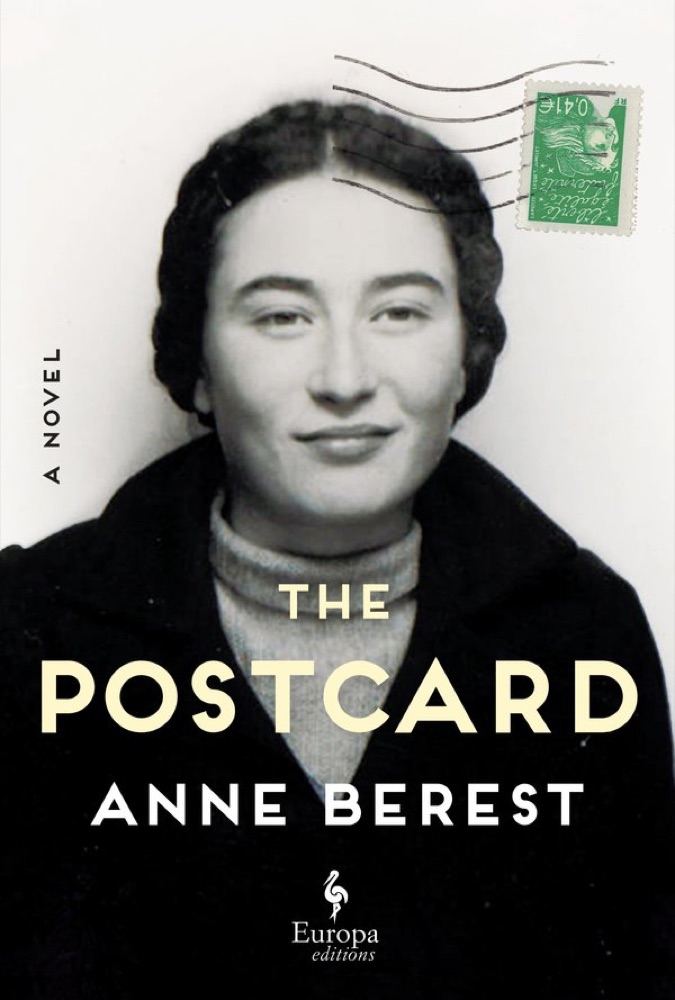 The Postcard
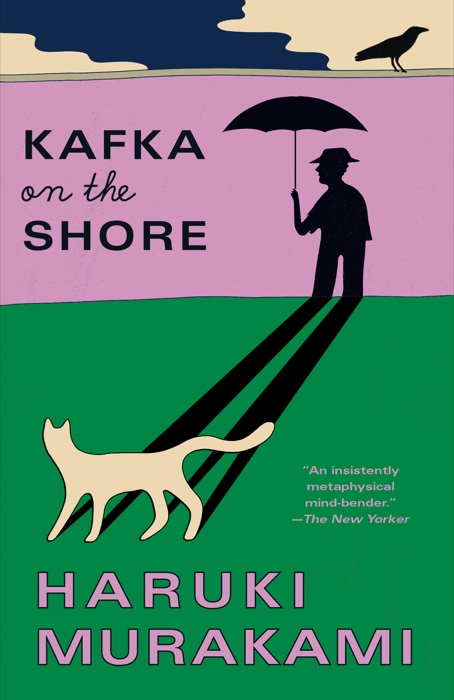 Kafka on the Shore
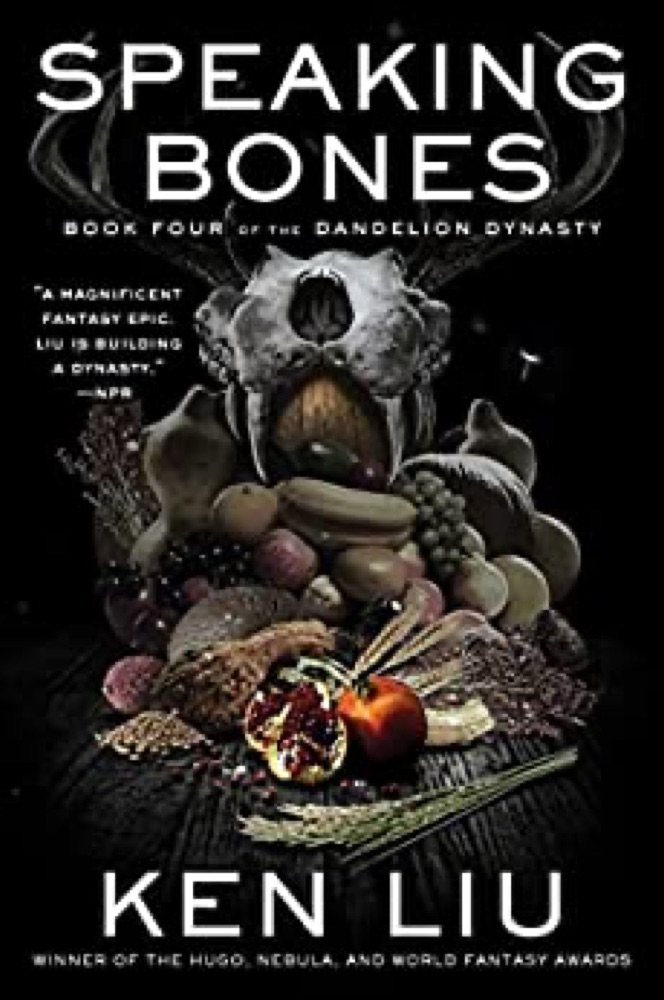 Speaking Bones
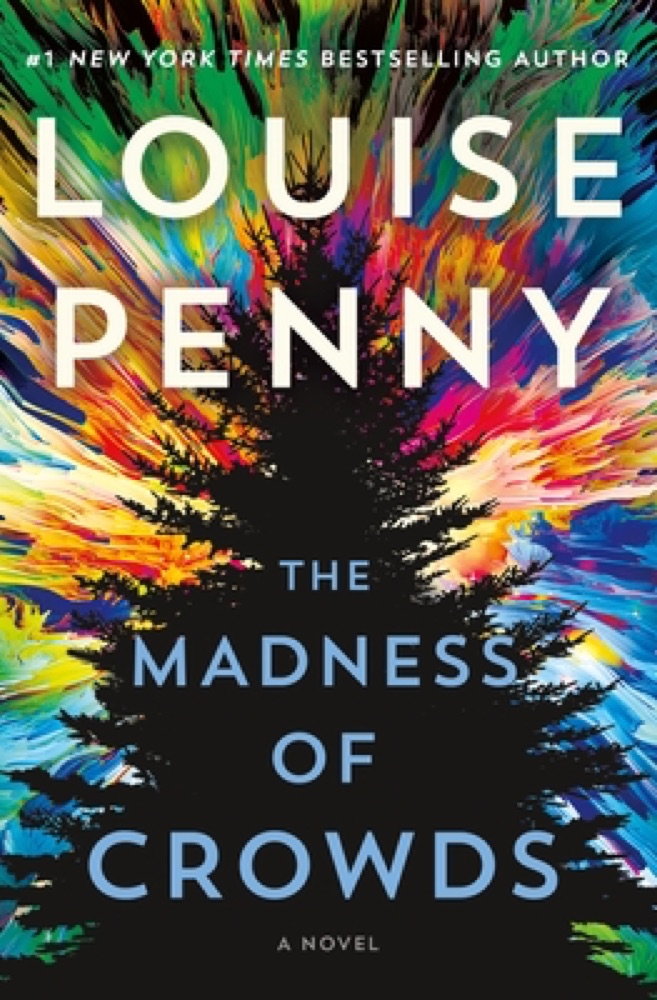 The Madness of Crowds
 Miss Morgan's Book Brigade
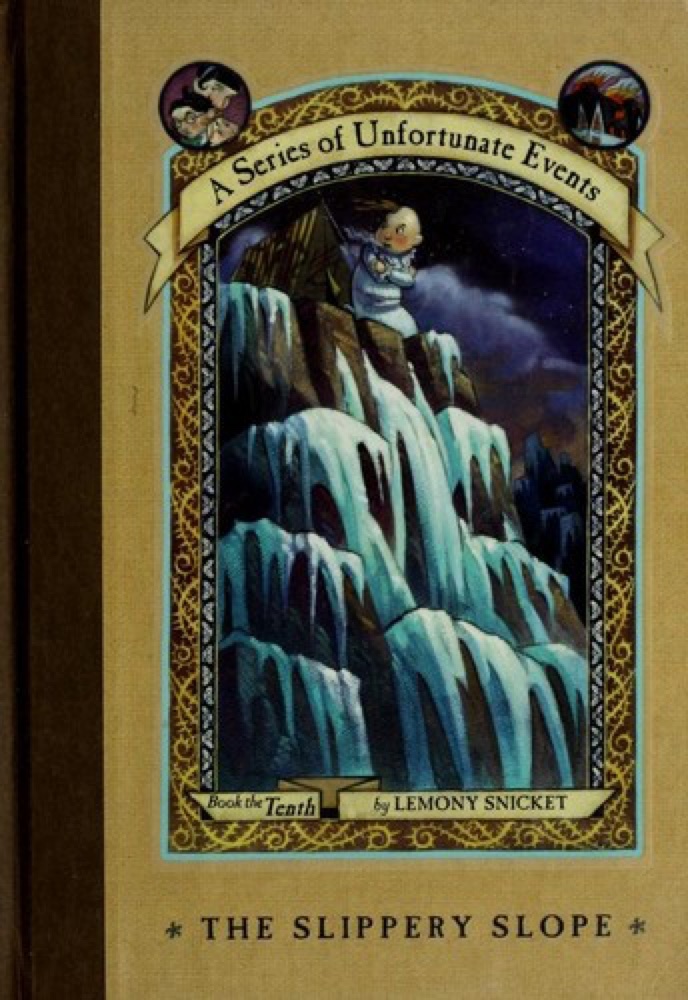 The Slippery Slope
 The Book of Chameleons
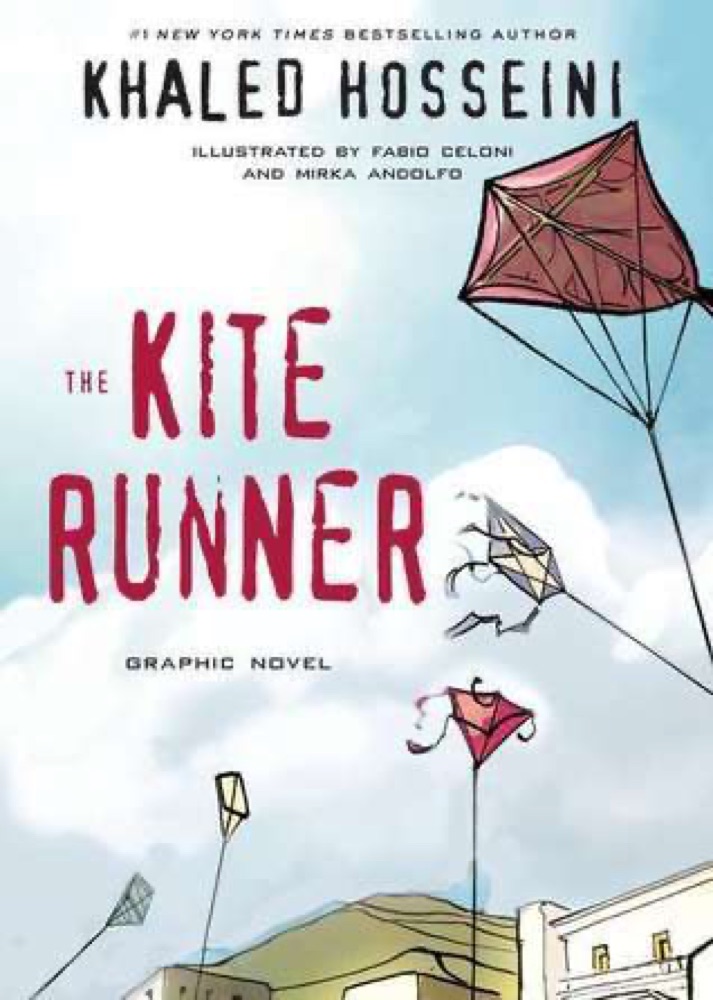 The Kite Runner
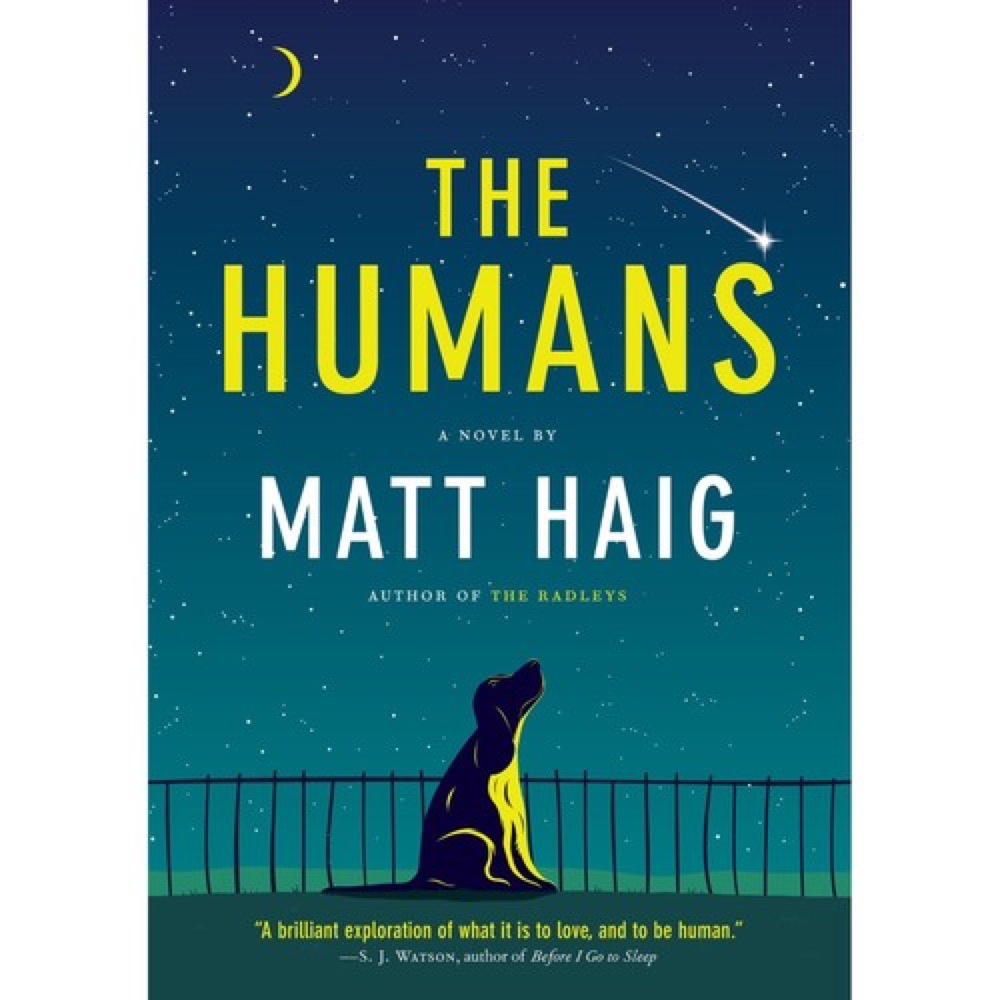 The Humans
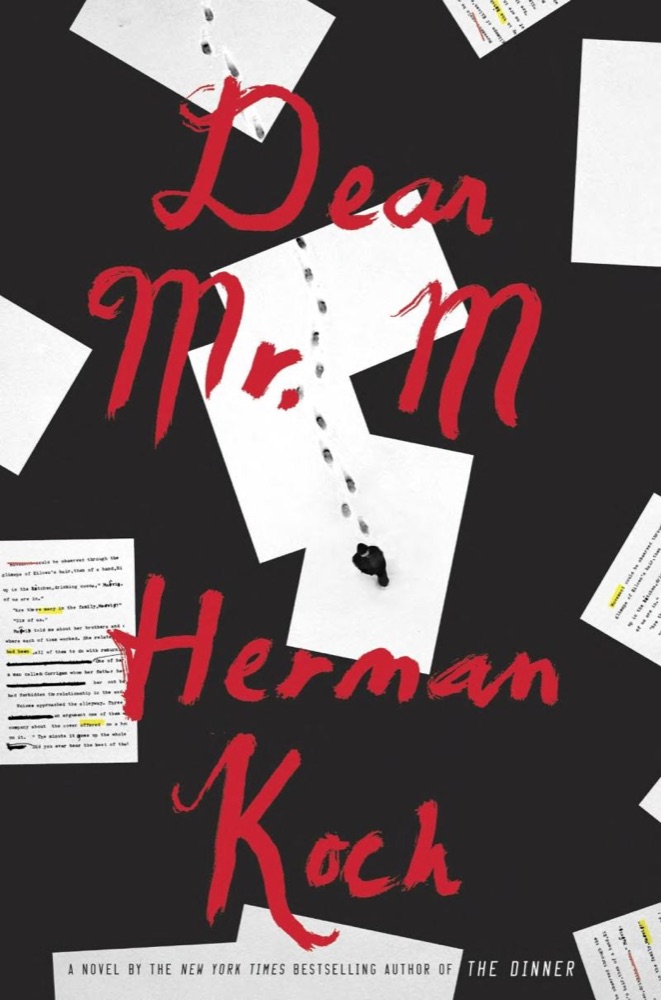 Dear Mr. M
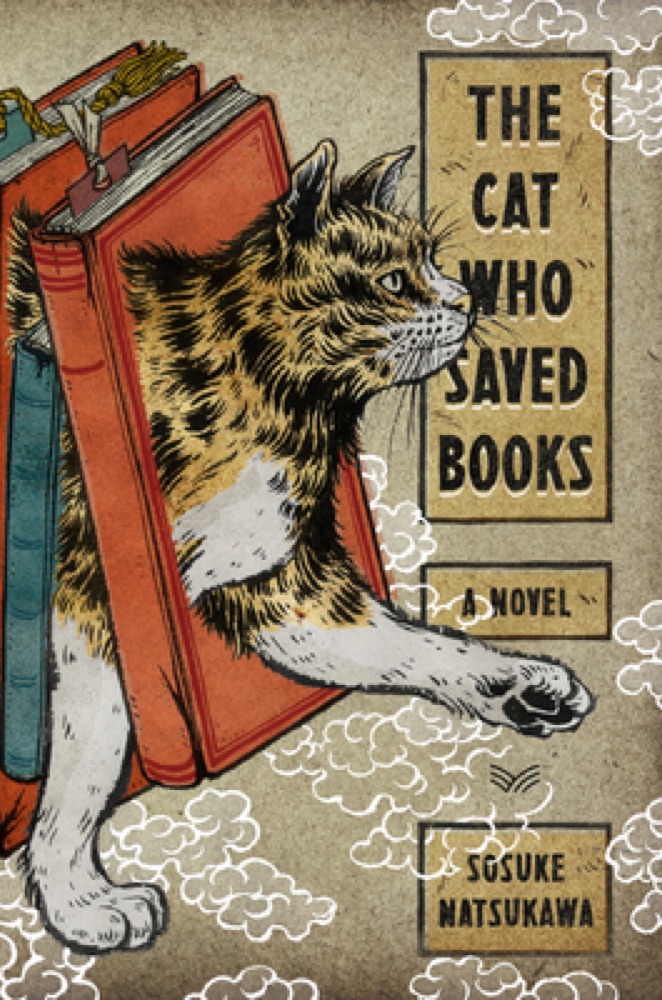 The Cat Who Saved Books
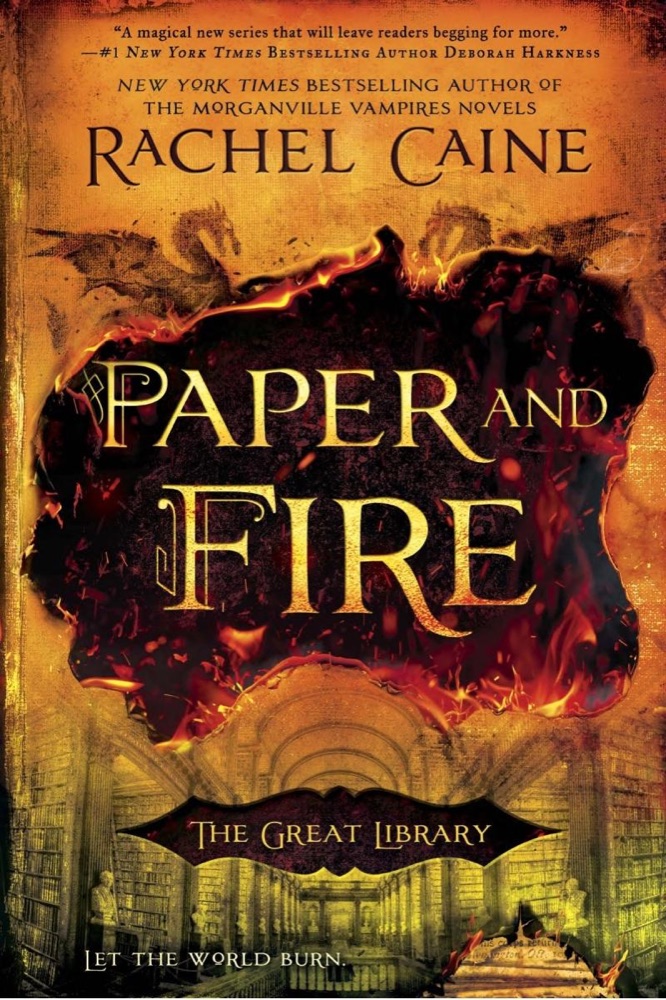 Paper and Fire
 The Tsar of Love and Techno
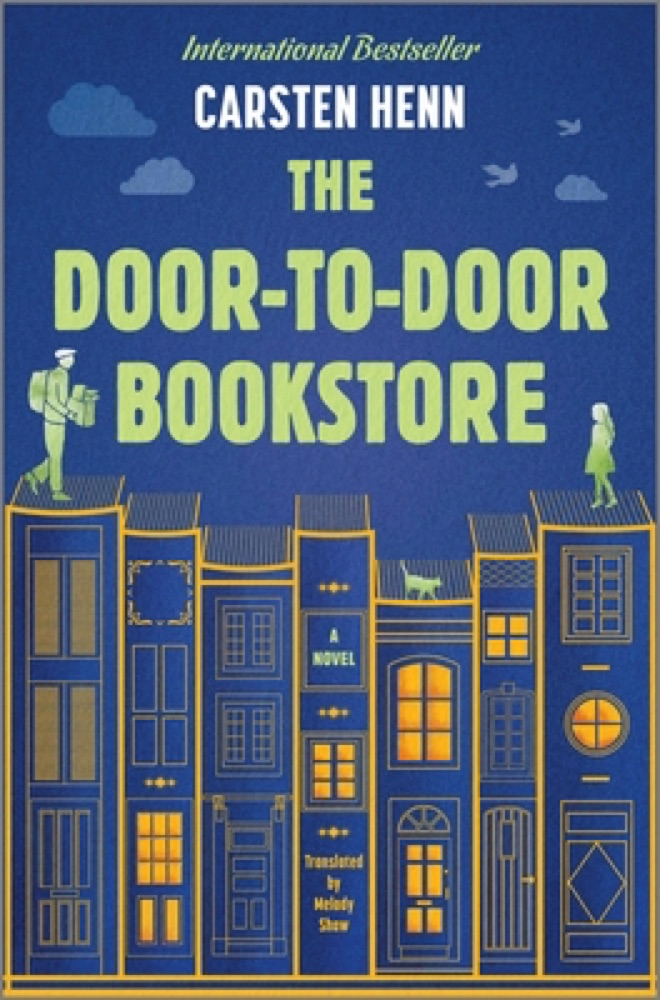 The Door-to-Door Bookstore
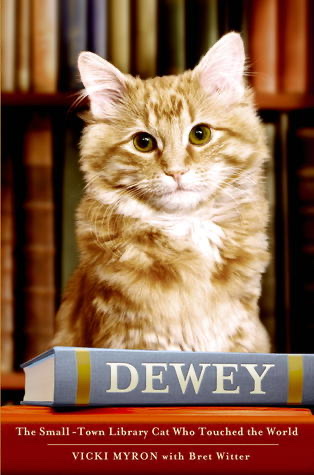 Dewey: The Small-Town Library Cat Who Touched the World
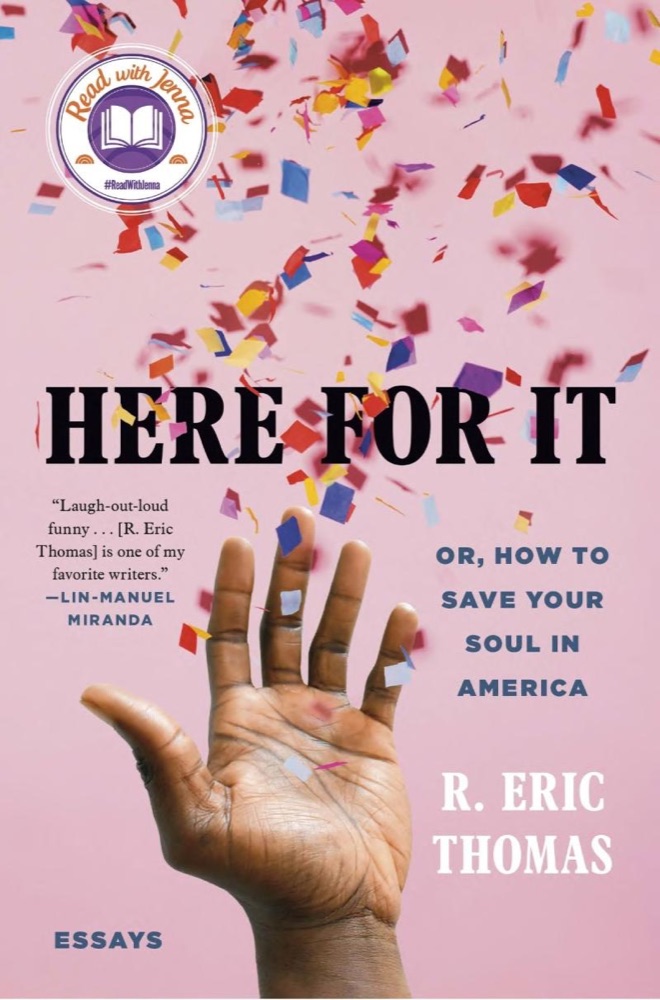 Here for It; Or, How to Save Your Soul in America: Essays
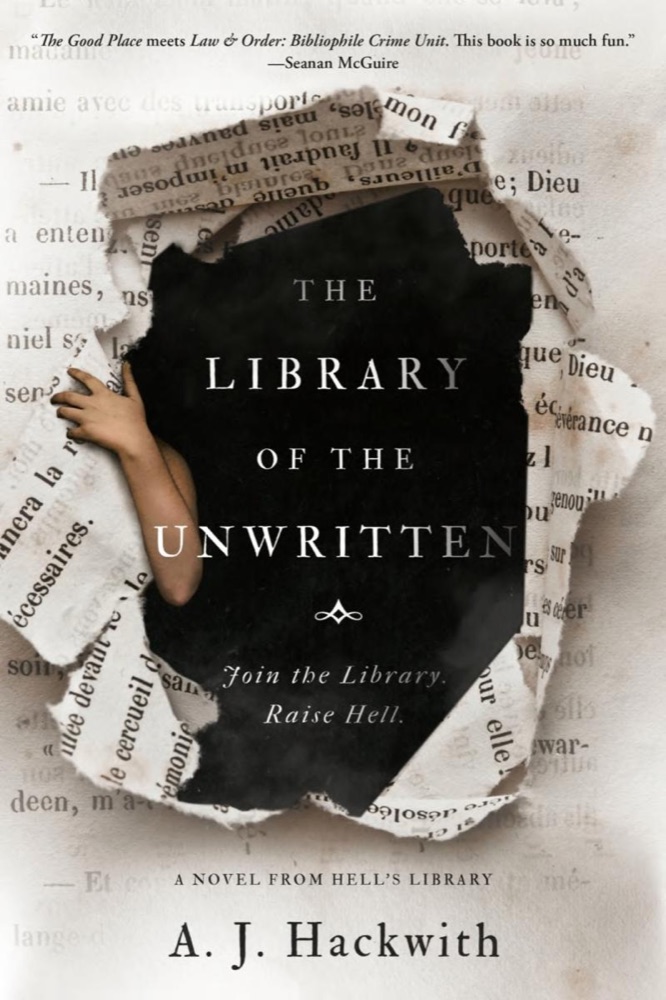 The Library of the Unwritten
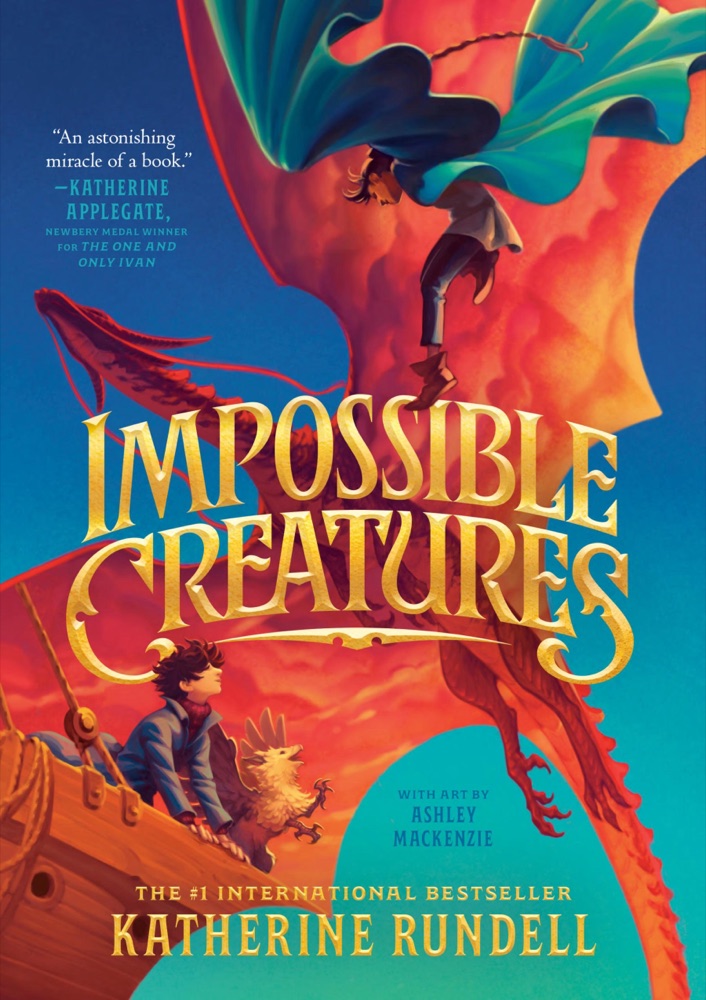 Impossible Creatures
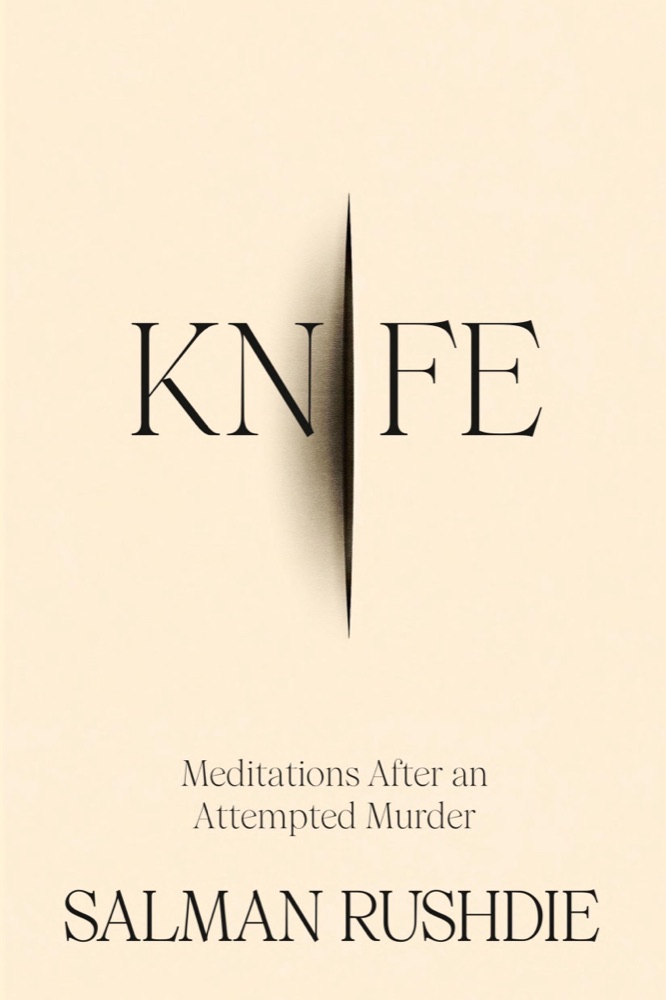 Knife: Meditations After an Attempted Murder
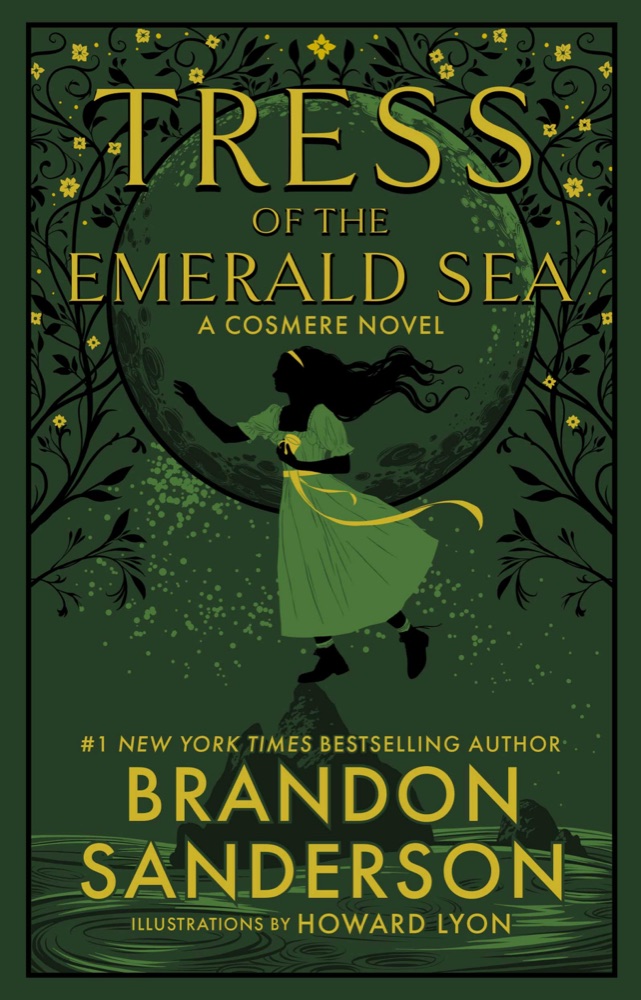 Tress of the Emerald Sea
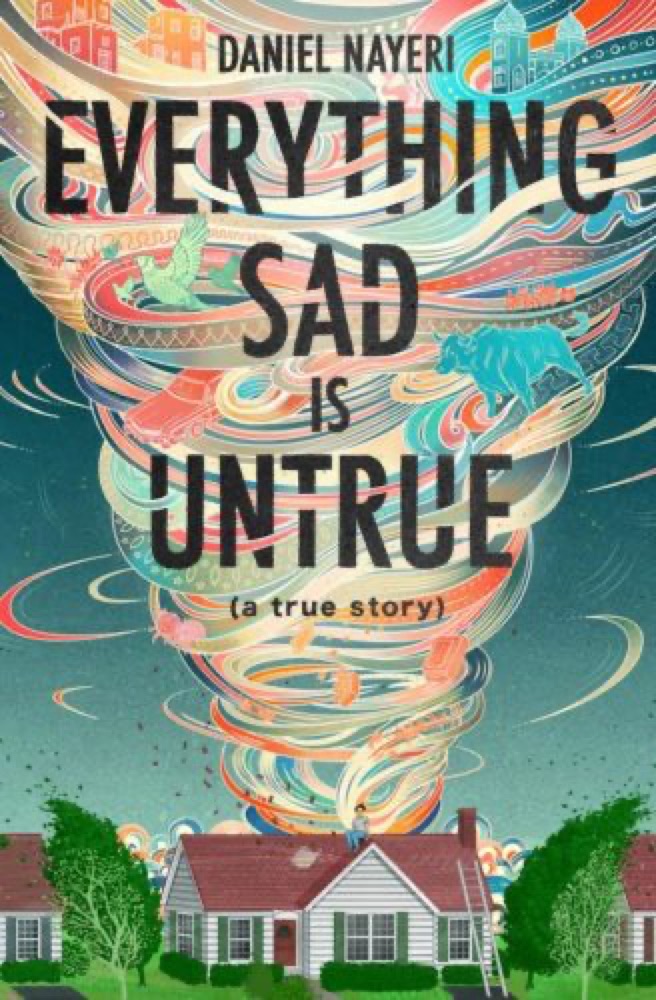 Everything Sad Is Untrue
 The Collector of Burned Books
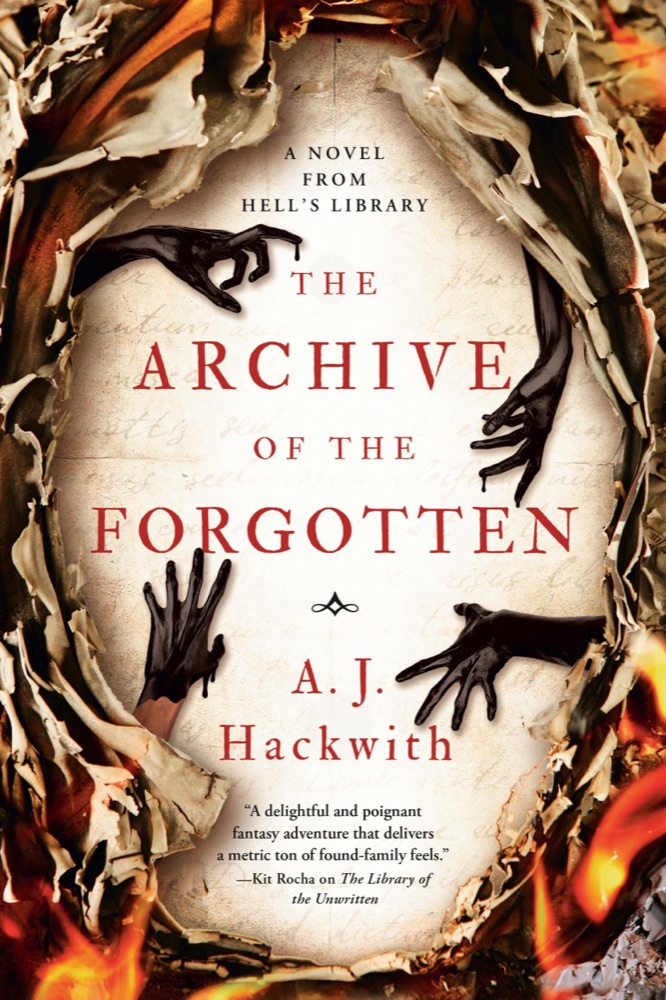 The Archive of the Forgotten
 All the Colors of the Dark
 Library of Souls
 Finders Keepers
 Flaubert's Parrot
 The Angel's Game
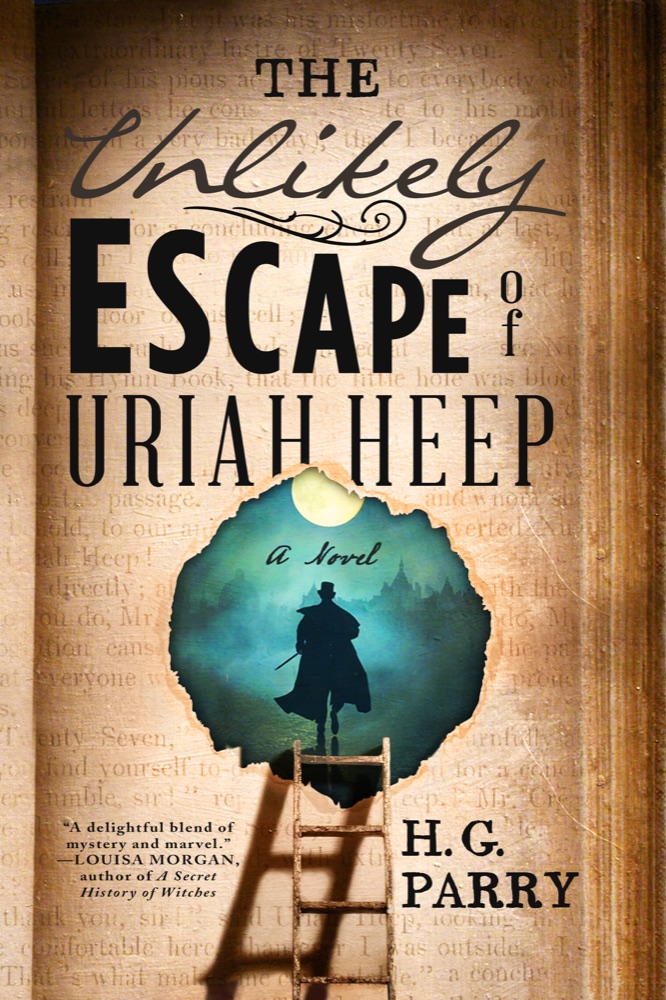 The Unlikely Escape of Uriah Heep
 The Name of This Book Is Secret
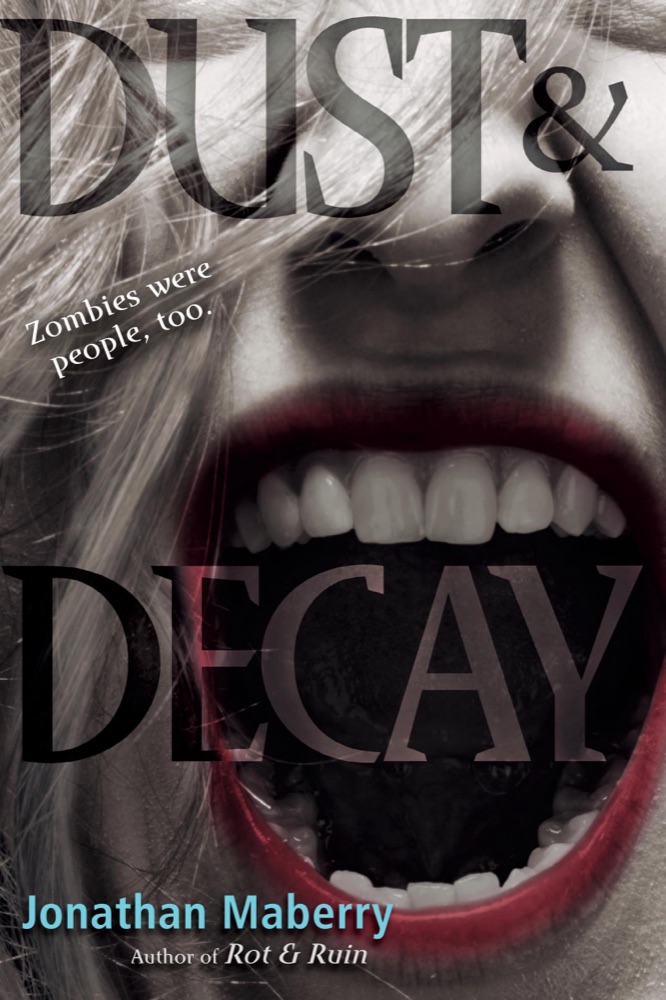 Dust & Decay
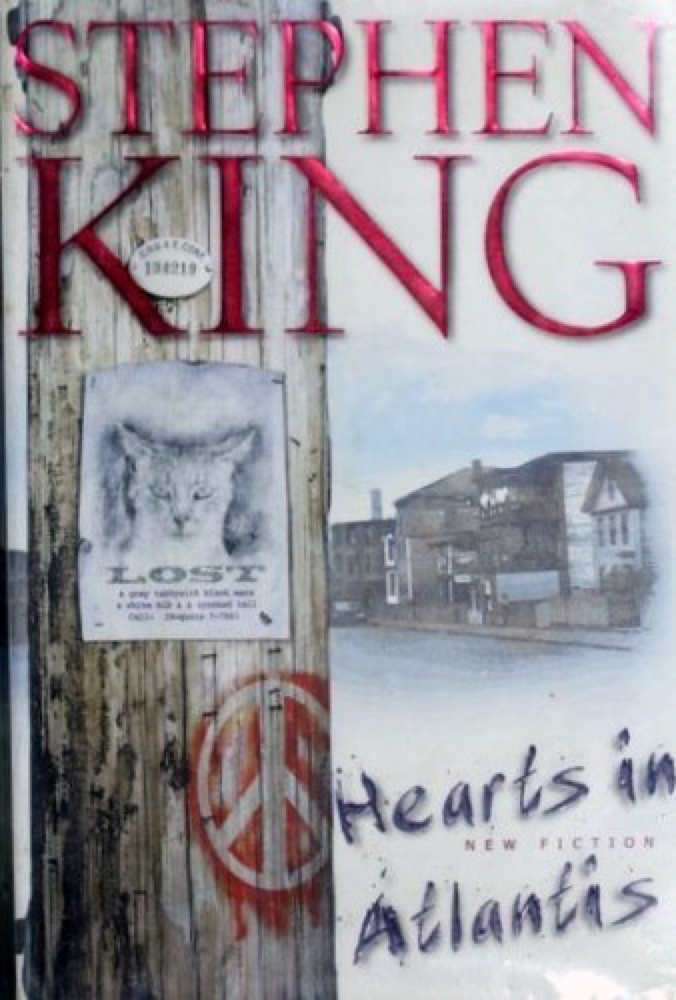 Hearts in Atlantis
 Man in the Dark
 The Enchanted
 The Hod King
 When Women Were Dragons
 There Are Rivers in the Sky
 Fahrenheit 451
 Suggested Reading
 The Secret, Book & Scone Society
 Only Dull People Are Brilliant at Breakfast