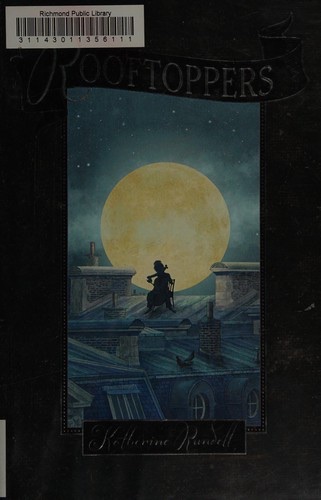
 Rooftoppers
Quotes from the Book
Children’s novels...spoke and still speak of hope. They say: look, this is what bravery looks like. This is what generosity looks like. They tell me, through the medium of wizards and lions and talking spiders, that this world we live in is a world of people who tell jokes and work and endure. Children’s books say: the world is huge. They say: hope counts for something. They say: bravery will matter, wit will matter, empathy will matter, love will matter. These things may or may not be true. I do not know. I hope they are.
17
If hope is a thing with feathers, then libraries are wings.
16
Children's books are not a hiding place, they are a seeking place.
14
When you read children’s books, you are given the space to read again as a child: to find your way back, back to the time when new discoveries came daily and when the world was colossal,
9
But the writing we call children’s fiction is not a childish thing: childish things include picking your nose and eating the contents, and tantruming at the failure to get your own way. The 45th President of America is childish. Children’s fiction has childhood at its heart, which is not the same thing.
7
The difficulties with the rule of readerly progression are many: one is that, if one followed the same pattern into adulthood, turning always to books of obvious increasing complexity, you’d be left ultimately with nothing but Finnegans Wake and the complete works of the French deconstructionist theorist Jacques Derrida to cheer your deathbed.
6
Children’s books in the house can be a dangerous thing in hiding: a sword concealed in an umbrella.
5
Crawling through dark tunnels in the company of hobbits, standing in front of oncoming trains waving a red flag torn from a petticoat: to read alone is to step into an infinite space where none can follow.
3
For reading not to become something that we do for anxious self-optimisation – for it not to be akin to buying high-spec trainers and a gym membership each January – all texts must be open, to all people.
3
Children’s fiction needs to widen and change again, as it has widened and transformed before. Recently a study of children’s fiction in the UK showed that only four per cent of books published in a year had any characters who were black, Asian or minority ethnic, but that 31.2 per cent of school children are from minority ethnic origins.
2
Children’s books today do still have the ghost of their educative beginnings, but what they are trying to teach us has changed. Children’s novels, to me, spoke, and still speak, of hope.
2
Children's books can teach us not just what we have forgotten, but what we have forgotten we have forgotten.
1
Those who write for children are trying to arm them for the life ahead with everything we can find that is true. And perhaps, also, secretly, to arm adults against those necessary compromises and necessary heartbreaks that life involves: to remind them that there are and always will be great, sustaining truths to which we can return.
1
Children will not be patient if you pontificate or meader or self-congratulate. Rather, children's fiction necessitates distillation: at its best, it renders in their purest, most archetypal forms hope, hunger, joy, fear. Think of children's books as literary vodka.
1
Watch on YouTube
About Katherine Rundell
We have collected 133 quotes from 7 books by Katherine Rundell on BookQuoters.
More about the author →More by Katherine Rundell
All books by Katherine Rundell →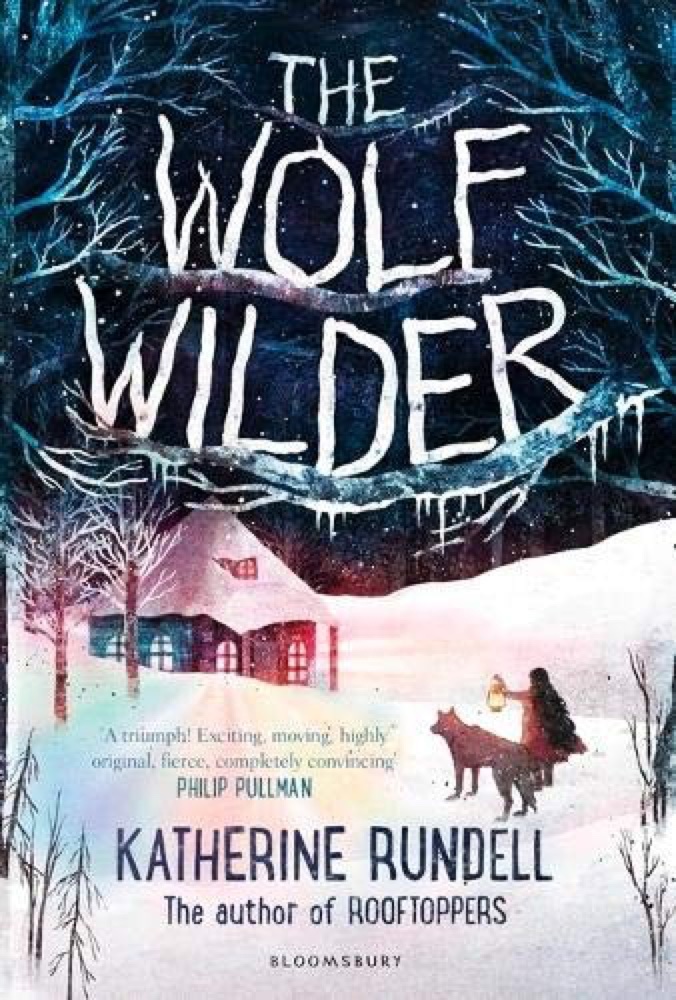
About the book
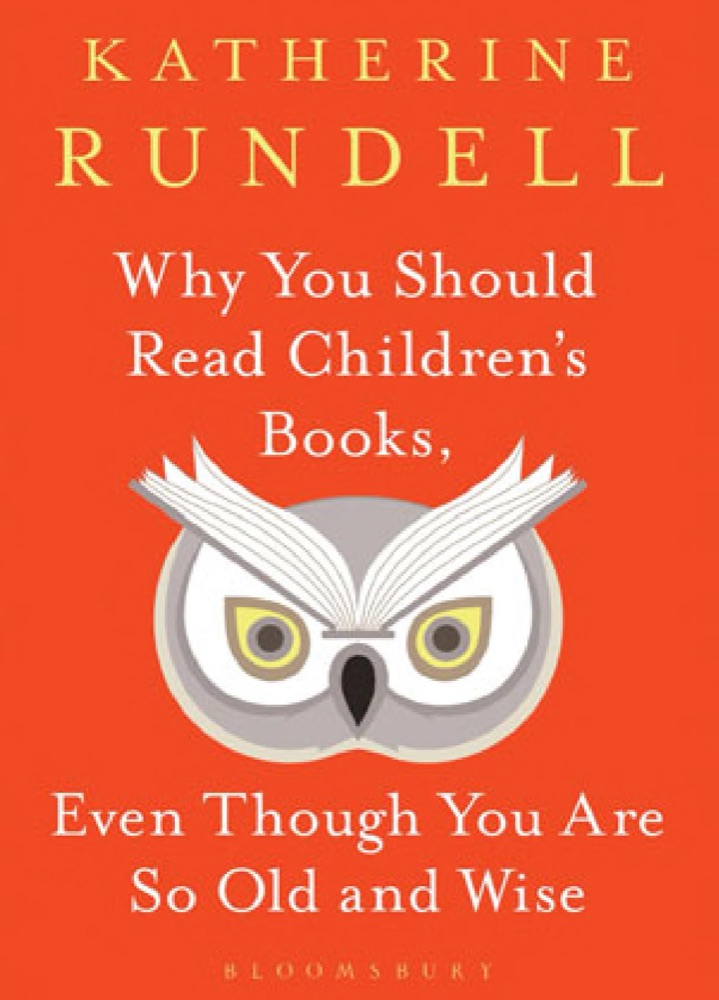
An unmissable essay on the importance of children's literature by the bestselling and award-winning author, Katherine Rundell.
Katherine Rundell – Fellow of All Souls College, Oxford, and prize-winning author of five novels for children – explores how children's books ignite, and can re-ignite, the imagination; how children's fiction, with its unabashed emotion and playfulness, can awaken old hungers and create new perspectives on the world. This delightful and persuasive essay is for adult readers.
Book details
- First published
- 2019
- Author
- Katherine Rundell
- Genre
- Nonfiction
- Goodreads rating
- 4.11 (4k ratings)
Keep reading
 Honey for a Child's Heart
 The Read-Aloud Handbook
 The Enchanted Hour: The Miraculous Power of Reading Aloud in the Age of Distraction – A Neuroscience Guide for Parents on Brain Development and Family Bonds
 The View from the Cheap Seats: Selected Nonfiction
 The Secret Lives of Booksellers and Librarians: True Stories of the Magic of Reading
 How Reading Changed My Life
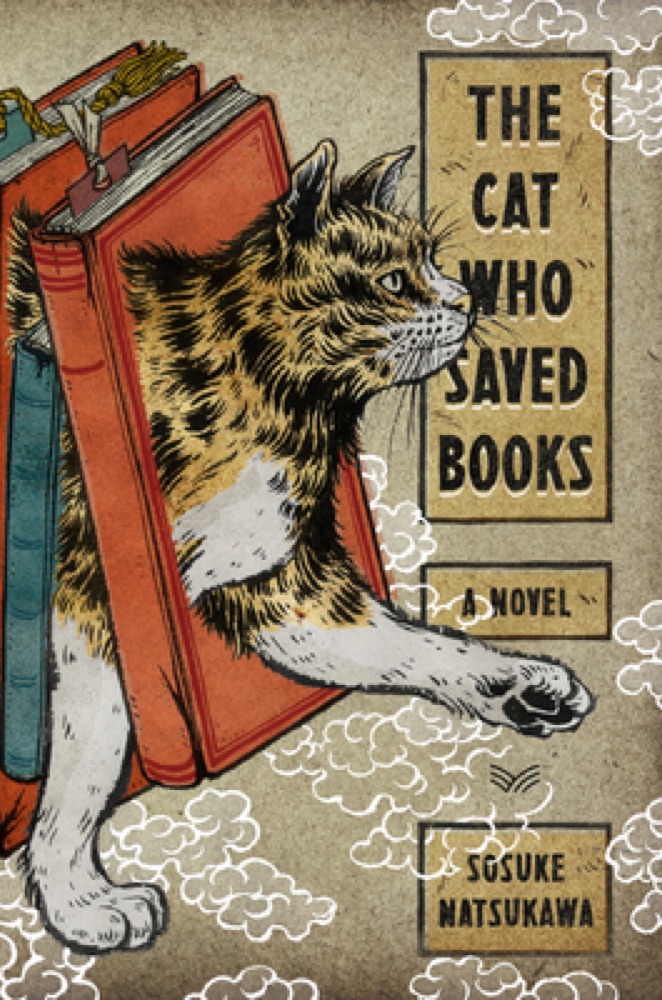 The Cat Who Saved Books
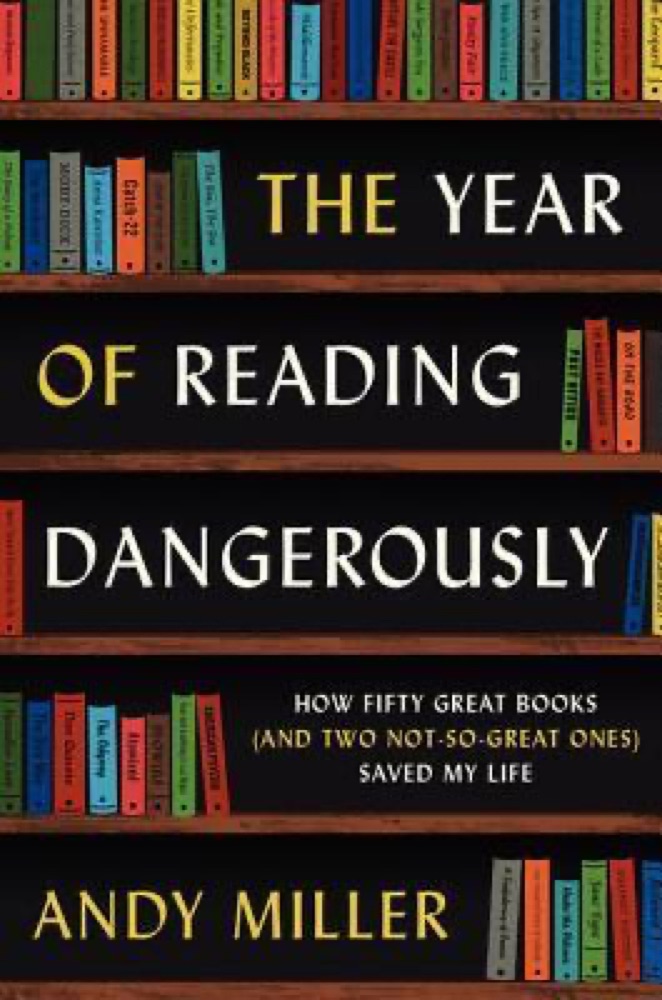 The Year of Reading Dangerously
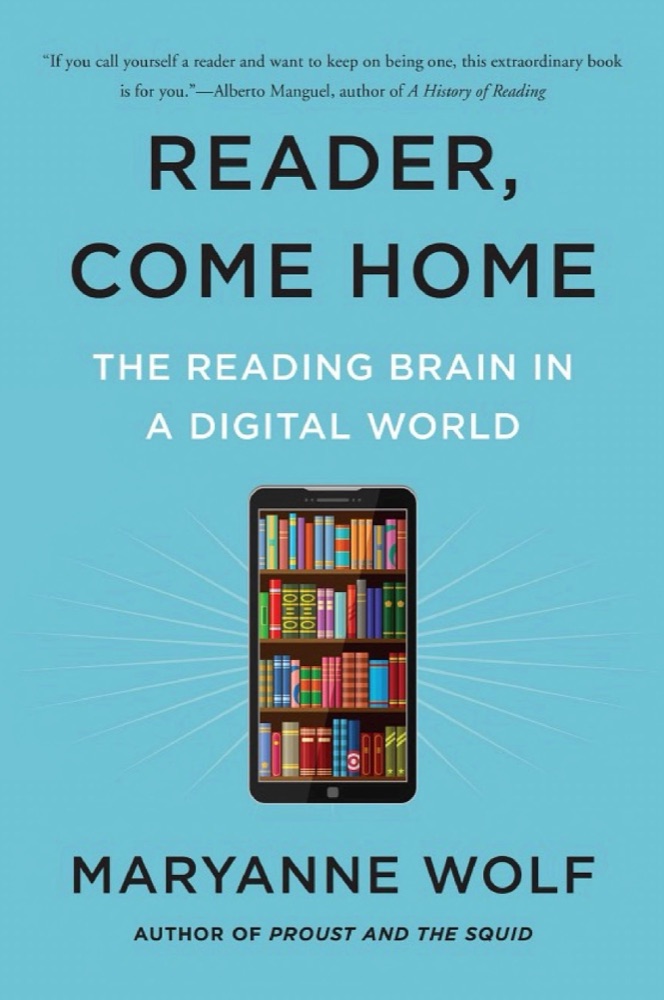 Reader, Come Home: The Reading Brain in a Digital World
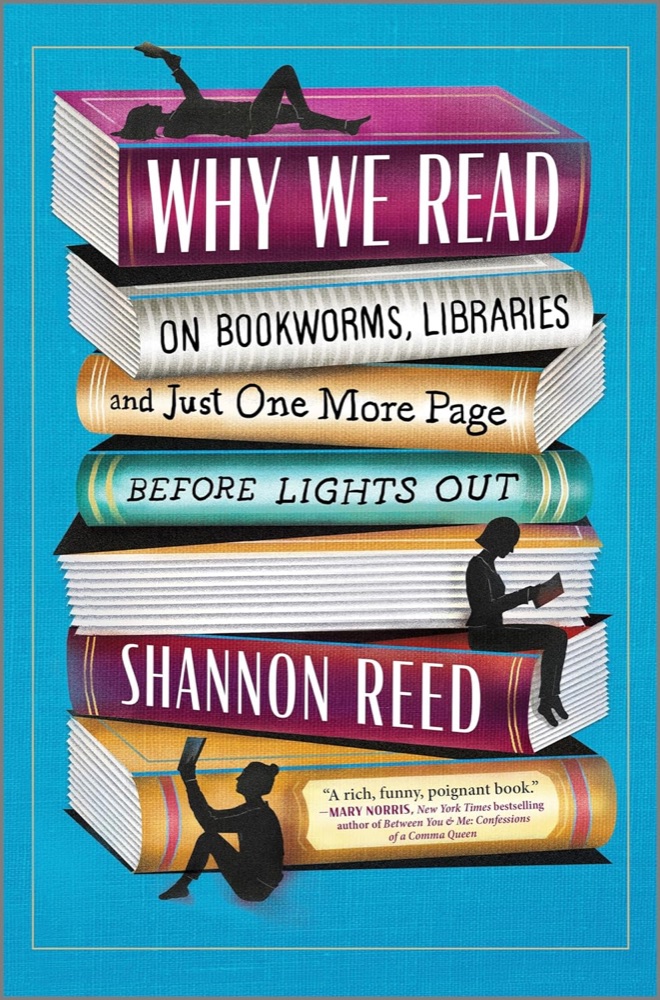 Why We Read: On Bookworms, Libraries, and Just One More Page Before Lights Out
 Ex Libris: Confessions of a Common Reader
 In Other Worlds: SF and the Human Imagination
 The Door-to-Door Bookstore
 The Archive of the Forgotten
 Judging a Book by Its Lover: A Field Guide to the Hearts and Minds of Readers Everywhere
 The Language of the Night: Essays on Writing, Science Fiction, and Fantasy
 Tilly and the Bookwanderers
 The Book Whisperer: Awakening the Inner Reader in Every Child
 Leave Me Alone, I'm Reading: Finding and Losing Myself in Books
 The City of Dreaming Books
 Inkheart
 The Book That Wouldn’t Burn
 A Novel Bookstore
 The Lost Library: A Kid-Friendly Mystery
 Books for Living
 The Secret, Book & Scone Society
 Lectures on Literature
 The Storied Life of A.J. Fikry
 The Librarian of Auschwitz
 The Read-Aloud Family: Making Meaningful and Lasting Connections with Your Kids
 The Last Librarian
 The Rabbit Back Literature Society
 Sophie Quire and the Last Storyguard
 I'd Rather Be Reading: The Delights and Dilemmas of the Reading Life
 Book Love: Developing Depth, Stamina, and Passion in Adolescent Readers
 Suggested Reading
 Poison for Breakfast
 The Wave in the Mind: Talks and Essays on the Writer, the Reader and the Imagination
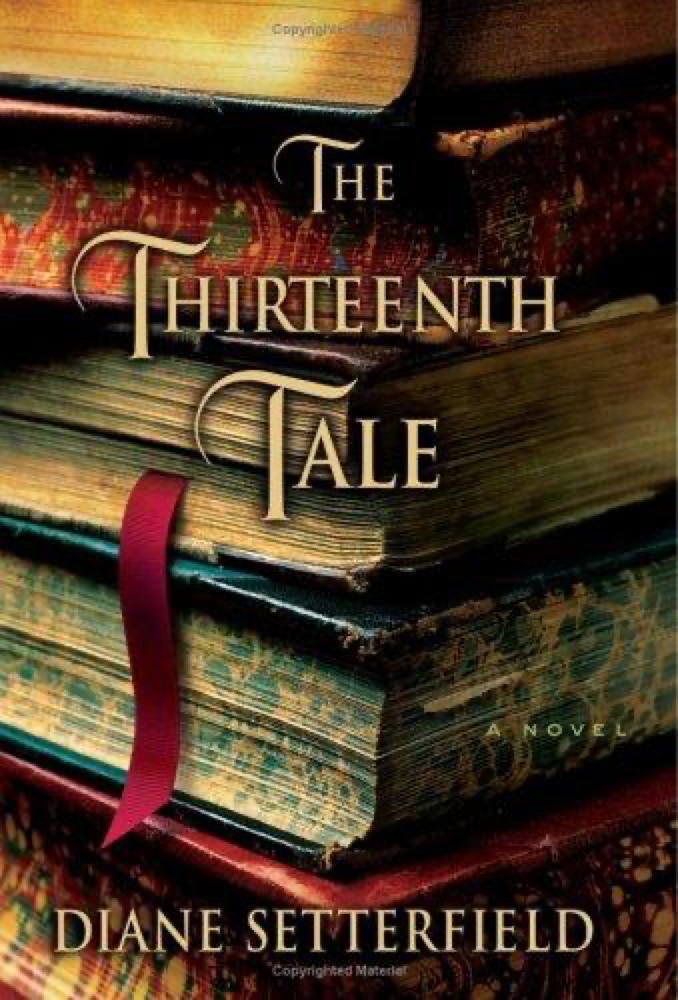 The Thirteenth Tale
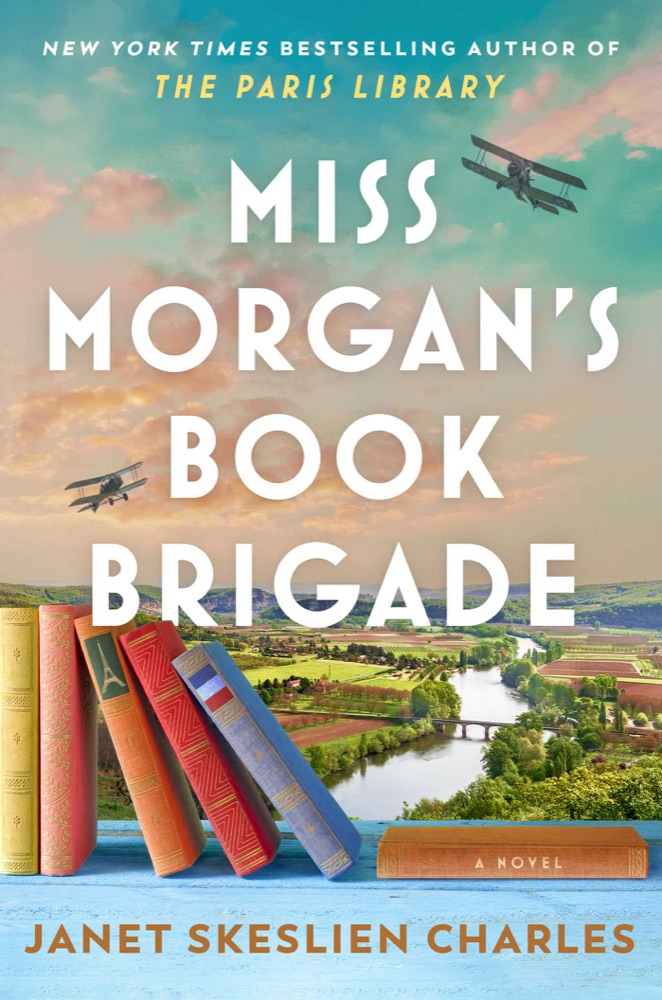 Miss Morgan's Book Brigade
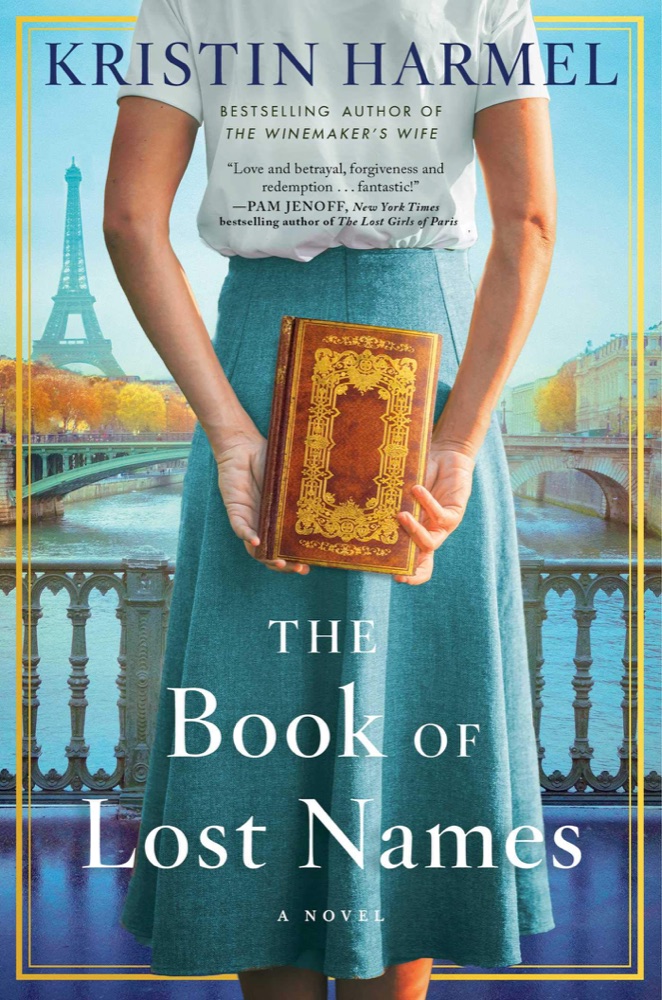 The Book of Lost Names
 The Yellow-Lighted Bookshop: A Memoir, a History
 Proust and the Squid: The Story and Science of the Reading Brain
 Howards End Is on the Landing: A Year of Reading from Home
 Lit!: A Christian Guide to Reading Books
 Ban This Book
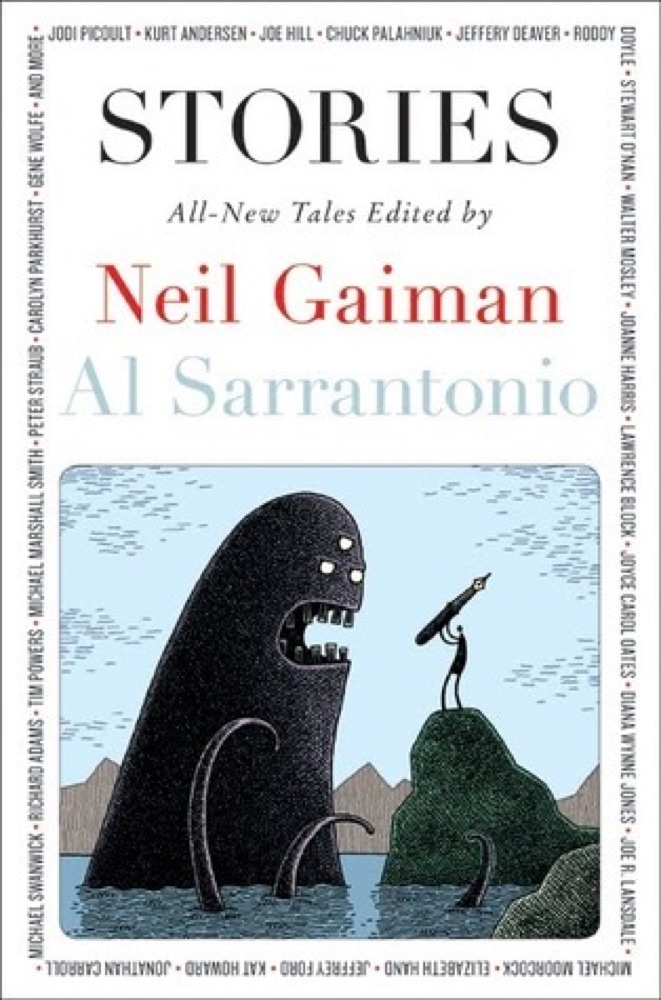 Stories: All-New Tales
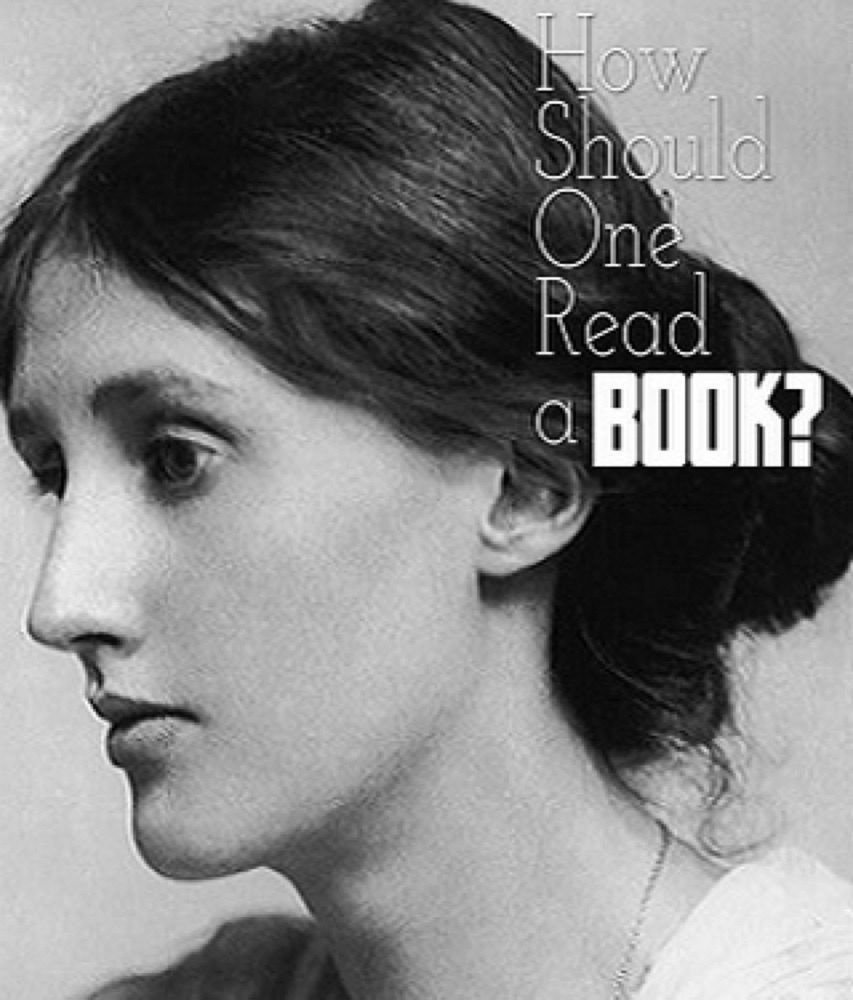 How Should One Read a Book?
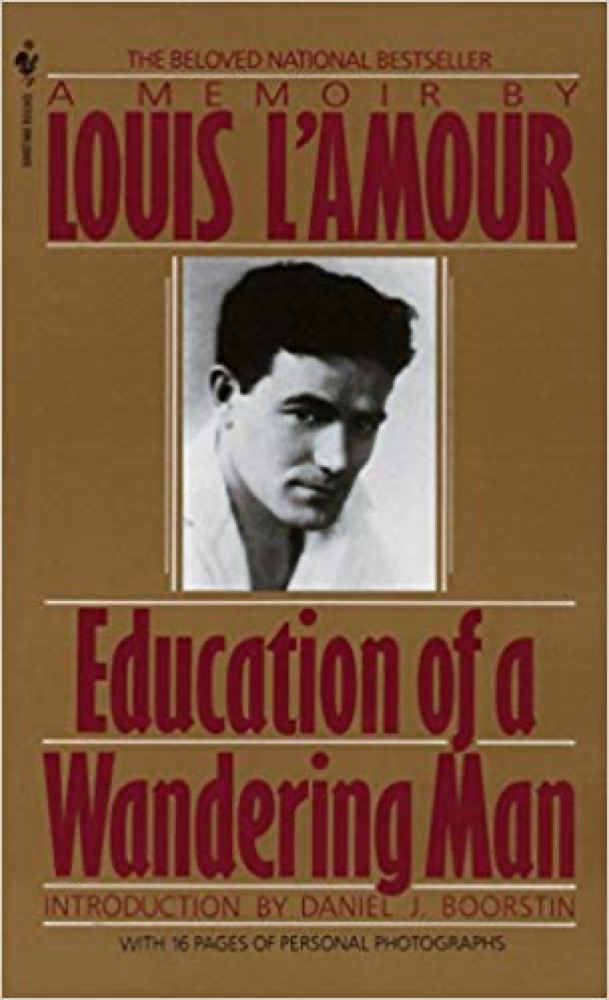 Education of a Wandering Man: A Memoir
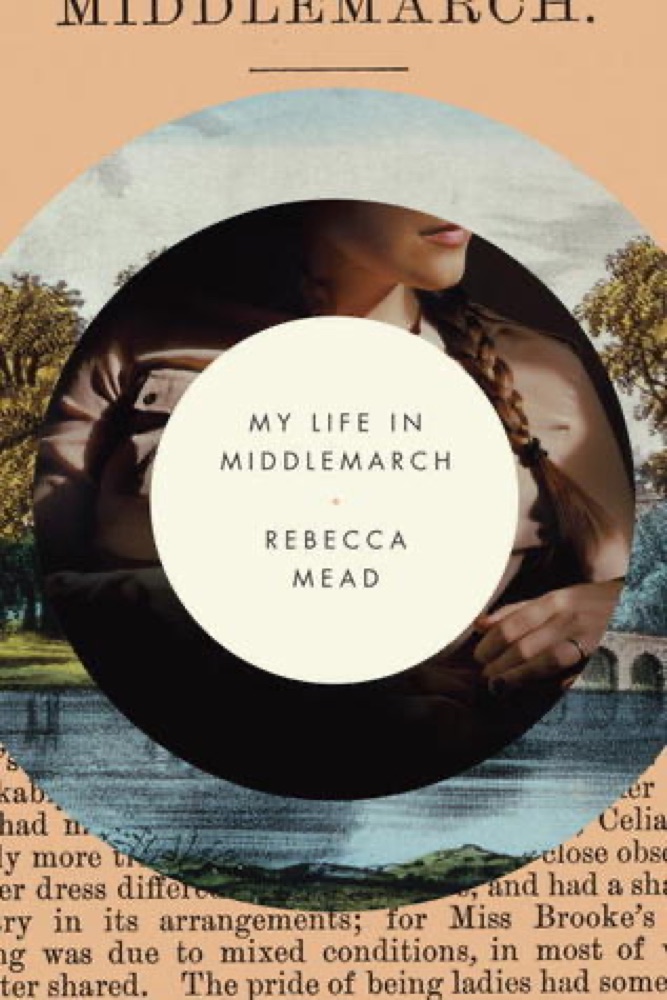 My Life in Middlemarch
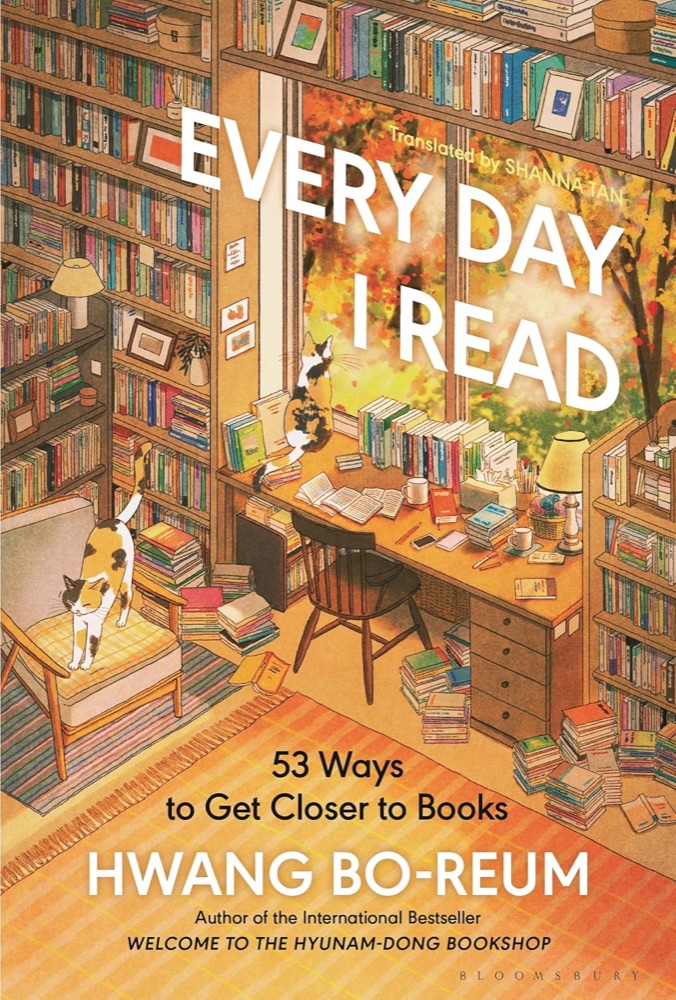 Every Day I Read: 53 Ways to Get Closer to Books
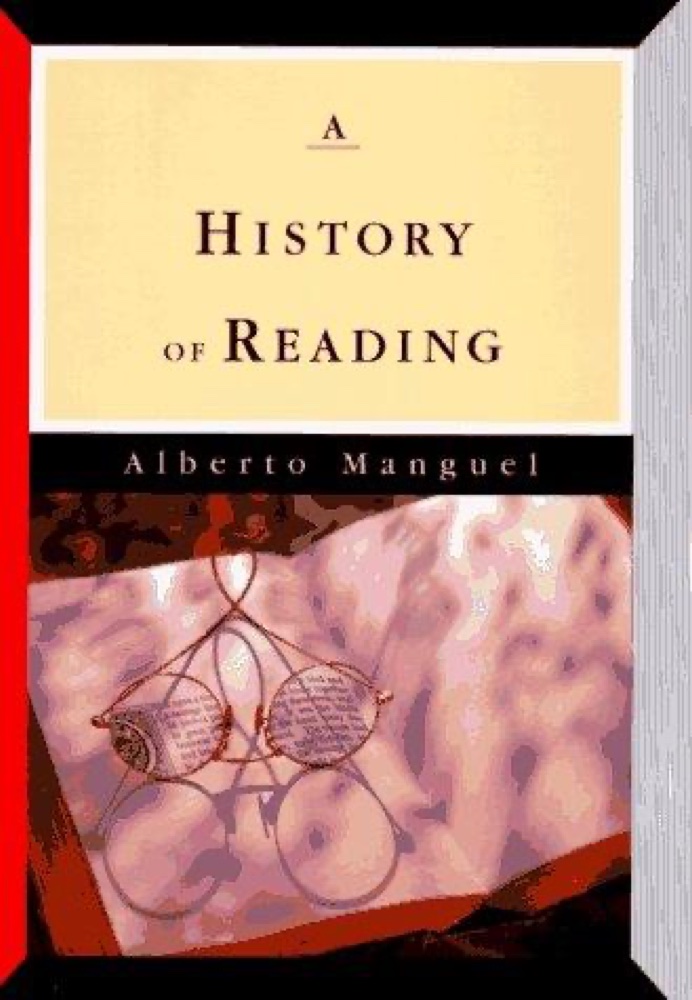 A History of Reading
 Housekeeping vs. the Dirt
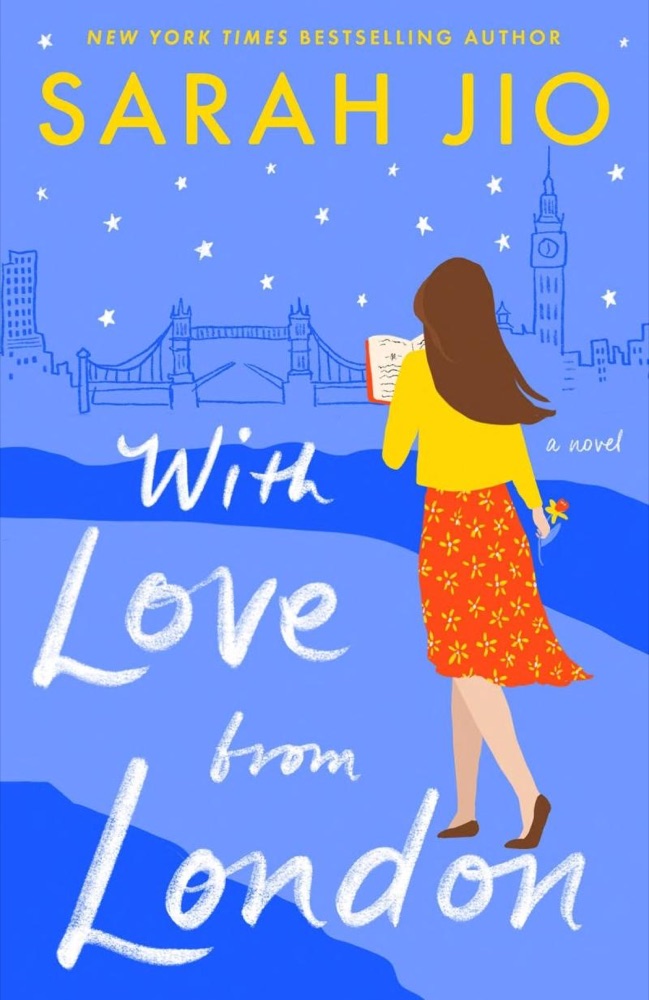 With Love from London
 The Haunted Bookshop
 Reading Like a Writer: A Guide for People Who Love Books and for Those Who Want to Write Them
 The Library at Night
 The Book of Form and Emptiness
 An Experiment in Criticism
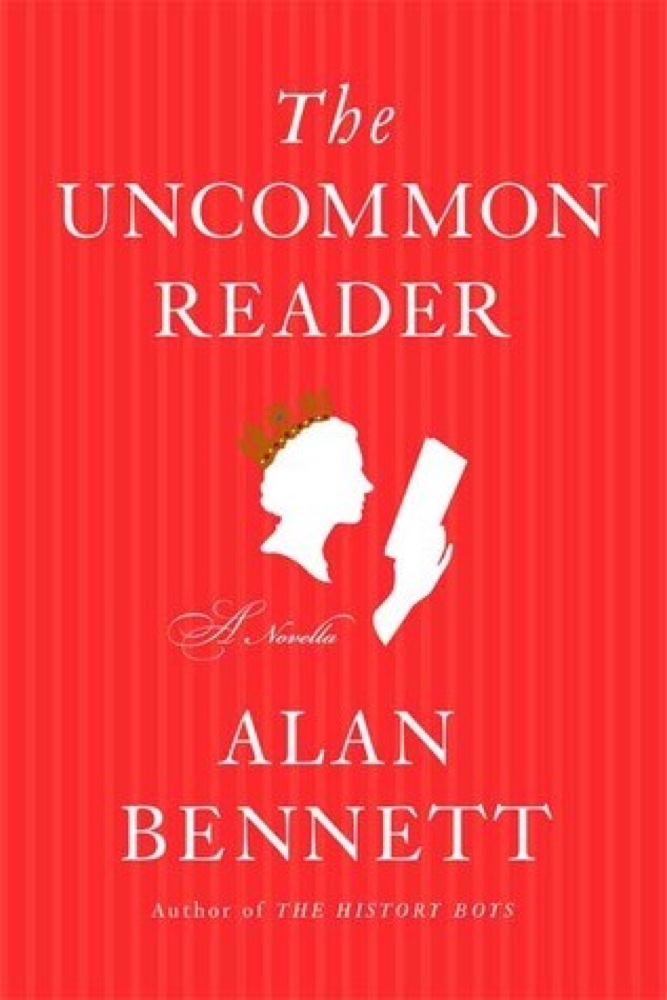 The Uncommon Reader