
 Under the Banner of Heaven: A Story of Violent Faith
Quotes from the Book
That so many manage to accommodate belief systems encompassing both the natural and the supernatural is a testament not to the compatibility of science and religion but to the flexibility, in both the physical and metaphysical senses, of the human brain.
7
The revolutionary idea that children have rights was born in the Enlightenment, but the practical application of that concept, in schools and within families, was very much a product of the progressive side of the Victorian era.
1
I am approached with the most opposite opinions and advice, and that by religious men, who are equally certain that they represent the Divine will.
1
The most regrettable consequence of the discontinuity in the record of American rationalist dissent is that its moral lessons must be relearned in every generation. It is telling that even so voracious a reader as Garrison was beyond the midpoint of his life when he discovered his spiritual ancestor Thomas Paine. When your own mind is your own church, it can take a very long time for future generations to make their way to the sanctuary.
But secularists are not value free; their values are simply grounded in earthly concerns rather than in anticipation of heavenly rewards or fear of infernal punishments.
Ingersoll’s spotless reputation as a husband and father was a source of considerable frustration to those who would have loved to catch him in bed, dead or alive, with a young woman. One conservative critic, miffed by the many references in Ingersoll’s obituaries to his happy family life, grumbled that it was “not easy to perceive just why his private virtues have been so breathlessly brought forward and detailed with so much strenuous insistence; for surely husbands who are faithful, fathers who are loving, and friends who are generous and sympathetic, are not so rare in this our world as to make of them phenomena to be noted in the annals of the age.
Deists of Jefferson’s generation fought tax support for religious institutions at a time when the only influential American religious sects were Protestant. Their nineteenth-century successors were unquestionably appalled when the Roman Catholic Church became the first large religious denomination to establish its own school system in America, and they viewed the growth of Catholic schools as a threat to the expansion of public education—a major goal of all social reformers after the Civil War.
For if freethinkers did not have a political platform, they nevertheless agreed on a wide range of social, cultural, and artistic concerns, which generated such fierce debate in the decades after the Civil War that they would form a template for the nation’s “culture wars” a century later. These included free political speech; freedom of artistic expression; expanded legal and economic rights for women that went well beyond the narrow political goal of suffrage; the necessity of ending domestic violence against women and children; dissemination of birth control information (a major target of the punitive postal laws, defining birth control information as obscene, that bore the name of Anthony Comstock); opposition to capital punishment and to inhumane conditions in prisons and insane asylums; and, above all, the expansion of public education. American
In 1929, George Macdonald recalled that there “has always been a considerable fringe of ascetics in the Freethought ranks—foes of rum, tobacco, corsets, sex, meat, and white bread. . . . Their slogan is: ‘The whiter the bread the sooner you’re dead.
Truth never envelops itself in mystery, and the mystery in which it is at any time enveloped is the work of its antagonist.
Watch on YouTube
About Susan Jacoby
We have collected 10 quotes from 1 book by Susan Jacoby on BookQuoters.
More about the author →About the book
"Jacoby accomplishes her task with clarity, thoroughness, and an engaging passion." -Los Angeles Times Book Review
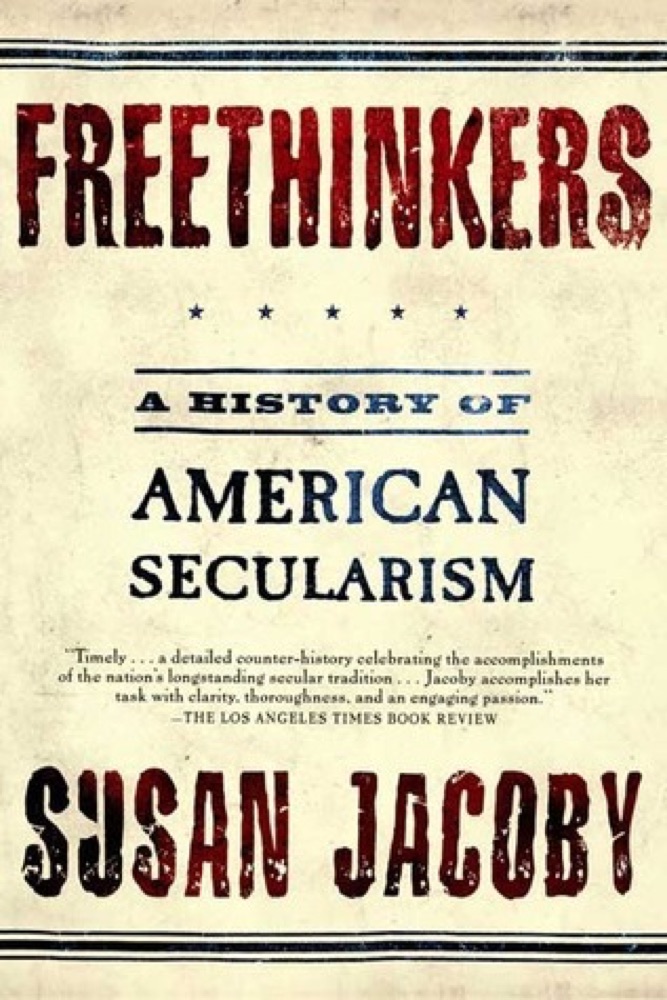
At a time when the separation of church and state is under attack as never before, Freethinkers offers a powerful defense of the secularist heritage that gave Americans the first government in the world founded not on the authority of religion but on the bedrock of human reason. In impassioned, elegant prose, celebrated author Susan Jacoby traces more than two hundred years of secularist activism, beginning with the fierce debate over the omission of God from the Constitution. Moving from nineteenth-century abolitionism and suffragism through the twentieth century's civil liberties, civil rights, and feminist movements, Freethinkers illuminates the neglected achievements of secularists who, allied with tolerant believers, have led the battle for reform in the past and tod
Book details
- First published
- 2004
- Author
- Susan Jacoby
- Genre
- History
- Goodreads rating
- 4.06 (5k ratings)
Keep reading
Under the Banner of Heaven: A Story of Violent Faith
 Bad Religion: How We Became a Nation of Heretics
 The Rage Against God: How Atheism Led Me to Faith
 Anti-Intellectualism in American Life
 Arguably: Selected Essays
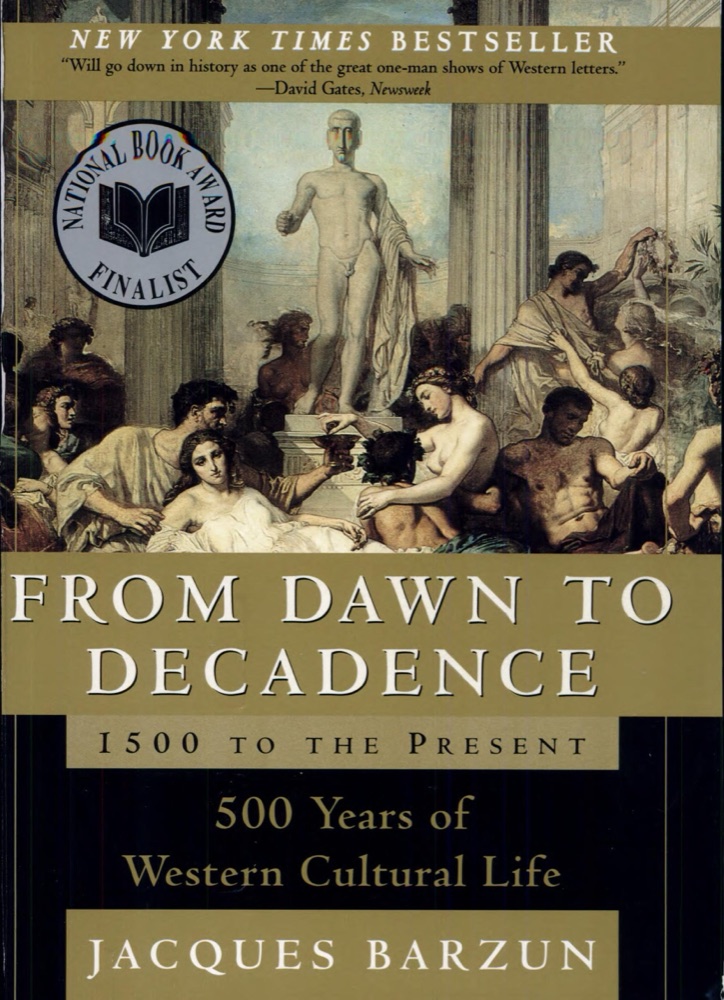 From Dawn to Decadence: 500 Years of Western Cultural Life, 1500 to the Present
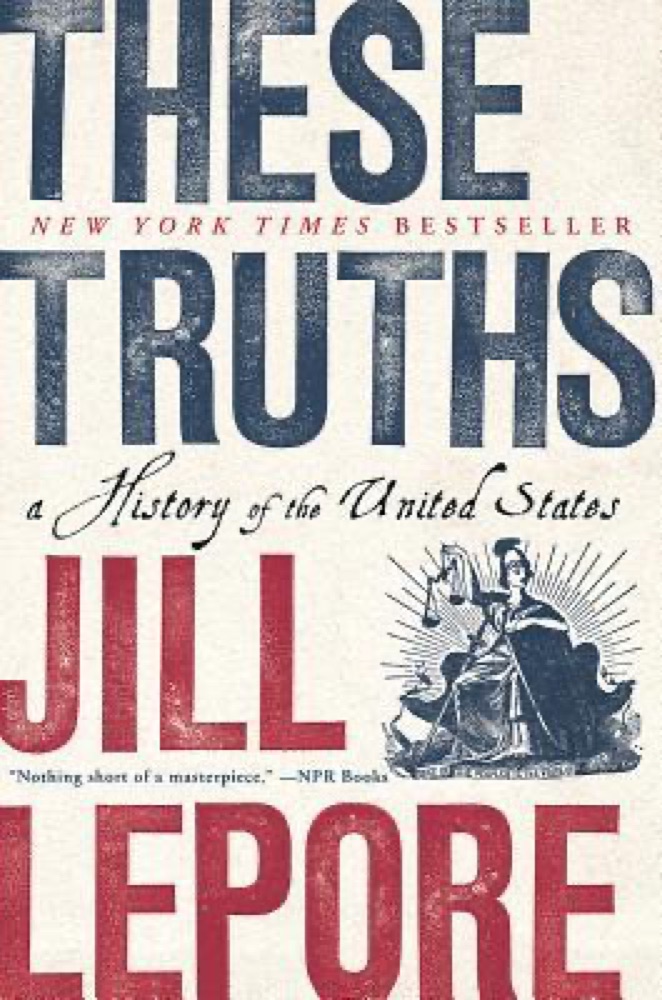 These Truths: A History of the United States
 When I Was a Child I Read Books
 Why I Am Not a Christian and Other Essays on Religion and Related Subjects
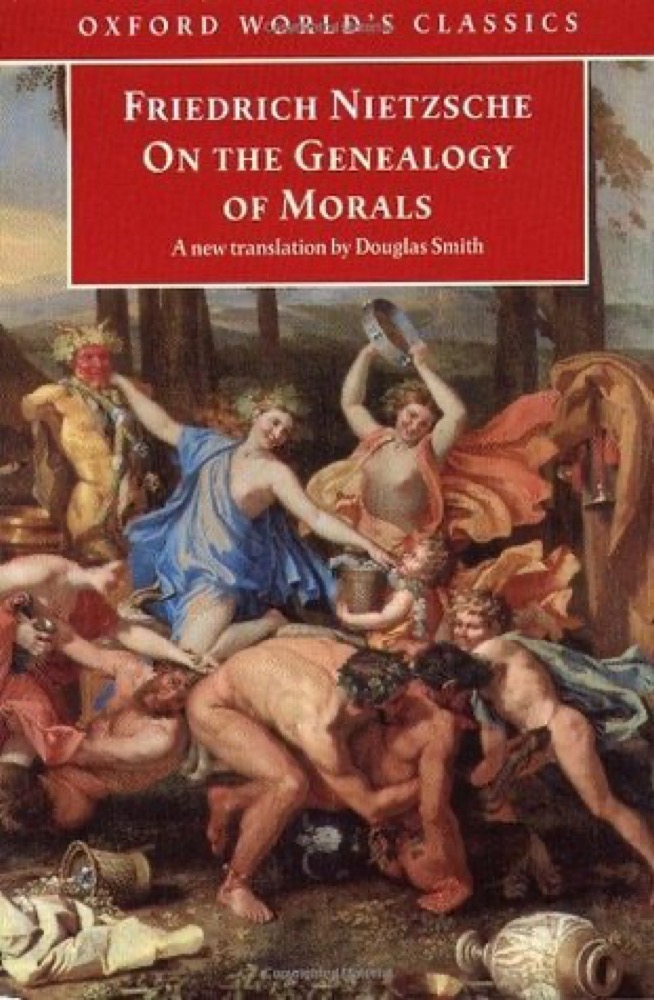 On the Genealogy of Morals
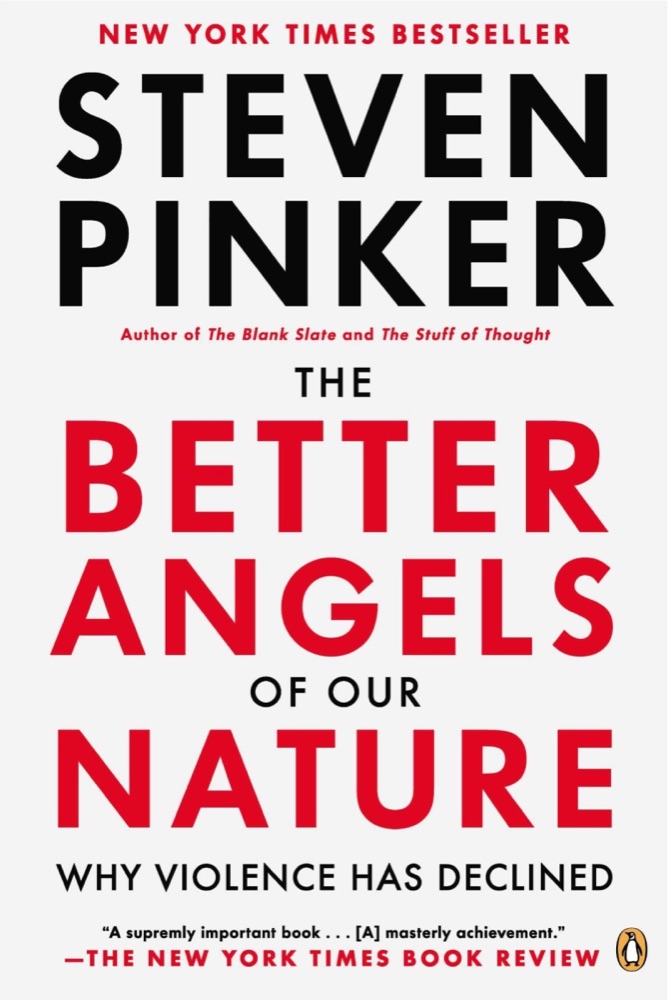 The Better Angels of Our Nature: Why Violence Has Declined
 The Portable Atheist: Essential Readings for the Nonbeliever
 The Closing of the American Mind
 Enlightenment Now: The Case for Reason, Science, Humanism, and Progress
 The Argumentative Indian: Writings on Indian History, Culture and Identity
 A Little History of Religion
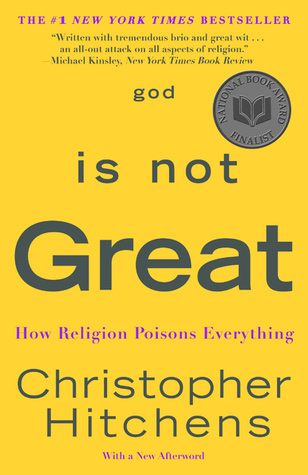 god is Not Great: How Religion Poisons Everything
 Parasitic Mind: How Infectious Ideas Are Killing Common Sense
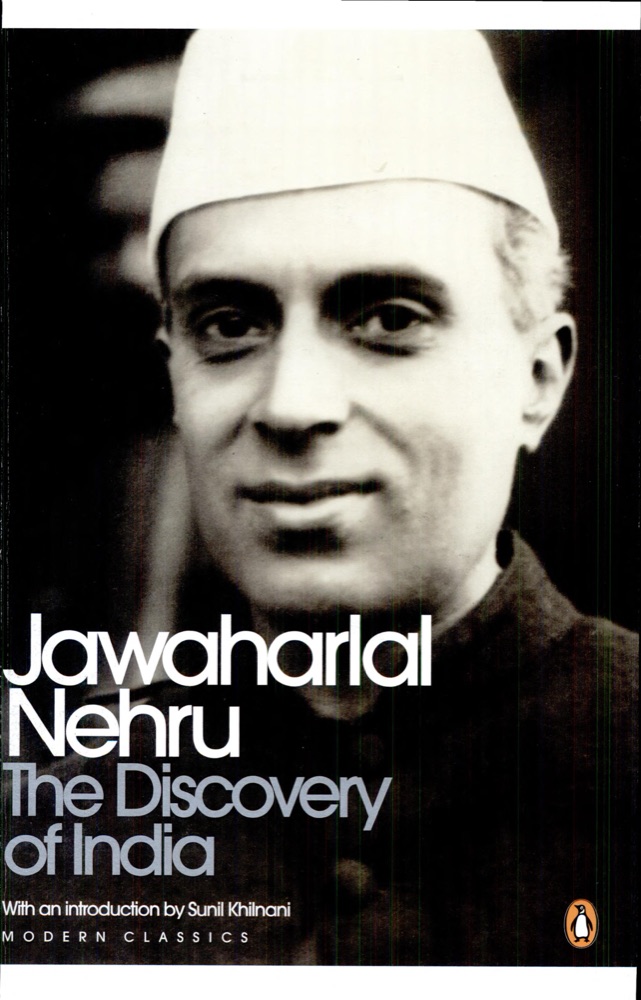 The Discovery of India
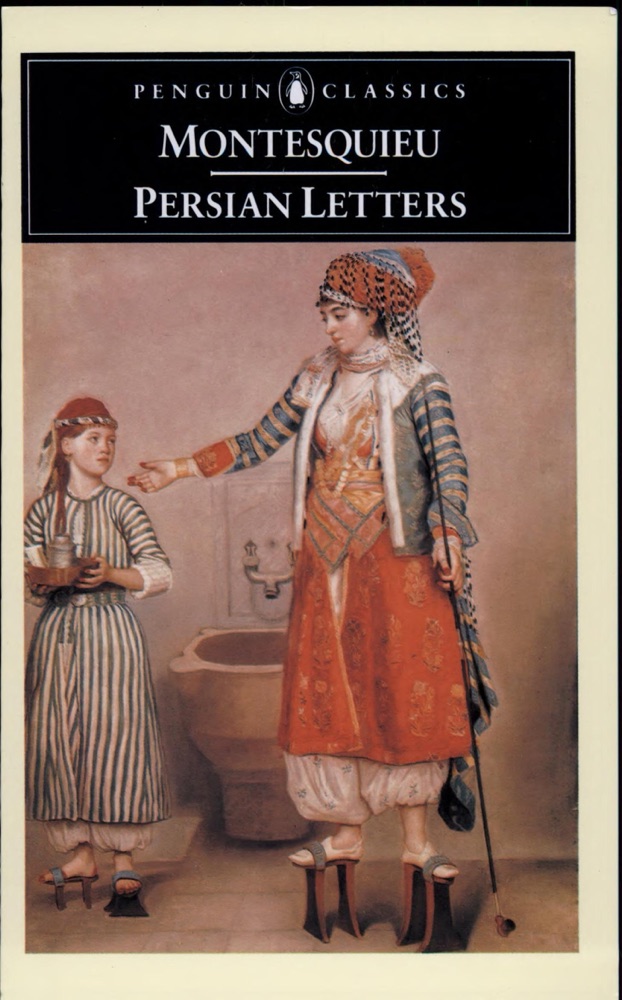 Persian Letters
 The Future of an Illusion
 The God Delusion
 Joseph Anton: A Memoir
 Breaking the Spell: Religion as a Natural Phenomenon
 The Parafaith War
 Reflections on the Revolution in France
 Heretics
 The End of Faith: Religion, Terror, and the Future of Reason
 The Hemingses of Monticello: An American Family
 The Gospel in a Pluralist Society
 The Education of Henry Adams
 A History of Western Philosophy
 Philosophical Dictionary
 Theological-Political Treatise
 The Case for God
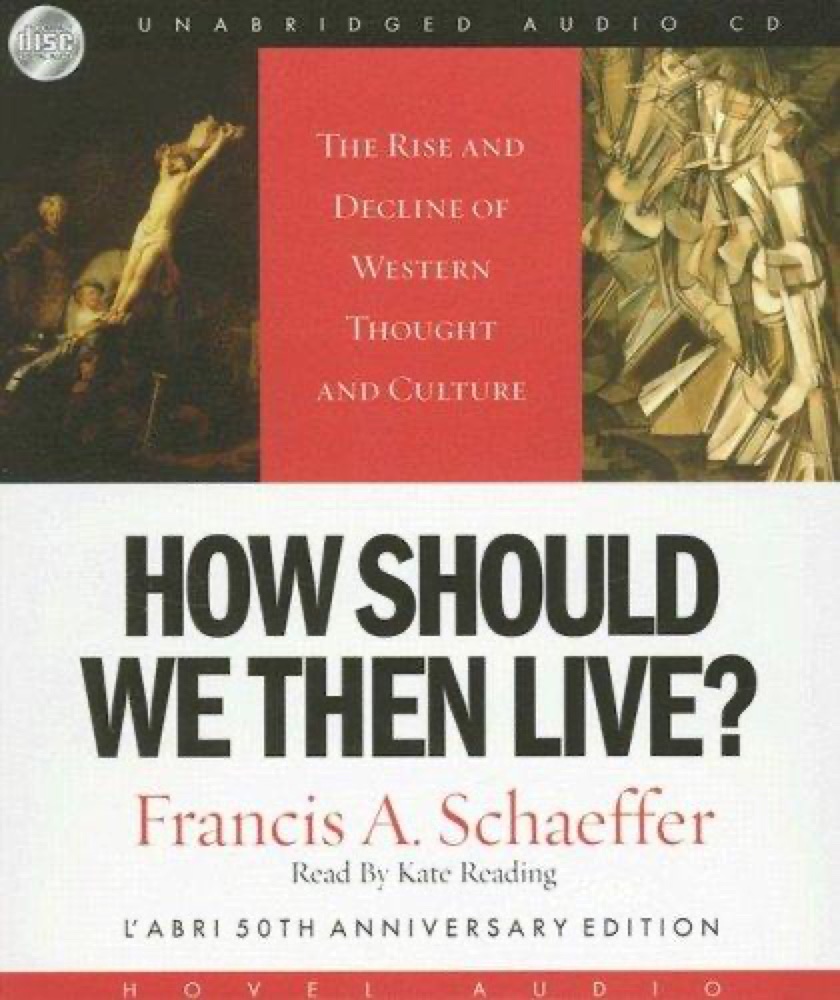 How Should We Then Live? The Rise and Decline of Western Thought and Culture
 Marx for Beginners
 After Virtue
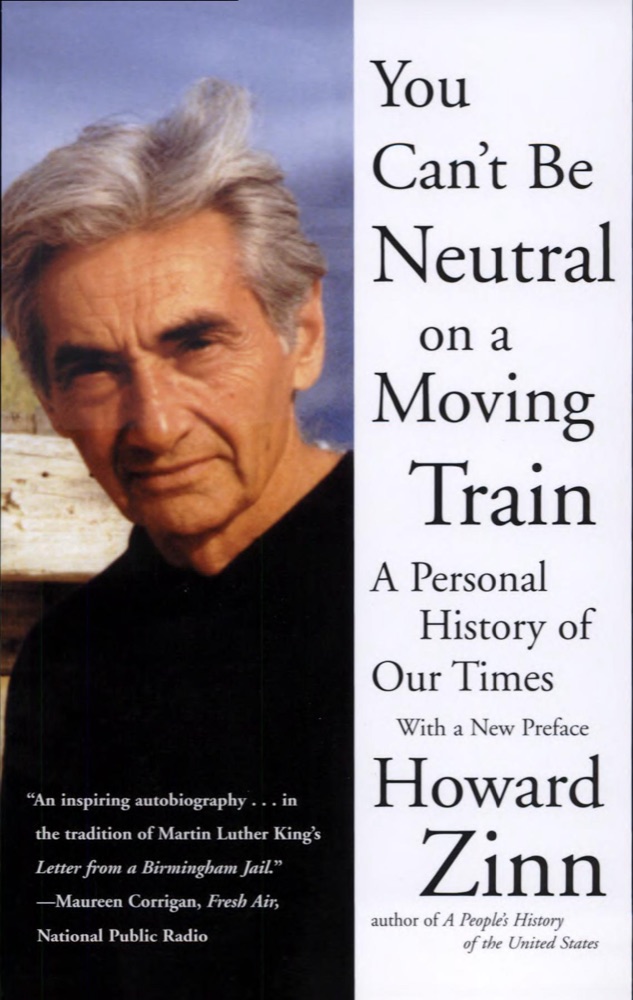 You Can't Be Neutral on a Moving Train: A Personal History of Our Times
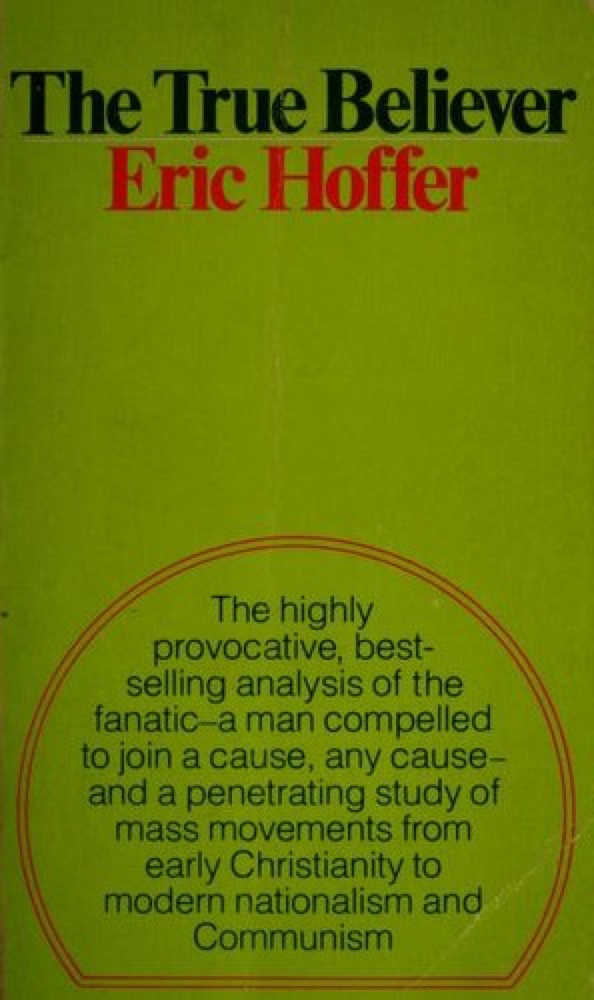 The True Believer: Thoughts on the Nature of Mass Movements
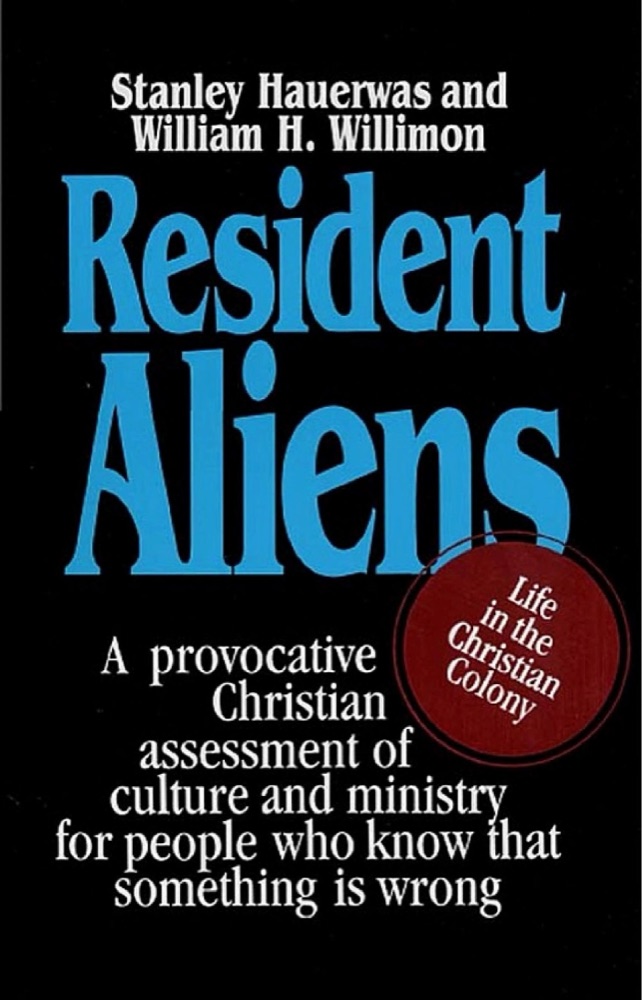 Resident Aliens: Life in the Christian Colony
 The Perennial Philosophy
 Witness
 The Abolition of Man
 Descartes' Bones: A Skeletal History of the Conflict Between Faith and Reason
 Live Not by Lies: A Manual for Christian Dissidents
 The Sign
 On Liberty
 The Machiavellians: Defenders of Freedom
 The Muqaddimah: An Introduction to History
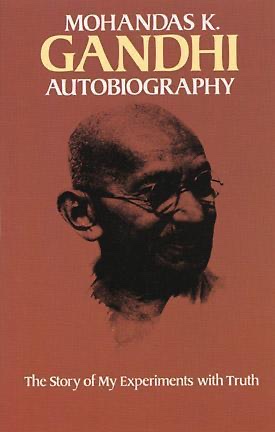 The Story of My Experiments With Truth
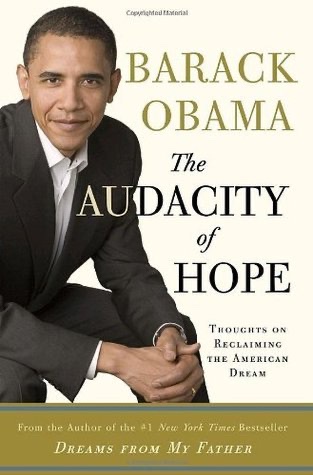 The Audacity of Hope: Thoughts on Reclaiming the American Dream
 The Varieties of Religious Experience
 Islam and the Future of Tolerance: A Dialogue
 What's Wrong with the World
 Human, All Too Human
 Tactics: A Game Plan for Discussing Your Christian Convictions
 Religion for Atheists: A Non-Believer's Guide to the Uses of Religion
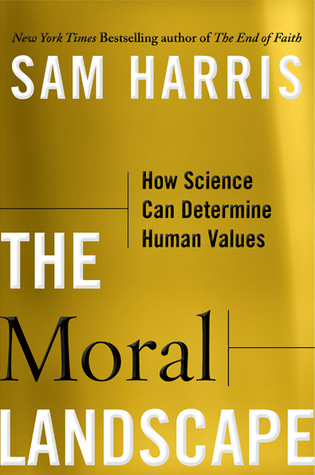 The Moral Landscape: How Science Can Determine Human Values
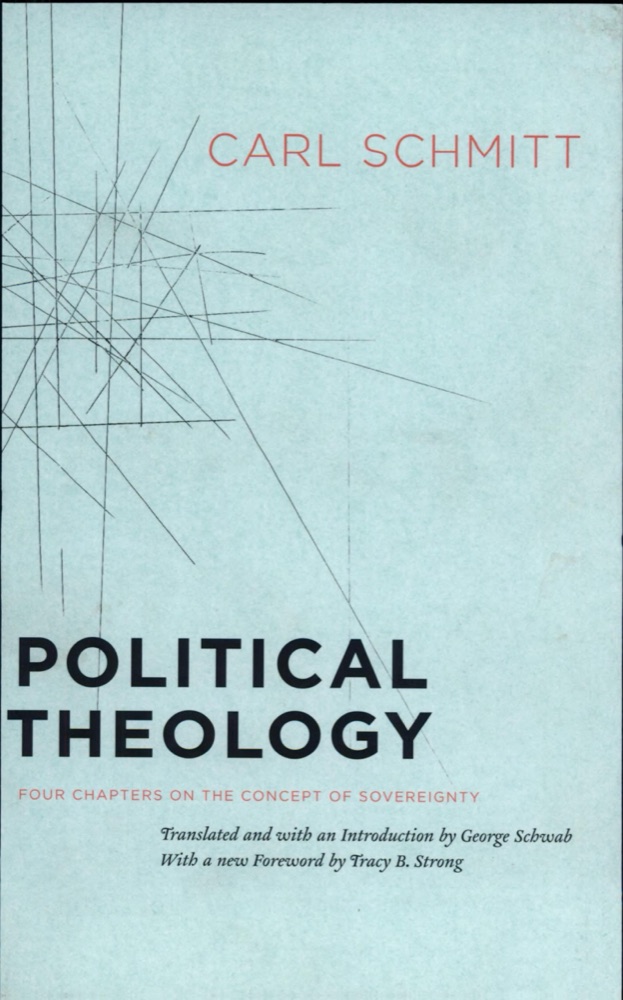 Political Theology: Four Chapters on the Concept of Sovereignty