
 Free Will
Quotes from the Book
Consider it: every person you have ever met, every person will suffer the loss of his friends and family. All are going to lose everything they love in this world. Why would one want to be anything but kind to them in the meantime?
Tell a devout Christian that his wife is cheating on him, or that frozen yogurt can make a man invisible, and he is likely to require as much evidence as anyone else, and to be persuaded only to the extent that you give it. Tell him that the book he keeps by his bed was written by an invisible deity who will punish him with fire for eternity if he fails to accept its every incredible claim about the universe, and he seems to require no evidence what so ever.
It is merely an accident of history that it is considered normal in our society to believe that the Creator of the universe can hear your thoughts while it is demonstrative of mental illness to believe that he is communicating with you by having the rain tap in Morse code on your bedroom window.
It is time we admitted, from kings and presidents on down, that there is no evidence that any of our books was authored by the Creator of the universe. The Bible, it seems certain, was the work of sand-strewn men and women who thought the earth was flat and for whom a wheelbarrow would have been a breathtaking example of emerging technology. To rely on such a document as the basis for our worldview-however heroic the efforts of redactors- is to repudiate two thousand years of civilizing insights that the human mind has only just begun to inscribe upon itself through secular politics and scientific culture. We will see that the greatest problem confronting civilization is not merely religious extremism: rather, it is the larger set of cultural and intellectual accommodations we have made to faith itself.
The men who committed the atrocities of September 11 were certainly not 'cowards,' as they were repeatedly described in the Western media, nor were they lunatics in any ordinary sense. They were men of faith—perfect faith, as it turns out—and this, it must finally be acknowledged, is a terrible thing to be.
The only angels we need invoke are those of our better nature: reason, honesty, and love. The only demons we must fear are those that lurk inside every human mind: ignorance, hatred, greed, and faith, which is surely the devil's masterpiece.
Faith drives a wedge between ethics and suffering. Where certain actions cause no suffering at all, religious dogmatists still maintain that they are evil and worth of punishment (sodomy, marijuana use, homosexuality, the killing of blastocysts, etc). And yet, where suffering and death are found in abundance their causes are often deemed to be good (withholding funds for family planning in the third world, prosecuting nonviolent drug offenders, preventing stem cell research, etc). This inversion of priorities not only victimizes innocent people and squanders scarce resources; it completely falsifies our ethics. It is time we found a more reasonable approach to answering questions of right and wrong.
Man is manifestly not the measure of all things. This universe is shot through with mystery. The very fact of its being, and of our own, is a mystery absolute, and the only miracle worthy of the name. The consciousness that animates us is itself central to this mystery and ground for any experience we may wish to call “spiritual.” No myth needs to be embraced for us to commune with the profundity of our circumstance. No personal God need be worshipped for us to live in awe at the beauty and immensity of creation. No tribal fictions need be rehearsed for us to realize, one fine day, that we do, in fact, love our neighbors, that our happiness is inextricable from their own, and that our interdependence demands that people everywhere be given the opportunity to flourish. The days of our religious identities are clearly numbered. Whether the days of civilization itself are numbered would seem to depend, rather too much, on how soon we realize this.
The idea, therefore, that religious faith is somehow a sacred human convention—distinguished, as it is, both by the extravagance of its claims and by the paucity of its evidence—is really too great a monstrosity to be appreciated in all its glory. Religious faith represents so uncompromising a misuse of the power of our minds that it forms a kind of perverse, cultural singularity—a vanishing point beyond which rational discourse proves impossible.
Our world is fast succumbing to the activities of men and women who would stake the future of our species on beliefs that should not survive an elementary school education.
In the face of God's obvious inadequacies, the pious have generally held that one cannot apply earthly norms to the Creator of the universe. This argument loses its force the moment we notice that the Creator who purports to be beyond human judgment is consistently ruled by human passions— jealousy, wrath, suspicion, and the lust to dominate. A close study of our holy books reveals that the God of Abraham is a ridiculous fellow—capricious, petulant, and cruel—and one with whom a covenant is little guarantee of health or happiness. If these are the characteristics of God, then the worst among us have been created far more in his image than we ever could have hoped.
Could there be any doubt that the Jews would seek to harm the Son of God again, knowing that his body was now readily accessible in the form of defenseless crackers?
Reason is nothing less than the guardian of love
Rather than bring the full force of our creativity and rationality to bear on the problems of ethics, social cohesion, and even spiritual experience, moderates merely ask that we relax our standard of adherence to ancient superstitions and taboos, while otherwise maintaining a belief system that was passed down to us from men and women whose lives were simply ravaged by their basic ignorance about the world.
Religious faith is the one species of human ignorance that will not admit of even the possibility of correction.
Once a person believes - really believes - that certain ideas can lead to eternal happiness, or to its antithesis, he cannot tolerate the possibility that the people he loves might be led astray by the blandishments of unbelievers. Certainty about the next life is simply incompatible with tolerance in this one.
The point is that most of what we currently hold sacred is not sacred for any reason other than that it was thought sacred yesterday.
People of faith tend to argue that it is not faith itself but man's baser nature that inspires such violence. But, I take it to be self-evident that ordinary people cannot be moved to burn genial old scholars alive for blaspheming the Koran, or celebrate the violent deaths of their children, unless they believe some improbable things about the nature of the universe.
It is time we recognized that belief is not a private matter; it has never been merely private. In fact, beliefs are scarcely more private than actions are, for every belief is a fount of action in potentia.
It is time we recognized that the only thing that permits human beings to collaborate with one another in a truly open-minded way is their willingness to have their beliefs modified by new facts.
This is not to say that the deepest concerns of the faithful, whether moderate or extreme, are trivial or misguided. There is no denying that most of us have emotional and spiritual needs that are now addressed—however obliquely and at a terrible price—by mainstream religion. And these are needs that a mere understanding of our world, scientific or otherwise, will never fulfill. There is clearly a sacred dimension to our existence, and coming to terms with it could well be the highest purpose of human life. But we will find that it requires no faith in untestable propositions—Jesus was born of a virgin; the Koran is the word of God—for us to do this.
Moderates in every faith are obliged to loosely interpret (or simply ignore) much of their canons in the interests of living in the modern world. No doubt an obscure truth of economics is at work here: societies appear to become considerably less productive whenever large numbers of people stop making widgets and begin killing their customers and creditors for heresy. The first thing to observe about the moderate's retreat from scriptural literalism is that it draws its inspiration not from scripture but from cultural developments that have rendered many of God's utterances difficult to accept as written.
The idea that any one of our religions represents the infallible word of the One True God requires an encyclopedic ignorance of history, mythology, and art even to be entertained—as the beliefs, rituals, and iconography of each of our religions attest to centuries of crosspollination among them.
Religious moderation is the product of secular knowledge and scriptural ignorance. [...] By failing to live by the letter of the texts [scripture], while tolerating the irrationality of those who do, religious moderates betray faith and reason equally.
Watch on YouTube
About Sam Harris
We have collected 190 quotes from 7 books by Sam Harris on BookQuoters.
More about the author →
Book details
- Author
- Sam Harris
- Genre
- Philosophy
- Goodreads rating
- 3.89 (44k ratings) →
Keep reading
 Letter to a Christian Nation
 The Portable Atheist: Essential Readings for the Nonbeliever
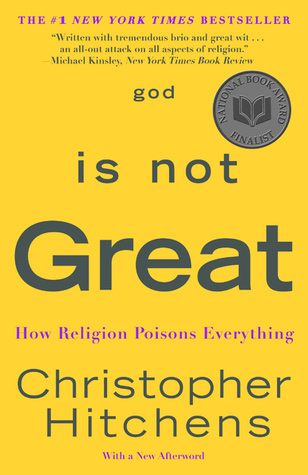 god is Not Great: How Religion Poisons Everything
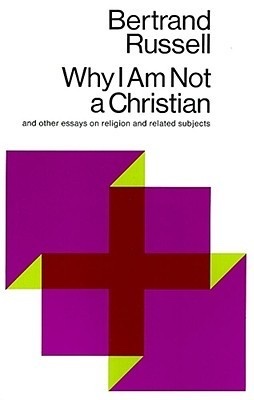 Why I Am Not a Christian and Other Essays on Religion and Related Subjects
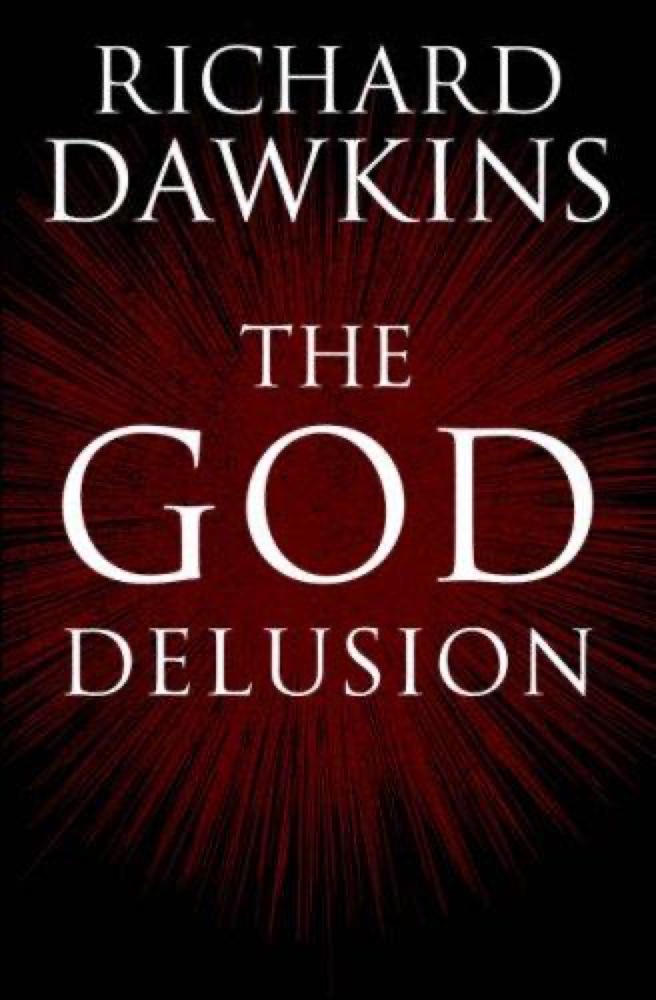 The God Delusion
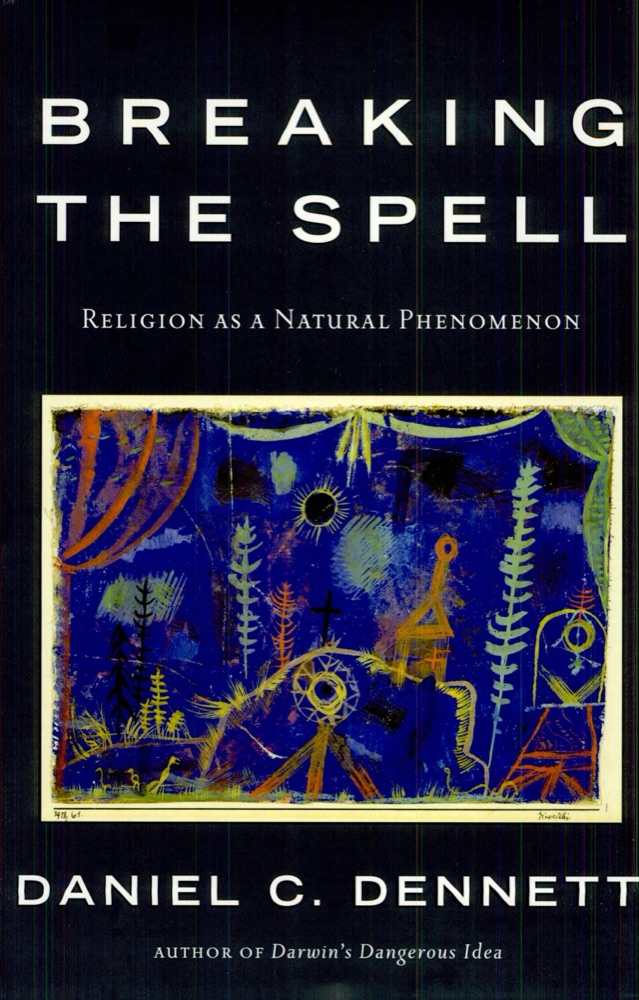 Breaking the Spell: Religion as a Natural Phenomenon
 The Age of Reason
 God Is Not One: The Eight Rival Religions That Run the World--and Why Their Differences Matter
 Religion for Atheists: A Non-Believer's Guide to the Uses of Religion
 The Parafaith War
 A History of God: The 4,000-Year Quest of Judaism, Christianity, and Islam
 The Better Angels of Our Nature: Why Violence Has Declined
 God in Search of Man: A Philosophy of Judaism
 The Reason for God: Belief in an Age of Skepticism
 The Sign
 The Future of an Illusion
 The Rage Against God: How Atheism Led Me to Faith
 The Varieties of Religious Experience
 A Little History of Religion
 The Case for God
 Reasonable Faith
 Tactics: A Game Plan for Discussing Your Christian Convictions
 The Crucible of Doubt: Reflections On the Quest for Faith
 The Perennial Philosophy
 My Bright Abyss: Meditation of a Modern Believer
 Under the Banner of Heaven: A Story of Violent Faith
 What's So Great About Christianity
 The Knowledge of the Holy
 The Moral Landscape: How Science Can Determine Human Values
 The Devil's Advocate
 Miracles: What They Are, Why They Happen, and How They Can Change Your Life
 Why I Am An Atheist: An Autobiographical Discourse
 The Closing of the American Mind
 The World's Last Night: And Other Essays
 The Gospel in a Pluralist Society
 Heretics
 The Language of God: A Scientist Presents Evidence for Belief
 Bad Religion: How We Became a Nation of Heretics
 Islam and the Future of Tolerance: A Dialogue
 Letters and Papers from Prison
 When I Was a Child I Read Books
 How Should We Then Live? The Rise and Decline of Western Thought and Culture
 The Case for Faith: A Journalist Investigates the Toughest Objections to Christianity
 I Don't Have Enough Faith to Be an Atheist
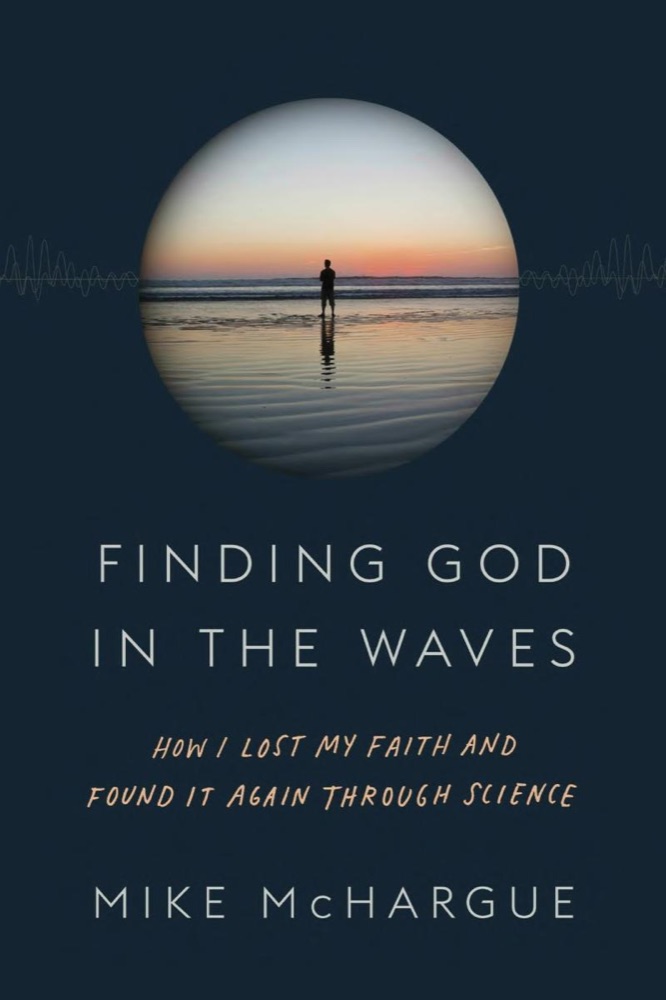 Finding God in the Waves: How I Lost My Faith and Found It Again Through Science
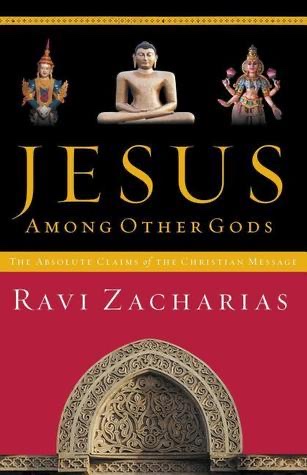 Jesus Among Other Gods: The Absolute Claims of the Christian Message
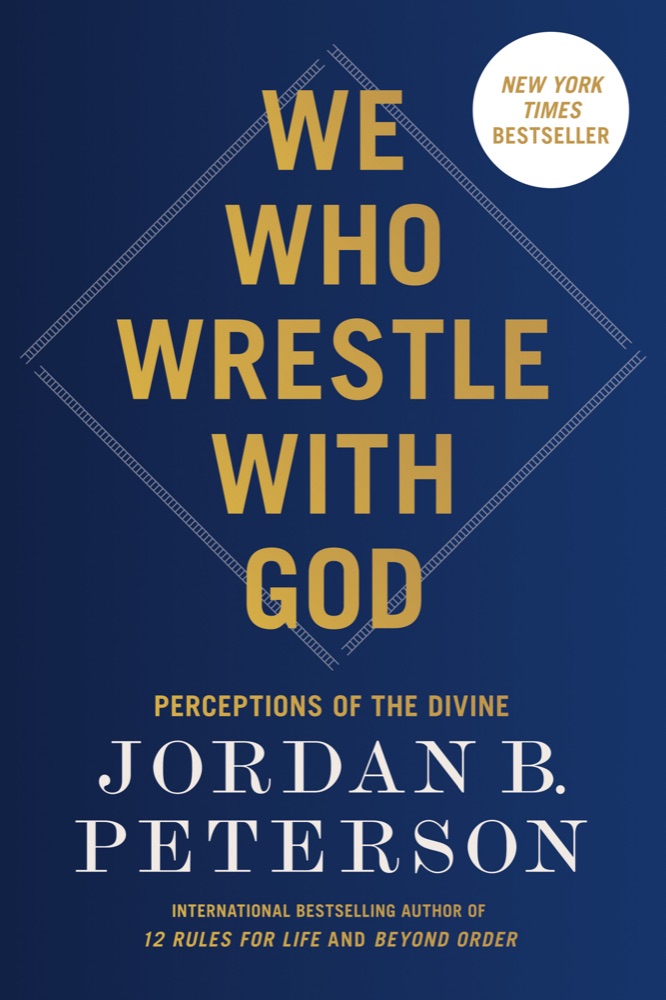 We Who Wrestle with God: Perceptions of the Divine
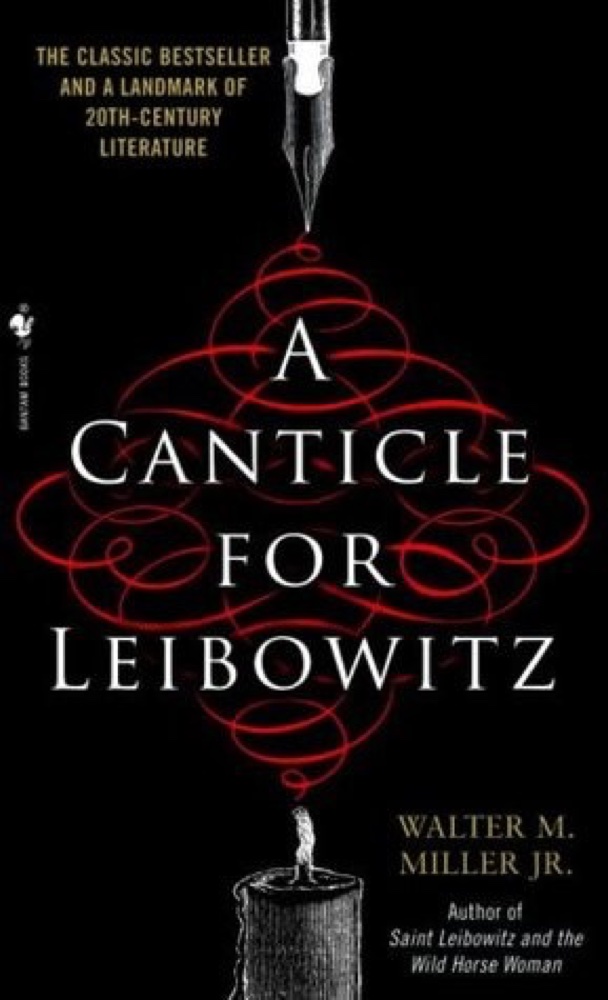 A Canticle for Leibowitz
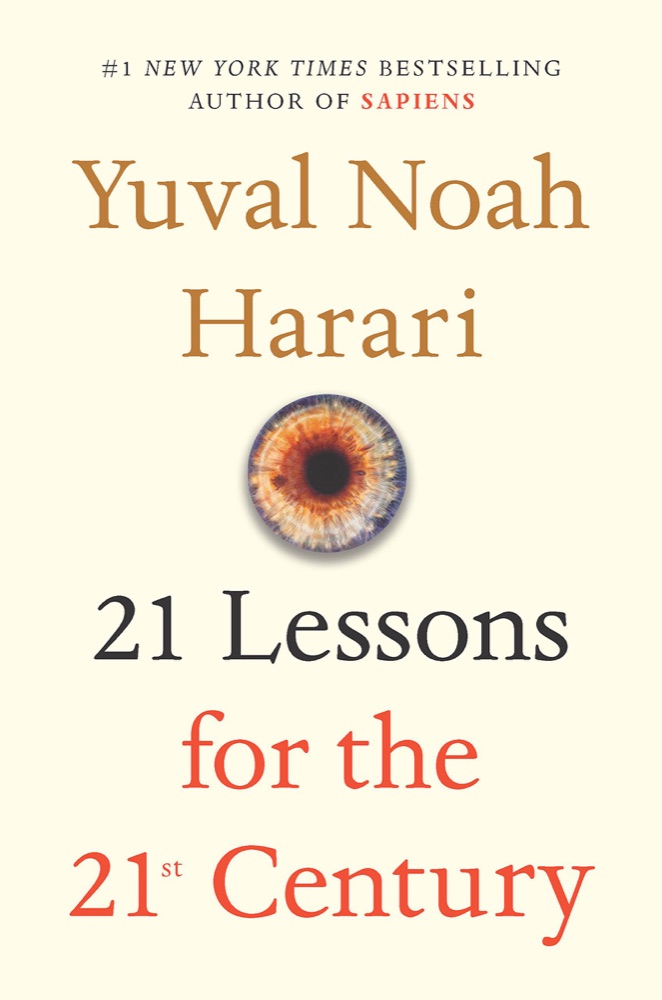 21 Lessons for the 21st Century
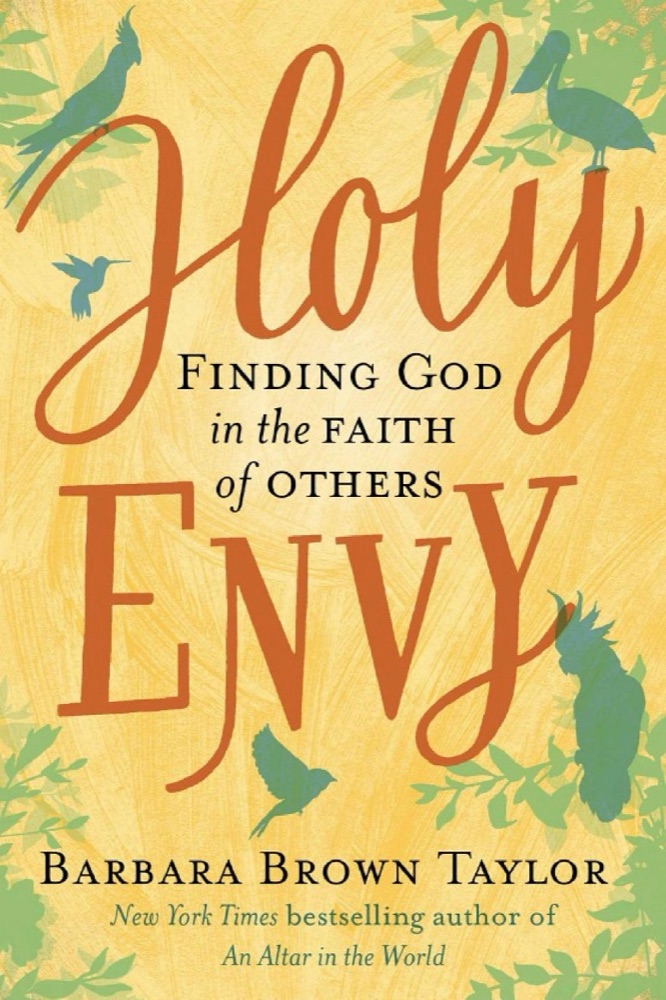 Holy Envy: Finding God in the Faith of Others
 The Story of B: An Adventure of the Mind and Spirit
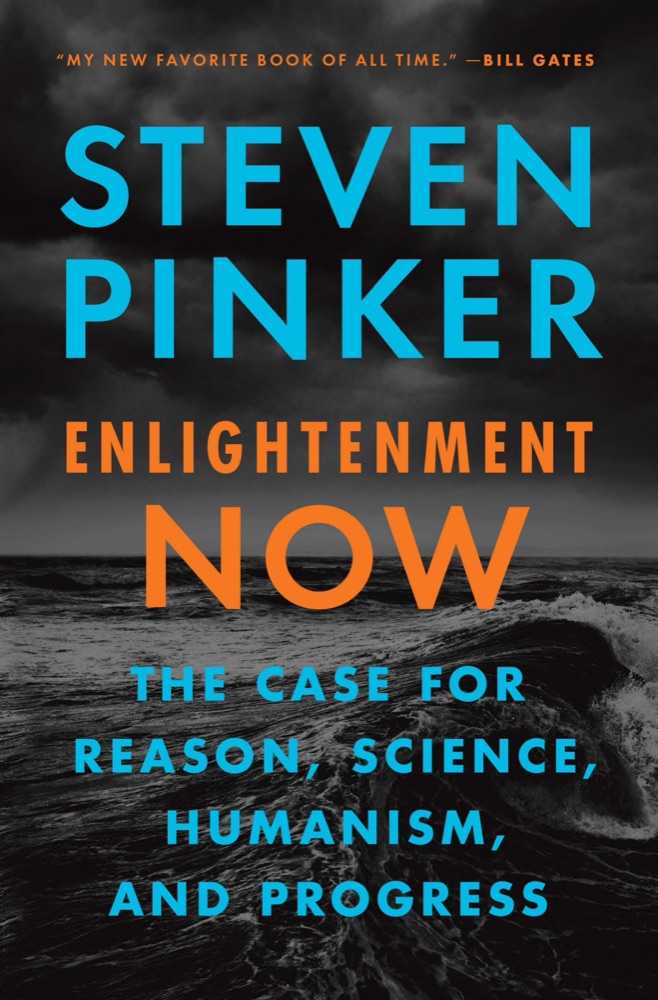 Enlightenment Now: The Case for Reason, Science, Humanism, and Progress
 The Benedict Option: A Strategy for Christians in a Post-Christian Nation
 The Everlasting Man
 God, No! Signs You May Already Be an Atheist and Other Magical Tales
 The Prophetic Imagination
 On the Genealogy of Morals/Ecce Homo
 Everything Belongs: The Gift of Contemplative Prayer