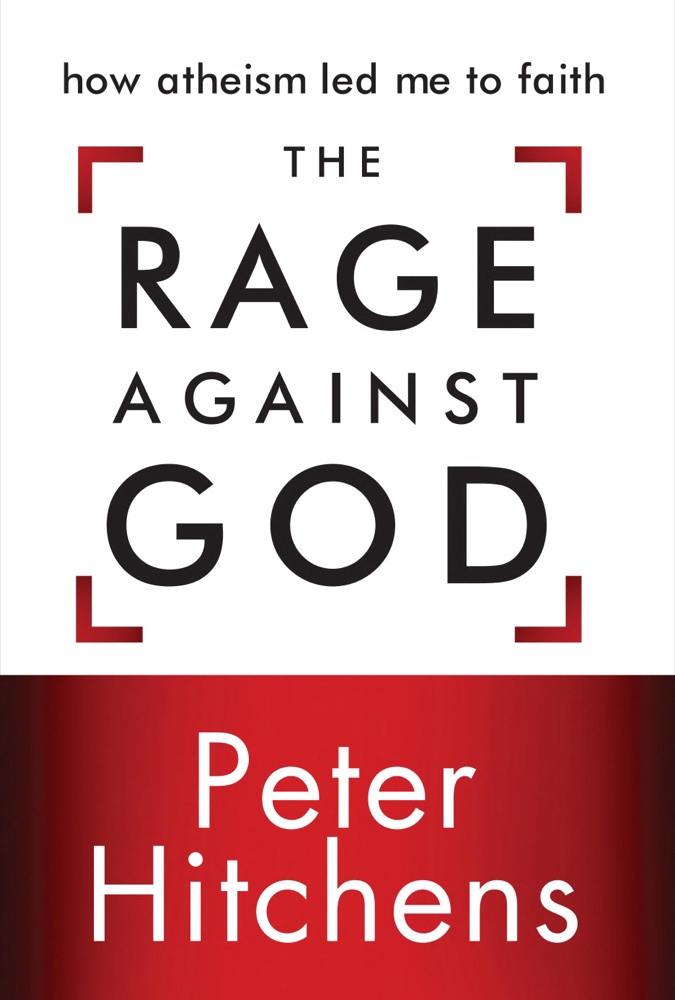

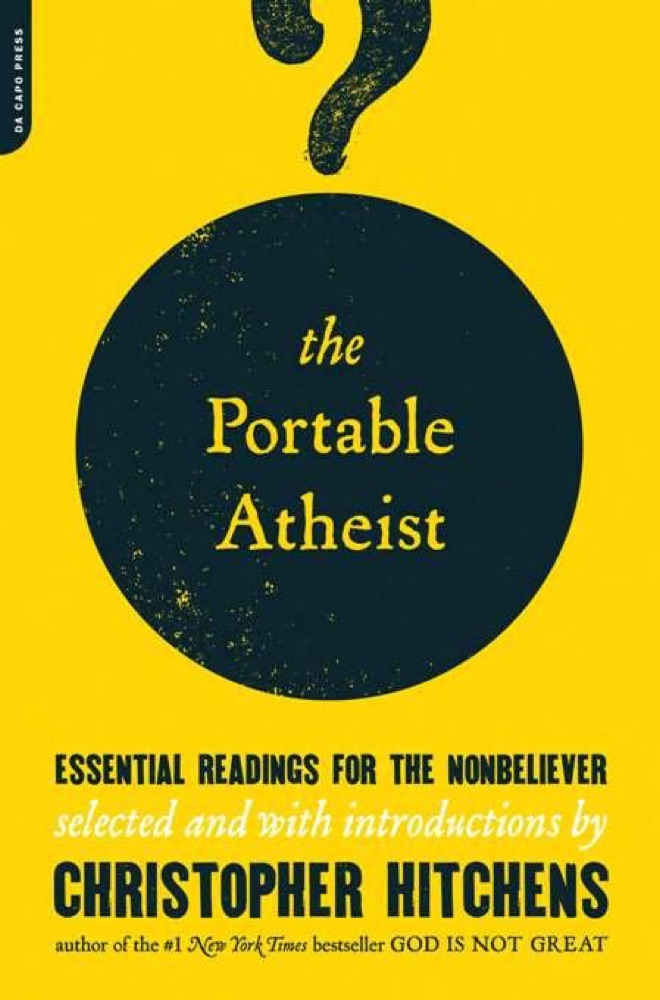
 The Portable Atheist: Essential Readings for the Nonbeliever
Quotes from the Book
It did not then cross my mind that they, like religious apologists, might have any personal reasons for holding to this disbelief. It certainly did not cross my mind that I had any low motives for it. Unlike Christians, atheists have a high opinion of their own virtue.
6
In my early teens, [my grandfather] would sometimes stomp around his living room, where he used to shave towards mid-day with bowl, brush and open razor, deriding my ignorance and mocking the made-up discipline of sociology, which I at one stage claimed to be studying. 'What is sociology?' he roared derisively, twisting and rolling the silly word on his Hampshire tongue. I knew, alas, that he was quite right.
6
Only one reliable force stands in the way of the power of the strong over the weak. Only one reliable force forms the foundation of the concept of the rule of law. Only one reliable force restrains the hand of the man of power. And, in an age of power-worship, the Christian religion has become the principal obstacle to the desire of earthly utopians for absolute power.
3
Those who write where many read, and speak where many listen, had best be careful what they say. Someone is bound to take them seriously, and it really is no good pretending that you didn’t know this.
2
This society, promoted by its leaders as an egalitarian utopia, was in truth one of the most unequal societies on earth.
2
Among the favorite arguments of the irreligious, one that they almost invariably advance in their opening offensive in their attacks on faith is this: that conflicts fought in the name of religion are necessarily ABOUT religion. By saying this the irreligious hope to establish that religion is of itself the cause of conflict. This is a crude factual misunderstanding. Some conflicts fought in the name of religion are specifically religious. Many others are not, or cannot be so simply classified. The only general lesson that can be drawn from these differing wars is that Man is inclined to make war on Man when he thinks it will gain him power or wealth or land.
1
The Bible angers and frustrates those who believe that the pursuit of a perfect society justifies the quest for absolute power.
1
The new brand of militant atheism...adopts a mocking and high-handed tone of certainty, sneers at its Christian opponents, and states, or implies, that they must be stupid. This style of attack conforms to the irreverent spirit of the age and so is not very carefully examined. It is not widely recognised that secularism is a fundamentally political movement, which seeks to remove the remaining traces of Christian moral law in the civil and criminal codes of the Western nations.
1
Still scoffing, I peered at the naked figures fleeing toward the pit of hell, out of my usual faintly morbid interest in the alleged terrors of damnation. But this time I gaped, my mouth actually hanging open. These people did not appear remote or from the ancient past; they were my own generation. Because they were naked, they were not imprisoned in their own age by time-bound fashions. On the contrary, their hair and, in an odd way, the set of their faces were entirely in the style of my own time. They were me and the people I knew. One of them—and I have always wondered how the painter thought of it—is actually vomiting with shock and fear at the sound of the Last Trump.
Without a belief in God and the soul, where is the oath? Without the oath, where is the obligation or the pressure to fulfill it? Where is the law that even kings must obey? Where is the Magna Carta, Habeas Corpus, or The bill of Rights? (All of which arose out of attempts to rule by lawless tyranny.) Where is the lifelong fidelity of husband and wife? Where is the safety of the innocent child growing in the womb? Where, in the end, is the safety for any of us from those currently bigger and stronger than we are? And how striking it is that such oaths we use to make us better, not worse.
Most of the people who would have apologised for Stalin in his day have now found other causes - the cultural and sexual revolution, campaigns to tax the Western poor to provide money for Africa's rich, and above all, the intolerant and puritan secular fundamentalism that gathers around the belief in madmade global warming.
To “love thy neighbor as thyself” is a far greater and more complicated obligation, requiring a positive effort to seek the good of others, often in secret, sometimes at great cost, and always without reward. Its most powerful
hope to do in the pages that follow is to explain first of all how I, gently brought up in a loving home and diligently instructed by conscientious teachers, should have come to reject so completely what they said. I had some good reasons for refusing some of it. My mistake was to dispense with it all, indiscriminately. I hope to show that one of the things I was schooled in was not, in fact, religion, but a strange and vulnerable counterfeit of it—a counterfeit
I likewise thought—when I was solemnly first introduced to it at the age of thirteen—that “science” had fully explained the motions of the planets, the law of gravity, and the mysteries of time. Anything that had not yet been explained would no doubt soon be discovered. There were no mysteries. Because we could observe gravity in action, we somehow knew what it was. Nobody then mentioned that its operation, especially in empty space, simply cannot be explained. All was settled.
Watch on YouTube
About Peter Hitchens
We have collected 14 quotes from 1 book by Peter Hitchens on BookQuoters.
More about the author →About the book
Here, for the first time, in his new book The Rage Against God, Peter Hitchens, brother of prominent atheist Christopher Hitchens, chronicles his personal journey through disbelief into a committed Christian faith. With unflinching openness and intellectual honesty, Hitchens describes the personal loss and philosophical curiosity that led him to burn his Bible at prep school and embrace atheism in its place. From there, he traces his experience as a journalist in Soviet Moscow, and the critical observations that left him with more questions than answers, and more despair than hope for how to live a meaningful life. With first-hand insight into the blurring of the line between politics and the Church, Hitchens reveals the reasons why an honest assessment of Atheism cannot sustain disbelief in God. In the process, he provides hope for all believers who, in the words of T. S. Eliot, may dis
Book details
- First published
- 2009
- Author
- Peter Hitchens
- Genre
- Nonfiction
- Goodreads rating
- 3.74 (2k ratings)
Keep reading
The Portable Atheist: Essential Readings for the Nonbeliever
 The Age of Reason
 The God Delusion
 Why I Am Not a Christian and Other Essays on Religion and Related Subjects
 The Parafaith War
 Letter to a Christian Nation
 Arguably: Selected Essays
 The Anti-Christ
 The End of Faith: Religion, Terror, and the Future of Reason
 The Story of My Experiments With Truth
 Why I Am An Atheist: An Autobiographical Discourse
 Under the Banner of Heaven: A Story of Violent Faith
 god is Not Great: How Religion Poisons Everything
 Heretics
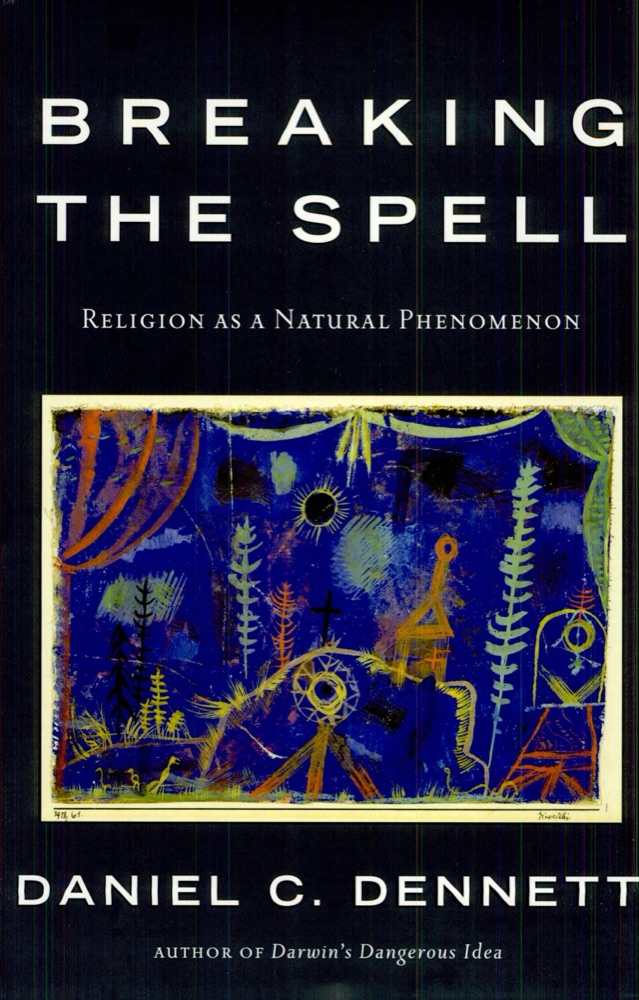 Breaking the Spell: Religion as a Natural Phenomenon
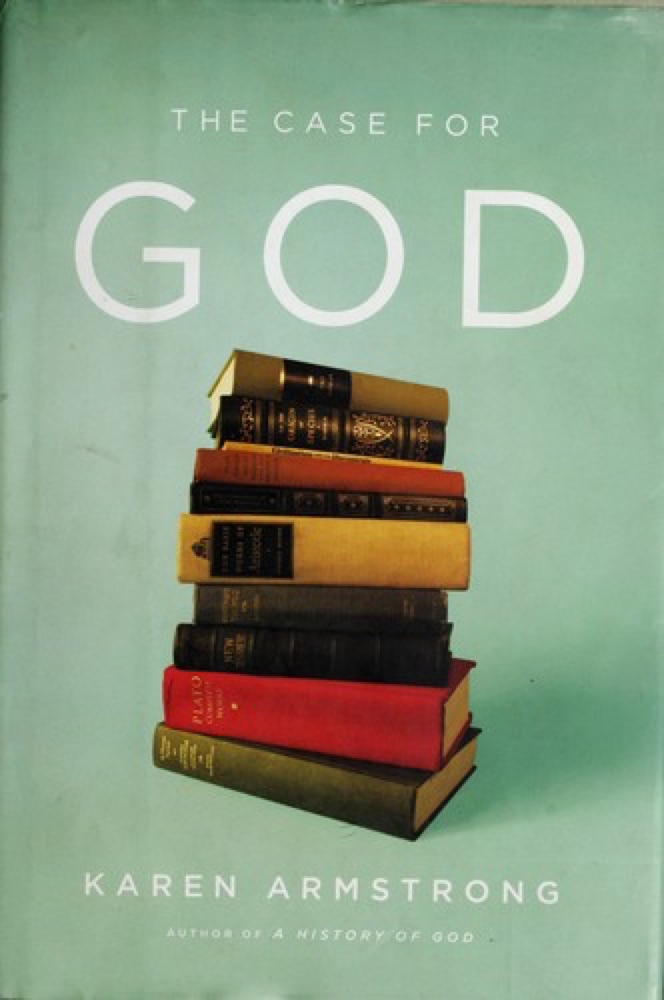 The Case for God
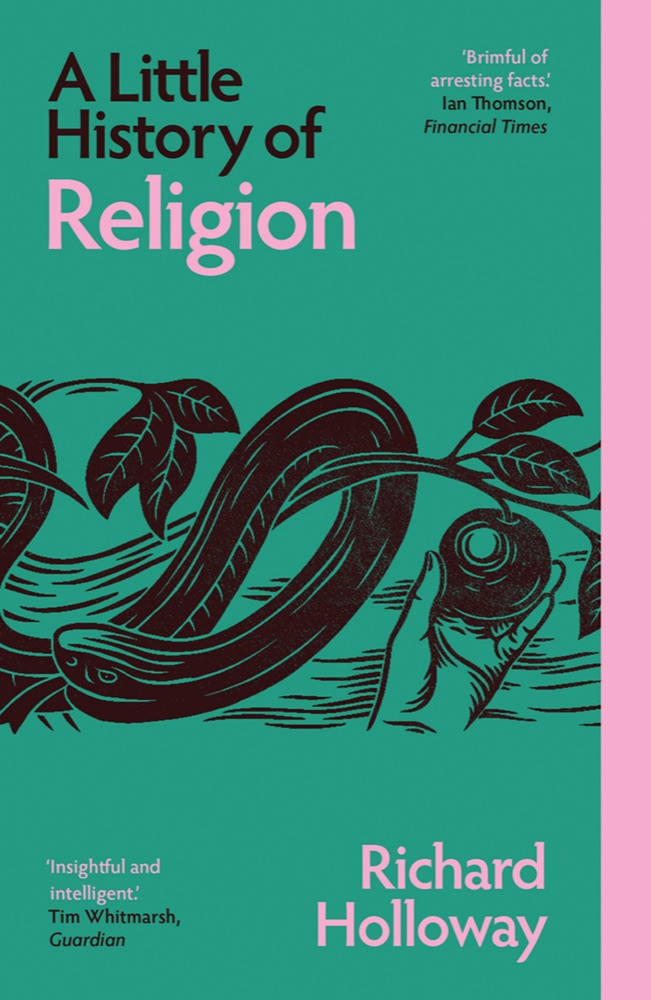 A Little History of Religion
 Tactics: A Game Plan for Discussing Your Christian Convictions
 When I Was a Child I Read Books
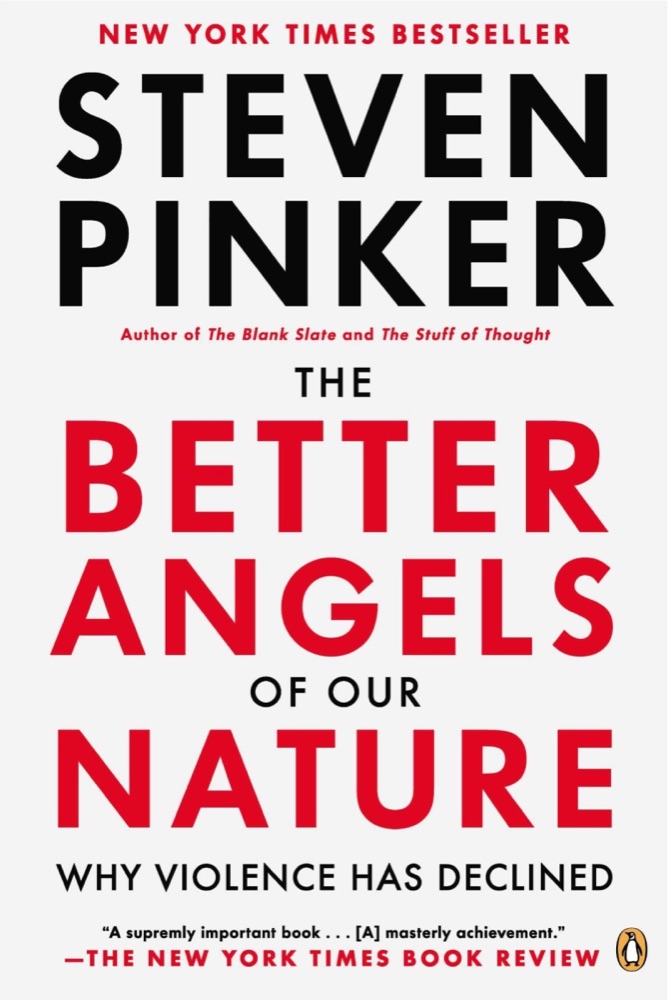 The Better Angels of Our Nature: Why Violence Has Declined
 Witness
 The World's Last Night: And Other Essays
 Letters and Papers from Prison
 Persian Letters
 Bad Religion: How We Became a Nation of Heretics
 The Revolt of the Angels
 The True Believer: Thoughts on the Nature of Mass Movements
 The Devil's Advocate
 Letters from the Earth: Uncensored Writings
 The Reason for God: Belief in an Age of Skepticism
 Religion for Atheists: A Non-Believer's Guide to the Uses of Religion
 Joseph Anton: A Memoir
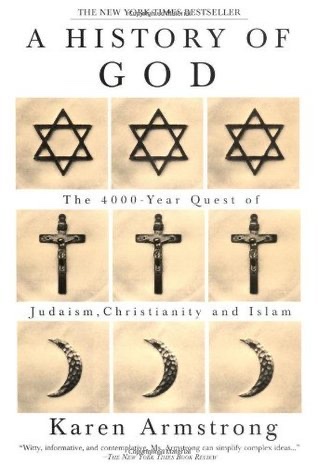 A History of God: The 4,000-Year Quest of Judaism, Christianity, and Islam
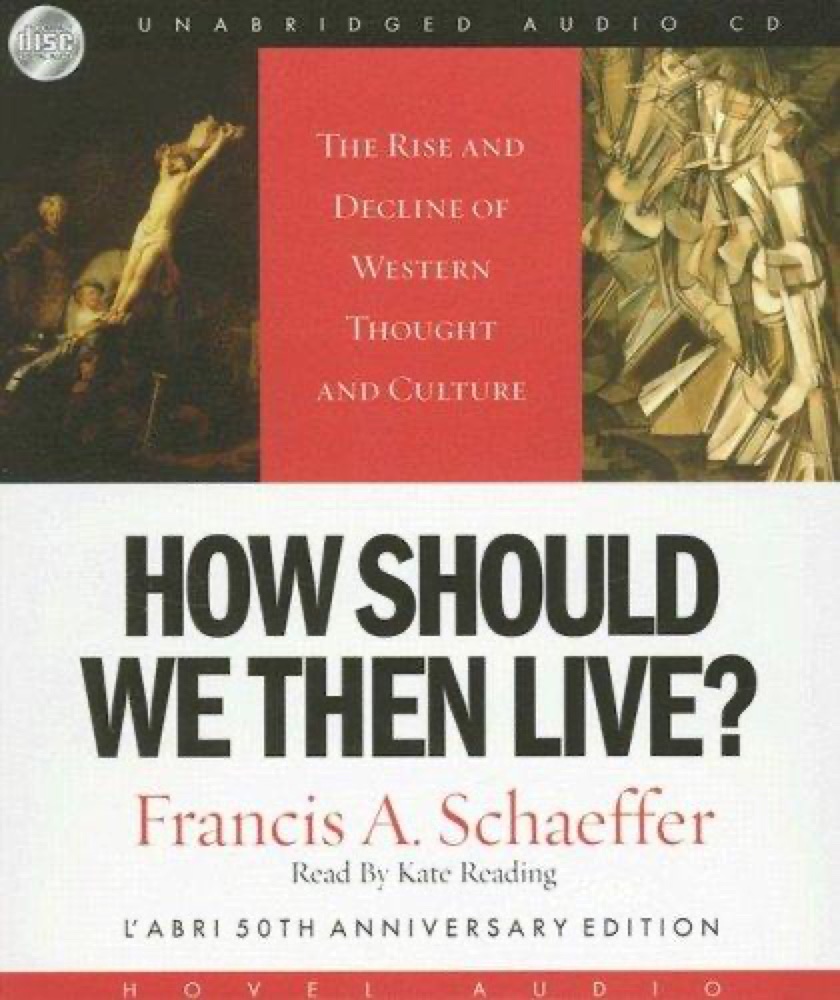 How Should We Then Live? The Rise and Decline of Western Thought and Culture
 Daybreak: Thoughts on the Prejudices of Morality
 Children of God
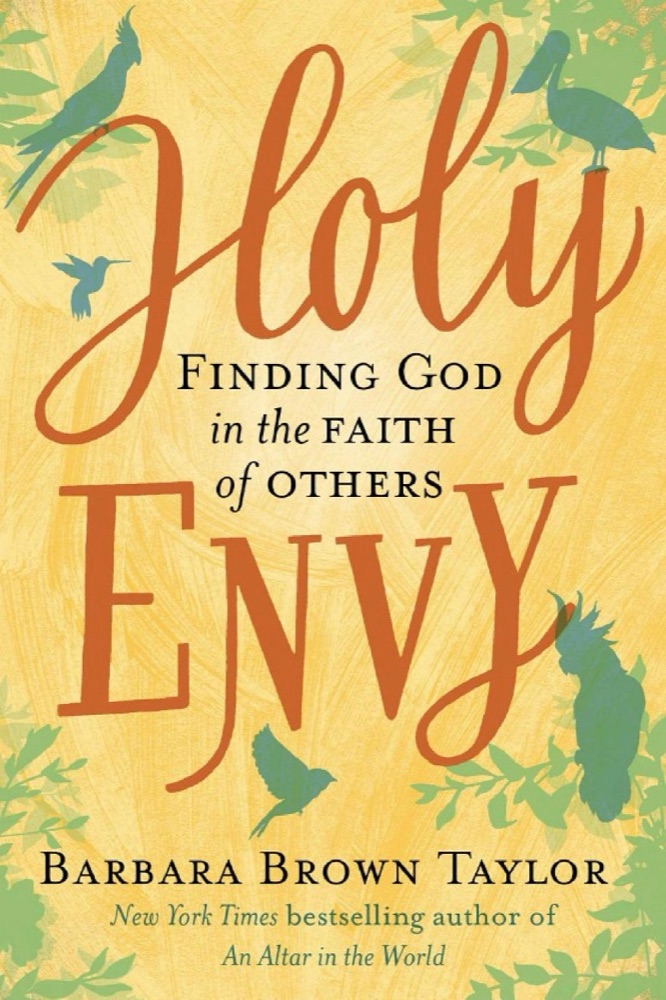 Holy Envy: Finding God in the Faith of Others
 A Confession
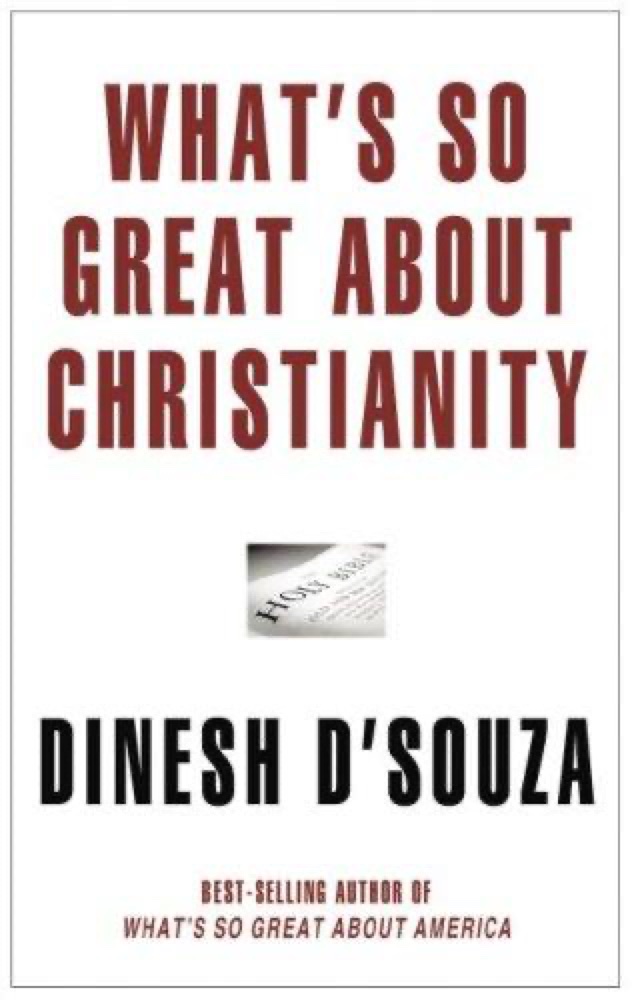 What's So Great About Christianity
 The Will to Power
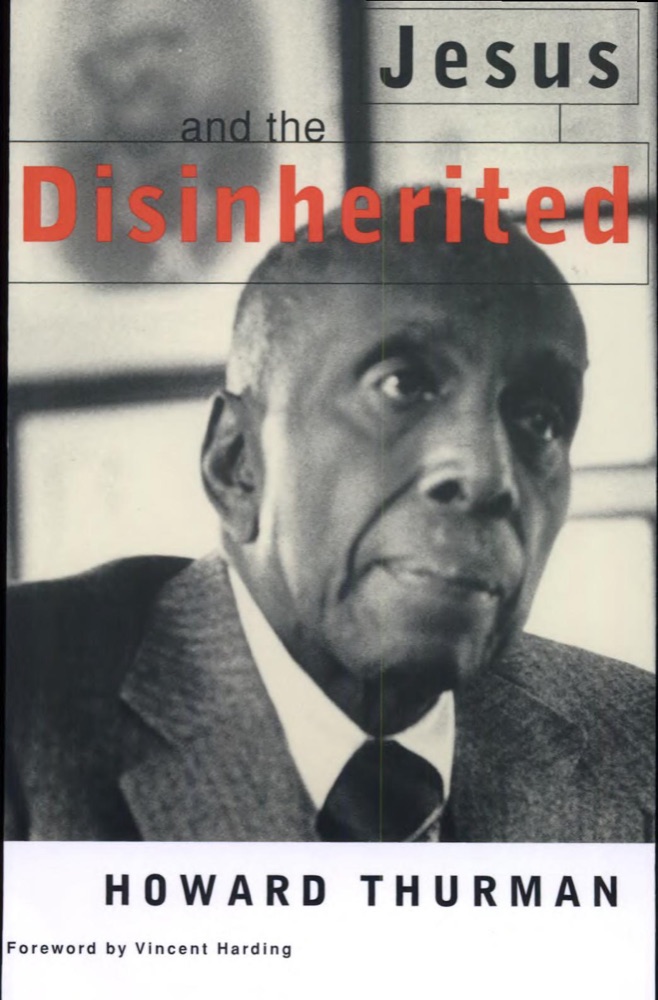 Jesus and the Disinherited
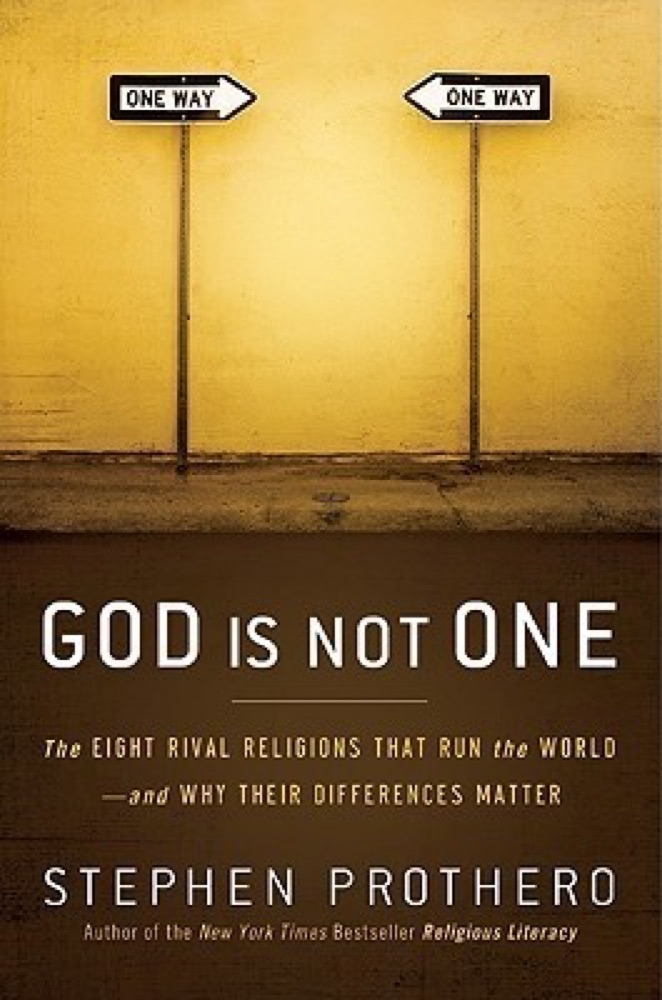 God Is Not One: The Eight Rival Religions That Run the World--and Why Their Differences Matter
 Father Joe: The Man Who Saved My Soul
 The Everlasting Man
 A Pilgrimage to Eternity: From Canterbury to Rome in Search of a Faith
 The Irresistible Revolution: Living as an Ordinary Radical
 The Varieties of Religious Experience
 Orthodoxy
 The Sign
 The Kingdom of God Is Within You
 What I Believe
 The Seven Storey Mountain
 Infidel
 God, No! Signs You May Already Be an Atheist and Other Magical Tales
 Reasonable Faith
 I Don't Have Enough Faith to Be an Atheist
 Soul Survivor: How Thirteen Unlikely Mentors Helped My Faith Survive the Church
 The Case for Faith: A Journalist Investigates the Toughest Objections to Christianity
 The Perennial Philosophy