
 Darwin's Dangerous Idea: Evolution and the Meanings of Life
Quotes from the Book
Every living thing is, from the cosmic perspective, incredibly lucky simply to be alive. Most, 90 percent and more, of all the organisms that have ever lived have died without viable offspring, but not a single one of your ancestors, going back to the dawn of life on Earth, suffered that normal misfortune. You spring from an unbroken line of winners going back millions of generations, and those winners were, in every generation, the luckiest of the lucky, one out of a thousand or even a million. So however unlucky you may be on some occasion today, your presence on the planet testifies to the role luck has played in your past.
62
If I know better than you know what I am up to, it is only because I spend more time with myself than you do.
54
Imagination is cheap as long as you don't have to worry about the details.
24
We live in a world that is subjectively open. And we are designed by evolution to be "informavores", epistemically hungry seekers of information, in an endless quest to improve our purchase on the world, the better to make decisions about our subjectively open future.
20
Isn't it true that whatever isn't determined by our genes must be determined by our environment? What else is there? There's Nature and there's Nurture. Is there also some X, some further contributor to what we are? There's Chance. Luck. This extra ingredient is important but doesn't have to come from the quantum bowels of our atoms or from some distant star. It is all around us in the causeless coin-flipping of our noisy world, automatically filling in the gaps of specification left unfixed by our genes, and unfixed by salient causes in our environment.
15
Some philosophers can't bear to say simple things, like "Suppose a dog bites a man." They feel obliged instead to say, "Suppose a dog d bites a man m at time t," thereby demonstrating their unshakable commitment to logical rigor, even though they don't go on to manipulate any formulae involving d, m, and t.
12
In fact, if you are faced with the prospect of running across an open field in which lightning bolts are going to be a problem, you are much better off if their timing and location are determined by something, since then they may be predictable by you, and hence avoidable. Determinism is the friend, not the foe, of those who dislike inevitability.
9
Is he a dread genetic determinist, or a dread environmental determinist? He is neither, of course, for both these species of bogeyman are as mythical as werewolves. By increasing the information we have about the various causes of the constraints that limit our current opportunities, he has increased our powers to avoid what we want to avoid, prevent what we want to prevent. Knowledge of the roles of our genes, and the genes of the other species around us, is not the enemy of human freedom, but one of its best friends.
9
If you make yourself really small, you can externalize virtually everything.
1
Nobody ever became a famous philosopher by being a champion of ecumenical hybridism.
1
Watch on YouTube
About Daniel C. Dennett
We have collected 82 quotes from 4 books by Daniel C. Dennett on BookQuoters.
More about the author →More by Daniel C. Dennett
Darwin's Dangerous Idea: Evolution and the Meanings of Life
 Breaking the Spell: Religion as a Natural Phenomenon
 From Bacteria to Bach and Back: The Evolution of Minds
About the book
Can there be freedom and free will in a deterministic world? Renowned philosopher Daniel Dennett emphatically answers "yes!" Using an array of provocative formulations, Dennett sets out to show how we alone among the animals have evolved minds that give us free will and morality. Weaving a richly detailed narrative, Dennett explains in a series of strikingly original arguments—drawing upon evolutionary biology, cognitive neuroscience, economics, and philosophy—that far from being an enemy of traditional explorations of freedom, morality, and meaning, the evolutionary perspective can be an indispensable ally. In Freedom Evolves, Dennett seeks to place ethics on the foundation it deserves: a realistic, naturalistic, potentially unified vision of our place in nature.
Book details
- First published
- 2003
- Author
- Daniel C. Dennett
- Genre
- Philosophy
- Goodreads rating
- 3.82 (3k ratings)
Keep reading
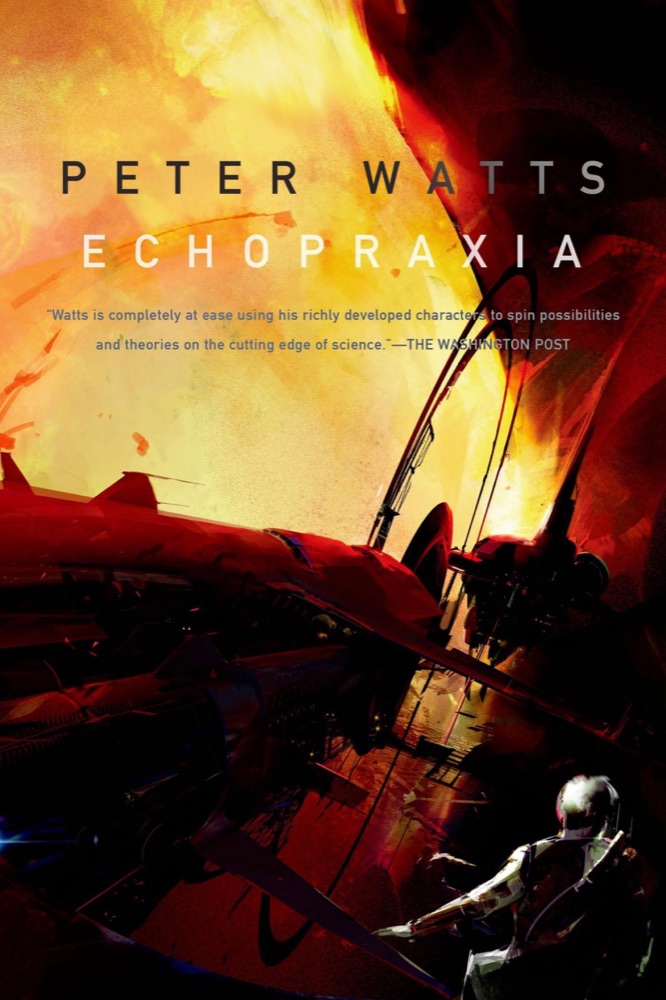 Echopraxia
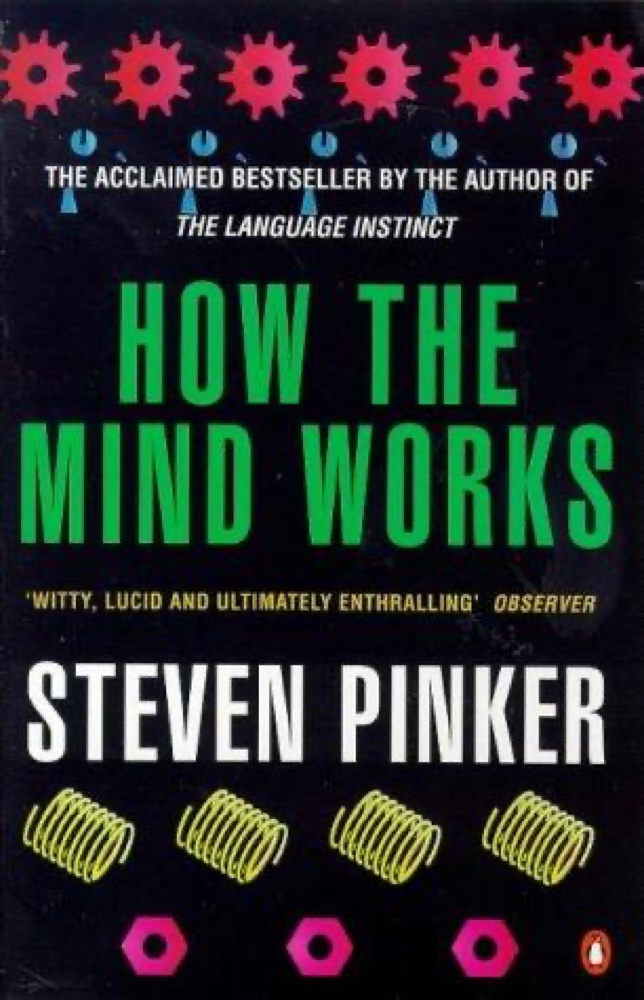 How the Mind Works
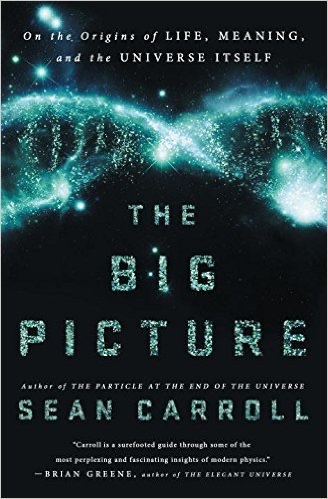 The Big Picture: On the Origins of Life, Meaning, and the Universe Itself
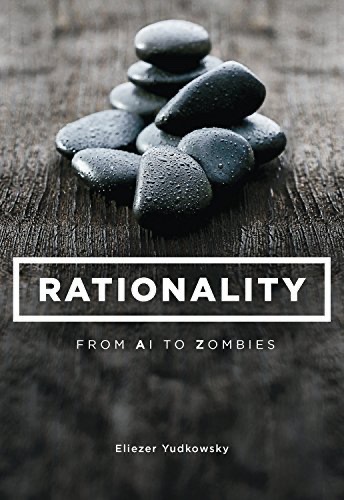 Rationality: From AI to Zombies
 The Blind Watchmaker: Why the Evidence of Evolution Reveals a Universe Without Design
 God's Debris: A Thought Experiment
 21 Lessons for the 21st Century
Darwin's Dangerous Idea: Evolution and the Meanings of Life
21 Lessons for the 21st Century
Darwin's Dangerous Idea: Evolution and the Meanings of Life
 A Devil's Chaplain: Reflections on Hope, Lies, Science, and Love
Breaking the Spell: Religion as a Natural Phenomenon
A Devil's Chaplain: Reflections on Hope, Lies, Science, and Love
Breaking the Spell: Religion as a Natural Phenomenon
 The Selfish Gene
 The Lost World
 The Book: On the Taboo Against Knowing Who You Are
 The Pleasure of Finding Things Out: The Best Short Works of Richard P. Feynman
 The Black Swan: The Impact of the Highly Improbable
 Antifragile: Things That Gain from Disorder
 Blindsight
 The Grand Design
 The Blank Slate: The Modern Denial of Human Nature
 Genesis
 Free Will
 The Moral Animal: Why We Are the Way We Are - The New Science of Evolutionary Psychology
 Zen and the Art of Motorcycle Maintenance
 Think: A Compelling Introduction to Philosophy
 The Red Queen: Sex and the Evolution of Human Nature
 Finite and Infinite Games: A Vision of Life as Play and Possibility
 The Meaning of It All: Thoughts of a Citizen-Scientist
 The Philosopher and the Wolf
 Maps of Meaning: The Architecture of Belief
 Alchemy: The Surprising Power of Ideas That Don't Make Sense
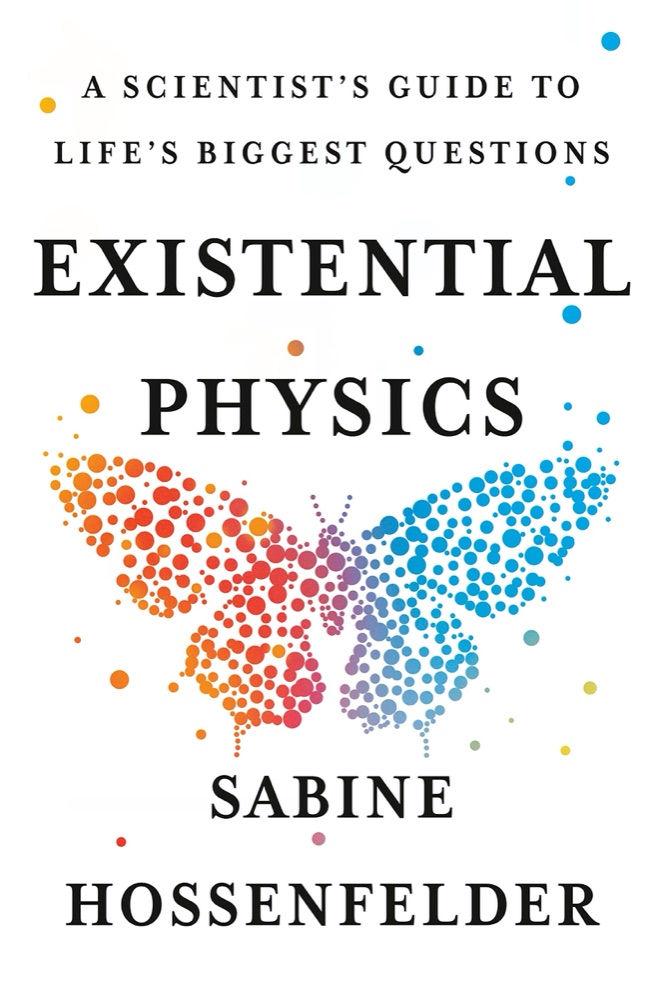 Existential Physics: A Scientist's Guide to Life's Biggest Questions
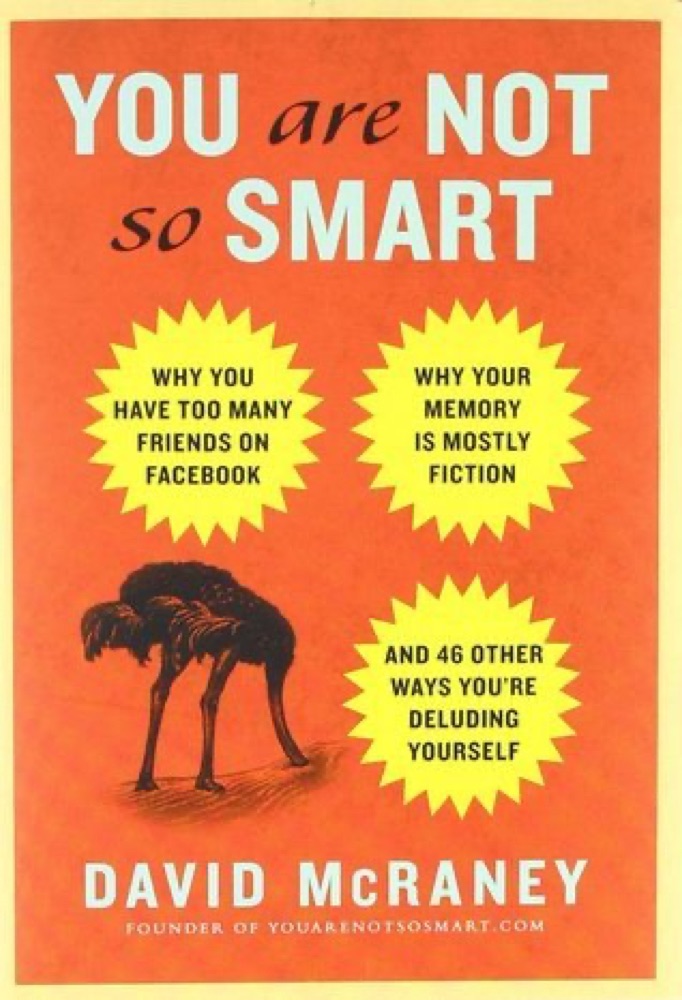 You Are Not So Smart
 The Wisdom of Insecurity: A Message for an Age of Anxiety
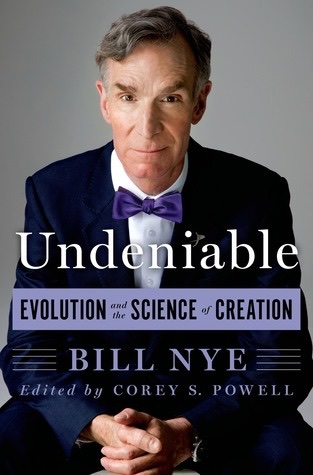 Undeniable: Evolution and the Science of Creation
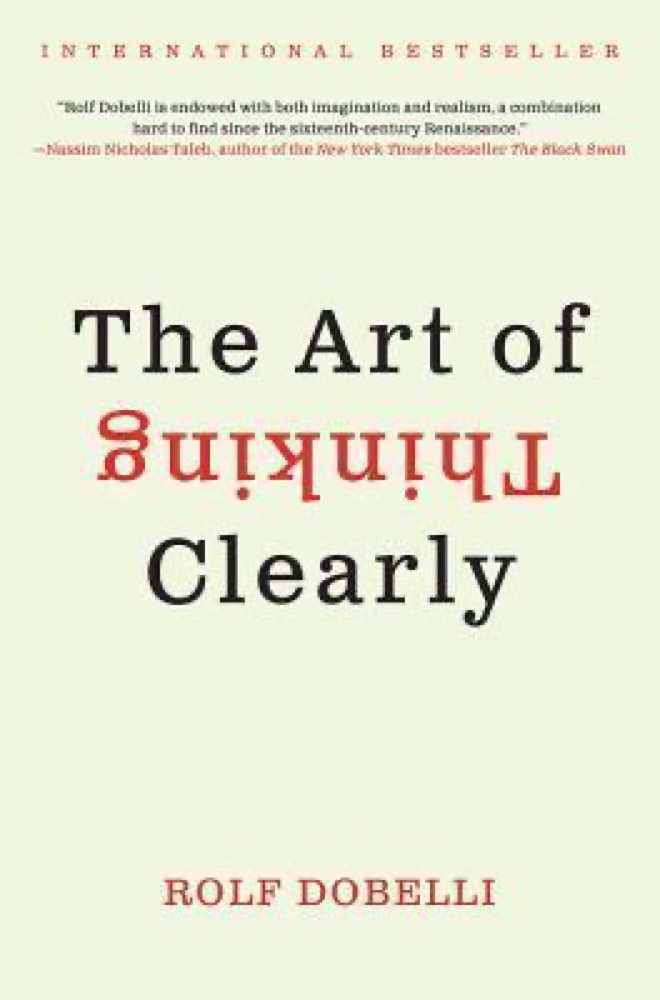 The Art of Thinking Clearly
 A Language Older Than Words
 Fooled by Randomness: The Hidden Role of Chance in Life and in the Markets
 12 Rules for Life: An Antidote to Chaos
 Homo Deus: A History of Tomorrow
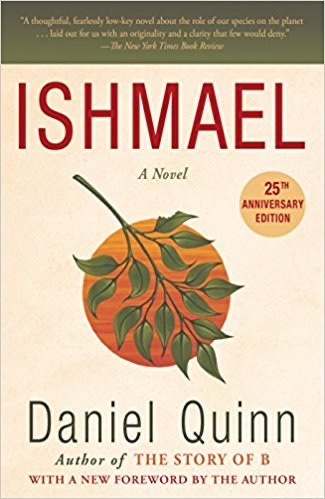 Ishmael: An Adventure of the Mind and Spirit
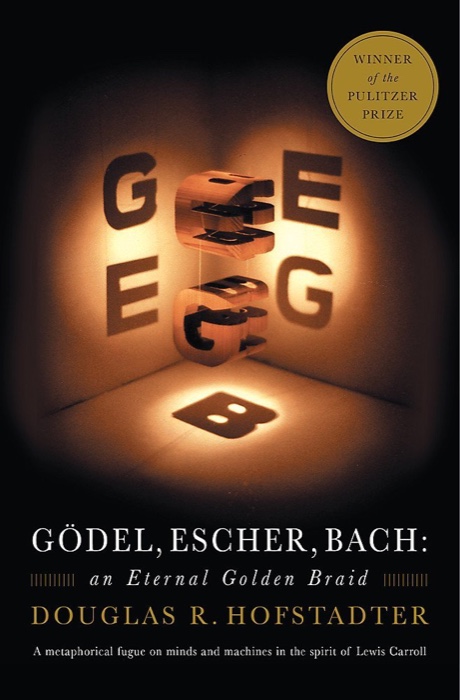 Gödel, Escher, Bach: An Eternal Golden Braid
 The Fifth Science
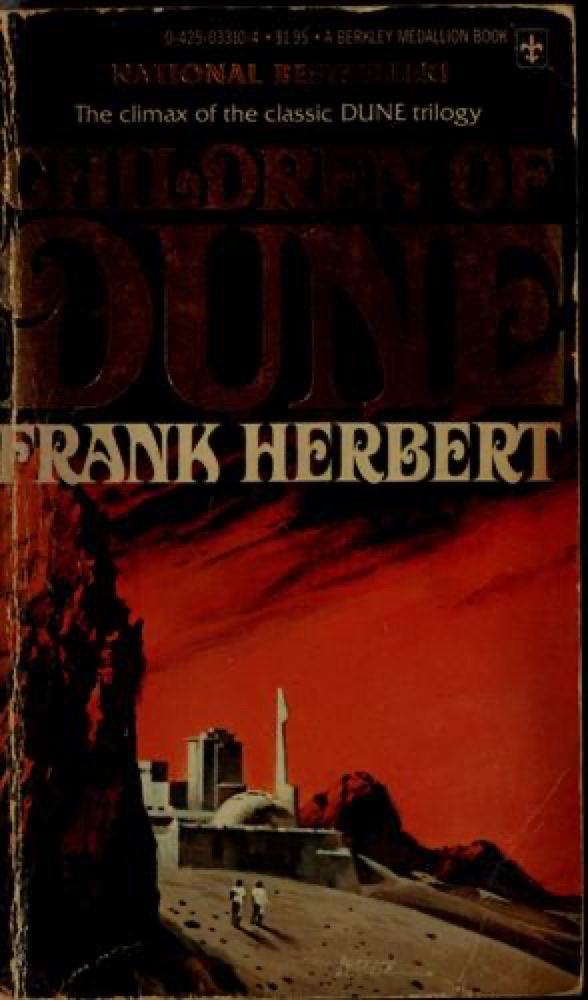 Children of Dune
 Eating the Dinosaur
 Freedom from the Known
 The Gene: An Intimate History
 No Time To Spare: Thinking About What Matters
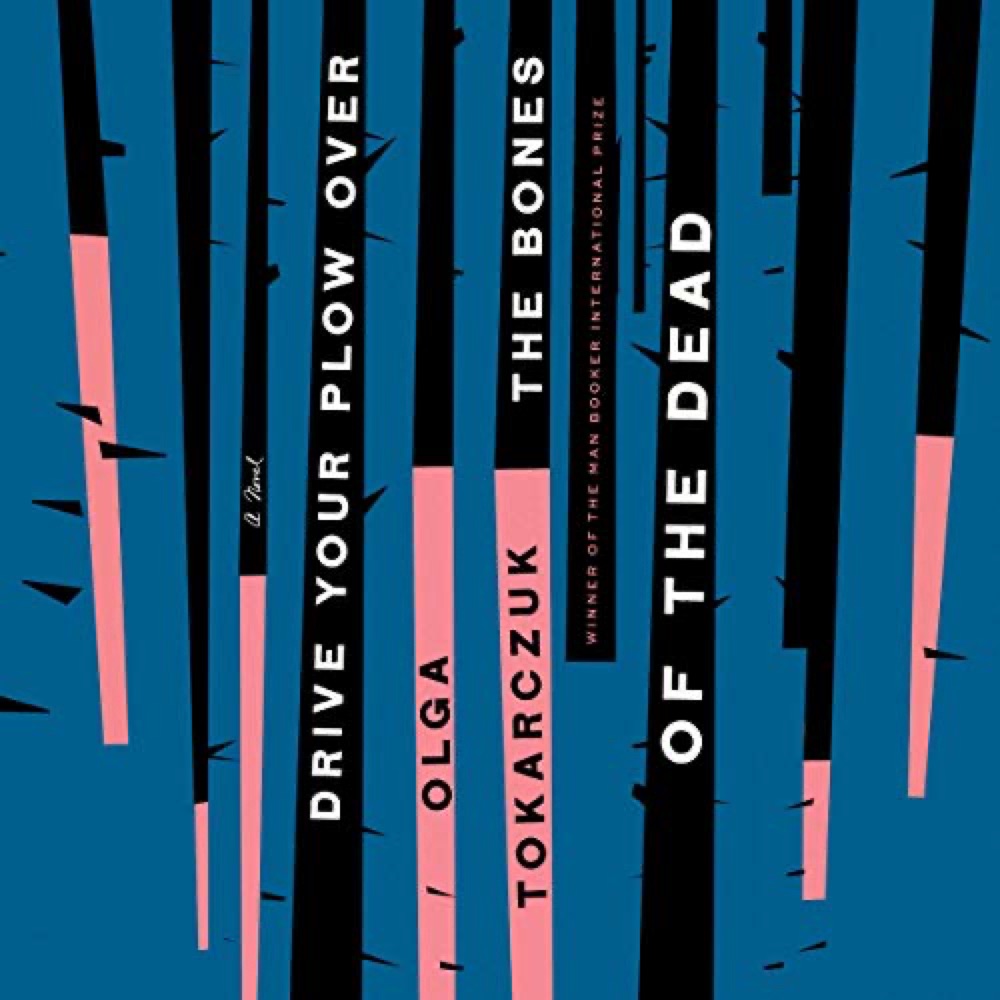 Drive Your Plow Over the Bones of the Dead
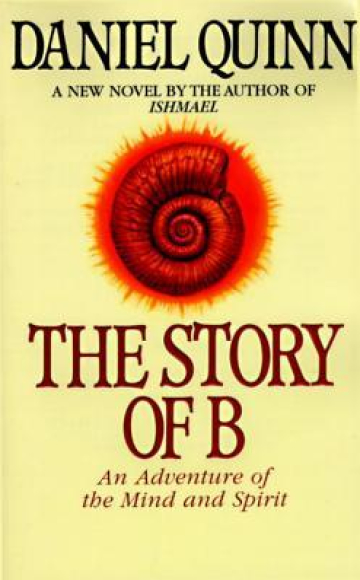 The Story of B: An Adventure of the Mind and Spirit
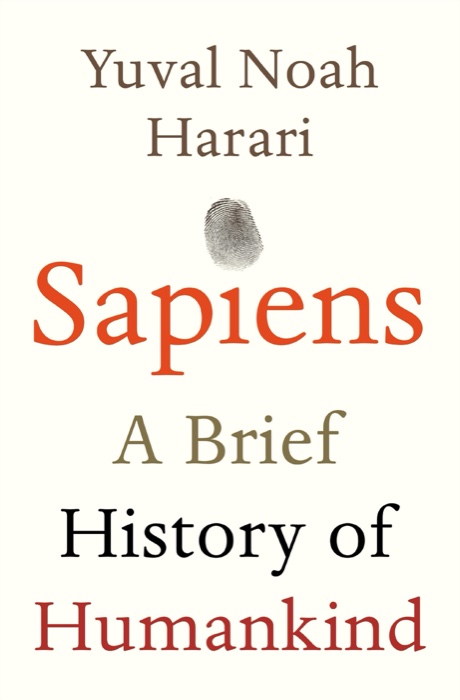 Sapiens: A Brief History of Humankind
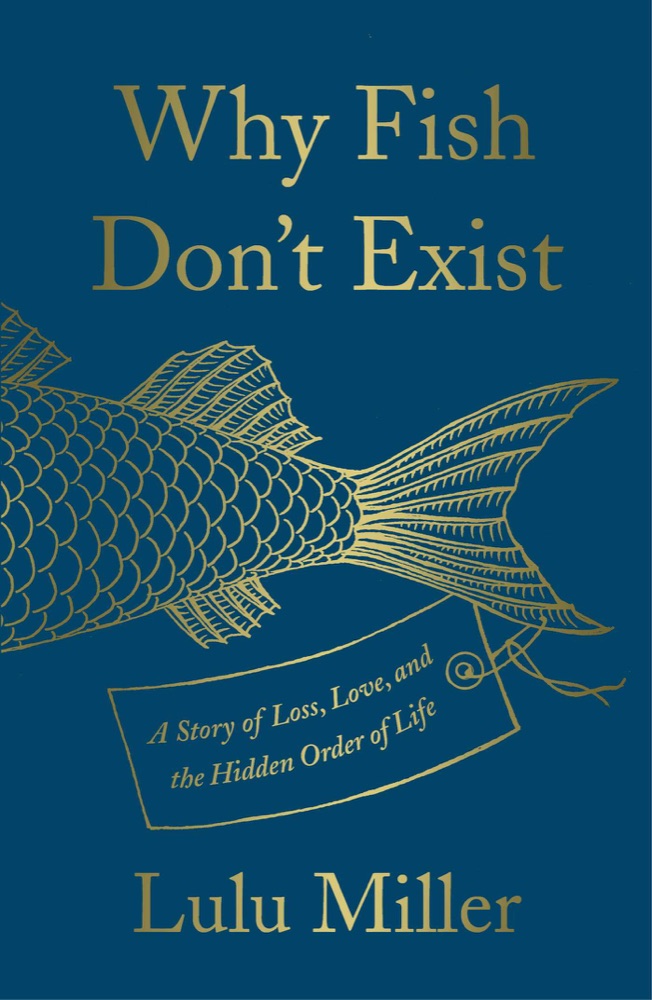 Why Fish Don’t Exist: A Story of Loss, Love, and the Hidden Order of Life
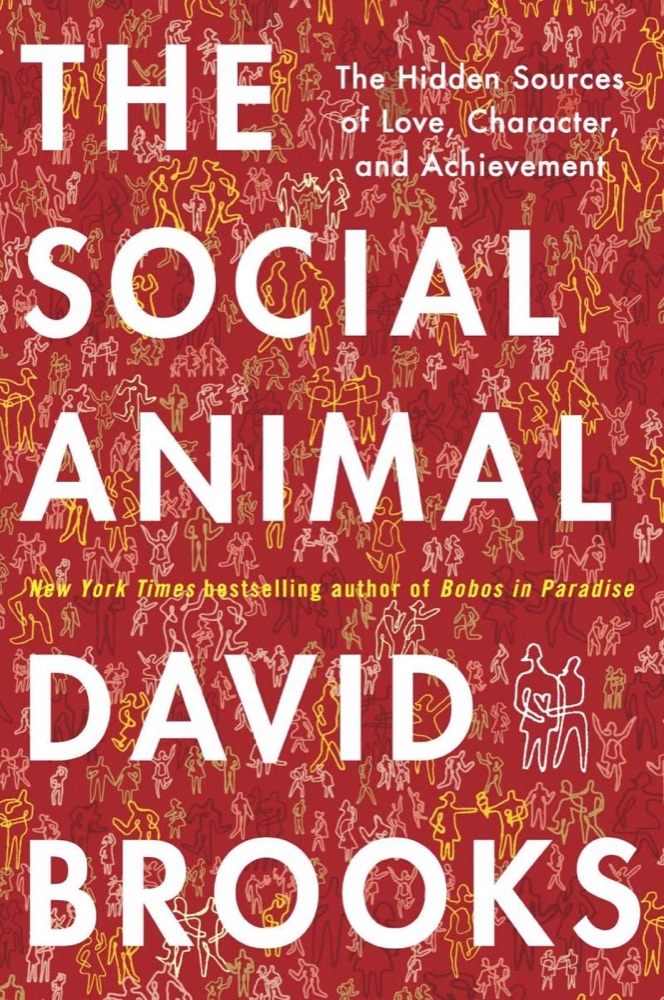 The Social Animal: The Hidden Sources of Love, Character, and Achievement
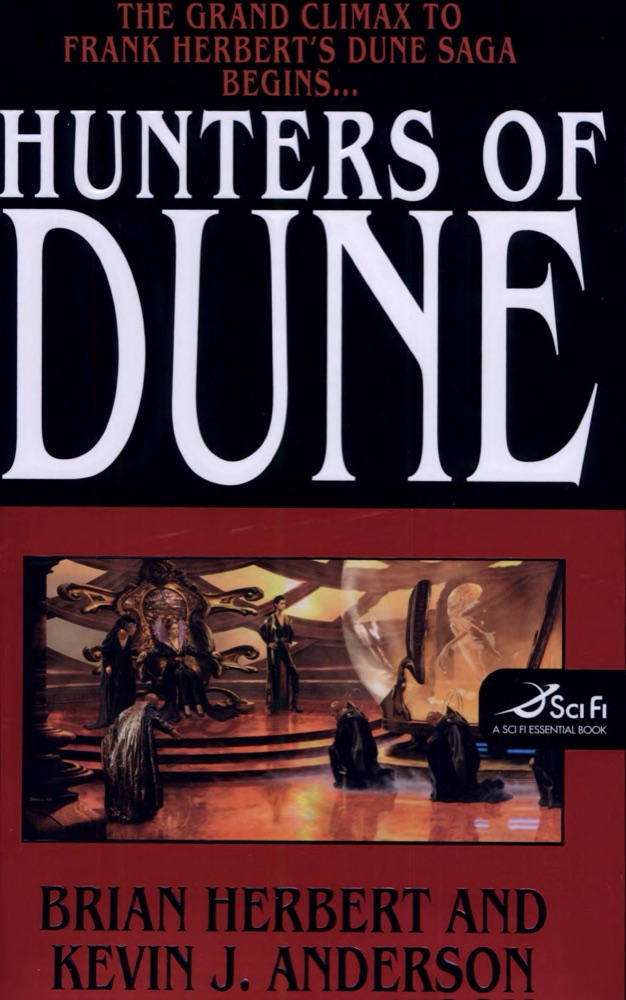 Hunters of Dune
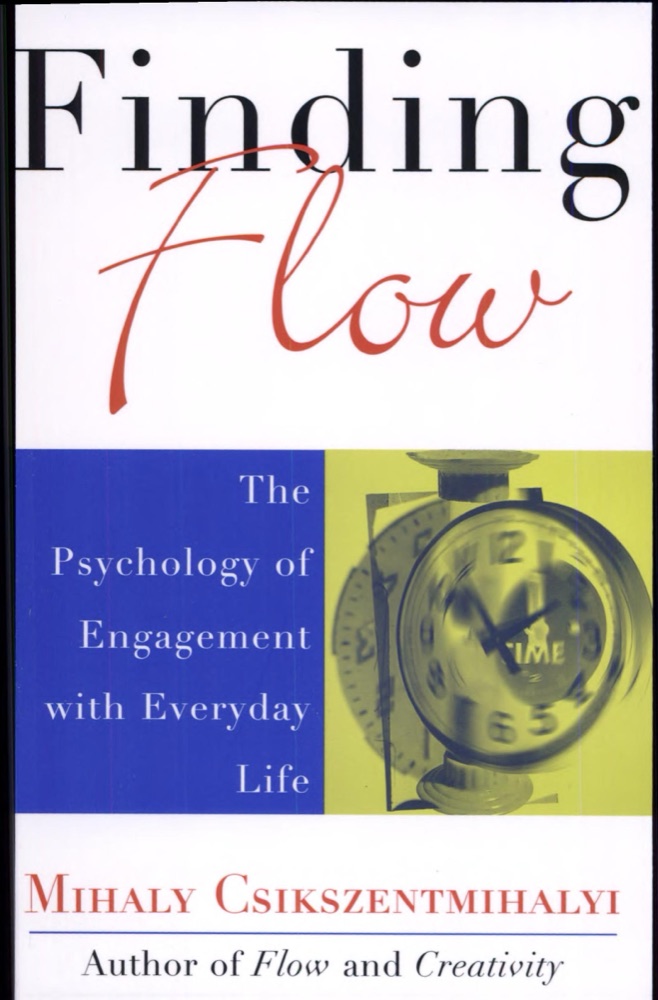 Finding Flow: The Psychology of Engagement with Everyday Life
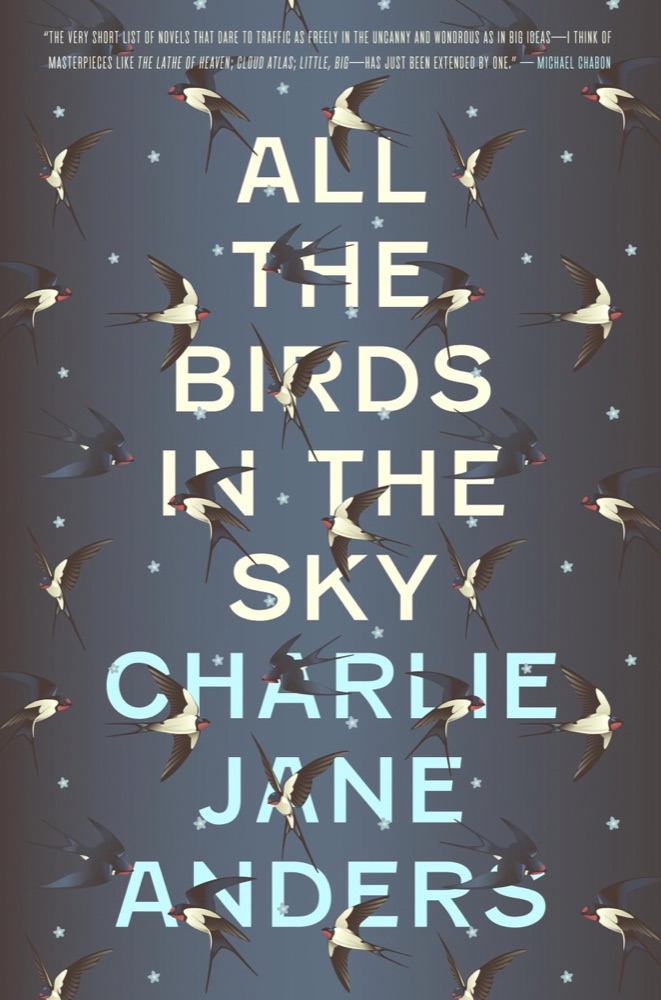 All the Birds in the Sky
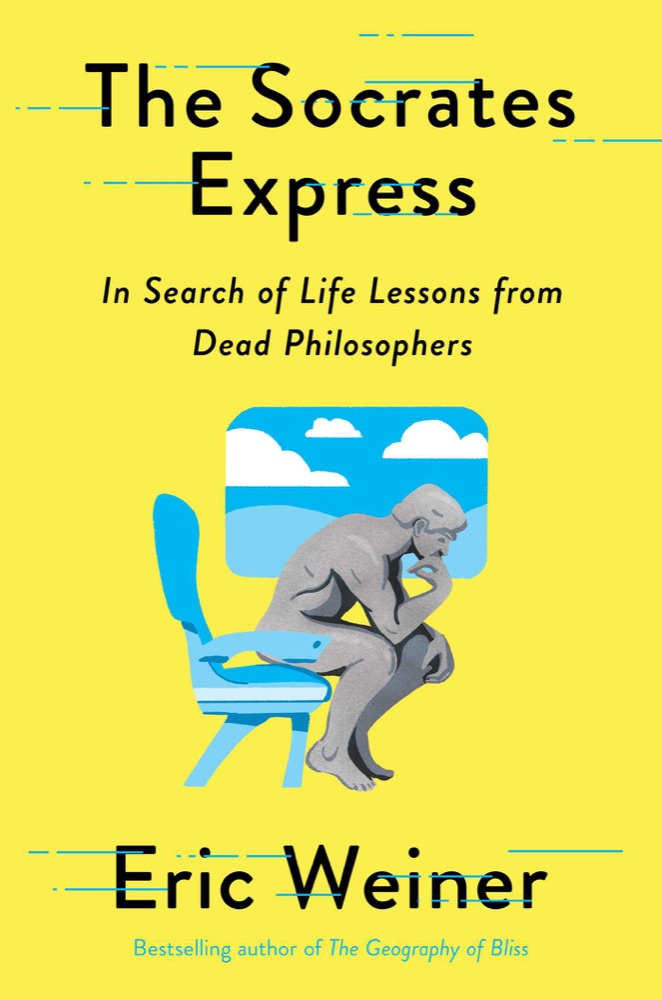 The Socrates Express: In Search of Life Lessons from Dead Philosophers
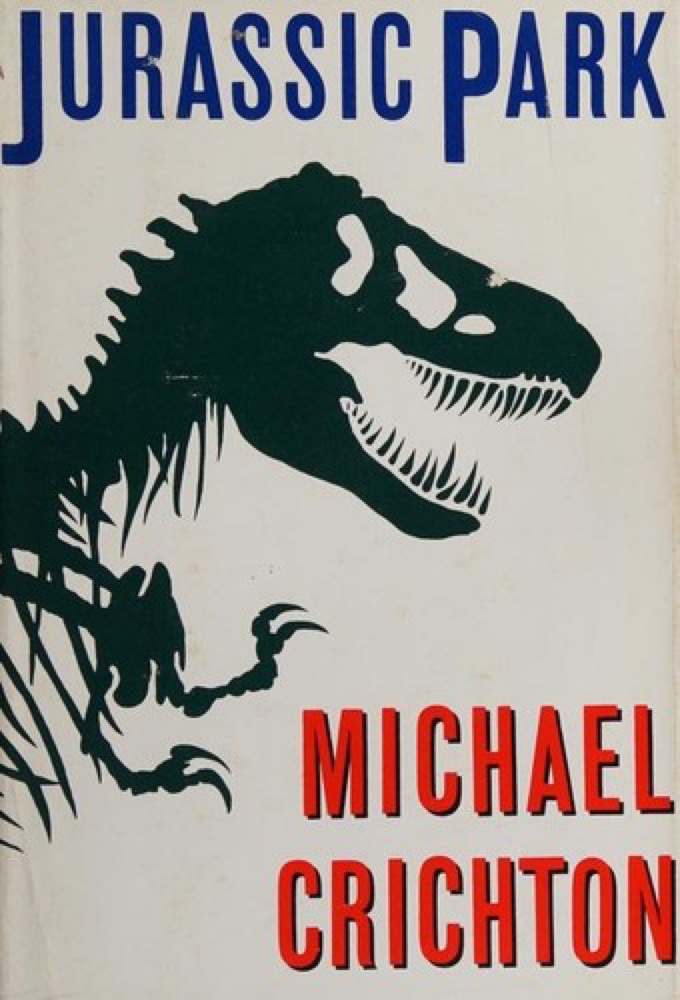 Jurassic Park
 The Wisdom of Life
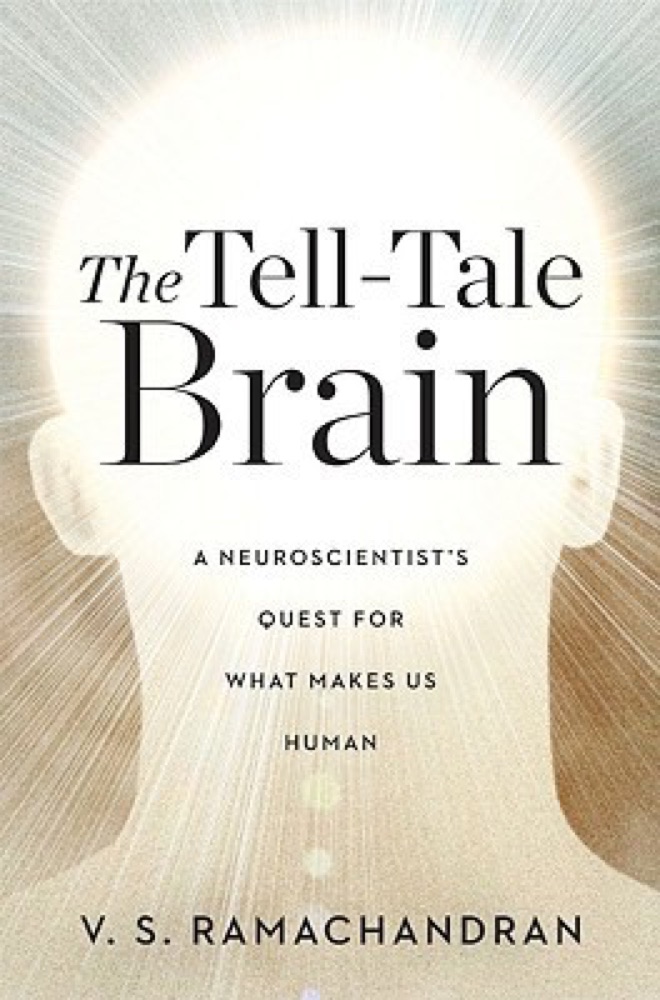 The Tell-Tale Brain: A Neuroscientist's Quest for What Makes Us Human