
 The Rational Optimist: How Prosperity Evolves
Quotes from the Book
Life is a Sisyphean race, run ever faster toward a finish line that is merely the start of the next race
Half the ideas in this book are probably wrong.
Sex is not about reproduc-tion, gender is not about males and females, courtship is not aboutpersuasion, fashion is not about beauty, and love is not about affec-tion. Below the surface of every banality and cliche there lies irony,cynicism, and profundity.
How much more generous it would be if, instead of writing parables about childhood wounds, psychologists were to accept that some differences between the sexes just are, that they are in the nature of the beasts, because each sex has an evolved tendency to develop that way in response to experience.
There is no nature that exists devoid of nurture; there is no nurture that develops without nature. To say otherwise is like saying that the area of a field is determined by its length but not its width. Every behavior is the product of an instinct trained by experience. The study of human beings remained resolutely unreformed by these ideas until a few years ago. Even now, most anthropologists and social scientists are firmly committed to the view that evolution has nothing to tell them. Human bodies are products of "culture," and human culture does not reflect human nature, but the reverse. This restricts social scientists to investigation only differences between cultures and between individuals--and to exaggerating them. Yet what is most interesting to me about human beings is the things that are the same, not what is different--things like grammatical language, hierarchy, romantic love, sexual jealousy, long-term bongs between the genders ("marriage", in a sense). These are trainable instincts peculiar to out species and are just as surely the products of evolution as eyes and thumbs.
The body is merely an evolutionary vehicle for the gene
Genes are biochemical recipes written in a four-letter alphabet called DNA.
Nature is the length of the rectangle, nurture the width. There can be no rectangle without both.
Anaxagoras’ belief that lying on the right side during sex would produce a boy was so influential that centuries later some French aristocrats had their left testicles amputated.
Why has that man fallen in love with that woman? Because she’s pretty. Why does pretty matter? Because human beings are a mainly monogamous species and so males are choosy about their mates (as male chimpanzees are not); prettiness is an indication of youth and health, which are indications of fertility. Why does that man care about fertility in his mate? Because if he did not, his genes would be eclipsed by those of men who did. Why does he care about that? He does not, but his genes act as if they do. Those who choose infertile mates leave no descendants. Therefore, everybody is descended from men who preferred fertile women, and every person inherits from those ancestors the same preference. Why is that man a slave to his genes? He is not. He has free will. But you just said he’s in love because it is good for his genes. He’s free to ignore the dictates of his genes. Why do his genes want to get together with her genes anyway? Because that’s the only way they can get into the next generation; human beings have two sexes that must breed by mixing their genes. Why do human beings have two sexes? Because in mobile animals hermaphrodites are less good at doing two things at once than males and females are at each doing his or her own thing. Therefore, ancestral hermaphroditic animals were outcompeted by ancestral sexed animals.
people are attracted to people of high reproductive and genetic potential—the healthy, the fit, and the powerful.
I don’t have to,” replies the philosopher. “I only have to outrun you.”)
What was the secret that the serpent told Eve? That she could eat a certain fruit? Pah. That was a euphemism. The fruit was carnal knowledge, and everybody from Thomas Aquinas to Milton knew it. How did they know it? Nowhere in Genesis is there even the merest hint of the equation: Forbidden fruit equals sin equals sex. We know it to be true because there can only be one thing so central to mankind. Sex.
The struggle for existence never gets easier. However well a species may adapt to its environment, it can never relax, because its competitors and its enemies are also adapting to their niches. Survival is a zero-sum game.
What was the secret that the serpent told Eve? That she could eat a certain fruit? Pah. That was a euphemism. The fruit was carnal knowledge and everybody from Thomas Aquinas to Milton knew it.
Just as human nature is the same everywhere, so it is recognizably the same as it was in the past. A Shakespeare play is about motives and predicaments and feelings and personalities that are instantly familiar. Falstaff’s bombast, Iago’s cunning, Leontes’s jealousy, Rosalind’s strength, and Malvolio’s embarrassment have not changed in four hundred years. Shakespeare was writing about the same human nature that we know today. Only
When I watch Anthony and Cleopatra, I am seeing a four-hundred-year-old interpretation of a two-thousand-year-old history. Yet it never even occurs to me that love was any different then from what it is now. It is not necessary to explain to me why Anthony falls under the spell of a beautiful woman. Across time just as much as across space, the fundamentals of our nature are universally and idiosyncratically human.
We are perforce in some sense constrained, goaded, or at least affected by the accumulated impact of selective decisions made over thousands of generations.
All Britons are descended from the same set of people a mere thirty generations ago.
Far from being choosy, female primates seemed to be initiators of much promiscuity. Hrdy began to suggest that there was something wrong with the theory rather than the females.
story of a philosopher who runs when a bear charges him and his friend.
It’s no good, you’ll never outrun a bear,” says the logical friend.
Free will was not created for fun; there was a reason that evolution handed our ancestors the ability to take initiatives (...) eventually to be in a better position to reproduce and rear children than human beings who do not reproduce.
Humanity is, of course, morally free to make and remake itself infinitely, but we do not do so.
We now know that Lamarckism cannot work because bodies are built from cakelike recipes, not architectural blueprints, and it is simply impossible to feed information back into the recipe by changing the cake.
You are descended not from your mother but from her ovary. Nothing that happened to her body or her mind in her life could affect your nature
Because bodies do not replicate themselves but are grown, whereas genes do replicate themselves, it inevitably follows that the body is merely an evolutionary vehicle for the gene, rather than vice versa.
Watch on YouTube
About Matt Ridley
We have collected 113 quotes from 4 books by Matt Ridley on BookQuoters.
More about the author →More by Matt Ridley
The Rational Optimist: How Prosperity Evolves
 Genome: the Autobiography of a Species in 23 Chapters
 The Evolution of Everything: How New Ideas Emerge
Book details
- Author
- Matt Ridley
- Genre
- Nonfiction
- Goodreads rating
- 4.05 (17k ratings) →
Keep reading
 The Moral Animal: Why We Are the Way We Are - The New Science of Evolutionary Psychology
 The Blank Slate: The Modern Denial of Human Nature
 A Hunter-Gatherer's Guide to the 21st Century: Evolution and the Challenges of Modern Life
 The Gene: An Intimate History
 The Mating Mind: How Sexual Choice Shaped the Evolution of Human Nature
 On Human Nature
 Sapiens: A Brief History of Humankind
 Sex at Dawn: The Prehistoric Origins of Modern Sexuality
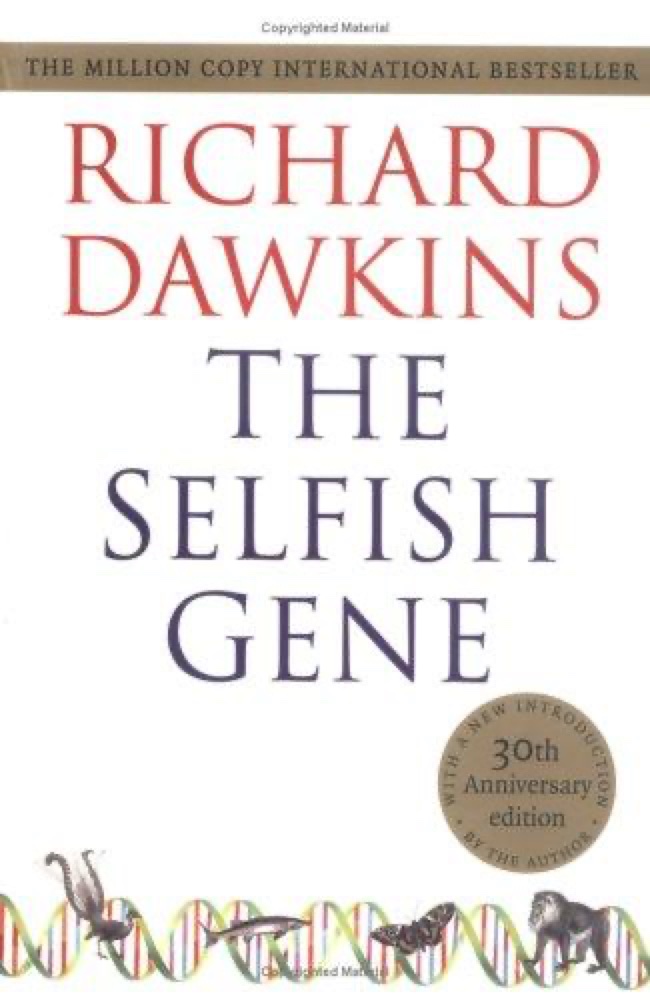 The Selfish Gene
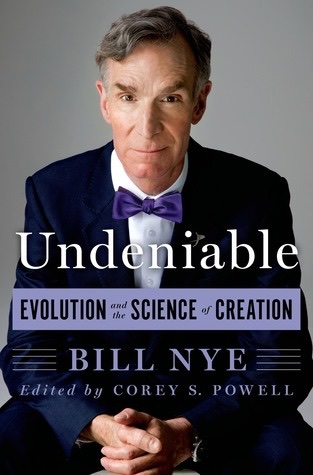 Undeniable: Evolution and the Science of Creation
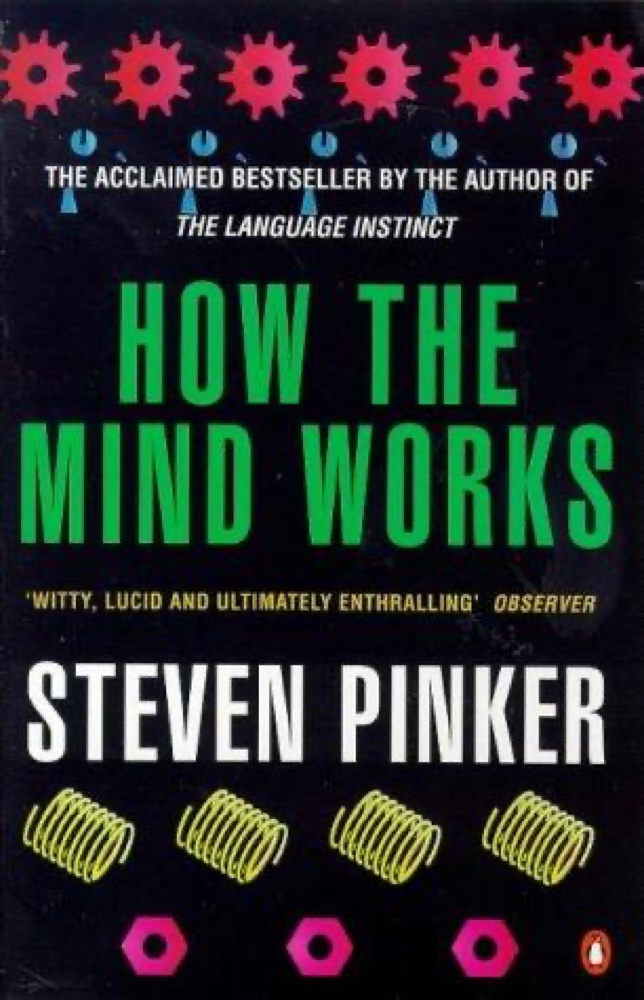 How the Mind Works
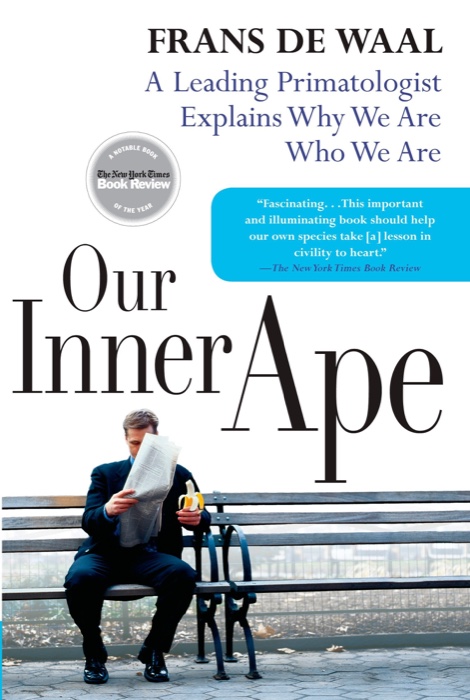 Our Inner Ape: A Leading Primatologist Explains Why We are Who We Are
 The Social Conquest of Earth
 The Blind Watchmaker: Why the Evidence of Evolution Reveals a Universe Without Design
 Shadows of Forgotten Ancestors
 Darwin's Dangerous Idea: Evolution and the Meanings of Life
 Animal: The Autobiography of a Female Body
 The Atlantis Gene
Genome: the Autobiography of a Species in 23 Chapters
The Atlantis Gene
Genome: the Autobiography of a Species in 23 Chapters
 Freedom Evolves
 The Lost World
 The Origin of Species
 The Descent of Man
 Sexual Personae: Art and Decadence from Nefertiti to Emily Dickinson
 Woman: An Intimate Geography
 The Ancestor's Tale: A Pilgrimage to the Dawn of Evolution
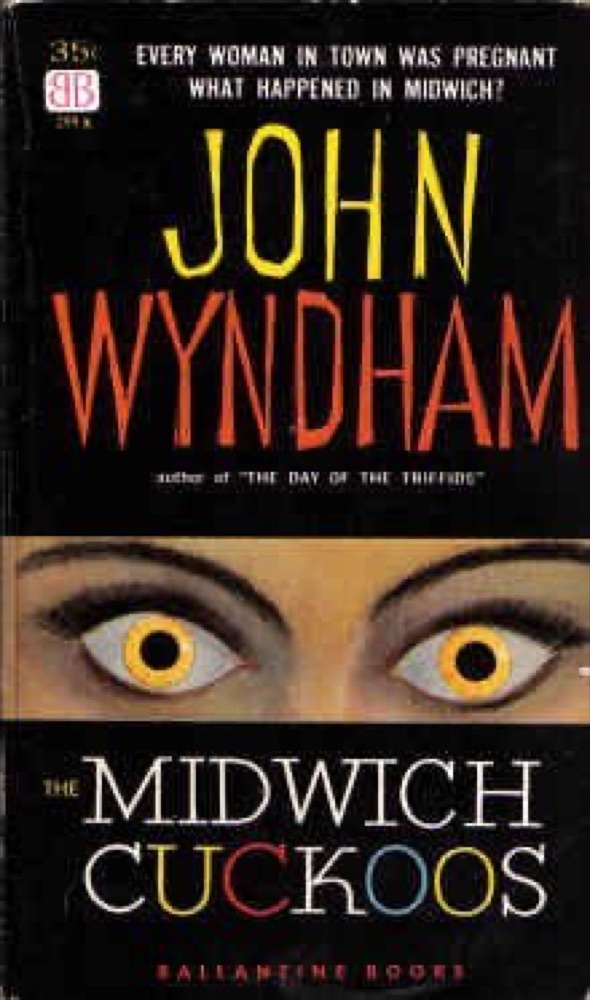 The Midwich Cuckoos
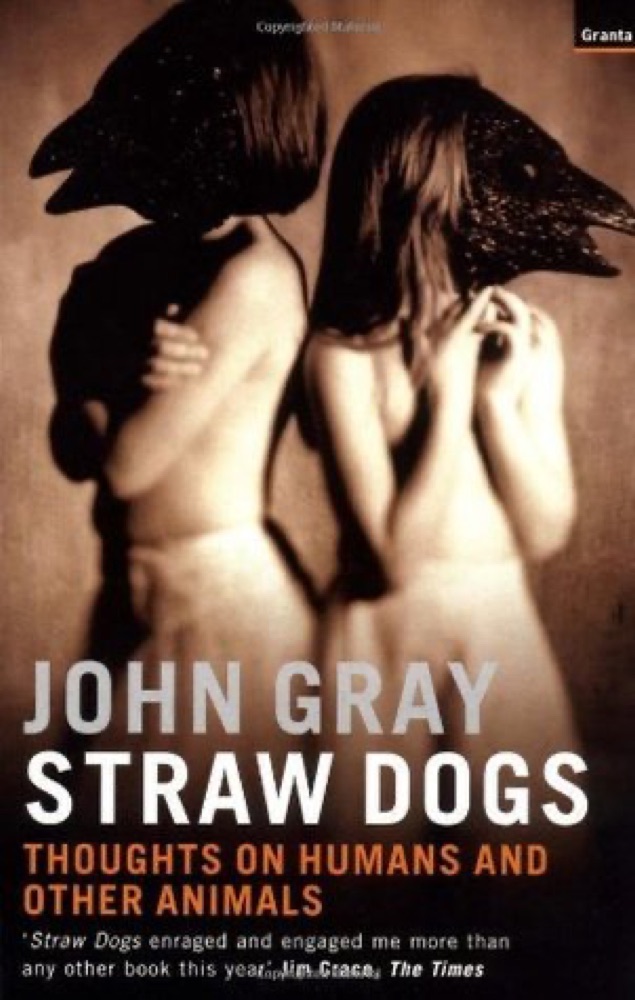 Straw Dogs: Thoughts on Humans and Other Animals
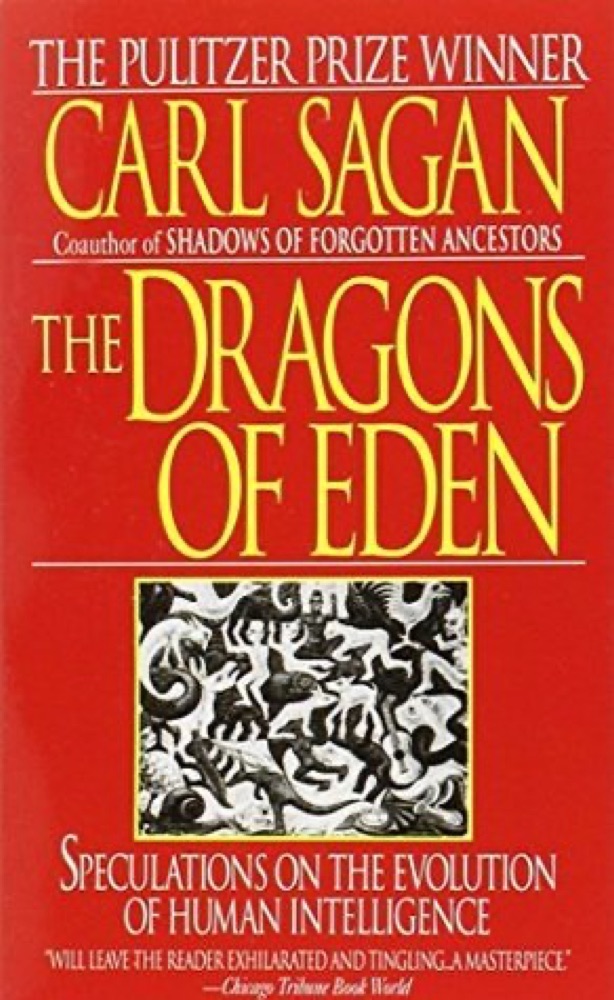 Dragons of Eden: Speculations on the Evolution of Human Intelligence
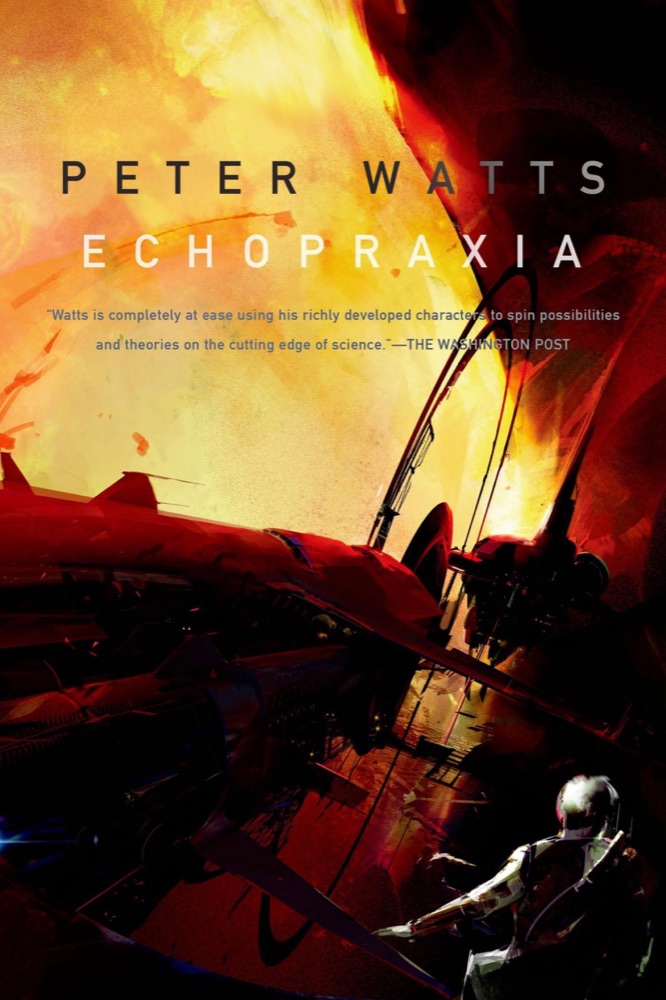 Echopraxia
 The Philosopher and the Wolf
 Ishmael: An Adventure of the Mind and Spirit
 Why We Get Sick: The New Science of Darwinian Medicine
 Blindsight
 The Social Animal: The Hidden Sources of Love, Character, and Achievement
 The Violinist's Thumb: And Other Lost Tales of Love, War, and Genius, as Written by Our Genetic Code
 Human, All Too Human
 The Story of B: An Adventure of the Mind and Spirit
 Moral Tribes: Emotion, Reason, and the Gap Between Us and Them
 The Ascent of Man
 The Humans
 The Story of the Human Body: Evolution, Health, and Disease
 Seven Surrenders
 A Language Older Than Words
 On the Genealogy of Morals
 Xenocide
 The Elementary Particles
 Emile or On Education
 Humankind: A Hopeful History
 The Art of Seduction
 The Moral Landscape: How Science Can Determine Human Values
 12 Rules for Life: An Antidote to Chaos
 Natural Causes: An Epidemic of Wellness, the Certainty of Dying, and Killing Ourselves to Live Longer
 On the Genealogy of Morals/Ecce Homo
 Persian Letters
 Stories of Your Life and Others
 Genesis
 Homo Deus: A History of Tomorrow
 The Fifth Science
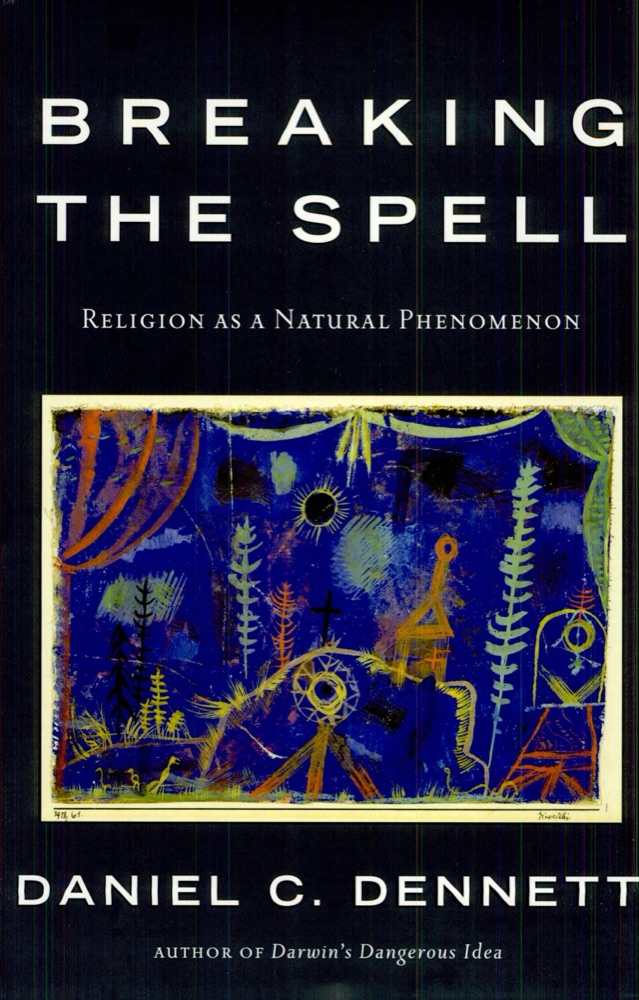 Breaking the Spell: Religion as a Natural Phenomenon