
 State of Fear
Quotes from the Book
The planet has survived everything, in its time. It will certainly survive us.
In the information society, nobody thinks. We expected to banish paper, but we actually banished thought.
Let's be clear. The planet is not in jeopardy. We are in jeopardy. We haven't got the power to destroy the planet - or to save it. But we might have the power to save ourselves.
Living systems are never in equilibrium. They are inherently unstable. They may seem stable, but they’re not. Everything is moving and changing. In a sense, everything is on the edge of collapse.
Discovery is always rape of the natural world. Always.
All major changes are like death. You can't see to the other side until you are there.
You know, at times like this one feels, well, perhaps extinct animals should be left extinct.
Malcolm: A karate master does not kill people with his bare hands. He does not lose his temper and kill his wife. The person who kills is the person who has no discipline, no restraint, and who has purchased his power in the form of a Saturday night special. And that is why you think that to build a place like this is simple. Hammond: It was simple. Malcolm: Then why did it go wrong?
You know what's wrong with scientific power? It's a form of inherited wealth. And you know what assholes congenitally rich people are.
And that's how things are. A day is like a whole life. You start out doing one thing, but end up doing something else, plan to run an errand, but never get there. . . . And at the end of your life, your whole existence has the same haphazard quality, too. Your whole life has the same shape as a single day.
They don't have intelligence. They have what I call 'thintelligence.' They see the immediate situation. They think narrowly and they call it 'being focused.' They don't see the surround. They don't see the consequences.
Because the history of evolution is that life escapes all barriers. Life breaks free. Life expands to new territories. Painfully, perhaps even dangerously. But life finds a way.
Ellie said, "Isn't it a little warm for black?" You're extremely pretty, Dr. Sattler," he said. "I could look at your legs all day. But no, as a matter of fact, black is an excellent color for heat. If you remember your black-body radiation, black is actually best in heat. Efficient radiation. In any case, I wear only two colors, black and gray." Ellie was staring at him, her mouth open. "These colors are appropriate for any occasion," Malcolm continued, and they go well together, should I mistakenly put on a pair of gray socks with my black trousers." But don't you find it boring to wear only two colors?" Not at all. I find it liberating. I believe my life has value, and I don't want to waste it thinking about clothing," Malcolm said. "I don't want to think about what I will wear in the morning. Truly, can you imagine anything more boring than fashion? Professional sports, perhaps. Grown men swatting little balls, while the rest of the world pays money to applaud. But, on the whole, I find fashion even more tedious than sports." Dr. Malcolm," Hammond explained, "is a man of strong opinions." And mad as a hatter," Malcolm said cheerfully. "But you must admit, these are nontrivial issues. We live in a world of frightful givens. It is given that you will behave like this, given that you will care about that. No one thinks about the givens. Isn't it amazing? In the information society, nobody thinks. We expected to banish paper, but we actually banished thought.
But now science is the belief system that is hundreds of years old. And, like the medieval system before it, science is starting not to fit the world any more. Science has attained so much power that its practical limits begin to be apparent. Largely through science, billions of us live in one small world, densely packed and intercommunicating. But science cannot help us decide what to do with that world, or how to live. Science can make a nuclear reactor, but it cannot tell us not to build it. Science can make pesticide, but cannot tell us not to use it. And our world starts to seem polluted in fundamental ways---air, and water, and land---because of ungovernable science.
Whatever it is you seek, you have to put in the time, the practice, the effort. You must give up a lot to get it. It has to be very important to you. And once you have attained it, it is your power. It can't be given away : it resides in you. It is literally the result of your discipline.
Nobody is driven by abstractions like 'seeking truth.
Discovery, they believe, is inevitable. So they just try to do it first. That's the game in science.
I believe my life has value, and I don't want to waste it thinking about clothing . . . I don't want to think about what I will wear in the morning. Truly, can you imagine anything more boring than fashion? Professional sports, perhaps. Grown men swatting little balls, while the rest of the world pays money to applaud. But, on the whole, I find fashion even more tedious than sports
Grant knew that people could not imagine geological time. Human life was lived on another scale of time entirely. An apple turned brown in a few minutes. Silverware turned black in a few days. A compost heap decayed in a season. A child grew up in a decade. None of these everyday human experiences prepared people to be able to imagine the meaning of eighty million years - the length of time that had passed since this little animal had died.
Life breaks free. Life expands to new territories. Painfully, perhaps even dangerously. But life finds a way.
They believed that prediction was just a function of keeping track of things. If you knew enough, you could predict anything. That's been cherished scientific belief since Newton.' And?' Chaos theory throws it right out the window.
People were so naive about plants, Ellie thought. They just chose plants for appearance, as they would choose a picture for the wall. It never occurred to them that plants were actually living things, busily performing all the living functions of respiration, ingestion, excretion, reproduction---and defense.
You've never heard of Chaos theory? Non-linear equations? Strange attractors? Ms. Sattler, I refuse to believe you're not familiar with the concept of attraction.
Increasingly, the mathematics will demand the courage to face its implications.
And entertainment has nothing to do with reality. Entertainment is antithetical to reality.
Did you know?
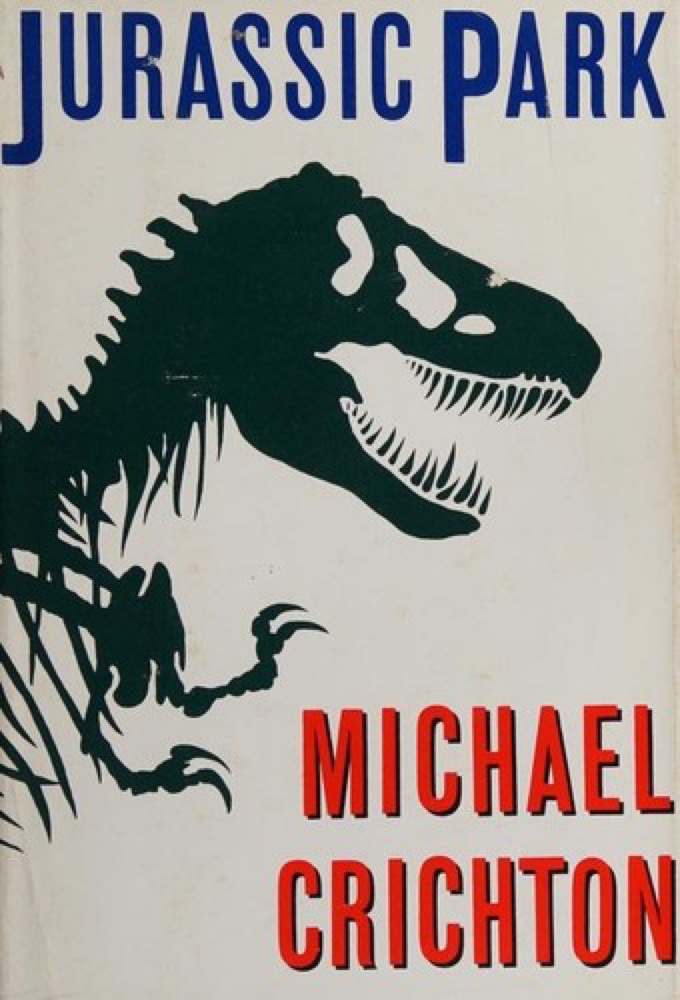
- The novel's iconic cover, featuring a Tyrannosaurus skeleton silhouette, was designed by Chip Kidd based on Henry Fairfield Osborn's 1917 skeletal diagram.
- The prologue is titled 'The Bite of the Raptor' and opens in a fishing village on the coast of Costa Rica.
- Crichton uses chaos theory, voiced by the character Ian Malcolm, as a central framing device for the story.
- The book had sold roughly nine million copies by 1993.
- Crichton wrote a direct sequel, The Lost World, published in 1995.
- It won the Secondary BILBY Award in 1996.
About Michael Crichton
John Michael Crichton (1942-2008) was an American author and filmmaker who held an MD from Harvard Medical School but built his career writing techno-thrillers and science fiction. His novels, including The Andromeda Strain and Jurassic Park, have sold over 200 million copies worldwide and spawned numerous blockbuster film adaptations.
More about the author →More by Michael Crichton
All books by Michael Crichton →
About the book
Jurassic Park is a 1990 science-fiction techno-thriller by Michael Crichton. When strange animal attacks strike Costa Rica, paleontologist Alan Grant and paleobotanist Ellie Sattler are recruited by billionaire John Hammond to tour Isla Nublar, an island preserve where his company has recreated living dinosaurs from ancient DNA extracted from insects preserved in amber. What is meant to be a controlled theme park descends into chaos when the security systems fail, releasing the animals and forcing the visitors into a desperate fight for survival.
At its core the novel is a cautionary tale about scientific hubris and the unintended consequences of genetic engineering. Through the skeptical chaos theorist Ian Malcolm, Crichton argues that complex systems cannot be fully controlled and that the power conferred by biotechnology has outpaced the wisdom to wield it responsibly. The book contrasts profit-driven, secretive research with science pursued for the public good, echoing the moral warnings of Mary Shelley's Frankenstein.
Jurassic Park became a major bestseller and one of Crichton's most influential works, selling millions of copies. Steven Spielberg's 1993 film adaptation turned the story into a global phenomenon and launched an enduring franchise. Crichton followed the novel with a direct sequel, The Lost World, in 1995, and the book remains a defining example of the techno-thriller genre.
Key characters
- Alan GrantPaleontologist recruited to endorse the park
- Ellie SattlerPaleobotanist and Grant's colleague
- Ian MalcolmChaos theorist who predicts the park's collapse
- John HammondBillionaire founder of Jurassic Park
- Dennis NedrySystems engineer whose sabotage triggers the disaster
- Robert MuldoonThe park's game warden
- Henry WuMolecular geneticist who engineered the dinosaurs
Book details
- First published
- 1990
- Length
- 399 pages
- Reading time
- 24 hours
- Author
- Michael Crichton
- Genre
- Fiction
- Goodreads rating
- 4.14 (1.1M ratings) →
- First line
- “The tropical rain fell in drenching sheets, hammering the corrugated roof of the clinic building, roaring down the metal gutters, splashing on the ground in a torrent.”
Series & reading order
- 1 Jurassic Park
- 2 The Lost World
Movie & TV adaptations
- IMDb
If you liked this, read…
- 1The Andromeda StrainCrichton's earlier techno-thriller about a deadly scientific threat
- 2FrankensteinA foundational cautionary tale about the dangers of creating life
- 3The Lost WorldCrichton's direct sequel returning to the world of engineered dinosaurs
Keep reading
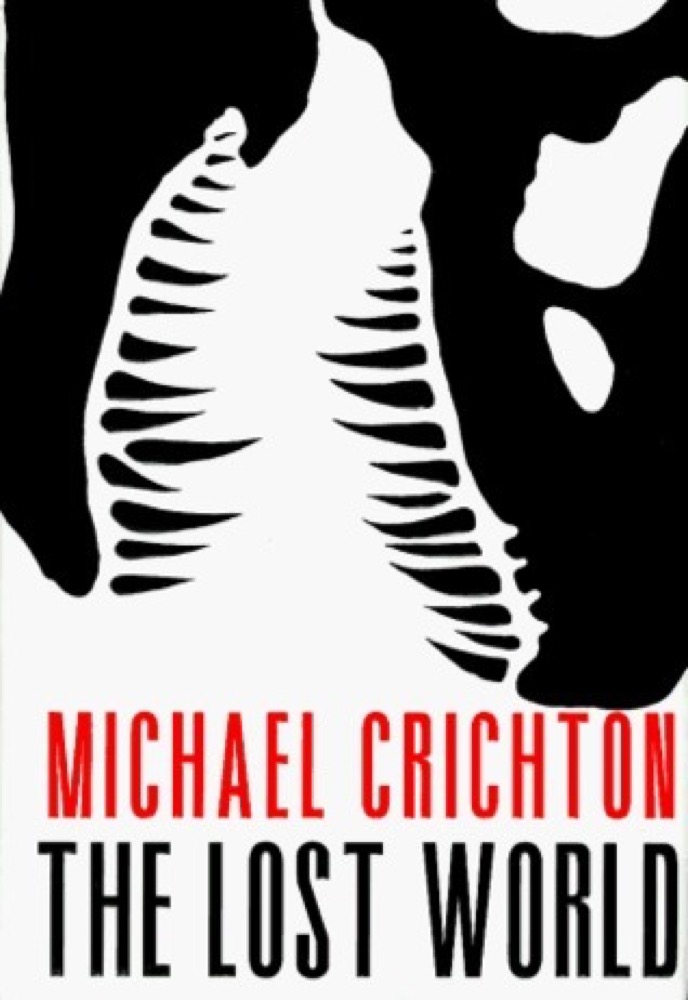 The Lost World
 Death's End
 Robopocalypse
 The Fifth Science
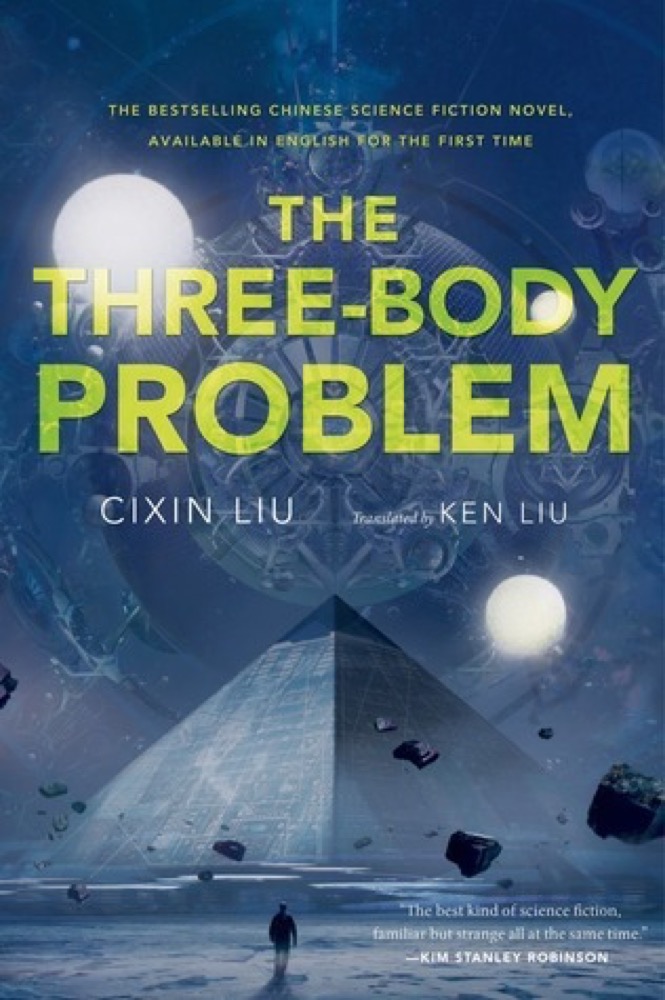 The Three-Body Problem
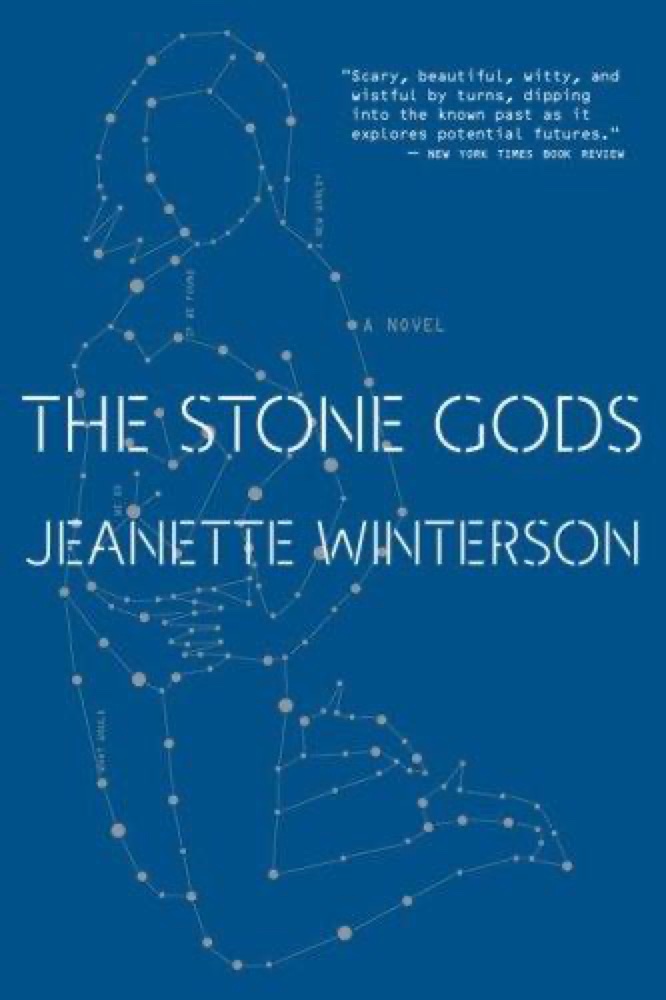 The Stone Gods
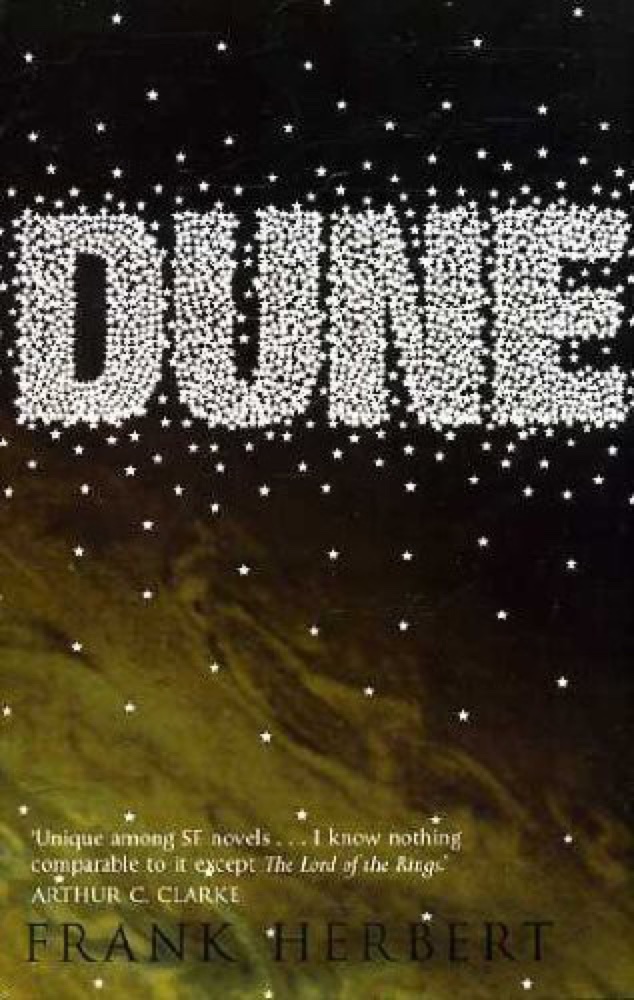 Dune
Dune
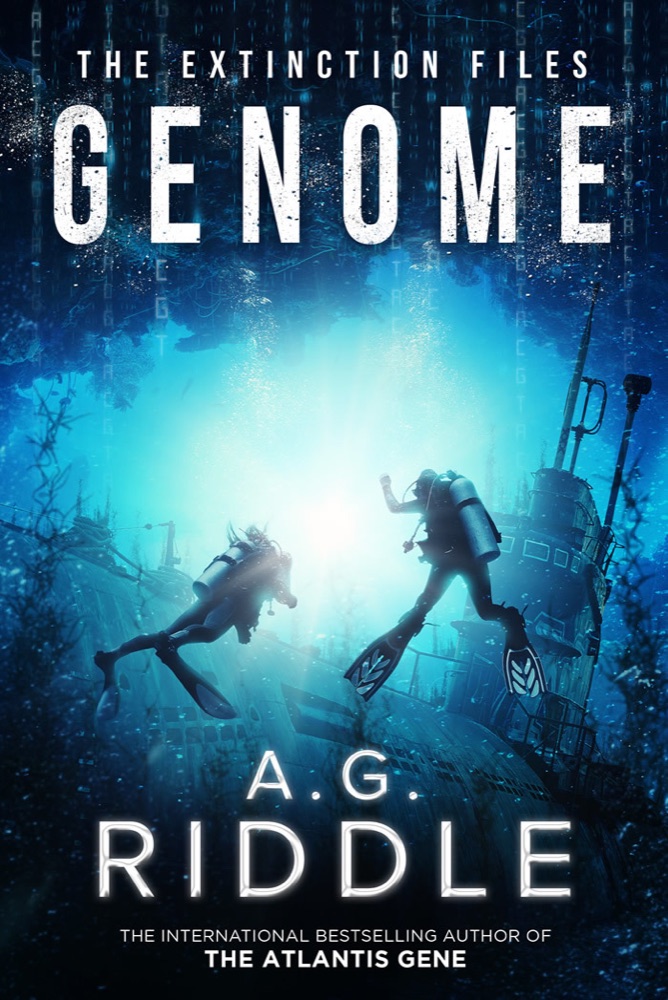 Genome
 Blindsight
 Echopraxia
 A Short History of Nearly Everything
 Genesis
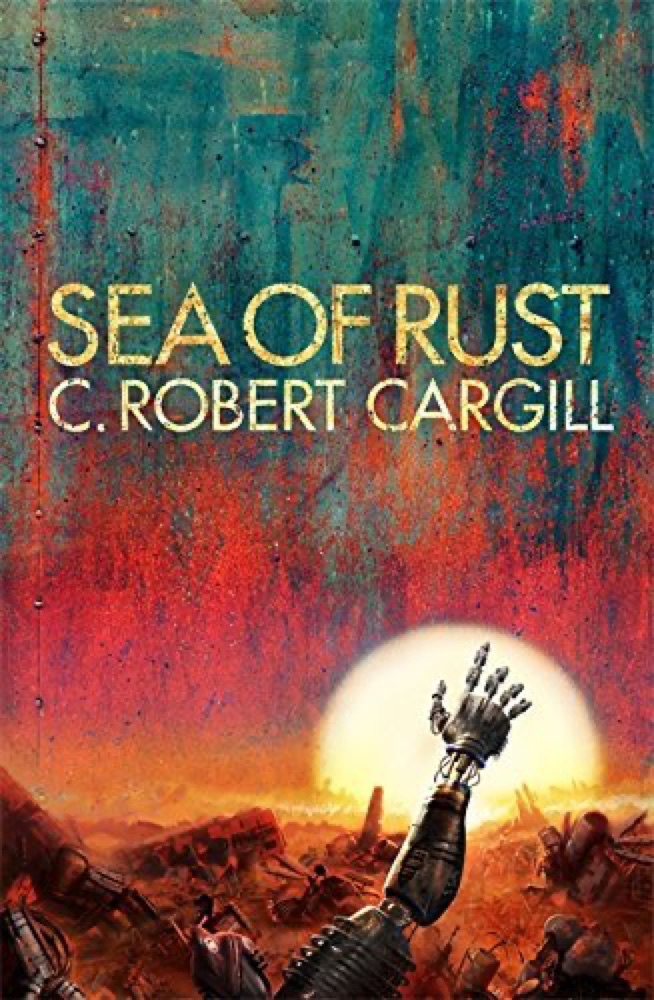 Sea of Rust
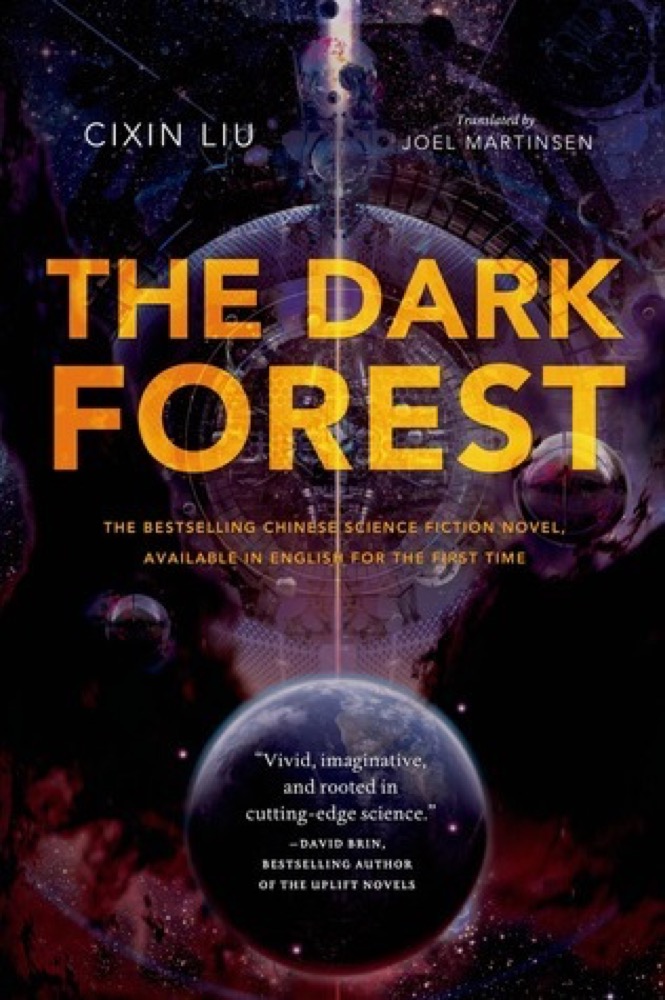 The Dark Forest
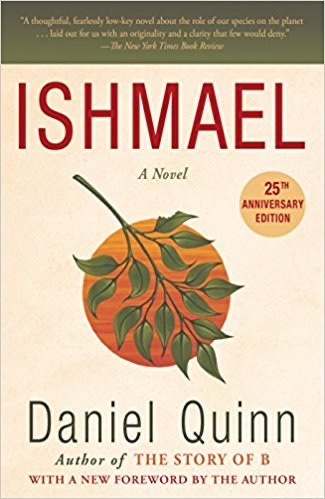 Ishmael: An Adventure of the Mind and Spirit
 Earth
Earth
 The Evolutionary Void
 A Language Older Than Words
 Why Fish Don’t Exist: A Story of Loss, Love, and the Hidden Order of Life
 Red Mars
 The Gone-Away World
 The Big Picture: On the Origins of Life, Meaning, and the Universe Itself
 The Meaning of It All: Thoughts of a Citizen-Scientist
 Wired
Wired
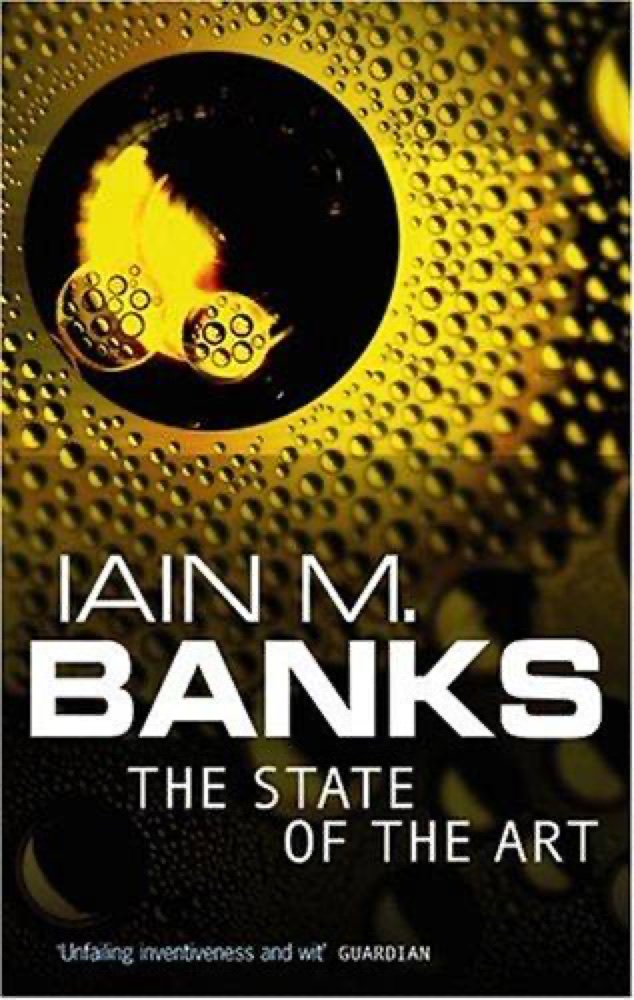 The State of the Art
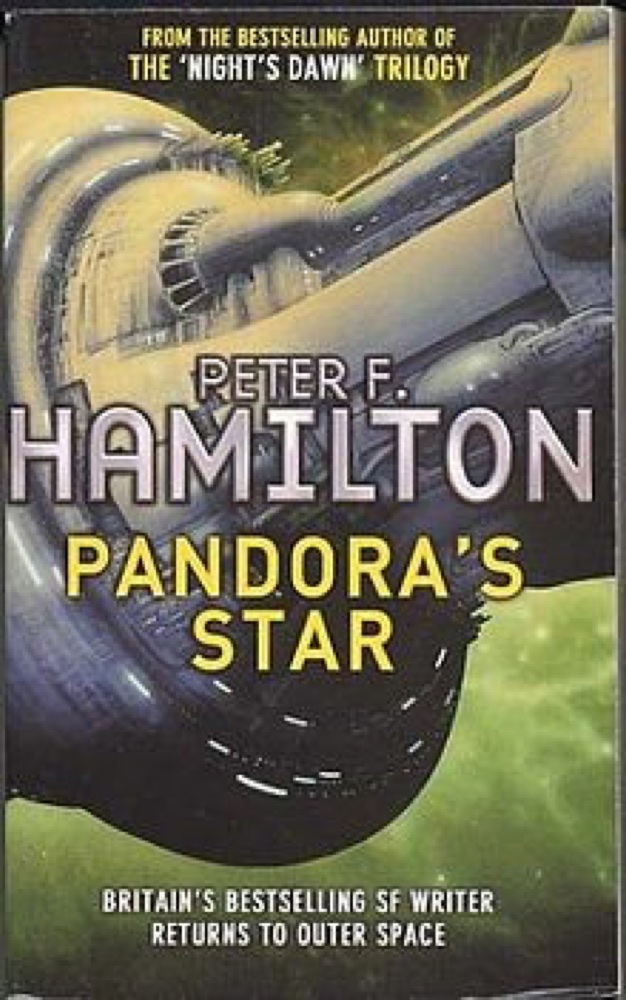 Pandora's Star
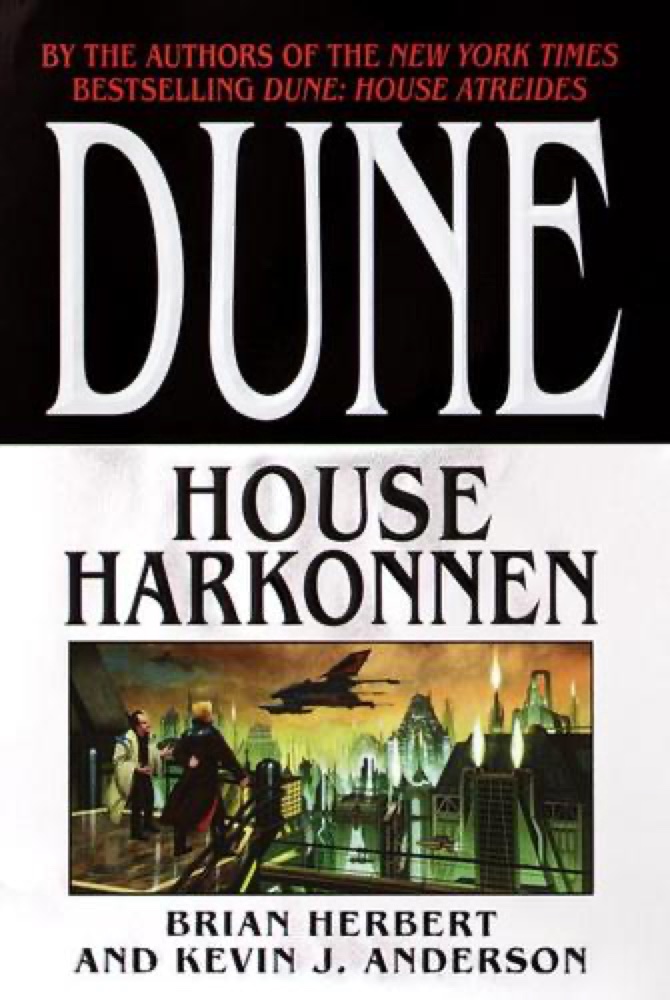 House Harkonnen
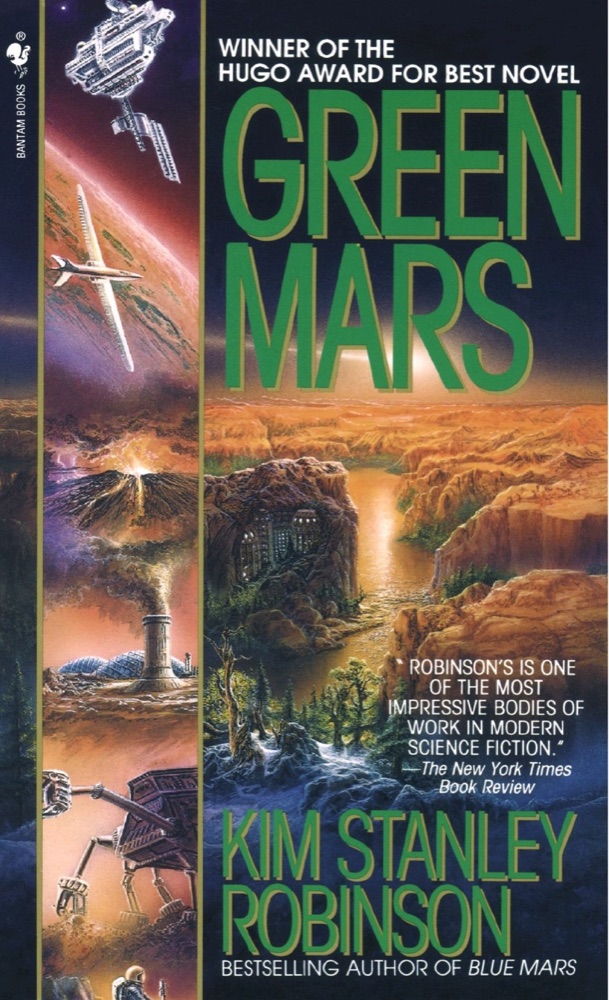 Green Mars
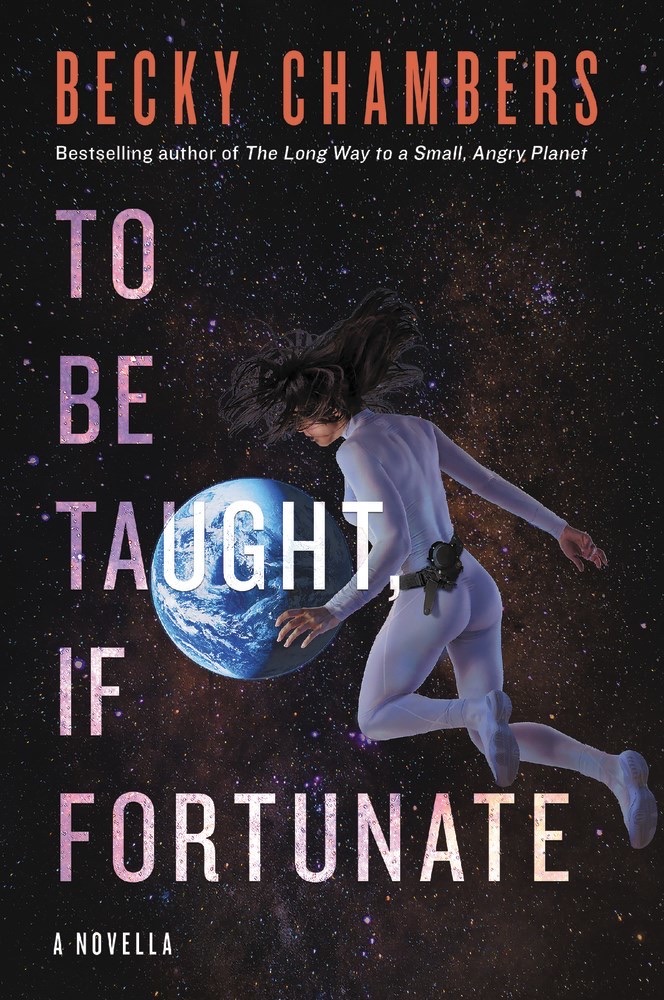 To Be Taught, If Fortunate
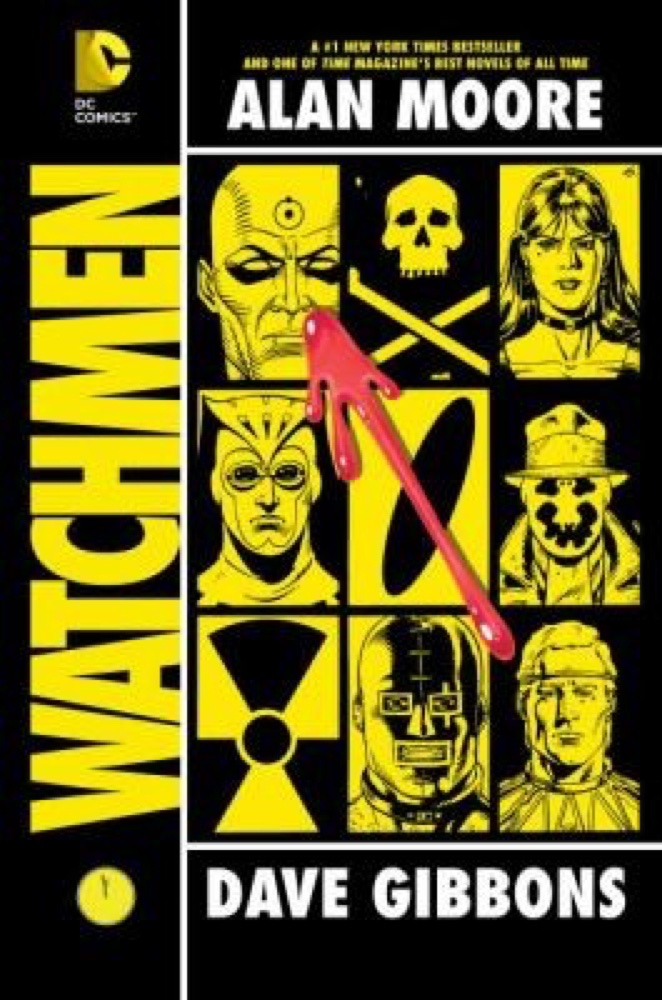 Watchmen
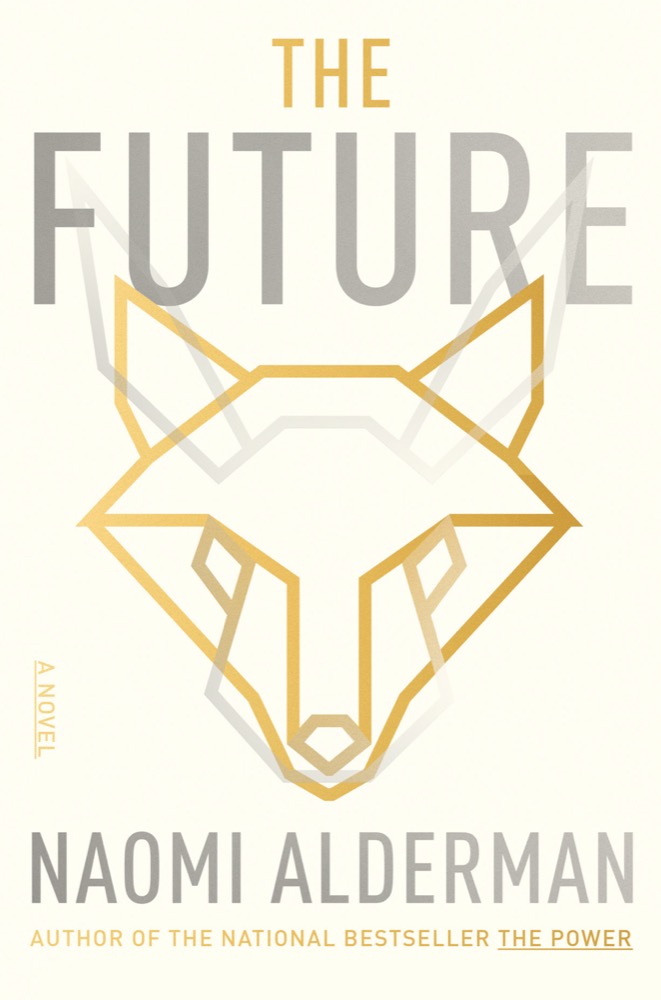 The Future
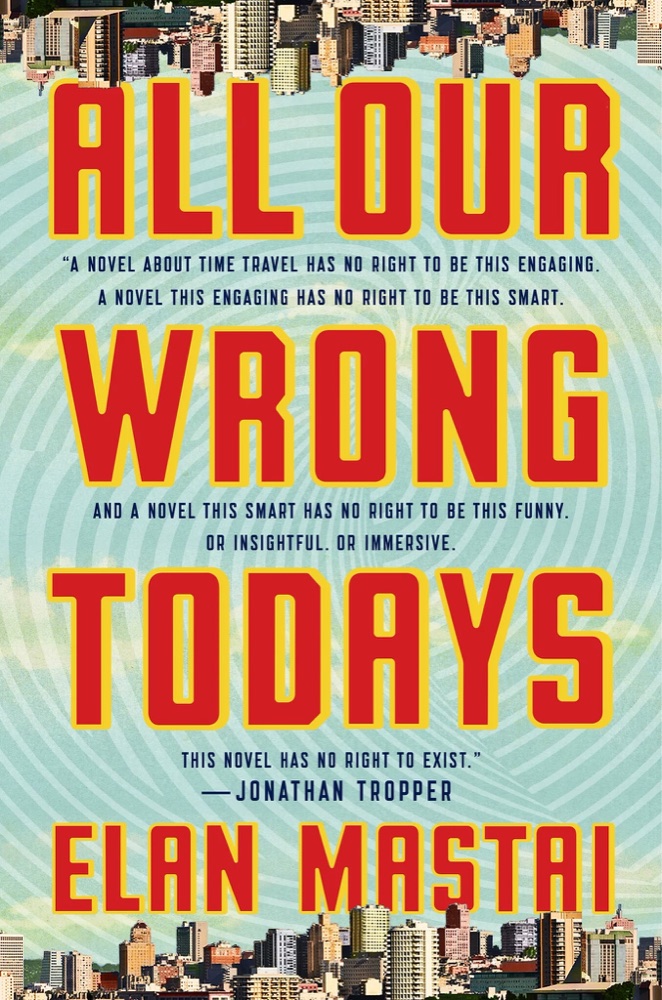 All Our Wrong Todays
 The Humans
 The Shockwave Rider
 Prey
Prey
 Billions & Billions: Thoughts on Life and Death at the Brink of the Millennium
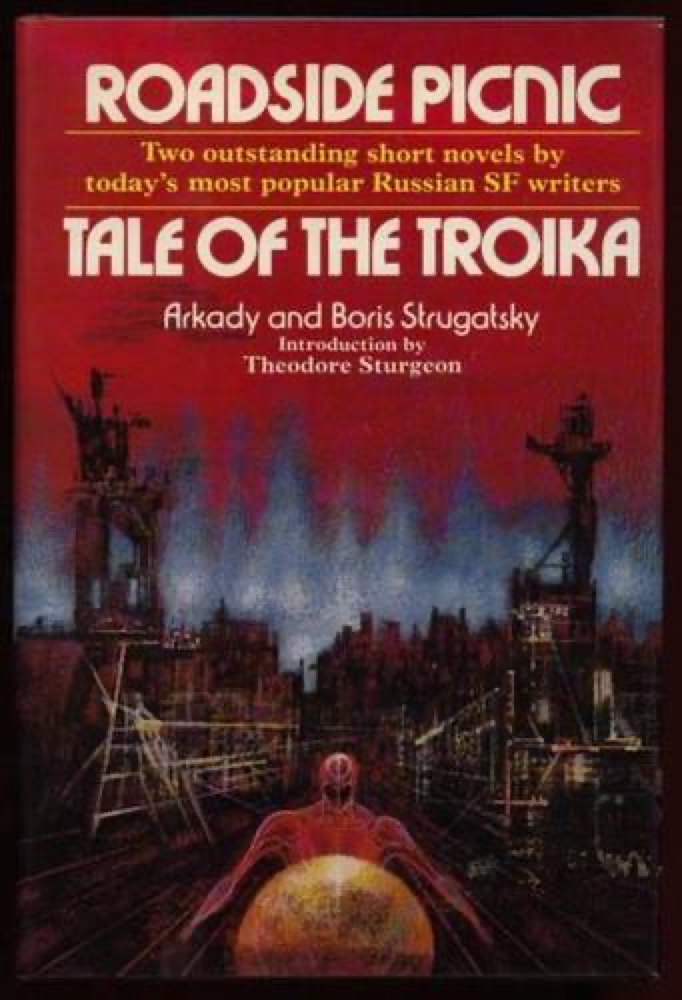 Roadside Picnic
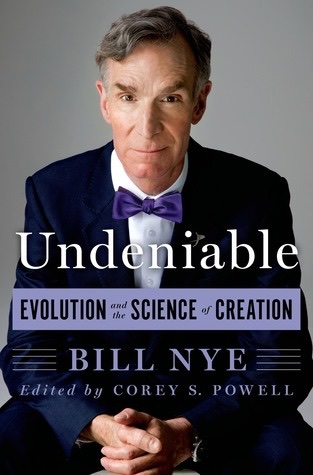 Undeniable: Evolution and the Science of Creation
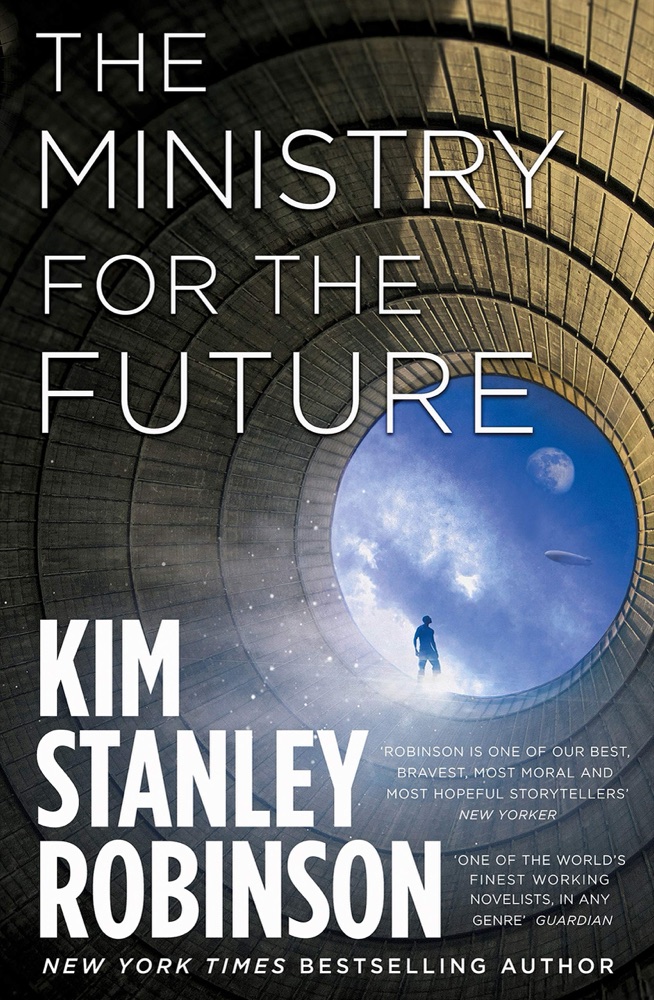 The Ministry for the Future
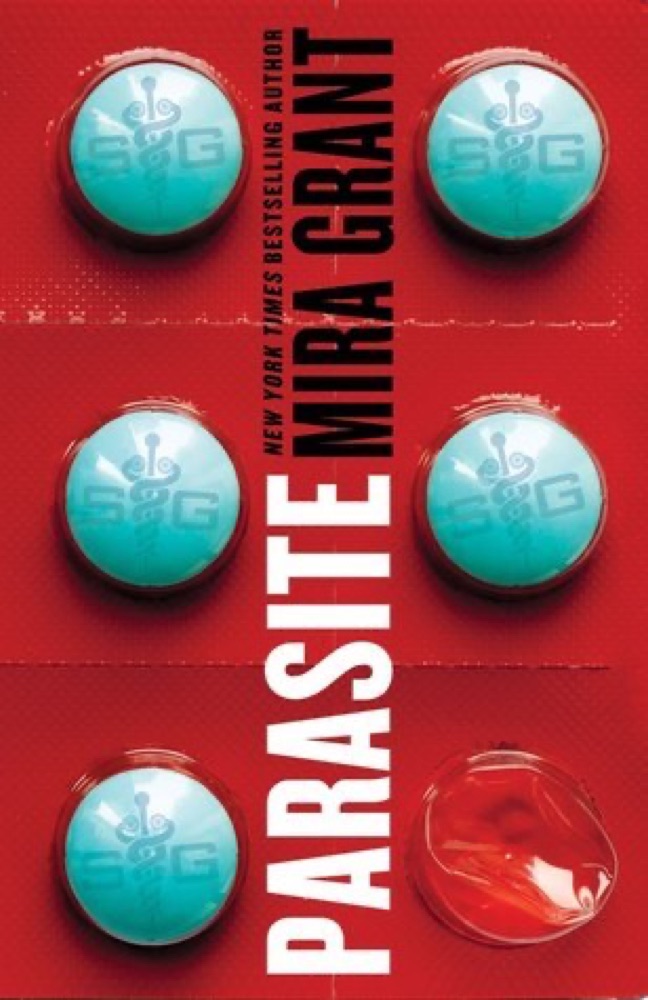 Parasite
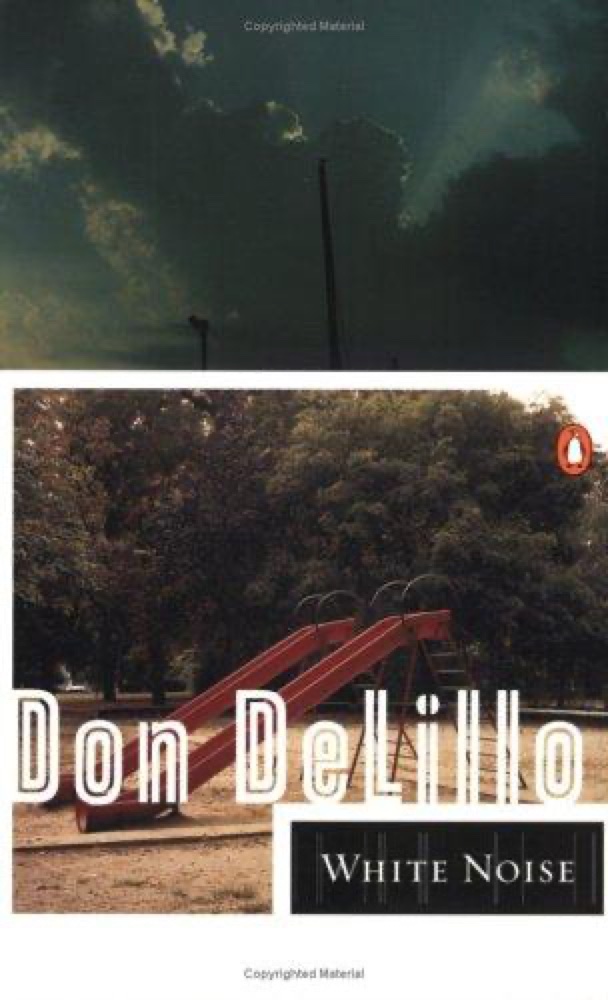 White Noise
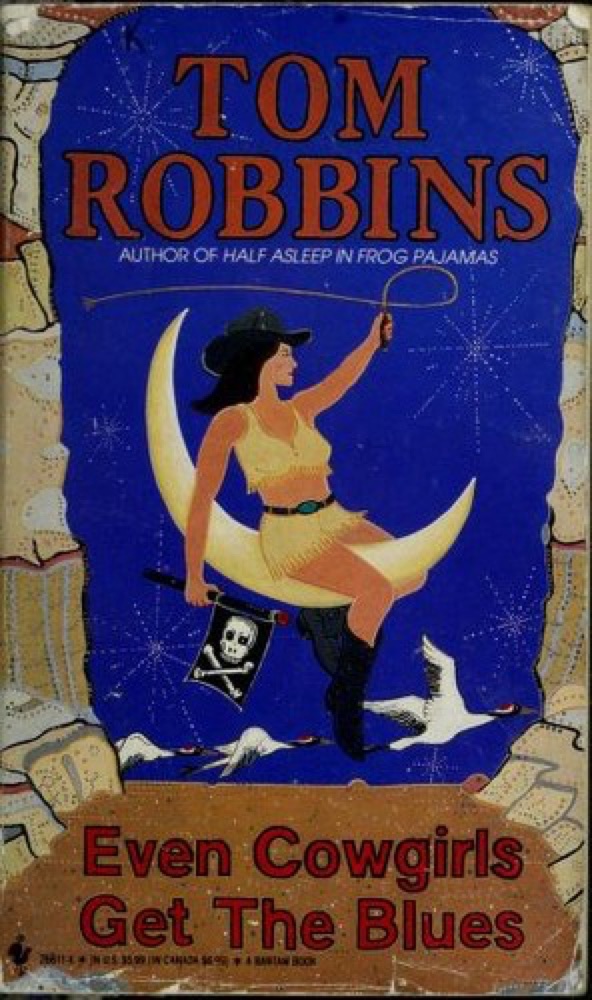 Even Cowgirls Get the Blues
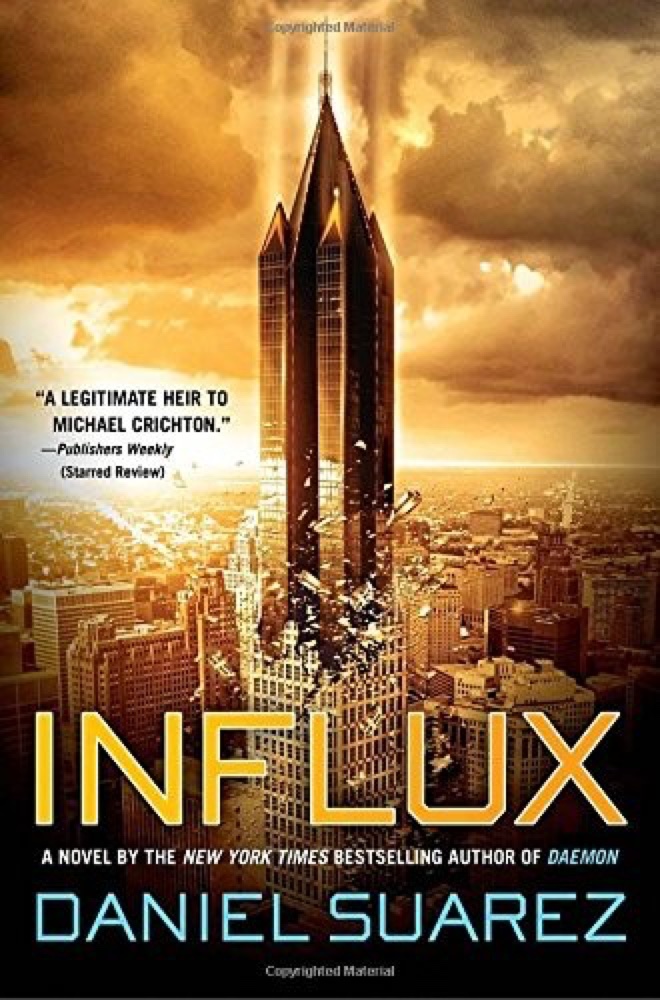 Influx
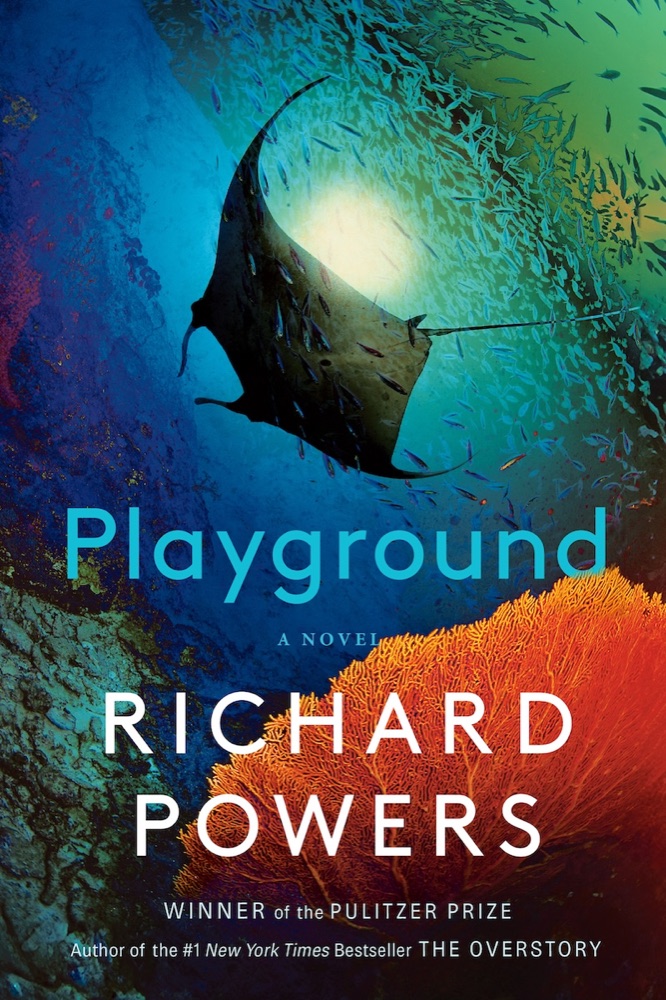 Playground
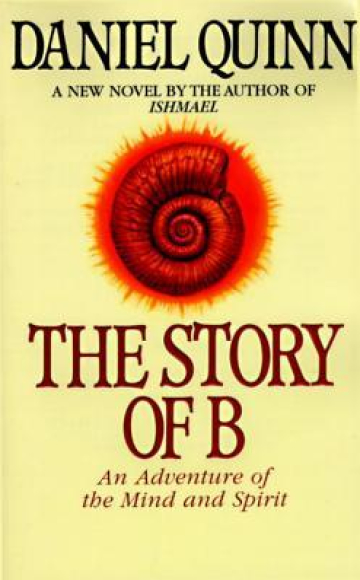 The Story of B: An Adventure of the Mind and Spirit
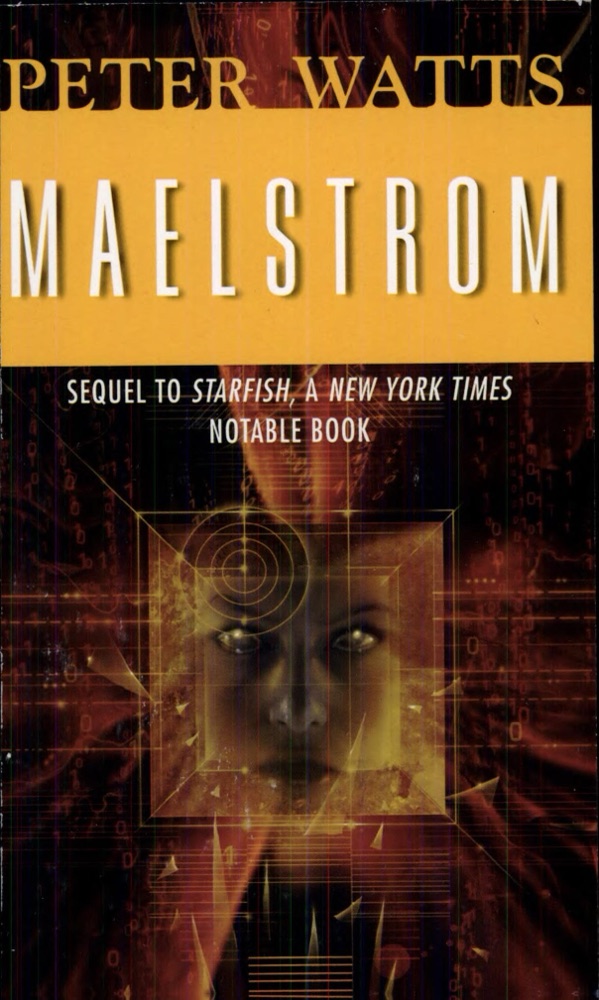 Maelstrom
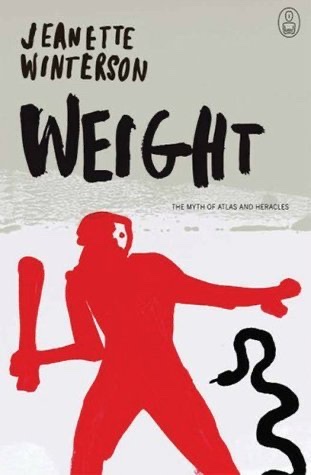 Weight: The Myth of Atlas and Heracles
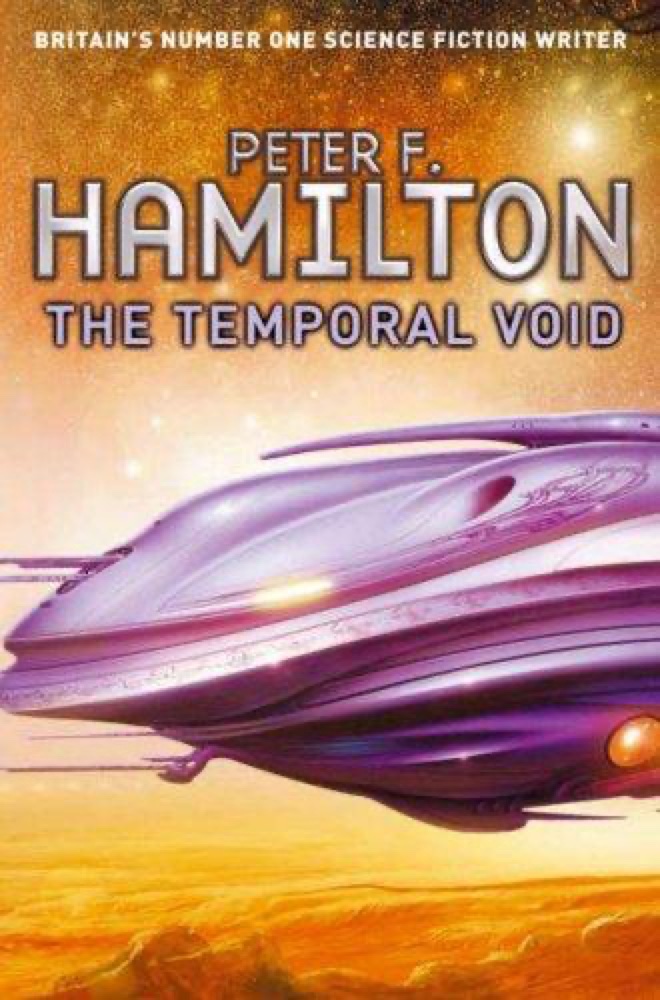 The Temporal Void
 The Grand Design
 Bewilderment
 The Man in the High Castle
 Living with a Wild God: A Nonbeliever's Search for the Truth about Everything
 The Golden Compass
 On the Steel Breeze
 The Varieties of Scientific Experience: A Personal View of the Search for God
 That Hideous Strength
 Island
 Walden Two
 Oryx and Crake
 The Midwich Cuckoos