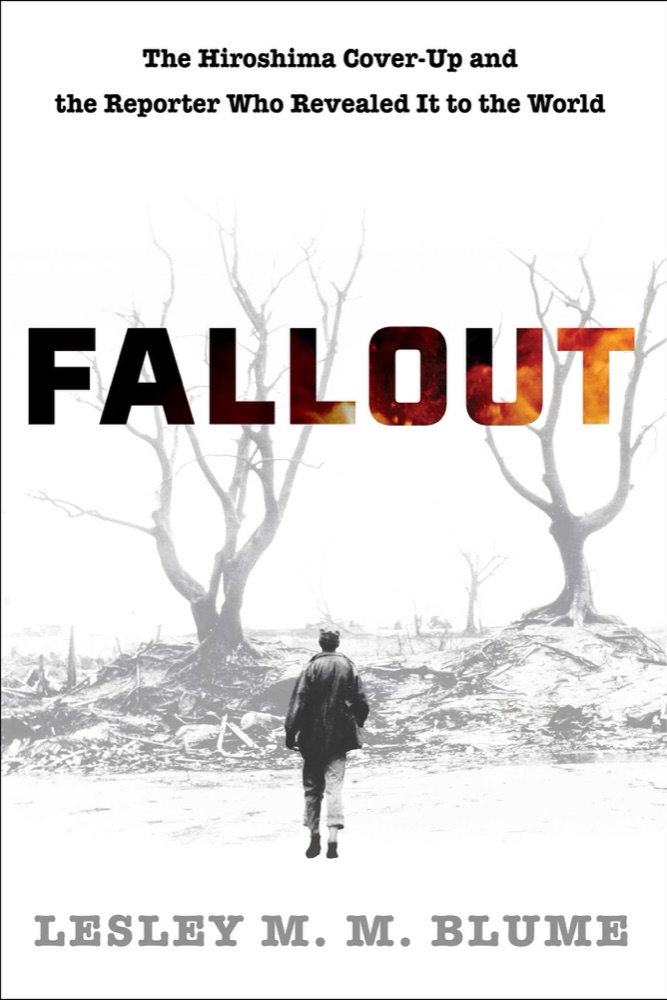

 Nuclear War: A Scenario
Quotes from the Book
the prognosis for civilization’s survival is grim; as Einstein said after the Japan bombings: “I do not know how the Third World War will be fought, but I can tell you what they will use in the Fourth—rocks.
2
Yet the greatest tragedy of the twenty-first century may be that we have learned so little from the greatest tragedies of the twentieth century. Apparently catastrophe lessons need to be experienced firsthand by each generation. So, here are some refreshers: Nuclear conflict may mean the end of life on this planet. Mass dehumanization can lead to genocide. The death of an independent press can lead to tyranny and render a population helpless to protect itself against a government that disdains law and conscience.
1
I covered it up, and John Hersey uncovered it,” [McCrary] stated. “That’s the difference between a P.R. man and a reporter.
1
Ross had long instructed Shawn that “we don’t cover the news; we parallel the news”;
1
hair-trigger mistake or misinterpretation between two nuclear powers that could lead to an immediate, irreversible nuclear confrontation. If such “slippage” occurred now, leaders could, in a matter of minutes, incite events that would wipe out all life on earth.
What private hopes had his conscription snatched from him?
I think that what has kept the world safe from the bomb since 1945 has not been a deterrence, in the sense of fear of specific weapons, so much as it’s been memory,” [Hersey] said in 1986, in a rare interview. “The memory of what happened at Hiroshima.
Hiroshima had become the document of record about the true human cost of nuclear war, and was destined to remain so for decades.
War is ethically totally different from peace,” [Conant] later stated
History is history,” the Times concluded. “It cannot be undone. [But] [sic] the future is still ours to help make.
The disasters at Hiroshima and Nagasaki were our handiwork,” the Times editorial stated. “They were defended then, and are defended now, by the argument that they saved more lives than they took – more lives of Japanese as well as more lives of Americans. The argument may be sound or it may be unsound. One may think it sound when he recalls Tarawa, Iwo Jima, or Okinawa. One may think it unsound when he reads Mr. Hersey.
Every American who has permitted himself to make jokes about atom bombs, or who has come to regard them as just one sensational phenomenon that can now be accepted as part of civilization, like the airplane and the gasoline engine… ought to read Mr. Hersey,” the editorial read.
After the war, the Germans had professed that they hadn’t known what happened in their concentration camps, the editorial pointed out; Americans were now in a comparable position and looked like “amoral fools.” Hiroshima had not been treated as a crime because it was a victor’s handiwork.
…Hiroshima terrified Hersey from the moment he arrived; the fact that a single bomb had caused this destruction would torment him throughout the duration of his assignment.
Summoned by Congress that November to testify about use of the bombs on Japan and their after-effects, the [General Groves] eventually conceded that radiation had been responsible for some of the deaths in the atomic cities, but informed the Senate Special Committee on Atomic Energy that doctors had assured him that radiation poisoning “is a very pleasant way to die.
How simple it is to scoop the world, even if a flock of other journalists have the same facts and the same opportunities,” [Ross] told Flanner.
Hiroshima was a decimated “death laboratory” littered with the corpses of “human guinea pigs”…
Upon hearing the news about Hiroshima, Hersey was immediately overwhelmed by a sense of despair.
…Little Boy, was already considered primitive by the time Hersey wrote his 1946 story just months after the bomb’s detonation.
But as the document of record – read over years by millions around the world – graphically showing what nuclear warfare truly looks like, and what atomic bombs do to humans, “Hiroshima” has played a major role in preventing nuclear war since the end of World War II. In 1946, Hersey’s story was the first truly effective, internationally heeded warning about the existential threat that nuclear arms posed to civilisation. It has since helped motivate generations of activists and leaders to prevent nuclear war, which would likely end the brief human experiment on earth. We know what atomic apocalypse would look like because John Hersey showed us. Since the release of “Hiroshima,” no leader or party could threaten nuclear action without an absolute knowledge of the horrific results of such an attack.
The published images of Hiroshima’s demolished landscape gravely undersold the reality of atomic aftermath.
The few journalists attempting to report on the atomic cities in the weeks immediately following the bombings were threatened with expulsion from Japan, harassed by U.S. officials, and accused of spreading Japanese propaganda…
The United States – which had just won a painfully earned moral and military victory over the Axis powers – was not eager to “get the reputation for outdoing Hitler in atrocities,” as the country’s secretary of war put it.
(The Ross editing experience could be like “being stung to death by an army of gnats,” one New Yorker writer recalled.)
If our concept of… civilization was to mean anything,” he stated, “we had to acknowledge the humanity of even our misled and murderous enemies.” When he got into Japan, and then into Hiroshima—no small feat in an occupied country closely controlled by General Douglas MacArthur and his forces—Hersey managed to interview dozens of blast survivors.
The opportunity to learn from history's tragedies has not yet passed.
The figure of the journalist was becoming more important than what was being written about.
Watch on YouTube
About Lesley M.M. Blume
We have collected 27 quotes from 1 book by Lesley M.M. Blume on BookQuoters.
More about the author →About the book
New York Times bestselling author Lesley M.M. Blume reveals how one courageous American reporter uncovered one of the deadliest cover-ups of the 20th century—the true effects of the atom bomb—potentially saving millions of lives. Just days after the United States decimated Hiroshima and Nagasaki with nuclear bombs, the Japanese surrendered unconditionally. But even before the surrender, the US government and military had begun a secret propaganda and information suppression campaign to hide the devastating nature of these experimental weapons. The cover-up intensified as Occupation forces closed the atomic cities to Allied reporters, preventing leaks about the horrific long-term effects of radiation which would kill thousands during the months after the blast. For nearly a year the cover-up worked—until New Yorker journalist John Hersey got into Hiroshima and managed to report the truth
Book details
- First published
- 2020
- Author
- Lesley M.M. Blume
- Genre
- History
- Goodreads rating
- 4.09 (3k ratings)
The buzz
- The New York TimesReview in The New York Timesprofessional review (via Book Marks)
- The Washington PostReview in The Washington Postprofessional review (via Book Marks)
- The Wall Street JournalReview in The Wall Street Journalprofessional review (via Book Marks)
- Kirkus ReviewsReview in Kirkus Reviewsprofessional review (via Book Marks)
- Publishers WeeklyReview in Publishers Weeklyprofessional review (via Book Marks)
- BooklistReview in Booklistprofessional review (via Book Marks)
Keep reading
Nuclear War: A Scenario
 Flyboys: A True Story of Courage
 The Rape of Nanking
 The Coldest Winter: America and the Korean War
 American Prometheus: The Triumph and Tragedy of J. Robert Oppenheimer
 The Untold History of The United States
 The Girls of Atomic City: The Untold Story of the Women Who Helped Win World War II
 This Kind of War: A Study in Unpreparedness
 Bomb: The Race to Build—and Steal—the World's Most Dangerous Weapon
 One Year After
 Citizens of London: The Americans who Stood with Britain in its Darkest, Finest Hour
 The Second World War
 The Splendid and the Vile: A Saga of Churchill, Family, and Defiance During the Blitz
 One Second After
 Hiroshima
 The Making of the Atomic Bomb
 They Called Us Enemy
 The Last Lion: Winston Spencer Churchill: Alone, 1932-40
 Vietnam: An Epic Tragedy, 1945-1975
 Pacific Crucible: War at Sea in the Pacific, 1941-1942
 Facing the Mountain: A True Story of Japanese American Heroes in World War II
 Dispatches
 The Monuments Men: Allied Heroes, Nazi Thieves, and the Greatest Treasure Hunt in History
 Auschwitz: A Doctor's Eyewitness Account
 Babylon's Ashes
 Koba the Dread: Laughter and the Twenty Million
 The Guns at Last Light: The War in Western Europe, 1944-1945
 Diplomats & Admirals: From Failed Negotiations and Tragic Misjudgments to Powerful Leaders and Heroic Deeds, the Untold Story of the Pacific War from Pearl Harbor to Midway
 Japan's Infamous Unit 731: First-hand Accounts of Japan's Wartime Human Experimentation Program
 The Betrayal of Anne Frank: A Cold Case Investigation
 Executive Orders
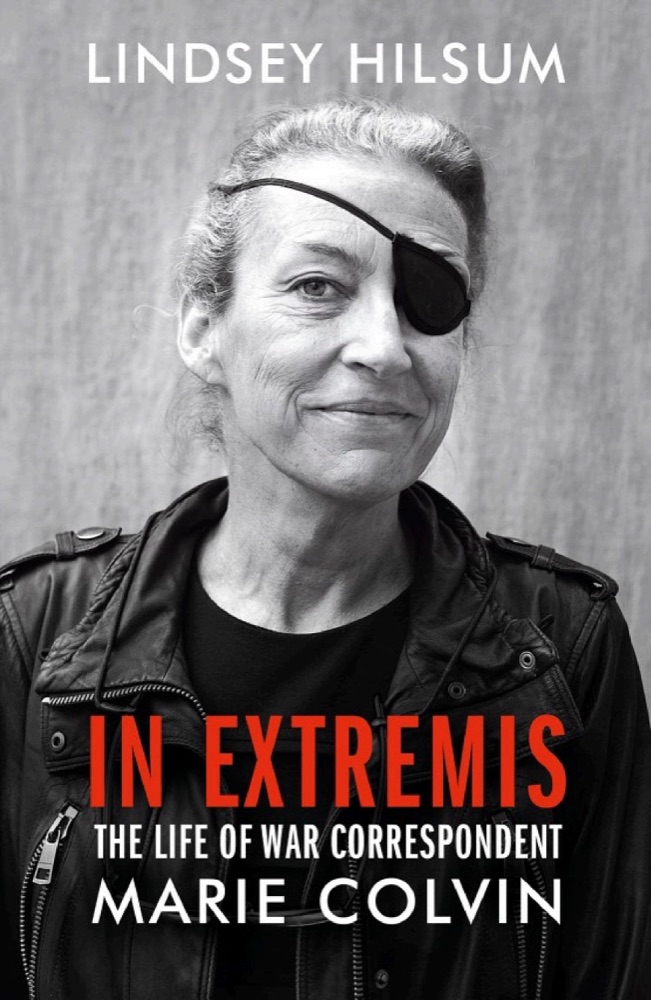 In Extremis: The Life of War Correspondent Marie Colvin
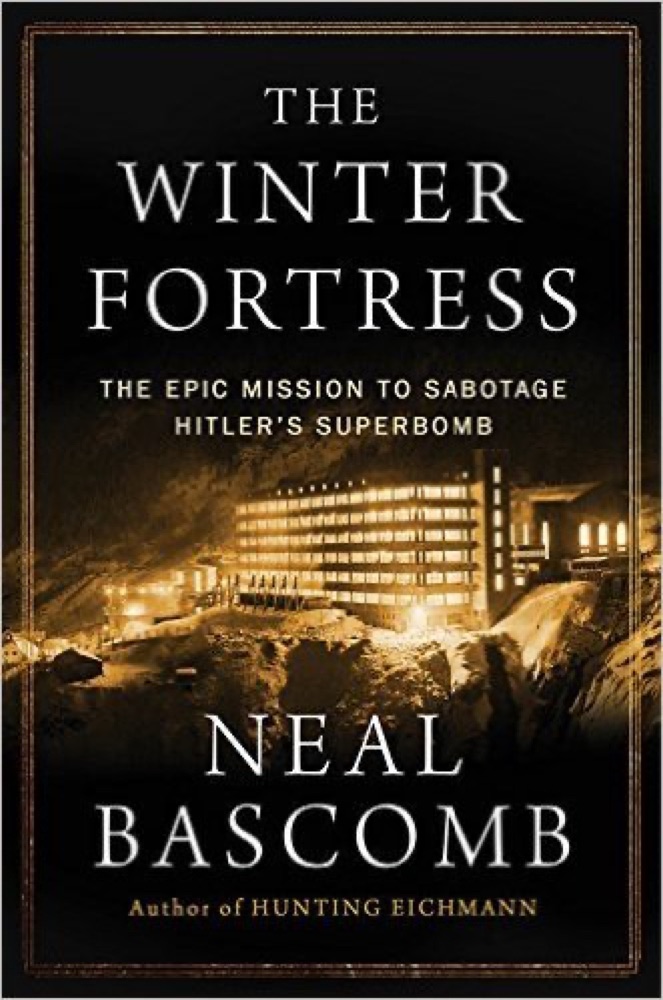 The Winter Fortress: The Epic Mission to Sabotage Hitler's Atomic Bomb
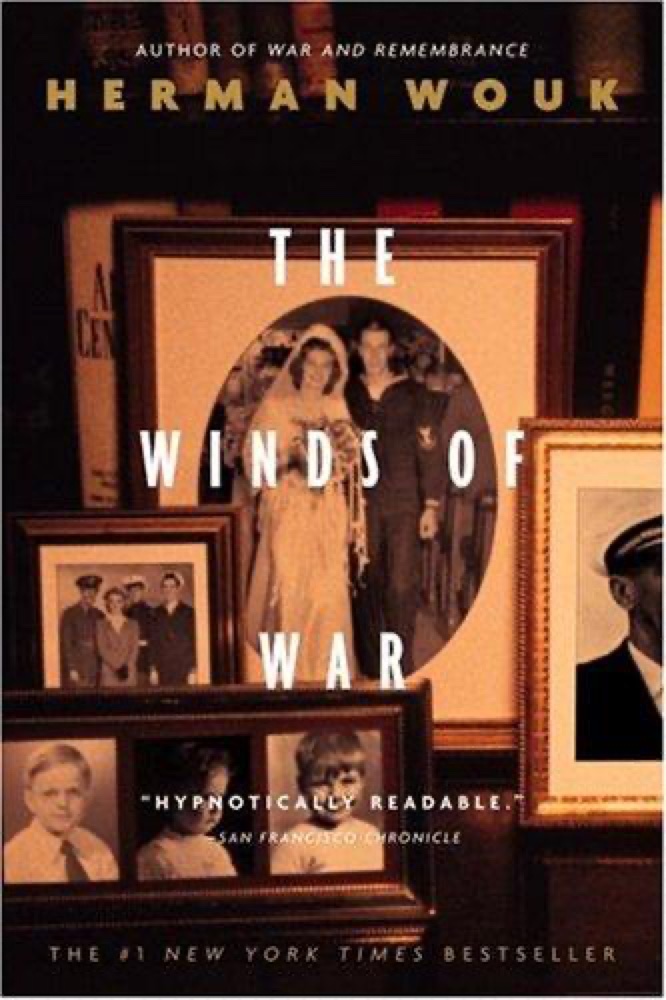 The Winds of War
 Agent Zigzag: A True Story of Nazi Espionage, Love, and Betrayal
 Radio Free Albemuth
 American War
 The Last Lion 3: Winston Spencer Churchill: Defender of the Realm, 1940-1965
 The Fifties
 The Best and the Brightest
 The Association of Small Bombs
 Wastelands: Stories of the Apocalypse
 Imperial Ambitions: Conversations on the Post-9/11 World
 Under the Same Stars
 The Light of Days: The Untold Story of Women Resistance Fighters in Hitler's Ghettos
 The Guns of August
 Closing the Ring
 The Greatest Generation
 Voices from Chernobyl: The Oral History of a Nuclear Disaster
 Winter of the World
 Dead Fall
 Fall of Giants
 The Librarian of Burned Books
 The Honourable Schoolboy
 Girl at War
 Ghost Soldiers: The Epic Account of World War II's Greatest Rescue Mission
 The Woman Who Smashed Codes: A True Story of Love, Spies, and the Unlikely Heroine who Outwitted America's Enemies
 The Jakarta Method: Washington's Anticommunist Crusade and the Mass Murder Program that Shaped Our World
 A Better World
 The Water Knife