
 What Strange Paradise
Quotes from the Book
You fight the war with guns, you fight the peace with stories.
59
It seemed sensible to crave safety, to crave shelter from the bombs and the Birds and the daily depravity of war. But somewhere deep in her mind an idea had begun to fester-perhaps the longing for safety was itself just another kind of violence-a violence of cowardice, silence, submission. What was safety, anyway, but the sound of a bomb falling on someone else's home?
37
This country has a long history of defining its generations by the conflicts that should have killed them.
28
Rage wrapped itself around her like a tourniquet, keeping her alive even as it condemned a part of her to atrophy.
14
Sarat smiled at the thought. "You couldn't just let us kill ourselves in peace, could you?" "Come now," said Yousef. "Everyone fights an American war.
11
And what she understood - what none of the ones who came to touch Simon's forehead understood - was that the misery of war represented the world's only truly universal language. Its native speakers occupied different ends of the world, and the prayers they recited were not the same and the empty superstitions to which they clung so dearly were not the same - and yet they were. War broke them the same way, made them scared and angry and vengeful the same way. In times of peace and good fortune they were nothing alike, but stripped of these things they were kin. The universal slogan of war, she'd learned, was simple: If it had been you, you'd have done no different.
10
It is said in the South there is no future, only three kinds of past - the distant past of heritage, the near past of experience, and the past-in-waiting.
7
Sarat thought about how easy it would be to fix the mistake, to simply redraw the stars properly. But she knew that even broken history is history. The stars, cast wrong, must remain that way. It would be more wrong to change them.
7
Katrina hated to see the widows in black. They struck her as relics of their own making, frozen in permanent deference to reckless or foolish or simply unfortunate men who were nonetheless dead and sealed away in the earth forever. Husbands never wore black. Husbands were never confined to that kind of passive declaration, were never compelled to sulk across the world for the remainder of their lives, walking signposts of mourning. Husbands were permitted rage, permitted wrath, permitted to avenge their loss by marching out and inflecting on others the very same carnage once inflicted on them. It seemed to Karina further proof that wartime was the only time the world became as simple and carnivorously liberating as it must exist at all times in men's minds. Some of the women she met never used their own names again - she knew them only as Widow This or Widow That - but she'd never met a Widower Anything.
7
What was safety, anyway, but the sound of a bomb falling on someone else's home?
6
That’s what an empire is,” he said, “an orchestrator of gravity, a sun around which all weaker things spin.
6
All these old men want it to be like it was when they were young. But it'll never be like that again, and they'll never be young again, no matter what they do.
6
They didn’t understand, they just didn’t understand. You fight the war with guns, you fight the peace with stories.
6
What is the first anesthetic? Wealth. And if I take your wealth? Necessities. And if I demolish your home, burn your fields? Acknowledgement. And if I make it taboo to sympathize with your plight? Family. And if I kill your family? God. And God... ...Hasn't said a word in two thousand years. (136)
5
the misery of war represented the world’s only truly universal language. Its
5
It seemed to Karina further proof that wartime was the only time the world became as simple and carnivorously liberating as it must exist at all times in men's minds.
4
You got the sense from being around them that no war in the history of South Carolina had ever ended, that they were still fighting all of them at once.
4
I’m sorry, Sarat.” “Why’d you do it?” she asked me. “I just wanted to know.” “Don’t ever apologize for that,” she said. “That’s all there is to life, is wanting to know.
3
Her anger at the young woman's stubbornness quickly prompted recollections of all the times she'd found herself on one side or another of these meaningless, bigoted demarcations; all the times she'd been made to feel alien to some stranger's expectation of what constituted the right and normal world---the color of her skin, the ethnicity of the man she'd chosen to marry, even her tomboy daughter.
3
perhaps the longing for safety was itself just another kind of violence—a violence of cowardice, silence, submission.
2
But somewhere deep in her mind an idea had begun to fester—perhaps the longing for safety was itself just another kind of violence—a violence of cowardice, silence, submission. What was safety, anyway, but the sound of a bomb falling on someone else’s home?
2
Nativism being a pyramid scheme, I found myself contemptuous of the refugees’ presence in a city already overburdened. At the foot of the docks, we yelled at them to go home, even though we knew home to be a pestilence field. We carried signs calling them terrorists and criminals and we vandalized the homes that would take them in. It made me feel good to do it, it made me feel rooted; their unbelonging was proof of my belonging.
2
sided with the Red because when a Southerner tells you what they’re fighting for—be it tradition, pride, or just mule-headed stubbornness—you can agree or disagree, but you can’t call it a lie. When a Northerner tells you what they’re fighting for, they’ll use words like democracy and freedom and equality and the whole time both you and they know that the meaning of those words changes by the day, changes like the weather. I’d had enough of all that. You pick up a gun and fight for something, you best never change your mind. Right or wrong, you own your cause and you never, ever change your mind.
2
Your side fought the war, but the war never happened to you. In the Red country the war happened.
2
All her life she'd had little interest in the workings of boys' minds, which she imagined only as a set of flimsy pinwheels turning in the direction of obvious things.
2
...she was overcome by anger and a rabid desire to ruin those who’d ruined her.
2
She soon learned that to survive atrocity is to be made an honorary consul to a republic of pain. There existed unspoken protocols governing how she was expected to suffer. Total breakdown, a failure to grieve graciously, was a violation of those rules. But so was the absence of suffering, so was outright forgiveness.What she and others like her were allowed was a kind of passive bereavement, the right to pose for newspaper photographs holding framed pictures of their dead relations in their hands, the right to march in boisterous but toothless parades, the right to call for an end to bloodshed as though bloodshed were some pest or vagrant who could be evicted or run out of town. As long as she adhered to those rules, moved within those margins, she remained worthy of grand, public sympathy.
2
In the course of her letter writing, she’d learned a few things about the subtle peculiarities of the South’s power brokers. The Mississippi Sovereigns, like most other rebel groups, preferred to be addressed as Brothers; letters to Mr. Sharif, the director of Camp Patience, were exclusively read and acted upon by his secretary, but could never be addressed to his secretary; the Free Southern State government in Atlanta had a perfect record of responding to every letter, but no sooner than two years after the fact. She learned which methods of attack worked and which didn’t. Any familial relation between appellant and recipient, no matter how tenuous, was to be ruthlessly exploited; pictures of dead relatives or horrific war wounds never did any good, although the refugees in possession of such images invariably demanded they be sent anyway; a direct offer of bribery was more likely than not to elicit an insulted response, but an offer to make a donation to a cause of the recipient’s choosing got the same message across more tactfully. It was, in the end, hopeless work, the letters almost always doomed to fail. But for the refugees who paid or begged Martina to write these pleadings on their behalf, hopelessness was no impediment to hope.
2
Watch on YouTube
About Omar El Akkad
We have collected 83 quotes from 3 books by Omar El Akkad on BookQuoters.
More about the author →More by Omar El Akkad
What Strange Paradise
 One Day, Everyone Will Have Always Been Against This
About the book
An audacious and powerful debut novel: a second American Civil War, a devastating plague, and one family caught deep in the middle a story that asks what might happen if America were to turn its most devastating policies and deadly weapons upon itselfSarat Chestnut, born in Louisiana, is only six when the Second American Civil War breaks out in 2074. But even she knows that oil is outlawed, that Louisiana is half underwater, and that unmanned drones fill the sky. When her father is killed and her family is forced into Camp Patience for displaced persons, she begins to grow up shaped by her particular time and place. But not everyone at Camp Patience is who they claim to be. Eventually Sarat is befriended by a mysterious functionary, under whose influence she is turned into a deadly instrument of war. The decisions that she makes will have tremendous consequences not just for Sarat but fo
Book details
- First published
- 2017
- Author
- Omar El Akkad
- Genre
- Fiction
- Goodreads rating
- 3.81 (44k ratings)
The buzz
- The New York TimesReview in The New York Timesprofessional review (via Book Marks)
- The Washington PostReview in The Washington Postprofessional review (via Book Marks)
- The Wall Street JournalReview in The Wall Street Journalprofessional review (via Book Marks)
- The GuardianReview in The Guardianprofessional review (via Book Marks)
- Los Angeles TimesReview in Los Angeles Timesprofessional review (via Book Marks)
- The Boston GlobeReview in The Boston Globeprofessional review (via Book Marks)
Keep reading
 The Wars
 Girl at War
 Dispatches
 Dust Child
 Queen of Fire
 Last First Snow
 Under the Same Stars
 War Is a Force That Gives Us Meaning
 The Book of My Lives
 Tree of Smoke
 Sorrowland
 The Forgotten Soldier
 Honor
Honor
 The Huntress
 The Brutal Telling
 The Moon Is Down
 The Wasted Vigil
 Transcription
 The Underground Railroad
 An Extraordinary Union
 A Rumor of War: The Classic Vietnam Memoir
 The Prophets
 A People's Future of the United States: Speculative Fiction from 25 Extraordinary Writers
 Zinky Boys: Soviet Voices from the Afghanistan War
What Strange Paradise
Zinky Boys: Soviet Voices from the Afghanistan War
What Strange Paradise
 Another Country
 Men We Reaped
 Leave the World Behind
 A Rule Against Murder
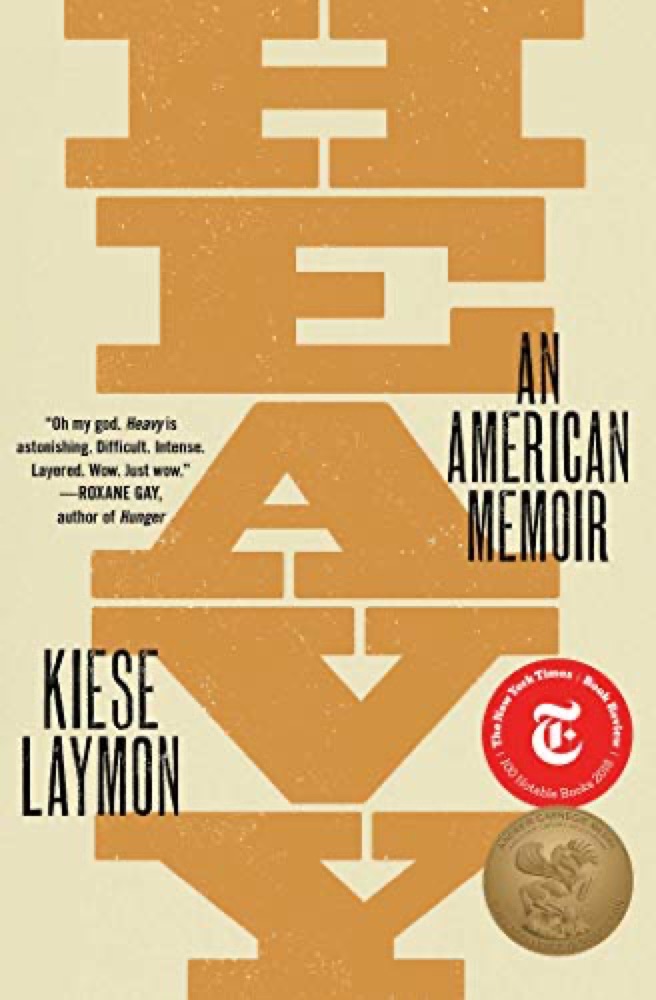 Heavy
Heavy
 The Eighth Life
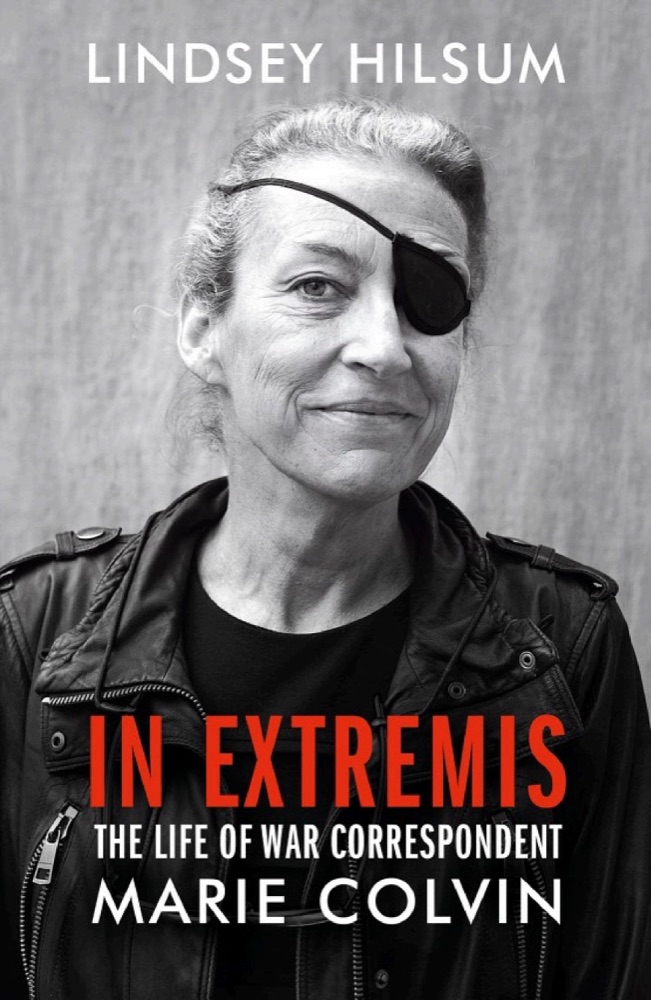 In Extremis: The Life of War Correspondent Marie Colvin
 Babylon's Ashes
 The Bone Tree
 Blood on the Tracks
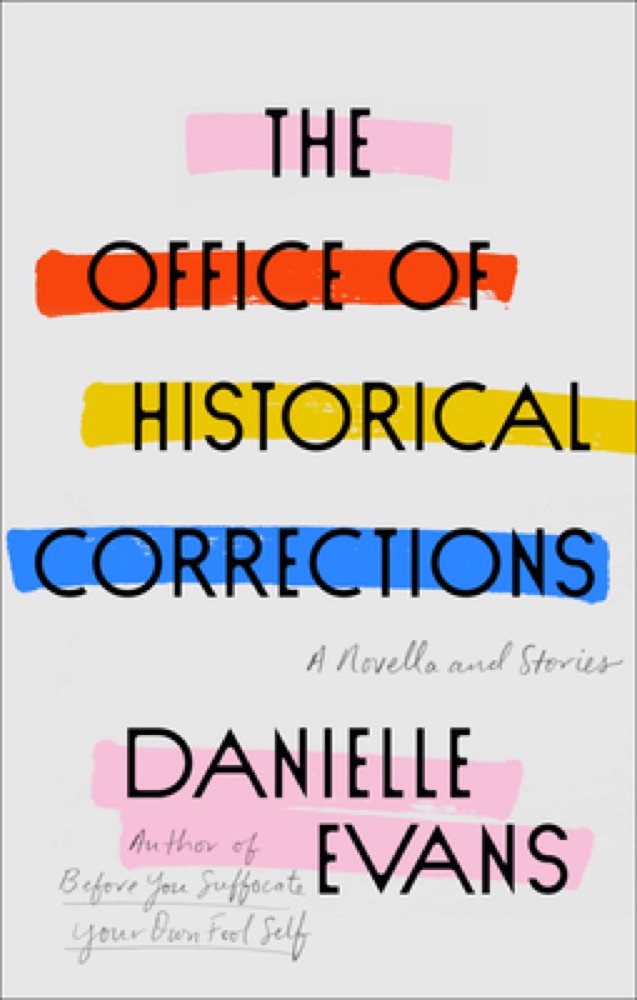 The Office of Historical Corrections
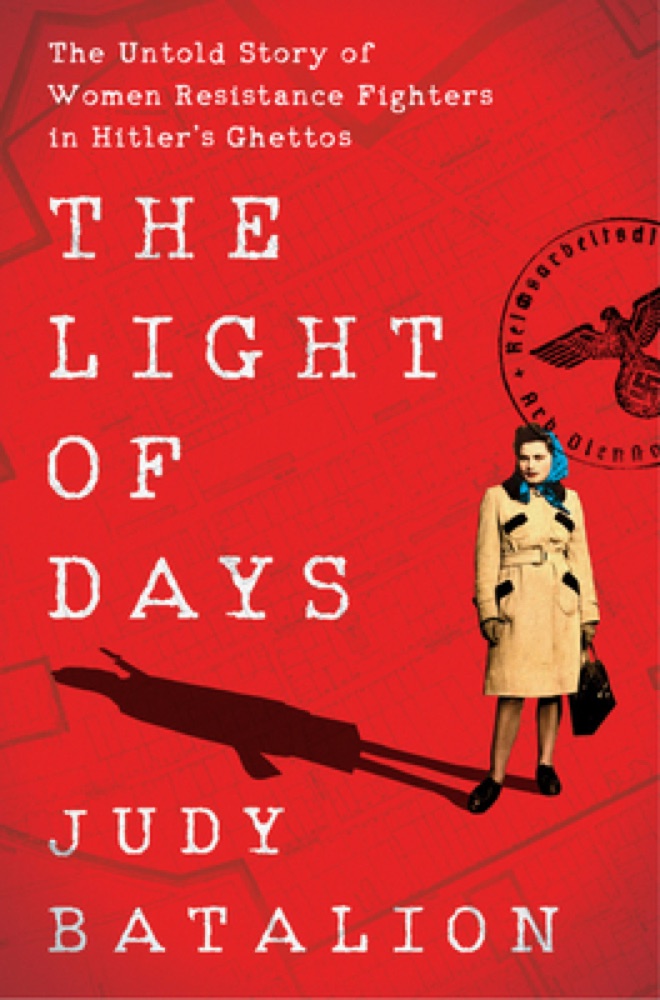 The Light of Days: The Untold Story of Women Resistance Fighters in Hitler's Ghettos
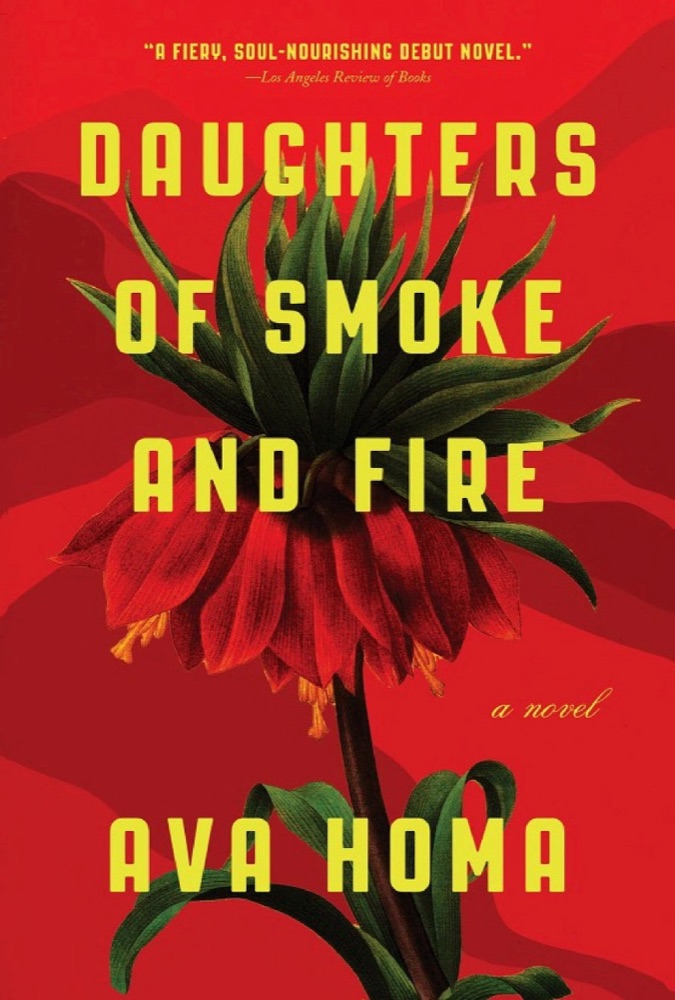 Daughters of Smoke and Fire
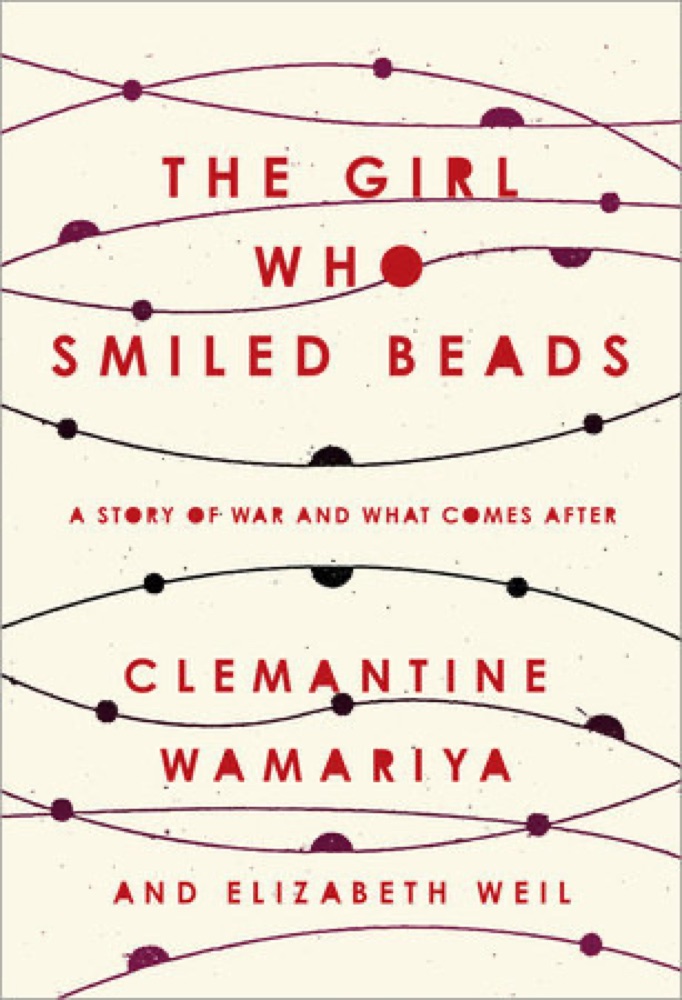 The Girl Who Smiled Beads: A Story of War and What Comes After
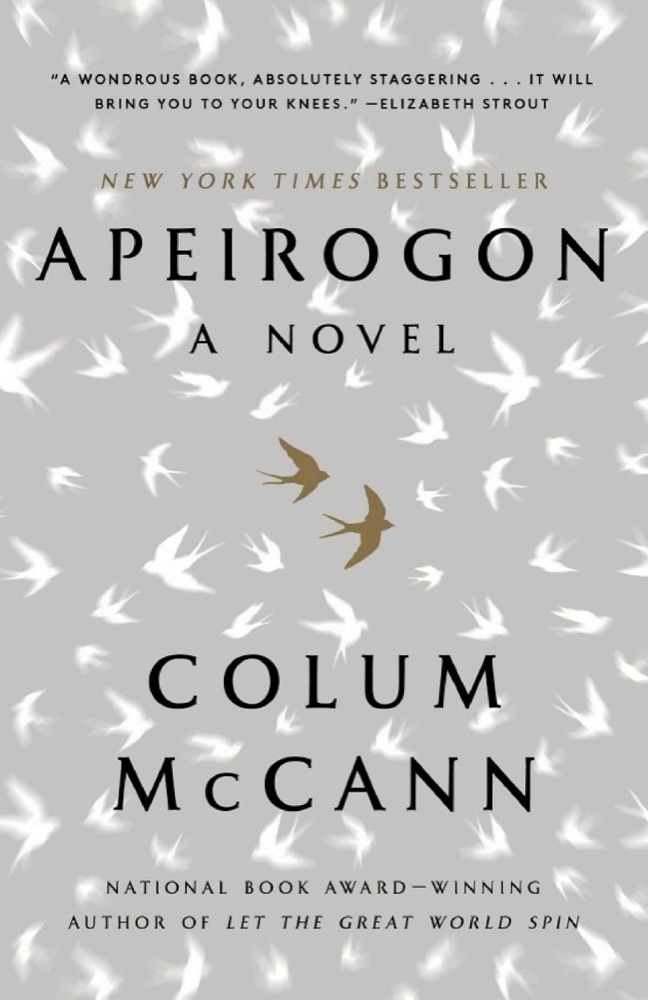 Apeirogon
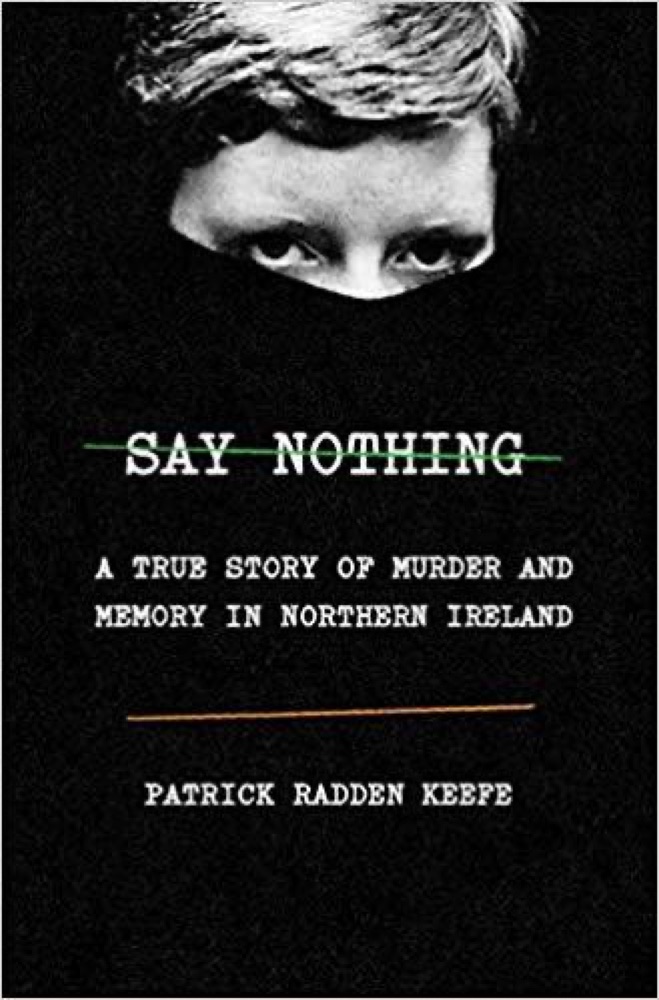 Say Nothing: A True Story of Murder and Memory in Northern Ireland
 Close
Close
 Salt to the Sea
 Against the Day
 United States of Japan
 Use of Weapons
 The Road Back
 Matterhorn
 Homegoing
 The Complete Stories
 The Association of Small Bombs
 The Killer Angels
 The Last Mortal Bond
 Dust
Dust
 Bury Your Dead
 Woken Furies
 A Thousand Moons
 The Unvanquished
 Burn Down Master's House
 The Burning God