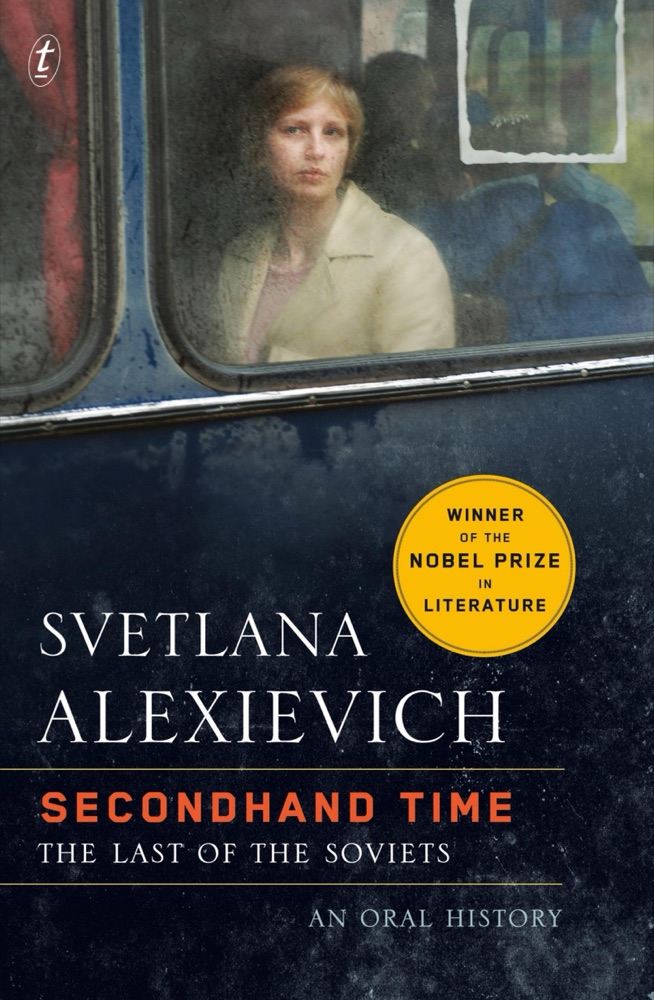
 Secondhand Time: The Last of the Soviets
Quotes from the Book
Death is the fairest thing in the world. No one's ever gotten out of it. The earth takes everyone - the kind, the cruel, the sinners. Aside from that, there's no fairness on earth.
326
I'm not afraid of God. I'm afraid of man.
66
Come get your apples! Chernobyl apples!’ Someone told her not to advertise that, no one will buy them. ‘Don’t worry!’ she says. ‘They buy them anyway. Some need them for their mother-in-law, some for their boss.
41
Chernobyl is like the war of all wars. There’s nowhere to hide. Not underground, not underwater, not in the air.
39
Show me a fantasy novel about Chernobyl--there isn't one! Because reality is more fantastic.
34
Reality has always attracted me like a magnet, tortured and hypnotized me, and I wanted to capture it on paper. So I immediately appropriated this genre of actual human voices and confessions, witness evidences and documents. This is how I hear and see the world—as a chorus of individual voices and a collage of everyday details. In this way all my mental and emotional potential is realized to the full. In this way I can be simultaneously a writer, reporter, sociologist, psychologist and preacher.
33
We're often silent. We don't yell and we don't complain. We're patient, as always. Because we don't have the words yet. We're afraid to talk about it. We don't know how. It's not an ordinary experience, and the questions it raises are not ordinary. The world has been split in two: there's us, the Chernobylites, and then there's you, the others. Have you noticed? No one here points out that they're Russian or Belarussian or Ukrainian. We all call ourselves Chernobylites. "We're from Chernobyl." "I'm a Chernobylite." As if this is a separate people. A new nation.
31
Man lives with death, but he doesn’t understand what it is.
23
It's certainly true that Chernobyl, while an accident in the sense that no one intentionally set it off, was also the deliberate product of a culture of cronyism, laziness, and a deep-seated indifference toward the general population. The literature on the subject is pretty unanimous in its opinion that the Soviet system had taken a poorly designed reactor and then staffed it with a group of incompetents. It then proceeded, as the interviews in this book attest, to lie about the disaster in the most criminal way. In the crucial first ten days, when the reactor core was burning and releasing a steady stream of highly radioactive material into the surrounding areas, the authorities repeatedly claimed that the situation was under control. . . In the week after the accident, while refusing to admit to the world that anything really serious had gone wrong, the Soviets poured thousands of men into the breach. . . The machines they brought broke down because of the radiation. The humans wouldn't break down until weeks or months later, at which point they'd die horribly.
21
Everyone found a justification for themselves, an explanation. I experimented on myself. And basically I found out that the frightening things in life happen quietly and naturally. Zoya
18
People ask me: “Why don’t you take photos in color? In color!” But Chernobyl: literally it means black event. There are no other colors there.
15
There are many of us here. A whole street. That's what it's called--Chernobylskaya. These people worked at the station their whole lives. A lot of them still go there to work on a provisional basis, that's how they work there now, no one lives there anymore. They have bad diseases, they're invalids, but they don't leave their jobs, they're scared to even think of the reactor closing down. Who needs them now anywhere else? Often they die. In an instant. They just drop--someone will be walking, he falls down, goes to sleep, never wakes up. He was carrying flowers for his nurse and his heart stopped. They die, but no one's really asked us. No one's asked what we've been through. What we saw. No one wants to hear about death. About what scares them. But I was telling you about love. About my love... -- Lyudmila, Ignatenko, wife of deceased fireman, Vasily Ignatenko
15
I told you. There’s nothing heroic here, nothing for the writer’s pen. I had thoughts like, It’s not wartime, why should I have to risk myself while someone else is sleeping with my wife? Why me again, and not him? To be honest, I didn’t see any heroes there. I saw nutcases, who didn’t care about their own lives, and I had enough craziness myself, but it wasn’t necessary. I also have medals and awards—but that’s because I wasn’t afraid of dying. I didn’t care! It was even something of an out. They’d have buried me with honors. And the government would have paid for it.
14
There’s a fragment of some conversation, I’m remembering it. Someone is saying: “You have to understand: this is not your husband anymore, not a beloved person, but a radioactive object with a strong density of poisoning. You’re not suicidal. Get ahold of yourself.” And I’m like someone who’s lost her mind: “But I love him! I love him!” He’s sleeping, and I’m whispering: “I love you!” Walking in the hospital courtyard, “I love you.” Carrying his sanitary tray, “I love you.
13
The only righteous thing on the face of the earth is death. No one has ever bribed their way out of that. The earth takes us all: the good, the evil and the sinners. And that's all the justice you'll find in this world.
11
The mechanism of evil will work under conditions of apocalypse, also. That's what I understood. Man will gossip, and kiss up to the bosses, and save his television and ugly fur coat. And people will be the same until the end of time. Always.
11
We were told that we had to win. Against whom? The atom? Physics? The universe? Victory is not an event for us, but a process.
11
I often thought that the simples fact, the mechanical fact, is no closer to the truth than a vague feeling, rumor, vision. Why repeat the facts - they cover up our feelings. The development of these feelings, the spilling of these feelings past the facts, is what fascinantes me. I try to find them, collect them, protect them.
10
At that time my notions of nuclear power were utterly idyllic. At school and at the university we'd been taught that this was a magical factory that made "energy out of nothing," where people in white robes sat and pushed buttons. Chernobyl blew up when we weren't prepared.
9
We’ll die, and then we’ll become science,
8
He’s going to die.” I understood later on that you can’t think that way. I cried in the bathroom. None of the mothers cry in the hospital rooms. They cry in the toilets, the baths. I come back cheerful: “Your cheeks are red. You’re getting better.” “Mom, take me out of the hospital. I’m going to die here. Everyone here dies.” Now where am I going to cry? In the bathroom? There’s a line for the bathroom—everyone like me is in that line.
8
That’s how it was in the beginning. We didn’t just lose a town, we lost our whole lives.
8
I'm a product of my time. I'm not a criminal.
8
We all live through it by ourselves, we don't know what else to do. I can't understand it with my mind. My mother especially has felt confused. She teaches Russian literature, and she always taught me to live with books. But there are no books about this. She became confused. She doesn't know how to do without books. Without Chekhov and Tolstoy.
8
Así es como vivo. Vivo a la vez en un mundo real y en otro irreal. Y no sé dónde estoy mejor.
8
Watch on YouTube
About Svetlana Alexievich
We have collected 103 quotes from 4 books by Svetlana Alexievich on BookQuoters.
More about the author →More by Svetlana Alexievich
Secondhand Time: The Last of the Soviets
 War's Unwomanly Face
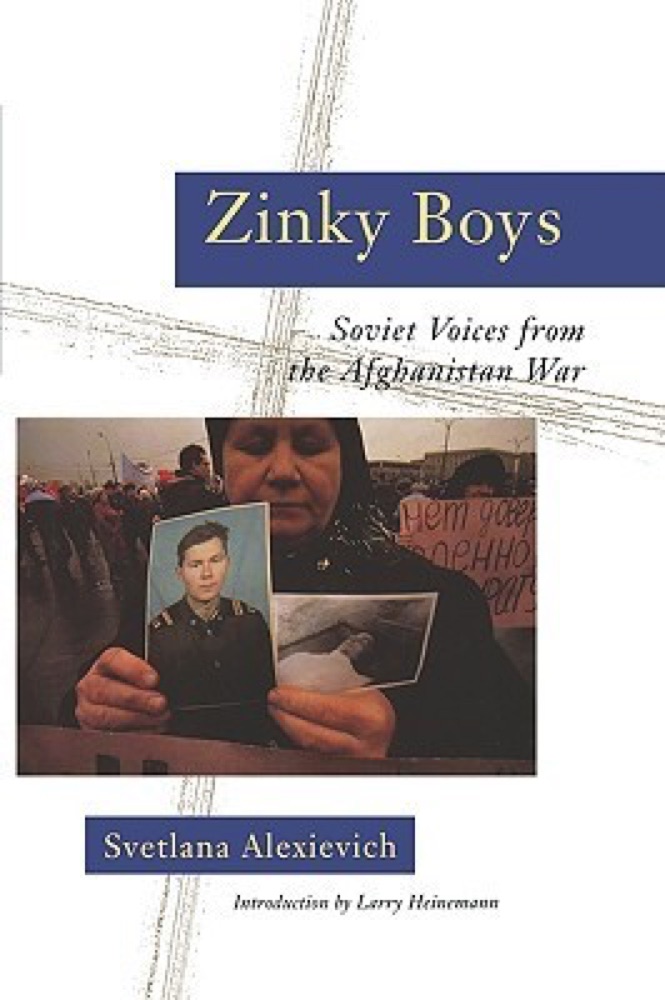 Zinky Boys: Soviet Voices from the Afghanistan War
About the book
Written by the winner of the Nobel Prize in Literature
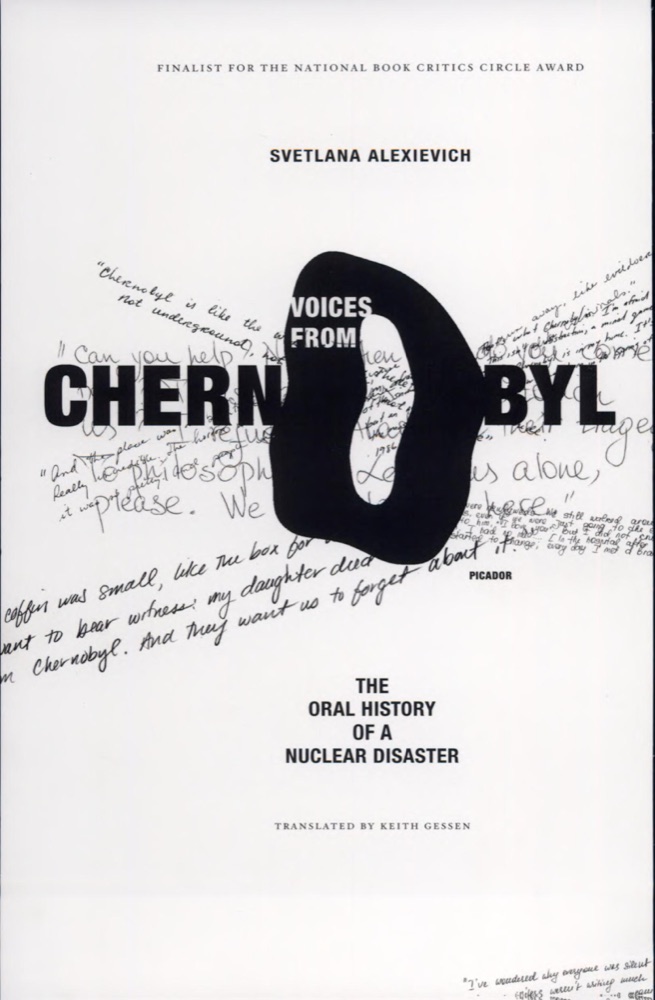
On April 26, 1986, the worst nuclear reactor accident in history occurred in Chernobyl and contaminated as much as three quarters of Europe. Voices from Chernobyl is the first book to present personal accounts of the tragedy. Journalist Svetlana Alexievich interviewed hundreds of people affected by the meltdown—from innocent citizens to firefighters to those called in to clean up the disaster—and their stories reveal the fear, anger, and uncertainty with which they still live. Composed of interviews in monologue form, Voices from Chernobyl is a crucially important work of immense force, unforgettable in its emotional power and honesty.
Book details
- First published
- 1997
- Author
- Svetlana Alexievich
- Genre
- Nonfiction
- Goodreads rating
- 4.40 (67k ratings)
The buzz
- The GuardianReview in The Guardianprofessional review (via Book Marks)
- NytiReview in Nytiprofessional review (via Book Marks)
- Publishers WeeklyReview in Publishers Weeklyprofessional review (via Book Marks)
- BooklistReview in Booklistprofessional review (via Book Marks)
- ThenationReview in Thenationprofessional review (via Book Marks)
- Complete ReviewReview in Complete Reviewprofessional review (via Book Marks)
Keep reading
Secondhand Time: The Last of the Soviets
 The Water Knife
 The Girl Who Smiled Beads: A Story of War and What Comes After
 Underground: The Tokyo Gas Attack and the Japanese Psyche
 Stella Maris
 Apocalypse Z: The Beginning of the End
 Robopocalypse
 World War Z: An Oral History of the Zombie War
 The Stone Gods
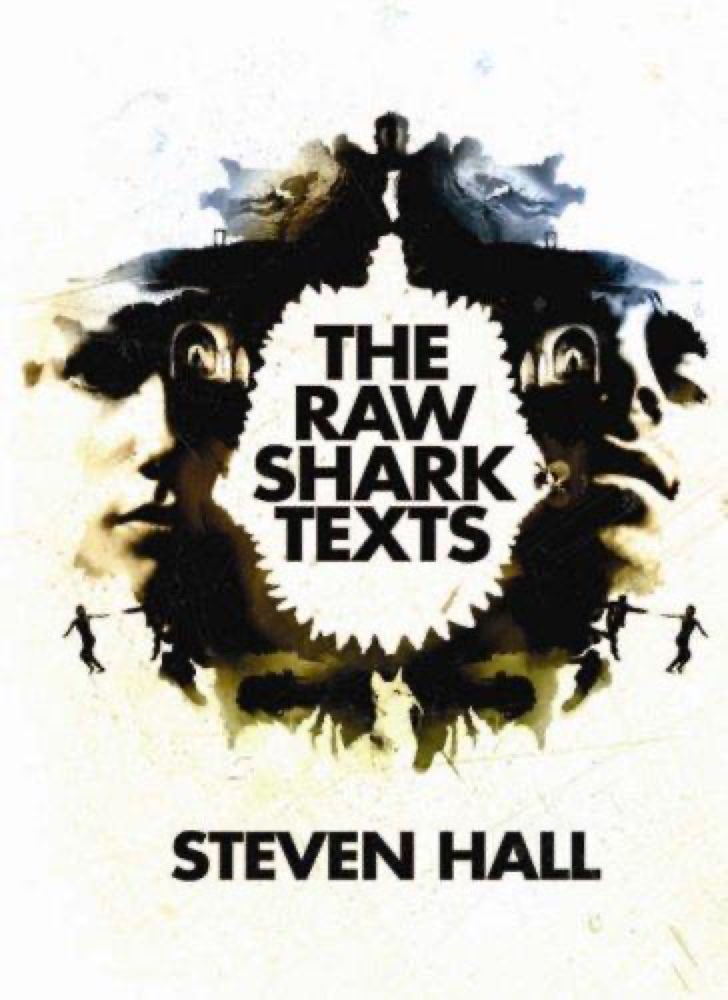 The Raw Shark Texts
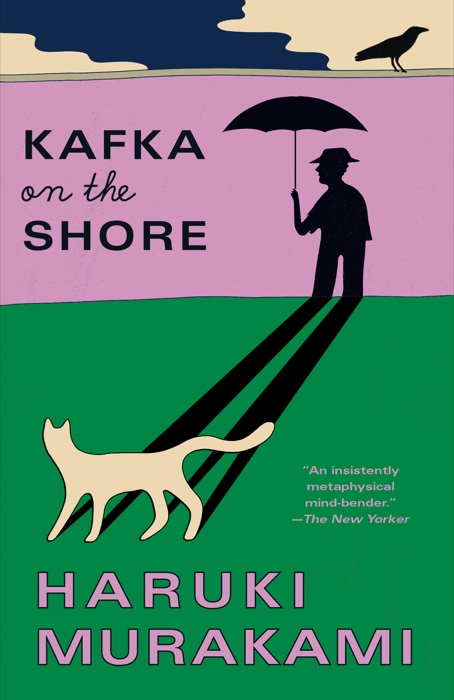 Kafka on the Shore
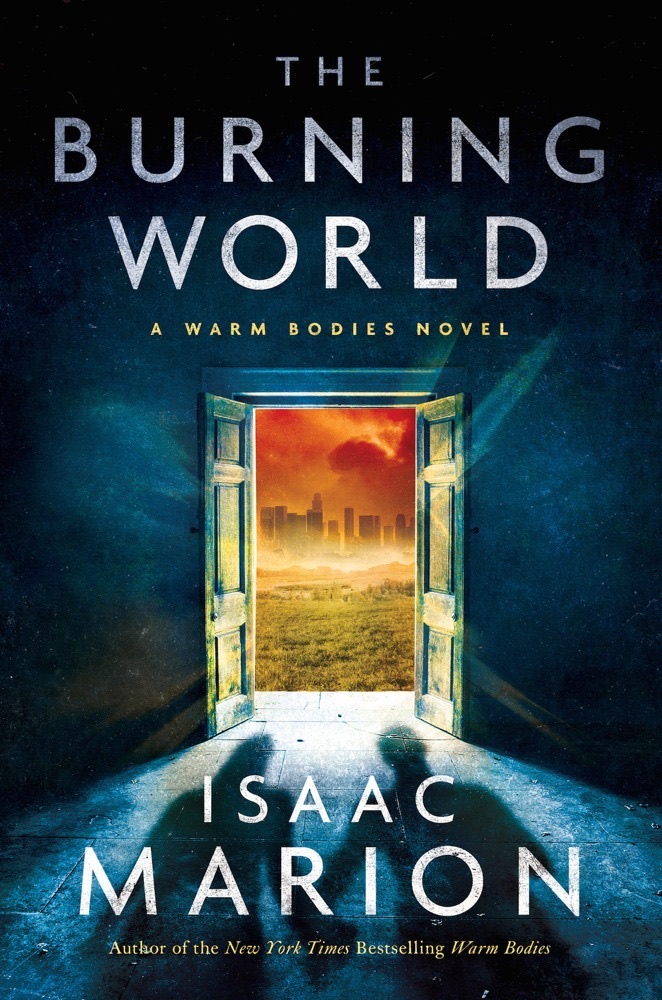 The Burning World
 Split Tooth
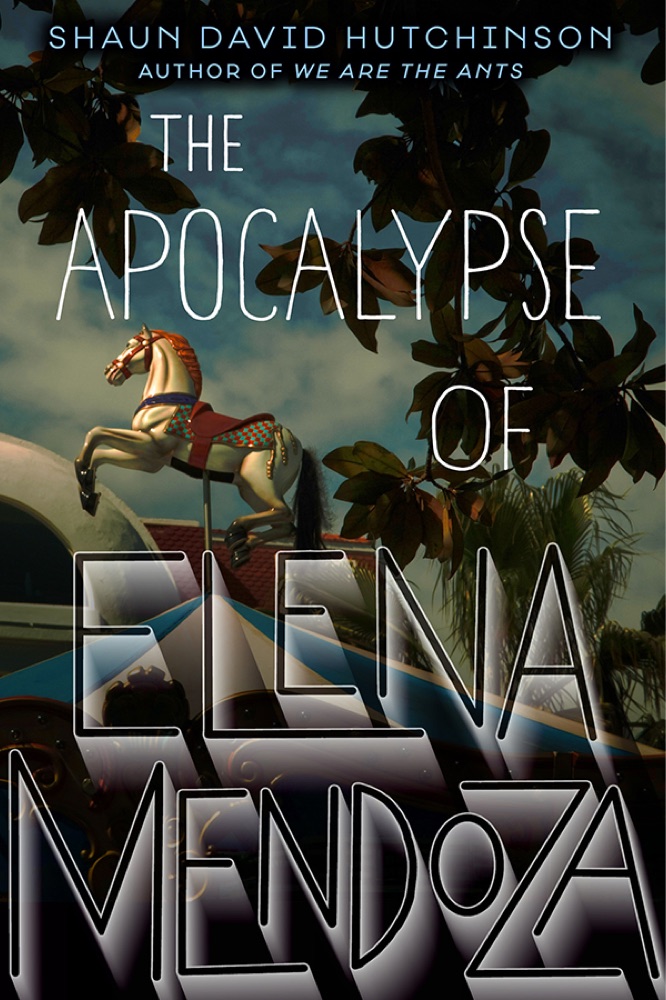 The Apocalypse of Elena Mendoza
 Watchmen
 Future Home of the Living God
 Wastelands: Stories of the Apocalypse
 The Aosawa Murders
 Drive Your Plow Over the Bones of the Dead
 The Empusium
 The Universe Versus Alex Woods
 Blackfish City
 Jailbird
 The Future
 A Woman in Berlin: Eight Weeks in the Conquered City: A Diary
 Gnomon
 The Ministry for the Future
 The Book of Joan
 Close to the Knives: A Memoir of Disintegration
 The Gulag Archipelago 1918-1956
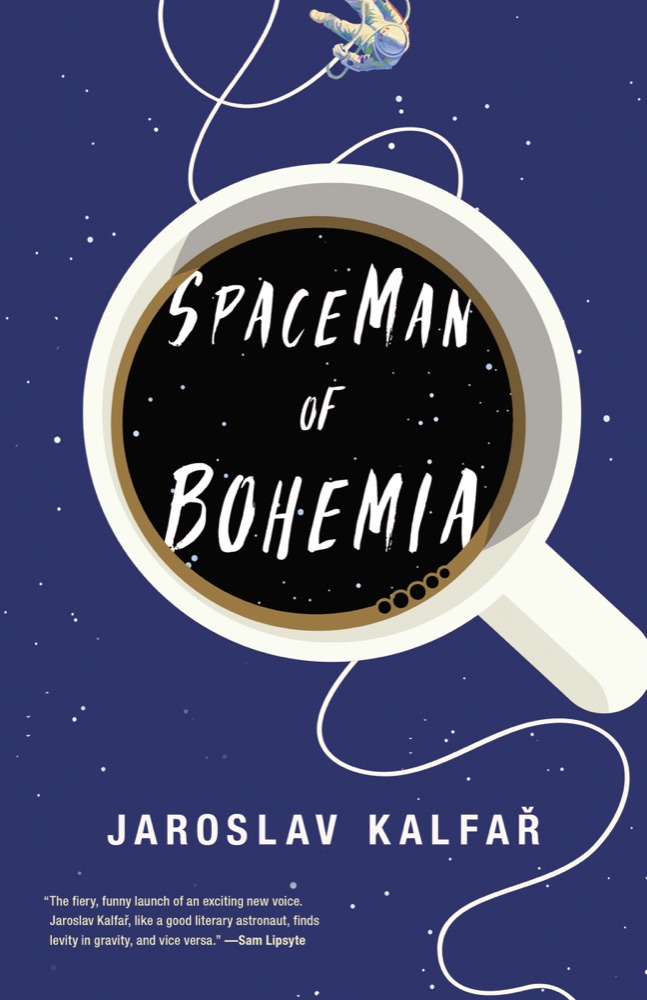 Spaceman of Bohemia
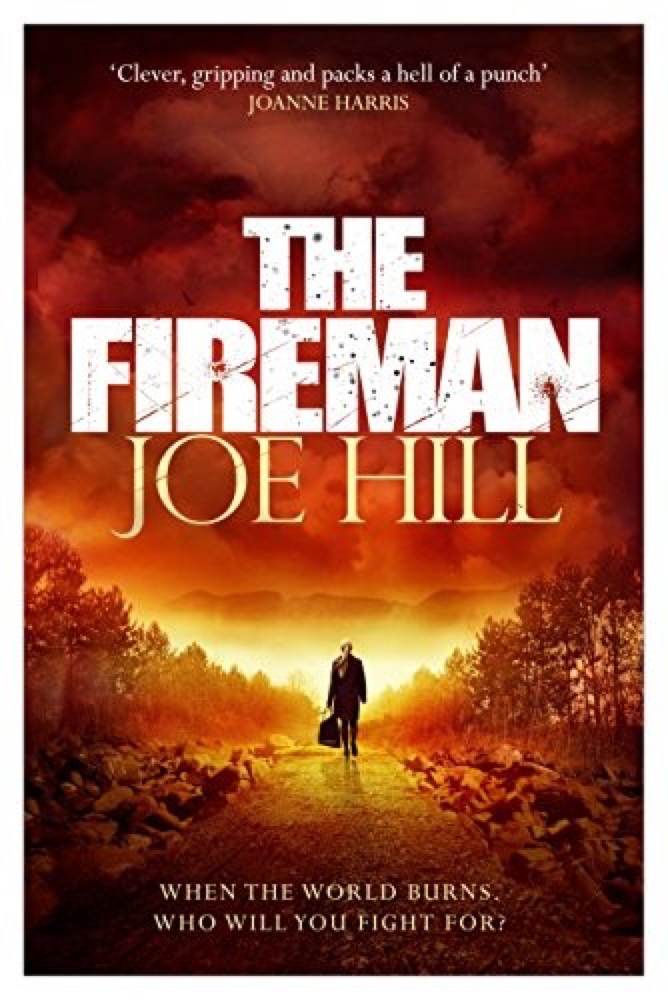 The Fireman
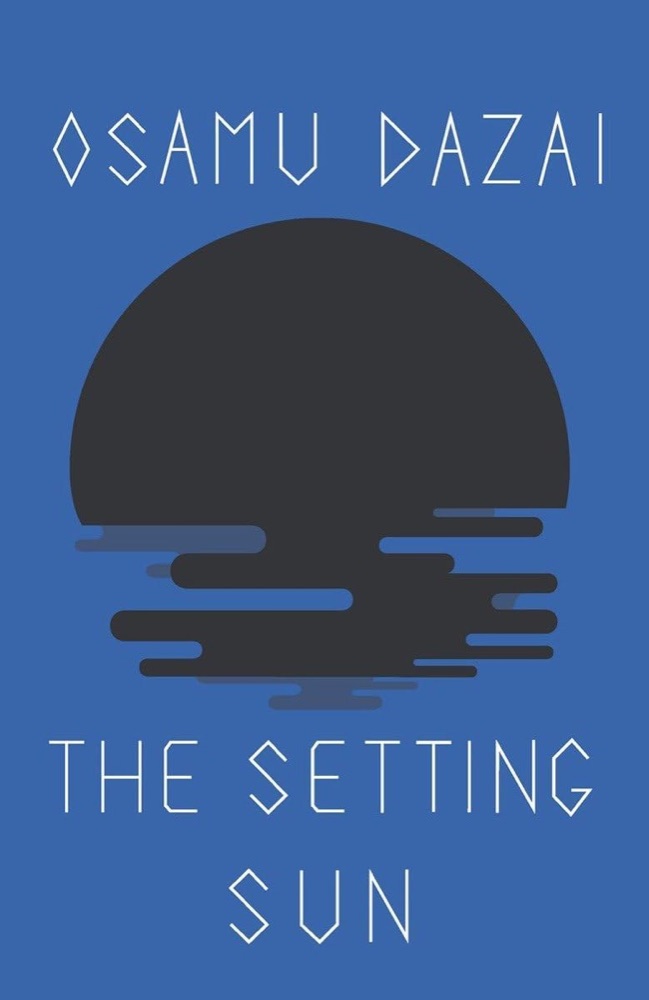 The Setting Sun
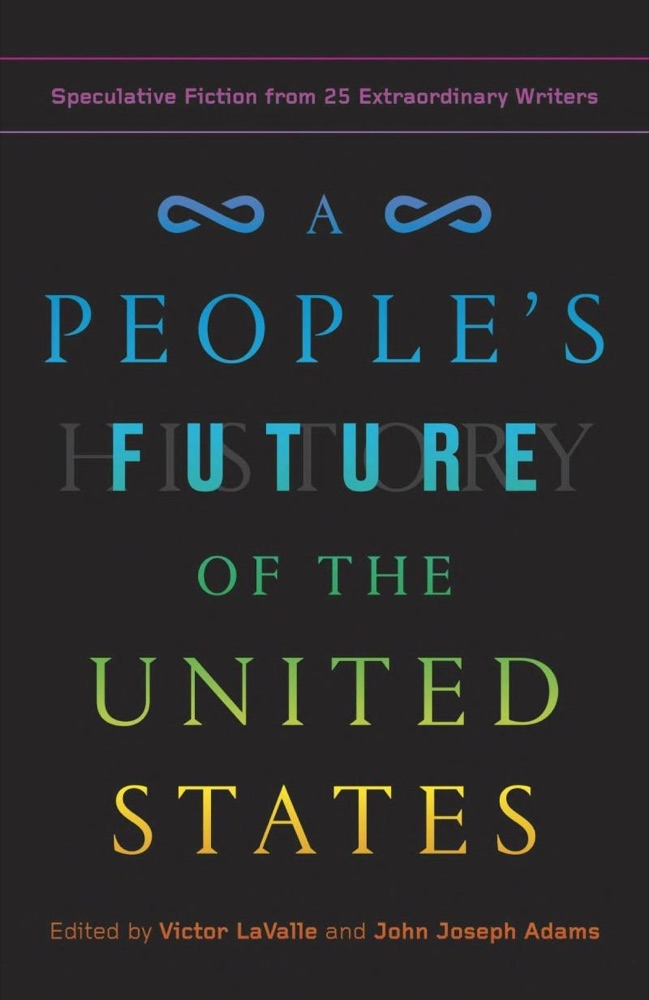 A People's Future of the United States: Speculative Fiction from 25 Extraordinary Writers
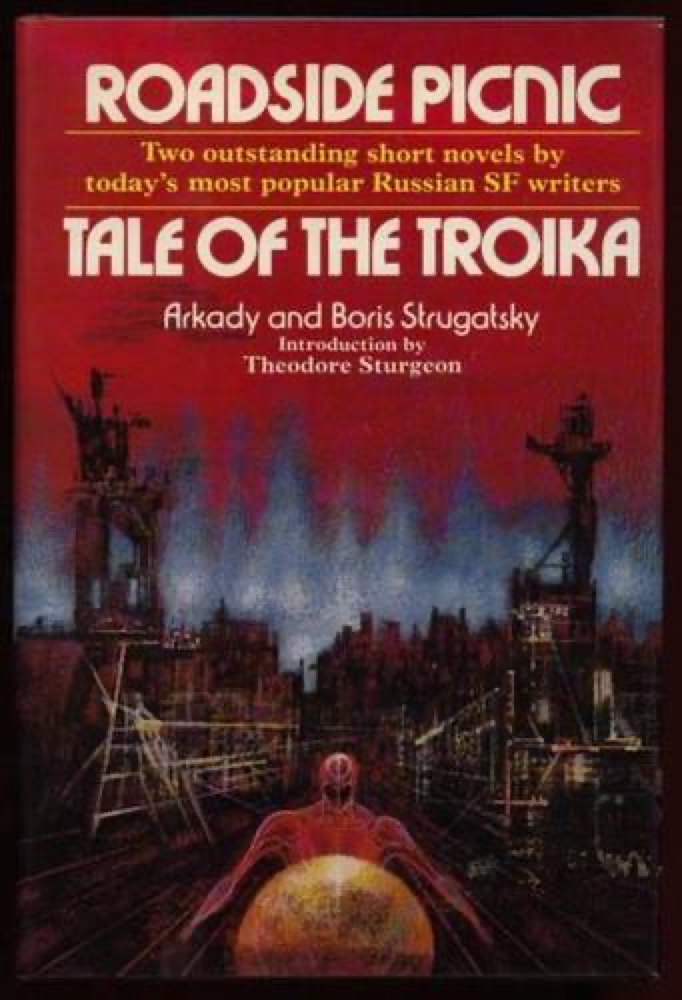 Roadside Picnic
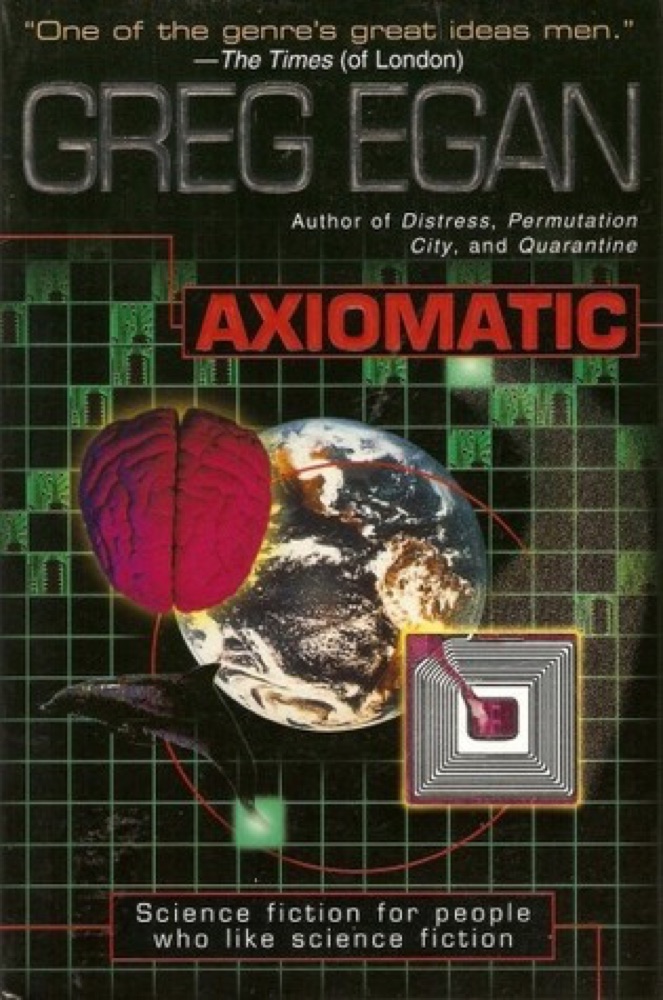 Axiomatic
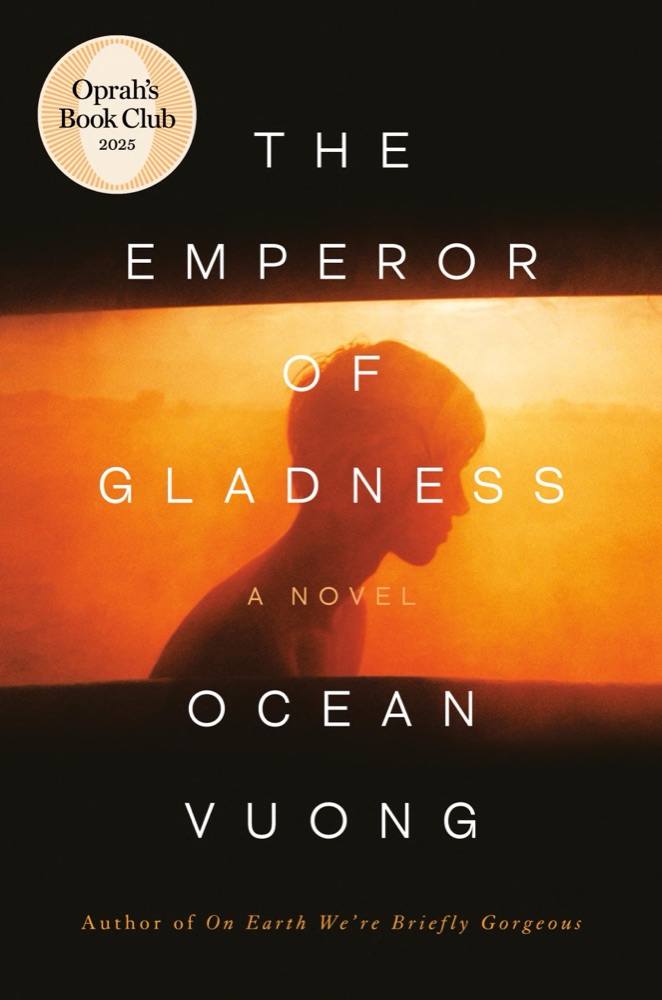 The Emperor of Gladness
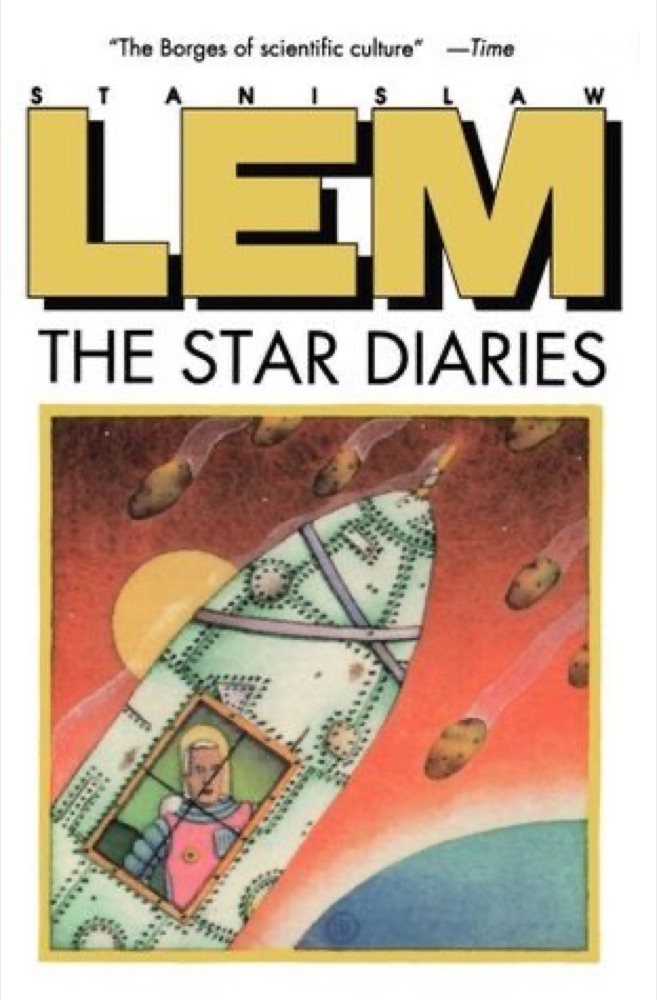 The Star Diaries
 The Man in the High Castle
 The Magus
 Night
Night
 Hummingbird Salamander
 After the Quake
 The Library of the Dead
 Blackout
 Liberation Day
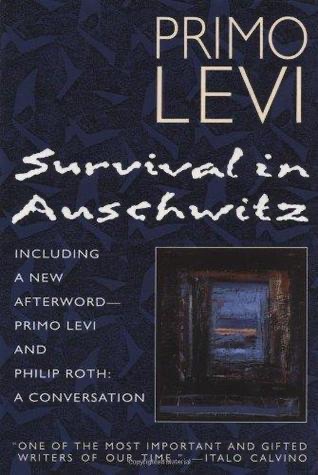 Survival in Auschwitz
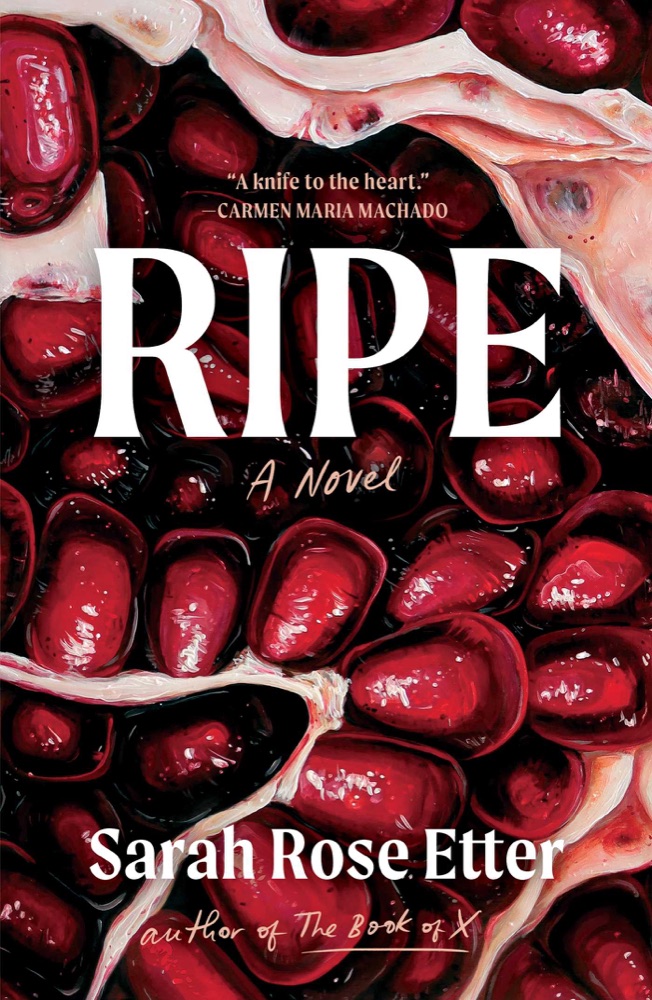 Ripe
Ripe
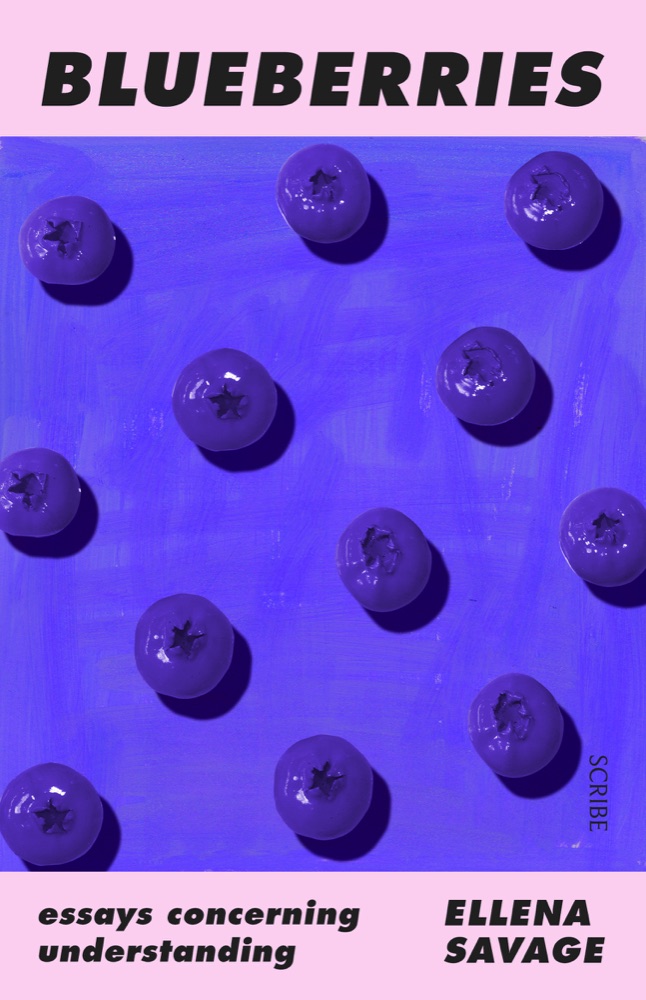 Blueberries: Essays Concerning Understanding
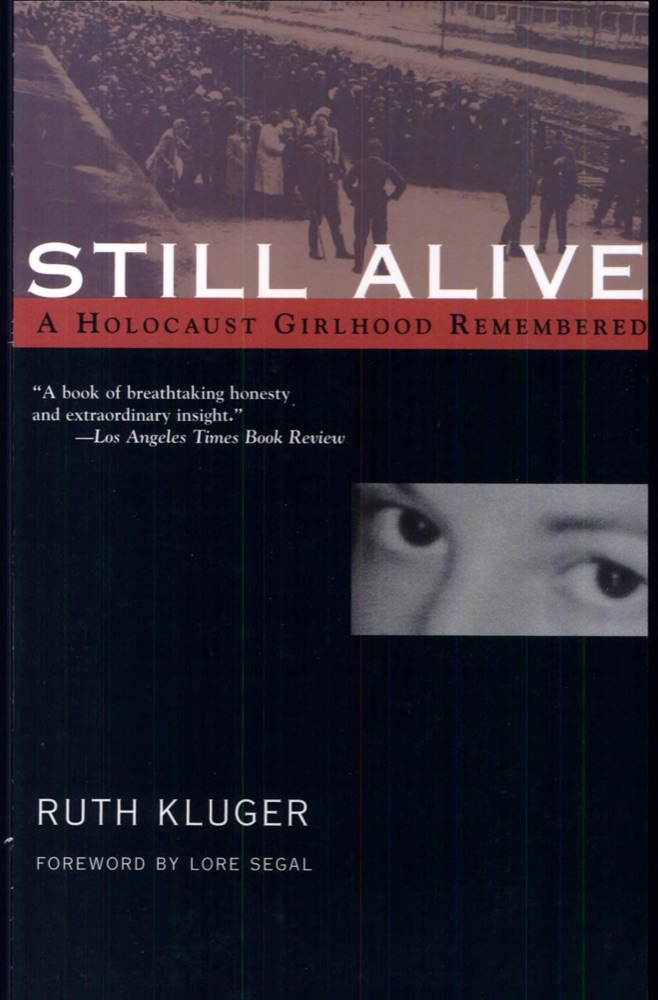 Still Alive: A Holocaust Girlhood Remembered
 The Gone-Away World
 The Seven Moons of Maali Almeida
 Plainwater: Essays and Poetry
 Bradbury Stories: 100 of His Most Celebrated Tales
 Point Omega
 Babylon's Ashes
 Tree of Smoke
 Dark Inside
 Haunted
 Nod
Nod