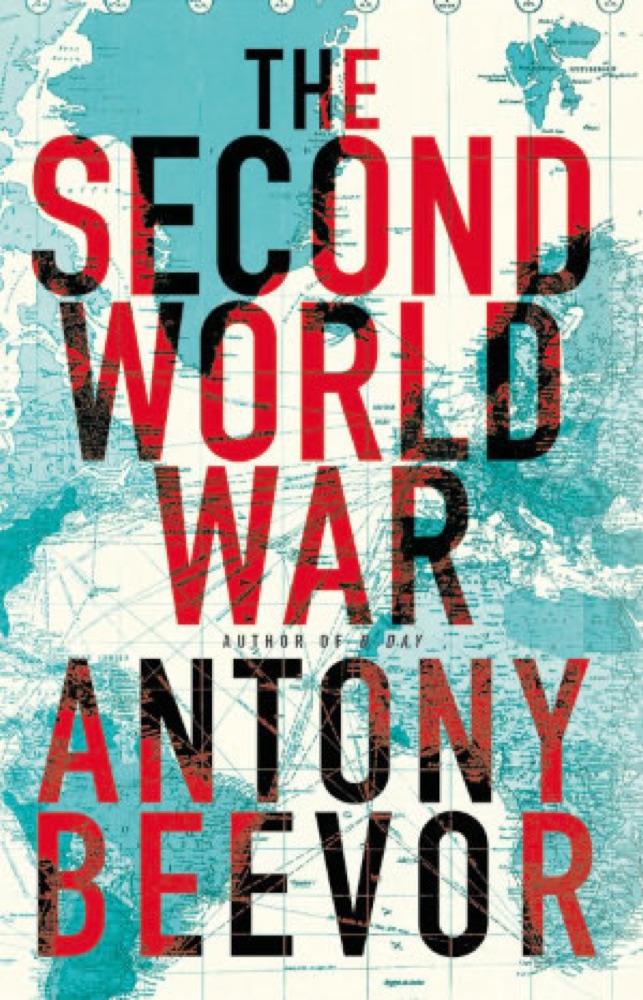

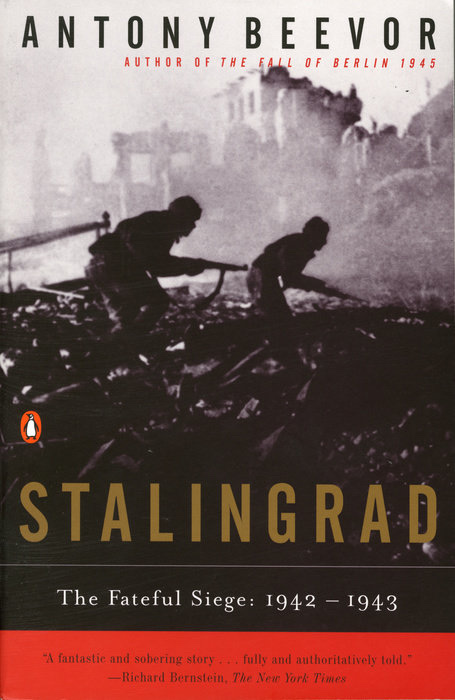
 Stalingrad: The Fateful Siege, 1942–1943
Quotes from the Book
In Soviet eyes the definition of ‘fascist’ included anyone who did not follow the orders of the Communist Party.
4
A quarter of them came from countries overrun by the Nazis as well as from the Dominions: Canada, Australia, New Zealand, Rhodesia and South Africa. There were so many Canadians that they formed separate RCAF squadrons, and so later did men from other countries, such as the Poles and French.
2
You must leave your imagination behind or it will do you harm.
1
The Nazi regime had trapped the whole population of the country as accomplices, willing or not, in its own crimes, and its own insanity.
1
In 1938 the biological warfare establishment Unit 731 had been set up outside Harbin in Manchukuo, under the auspices of the Kwantung Army. This huge complex, presided over by General Ishii Shir, eventually employed a core staff of 3,000 scientists and doctors from universities and medical schools in Japan, and a total of 20,000 personnel in the subsidiary establishments. They prepared weapons to spread black plague, typhoid, anthrax and cholera, and tested them on more than 3,000 Chinese prisoners. They also carried out anthrax, mustard-gas and frostbite experiments on their victims, whom they referred to as maruta or ‘logs’.
1
Stalin’s appeasement of Hitler had continued with a large increase in deliveries to Germany of grain, fuel, cotton, metals and rubber purchased in south-east Asia, circumventing the British blockade. During the period of the Molotov–Ribbentrop Pact, the Soviet Union had provided 26,000 tons of chromium, used in metal alloys, 140,000 tons of manganese and more than two millions tons of oil to the Reich. Despite having received well over eighty clear indications of a German invasion–indeed probably more than a hundred–Stalin seemed more concerned with ‘the security problem along our north-west frontier’, which meant the Baltic states. On the night of 14 June, a week before the German invasion, 60,000 Estonians, 34,000 Latvians and 38,000 Lithuanians were forced on to cattle trucks for deportation to camps in the distant interior of the Soviet Union. Stalin remained unconvinced even when, during the last week before the invasion, German ships rapidly left Soviet ports and embassy staff were evacuated.
1
Blitzkrieg strategy was to a large degree improvised on the ground.
and the French soldiers had been sitting in the bars for two days, waiting to be taken prisoner. So that’s how it was in France, that was the celebrated “Grande Nation”.
He did not want headlines round the world proclaiming that a ship called ‘Germany’ had been sunk.
The Abwehr also achieved a great success against the Dutch resistance beginning in March 1942. It called this counter-intelligence coup Operation North Pole, or the Englandspiel. This disaster was almost entirely due to appallingly lax practices in N Section at SOE’s London headquarters. An SOE radio operator was picked up in a sweep in The Hague. The Abwehr forced him to transmit to London. He did so, assuming that, because he had left off the security check at the end of his message, London would know that he had been captured. But to his horror London assumed that he had simply forgotten it, and replied telling him to arrange a drop zone for another agent to be parachuted in. A German reception committee was waiting for the new agent, and he was in turn forced to signal back as instructed. The chain continued, with one agent after another seized on arrival. Each was deeply shocked to find that the Germans knew everything about them, even the colour of the walls in their briefing room back in England. The Abwehr and SD, for once working harmoniously together, thus managed to capture around fifty Dutch officers and agents. Anglo-Dutch relations were severely damaged by this disaster; in fact many people in the Netherlands suspected treachery at the London end. There was no conspiracy, just a terrible combination of incompetence, complacency and ignorance of conditions in occupied Holland.
Apart from the risk in the blackout of walking into a lamp-post, the greatest danger was being run down by a motorcar. In London, over 2,000 pedestrians were killed in the last four months of 1939.
The surgeon-general of the US Army estimated that American front-line forces suffered a 10 per cent rate of psychiatric breakdown.
Field Marshal Brooke once wrote in his diary: ‘It is astonishing how petty and small men can be in connection with questions of command.
It was a young man’s war. Even a thirty-one-year-old pilot was nicknamed ‘Grandpa’.
The United States ambassador, William Bullitt, was so trusted by the French administration that he was temporarily made mayor and asked to negotiate the surrender of the capital to the Germans.
Alliances are complicated enough in victory, but in defeat they are bound to produce the worst recriminations imaginable.
His policy of aggression was stated clearly on the very first page. Yet even though every German couple had to purchase a copy on marriage, few seem to have taken his bellicose predictions seriously.
Another Pole landed one afternoon in the grounds of a very respectable lawn tennis club. He was signed in as a guest, given a racket, lent some white flannels and invited to take part in a match. His opponents were thrashed and left totally exhausted by the time an RAF vehicle came to collect him.
In that one month of January 1945, Wehrmacht losses rose to 451,742 killed, roughly the equivalent of all American deaths in the whole of the Second World War.
The brigade fought to the end with great courage, winning the admiration of the Germans. But the continuing failure of British commanders to counter-attack in force from the west was one of the least impressive examples of generalship in the war.
Meanwhile the 7th Armoured Division had charged ahead to cut off Tobruk. Two Australian brigades hurried on from Bardia to complete the siege. Tobruk also surrendered, offering up another 25,000 prisoners, 208 guns, eighty-seven armoured vehicles and fourteen Italian army prostitutes who were sent back to a convent in Alexandria where they languished miserably for the rest of the war.
The practice of treating prisoners as ‘human cattle’ had not come about from a collapse of discipline. It was usually directed by officers. Apart from local people, victims of cannibalism included Papuan soldiers, Australians, Americans and Indian prisoners of war who had refused to join the Indian National Army. At the end of the war, their Japanese captors had kept the Indians alive so that they could butcher them to eat one at a time. Even the inhumanity of the Nazis’ Hunger Plan in the east never descended to such levels.
Perhaps the most shocking element in the whole story of Unit 731 was MacArthur’s agreement, after the Japanese surrender, to provide immunity from prosecution to all involved, including General Ishii. This deal allowed the Americans to obtain all the data they had accumulated from their experiments. Even after MacArthur had learned that Allied prisoners of war had also been killed in the tests, he ordered that all criminal investigations should cease. Soviet requests to prosecute Ishii and his staff at the Tokyo War Crimes tribunal were firmly rejected.
Other means were used to wear down the Germans and prevent them getting any rest. The 588th Night Bomber Regiment specialized in flying their obsolete Po-2 biplanes low over the German lines at night and switching off their engines as they made their bombing run. The ghostly swish made a sinister noise. These outstandingly brave pilots were all young women. They were soon dubbed the ‘Night Witches’, first by the Germans and then by their own side.
Watch on YouTube
About Antony Beevor
We have collected 35 quotes from 2 books by Antony Beevor on BookQuoters.
More about the author →More by Antony Beevor
Stalingrad: The Fateful Siege, 1942–1943
About the book
A masterful and comprehensive chronicle of World War II, by internationally bestselling historian Antony Beevor.
Over the past two decades, Antony Beevor has established himself as one of the world's premier historians of WWII. His multi-award winning books have included Stalingrad and The Fall of Berlin 1945 . Now, in his newest and most ambitious book, he turns his focus to one of the bloodiest and most tragic events of the twentieth century, the Second World War.
In this searing narrative that takes us from Hitler's invasion of Poland on September 1st, 1939 to V-J day on August 14, 1945 and the war's aftermath, Beevor describes the conflict and its global reach -- one that included every major power. The result is a dramatic and breathtaking single-volume history that provides a remarkably intimate account of the war that, more than any other, still commands attention and an audienc
Book details
- First published
- 2012
- Author
- Antony Beevor
- Genre
- History
- Goodreads rating
- 4.40 (11k ratings)
Keep reading
 The Guns at Last Light: The War in Western Europe, 1944-1945
 The Third Reich at War
 The Day of Battle: The War in Sicily and Italy, 1943-1944
 The Guns of August
Stalingrad: The Fateful Siege, 1942–1943
The Guns of August
Stalingrad: The Fateful Siege, 1942–1943
 Berlin Diary: The Journal of a Foreign Correspondent 1934-1941
 Agent Zigzag: A True Story of Nazi Espionage, Love, and Betrayal
 The Candy Bombers: The Untold Story of the Berlin Airlift and America's Finest Hour
 The Rise and Fall of the Third Reich: A History of Nazi Germany
 Bloodlands: Europe Between Hitler and Stalin
 An Army at Dawn: The War in North Africa, 1942-1943
 The Coldest Winter: America and the Korean War
 Closing the Ring
 The Winds of War
 Citizens of London: The Americans who Stood with Britain in its Darkest, Finest Hour
 The Splendid and the Vile: A Saga of Churchill, Family, and Defiance During the Blitz
 The Winter Fortress: The Epic Mission to Sabotage Hitler's Atomic Bomb
 Ghost Soldiers: The Epic Account of World War II's Greatest Rescue Mission
 Band of Brothers: E Company, 506th Regiment, 101st Airborne from Normandy to Hitler's Eagle's Nest
 Homage to Catalonia
 Flyboys: A True Story of Courage
 Auschwitz: A Doctor's Eyewitness Account
 The Rape of Nanking
 Vietnam: An Epic Tragedy, 1945-1975
 Postwar: A History of Europe Since 1945
 The Last Lion: Winston Spencer Churchill: Alone, 1932-40
 The Light of Days: The Untold Story of Women Resistance Fighters in Hitler's Ghettos
 This Kind of War: A Study in Unpreparedness
 In the Garden of Beasts: Love, Terror, and an American Family in Hitler's Berlin
 Precipice
 Koba the Dread: Laughter and the Twenty Million
 Mr. Lincoln's Army
 Dead Wake: The Last Crossing of the Lusitania
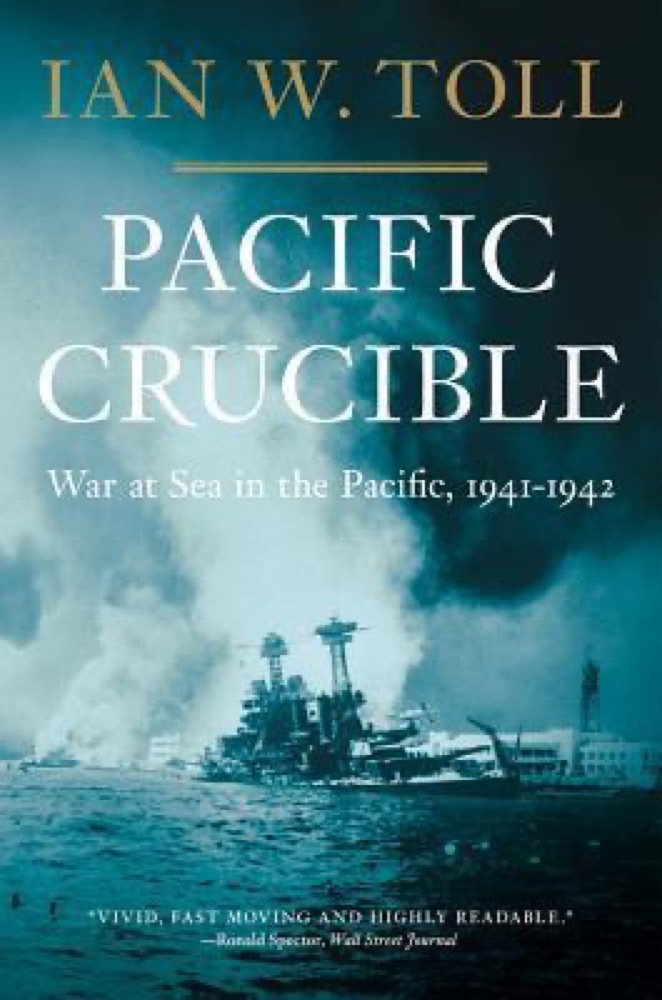 Pacific Crucible: War at Sea in the Pacific, 1941-1942
 The Greatest Generation
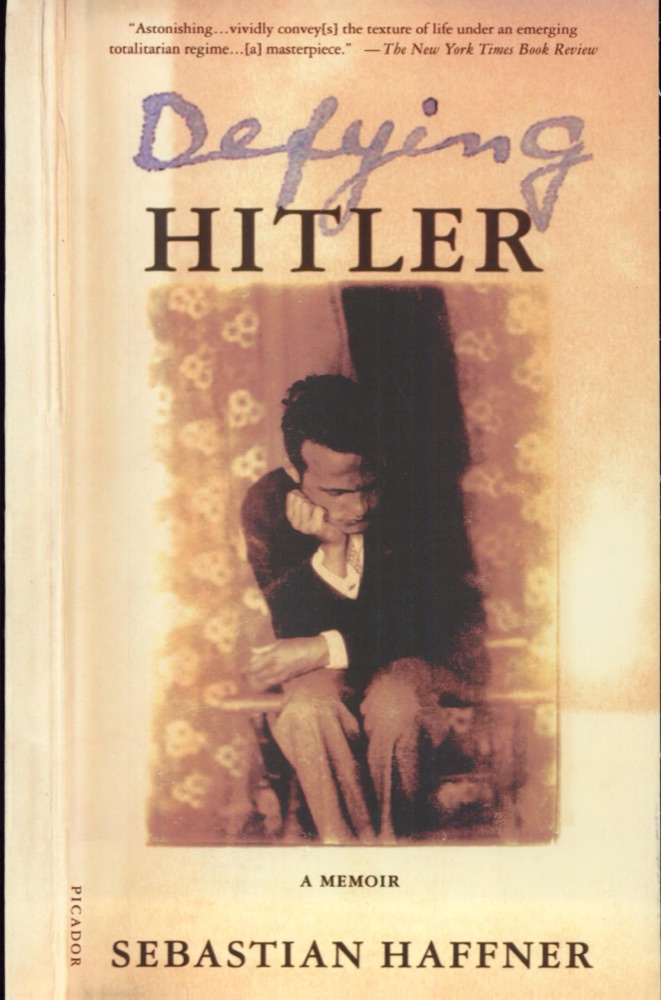 Defying Hitler
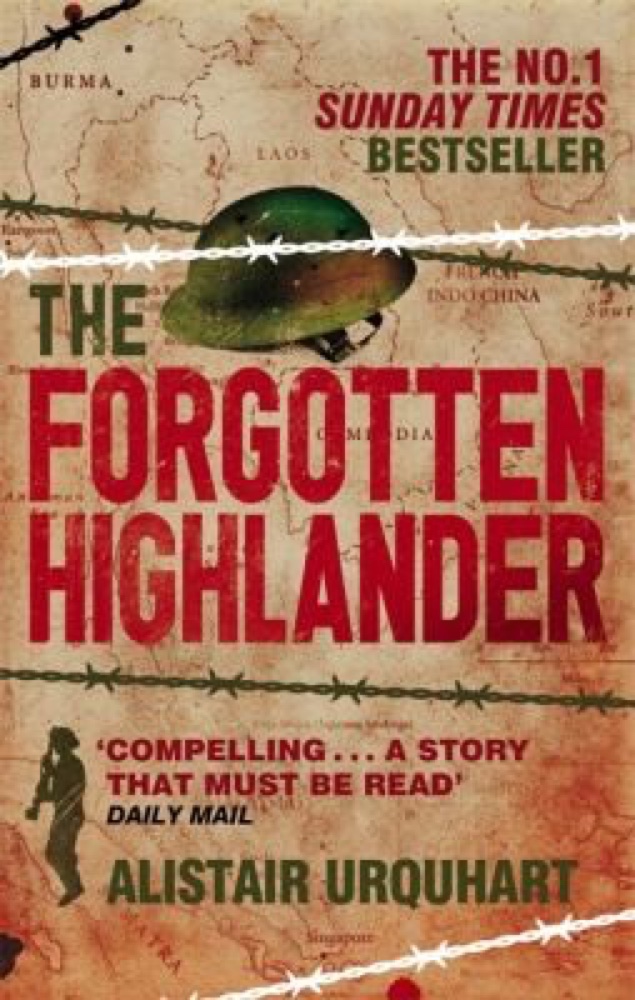 The Forgotten Highlander: My Incredible Story of Survival During the War in the Far East
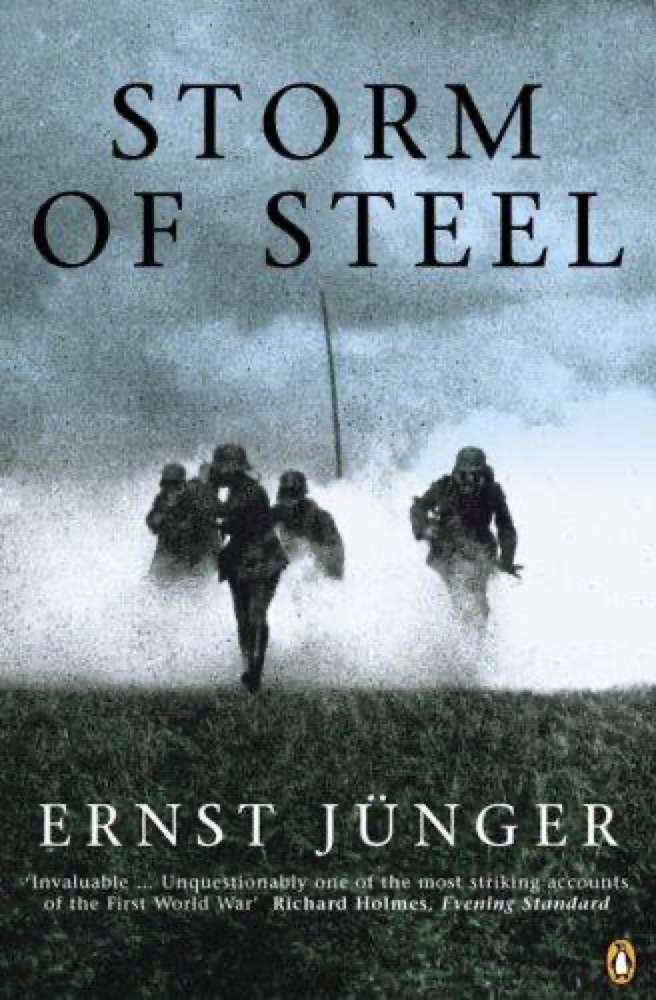 Storm of Steel
 The Auschwitz Escape
 They Thought They Were Free: The Germans 1933-45
 War and Remembrance
 Epitaph for a Spy
 Modern Times: The World from the Twenties to the Nineties
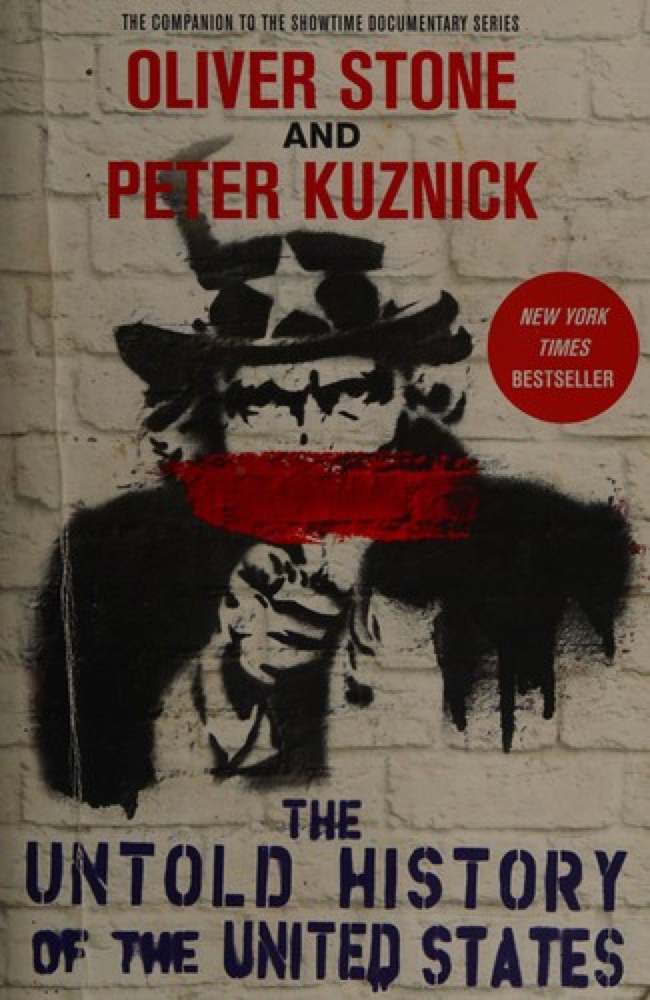 The Untold History of The United States
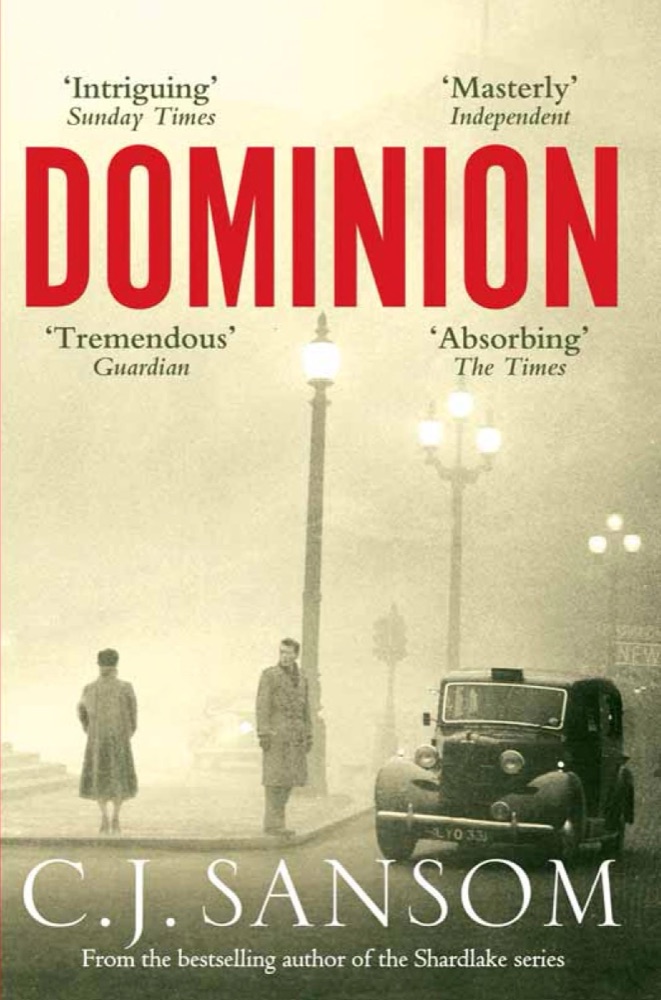 Dominion
 Operation Paperclip: The Secret Intelligence Program that Brought Nazi Scientists to America
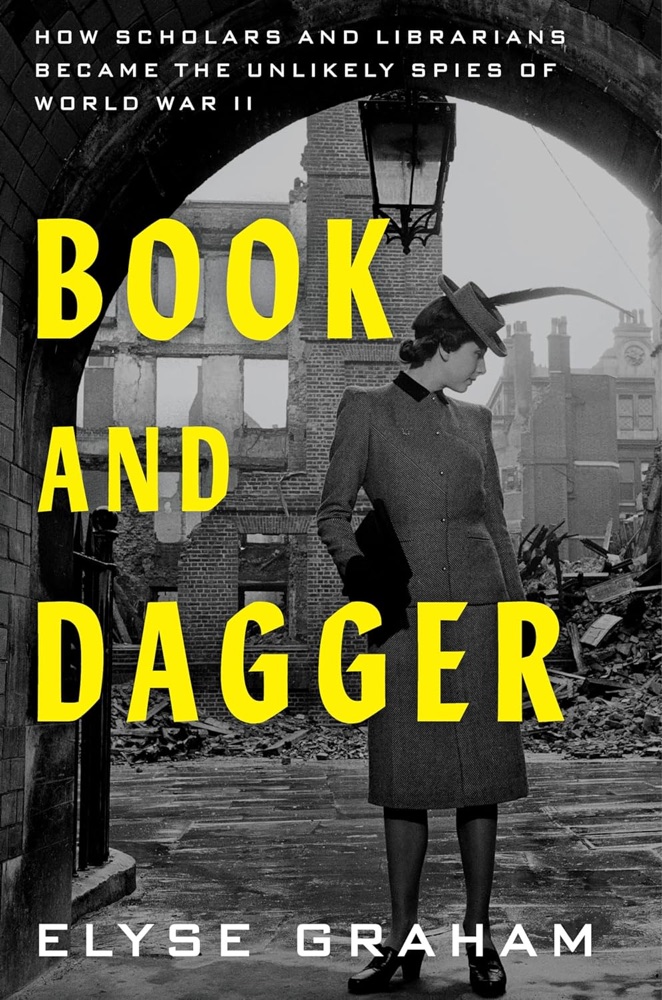 Book and Dagger: How Scholars and Librarians Became the Unlikely Spies of World War II
 Fall of Giants
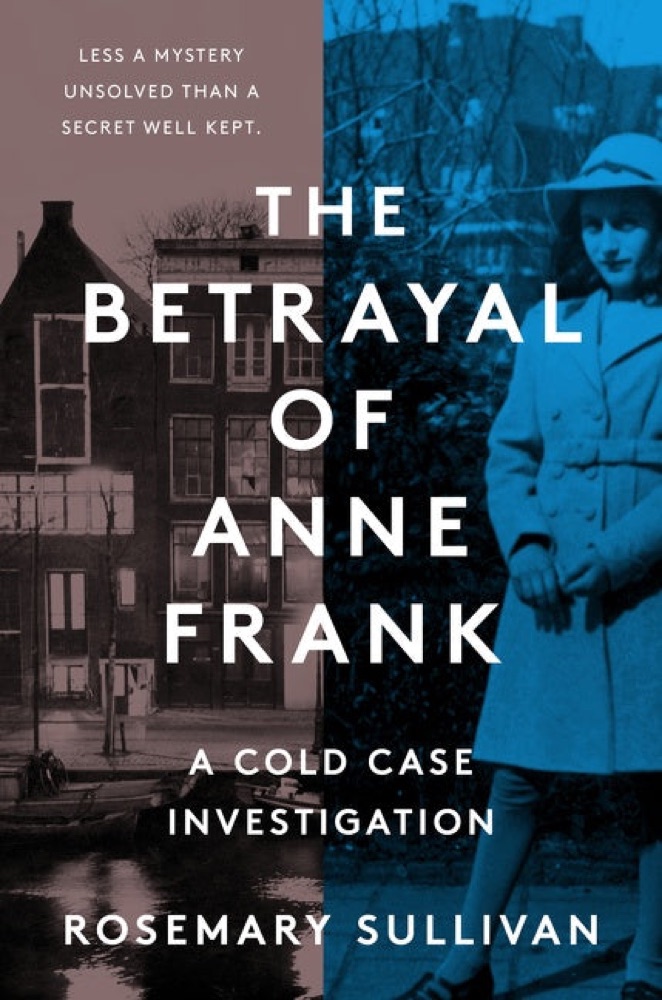 The Betrayal of Anne Frank: A Cold Case Investigation
 The Monuments Men: Allied Heroes, Nazi Thieves, and the Greatest Treasure Hunt in History
 D-Day, June 6, 1944: The Battle for the Normandy Beaches
 Diplomats & Admirals: From Failed Negotiations and Tragic Misjudgments to Powerful Leaders and Heroic Deeds, the Untold Story of the Pacific War from Pearl Harbor to Midway
 Stilwell and the American Experience in China, 1911-45
 Fatherland
 The Churchill Factor: How One Man Made History
 Symphony for the City of the Dead: Dmitri Shostakovich and the Siege of Leningrad
 A Quiet Flame
 The Last Lion 3: Winston Spencer Churchill: Defender of the Realm, 1940-1965
 Flashpoints: The Emerging Crisis in Europe
 The Looking Glass War