
 The Information
Quotes from the Book
Ideology brings about a disastrous fusion: that of violence and righteousness — a savagery without stain.
18
In general, writers never find out how strong their talent is: that investigation begins with their obituaries. In the USSR, writers found out how good they were when they were still alive. If the talent was strong, only luck or silence could save them.
17
Robert Conquest once suggested that 'a curious little volume might be made of the poems of Stalin, Castro, Mao and Ho Chi Minh, with illustrations by A. Hitler.
14
Stalin's mental journey, by 1943, proceeded in the opposite direction to that of Hitler. One moved toward reality; the other moved away from it. They crossed paths at Stalingrad. And as the war turned on the hinge of that battle (and on the new psychological opposition), Stalin might have concerned himself with a "counterfactual": if, instead of decapitating his army, he had intelligently prepared it for war, Russia might have defeated Germany in a matter of weeks. Such a course of action, while no doubt entailing grave consequences of its own, would have saved about 40 million lives, including the vast majority of the victims of the Holocaust.
13
Nazism did not destroy civil society. Bolshevism did destroy civil society. This is one of the reasons for the “miracle” of German recovery, and for the continuation of Russian vulnerability and failure. Stalin did not destroy civil society. Lenin destroyed civil society.
12
He tortured, not to force you to reveal a fact, but to force you to collude in a fiction.
12
Q: What’s the difference between a Communist car and a Communist proselytizer? A: You can close the door on a Communist proselytizer.
12
The militant Utopian, the perfectibilizer, from the outset, is in a malevolent rage at the obvious fact of human imperfectibility.
12
The fact was that facts were losing their value. Stalin had broken the opposition. He was also far advanced toward his much stranger objective of breaking the truth. Or it may have been the other way about: actuality, under Stalin, was such that dread and disgust forbade you to accept it— or even to contemplate it.
11
As I now see it, America had no business involving itself in a series of distant convulsions where the ideas, variously interpreted, of a long-dead German economist were bringing biblical calamity to China, North Korea, Vietnam, Laos and Cambodia.
11
Denunciation in Russia has a long history, going back at least as far as the sixteenth century and the testingly protracted reign of Ivan the Terrible (1533– 84). “Spy or die” was, more or less, the oath you swore. This practice, increasingly institutionalized under the old regime, was a tsarist barbarity that Lenin might have been expected to question.
10
Nearly every night there were screenings in the private projection rooms in the Kremlin or the various dachas. Khrushchev says that Stalin was particularly keen on Westerns: 'He used to curse them and give them proper ideological evaluation, but then immediately order new ones.
10
The refusal of laughter to absent itself, in the Soviet case, has already been noted (and will be returned to). It seems that the Twenty Million will never command the sepulchral decorum of the Holocaust. This is not, or not only, a symptom of the general 'asymmetry of indulgence' (the phrase is Ferdinand Mount's). It would not be so unless something in the nature of Bolshevism permitted it to be so.
10
One recalls John Updike's argument: the only evidence for the existence of God is the collective human yearning that it should be so.
10
There are several accounts, written or deposed, by the guards, executioners and inhumers of the Romanovs. One of the inhumers said that he could 'die in peace because he had squeezed the Empress's -----.'* *Pipes's note reads: 'Deposition by P. V. Kukhtenko in Solokov Dossier I, dated September 8, 1918; omission in the original.
9
At the age of twenty, his artistic dreams frustrated, Hitler was a tramp: park benches, soup queues. Given just a little more talent, perhaps, he would have killed himself, not in the bunker, but in a cosy little studio in Klagenfurt.
8
There are many accounts of prison floors strewn with genitals, breasts, tongues, eyes and ears. Arma virumque cano, and Hitler-Stalin tells us this, among other things: given total power over another, the human being will find that his thoughts turn to torture.
4
after.” In the Preface to Volume Three he is less severe, and more persuasive: the Communist regime survived “not because there has not been any struggle against it from inside, not because people docilely surrendered to it, but because it is inhumanly strong, in a way as yet unimaginable to the West.” Among the elements of the state’s strength was its capacity to astonish, to dumbfound—and thus to delude. As Conquest says, “the reality of Stalin’s activities was often disbelieved because they seemed to be unbelievable . His whole style consisted of doing what had previously been thought morally or physically inconceivable.
4
One recalls John Updike’s argument: the only evidence for the existence of God is the collective human yearning that it should be so.
3
After many ponderous experiments the first crematorium was opened in December 1920 in Petrograd. It could manage barely 120 bodies a month, and, in February 1921, cremated itself when the wooden roof caught fire.
2
In Nazi circles during the early 1940s there was much frowning talk of the need to streamline the killings, to make them more “elegant”; the supposed concern was for the mental health of the executioners. But the regime went through the motions— it provided the executioners with “counseling,” and so on. In the USSR there seems to have been little anxiety about the moral and psychological wounds sustained by the Chekists.* “Find tougher people” was all that Lenin had to say on the question. And Stalin, selecting downward, as always, evidently wanted his men to be finished, morally finished; it bound them to him, and, more than that, it confirmed his unspoken assessment of human nature. He knew that human beings, given certain conditions, can in fact kill all day, and all year.
Hamlet doesn't fully see that his metaphysical miseries constitute a subliminal symptom of grief; and this was exactly my case. I thought I was sick, I thought I was dying (maybe that is what bereavement actually asks of you). Literature gives us these warnings about the main events, but we don't recognize the warnings until the events have come and gone. Isabel, my senior in the loss of a sibling, told me that you just have to take it, like weather—yes, like sleet in your face.
About Martin Amis
We have collected 158 quotes from 7 books by Martin Amis on BookQuoters.
More about the author →More by Martin Amis
All books by Martin Amis →
About the book
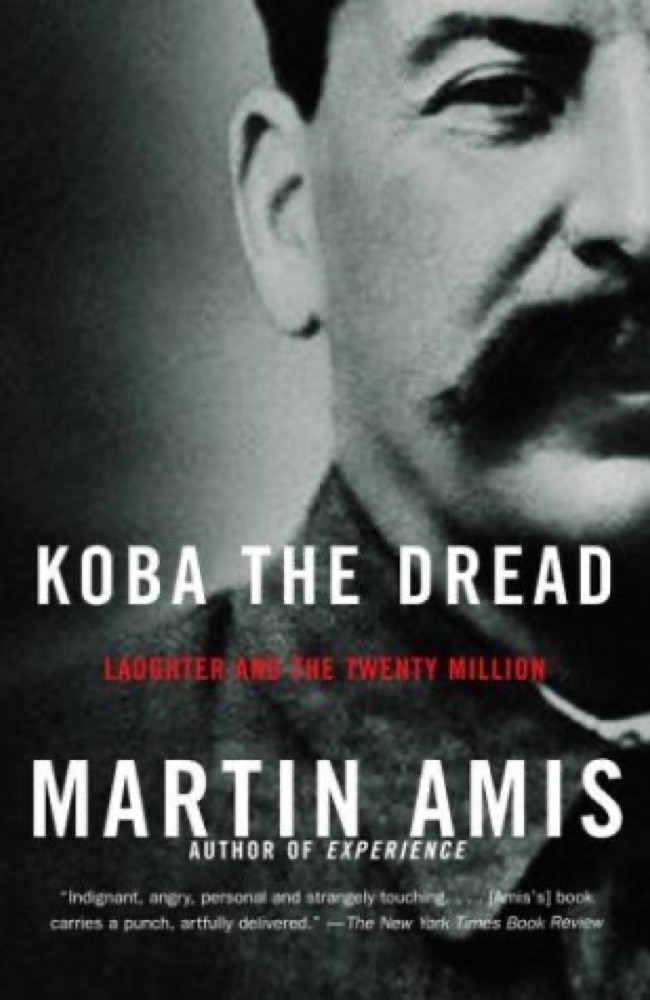
A brilliant weave of personal involvement, vivid biography and political insight, Koba the Dread is the successor to Martin Amis’s award-winning memoir, Experience.Koba the Dread captures the appeal of one of the most powerful belief systems of the 20th century — one that spread through the world, both captivating it and staining it red. It addresses itself to the central lacuna of 20th-century thought: the indulgence of Communism by the intellectuals of the West. In between the personal beginnings and the personal ending, Amis gives us perhaps the best one-hundred pages ever written about Stalin: Koba the Dread, Iosif the Terrible.The author’s father, Kingsley Amis, though later reactionary in tendency, was a “Comintern dogsbody” (as he would come to put it) from 1941 to 1956. His second-closest, and then his closest friend (after the death of the poet Philip Larkin), was Robert Conques
Book details
- First published
- 2002
- Author
- Martin Amis
- Genre
- History
- Goodreads rating
- 3.86 (2k ratings)
Keep reading
 The Gulag Archipelago 1918-1956
 Everything Flows
 Modern Times: The World from the Twenties to the Nineties
 Bloodlands: Europe Between Hitler and Stalin
 The Captive Mind
 Witness
 Darkness at Noon
 Arguably: Selected Essays
 The Last Lion: Winston Spencer Churchill: Alone, 1932-40
 Defying Hitler
 They Thought They Were Free: The Germans 1933-45
 Kolyma Tales
 The Mask of Dimitrios
 The Origins of Totalitarianism
 Stalin: The Court of the Red Tsar
 The Rise and Fall of the Third Reich: A History of Nazi Germany
 Imperium
 Symphony for the City of the Dead: Dmitri Shostakovich and the Siege of Leningrad
 Europe Central
 A Collection of Essays
 Eichmann in Jerusalem: A Report on the Banality of Evil
 What's Left?
 Joseph Anton: A Memoir
 History of the Russian Revolution
 The Western Lands
 Brave New World Revisited
 The Eighth Life
 Radio Free Albemuth
 Cultural Amnesia: Necessary Memories from History and the Arts
 Closing the Ring
 Too Like the Lightning
 No Name in the Street
 Resistance, Rebellion and Death: Essays
 The Will to Battle
 The Honourable Schoolboy
 Auschwitz: A Doctor's Eyewitness Account
 The Armies of the Night: History as a Novel, The Novel as History
 The Little Drummer Girl
 Berlin Diary: The Journal of a Foreign Correspondent 1934-1941
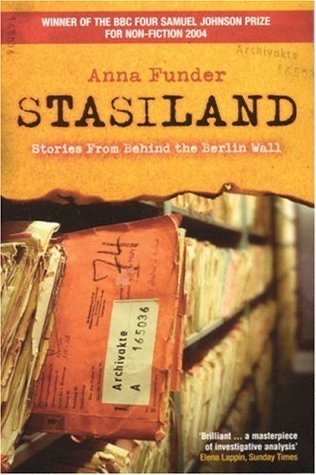 Stasiland: Stories from Behind the Berlin Wall
 Transition
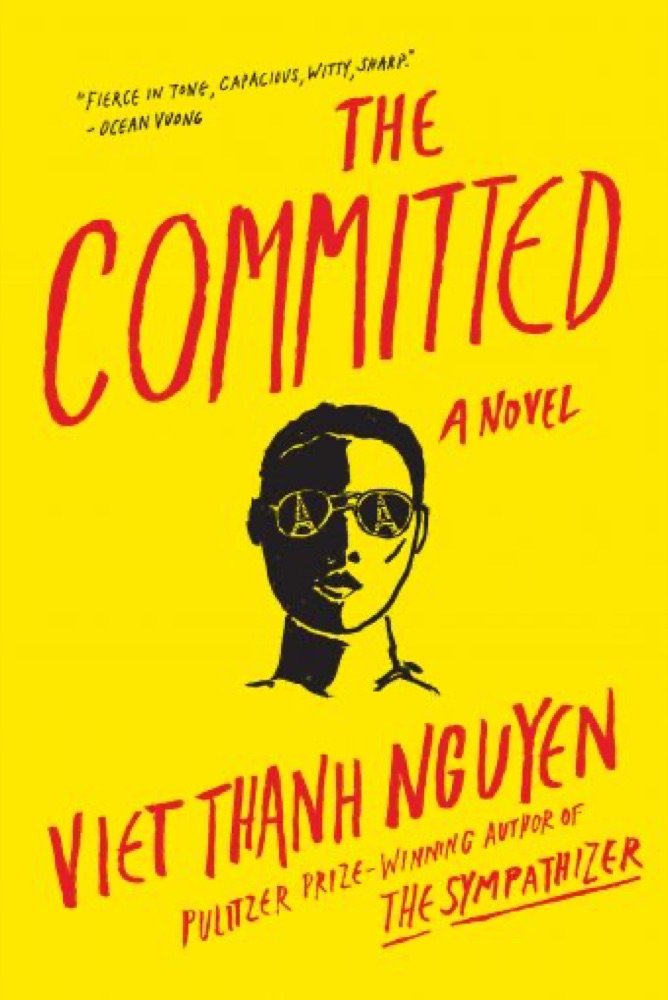 The Committed
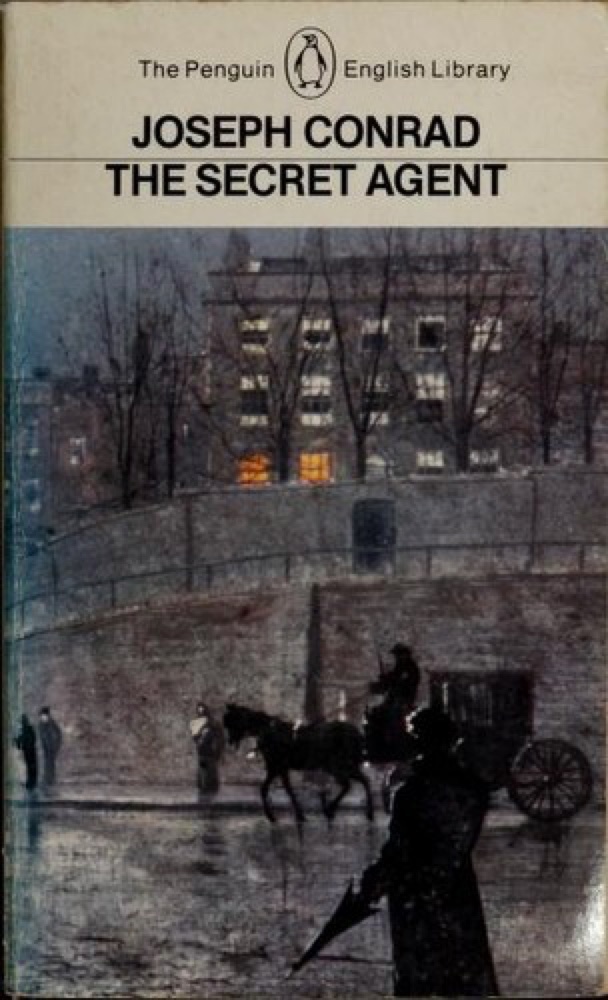 The Secret Agent
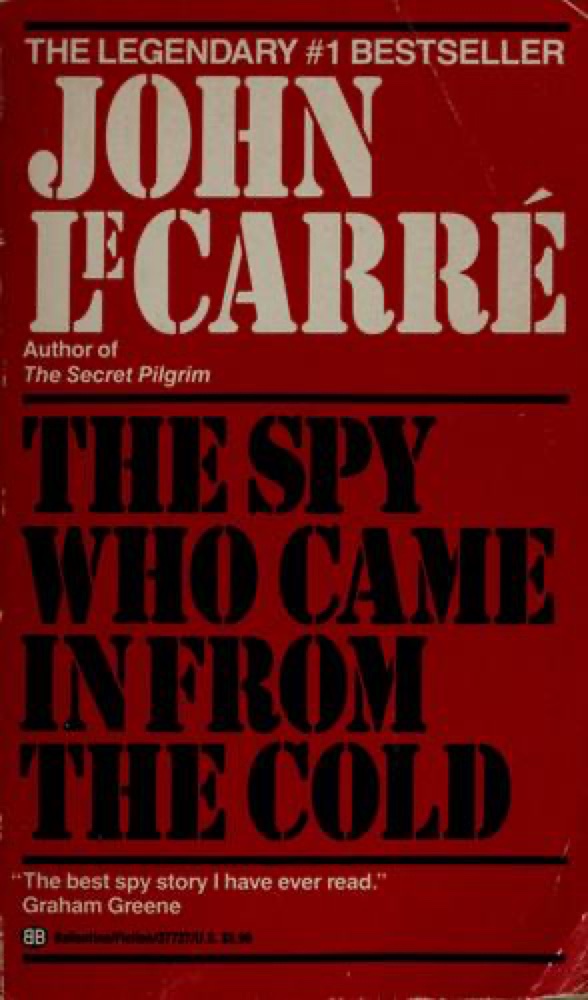 The Spy Who Came In from the Cold
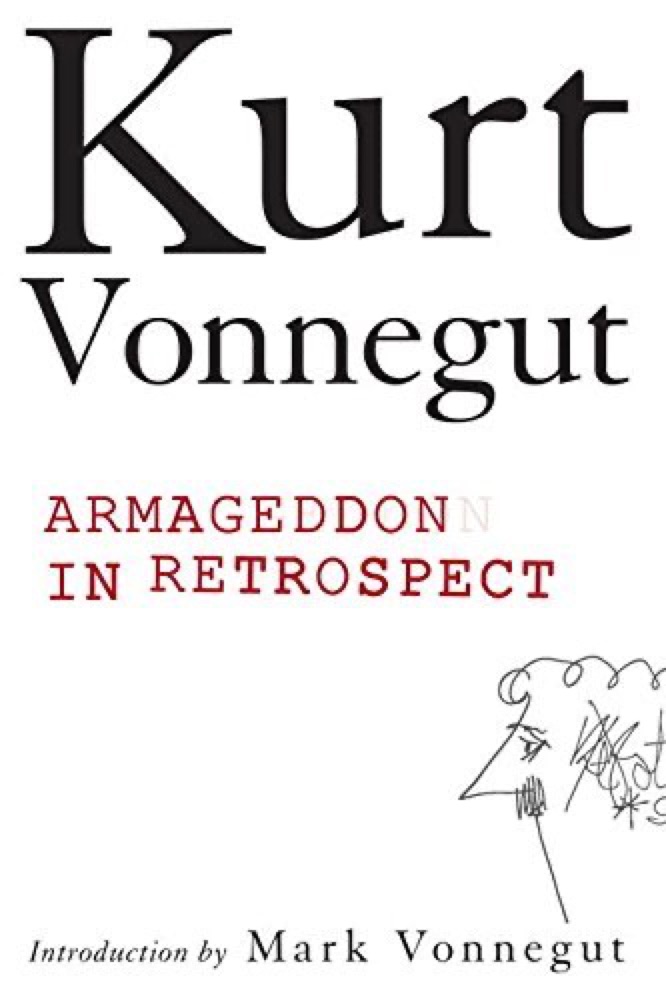 Armageddon in Retrospect
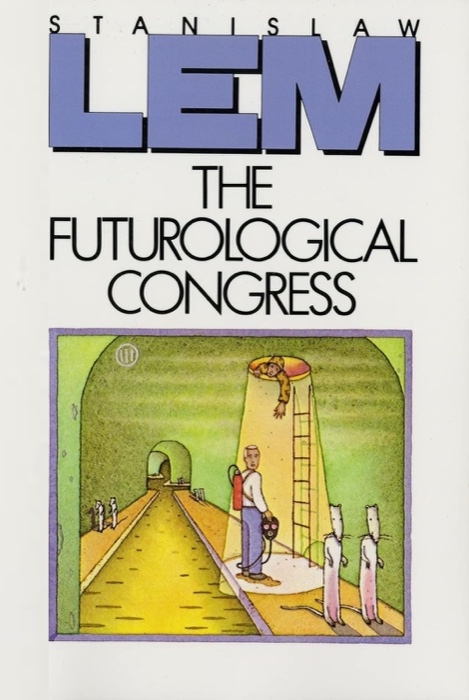 The Futurological Congress: From the Memoirs of Ijon Tichy
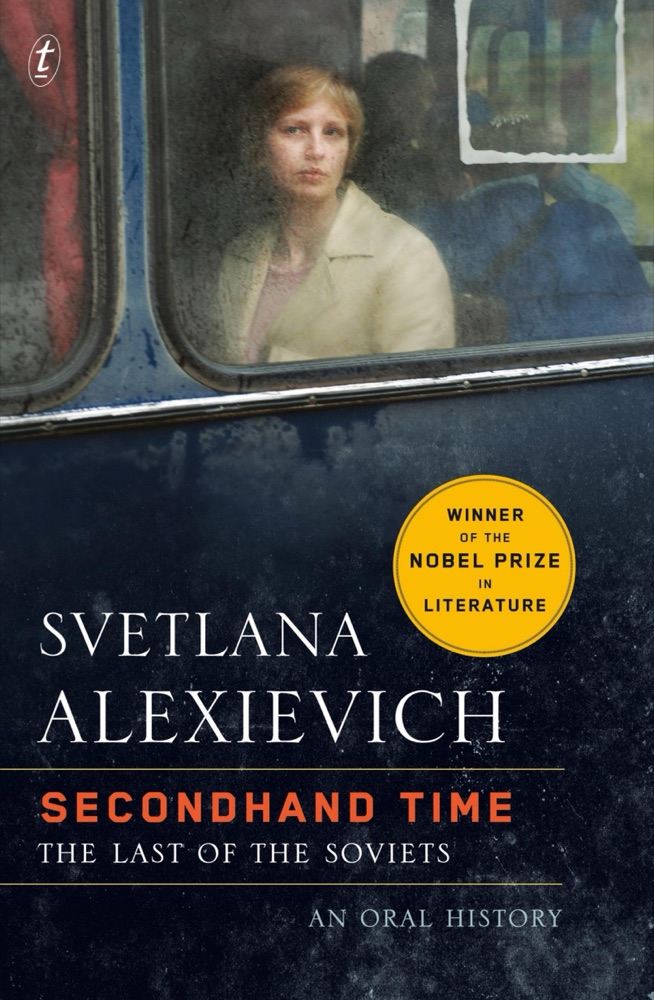 Secondhand Time: The Last of the Soviets
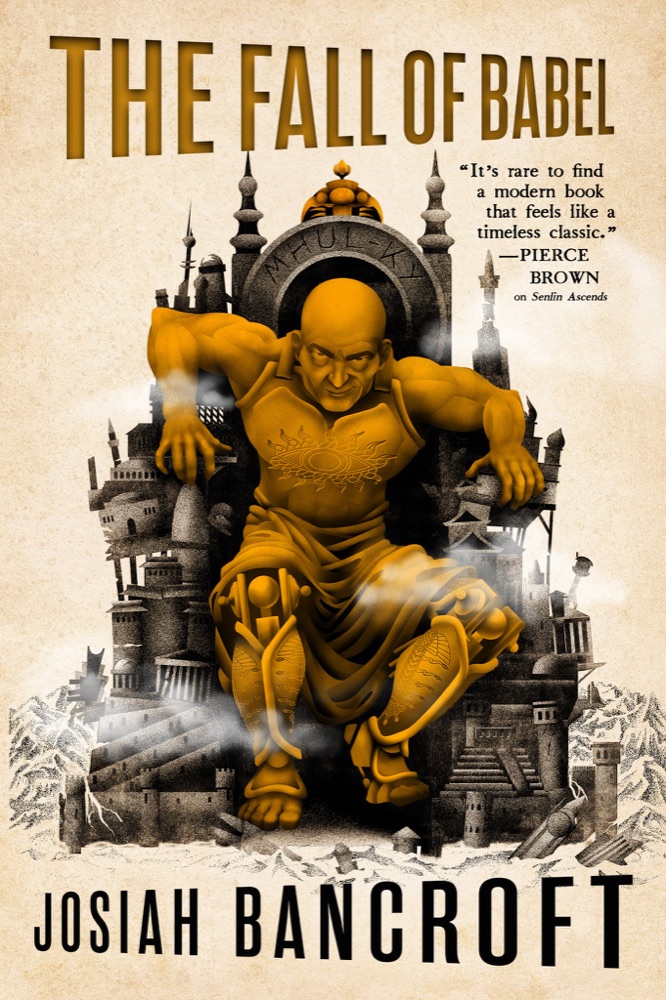 The Fall of Babel
 Anti-Oedipus: Capitalism and Schizophrenia
 A Russian Journal
 I Will Bear Witness 1933-41 A Diary of the Nazi Years
 The House of the Dead
 The Winds of War
 Our Country Friends
 Homage to Catalonia
 From Dawn to Decadence: 500 Years of Western Cultural Life, 1500 to the Present
 Epitaph for a Spy
 Gnomon
 Border: A Journey to the Edge of Europe
 Money
Money