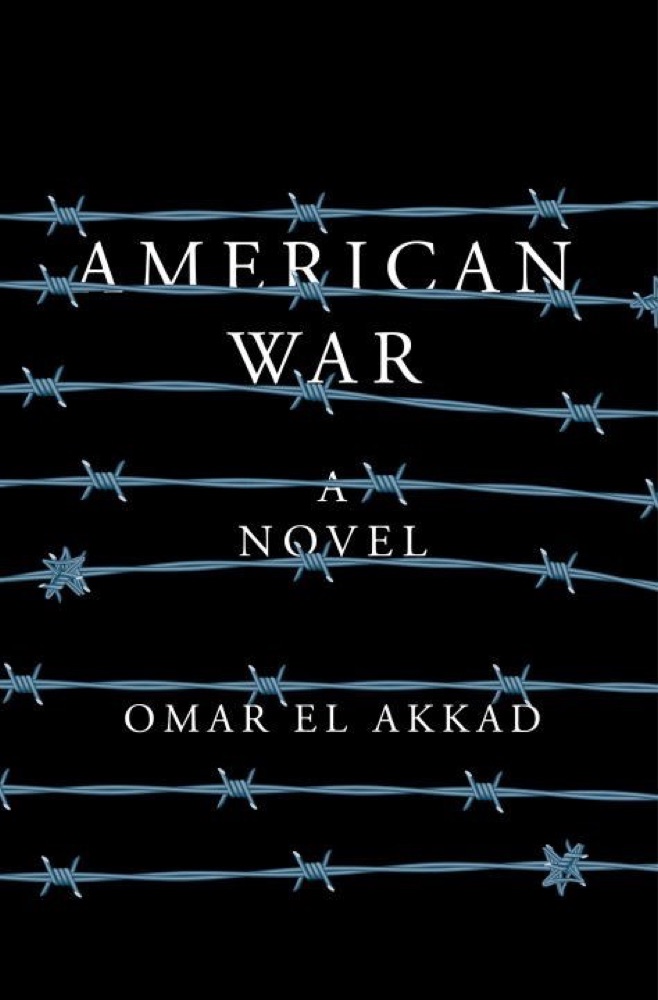
 American War
Quotes from the Book
The real difficulty is having enough faith in humanity to believe that someone will care,” she said.
5
Yet Marie’s was a true faith, and she believed it utterly. She still had her American seriousness of purpose, her heart proudly visible on her sleeve, uncorrupted by British cynicism. She was the champion of bearing witness so that even if no one stopped the wars, they could never say they had not known what was happening.
5
She was the champion of bearing witness so that even if no one stopped the wars, they could never say they had not known what was happening.
4
Palestinian youths used stones and marbles, often in slingshots, to taunt young Israeli soldiers, who shot back with tear gas and live fire. The Palestinians always came off worse. Funerals would turn into protests and so it would roll on, violence ebbing and escalating, the world transfixed by the desperation of a Palestinian generation who saw no future.
1
It doesn’t matter if you mess up, choose the wrong road, flop in Vegas. What’s important is to throw yourself in head first, to “go for the gusto.” And if you blow it, you blow it. What we have to worry about now is success. Once you’re successful, it becomes embarrassing to make mistakes, and more difficult to grab onto the nearest straw and hold on. You can always be a star, so what’s the rush?
1
Miller wrote, “I want to have the utopian combination of security and freedom.
1
I explained that she might be one of the main targets of the regime, but she wasn’t listening,” he recalls. “She was only focused on human suffering, on children dying. I thought I could work with this person because she has no ideology, she’s just concerned with human beings.
1
Someone muttered something in Arabic. Paul asked a young man who spoke some English to translate. “He says things must be serious in Syria: first they send young journalists, but now they send us a woman, a pensioner, and an idiot who wants to go back.
1
Marie was well enough to be amused by the contrast between the American and British response to her situation. The British High Commission, she told Farrell, had sent a diplomat in a Laura Ashley skirt, carrying a parasol, who told her there was nothing they could do—after all, Marie had gone to the north illegally. “Marie said she had never been more grateful to be an American,” he recalls.
1
August 26, 1992. What we as Western journalists should do in Iraq, as anywhere else, is try to make it understandable. It is now a place of mystery and violence to most Americans. Always my family is worried when I say I’m here and doesn’t believe me when I say Baghdad is one of my favorite cities in the world. But you are a difficult people to explain, people of extremes, capable of extreme toughness and extreme sentimentality.
1
An eye for detail, the ability to conjure a scene, and scant regard for her own safety were to become trademarks of her journalism.
1
Middle age has inevitable disappointments. A time of reckoning.
She had no love for the man he had become, only for the man he had ceased to be. If she had regrets, it was that she could not save him from himself.
But sometimes she couldn’t fathom her own feelings. She knew she was cleverer than the boys, yet she longed for their attention.
February 8, 1991. The life of children and a house with light in France is a dream I leave behind, a dream that no longer has anything to do with me. I go on.… I go back to myself as independent, a brave woman going through the world alone.… [With Patrick] it’s all intellectual, there’s no heart, no boldness. I have that, emotion, passion … perhaps at 40 I will be one of these bitter childless women, but right now I rather like myself, sitting at my typewriter in Khalil’s sweater, eyes green, candlestick on right side of my typewriter, two torches for light.
It was hard to define what was wrong, but she craved a bigger world to match her appetite for life. “I have too many excesses in me,” she thought.
The Sunday Times executive editor, Bob Tyrer, commissioned a long historical piece on Gaddafi, but Marie was focused on the news. “Tyrer wants profile,” she wrote in her diary. “I ignore.
Helen Fielding recalls Marie inviting her to take the boat downriver to Parliament one Monday night. “We could grab a buoy and start a barbecue, and clock how long it takes for MI5 to send a speedboat.” They did exactly that, cooking sausages onboard outside the House of Commons and waiting for the security service, which never showed up, before steering unsteadily back, mooring the boat, and teetering ashore across the mud left by the falling tide, handbags akimbo.
In a Sunday Times piece entitled “Courage Knows No Gender,” she quoted Martha Gellhorn, who said, “Feminists nark me. I think they’ve done a terrible disservice to women, branding us as ‘women’s writers.’ Nobody says men writers; before, we were all simply writers.
Among the crowd at the Colony was Juan Carlos Gumucio, known to many as JC, a correspondent for the Spanish newspaper El País. Marie knew him as a friend and something of a legend, as he had stayed in Beirut during the war while others left, surviving partly because his barrel belly, wild black hair, and thick beard made him look like a member of Hezbollah.
Like all newsrooms of the era, it was dominated by men, but Willard never noticed Marie being fazed. “I heard about sexism from other women, but never a peep about it from her,” he remembers.
Reading The Powers That Be, David Halberstam’s book about the relationship between political power and the media in America, she wondered how a woman could earn respect in the fiercely competitive, male-dominated world of journalism, noting that Halberstam did not cite a single female voice covering—much less participating in—Vietnam, the McCarthy hearings, Watergate, or any international crisis.
In fiction, the writer’s voice matters; in reporting the writer’s authority matters,” he wrote in “The Legend on the License,” a 1980 essay for The Yale Review. “It is very simple … All we need to do is insist on two rules: the writer of fiction must invent. The journalist must not invent.
Hersey, however, was no fan of the fashionable “New Journalism” practiced by writers such as Norman Mailer and Tom Wolfe. The concept of the nonfiction novel, a term coined by Truman Capote to describe In Cold Blood, his best-selling 1966 book about a murder in Kansas, was, in Hersey’s view, dangerous. Making things up, as novelists do, would undermine the reader’s belief in journalism, which had to remain pure.
Marie would always say that Hersey’s Hiroshima was the best book on war she had ever read.
Watch on YouTube
About Lindsey Hilsum
We have collected 25 quotes from 1 book by Lindsey Hilsum on BookQuoters.
More about the author →About the book
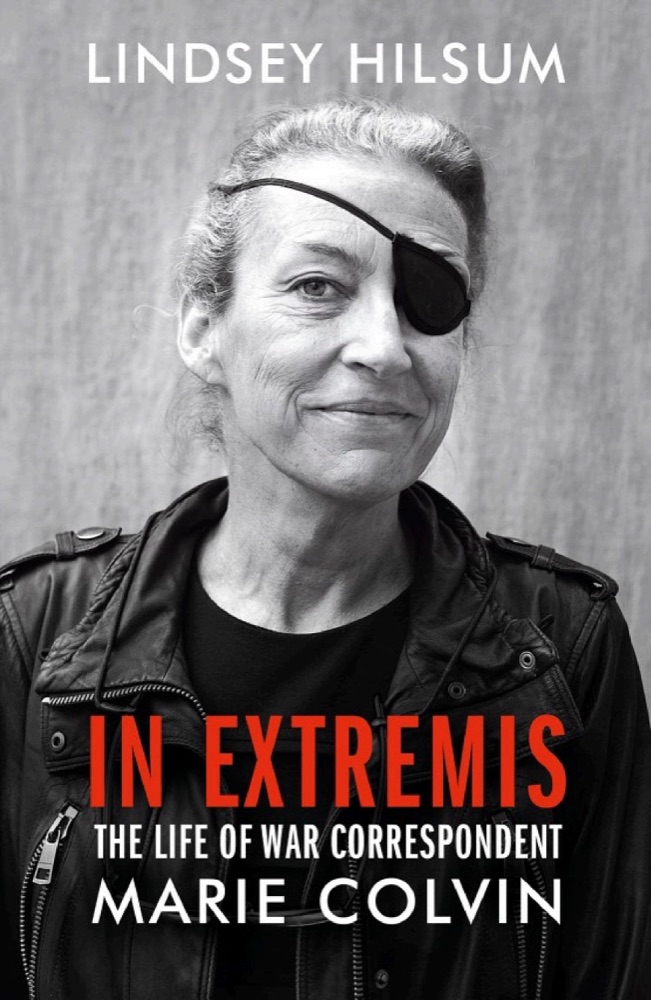
Marie Colvin was hard-drinking, braver than the boys, with a troubled and rackety personal life. With fierce compassion and honesty, she reported from the most dangerous places in the world, fractured by conflict and genocide, going in further and staying longer than anyone else. In Sri Lanka in 2001, Marie was hit by a grenade and lost the sight in her left eye - resulting in her trademark eye patch - and in 2012 she was killed in Syria. Like her hero, the legendary reporter Martha Gellhorn, she sought to bear witness to the horrifying truths of war, to write ‘the first draft of history’ and crucially to shine a light on the suffering of ordinary people.
Written by fellow foreign correspondent Lindsey Hilsum, this is the story of the most daring war reporter of her age. Drawing on unpublished diaries and notebooks, and interviews with Marie’s friends, family and colleagues, In Extrem
Book details
- First published
- 2018
- Author
- Lindsey Hilsum
- Genre
- Nonfiction
- Goodreads rating
- 4.41 (5k ratings)
Keep reading
American War
 Mislaid
 Shrines of Gaiety
 Transcription
 Honor
Honor
 Birnam Wood
 Mercury Pictures Presents
 The Complete Stories
 I Hold a Wolf by the Ears: Stories
 The Little Drummer Girl
 The Children Act
 The Woman Who Walked in Sunshine
 Mohawk
 Tears of the Giraffe
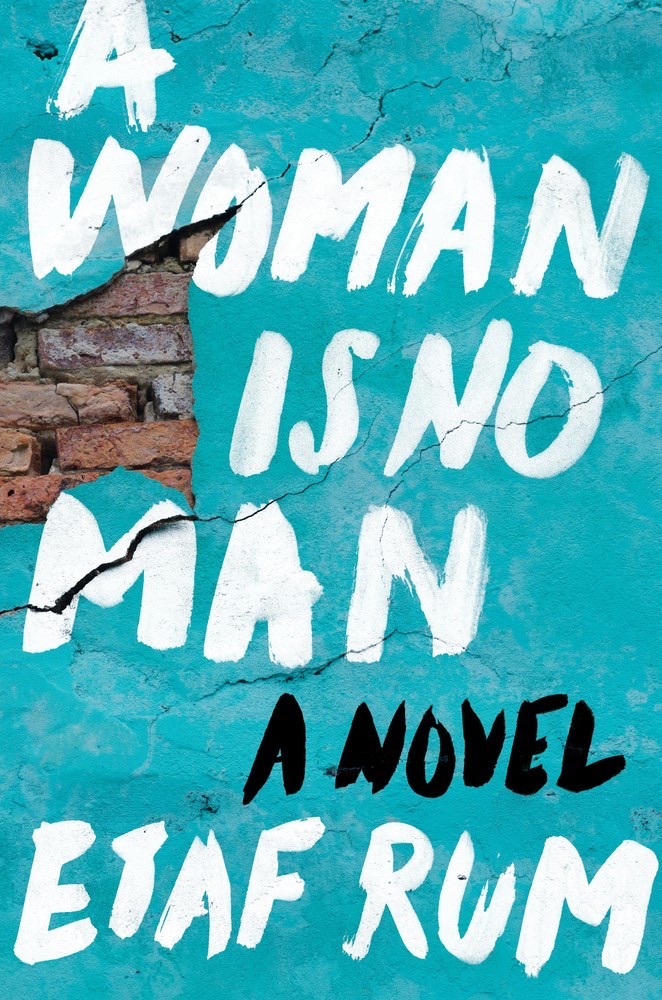 A Woman Is No Man
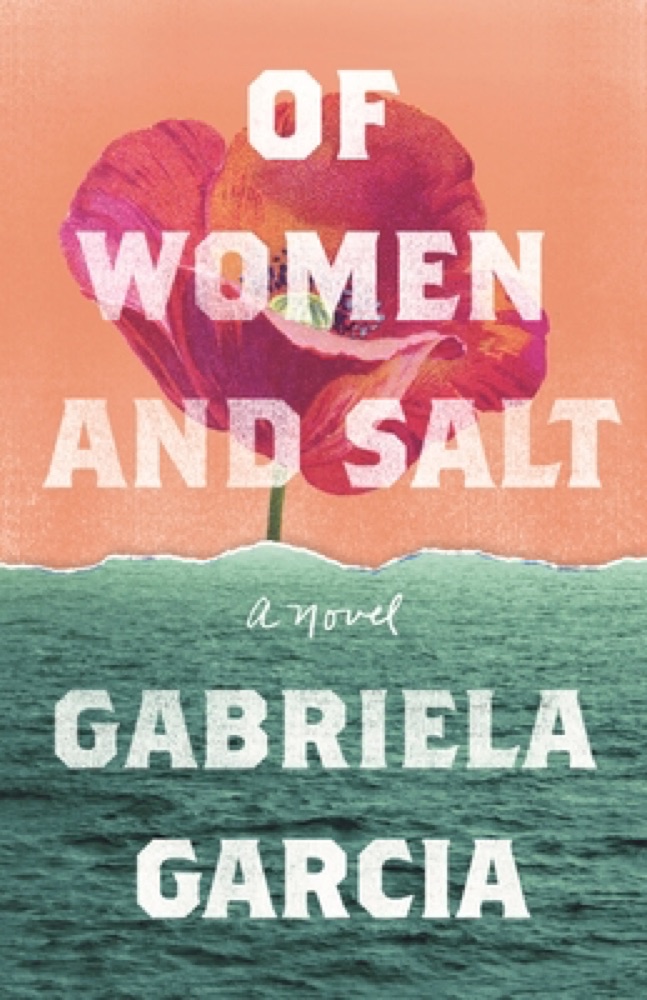 Of Women and Salt
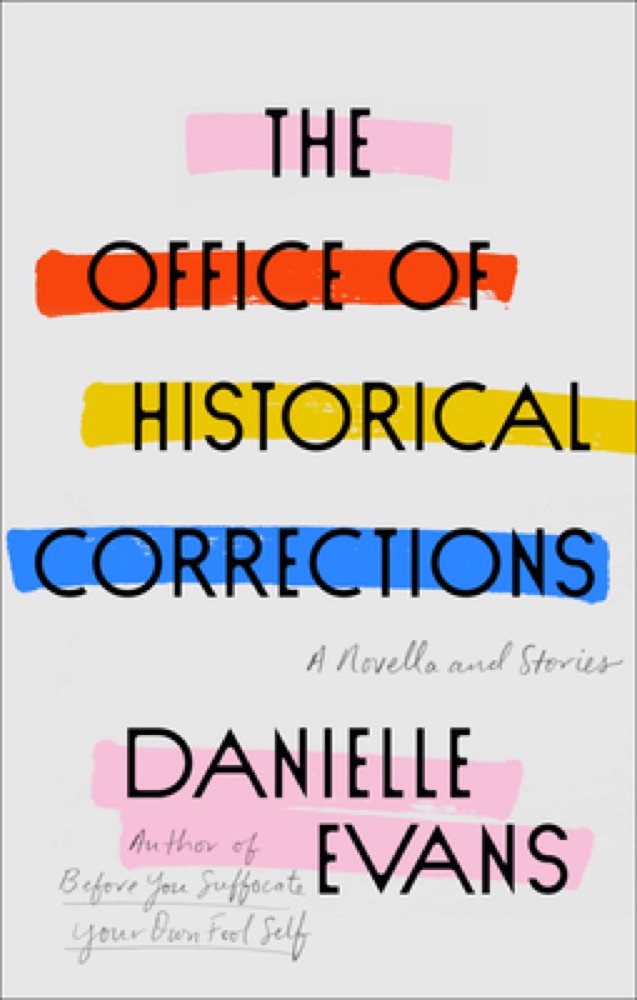 The Office of Historical Corrections
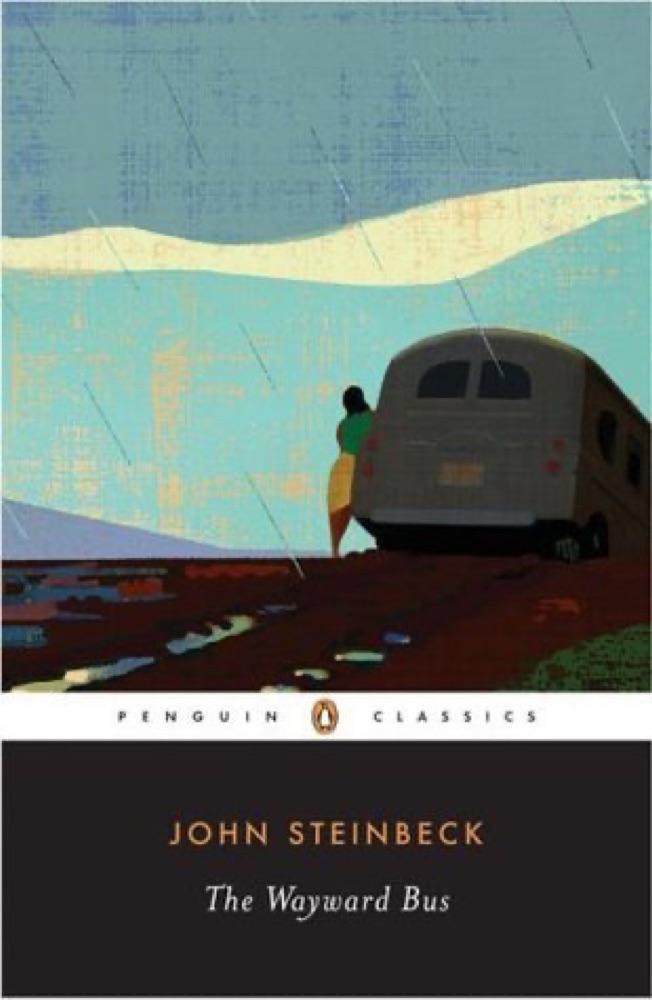 The Wayward Bus
 No One Is Talking About This
 The No. 1 Ladies' Detective Agency
 Hell and Other Destinations: A 21st-Century Memoir
 The Devil and the Dark Water
 Too Much Happiness: Stories
 A Good Man is Hard to Find and Other Stories
 Last Night in Montreal
 The God of the Woods
 The Ministry of Utmost Happiness
 The Story of the Lost Child
 The Broken Girls
 My Brilliant Friend
 The Fraud
 A Widow for One Year
 The Huntress
 Red Comet: The Short Life and Blazing Art of Sylvia Plath
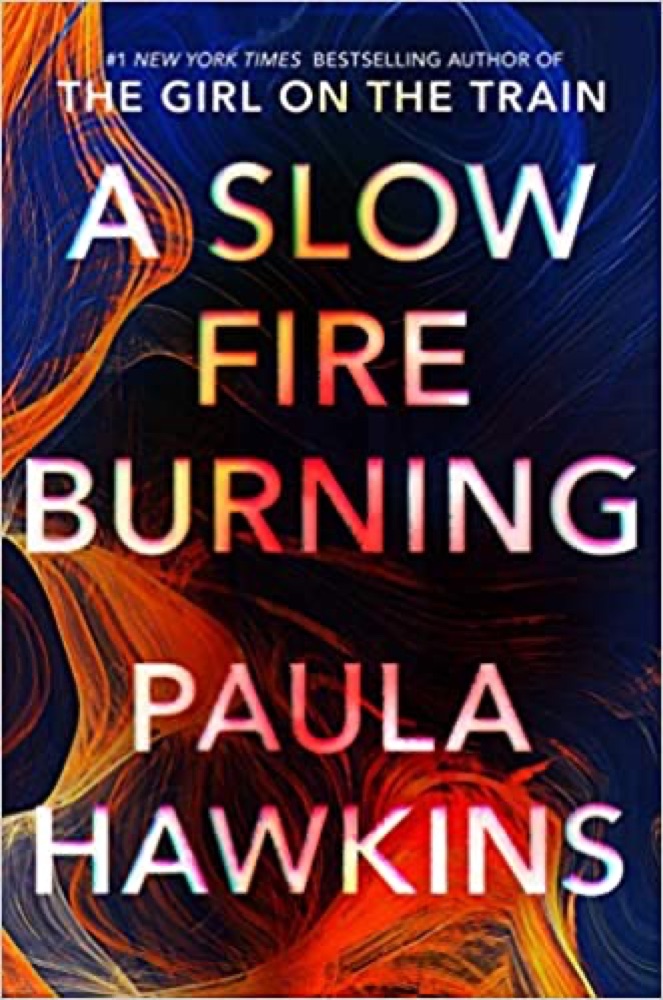 A Slow Fire Burning
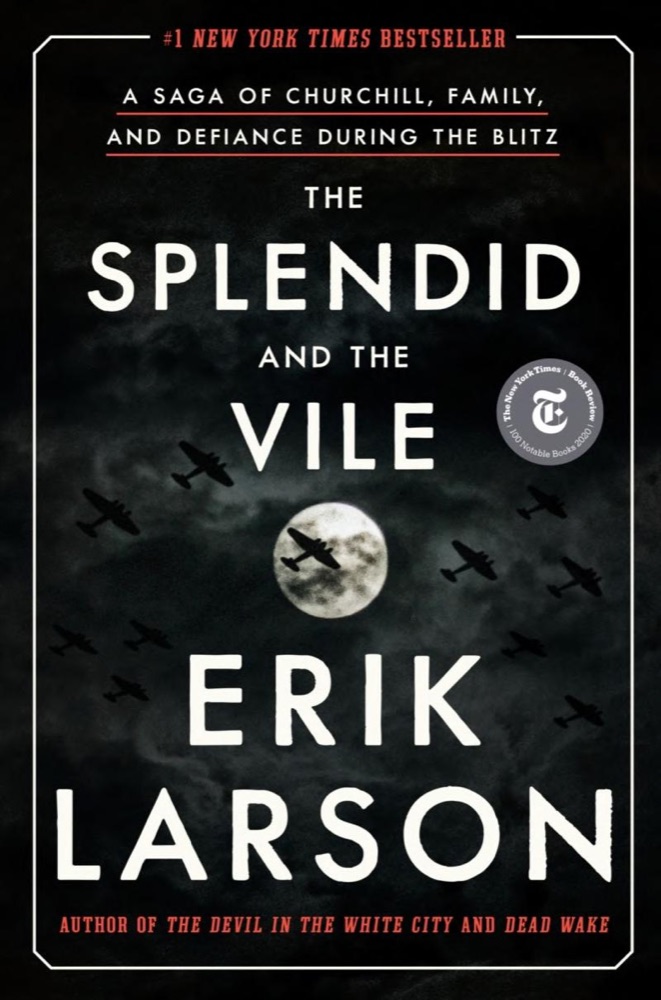 The Splendid and the Vile: A Saga of Churchill, Family, and Defiance During the Blitz
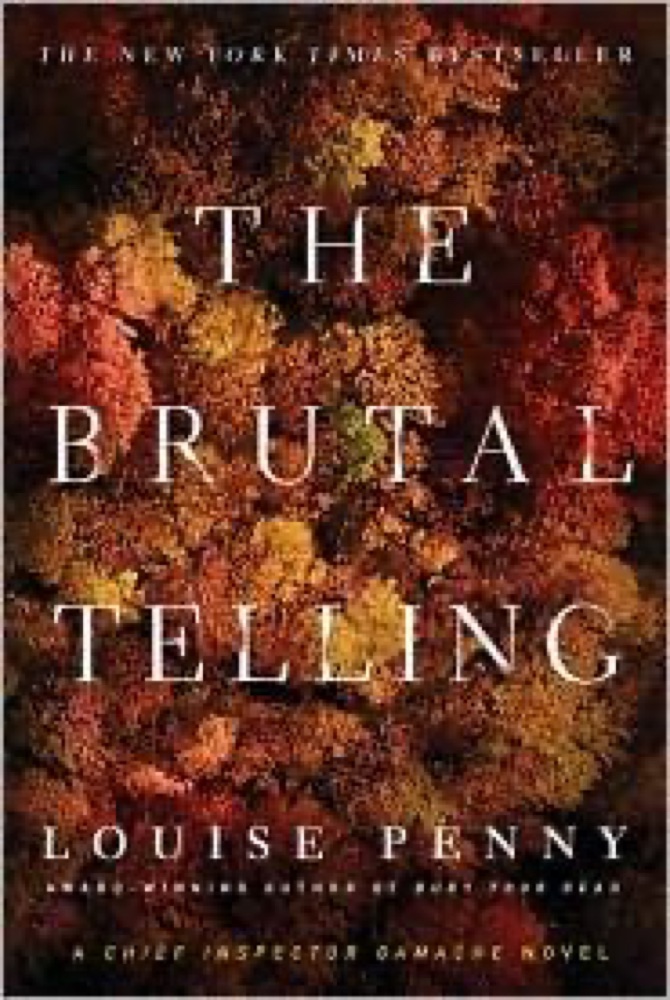 The Brutal Telling
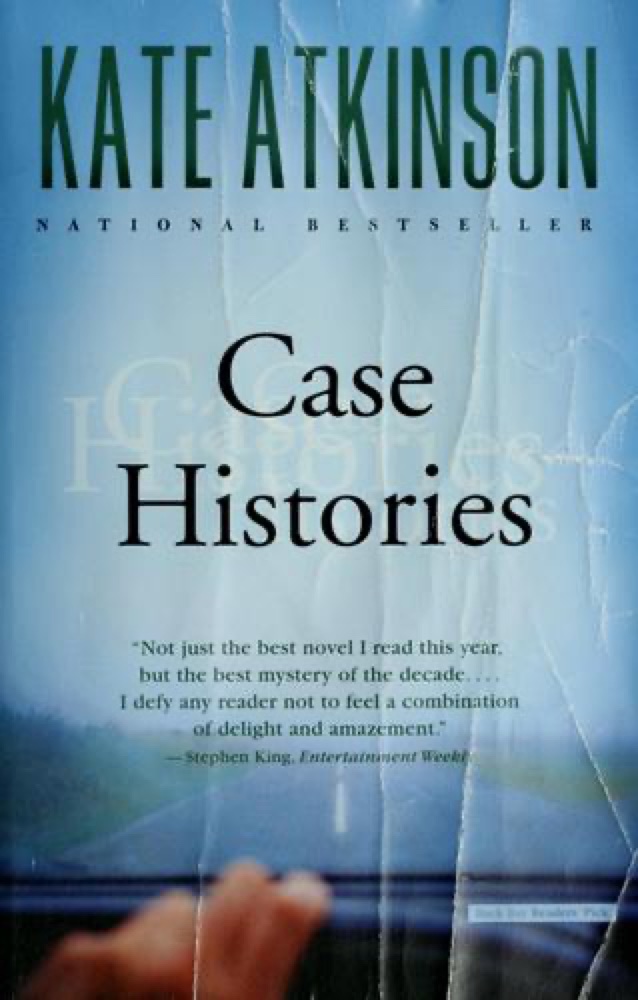 Case Histories
 Journey to Munich
 Olive Kitteridge
 The Postmistress
 The Stories of John Cheever
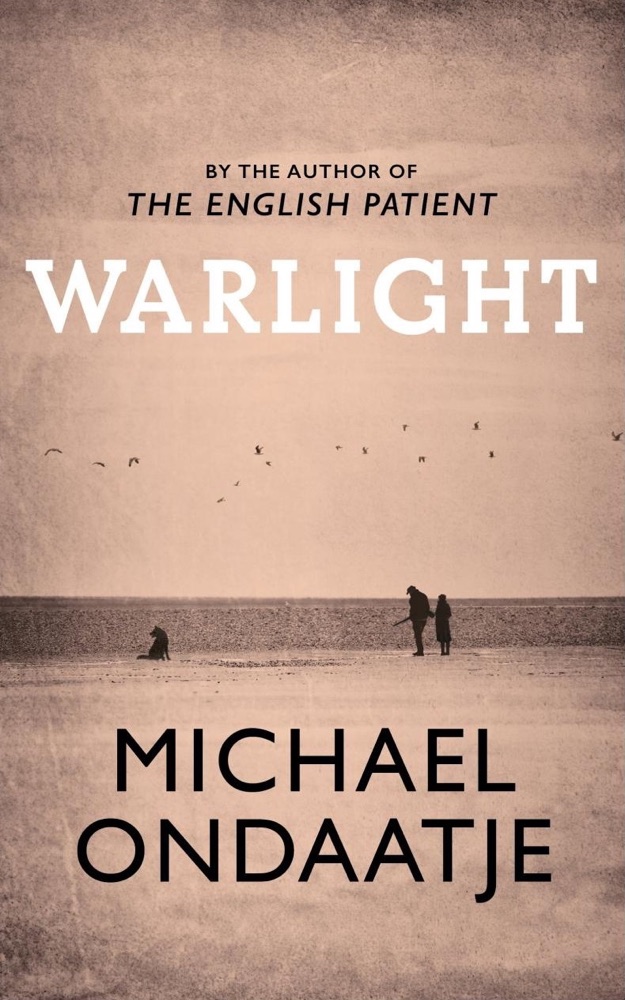 Warlight
 One Fifth Avenue
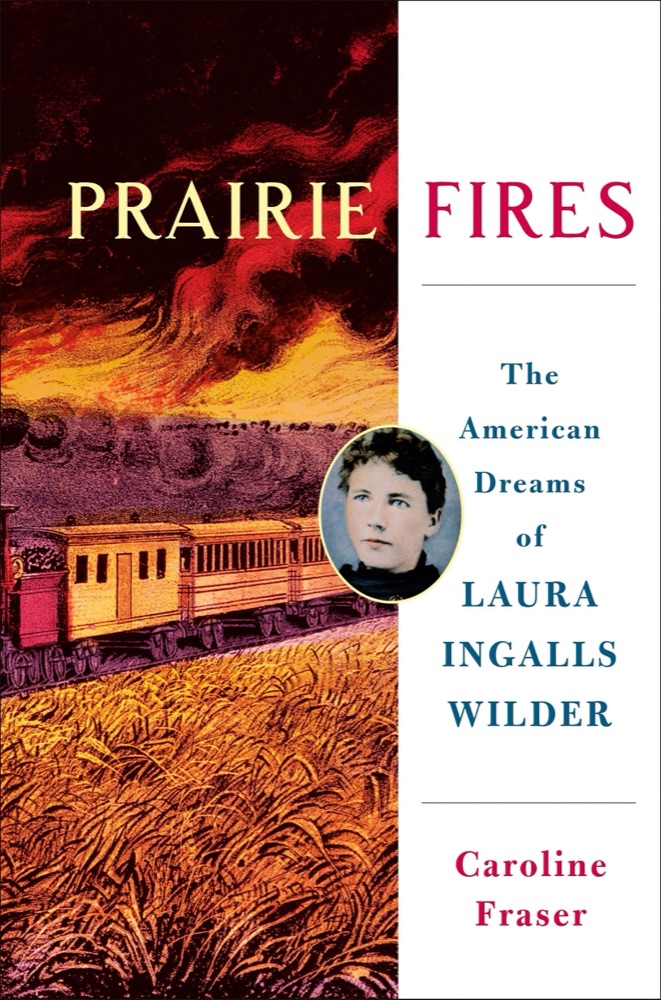 Prairie Fires: The American Dreams of Laura Ingalls Wilder
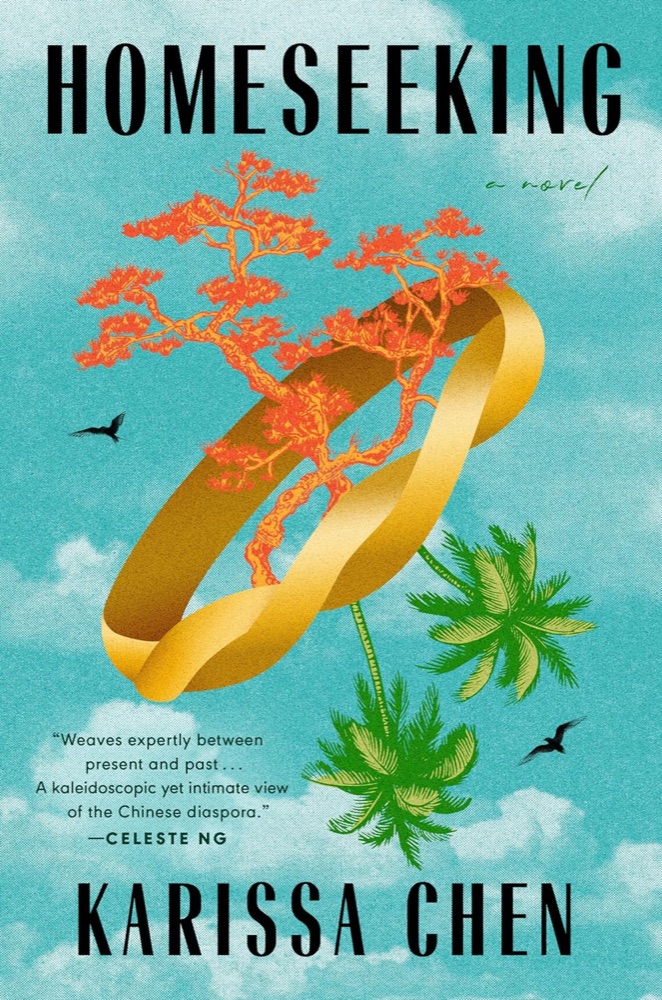 Homeseeking
 Ordinary Human Failings
 Destination Unknown
 Appointment with Death
 Another Country
 Old Babes in the Wood: Stories
 Polostan
 The Rose Code
 Crudo
Crudo
 Our Country Friends
 Upright Women Wanted
 The Madness of Crowds
 The Daughter of Doctor Moreau
 The White Lady
 Confessions on the 7:45