
 The Wasted Vigil
Quotes from the Book
When things are good, you can see no other way of living; when things are in ruins, there appear a million solutions for how this fate could have been avoided.
22
The best way to describe what he felt would be to say that first he was blind, then he could see everything. This is what it felt like to be a bomb. You were coiled up, majestic with blackness, unaware that the universe outside you existed, and then a wire snapped and ripped open your eyelids all the way around and you had a vision of the world that was 360 degrees, and everything in your purview was doomed by seeing.
11
What if I've died a long time ago and come here? he wondered. What if the defining characteristic of hell is that you're locked in an endless, blind battle to reform it?
7
Silence is the small man’s only defense.
5
Yes, madam,” he said, with the exceeding politeness of a man who has just imagined raping you.
4
No action is safe from meaning.
4
And you know what happens when a bomb goes off? The truth about people comes out. Men leave their children and run away. Shopkeepers push aside wives and try to save their cash. People come and loot the shops. A blast reveals the truth about places. Don't forget what you're doing is noble.
4
He had to go to bed every night knowing his world had been destroyed and wake up knowing he must feel the opposite and go on.
3
It occurred to him now that people are defined much more by their association with death than by what they do in life.
3
Divide and rule. It wasn’t just the British toward the Indians but all parents toward their children.
3
Every child is a packet of disappointments, hurts, dangers.
3
Terror is a form of urban planning.
3
Back in the market, people collapsed, then got up, their hands pressed to their wounds, as if they had smashed eggs against their bodies in hypnotic agreement and were unsure about what to do with the runny, bloody yolk. Most
3
The roots of shame run deep.
3
The months and years of struggle were suddenly canceled by three weeks of exercise and some visualization and focus.
3
You've read Gandhi-ji? He said that the two worst classes of human beings are doctors and lawyers. Lawyers because they prolong fights and doctors because they cure the symptoms, not the cause. Doctors don't eliminate disease--they perpetuate the existence of doctors.
3
There are no higher values, people in the West say. Live by your own instincts, for yourself, for your own pleasure... In America, you see, you're not supposed to take care of the elderly. You're supposed to look after yourself, chase your dreams. But what happens when you grow old? Will your individualism save you?
2
Every way he turned, his past was detonated, revealing tunnels and alternative routes under the packed, settled earth of the present. For every decision there were a million others he could have made. For every India, a Pakistan of possibilities.
2
Mr. and Mrs. Khurana were forty and forty, and they had suffered the defining tragedy of their lives, and so all other competing tragedies were relegated to mere facts of existence.
2
He had the slick, proprietary attitude that small men from big cities sometimes bring toward big men from small cities
2
Why do the poor refuse to give an accurate picture of their suffering?
2
There was a contradiction within Vikas, an open wound: though he was fascinated by the poor, good at joshing with them, he was afraid, thanks to his bourgeois background, of being perceived as poor. Poverty equaled failure.
2
Don’t regret things. Look at the present, and pray,” Ayub said. “That’s why I started praying. If you look backwards or forward, you stumble. But prayer keeps you focused on the eternal present.
1
Life is fragmentary but dreams are not.
1
Ayub had rich, long lashes that throbbed oddly when he was excited. He was a bit like a bulb that hasn’t quite learned to hoard all its electricity into light and so emits it through twitches—
1
They’d been sleeping on the floor next to the bed ever since the boys had died. This was because the boys, though they were eleven and thirteen, coming into their male sounds and snores, had shared the bed with them every night, the limbs of the four Khuranas tangled ferociously, like a sprig of roots, dreams and sleep patterns merging and helixing, so that on one particular night, when Nakul screamed in his sleep, so did the other three, and the family woke with a common hoarse throat, looking around for intruders and then laughing. “We’re like tightly packed molecules,” Tushar had said, invoking the words of his science teacher and squeezing his mother close.
1
It didn’t stop—the confusion, the disintegration. Deepa, characterized by her bright, chirpy alertness, was now inert. When they’d come back from meeting Malik Aziz, Vikas had feared she might kill herself, and for a few days he’d stayed home, keeping her under intense watch, with Rajat and his friends making repeated visits. But he saw now what had happened to her was far worse, the mind vacating itself before the body could even act.
1
there was a long silence before the screams started, as if, even in pain, people watched each other first to see how to act.
1
Watch on YouTube
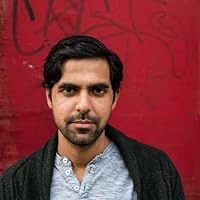
About Karan Mahajan
We have collected 28 quotes from 1 book by Karan Mahajan on BookQuoters.
More about the author →About the book
FINALIST FOR THE NATIONAL BOOK AWARD 2016
When brothers Tushar and Nakul Khurana, two Delhi schoolboys, go to pick up their family’s television set at a repair shop with their friend Mansoor Ahmed one day in 1996, disaster strikes without warning. A bomb—one of the many “small” bombs that go off seemingly unheralded across the world—detonates in the Delhi marketplace, instantly claiming the lives of the Khurana boys to the devastation of their parents.
Mansoor survives, bearing the physical and psychological effects of the bomb. After a brief stint at university in America, Mansoor returns to Delhi, where his life becomes entangled with the mysterious and charismatic Ayub, a fearless young activist whose own allegiances and beliefs are more malleable than Mansoor could imagine. Woven among the story of the Khuranas and the Ahmeds is the tale of Shockie, a Kashmiri bomb maker who h
Book details
- First published
- 2016
- Author
- Karan Mahajan
- Genre
- Fiction
- Goodreads rating
- 3.57 (15k ratings)
The buzz
- The New York TimesReview in The New York Timesprofessional review (via Book Marks)
- The New YorkerReview in The New Yorkerprofessional review (via Book Marks)
- The Wall Street JournalReview in The Wall Street Journalprofessional review (via Book Marks)
- The GuardianReview in The Guardianprofessional review (via Book Marks)
- SlateReview in Slateprofessional review (via Book Marks)
- LA Review of BooksReview in LA Review of Booksprofessional review (via Book Marks)
Keep reading
The Wasted Vigil
 Behind the Beautiful Forevers: Life, Death, and Hope in a Mumbai Undercity
 Cage of Souls
 The Lives of Others
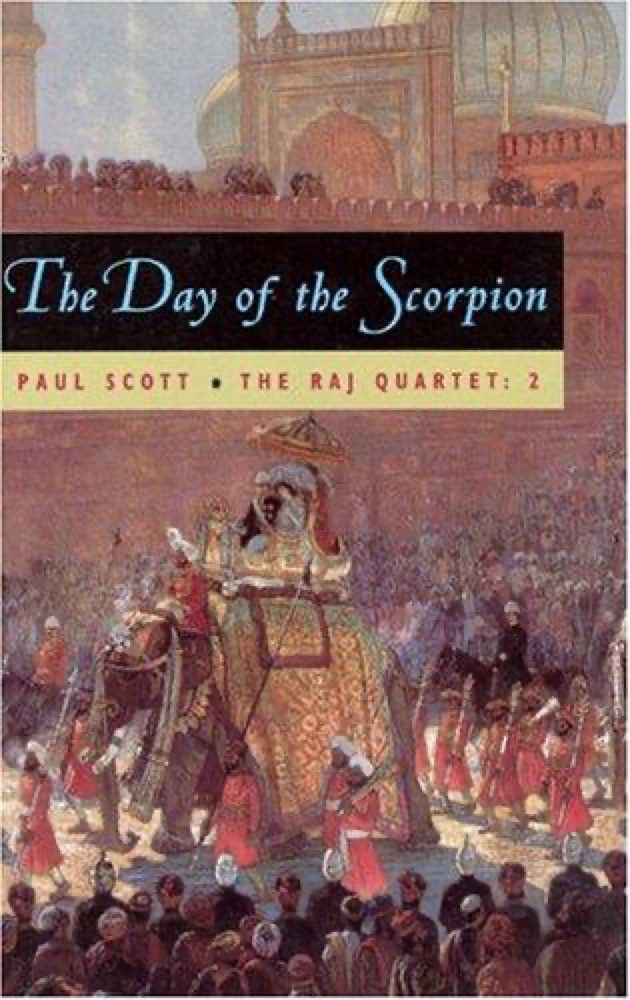 The Day of the Scorpion
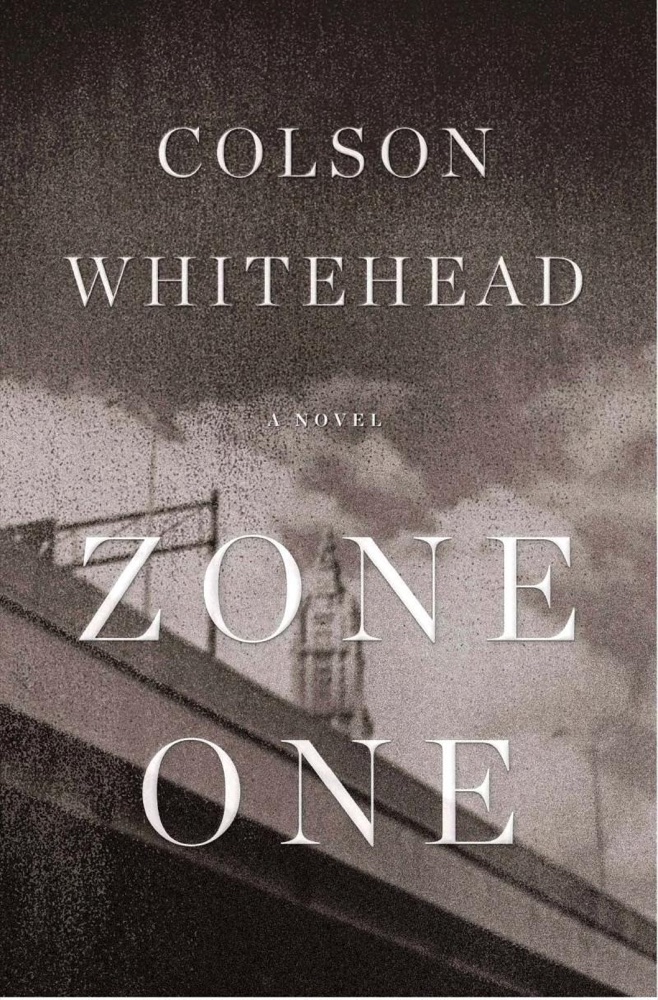 Zone One
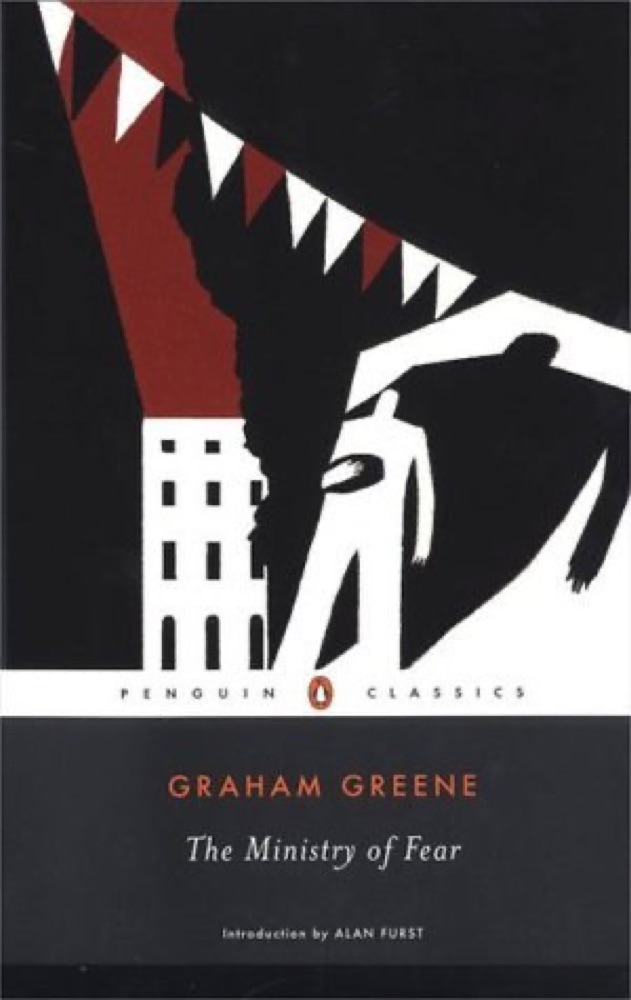 The Ministry of Fear
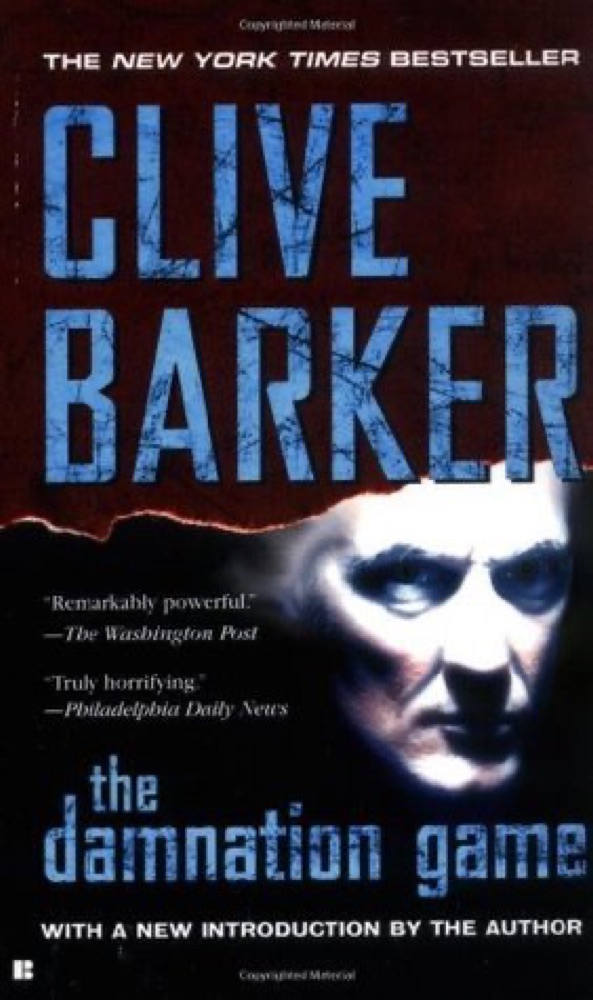 The Damnation Game
 Rot & Ruin
 The Blind Man's Garden
 Last First Snow
 The Ministry of Utmost Happiness
 The Naked and the Dead
 A Rule Against Murder
 Another Country
 Crime and Punishment
 A Time of Torment
 What Strange Paradise
 City on Fire
 The Kite Runner
 Velocity
 Running with the Demon
 Against the Day
 The Shipping News
 The Book of My Lives
 The Fall of Babel
 Home Fire
 The Story of the Lost Child
 Call for the Dead
 Brick Lane
 A Better World
 The Brutal Telling
 The Empusium
 Cursed Bunny
 The Prophets
 Fall of Light
 The Jewel in the Crown
 A Guardian and a Thief
 The Whisper Man
 Regeneration
 The Pearl That Broke Its Shell
 The Corrections
 V.
V.
 Serious Men
 The Madness of Crowds
 The Casual Vacancy
 Wanderers
 In Cold Blood
 Ohio
Ohio
 That Hideous Strength
 Shalimar the Clown
 An Orchestra of Minorities
 The Night in Question
 The Luminaries
 A Fatal Inversion
 The Spear Cuts Through Water
 10 Minutes 38 Seconds in This Strange World
 Native Son
 The Chocolate War
 The Burgess Boys