
 The Winds of War
Quotes from the Book
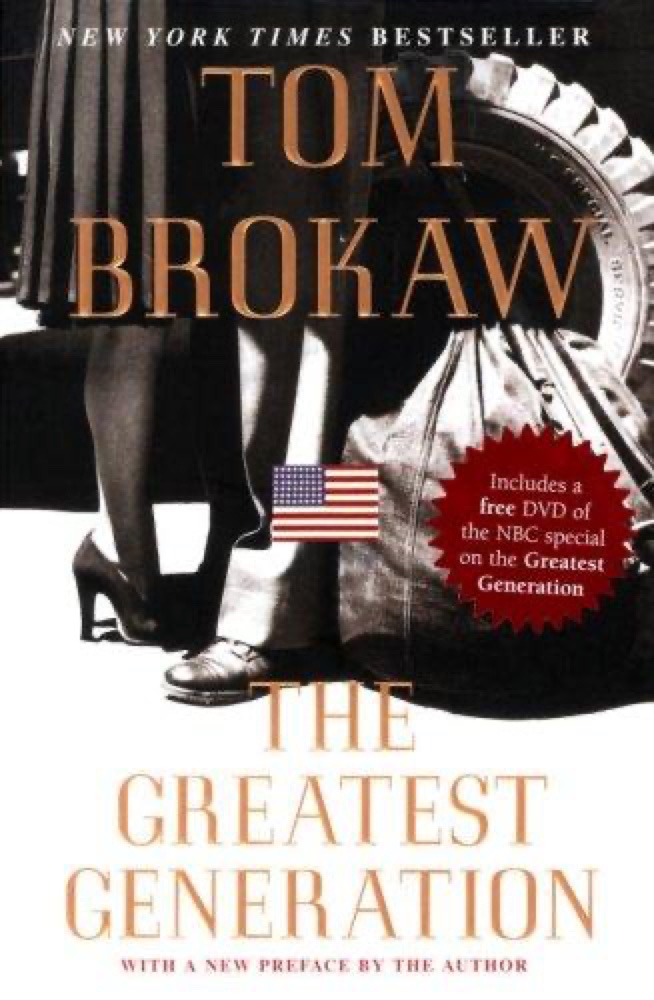
A common lament of the World War II generation is the absence today of personal responsibility
there on the beaches of Normandy I began to reflect on the wonders of these ordinary people whose lives were laced with the markings of greatness.
There has never been a military operation remotely approaching the scale and the complexity of D-Day. It involved 176,000 troops, more than 12,000 airplanes, almost 10,000 ships, boats, landing craft, frigates, sloops, and other special combat vessels--all involved in a surprise attack on the heavily fortified north coast of France, to secure a beachhead in the heart of enemy-held territory so that the march to Germany and victory could begin. It was daring, risky, confusing, bloody, and ultimately glorious [p.25]
sacrifices. They married in record numbers and gave birth to another distinctive generation, the Baby Boomers. They stayed true to their values of personal responsibility, duty, honor, and faith.
When the war ended, more than twelve million men and women put their uniforms aside and returned to civilian life. They went back to work at their old jobs or started small businesses; they became big-city cops and firemen; they finished their degrees or enrolled in college for the first time; they became schoolteachers,
Broderick’s unit shipped out to England as replacements for the 82nd Airborne men lost in the Normandy
The D-Day fortieth-anniversary project awakened my earliest memories. Between the ages of three and five I lived on an Army base in western South Dakota and spent a good deal of my time outdoors in a tiny helmet, shooting stick guns at imaginary German and Japanese soldiers. My father, Red Brokaw, then in his early thirties, was an all-purpose Mr. Fix-It and operator of snow-plows and
ON THE FIFTIETH ANNIVERSARY OF D-Day, I was broadcasting from the American cemetery overlooking Omaha Beach at Colleville-sur-Mer in Normandy, one of the bloodiest battlefields in American history. The cemetery is at once haunting and beautiful, with 9,386 white marble headstones in long, even lines across the manicured fields of dark green, each headstone marking the death of a brave young American. The anniversary was a somber and celebratory
postwar America. He learned the insurance business by day and braille by night. Before long the VA found him a job with an elderly insurance broker in his neighborhood. Not too long after that, Broderick had established his own insurance
despair hovered over the land like a plague. They had watched their parents lose their businesses, their farms, their jobs, their hopes. They had learned to accept a future that played out one day
came of age in the Great Depression, when economic despair hovered over
present visitors with a tiny beaded pin of the American and Irish flags. It was a big turnout the day I was there, eighteen
Henry Kissinger once said of this former World War II Marine, “If I had to entrust the United States to one man, George Shultz would be my choice.” Schlesinger
promoted to captain and given command of a company
assisting in the capture of the 21st German army, which was trying to avoid the Russian troops advancing from the other direction. Ko and his
At one time he owned as many as three buildings divided up into rental units. It was as a landlord and as a black man who had overcome so much on his own that he came to hate the welfare system that grew so fast in the fifties, sixties, and seventies. “It just killed ambition,” according to Holmes. “I had all of these tenants who in their late twenties had never worked a day in their life. They just waited around for that government check. No incentive.
how to prepare a young generation to run a large, modern, and complex industrial society. Nearly
Nazi realm. Japan continued its brutal and genocidal war against the Chinese; and in Russia, Stalin was presiding over show trials, deporting thousands to Siberia, and summarily executing his rivals in the Communist party. The Spanish
he had saved his country with a pact negotiated with Hitler at Munich. He returned to England to declare, “I believe it is peace for our time . . . peace with honor.” It was neither. At home, Roosevelt was in his second term, trying to balance the continuing need for extraordinary efforts to revive the economy with what he knew was the
A common lament of the World War II generation is the absence today of personal responsibility. Broderick remembers listening to an NPR broadcast and hearing an account of how two boys found a loaded gun in one of their homes. The visiting boy accidentally shot his friend. The victim’s father was on the radio, talking about suing the gun manufacturer. That got to Tom Broderick. “So,” he said, “here’s this man talking about suing and he’s not accepting responsibility for having a loaded gun in the house.” Tom knows something about personal responsibility. He’s been forced to live as a blind man for more than fifty years, and when asked about the moment when the lights were literally shot out of his eyes, he says only, “It was my fault for getting too high in the foxhole. That happens sometimes.
great peril abroad. Congress passed the Fair Labor Standards Act, setting a limit on hours worked and a minimum wage. The federal government began a system of parity payments to farmers and subsidized foreign wheat sales. In
It was the beginning of his personal crusade to make life easier for the more than forty million disabled Americans. By 1990 he had moved Congress to pass the Americans with Disabilities Act, a sweeping piece of legislation that mandated changes in public buildings, accommodations, and transportation to make it easier for the disabled to function in American society. For Dole, it was his greatest legislative victory. Yet it was also a classic example of the two sides of Bob Dole. Although he was a champion of this federal directive that imposed on states and businesses rigid requirements that were costly and, in some cases, little used, he was also known for advocating a reduced role for the federal government. On
Watch on YouTube
About Tom Brokaw
We have collected 22 quotes from 1 book by Tom Brokaw on BookQuoters.
More about the author →Book details
- Author
- Tom Brokaw
- Genre
- History
- Goodreads rating
- 4.04 (20k ratings) →
Keep reading
The Winds of War
 Band of Brothers: E Company, 506th Regiment, 101st Airborne from Normandy to Hitler's Eagle's Nest
 The Monuments Men: Allied Heroes, Nazi Thieves, and the Greatest Treasure Hunt in History
 Citizens of London: The Americans who Stood with Britain in its Darkest, Finest Hour
 Flyboys: A True Story of Courage
 The Untold History of The United States
 Becoming Madam Secretary
 With the Old Breed: At Peleliu and Okinawa
 The Path to Power
 Flags of Our Fathers
 One Summer: America, 1927
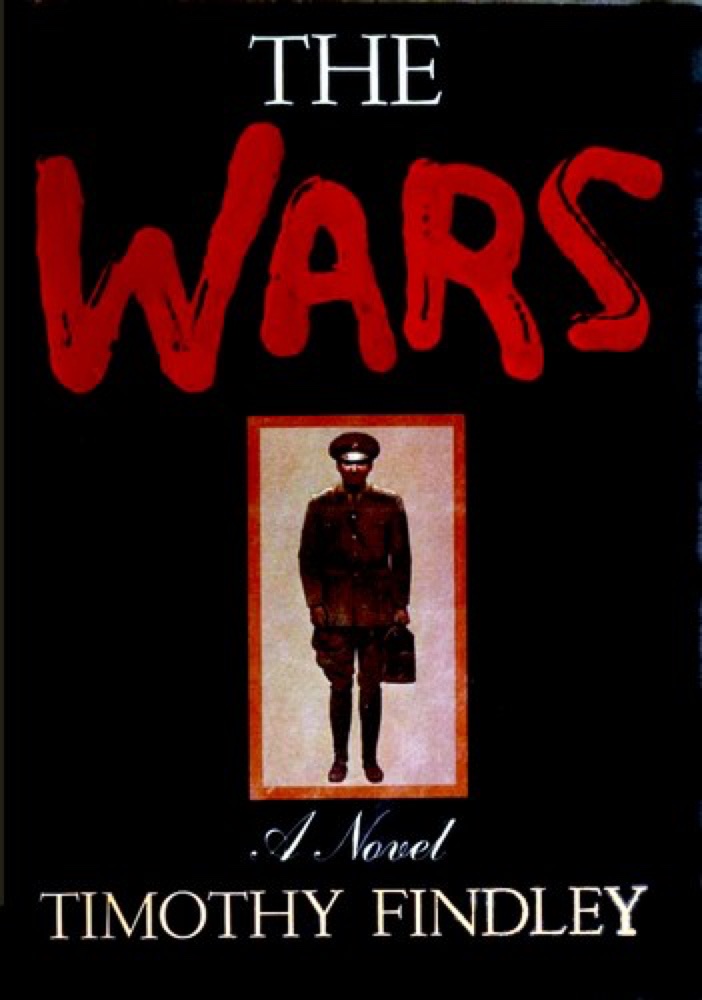 The Wars
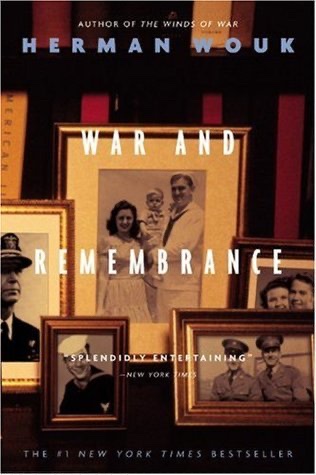 War and Remembrance
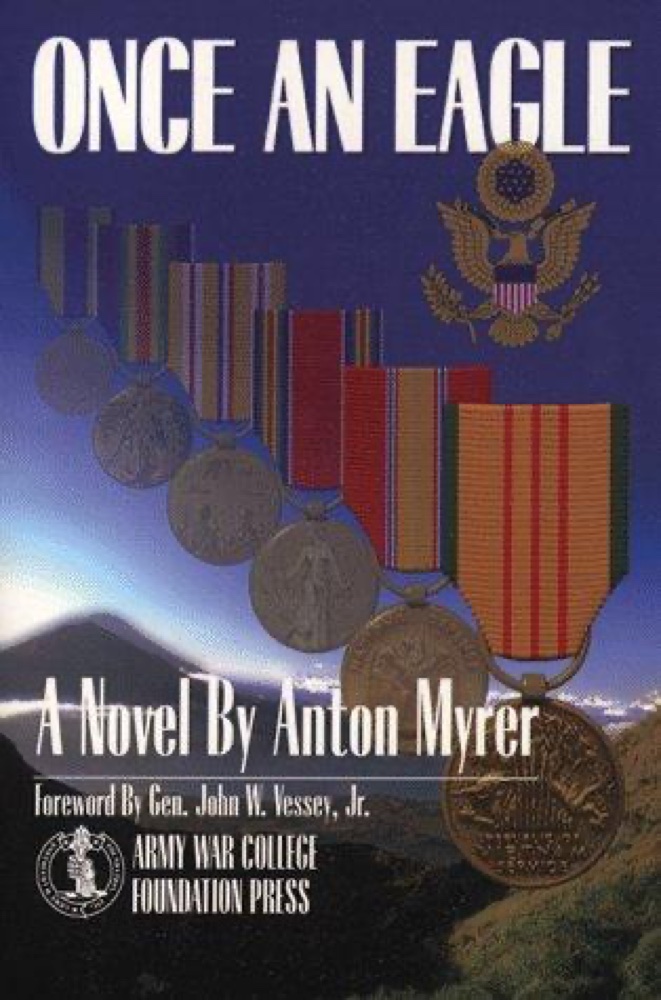 Once An Eagle
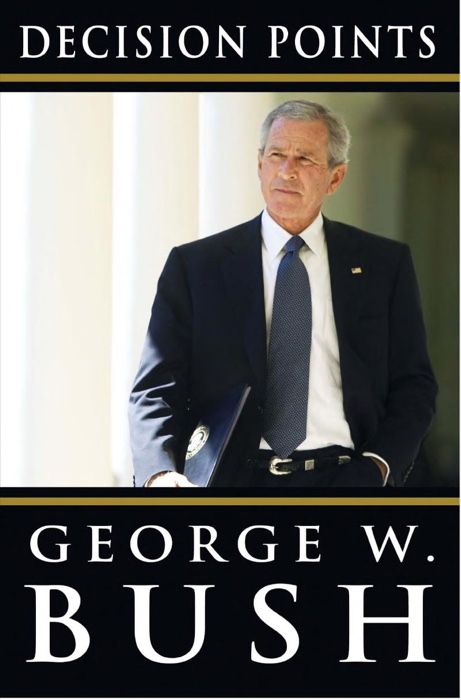 Decision Points
 American Colossus: The Triumph of Capitalism, 1865-1900
 Battle Cry of Freedom
 The Best and the Brightest
 TransAtlantic
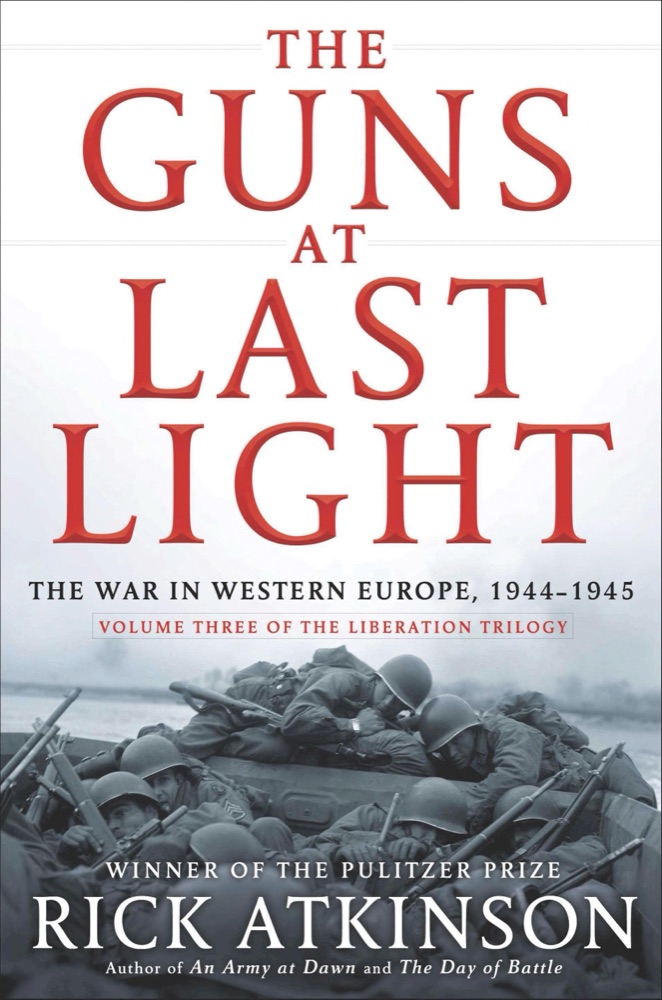 The Guns at Last Light: The War in Western Europe, 1944-1945
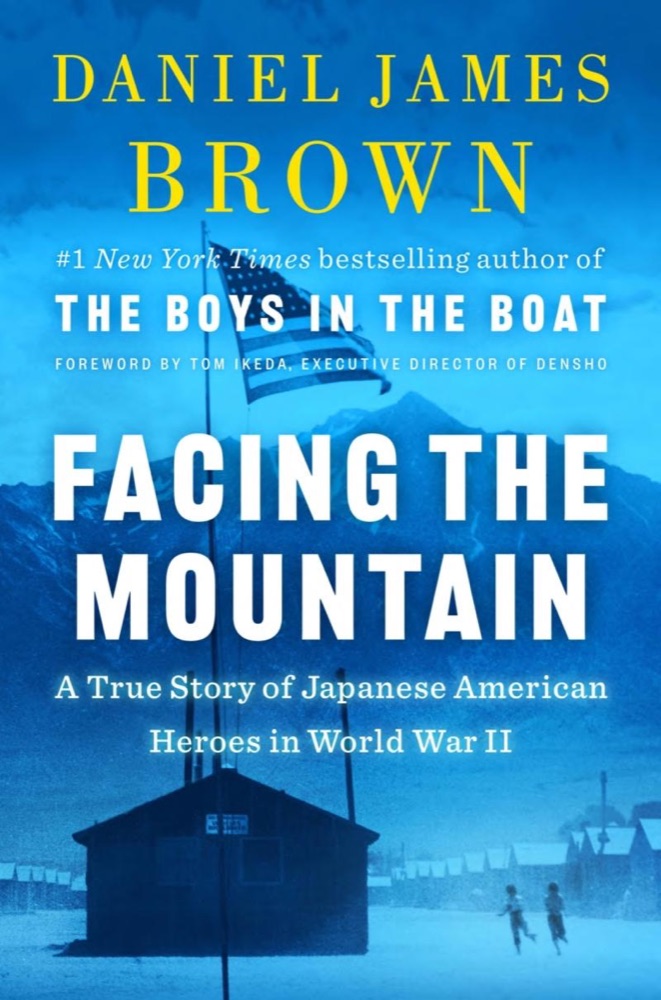 Facing the Mountain: A True Story of Japanese American Heroes in World War II
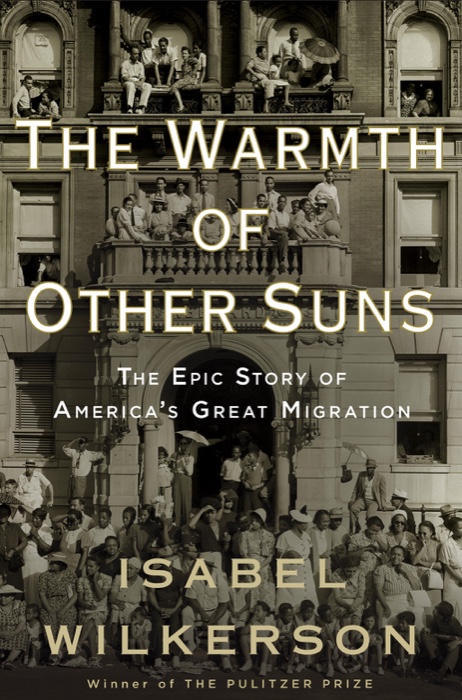 The Warmth of Other Suns: The Epic Story of America's Great Migration
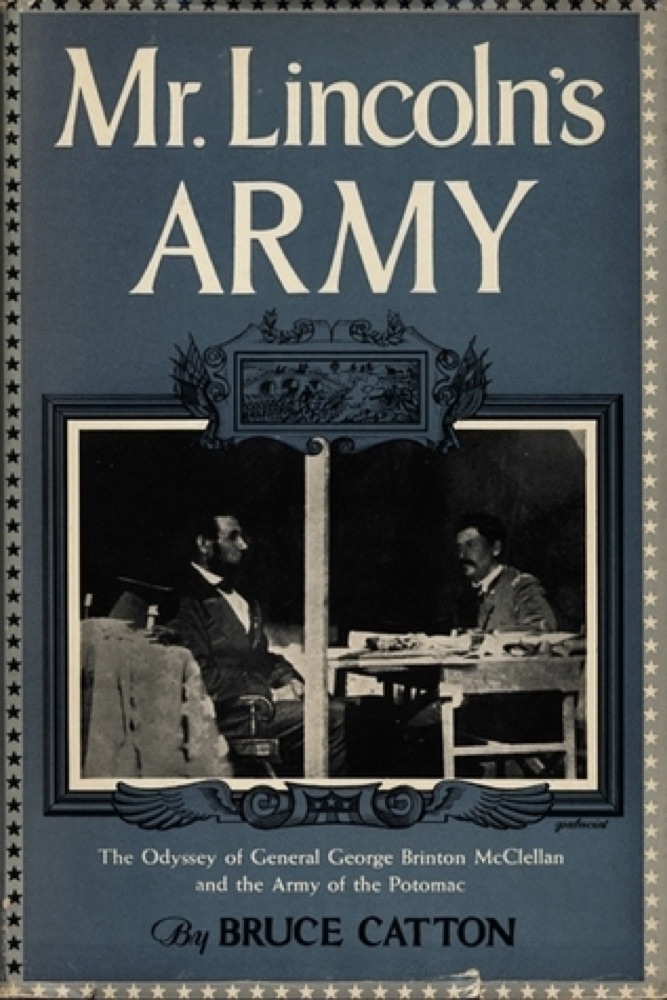 Mr. Lincoln's Army
 The Proud Tower: A Portrait of the World Before the War, 1890-1914
 The Splendid and the Vile: A Saga of Churchill, Family, and Defiance During the Blitz
 Executive Orders
 This Kind of War: A Study in Unpreparedness
 The Road Back
 Fall of Giants
 The Coldest Winter: America and the Korean War
 Berlin Diary: The Journal of a Foreign Correspondent 1934-1941
 D-Day, June 6, 1944: The Battle for the Normandy Beaches
 Black Hawk Down
 Closing the Ring
 Truman
 The Guns of August
 A Rumor of War: The Classic Vietnam Memoir
 The Autobiography of Eleanor Roosevelt
 The Path Between the Seas: The Creation of the Panama Canal, 1870-1914
 Killing Kennedy: The End of Camelot
 Aspho Fields
 The First Salute : View of the American Revolution
 The Life and Times of the Thunderbolt Kid
 Winter of the World
 Clear and Present Danger
 A Promised Land
 Code Talker
 The Second World War
 The World of Yesterday
 Ghost Soldiers: The Epic Account of World War II's Greatest Rescue Mission
 Precipice
 The Small and the Mighty: Twelve Unsung Americans Who Changed the Course of History, from the Founding to the Civil Rights Movement
 The Last Lion 3: Winston Spencer Churchill: Defender of the Realm, 1940-1965
 Shadows of the Workhouse
 Storm of Steel
 An Army at Dawn: The War in North Africa, 1942-1943
 War Is a Racket
 A Full Life: Reflections at Ninety
 The Day of Battle: The War in Sicily and Italy, 1943-1944
 The Fifties