
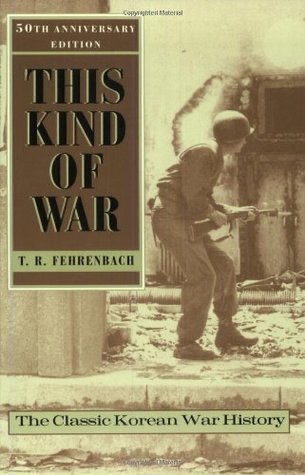
 This Kind of War: A Study in Unpreparedness
Quotes from the Book
The merits of rival causes are never absolute. Even in the Second World War, the Western allied struggle against fascism was compromised by its reliance upon the tyranny of Stalin to pay most of the blood price for destroying the tyranny of Hitler. Only simpletons of the political Right and Left dare to suggest that in Vietnam either side possessed a monopoly of virtue.
5
The main thing those Americans who really knew about Vietnam knew was how little they knew.
5
It seems a fair test of any political movement to enquire not whether it is capitalist, communist or fascist, but whether it is fundamentally humane.
5
70 per cent to avoid a humiliating defeat (to our reputation as a guarantor) – 20 per cent to keep South Vietnam (and the adjacent territory) from Chinese hands – 10 per cent to permit the people of South Vietnam to enjoy a better, freer way of life’.
4
The egregious error committed by US statesmen and commanders was not that of lying to the world, but rather that of lying to themselves.
4
Not until 1961 did Vice-President Lyndon Johnson deliver his memorable apologia for Diem: ‘Shit, man, he’s the only boy we got out there.
3
The domestic lesson of the 1950–53 war that wrecked Harry Truman’s presidency was that, though Americans were willing to pay other people to die combating ‘Reds’ in faraway Asian countries, they resisted seeing their own boys sacrificed.
3
Following a 1945 Muslim revolt in Algeria in which a hundred Europeans were killed, an estimated twenty-five thousand people were slaughtered by French troops. After a March 1947 rebellion in Madagascar, where thirty-seven thousand colons lorded it over 4.2 million black subjects, the army killed ninety thousand people.
3
Relative American openness, contrasted with the communist commitment to secrecy, in my view constitutes a claim upon a fragment of moral high ground. The egregious error committed by US statesmen and commanders was not that of lying to the world, but rather that of lying to themselves.
2
Yet they persevered because a lethal cocktail of pride, fatalism, stupidity, and moral weakness prevented them from acknowledging their blunder.
2
On 1 November the old OSS man arrived by appointment at army headquarters, wearing uniform and carrying a .357 revolver together with $US40,000 in cash, which he deemed the appropriate fashion accessories for an afternoon’s work overthrowing a government.
2
Possession of armed might can be corrupting: it feeds an itch among those exercising political authority to put it to practical use. Successive Washington administrations have been seduced by the readiness with which they can order a deployment, and see this promptly executed. It is much easier to commit armed forces, especially air power, in pursuit of an objective than to grapple the complexities of social and cultural engagement with an alien people.
2
Diem regarded the Americans as ‘great big children – well-intentioned, powerful, with a lot of technical know-how, but not very sophisticated in dealing with him or his race’.
2
Yet both Langlais and ‘Bruno’ were better suited to enduring a crucifixion than inspiring a resurrection.
2
Pierre Asselin, noting that all totalitarian governments require enemies, has written that “demonization of the United States . . . created a ‘useful adversary’ that facilitated gaining and maintaining public support . . . for advancing the Vietnamese revolution.
1
It remains as difficult now as it was then to see virtue in Gen. Harkins’s attempts to deny the real state of affairs. The maxim obtains for all those who hold positions of authority, in war as in peace: Lie to others if you must, but never to yourselves. MACV’s chief could make a case for talking nonsense to Halberstam and Arnett, but he was peddling the same fairy tales in top-secret cables to Washington. Nonetheless, a valid criticism persists of the media’s coverage throughout the war: the critics got bang to rights the shortcomings of the Diem regime and its successors but gave nothing like the same attention to the blunders and horrors perpetrated by the communists.
1
Bob Kelly, a psychological-warfare adviser working with the South Vietnamese in Quang Ngai Province, organized pro-government rallies, of which the first was not an unqualified success. Local people were herded like cattle to attend, then left sitting without water under a hot sun. The occasion’s highlight was to be a C-47 flying low overhead, broadcasting government propaganda. The plane arrived early, and from a thousand feet its raucous tones drowned out the local province chief’s speech on the ground. Then the airborne broadcaster demanded in Vietnamese, “Mr. Province Chief, have you finished yet?” This infuriated and humiliated local officials, whose temper was not improved when the plane began to drop leaflets in bundles that failed to burst in the air, so they landed like bombs. It never occurred to the Americans involved, some laughing and others almost tearful amid the shambles, that it was wildly inappropriate for them to be seen orchestrating a Vietnamese political rally.
1
Colonialism was sustainable only as long as it appeared to subject peoples as the inevitable order.
Watch on YouTube
About Max Hastings
We have collected 18 quotes from 1 book by Max Hastings on BookQuoters.
More about the author →About the book
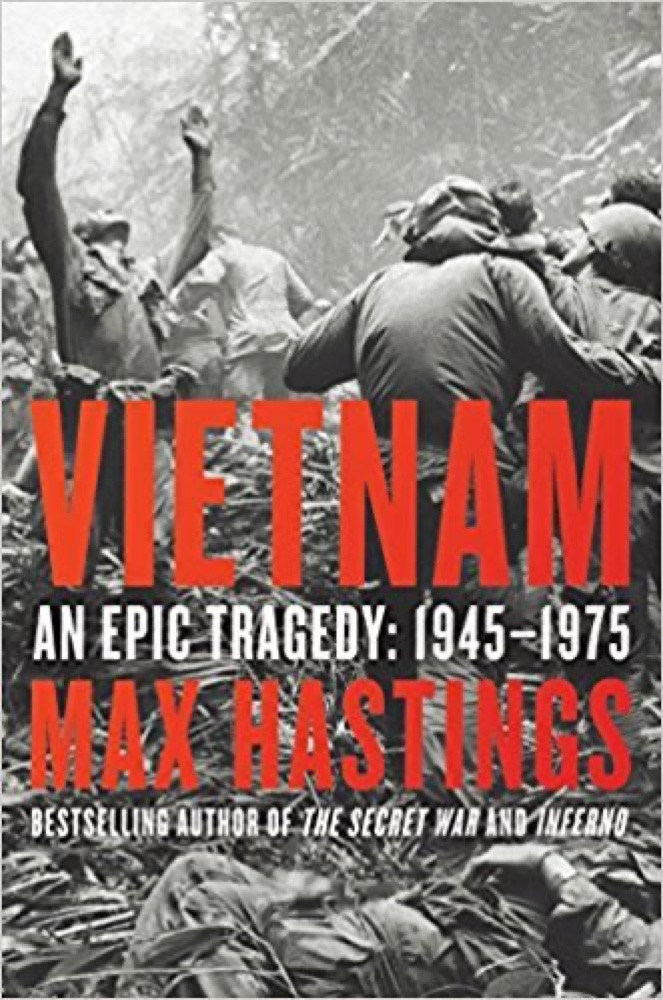
An absorbing and definitive modern history of the Vietnam War from the acclaimed New York Times bestselling author of The Secret War.
Vietnam became the Western world’s most divisive modern conflict, precipitating a battlefield humiliation for France in 1954, then a vastly greater one for the United States in 1975. Max Hastings has spent the past three years interviewing scores of participants on both sides, as well as researching a multitude of American and Vietnamese documents and memoirs, to create an epic narrative of an epic struggle. He portrays the set pieces of Dienbienphu, the 1968 Tet offensive, the air blitz of North Vietnam, and also much less familiar miniatures such as the bloodbath at Daido, where a US Marine battalion was almost wiped out, together with extraordinary recollections of Ho Chi Minh’s warriors. Here are the vivid realities of strife amid jungle and paddies
Book details
- First published
- 2018
- Author
- Max Hastings
- Genre
- History
- Goodreads rating
- 4.32 (8k ratings)
The buzz
- The New York TimesReview in The New York Timesprofessional review (via Book Marks)
- The Washington PostReview in The Washington Postprofessional review (via Book Marks)
- The GuardianReview in The Guardianprofessional review (via Book Marks)
- NPRReview in NPRprofessional review (via Book Marks)
- The TimesReview in The Timesprofessional review (via Book Marks)
- Star TribuneReview in Star Tribuneprofessional review (via Book Marks)
Keep reading
This Kind of War: A Study in Unpreparedness
 The Coldest Winter: America and the Korean War
 A Rumor of War: The Classic Vietnam Memoir
 The Untold History of The United States
 Flyboys: A True Story of Courage
 Closing the Ring
 The Trial of Henry Kissinger
 Executive Orders
 The Best and the Brightest
 Nixonland: The Rise of a President and the Fracturing of America
 The Jakarta Method: Washington's Anticommunist Crusade and the Mass Murder Program that Shaped Our World
 The Guns at Last Light: The War in Western Europe, 1944-1945
 Imperial Ambitions: Conversations on the Post-9/11 World
 The Invisible Bridge: The Fall of Nixon and the Rise of Reagan
 The Second World War
 Dead Fall
 The First Salute : View of the American Revolution
 The Guns of August
 One Year After
 An Army at Dawn: The War in North Africa, 1942-1943
 Stilwell and the American Experience in China, 1911-45
 Mr. Lincoln's Army
 We Were Soldiers Once... and Young: Ia Drang - The Battle that Changed the War in Vietnam
 Ghost Soldiers: The Epic Account of World War II's Greatest Rescue Mission
 The Last Lion: Winston Spencer Churchill: Alone, 1932-40
 Drift
Drift
 Homage to Catalonia
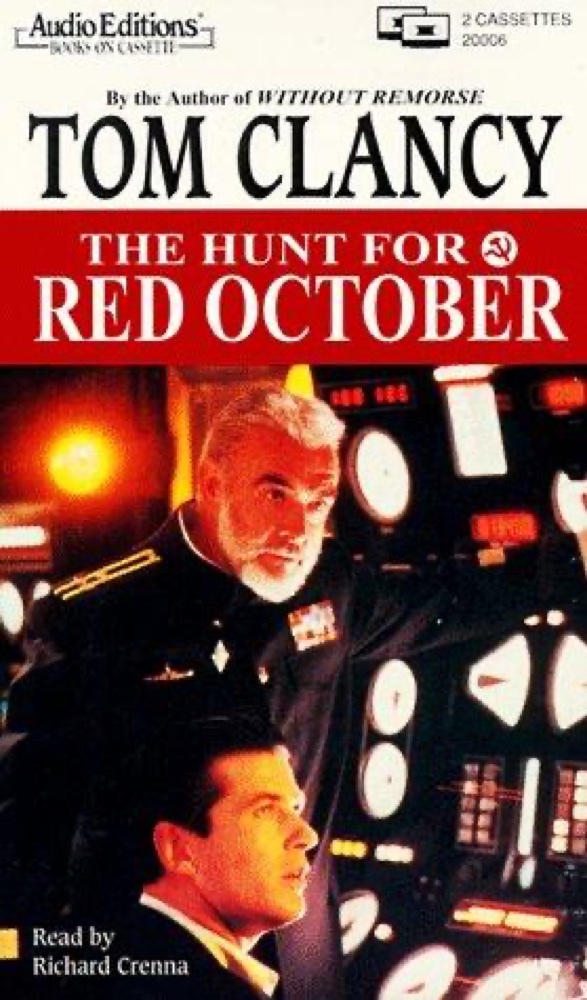 The Hunt for Red October
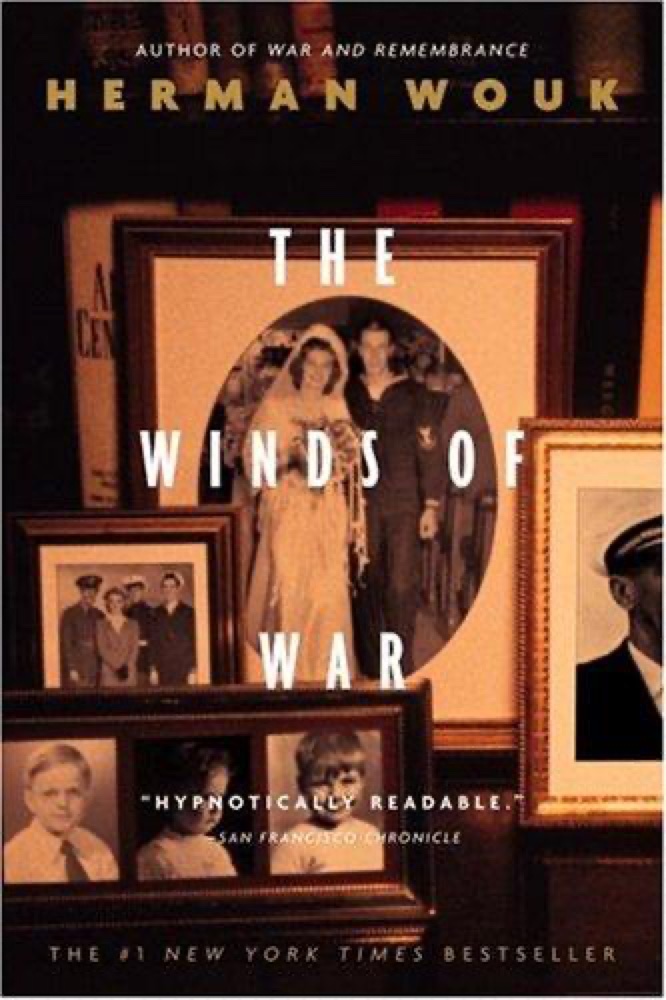 The Winds of War
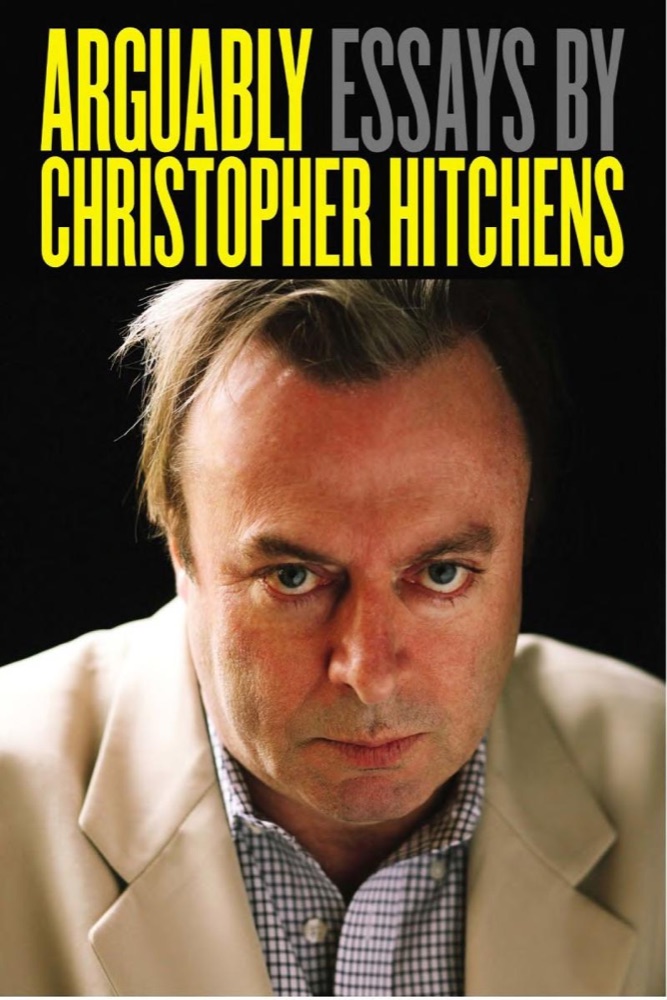 Arguably: Selected Essays
 History of the Peloponnesian War
 Dispatches
 Black Hawk Down
 Fall of Giants
 Modern Times: The World from the Twenties to the Nineties
 The Final Days
 The Path to Power
 It Can't Happen Here
 They Called Us Enemy
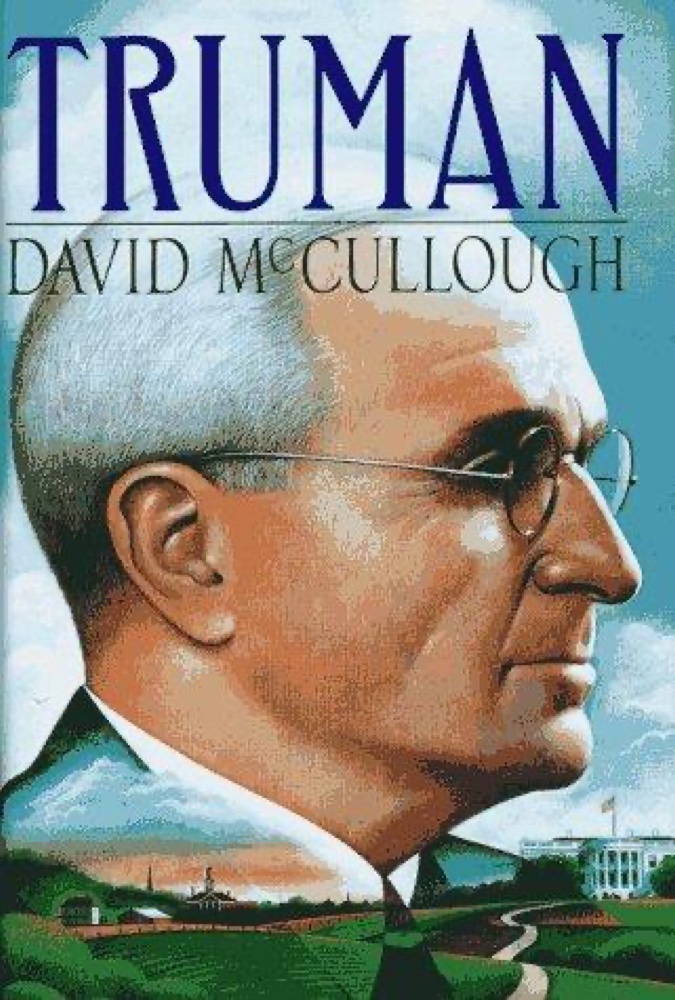 Truman
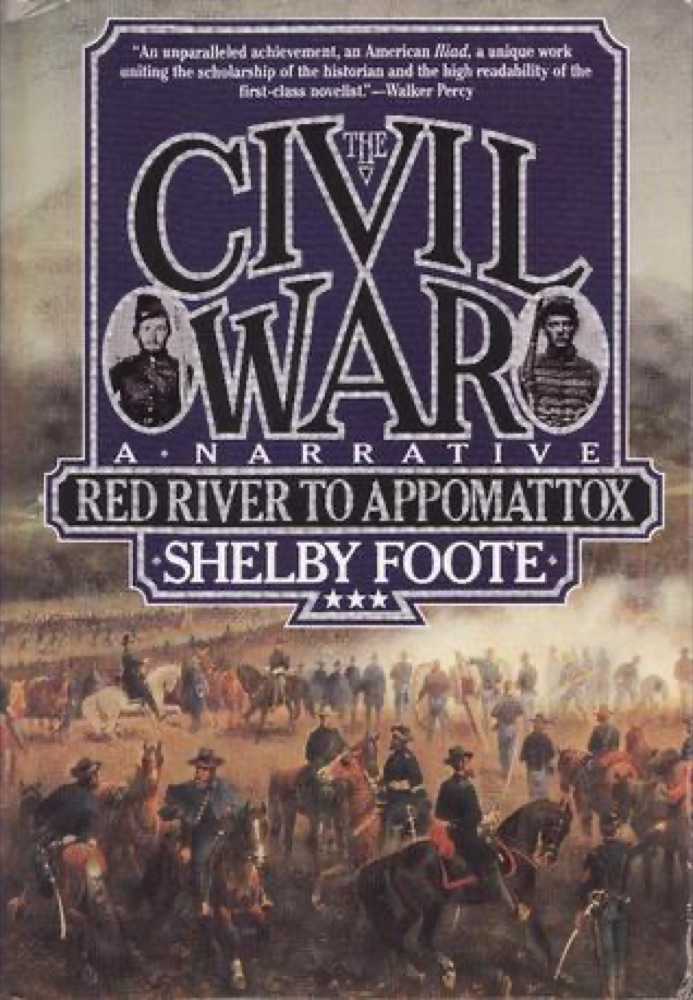 The Civil War, Vol. 3: Red River to Appomattox
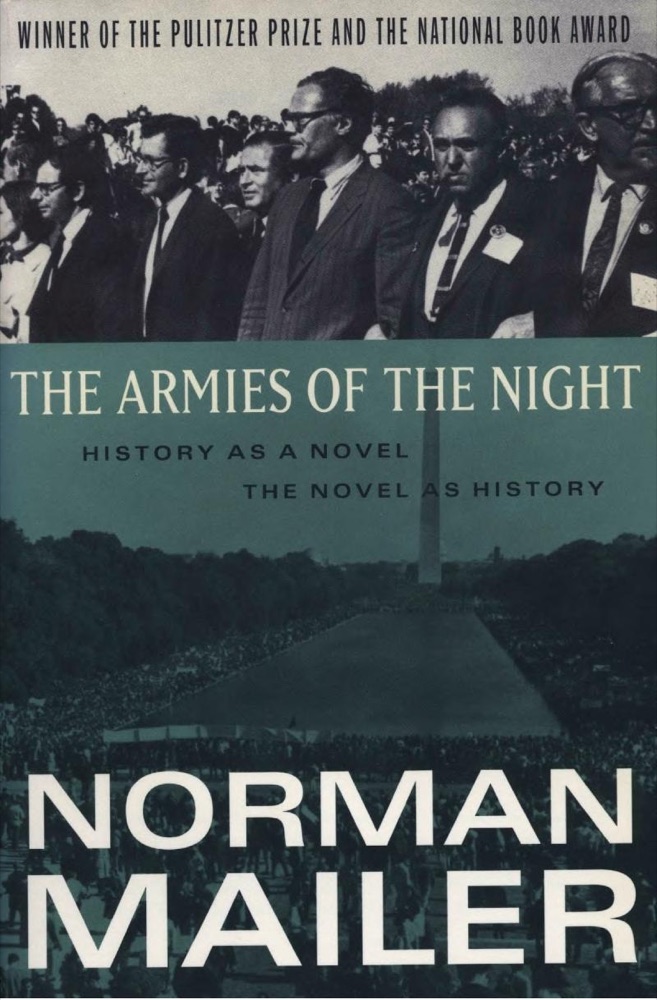 The Armies of the Night: History as a Novel, The Novel as History
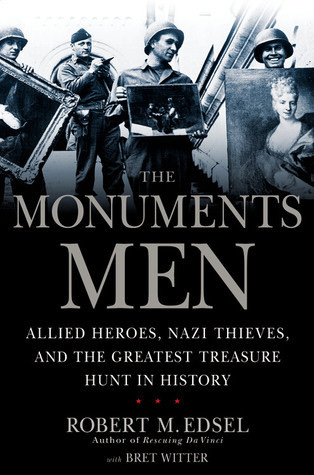 The Monuments Men: Allied Heroes, Nazi Thieves, and the Greatest Treasure Hunt in History
 A Full Life: Reflections at Ninety
 Fascism: A Warning
 The Day of Battle: The War in Sicily and Italy, 1943-1944
 No Name in the Street
 The Black Wolf
 What's Left?
 Koba the Dread: Laughter and the Twenty Million
 Postwar: A History of Europe Since 1945
 The Black Jacobins: Toussaint L'Ouverture and the San Domingo Revolution
 A Gracious Enemy & After the War Volume Two
 The Fifties
 Hegemony or Survival: America's Quest for Global Dominance
 Say Nothing: A True Story of Murder and Memory in Northern Ireland
 A World Without Islam
 Clear and Present Danger
 The Origins of Totalitarianism
 The Splendid and the Vile: A Saga of Churchill, Family, and Defiance During the Blitz