
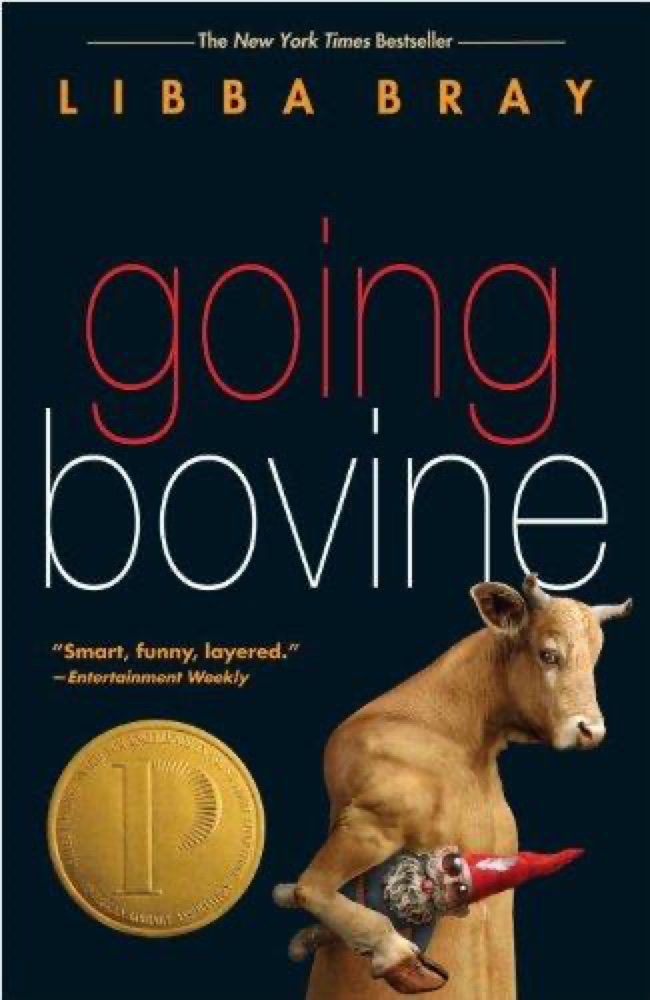
 Going Bovine
Quotes from the Book
Words matter. The right ones can open a door or a heart. The wrong ones can seal your fate.
6
Never let anyone hide the truth of history and replace it with myth.
4
What's the use of stories? They're made up things. They're pretty lies." "Oh no, that isn't true. A story is... well, it's a love letter. Sent from the present or the past to the future.
3
Forgive me, Liebchen. What I have said earlier is a lie. There's no such thing as "just" a story. A story is a form of magic. It changes you from the inside and you are never the same after. Once you know about other lives. So it's no wonder that King Aldred insisted on burning the books. People hurled entire libraries. Philosophy, poetry. Fables and fairy tales. Martyrs, those books. They shrieked as their pages blackened and curled. But the ideas inside them would not burn. Aided by sympathetic wind, the remnants rose up. They pressed themselves against woolen coats and stuck fast, shinning out like singed medals until the curious peeled them off and read each rebellion aloud— "calumny", "serendipitous", "justice", "prevail"— and the spell took hold. No. You cannot kill what lives inside of books.
3
His ambitions were far greater. For this he needed a war and for war he needed to create an enemy. This was easy, what with the historians and their lessons gone.
3
It seemed as if the world allowed pretty girls to do and say things for which they punished ordinary girls.
3
No incident is isolated. The past is with us always. This is the lesson of history and why it is important not to
2
She loved the first five minutes after midnight—“because that is when everything feels like possibility.
1
The world needs us to believe in it. That’s the only way any magic ever happens.
The police had great power now. They no longer needed a warrant for a search, they only needed suspicion—and there was a great deal of suspicion to go around.
took to the official radio, sounding angry and hateful, petty and aggrieved about one thing or another. Sophie had never heard him any other way, never seen his dead eyes light up with joy. He frightened her. Those bombastic tirades, the newspaper photos of his face splotchy with rage, a finger jabbing at the air as if it, too, were an offense, as if he had gone mad. But the very traits that upset Sophie seemed to bring other people a sense of comfort and security. “He’s a strong leader,” Fräulein Volker would say. “A real man who is unafraid of his authority. The fatherland demands a strict father to make it great again.
Where you burn books, you ultimately burn people.
Nothing ever happens in a vacuum. No incident is isolated. The past is with us always. This is the lesson of history and why it is important not to forget. We are always in a conversation with history.
Sometimes, Liebchen, you must take a stand even if it makes you an outcast. What the Nazis are doing is wrong. They are not planting a future, they are only planting hate. And if we know that something is wrong and say nothing, do nothing? Then we are also sinning.
When you read about the lives of others, you form a kinship. You learn to see the world not just through your own eyes,” her papa often said. “It exercises the mind—but also, the heart.
They fed Germans disinformation about Jewish people, communists, and intellectuals, and they used mass media to spread their message.” “They reinforced the fascist idea of Aryans as this pure bloodline.” “They banned books, art, music, anything that could present a different viewpoint and derail their narrative.
so, with apologies to Mr. Thoreau, I would add that things do not change until we decide to change them.
Thoreau once said, ‘Things do not change; we change.
That’s good. Once the bastards get it into their heads that they can build a wall, the idea never really comes down. The minute they try it, you’ve got to fight it.
When you read about the lives of others
His heart was scarred by a hunger for power and vengeance that could never find peace.
What happens next is this: He kisses her. It is Sophie's first kiss. It seems to her that, for as long as there are stars and a river of time running backward and forward, carrying the world moment by moment, this kiss will exist in every one of them.
Tomorrow. Tomorrow she'd eat cottage cheese and exercise and be the daughter everyone wanted her to be: a smaller version of herself.
The frog is in a pot of water on the stove. He doesn’t know that, just thinks he’s in a pond. It’s water, after all. But slowly, very slowly, the heat is turned up. So slowly that the frog doesn’t realize he’s in danger. He might think, Boy, this water has gotten warmer. But he gets used to the warmer temperature soon enough. He accepts it as normal. Until the heat is increased again. Now it’s very uncomfortable. Still, he adjusts. On and on it goes, degree by degree, until at last the water is boiling. The frog is starting to cook. I’ve got to get out of this boiling pot now! the frog thinks in a panic. But of course, by that time, it is too late. He is done for. That is how they do it. They take away someone’s rights. Well, you think, it’s not my rights. And maybe that is a bad person. Maybe they did something wrong. People go on with their lives. They adjust. The first outrage seems so long ago, so benign now that they have gotten used to all the others that followed until they can no longer remember a time when what they call normal used to be considered outrageous, immoral, and brutal.
the incremental, desensitizing way the Third Reich made the unthinkable not just possible but acceptable to so many. How the Reichstag Fire in 1933 was used to justify seizing power. The inciting of fear. The Gestapo being given full rein to operate above the law. The creation of a national “enemy” by demonizing Jewish and Roma people, those with disabilities, and anyone queer. Kristallnacht, the “Night of Broken Glass,” which destroyed Jewish homes and businesses. The stripping of rights. The wearing of the yellow star. The deportations. The camps. All of it done so quickly and with such efficiency that it was numbing.
forget. We are always in a conversation with history.
Did you know?
- The novel was inspired by a real, centuries-old matchmaking tree in northern Germany known as the Bridegroom's Oak, which has its own postal address and receives letters from strangers seeking love.
- Libba Bray's editors at FSG sent her an article about the tree in 2020 and asked whether there was a novel in it.
- Rather than focusing on the oak's romantic reputation, Bray imagined it as a possible message drop site used by the resistance during World War II.
- The story unfolds across three timelines: 1940s Nazi Germany, 1980s West Berlin, and 2020 New York during the COVID-19 lockdown.
- It was an instant New York Times bestseller and a Good Morning America Book Club pick.
- The full-cast audiobook edition won a 2026 Audie Award for Best Young Adult.
About Libba Bray
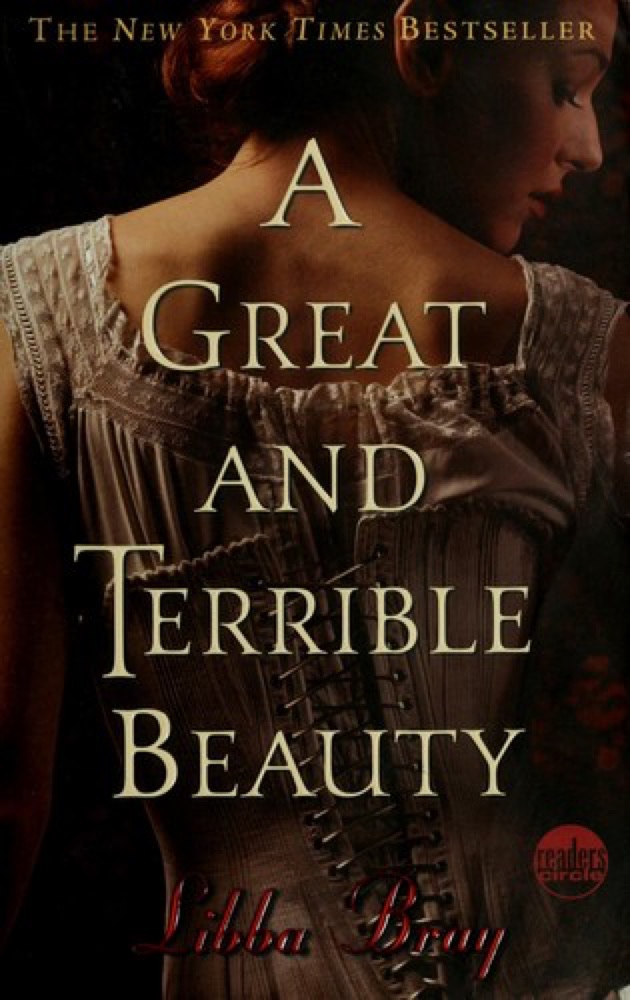
Libba Bray is a bestselling American author of young adult fiction, best known for the Gemma Doyle trilogy (A Great and Terrible Beauty), Going Bovine, and the Diviners series. Her work has won honors including the Michael L. Printz Award.
More about the author →More by Libba Bray
All books by Libba Bray →
About the book
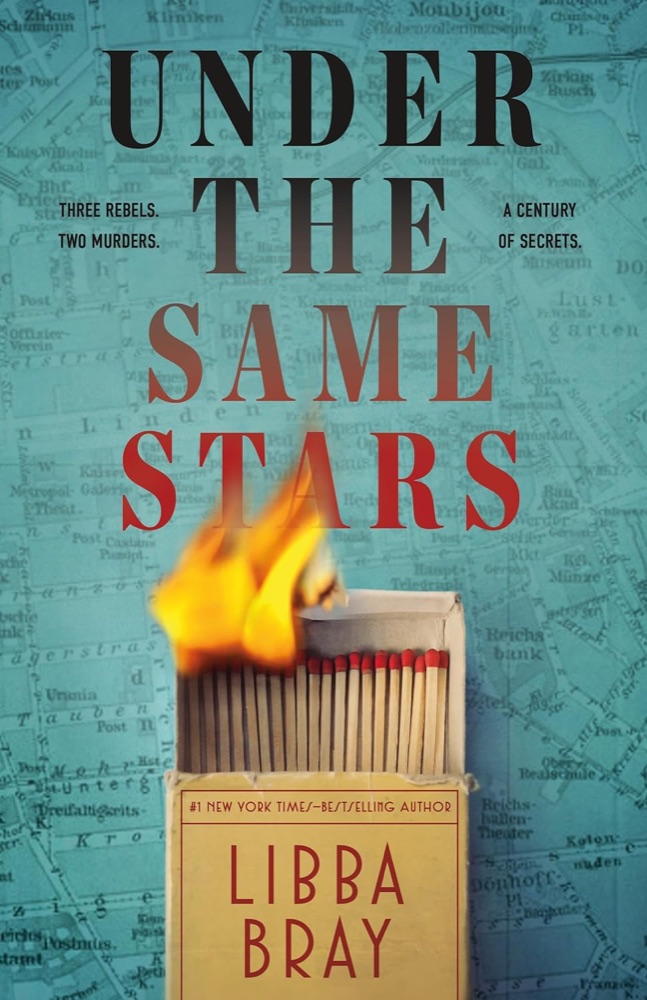
Under the Same Stars is a historical mystery by Libba Bray that braids together three timelines connected by a single object: the Bridegroom's Oak, a real matchmaking tree in northern Germany where strangers have long left letters hoping to find love. In 1940s Nazi Germany, teenager Sophie finds a message waiting in the oak from a mysterious suitor, while her best friend Hanna uses the same tree to pass messages of a very different kind. Decades later, an American transplant named Jenny navigates 1980s West Berlin, and in 2020 Brooklyn, Miles confronts a world upended by the COVID-19 pandemic, with the long-buried secrets of the oak gradually surfacing across the generations.
The novel turns on themes of resistance, truth, complicity, and reconciliation, asking what ordinary young people sacrifice when they choose to stand against injustice. Bray draws explicit lines between past and present, exploring how history echoes forward and how silence and forgetting can let cruelty repeat itself. Memory, courage, and the idea that 'nothing happens in a vacuum' run through all three eras as the characters reckon with the costs of complacency and the power of bearing witness.
Inspired by a real article about the Bridegroom's Oak that Bray's editors sent her in 2020, the book became an instant New York Times and USA Today bestseller and a Good Morning America Book Club pick. Critics praised its immersive period detail and the way it navigates multiple timelines, with Kirkus naming it among its Best Books of 2025; it went on to win an Edgar Award. Some readers found the contemporary 2020 strand less compelling than the historical sections, but the WWII and 1980s Berlin storylines drew consistent acclaim for atmosphere and emotional depth.
Key characters
- SophieA teenager in 1940s Germany who finds a message from a mysterious suitor in the Bridegroom's Oak
- HannaSophie's best friend, who uses the oak to pass messages for the resistance rather than to find love
- JennyA preppy American transplant in 1980s West Berlin who feels out of place
- LenaA German punk in 1980s Berlin who pushes Jenny to rebel against expectations
- MilesA teenager in 2020 Brooklyn adjusting to life upended by the COVID-19 pandemic
- ChloeA figure in the 2020 New York timeline alongside Miles
Book details
- First published
- 2025
- Length
- 471 pages
- Reading time
- 8 hours
- Author
- Libba Bray
- Genre
- Historical
- Goodreads rating
- 4.08 (8k ratings)
Critical reception
- Became an instant New York Times bestseller and a USA Today bestseller.
- Selected as a Good Morning America Book Club pick.
- Named a Kirkus Reviews Best Book of 2025 and won an Edgar Award.
- Readers and critics especially praised the WWII and 1980s Berlin timelines, while some found the 2020 pandemic strand less compelling.
The buzz
- Kirkus ReviewsUnder the Same Stars2025Starred, Best-Books-of-2025 review calling it a breathtaking, time-spanning journey
- Publishers WeeklyFirst Look: 'Under the Same Stars' by Libba Bray2025Feature on the real spy-tree inspiration behind the novel
- The Nerd DailyQ&A: Libba Bray, Author of 'Under The Same Stars'2025Author Q&A on the three-timeline historical mystery
Keep reading
 The Book That Held Her Heart
 The Book That Broke the World
 The Wars
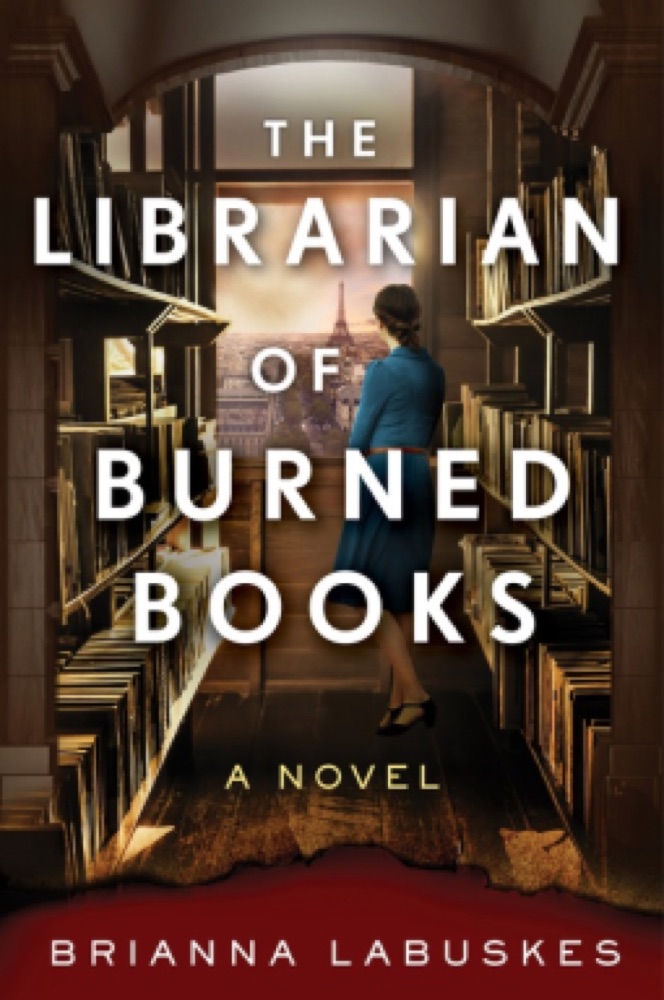 The Librarian of Burned Books
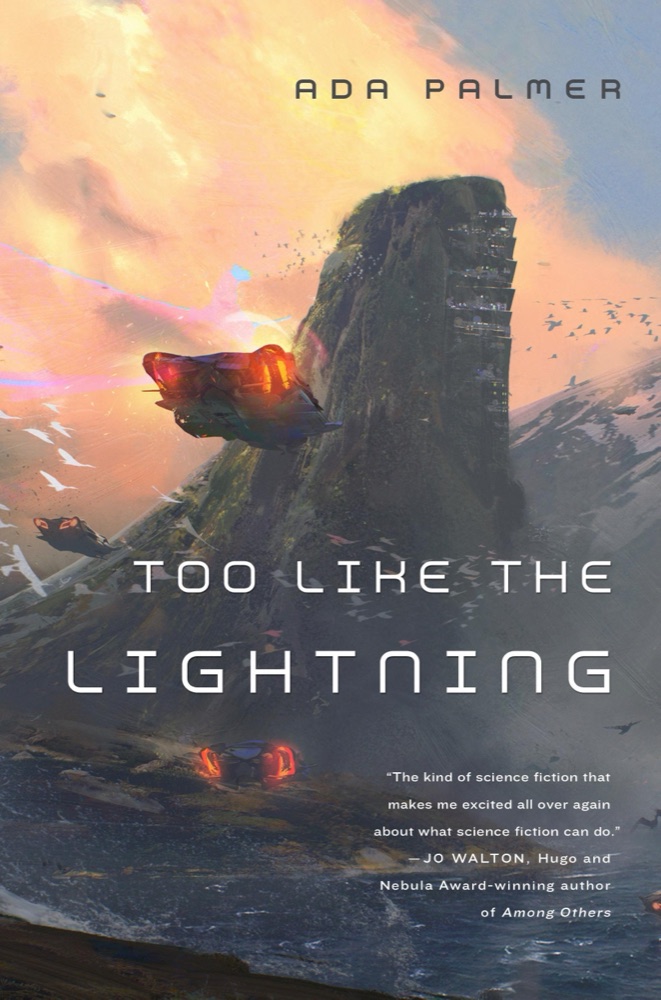 Too Like the Lightning
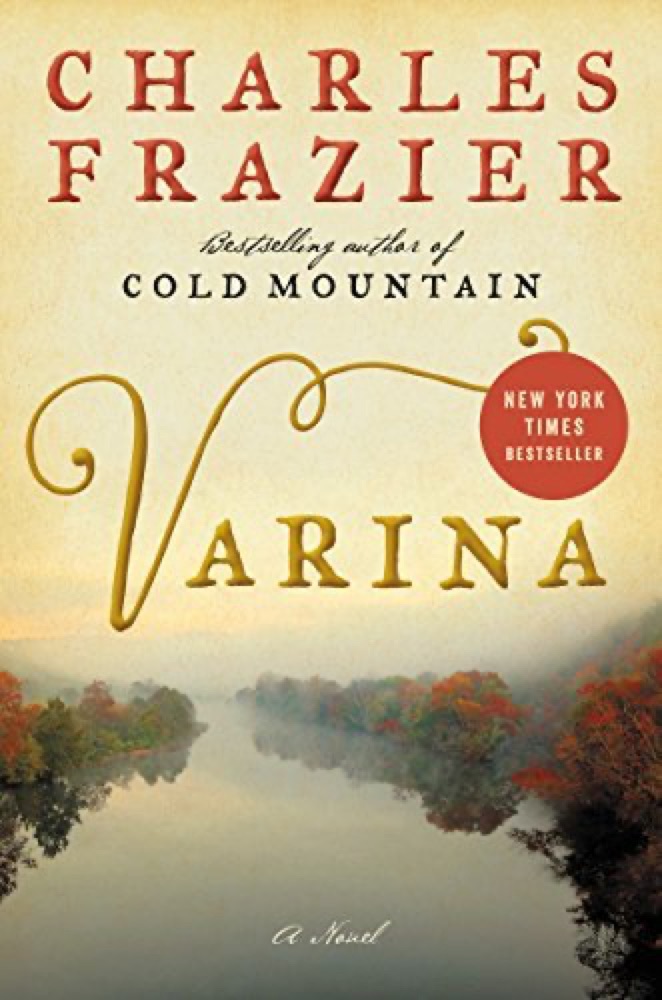 Varina
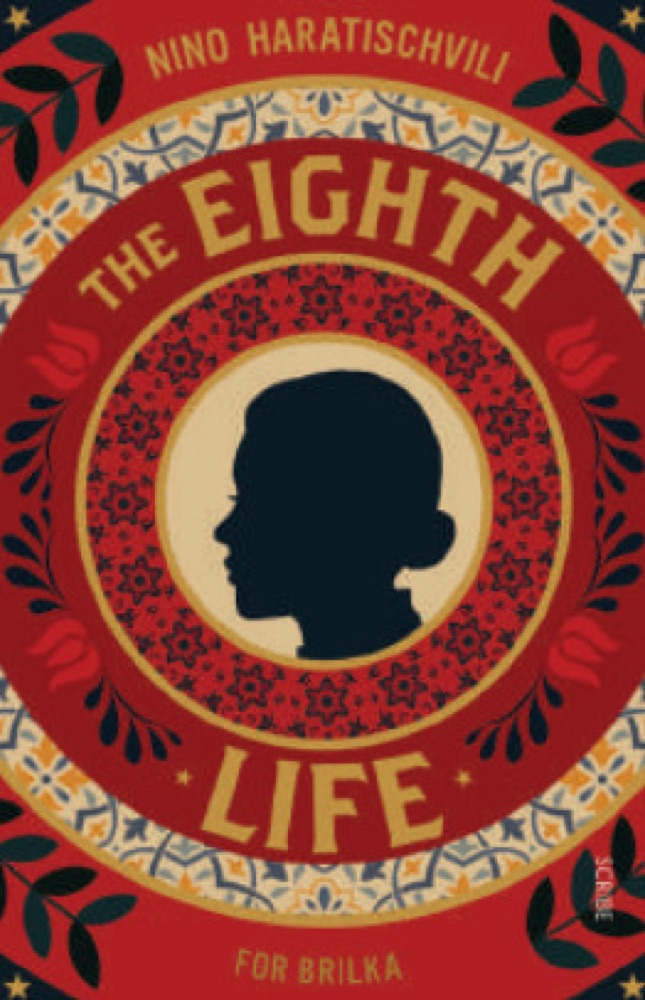 The Eighth Life
 The First Confessor
 City of Stairs
 The Postcard
 All the King's Men
 The Fall of Babel
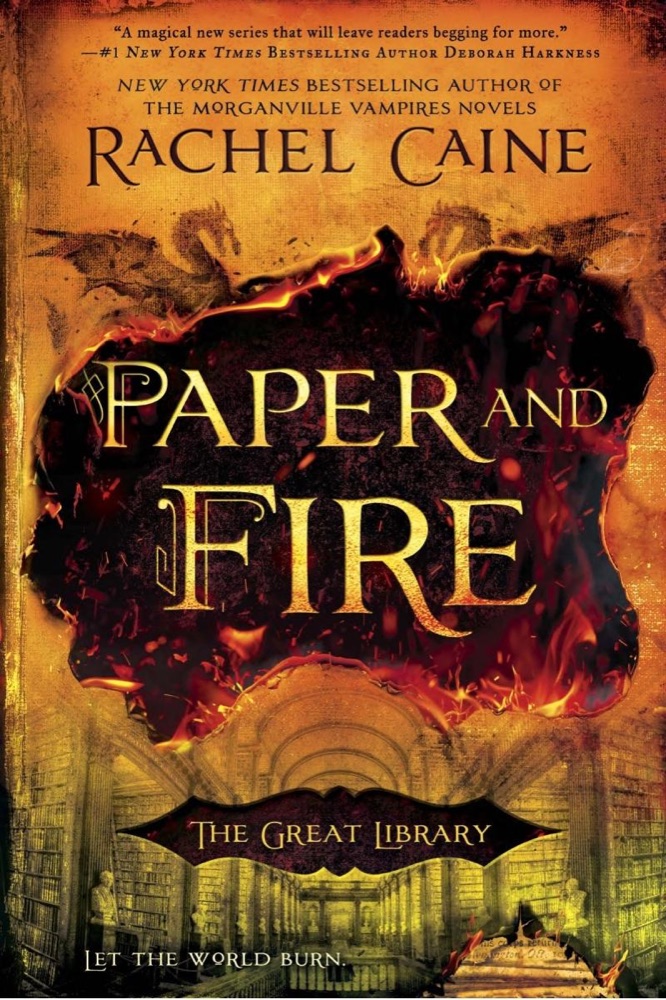 Paper and Fire
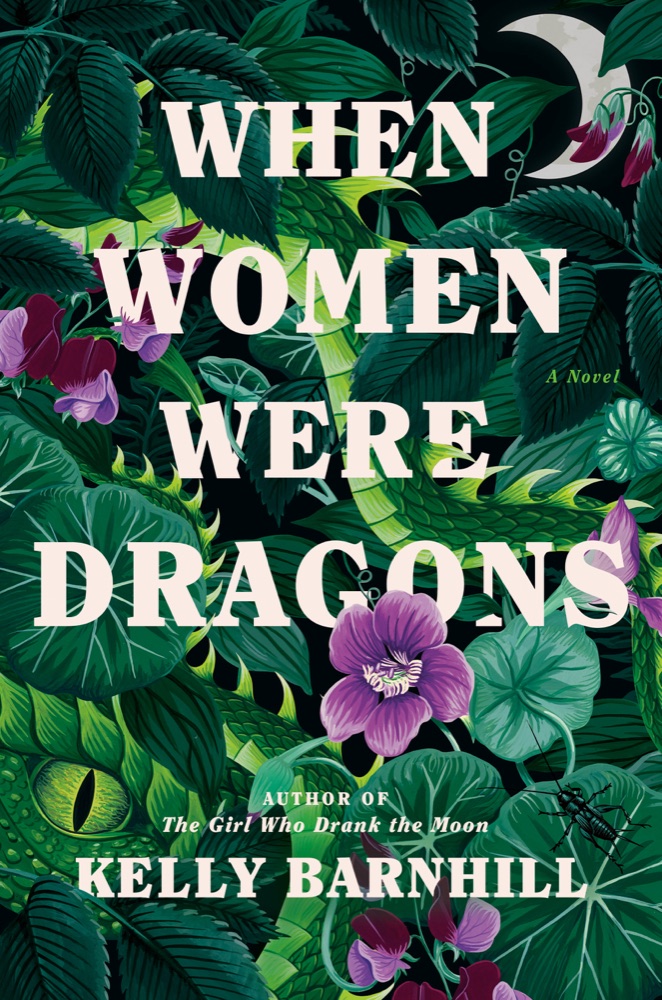 When Women Were Dragons
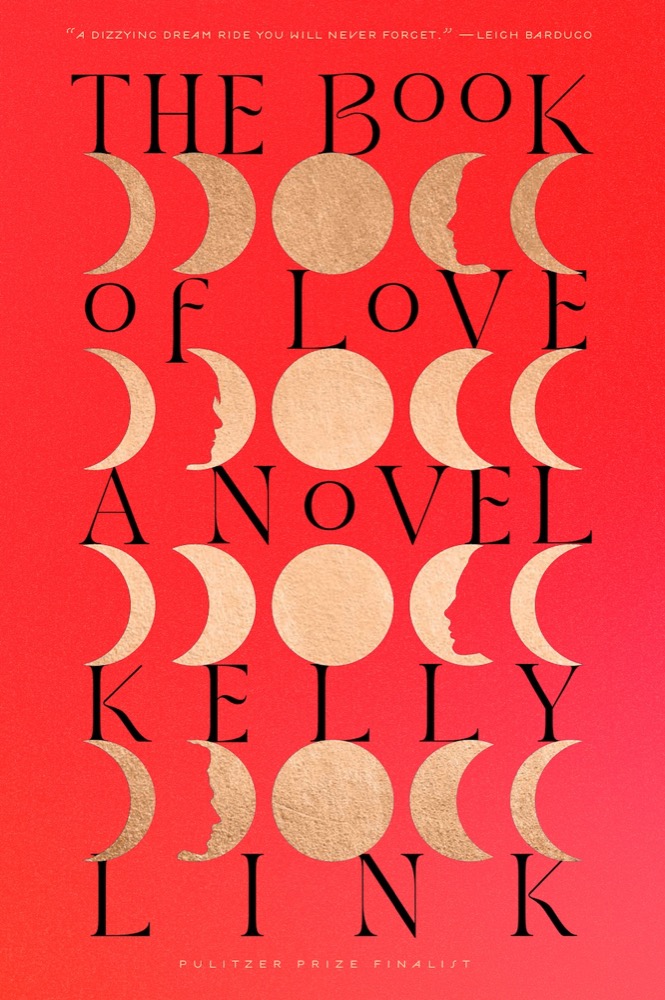 The Book of Love
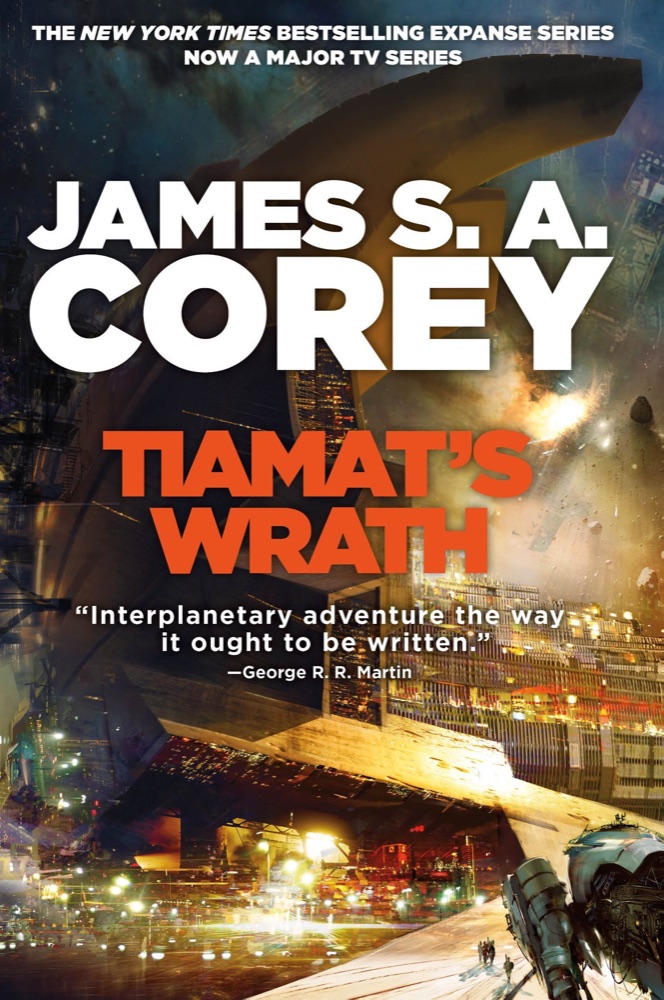 Tiamat's Wrath
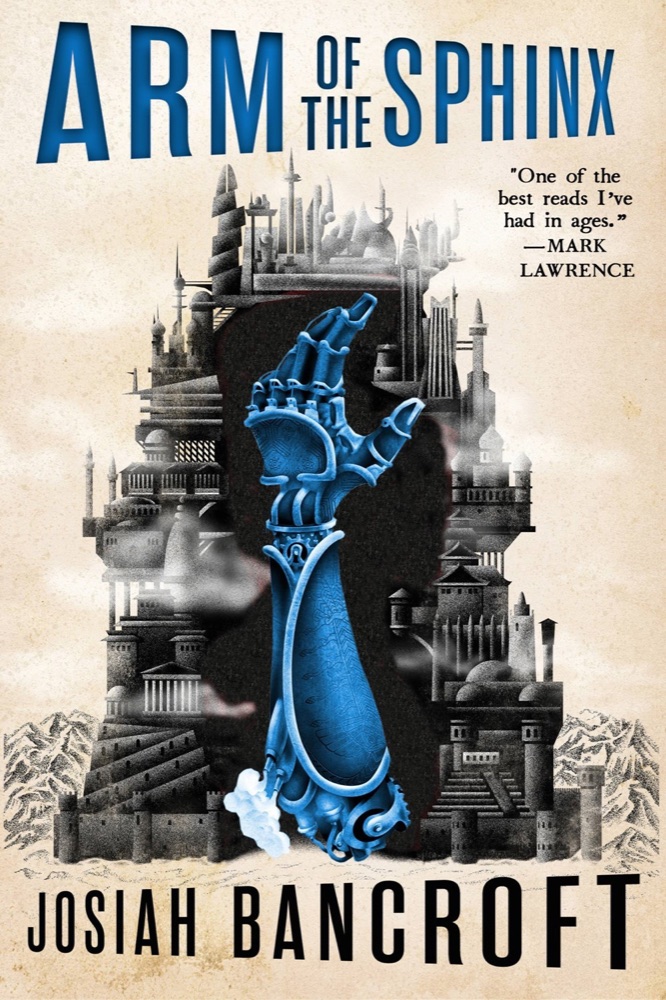 Arm of the Sphinx
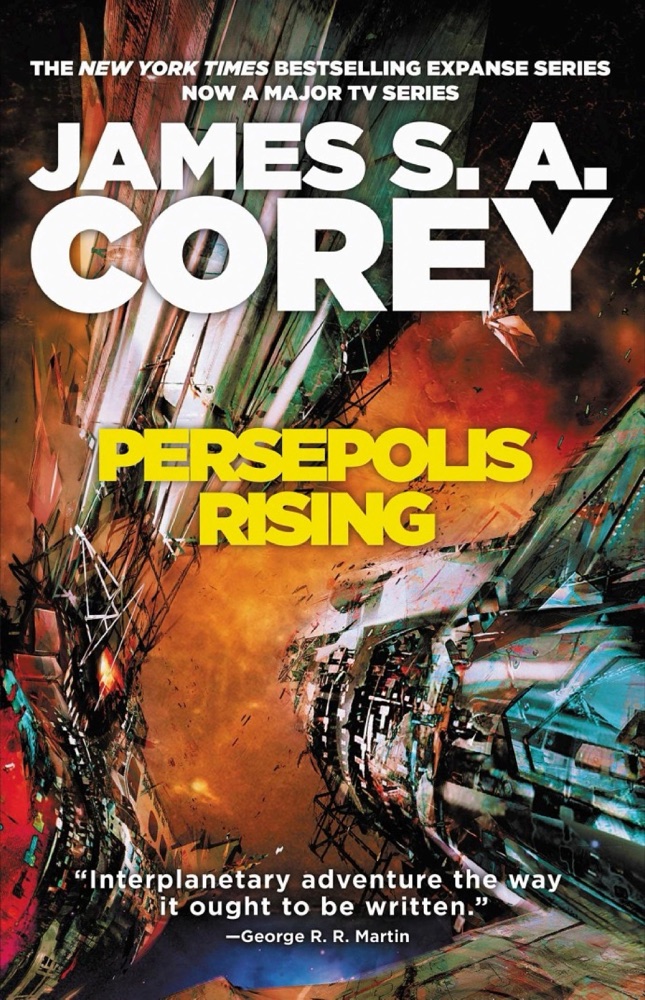 Persepolis Rising
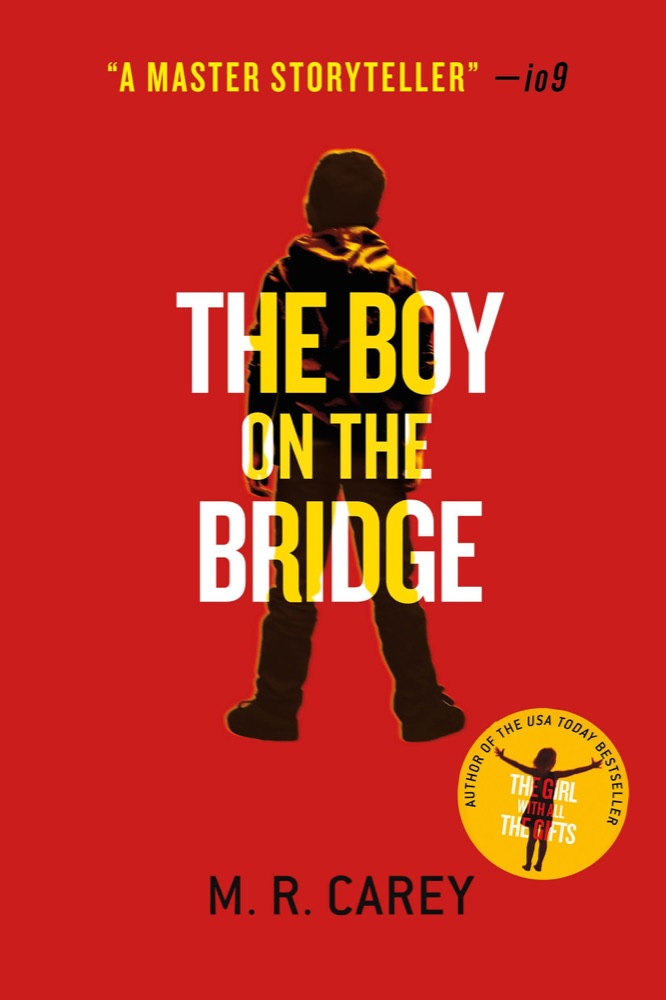 The Boy on the Bridge
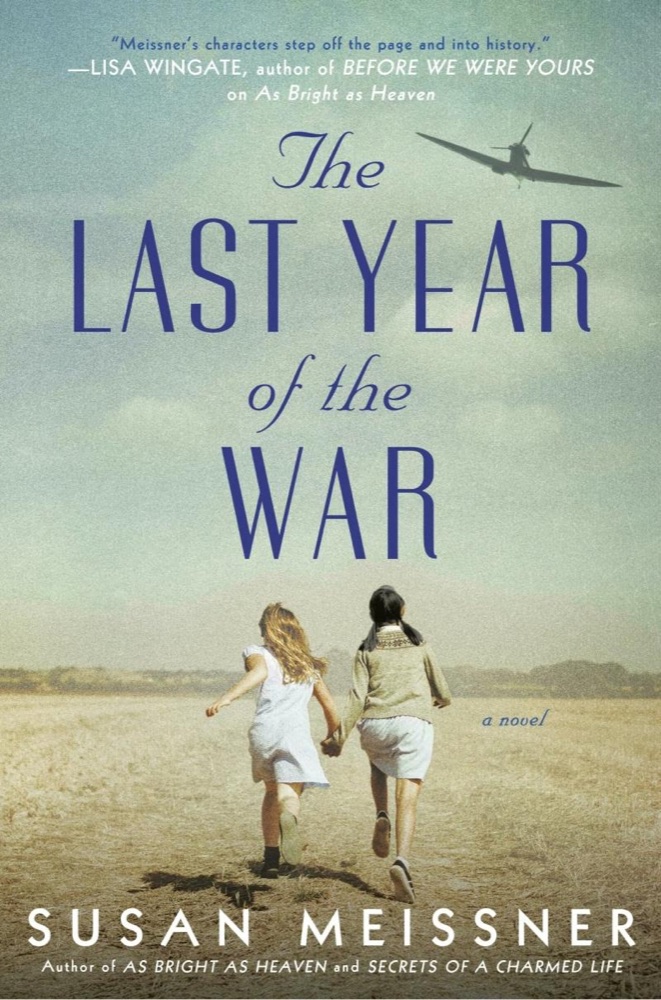 The Last Year of the War
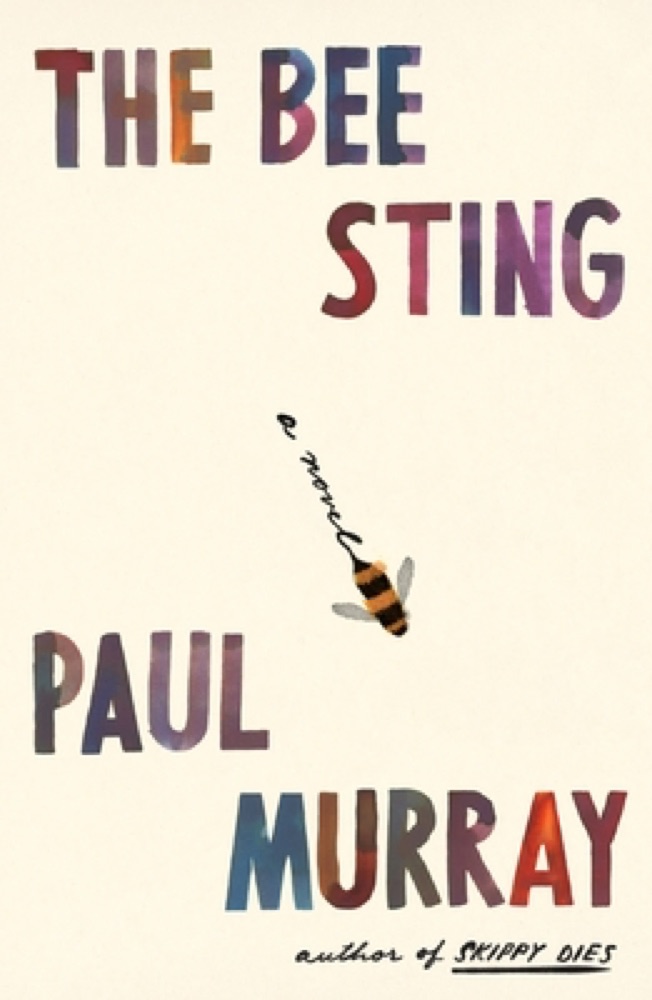 The Bee Sting
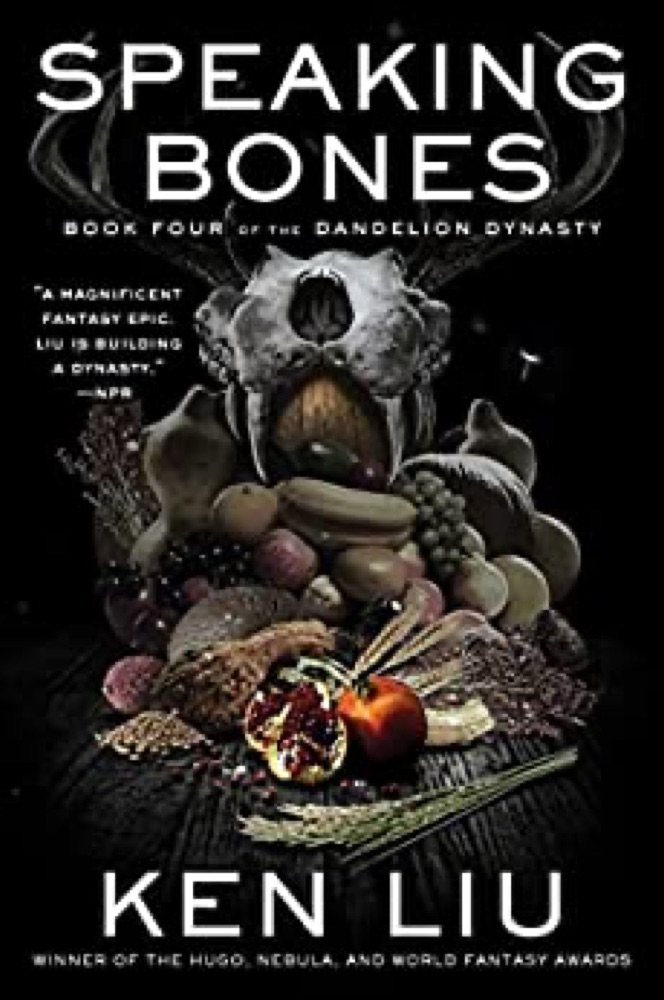 Speaking Bones
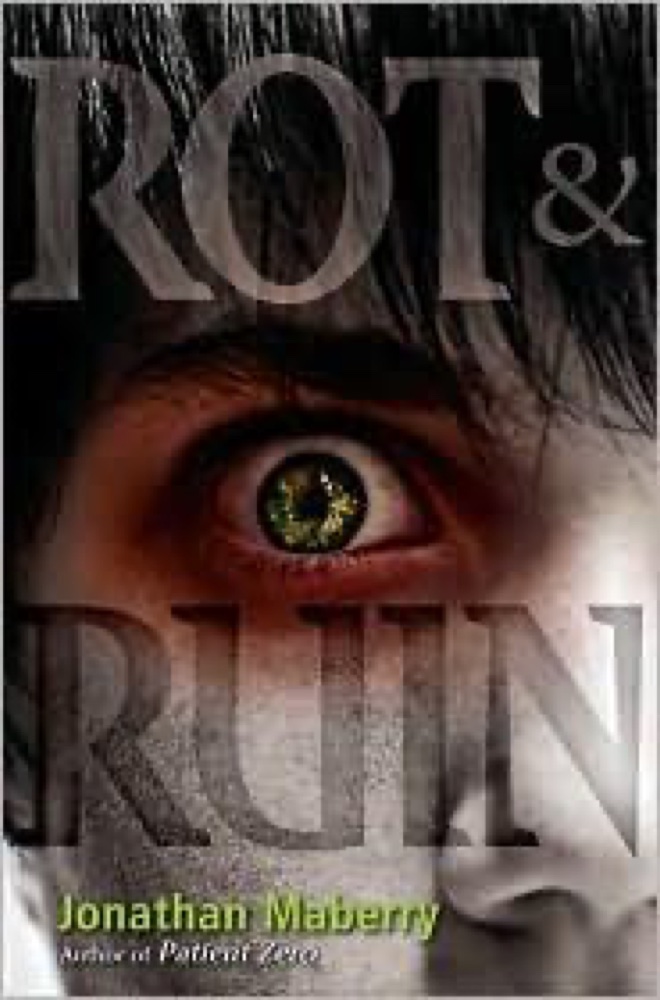 Rot & Ruin
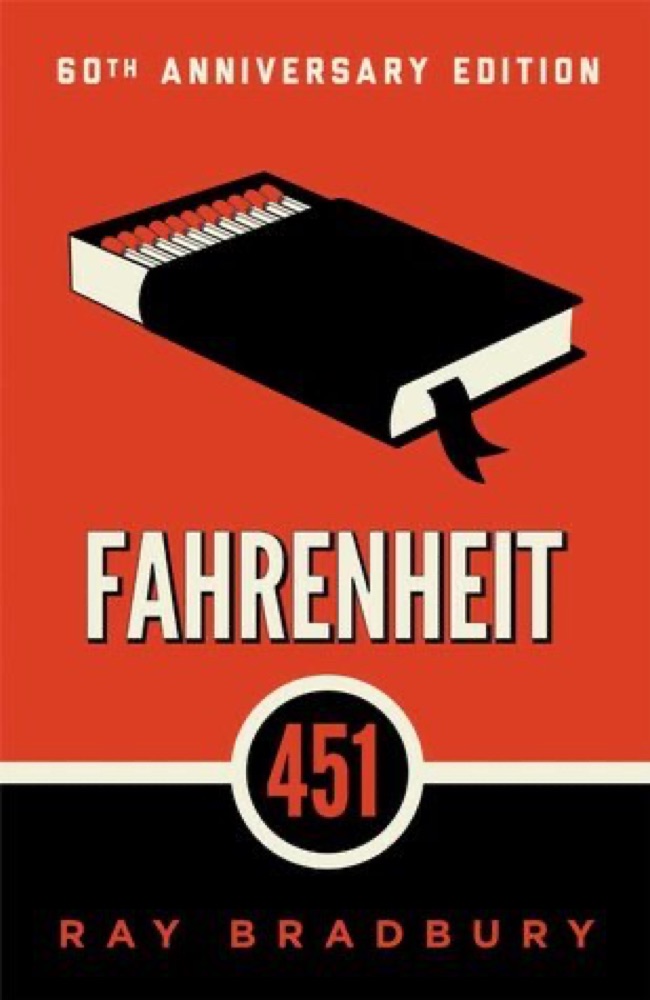 Fahrenheit 451
 The Power
 The Quiet Game
 The Clockmaker's Daughter
 A Brightness Long Ago
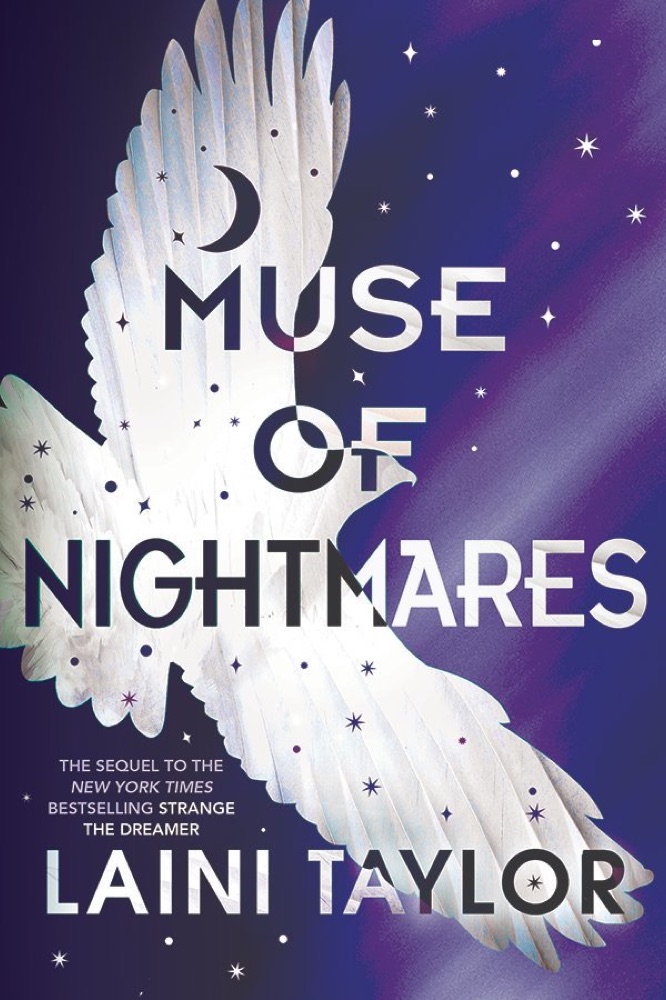 Muse of Nightmares
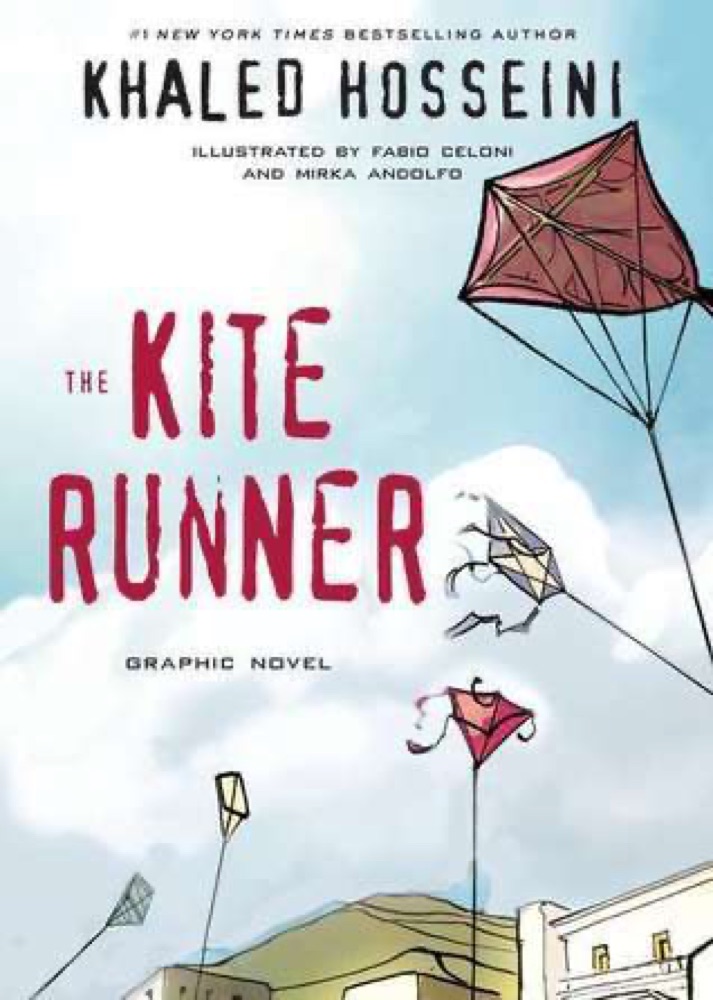 The Kite Runner
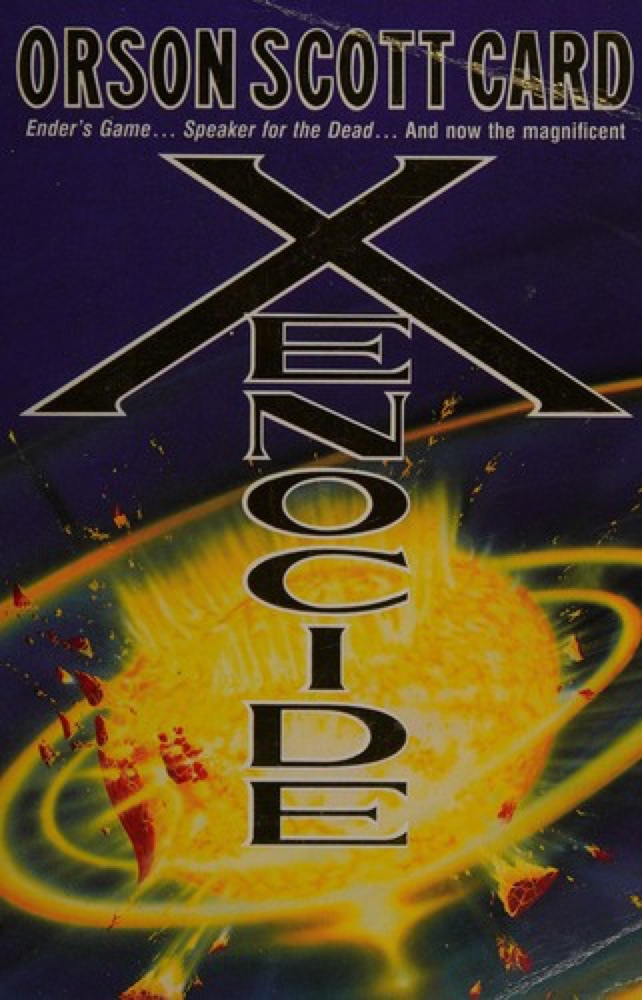 Xenocide
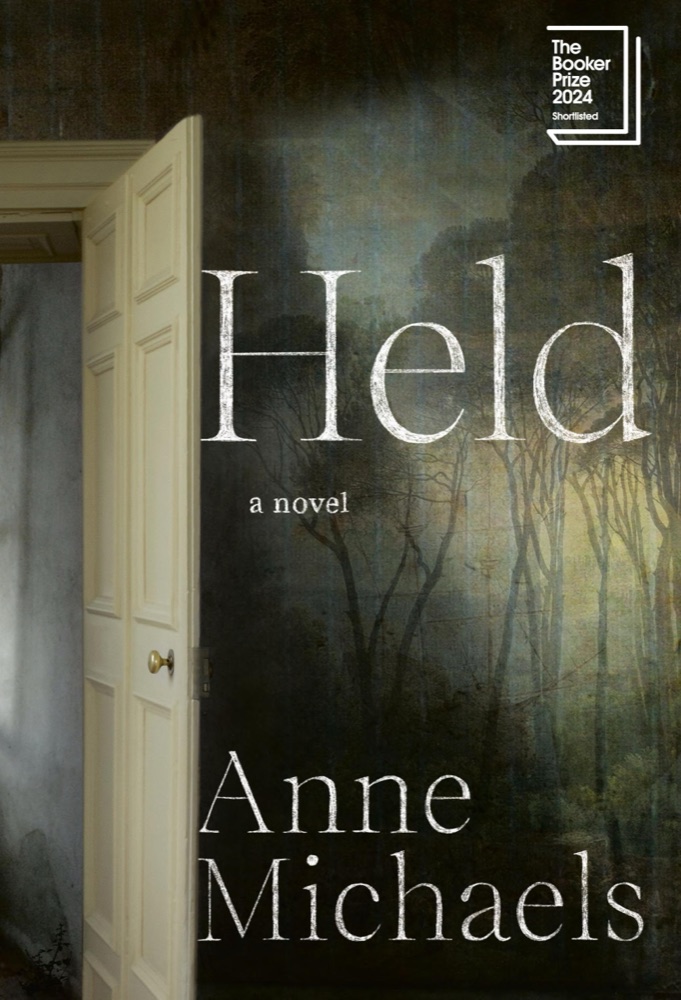 Held
Held
 The Wolf Gift
 Red Mars
 The Collector of Burned Books
 The Ogress and the Orphans
 The Bonesetter's Daughter
 The Shadowglass
 Four Ways to Forgiveness
 The City in the Middle of the Night
 The Whisper Man
 People of the Book
 State of Wonder
 The Chalk Man
 A Map of Days
 Dust & Decay
 The Years of Rice and Salt
 The Water Knife
 The Measure of the Magic
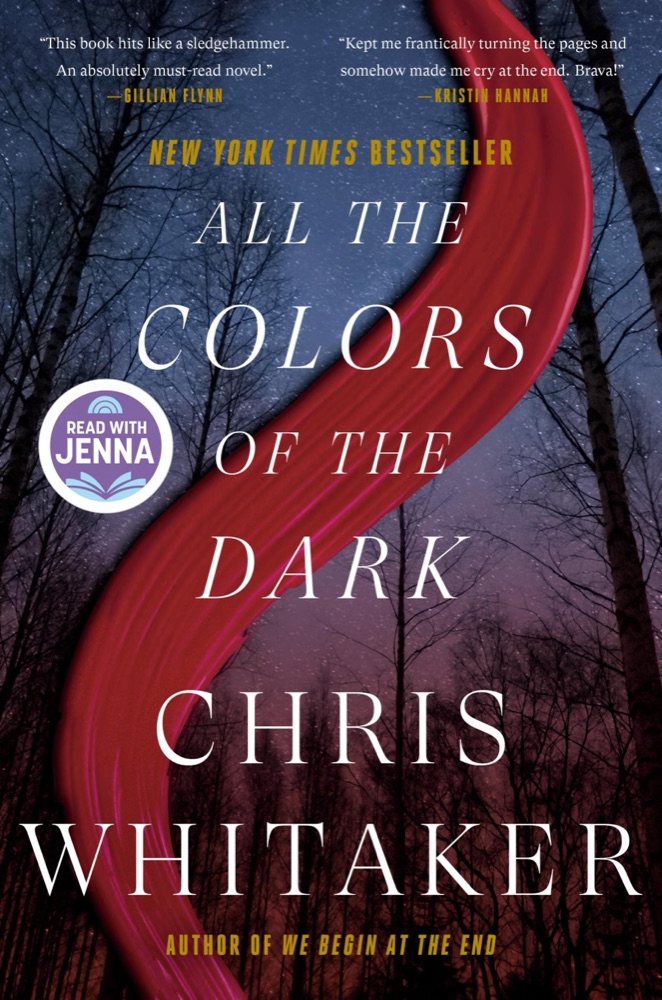 All the Colors of the Dark
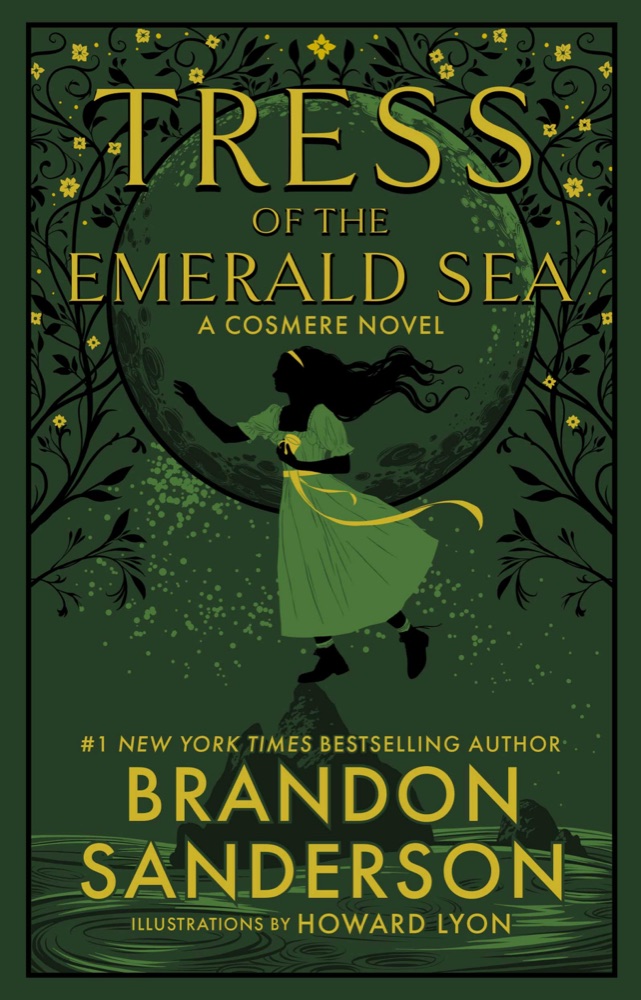 Tress of the Emerald Sea
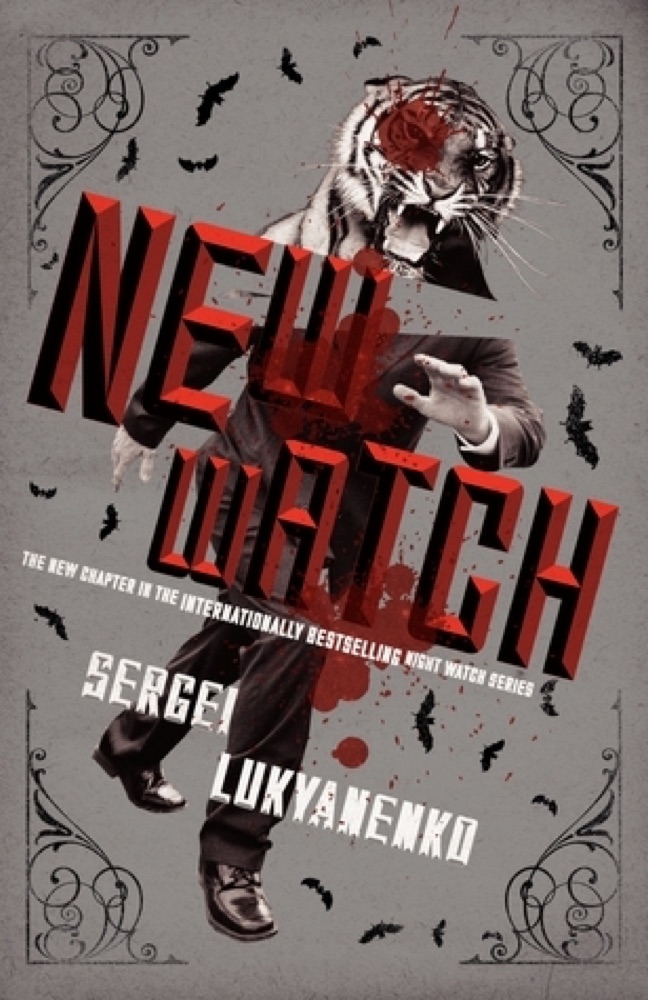 New Watch
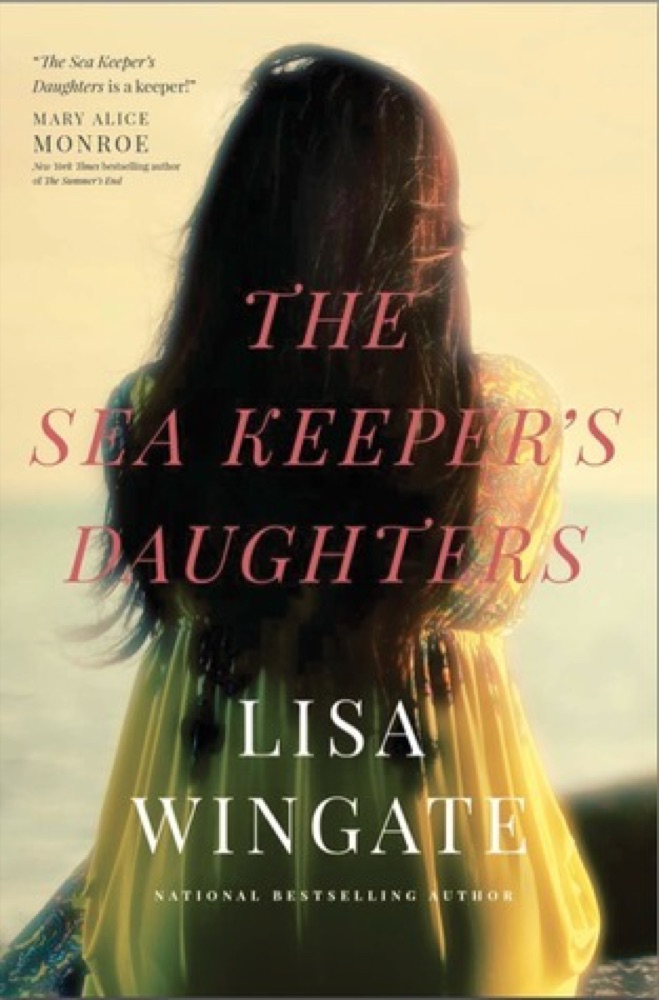 The Sea Keeper's Daughters
 Wicked: The Life and Times of the Wicked Witch of the West
 Joseph Anton: A Memoir
 Norwegian by Night
 Natchez Burning
 The House at the End of the World
 The Mime Order
 Shouldn't You Be in School?