
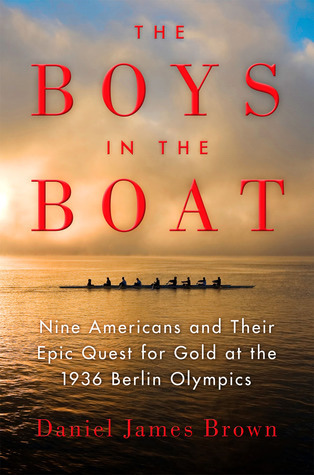
 The Boys in the Boat: Nine Americans and Their Epic Quest for Gold at the 1936 Berlin Olympics
Quotes from the Book
There is nothing wrong with the Constitution. . . . If the promised protections did not materialize, it is because those entrusted to uphold it have failed to uphold it. Ultimately, the buck stops here, with me, with us, the citizens. . . . It is up to us.
4
George Orwell wrote, “Political language—and with variations this is true of all political parties, from Conservatives to Anarchists—is designed to make lies sound truthful and murder respectable.
3
Please remember that whatever you do or wherever you are, we are with you—and hope for the day when we can all be together again in peace.
1
Renouncing loyalty to Japan would terminate their Japanese citizenship at a time when they were not allowed to become American citizens. That would leave them entirely stateless, with no citizenship at all.
1
he committed himself again to using this experience as an opportunity to refocus on a central tenet of his philosophy, gaman, living patiently through a hard time, waiting until he could go home to his wife.
In April 1946, in the aftermath of World War II, George Orwell wrote, “Political language—and with variations this is true of all political parties, from Conservatives to Anarchists—is designed to make lies sound truthful and murder respectable
When they did finally come. the medals dramatically underscored the Nisei soldiers' disproportionate valor during the war. Of the roughly 16 million Americans who served in World War II, only 473 have received Medals of Honor. But 21 of those medal recipients came from the ranks of the 18,000 men who ultimately served in the 442nd. So in the end, the 442nd, representing just over 0.11 percent of the U.S. military force, earned 4.4 percent of the Medals of Honor.
But two dozen of them were sent quietly to Cat Island, a small uninhabited speck of sand, brush, sloughs, and alligators, just two miles offshore from Gulfport, Mississippi. There they spent three months creeping through bushes and swamps, hunted by dogs being trained to detect what someone in the army brass thought was the unique scent of the Japanese. When a dog happened across one of the nisei boys, a guard fired a shot in the air, the Nisei soldier dropped to the ground and played dead, and a piece of meat was thrown on the ground in front of him. The dogs inevitably ate the meat licked the soldiers' faces, and wagged their tails enthusiastically. As one of the soldiers, Yasuo Takata, remembered, 'We didn't smell Japanese, We were Americans. Even the dogs knew that.
[Gordon Hirabayashi] It is up to those of us who feel that a wrong has been committed, that we have fallen short, to bear witness to that fact. It is our obligation to show forth our light in times of darkness, nay, our privilege. The risk is great; the consequences unpleasant. But there is the vision of those seekers of independence. We must carry the torch.
gaman—enduring the seemingly unendurable quietly and with patience—and about the spirit of Yamato damashii, the virtue of sticking together no matter what, fighting for your group rather than for yourself. They
...an evil given face and form by soulless men who wielded racial hatred, demagoguery, blind nationalism, and brute violence as the means by which to seize and hold power.
The Miho brothers looked at each other, uncertain what to do. Kats asked a white officer which facility they should use.
Then in 1883 a major drought seared the landscape and wiped out millions of yen worth of rice and other crops, only to be followed in 1884 by a major storm that caused widespread flooding and destroyed still more crops.
The Tokiwa family did not own the land they farmed. Japanese immigrants were prohibited from owning any sort of land by virtue of a set of anti-Asian laws that had roots reaching back to the arrival of Chinese laborers in California during the gold rush of 1849.
Most of them had lived lawfully in the United States for decades, though by law they were not allowed to naturalize as citizens. Their second-generation, American-born children—the Nisei—were American citizens and theoretically protected by the Constitution from unwarranted arrest, though that protection would soon turn out to be illusory.
But by the end of their lives almost all of them—whether they fought in courtrooms or in foxholes—would be counted American heroes.
otonashi, the necessity of keeping one’s place, remaining quiet, avoiding the appearance of knowing too much or voicing too many opinions.
Watch on YouTube
About Daniel James Brown
We have collected 74 quotes from 3 books by Daniel James Brown on BookQuoters.
More about the author →More by Daniel James Brown
The Boys in the Boat: Nine Americans and Their Epic Quest for Gold at the 1936 Berlin Olympics
About the book
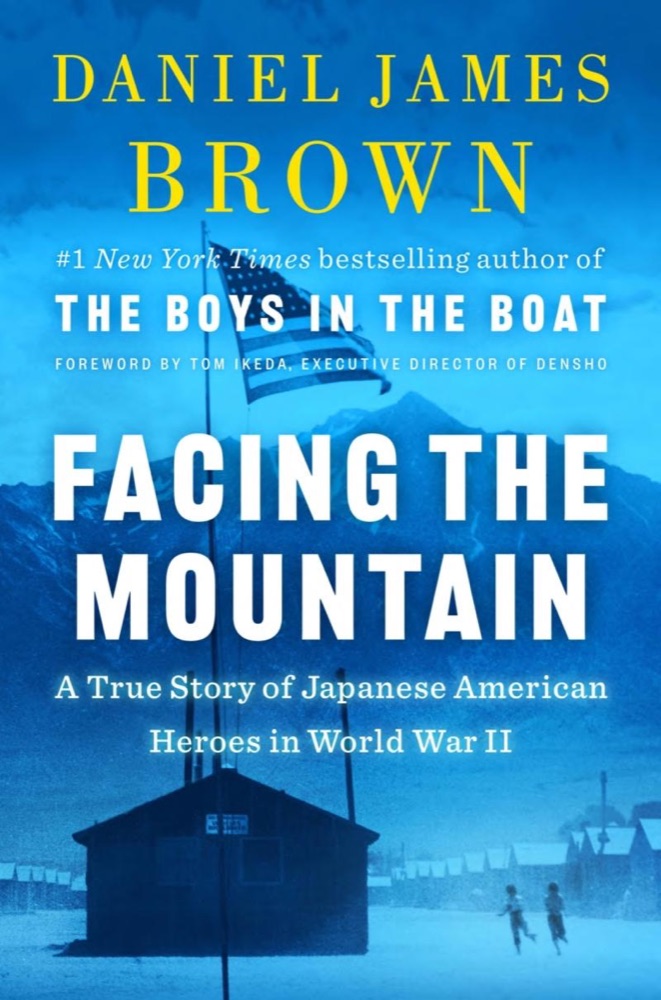
From the #1 New York Times bestselling author of The Boys in the Boat, a gripping World War II saga of patriotism and courage: the special Japanese-American Army unit that overcame brutal odds in Europe; their families, incarcerated back home; and a young man who refused to surrender his constitutional rights, even if it meant imprisonment.
They came from across the continent and Hawaii. Their parents taught them to embrace both their Japanese heritage and the ways of their American homeland. They faced bigotry, yet they believed in their bright futures as American citizens. But within days of Pearl Harbor, the FBI was ransacking their houses and locking up their fathers. And within months many would themselves be living behind barbed wire.
Facing the Mountain is an unforgettable chronicle of war-time America and the battlefields of Europe. Based on Daniel James Brown's extensive i
Book details
- First published
- 2021
- Author
- Daniel James Brown
- Genre
- History
- Goodreads rating
- 4.48 (13k ratings)
The buzz
- The Wall Street JournalReview in The Wall Street Journalprofessional review (via Book Marks)
- NPRReview in NPRprofessional review (via Book Marks)
- The TimesReview in The Timesprofessional review (via Book Marks)
- Kirkus ReviewsReview in Kirkus Reviewsprofessional review (via Book Marks)
- Publishers WeeklyReview in Publishers Weeklyprofessional review (via Book Marks)
- BooklistReview in Booklistprofessional review (via Book Marks)
Keep reading
 Flyboys: A True Story of Courage
 They Called Us Enemy
 We Are Not Free
 Pachinko
 No-No Boy
 Hawaii
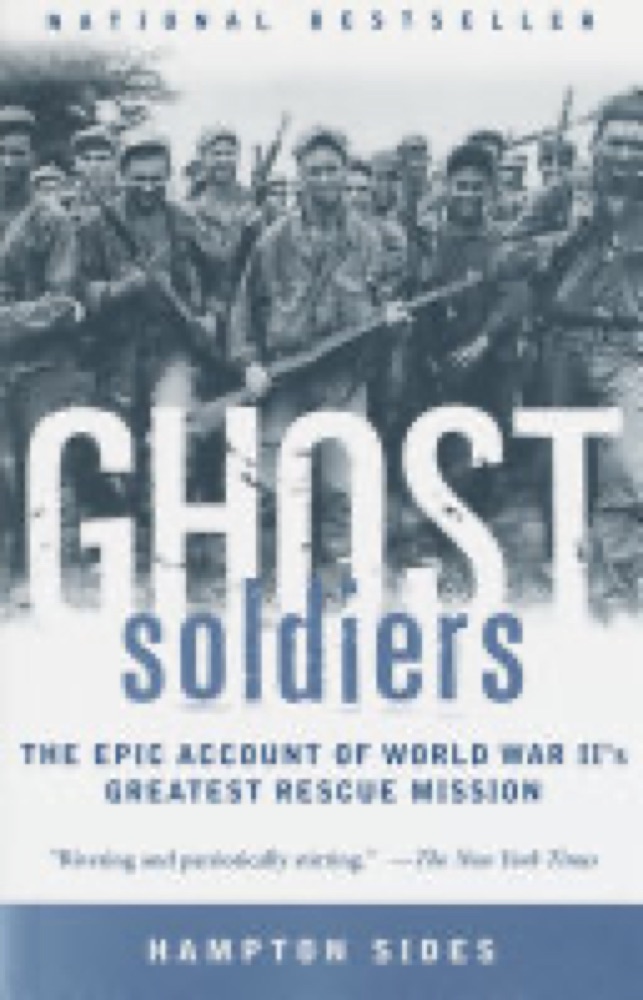 Ghost Soldiers: The Epic Account of World War II's Greatest Rescue Mission
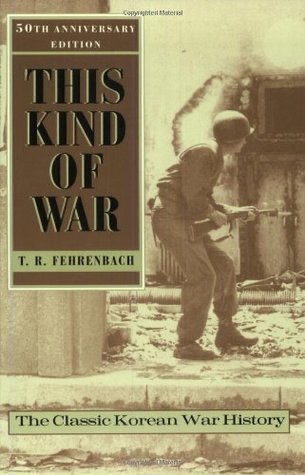 This Kind of War: A Study in Unpreparedness
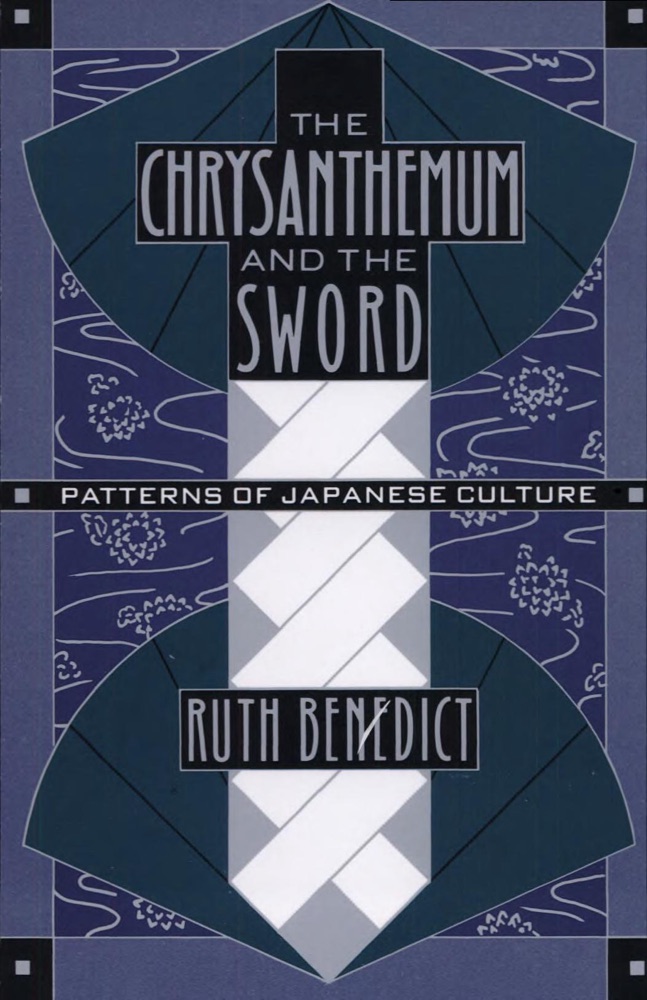 Chrysanthemum and the Sword: Patterns of Japanese Culture
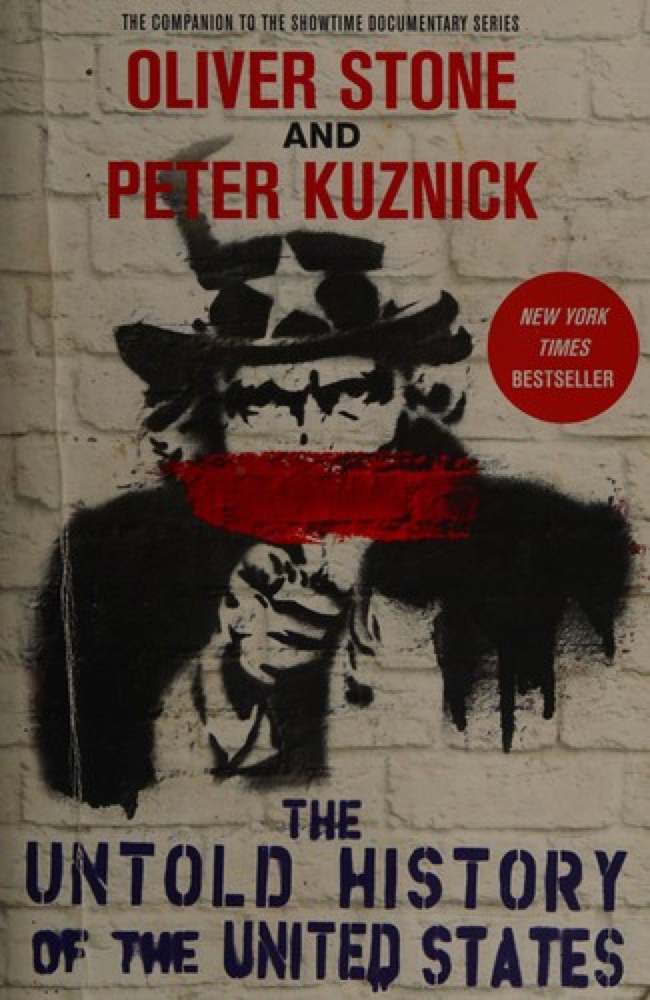 The Untold History of The United States
 Code Talker
 The Monuments Men: Allied Heroes, Nazi Thieves, and the Greatest Treasure Hunt in History
 With the Old Breed: At Peleliu and Okinawa
 The Coldest Winter: America and the Korean War
 American Shaolin: Flying Kicks, Buddhist Monks, and the Legend of Iron Crotch: An Odyssey in the New China
 The Greatest Generation
 The Small and the Mighty: Twelve Unsung Americans Who Changed the Course of History, from the Founding to the Civil Rights Movement
 Internment
 Without You, There Is No Us: My Time with the Sons of North Korea's Elite
 Closing the Ring
 Pacific Crucible: War at Sea in the Pacific, 1941-1942
 United States of Japan
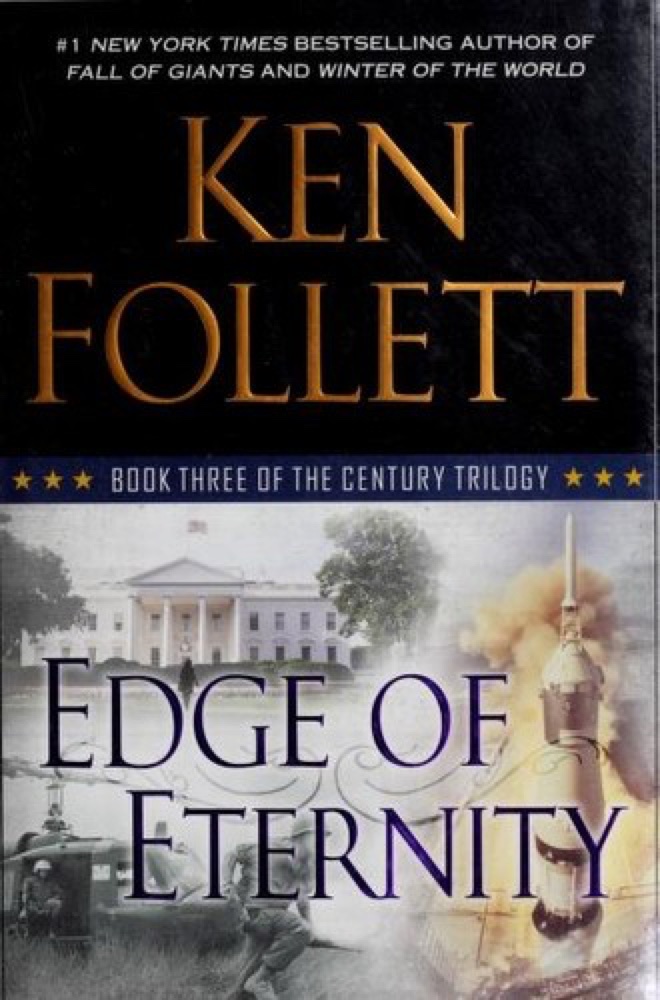 Edge of Eternity
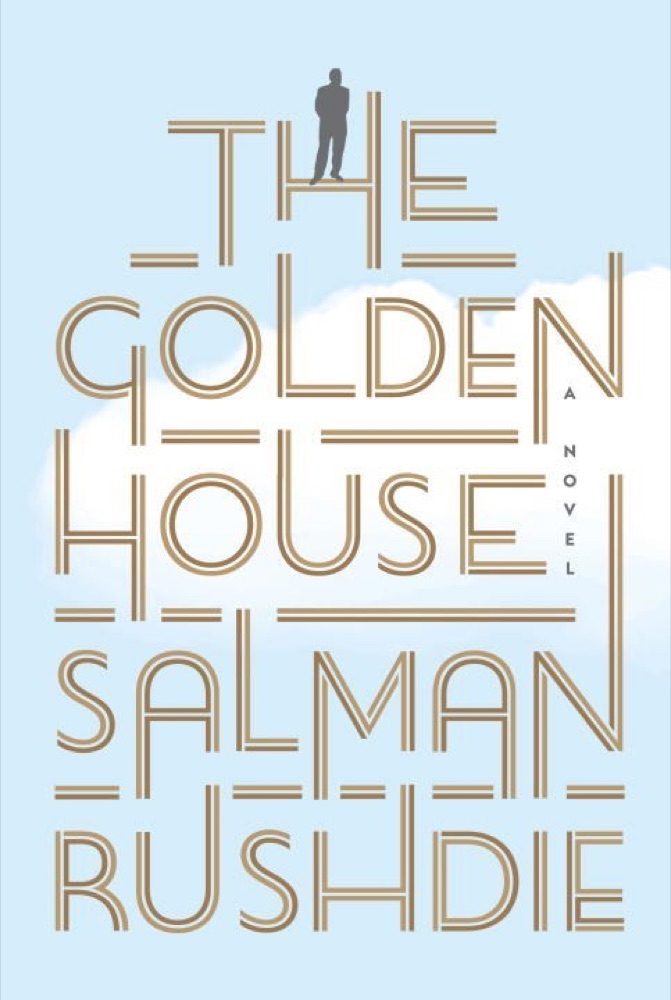 The Golden House
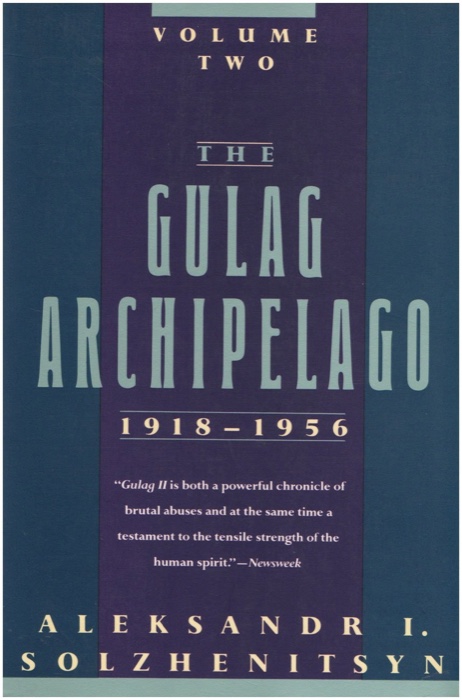 The Gulag Archipelago 1918-1956
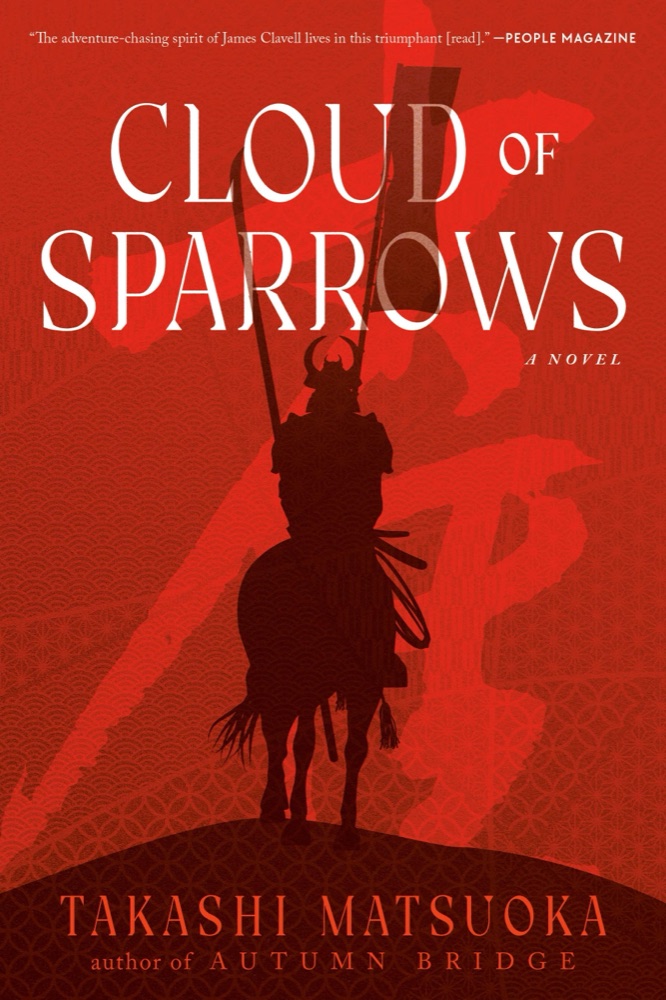 Cloud of Sparrows
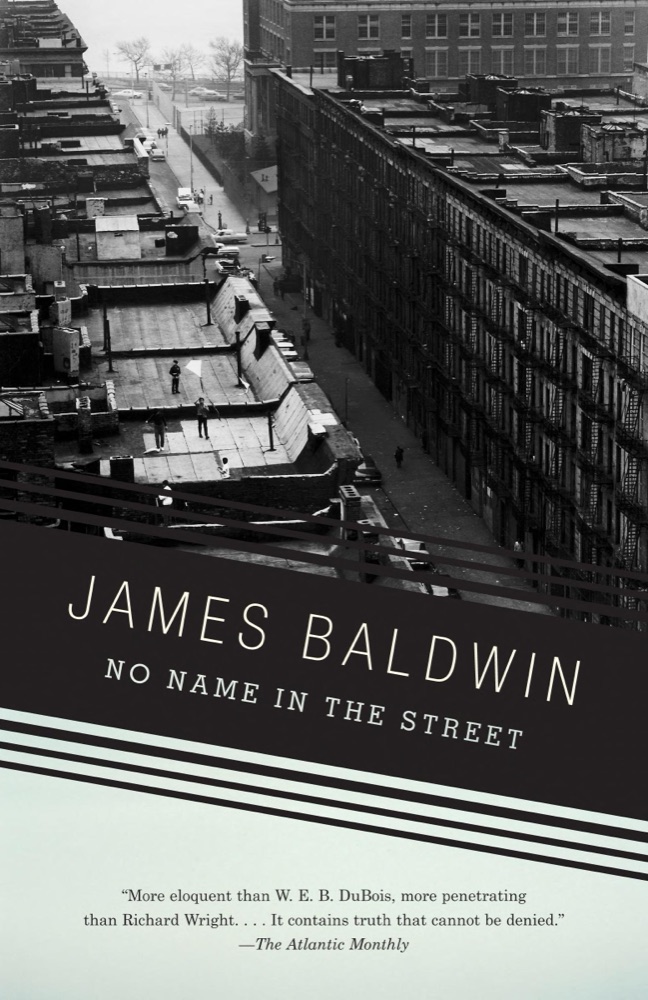 No Name in the Street
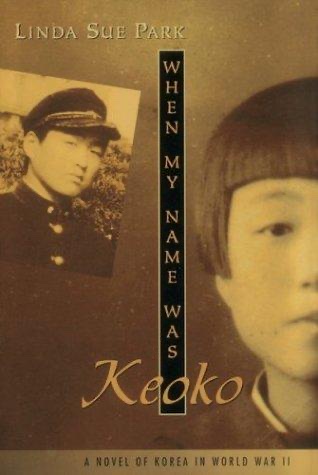 When My Name Was Keoko
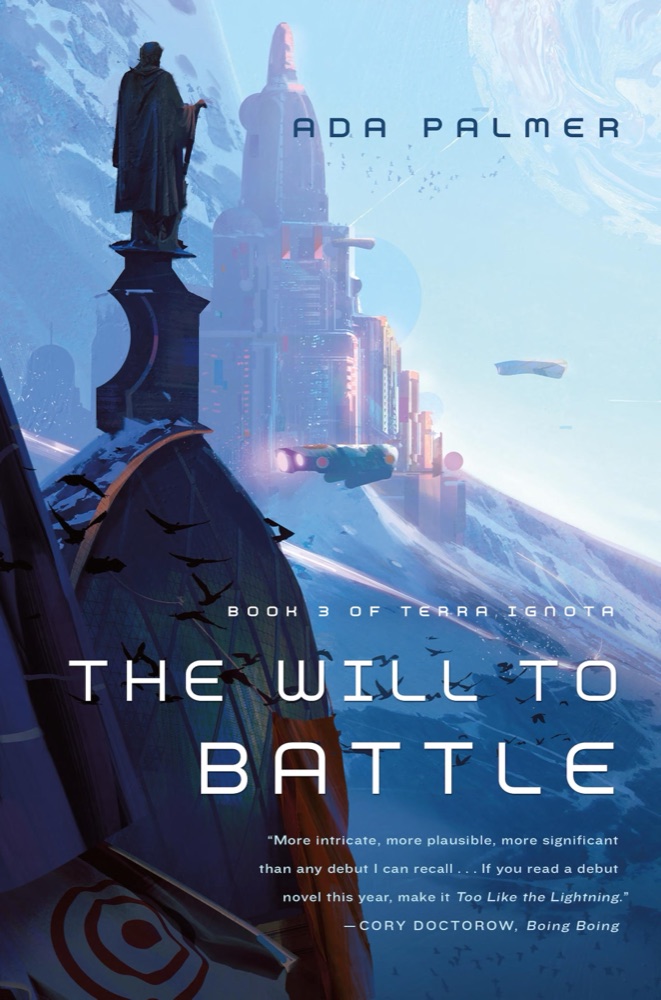 The Will to Battle
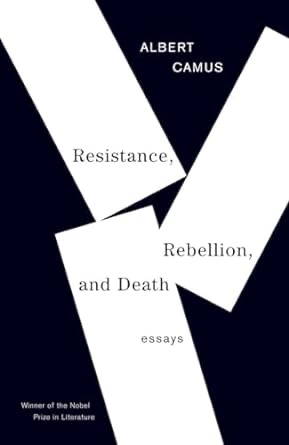 Resistance, Rebellion and Death: Essays
 The Buddha in the Attic
 Homage to Catalonia
 Upheaval: Turning Points for Nations in Crisis
 Winter of the World
 The Wars
 Empire
 Radio Free Albemuth
 These Truths: A History of the United States
 The Girl with Seven Names: A North Korean Defector’s Story
 The Sympathizer
 The Autobiography of Eleanor Roosevelt
 Becoming Madam Secretary
 The Black Wolf
 The Light of Days: The Untold Story of Women Resistance Fighters in Hitler's Ghettos
 You Can't Be Neutral on a Moving Train: A Personal History of Our Times
 Clear and Present Danger
 The Rape of Nanking
 Under the Same Stars
 Survival in Auschwitz
 Defying Hitler
 Assata: An Autobiography
 Truman
 The Winds of War
 Diplomats & Admirals: From Failed Negotiations and Tragic Misjudgments to Powerful Leaders and Heroic Deeds, the Untold Story of the Pacific War from Pearl Harbor to Midway
 An Ordinary Man: An Autobiography
 The Warmth of Other Suns: The Epic Story of America's Great Migration
 Agent Zigzag: A True Story of Nazi Espionage, Love, and Betrayal
 Fall of Giants
 A Promised Land
 The Proud Tower: A Portrait of the World Before the War, 1890-1914