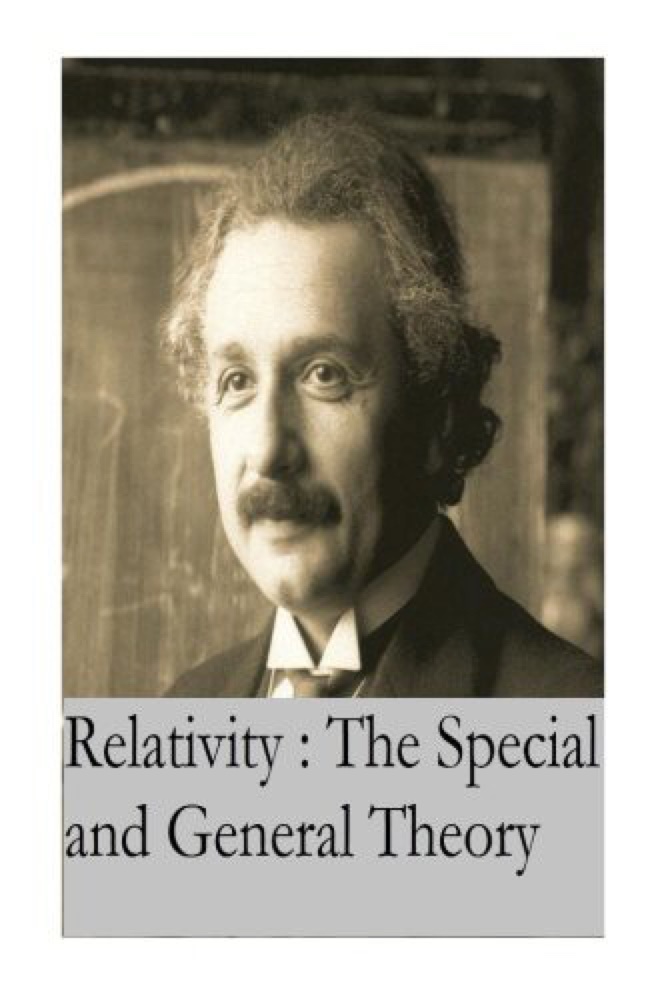
 Relativity: The Special and the General Theory
Quotes from the Book
The most beautiful experience we can have is the mysterious. It is the fundamental emotion that stands at the cradle of true art and true science.
5.3k
I do not at all believe in human freedom in the philosophical sense... Schopenhauer’s saying, ‘A man can do what he wants, but not will what he wants,’ has been a very real inspiration to me since my youth; it has been a continual consolation in the face of life’s hardships, my own and others’, and an unfailing wellspring of tolerance. This realization mercifully mitigates the easily paralyzing sense of responsibility and prevents us from taking ourselves and other people too seriously; it is conducive to a view of life which, in part, gives humour its due.
129
It is every man's obligation to put back into the world at least the equivalent of what he takes out of it.
110
Every day I remind myself that my inner and outer life are based on the labors of other men, living and dead, and that I must exert myself in order to give in the same measure as I have received and am still receiving.
104
I have never looked upon ease and happiness as ends in themselves -- this critical basis I call the ideal of a pigsty. The ideals that have lighted my way, and time after time have given me new courage to face life cheerfully, have been Kindness, Beauty, and Truth. Without the sense of kinship with men of like mind, without the occupation with the objective world, the eternally unattainable in the field of art and scientific endeavors, life would have seemed empty to me. The trite objects of human efforts -- possessions, outward success, luxury -- have always seemed to me contemptible.
64
The man who regards his own life and that of his fellow-creatures as meaningless is not merely unfortunate but almost disqualified for life.
58
The pursuit of knowledge for its own sake, an almost fanatical love of justice and the desire for personal independence -- these are the features of the Jewish tradition which make me thank my stars that I belong to it.
53
I maintain that the cosmic religious feeling is the strongest and noblest motive for scientific research.
52
Never give up on what you really want to do. The person with big dreams is more powerful than one with all the facts.
50
If someone can enjoy marching to music in rank and file, I can feel only contempt for him; he has received his large brain by mistake, a spinal cord would have been enough.
46
How can cosmic religious feeling be communicated from one person to another, if it can give rise to no definite notion of a God and no theology? In my view, it is the most important function of art and science to awaken this feeling and keep it alive in those who are receptive to it.
45
Those whose acquaintance with scientific research is derived chiefly from its practical results easily develop a completely false notion of the mentality of the men who, surrounded by a skeptical world, have shown the way to kindred spirits scattered wide through the world and through the centuries. Only one who has devoted his life to similar ends can have a vivid realization of what has inspired these men and given them the strength to remain true to their purpose in spite of countless failures. It is cosmic religious feeling that gives a man such strength. A contemporary has said, not unjustly, that in this materialistic age of ours the serious scientific workers are the only profoundly religious people.
33
Not until the creation and maintenance of decent conditions of life for all people are recognized and accepted as a common obligation of all people and all countries - not until then shall we, with a certain degree of justification, be able to speak of humankind as civilized.
27
A hundred times every day I remind myself that my inner and outer life depend on the labours of other men, living and dead, and that I must exert myself in order to give in the same measure as I have received and am still receiving.
24
I gang my own gait and have never belonged to my country, my home, my friends, or even my immediate family, with my whole heart; in the face of all these ties I have never lost an obstinate sense of detachment, of the need for solitude — a feeling which increases with the years.
22
A man's actions are determined by necessity, external and internal.
21
Let every man be respected as an individual and no man idolized.
20
Common to all these types is the anthropomorphic character of their conception of God. In general, only individuals of exceptional endowments, and exceptionally high-minded communities, rise to any considerable extent above this level. But there is a third stage of religious experience which belongs to all of them, even though it is rarely found in a pure form: I shall call it cosmic religious feeling. It is very difficult to elucidate this feeling to anyone who is entirely without it, especially as there is no anthropomorphic conception of God corresponding to it.
20
Let every man judge according to his own standards, by what he has himself read, not by what others tell him.
18
To know the secrets of Life, we must first become aware of their existence.
18
Tình cảnh của những đứa con trái đất chúng ta mới kỳ lạ làm sao! Mỗi chúng ta đến đây như một chuyến viếng thăm ngắn ngủi. Ta không biết để làm gì, nhưng đôi khi ta tin rằng ta cảm nhận được điều đó. Song, nhìn từ cuộc sống thường nhật mà không đi sâu hơn, ta biết rằng: ta đến đây vì người khác - trước hết vì những người mà hạnh phúc của riêng ta phụ thuộc hoàn toàn vào nụ cười và sự yên ấm của họ, kế đến là vì bao người không quen mà số phận của họ nối với ta bằng sợi dây của lòng cảm thông.
15
As long as armies exist, any serious quarrel will lead to war.
14
An autocratic system of coercion, in my opinion soon degenerates. For force always attract men of low morality.
14
I believe that better times are coming.
13
The true value of a human being is determined primarily by the measure and the sense in which he has attained to liberation from the self.
12
Watch on YouTube
About Albert Einstein
We have collected 31 quotes from 2 books by Albert Einstein on BookQuoters.
More about the author →More by Albert Einstein
Relativity: The Special and the General Theory
About the book
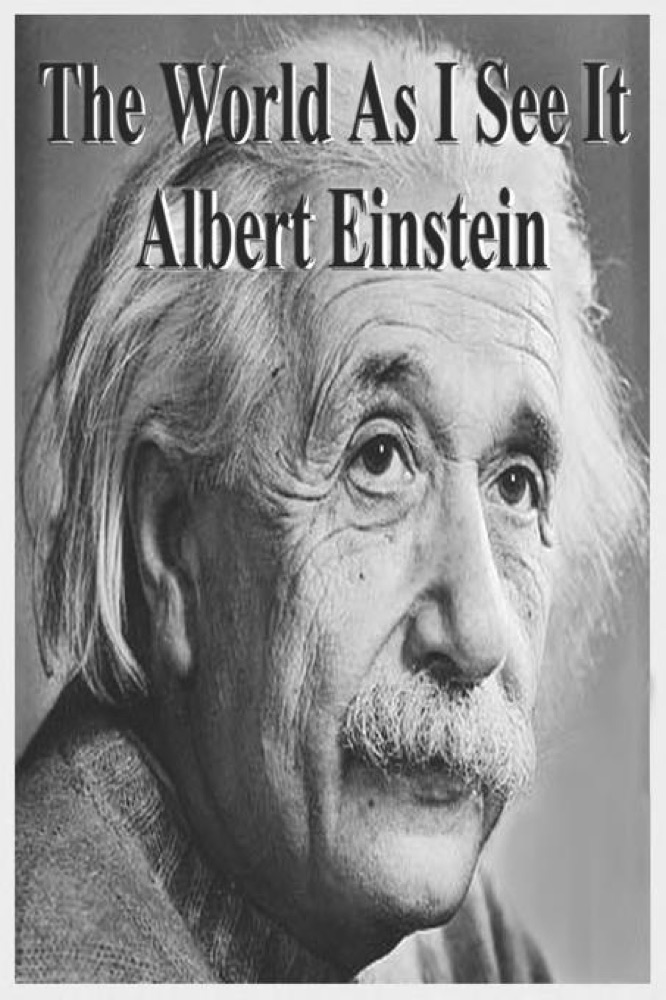
The World as I See It is a book by Albert Einstein translated from the German by A. Harris and published in 1935 by John Lane The Bodley Head (London). The original German book is Mein Weltbild by Albert Einstein, first published in 1934 by Rudolf Kayser, with an essential extended edition published by Carl Seelig in 1954.[1] Composed of assorted articles, addresses, letters, interviews and pronouncements, it includes Einstein's opinions on the meaning of life, ethics, science, society, religion, and politics.
Book details
- First published
- 1934
- Author
- Albert Einstein
- Genre
- Nonfiction
- Goodreads rating
- 3.75 (9k ratings)
Keep reading
 Ethics
 Self-Reliance: An Excerpt from Collected Essays, First Series
 Man's Search for Meaning
 The Story of My Experiments With Truth
 The Will to Power
 Self-Reliance and Other Essays
 The Myth of Sisyphus and Other Essays
 Twilight of the Idols
 The Varieties of Religious Experience
 The Essential Writings of Ralph Waldo Emerson
 The Gay Science
 The Fall
 Atlas Shrugged
 Walden & Civil Disobedience
 When Nietzsche Wept
 The Ethics of Ambiguity
 The Wisdom of Life
 The Myth of Sisyphus
 Notes from Underground
 Sacred Hunger
 Meetings With Remarkable Men
 The Intellectual Life: Its Spirit, Conditions, Methods
 Civilization and Its Discontents
 The Complete Essays
 Demian
 Report to Greco
 The Man Without Qualities
 The Spinoza Problem
 The World as Will and Representation, Vol 1
 Ethics for the New Millennium
 Dust Tracks on a Road
 A Calendar of Wisdom: Daily Thoughts to Nourish the Soul
 Walden
 The Home and the World
 A Separate Reality
 The Children of Men
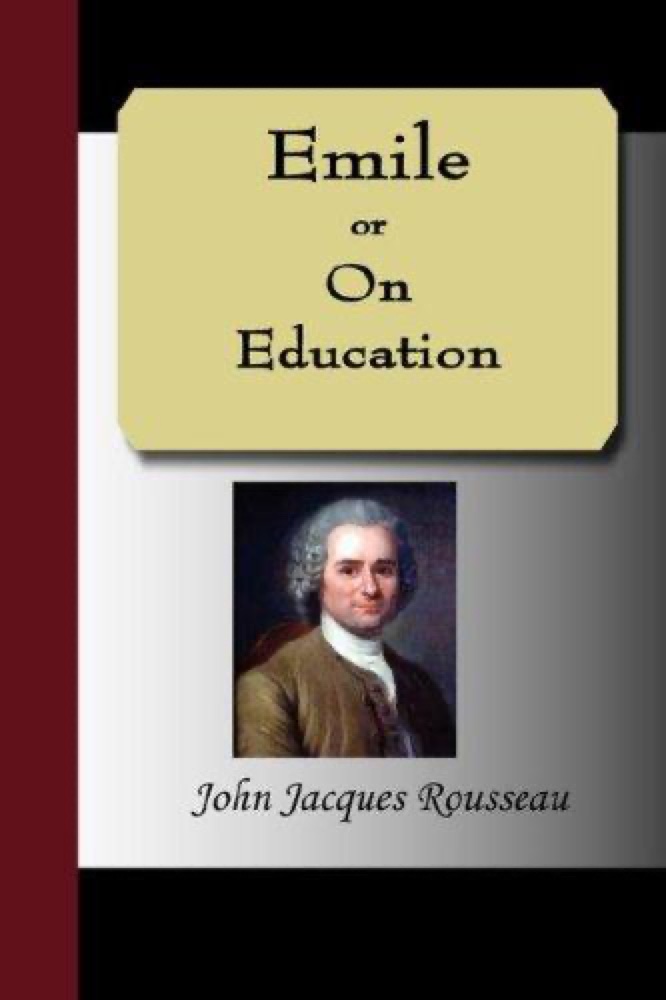 Emile or On Education
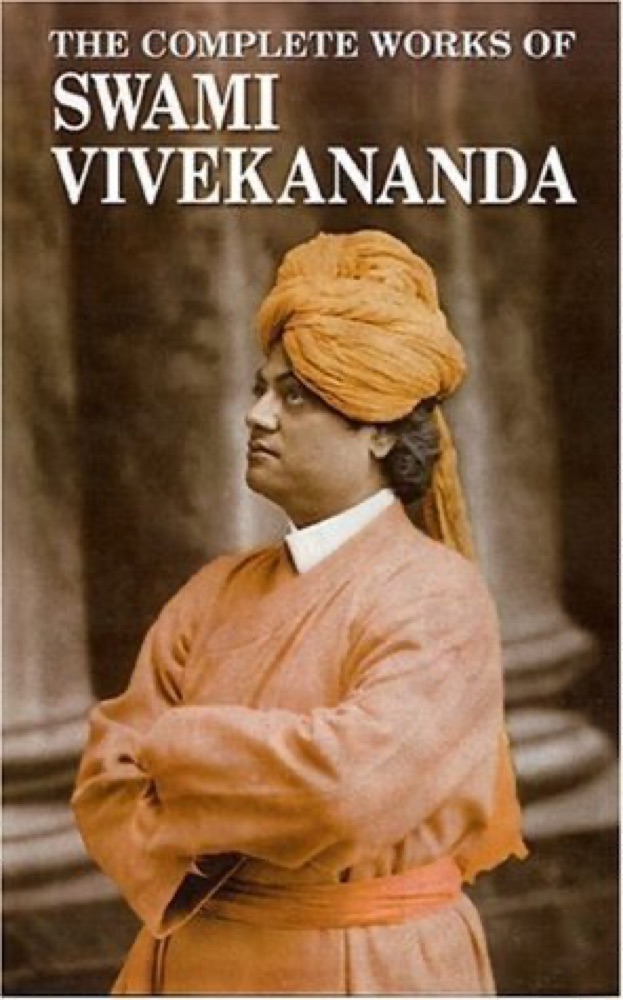 Complete Works of Swami Vivekananda, 9 Vols.
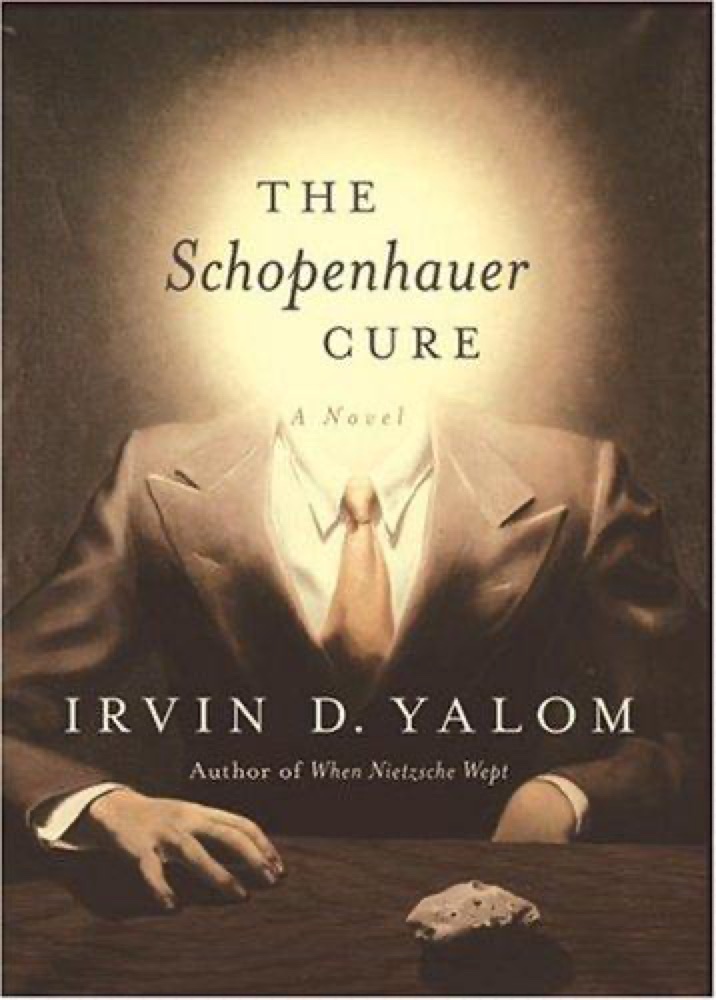 The Schopenhauer Cure
 The Republic
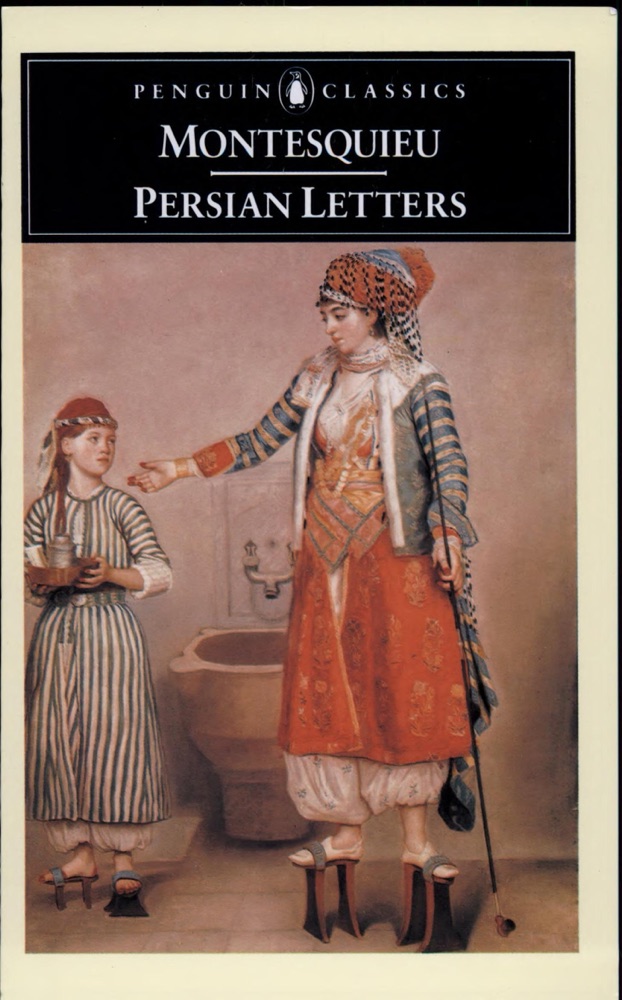 Persian Letters
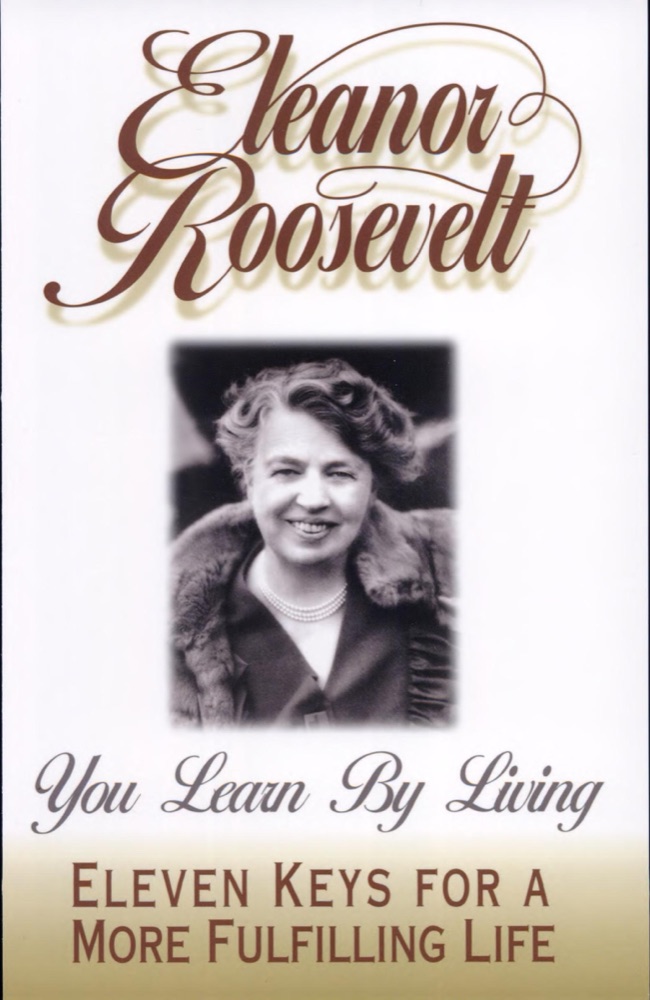 You Learn by Living: Eleven Keys for a More Fulfilling Life
 The Way of All Flesh
 Children of Dune
 What I Believe
 A Message to Garcia
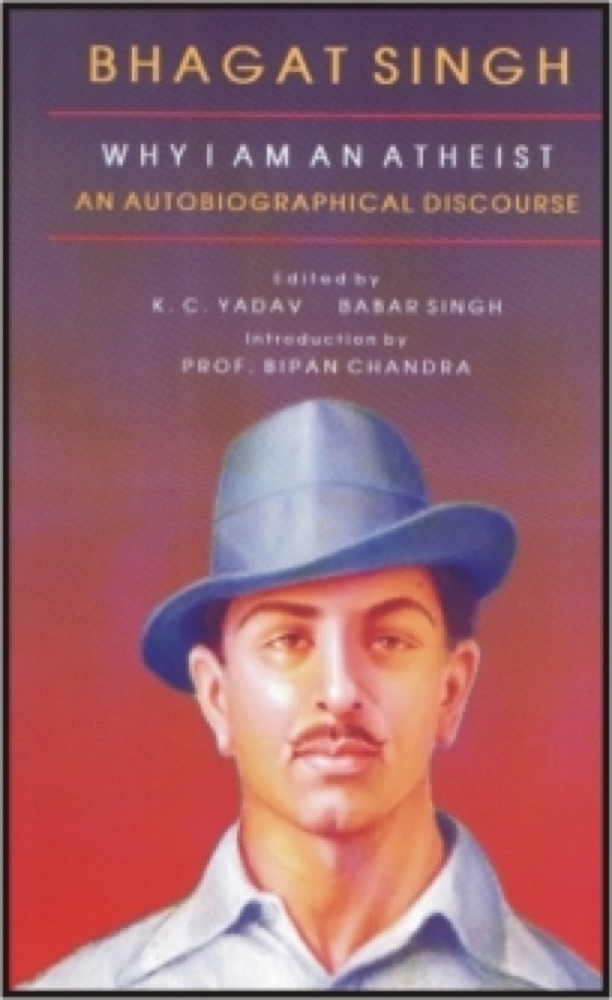 Why I Am An Atheist: An Autobiographical Discourse
 Daniel Deronda
 The Nicomachean Ethics
 The Ego and Its Own
 Surprised by Joy: The Shape of My Early Life
 Knife: Meditations After an Attempted Murder
 Shōgun
 Man and His Symbols
 The Ides of March
 Under Western Eyes
 Heretics
 Thoughts in Solitude
 Origin
 East of Eden