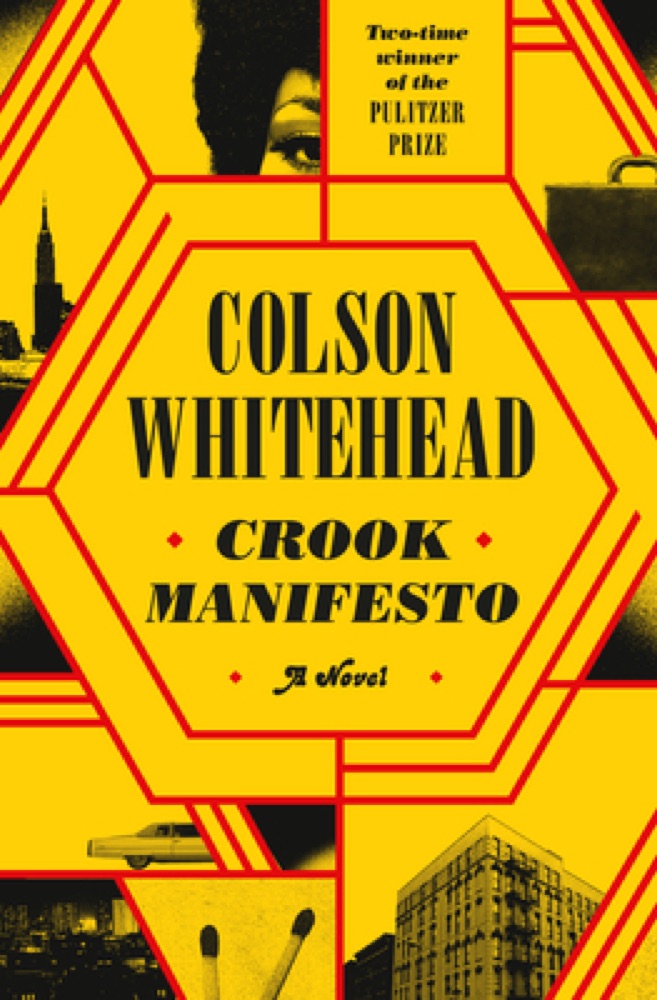

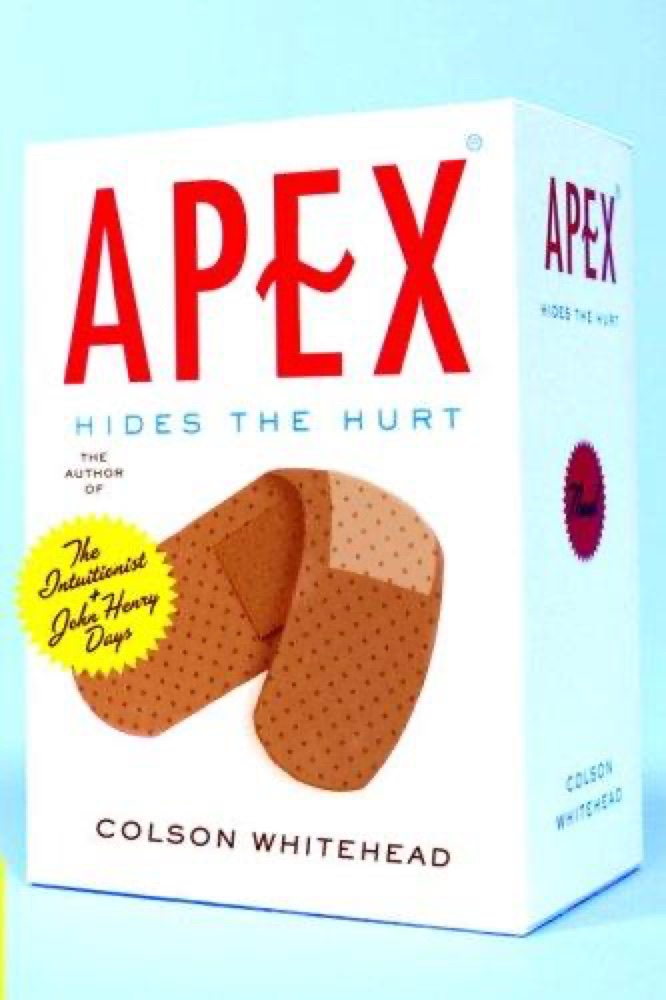
 Apex Hides the Hurt
Quotes from the Book
What else was an ongoing criminal enterprise complicated by periodic violence for, but to make your wife happy?
5
It was a glorious June morning. The sun was shining, the birds were singing, the ambulances were screaming, and the daylight falling on last night’s crime scenes made the blood twinkle like dew in a green heaven.
4
Thursday night was soft and sugary, one of those perfect objects that summer doled out once in a while to torture you with how it could be all the time, if it cared. Pepper had known women like that, women stingy with the better parts of themselves, and perhaps there were those who'd say the same of him.
2
320 West 120th Street, the home of the Dumas Club, was built in 1898 by Mortimer Bacall, a German immigrant who made his fortune in patent medicines. His most popular tonic was advertised under many names, the most well known of which was Dr. Abraham’s Pills, which purported to cure “city ailments” caused by urban living, the “noxious air,” “insalubrious plumbing,” and “excessive proximity of one’s neighbors.” The modern city was a new animal requiring new remedies. Bacall possessed the dexterity to invent both the infirmity and the cure.
2
Numbers can’t be racist, right? But the data can be dumb or wrong, though, and if you feed shit into the computer, it gives you shit right back.
2
You never see a fat ventriloquist. Pepper was of the mind that this reflected the parasitic nature of the relationship, wherein the puppet leeches the life essence of the puppeteer. Which gave him an idea for a diet craze: the mass adoption of puppet sidekicks. Send the price of lumber through the roof. From time to time his mind turned to business ventures.
2
The type of guys Pepper sought were single-room-occupancy men, hot-plate men, shitty tippers who never passed a pay phone without checking for errant dimes, and they dreamed of fire.
2
A plane dragged black letters through the air: Happy Birthday America—200 Years of Liberty and Independence. Who paid for it? He couldn’t tell, so he added: Love, Buckwheat.
2
Carney was flattered that the Italian thought he had the scratch to buy the two buildings, that the white side of town recognized his successes, then quickly assumed something was wrong and Bongiovanni was dumping bum properties on him. The city itching to condemn, some expensive disaster in the sewer below, or the final version of the Curse of 125th and Morningside finally come due. None of that turned out to be true, although Mrs. Hernandez in apartment 3R of 381 had a mysterious stain in her bathroom wall that returned each time it was patched and repainted and which bore an eerie resemblance to Dwight Eisenhower, a curse if ever he heard one. “He stares at me,” she said.
2
But people as a whole were pretty dim upstairs, and if you started dwelling on this or that person’s dimness, ranking it and measuring just how dim this or that motherfucker was, before you realize it half the day is gone. In Pepper’s experience.
1
collar jobs are gone. Can’t buy a house because the lenders have designated the neighborhood as high-risk—the redlining actually creates the conditions
1
Crime isn’t a scourge, people are. Crime is just how folks talk to each other sometimes.
1
Next up, the DJ put on “Maybe Tomorrow.” Evidently they had stumbled into a Jackson 5 block. No one else can make me cry the way you do, baby. The song saddened Carney when May sang it at the top of her lungs, cavorting on her pink-and-yellow blanket in her room. What did she know of heartbreak and disaster? She didn’t understand the truth of the words yet; she would. All the sorrows he met on the road remained at their stations, waiting for his children to come along. You sing the sad songs first, then you act them out.
1
Every other day there was a newspaper column huffing about "the American Experiment." As if the experiment hadn't finished and we didn't know the results.
1
Getting over. He'd always liked that expression. Crooks make a big score, grab that jackpot, and law-abiding black folks get over, find a way to outwit white people's rules. Stealing a little security or safety or success from a world that fought hard to keep that from you.
1
Crime isn't a scourge, people are. Crime is just how folks talk to each other sometimes.
1
As a crook he knew that everybody gets up to something when nobody's looking.
1
With age came pragmatism. These days a good night's sleep was more important than appeasing one's taste for payback. The sooner he hit the hay, the more rested he'd be for tomorrow's asskicking.
1
If white people haven't killed you yet, you can do what you want. You didn't have to reach a hundred years to get to that place. In a world this low, dumb, and cruel, every day white people ain't killed you yet is a win. It was after midnight. He'd survived another gauntlet.
1
You make it to a hundred and ten you can do whatever you want. White people haven't killed you yet, you get a free pass.
1
The new shit was always upon you and you had to adjust, such was life, but the new shit came so fast these days, and it was so wily and unlikely, that he had a hard time keeping up.
1
Misery is a money pit.
1
...in general he regarded the younger set with a mixture of pity and stupefaction.
1
As for the job itself, a lifelong crook doing part-time security work wasn't so strange. Half the cops in New York were thieving bitches first and cops second. City like this, it behooves you to embrace the fucking contradictions.
1
Frankly, the racial-harmony shit put Pepper on edge. The majority of the film crew were hippie freaks, but Zippo and the director of photography and Angela, the lady who did the wardrobe and makeup, were black. The white people did what they were told. This was America, melting pot and powder keg. Surely something was about to pop off. It kept not happening. Pepper had never worked jobs with white people before. Pulling shit in Newark, then uptown in those days, that was the reality. It was not done. Occasionally he'd get asked to join a crew with a white wheelman or a bankroll and that was a sign to wait for the next gig. His current refusals were simple common sense. Pepper barely trusted Negro crooks--why extend the courtesy to some cracker motherfucker who'd fuck you over first chance? Sometimes black people fell over themselves trying to vouch for a white man who hadn't wronged them. Yet.
1
He was born in Odessa and settled on Ludlow Street on the Lower East Side in 1906; his family's house had been burned down the previous October. Pogroms, massacres. America was in the massacre racket, too, Heshie observed, but they concentrated on Negroes and Indians for the most part. He figured they'd come for him once they ran out, but that might take years.
1
Sometimes when Carney got wind of the latest outrage--a bloody slaughter in a Vietnamese hamlet, a rash of lethal ODs from a bad batch, an unarmed teenager cut down by cops--he suspected the revolution had already happened, only nobody could see it and no one had come along to replace what had been overthrown. The old order was rubble, bulldozed into a pile with the long-held assumptions and rickety premises, and now they waited for someone to tell them what was next. No such person appeared.
1
The Jackson 5 shook off the last song and readied for another sortie. The smallest Jackson movement, every tremble, elicited another wave of squeals from the Garden. "I'd like to talk to y'all tonight," Michael said, "about the blues." Carney chuckled--the kid was ten. "The blues?" Marlon or maybe Jermaine asked. "Yeah, the blues. Don't nobody have the blues like me. I may be young, but I know what it's all about." The boys bit into "Who's Lovin' You" and the building rattled. The girls screamed. There were rumors about guys the mob had rubbed out and buried in the concrete foundation below. The noise would've woken them up. Carney shouldn't have laughed. What ten-year-old black child didn't know the blues?
1
Simpler than conspiracy was Carney's take: In general, people were terrible.
1
Watch on YouTube
About Colson Whitehead
We have collected 243 quotes from 9 books by Colson Whitehead on BookQuoters.
More about the author →More by Colson Whitehead
All books by Colson Whitehead →
About the book
Colson Whitehead continues his Harlem saga in a novel that summons 1970s New York in all its seedy glory.
It's 1971. Trash piles up on the streets, crime is at an all-time high, the city is careening towards bankruptcy, and a shooting war has broken out between the NYPD and the Black Liberation Army. Amidst this collective nervous breakdown furniture store owner and ex-fence Ray Carney tries to keep his head down and his business thriving. His days moving stolen goods around the city are over. It's strictly the straight-and-narrow for him -- until he needs Jackson 5 tickets for his daughter May and he decides to hit up his old police contact Munson, fixer extraordinaire. But Munson has his own favors to ask of Carney and staying out of the game gets a lot more complicated - and deadly.
1973. The counter-culture has created a new generation, the old ways are being overthrown, but th
Book details
- First published
- 2023
- Author
- Colson Whitehead
- Genre
- Fiction
- Goodreads rating
- 3.86 (22k ratings)
The buzz
- The New York TimesReview in The New York Timesprofessional review (via Book Marks)
- The Washington PostReview in The Washington Postprofessional review (via Book Marks)
- The GuardianReview in The Guardianprofessional review (via Book Marks)
- The AtlanticReview in The Atlanticprofessional review (via Book Marks)
- Los Angeles TimesReview in Los Angeles Timesprofessional review (via Book Marks)
- The Times Literary SupplementReview in The Times Literary Supplementprofessional review (via Book Marks)
Keep reading
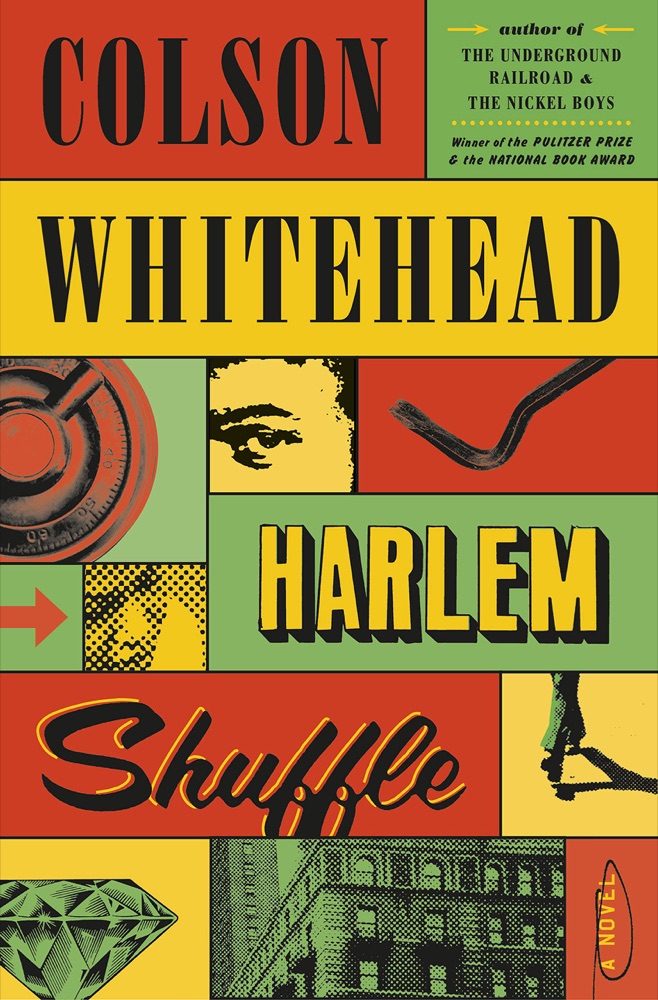 Harlem Shuffle
 Detroit: An American Autopsy
 Devil in a Blue Dress
 The Force
 The Bonfire of the Vanities
 The Great Shark Hunt: Strange Tales from a Strange Time
 Reamde
 The Naked and the Dead
 Lovecraft Country
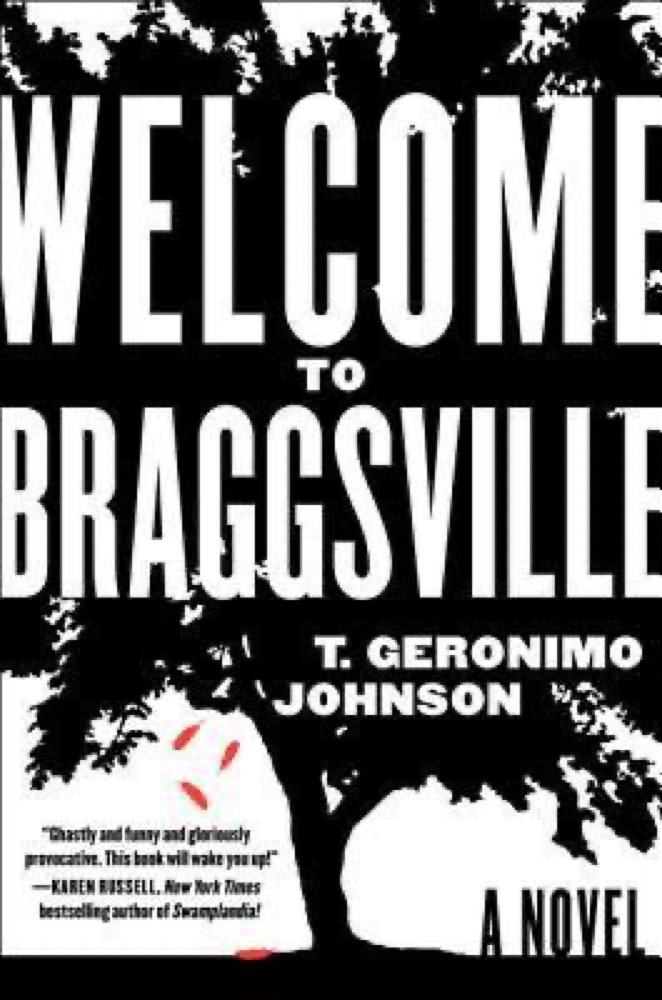 Welcome to Braggsville
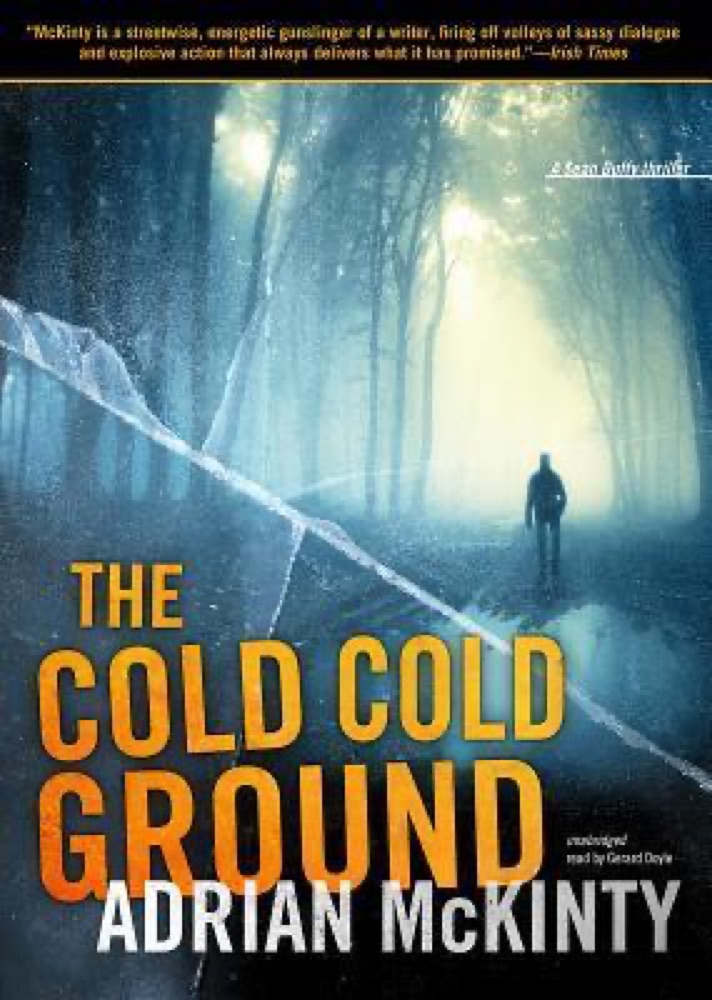 The Cold Cold Ground
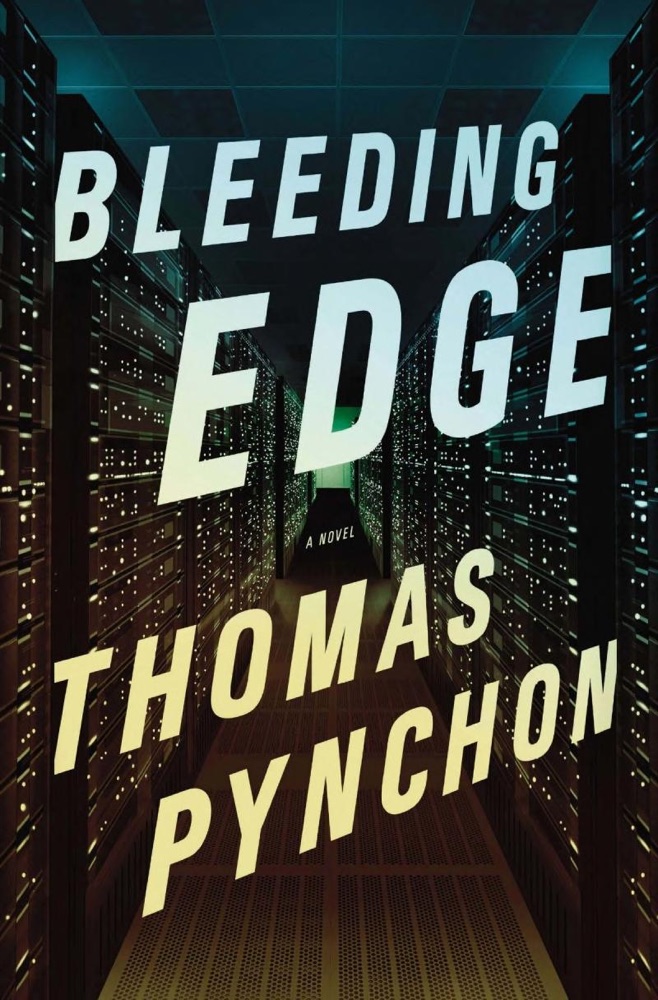 Bleeding Edge
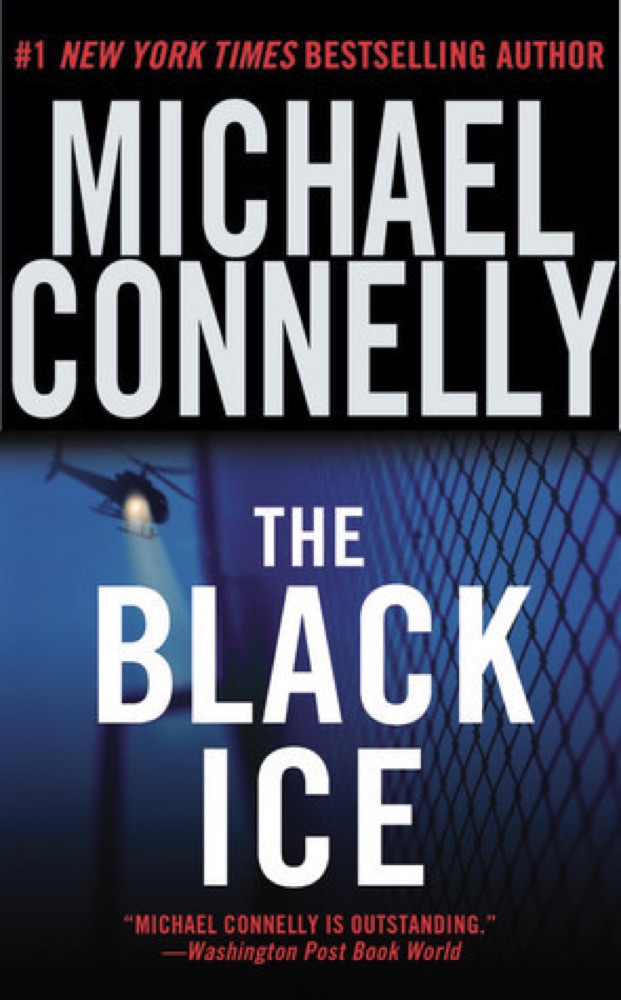 The Black Ice
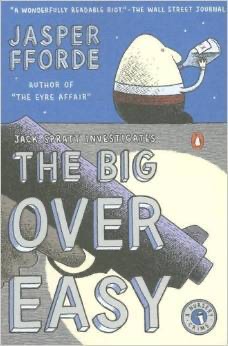 The Big Over Easy
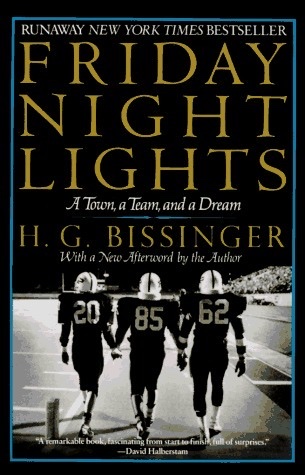 Friday Night Lights: A Town, a Team, and a Dream
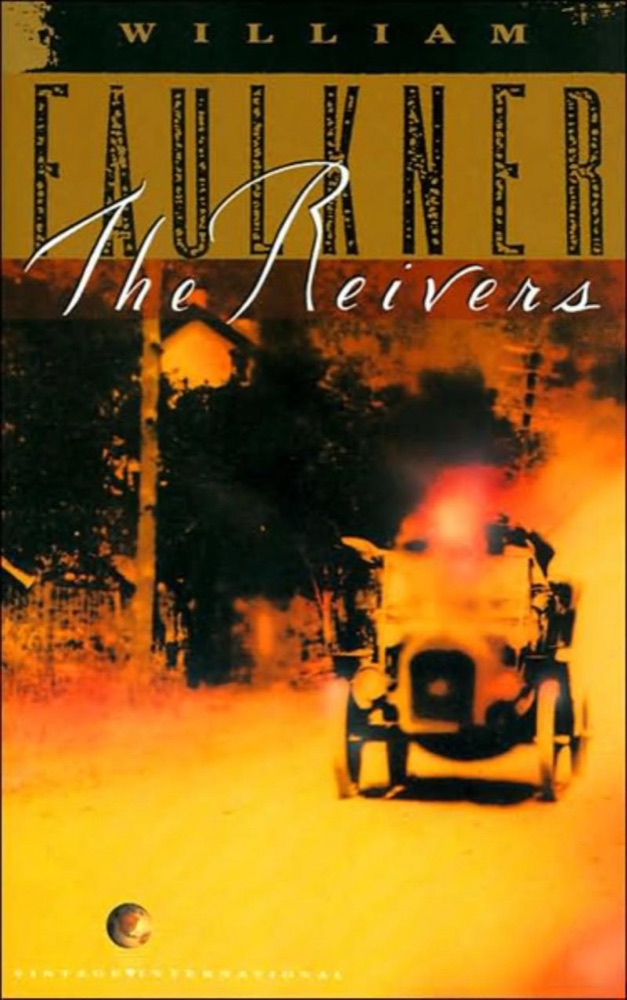 The Reivers
 Selected Stories of Philip K. Dick
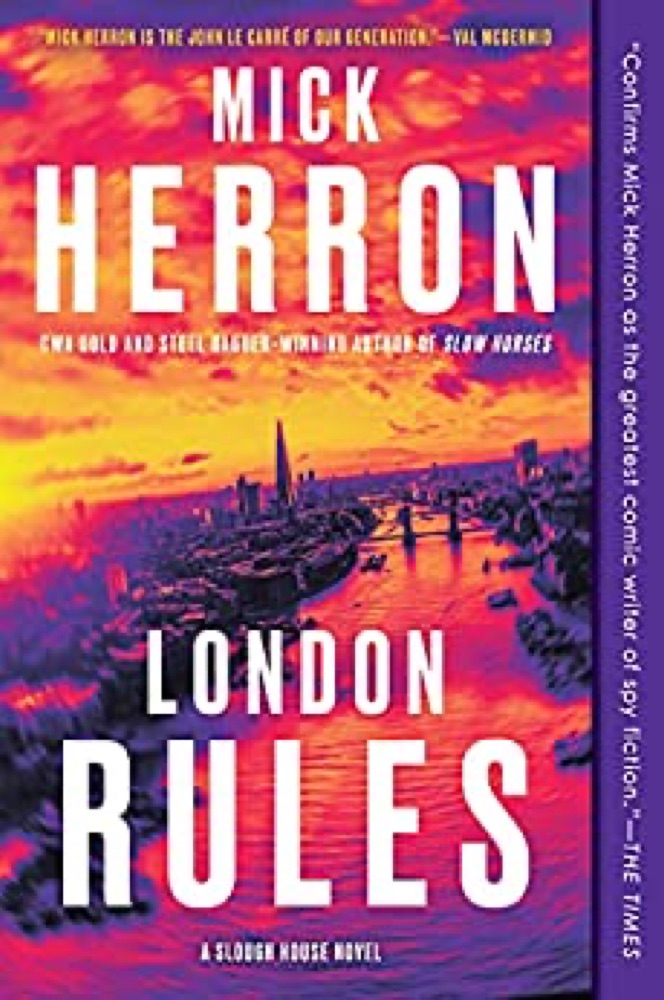 London Rules
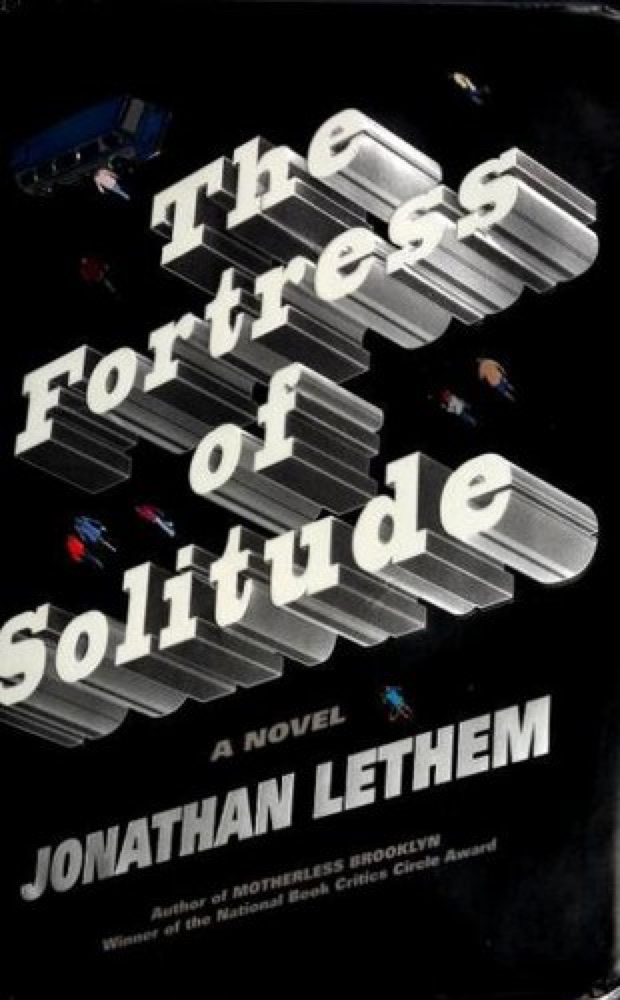 The Fortress of Solitude
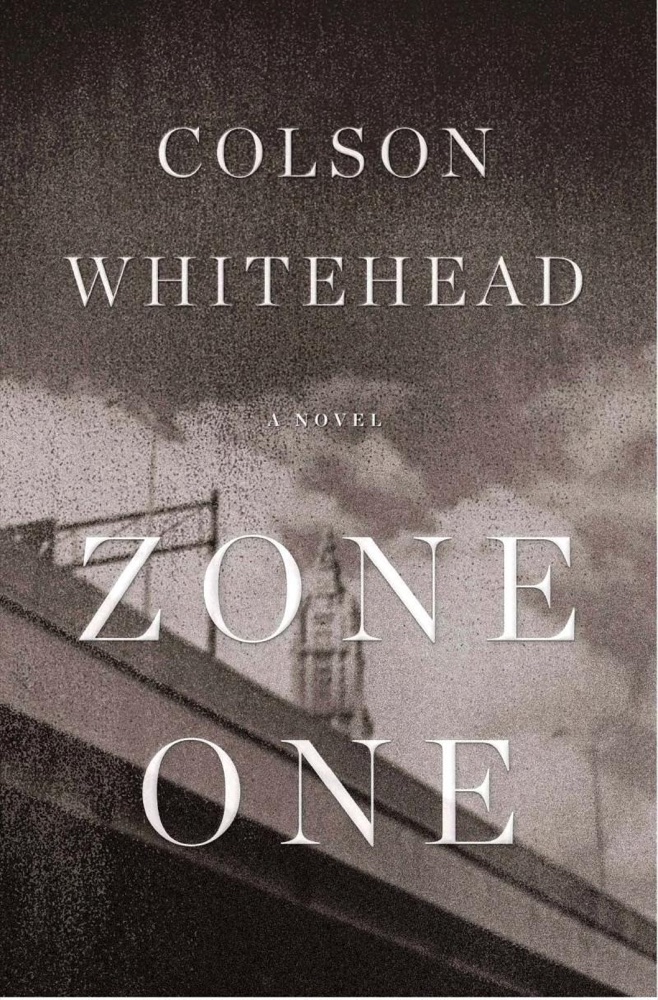 Zone One
 The Long Goodbye
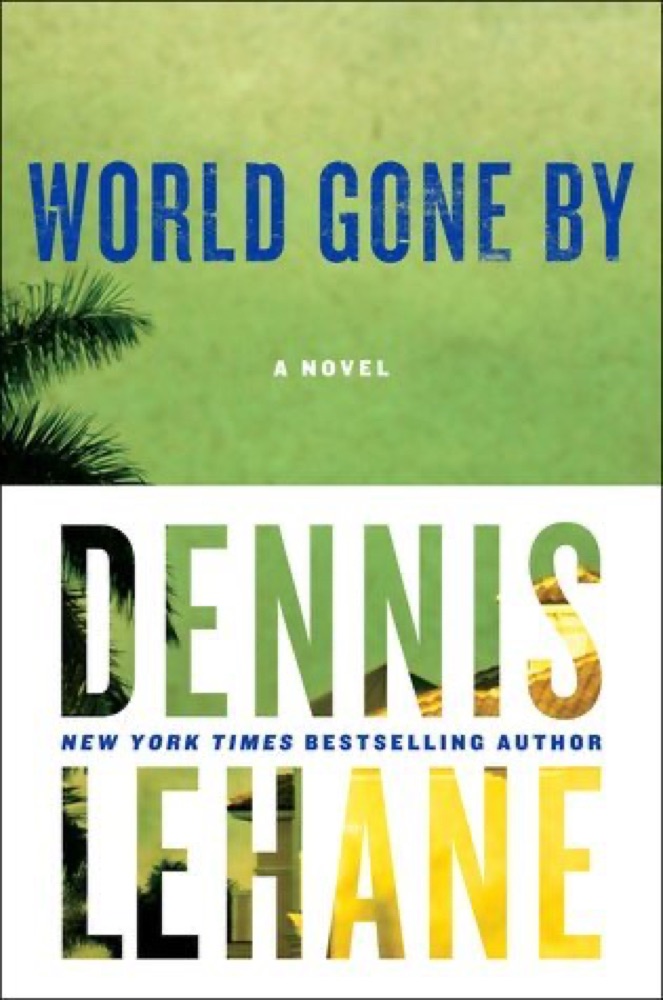 World Gone By
 Slough House
 A Brief History of Seven Killings
 A Drink Before the War
 The Institute
 Mohawk
 Turning Angel
 Sleeping Beauties
 The Intuitionist
 Thirteen
 Ghettoside: A True Story of Murder in America
 Artemis
 Tigerman
 A Better World
 Live by Night
 A Dirty Job
 Absolute Power
 How Long 'til Black Future Month?
 Clockers
 Against the Day
 Joe Country
 Black No More
 The Only Good Indians
 Intruder in the Dust
 The Devil in the White City: Murder, Magic, and Madness at the Fair That Changed America
 All American Boys
 From Here to Eternity
 Blackfish City
 The Trees
 Black Betty
 Call for the Dead
 Cannery Row
 City of Thieves
 One Fifth Avenue
 The Brass Verdict
 Hell's Angels: A Strange and Terrible Saga
 The Scarecrow
 Dreamland Burning