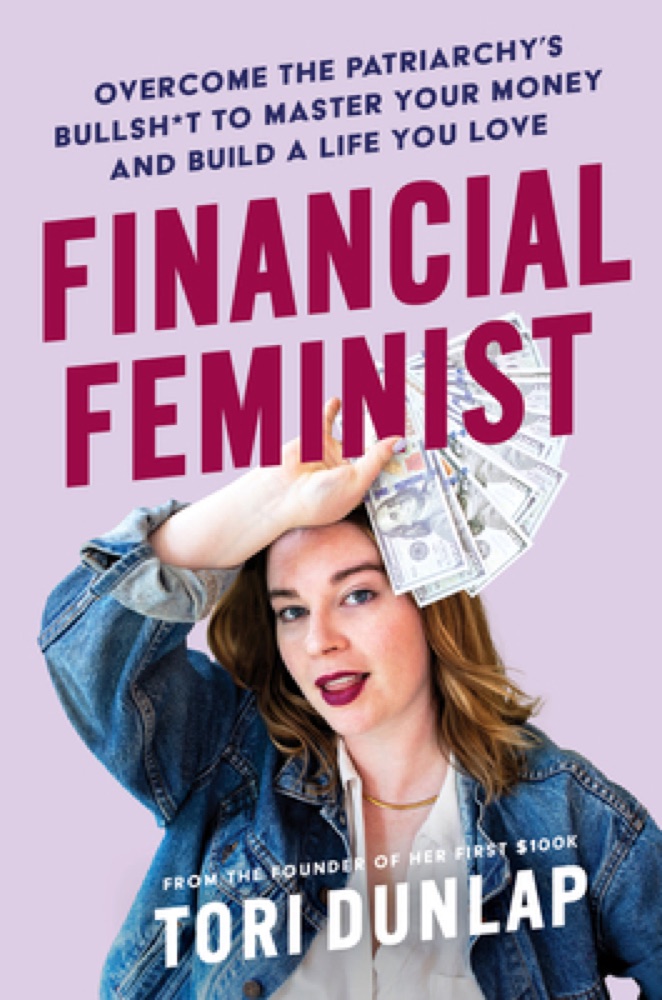
 Women & Money: Owning the Power to Control Your Destiny
Quotes from the Book
We live in a patriarchal world—a system that aids and abets inequality. In this system that has gatekept financial information and tools from marginalized groups, it is an act of protest to be financially independent. It is an act of protest to overcome negative beliefs about money in order to save, pay off debt, invest, and find fulfilling work. It is an act of protest to prioritize rest instead of hustle, abundance rather than scarcity, and generosity in place of stockpiling. In a world that actively works to keep us playing small, it is an act of protest to be stable, content, and powerful.
7
When nobody wakes you up in the morning, and when nobody waits for you at night, and when you can do whatever you want, what do you call it, freedom or loneliness?
4
Recent research looked at three hundred financial “how-to” articles and found that 90 percent of the pieces aimed at women were centered around saving money. Two-thirds of the articles reviewed labeled women as excessive spenders. Advice for men: “Here are five hot stocks right now.” Advice for women: “Here are five dinners you can make for under $5.” The solution is always to clip coupons, spend less (or not at all), and budget meticulously. Track every fucking penny. Deprivation is the answer. Even in the twenty-first century, this is the narrative: Men, build wealth by making strategic, long-term financial decisions that actually make a difference. Women, that Dior purse ain’t it, you cow.
2
money provide you with your basic human needs such as safety and healthy food, but also it gives you the ability to rest, to nourish your body and mind, and to leave bad situations. Money can buy stability and choice, and that is happiness.
2
And the key to healthy spending? Mindfulness. You work so fucking hard for your money, and I want it to give you the best return on investment (ROI) possible. I want you to be so in love with your purchases and your spending decisions. I want you to use money as the tool it was intended to be, to give you a life you love. You don’t have to stop spending money. You just need to stop spending money on shit you don’t care about.
1
Charles Bukowski: “When nobody wakes you up in the morning, and when nobody waits for you at night, and when you can do whatever you want, what do you call it, freedom or loneliness?
1
One of the most common scripts in America is “I should buy a house.” Your house is the American Dream! It’s a bullshit dream propagated by the National Association of Realtors, which is an organization that you’ll find in hell.
1
SEP-IRA (Self-Employment IRA) Another kind of IRA. As with a traditional IRA, you pay the taxes you owe when you withdraw money—for instance, at retirement age. Made for solopreneurs or companies with a few employees. If you side hustle, you can have a SEP in addition to a trad/Roth IRA and a 401(k), even if you do not work full-time for yourself. This is one of the biggest reasons I was able to hit my $100K goal. Take those tax-advantaged accounts and contribute as much as you can. Maximum yearly contribution: 25 percent of your income, up to $61,000. Solo 401(K) Similar to the employer-sponsored 401(k) plan, except that you’re your own sponsor! You can have a Roth and/or traditional IRA in addition to a solo 401(k). This is an option only if you’re self-employed full-time, and you cannot have both a SEP-IRA and a solo 401(k). Maximum yearly contribution: $20,500.
1
Rather than classifying yourself as either a saver or a spender, I need you to understand that actually, we are all spenders. Yes, even me… I will eventually spend all of the money I have saved.
Not talking about money means we don’t know that our coworker with the same experience is making 20 percent more.
Women could not have a credit card in their own name without a male cosigner until 1974. Women couldn’t get a business loan without a male cosigner until fourteen years later.
Because we haven’t been taught to experience our feelings like they’re messages from our brain. We’re taught almost nothing about our negative emotions
Money is psychological. I’ll repeat it: money is psychological. Our financial decisions are directly impacted by our mind-sets and how we’re feeling in a certain moment
If you don’t name your emotions and feel them
Inherently, money is not valuable. I don’t want a photo of Ben Franklin on a stack of some government-issued paper. I want choices. I want what money can buy me. For millions of American women, the dream of wealth is a dream of freedom, because it’s money that provides us with options when our government and society fail to.
Self-care, on the other hand, is the hard shit: the habits that must be repeated consistently over time in order to see change. It’s the thing that Present You does, often begrudgingly, in order for Future You to feel better.
Being a Black woman who’s achieved FI means that I can tell the truth. What the world needs now are more truth tellers. I can afford to be honest about how fucked up things are and what people need to do. When I was dependent on an institution, I couldn’t be honest, and I couldn’t just leave if something wasn’t working for me. Now I get to be the speaker who walks into these same companies and says, “It’s pretty fucked up that you don’t have any Black leadership.
Sure, you can set goals and have all the intention in the world of making them come to fruition—but if you don’t have a plan for your goals, it won’t matter one bit how much you want them. It’s not enough just to write down a goal; we need to create a step-by-step plan in order to make it happen. Got it? Great! Next up, directly underneath that, write: “It won’t get better unless I do something about it.
Another invisible script with regard to money is “I can’t earn more.” This is the classic puritanical, frugal-oriented American ethic, which says, “I have what I have, there’s no way to get more, and therefore I’m going to fight anyone who tries to take it away.” You’ll typically find people in this camp who are extremely angry and resistant to any sort of taxation. Why? That is one of the most scarcity-minded beliefs you can possibly have! “Oh, every dollar you take away in taxes is one less dollar I will have.” A more abundant approach would be “I’m part of a community, I’m happy to pay my taxes, and I could just earn more money,” which is exactly what I do.
The reason you’re not rich has nothing to do with the lattes. As we know from the last chapter, it has to do with systemic oppression, lack of education, our economy’s devaluation of certain kinds of labor, and societal narratives about what we can or cannot do.
The patriarchy says we’re wasting money on makeup and nice clothes, then tells us we look “tired” or “unprofessional” when we don’t.
Mom, what was it like for you growing up around money? How did you feel about it?” It’s good to do a deeper dive than just your own upbringing. What was your parents’ upbringing? They are leaking those emotions into you even if you never hear the stories or understand the trauma that’s getting passed down to you. Many people are traumatized around money, and growing up in poverty is just chronic trauma around money. It explains your beliefs, and your beliefs predict your behaviors.
What three things did your parents teach you about money? What three things did your dad teach you? What is your most painful money memory? Your most joyful? It is so important to do a deep dive and emerge with the answers.
money expert Paula Pant explained it like this: Women are taught that our labor should be free (or labor should be poorly compensated) and that there’s somehow nobility in that. If we do have to justify charging people, we often have to explain how it will not just help ourselves but help others. I can’t make a statement such as “I charge X” without also saying, “I charge X in order to give my employees a better wage.” Women’s earnings have to come with an explanation. I think this messaging, in terms of how we earn, also gets translated into how we spend. Whatever money we make, we’re supposed to spend it on other people. Even if you bought the fanciest stroller, no one is going to call that frivolous because you’re at least buying it for someone else. However, if you buy a pair of jeans, that’s somehow different.
The expectation is: work hard, save money, don’t go into debt, and then you will be a millionaire. Not only is this narrative incredibly hurtful—especially when you’re hustling your ass off—but it fails to acknowledge systemic oppression, generational poverty, discrimination, and other forces beyond our individual control. The single mom who works two jobs but can’t seem to make ends meet doesn’t need to work harder—she needs financial/ societal support and systemic change.
When you underprice yourself, you’re bringing down wages for everybody. If we’re all competing with one another to see who can price the least, we’re racing to the bottom.
It is an act of protest to prioritize rest instead of hustle, abundance rather than scarcity, and generosity in place of stockpiling. In a world that actively works to keep us playing small, it is an act of protest to be stable, content, and powerful.
Types of Funds MUTUAL FUNDS. A group of stocks tracking a particular part of the stock market that can be traded only when the stock market is open. They are actively managed, meaning that you’ll pay an extra fee for an “expert” to pick stocks for you. EXCHANGE-TRADED FUNDS (ETFs). A group of stocks tracking a particular part of the stock market that can be traded at any time, even when the stock market is closed. Typically, ETFs are cheaper than a mutual fund, because they are passively managed (no manager to pay). INDEX FUNDS. One of the most popular choices in the personal finance community, an index fund is a mutual fund or an ETF that’s designed to track a particular part of the stock market, such as the S&P 500. I’m index funds’ biggest fan: they are diversified, extremely low in fees, and more stable than individual stocks.
Watch on YouTube
About Tori Dunlap
About the book
From the globally-recognized personal finance educator and social media star behind Her First $100K, an inclusive guide to all things money--from managing debt to investing and voting with your dollars
Tori Dunlap was always good with money. As a kid, she watched her prudent parents balance their checkbook every month and learned to save for musical tickets by gathering pennies in an Altoids tin. But she quickly discovered that her experience with money was pretty unusual, especially among her female friends.
It wasn't our fault. Investigating this financial literacy and wealth gap, Tori found that girls are significantly less likely to receive a holistic financial education; we're taught to restrain our spending, while boys are taught about investing and rewarded for pursuing wealth. In adulthood, women are hounded by the unfounded stereotype of the frivolous spenders whose lattes
Book details
- First published
- 2022
- Author
- Tori Dunlap
- Genre
- Nonfiction
- Goodreads rating
- 4.09 (19k ratings)
Keep reading
Women & Money: Owning the Power to Control Your Destiny
 The Total Money Makeover: A Proven Plan for Financial Fitness
 Smart Women Finish Rich: 9 Steps to Achieving Financial Security and Funding Your Dreams
 Rich AF: The Winning Money Mindset That Will Change Your Life
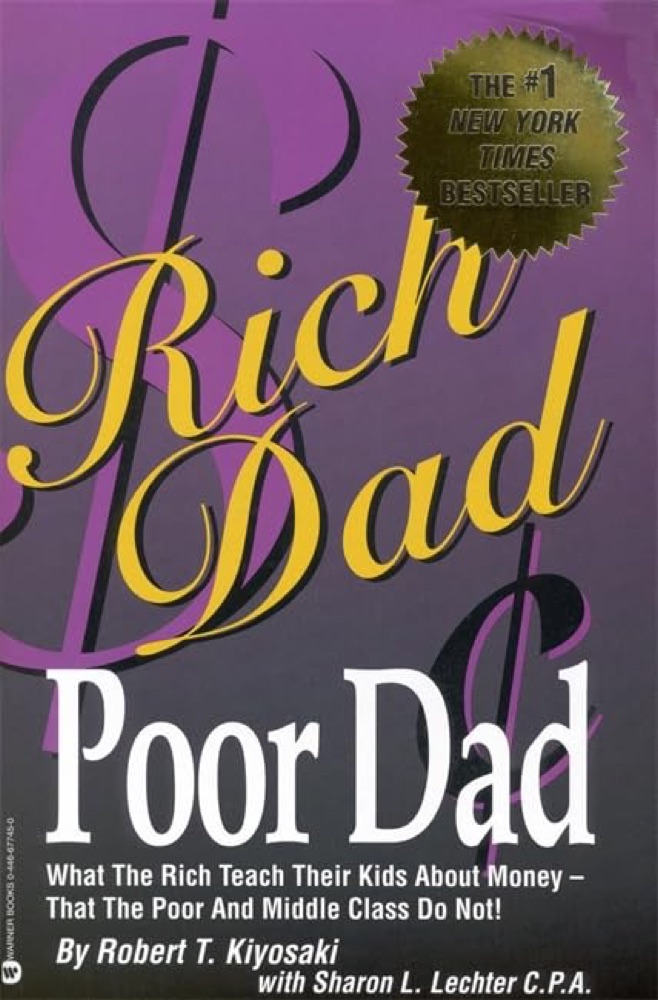 Rich Dad Poor Dad
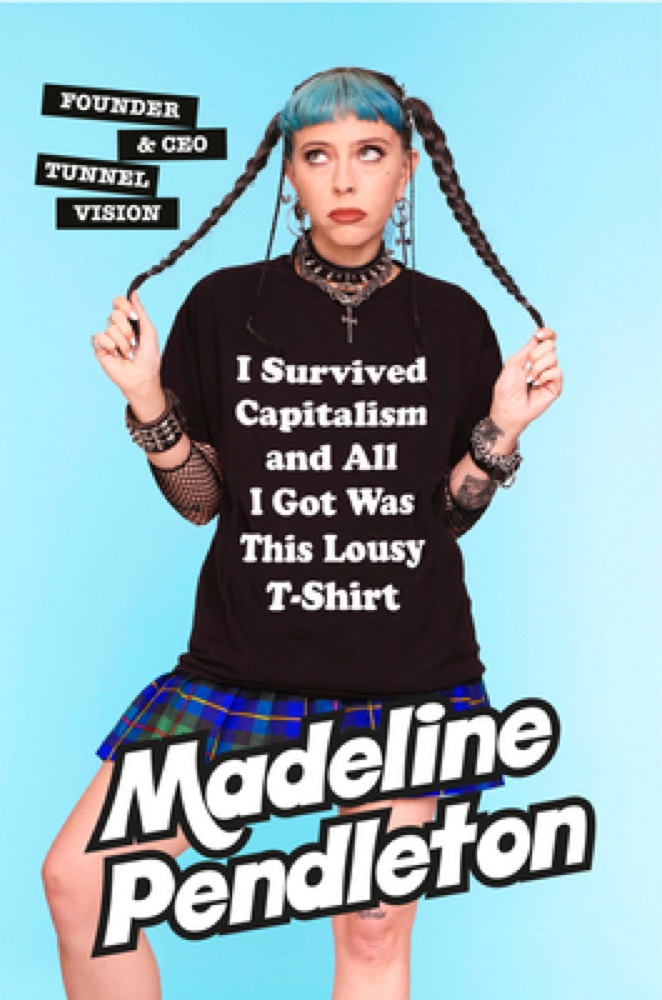 I Survived Capitalism and All I Got Was This Lousy T-Shirt: Everything I Wish I Never Had to Learn About Money
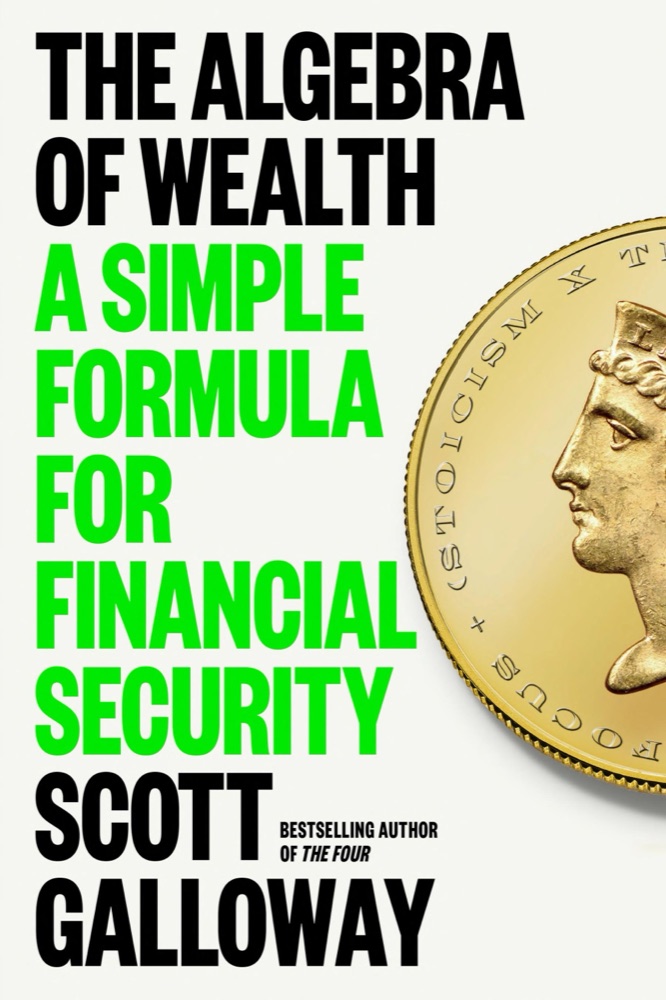 The Algebra of Wealth: A Simple Formula for Financial Security
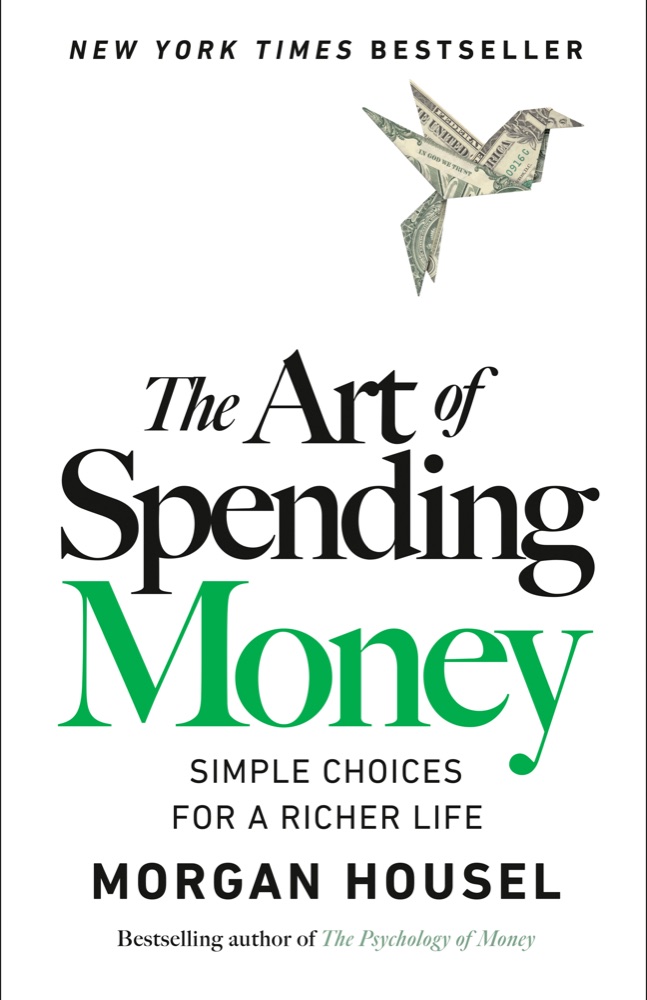 The Art of Spending Money: Simple Choices for a Richer Life
 The Millionaire Fastlane: Crack the Code to Wealth and Live Rich for a Lifetime!
 Secrets of Jewish Wealth Revealed!
 The Financial Diet
 Get Rich Lucky Bitch Release Your Money Blocks and Live a First Class Life
 Choose Yourself: Be Happy, Make Millions, Live the Dream
 Rich Dad's Guide to Investing: What the Rich Invest in That the Poor and Middle Class Do Not!
 Nickel and Dimed: On (Not) Getting by in America
 7 Strategies for Wealth & Happiness: Power Ideas from America's Foremost Business Philosopher
 #Girlboss
 Unscripted: Life, Liberty, and the Pursuit of Entrepreneurship
 You Are a Badass at Making Money: Master the Mindset of Wealth
 The Snowball: Warren Buffett and the Business of Life
 EntreLeadership: 20 Years of Practical Business Wisdom from the Trenches
 Tribe Of Mentors: Transformative Wisdom From Icons and Innovators to Help You Navigate Life's Challenges
 Die with Zero: Getting All You Can from Your Money and Your Life
 Brave
Brave
 Girl, Stop Apologizing: A Shame-Free Plan for Embracing and Achieving Your Goals
 The Happiness Equation: Want Nothing + Do Anything = Have Everything
 How To Get Rich
 Working: People Talk About What They Do All Day and How They Feel About What They Do
 How Adam Smith Can Change Your Life: An Unexpected Guide to Human Nature and Happiness
 Tools of Titans: The Tactics, Routines, and Habits of Billionaires, Icons, and World-Class Performers
 I Can't Make This Up: Life Lessons
 Talking to My Daughter About the Economy: or, How Capitalism Works—and How It Fails
 Burnout: The Secret to Unlocking the Stress Cycle
 Utopia for Realists: How We Can Build the Ideal World
 Stay Sexy & Don't Get Murdered: The Definitive How-To Guide
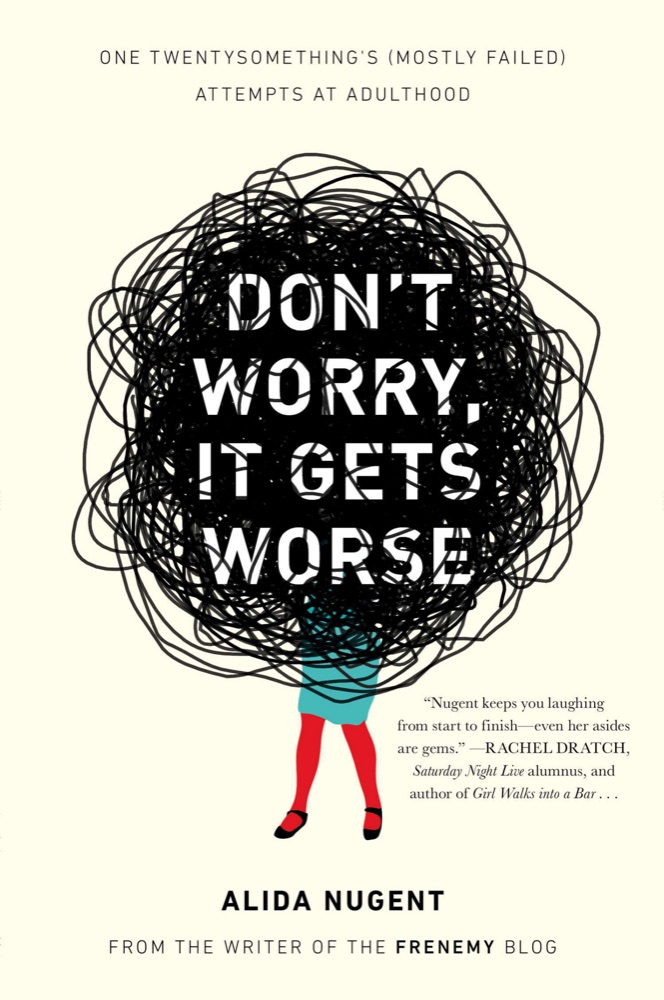 Don't Worry, It Gets Worse: One Twentysomething's (Mostly Failed) Attempts at Adulthood
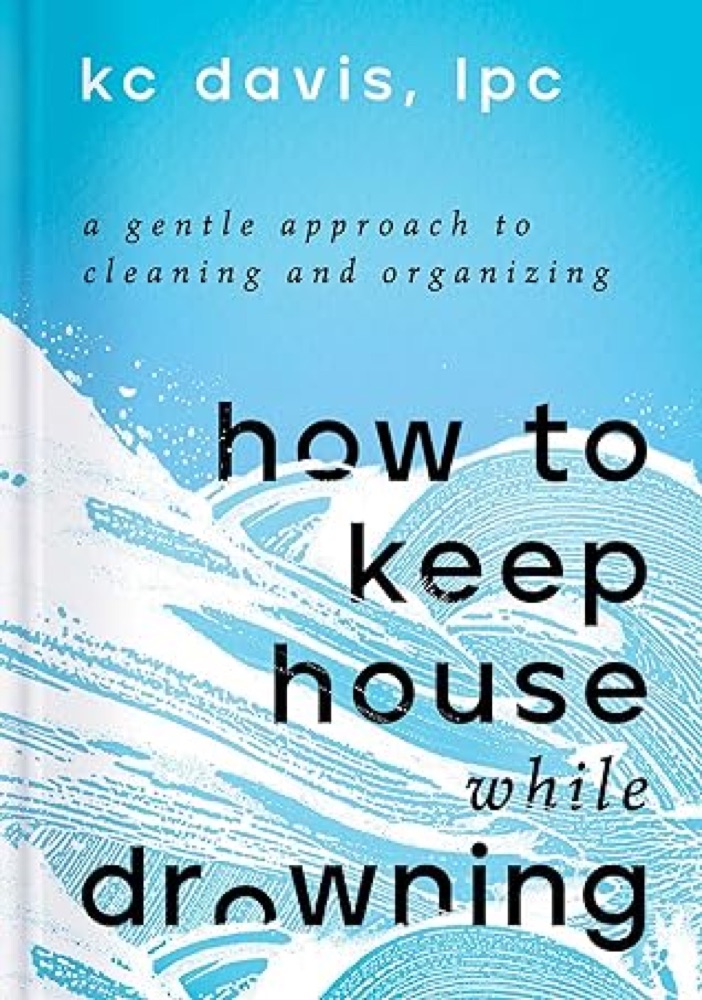 How to Keep House While Drowning
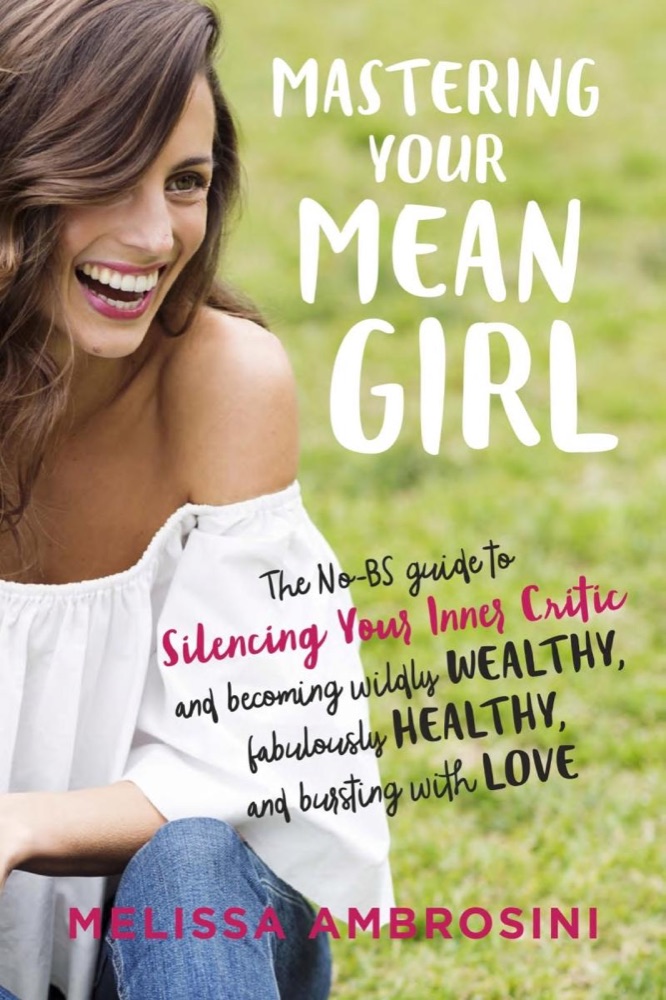 Mastering Your Mean Girl: The No-BS Guide to Silencing Your Inner Critic and Becoming Wildly Wealthy, Fabulously Healthy, and Bursting with Love
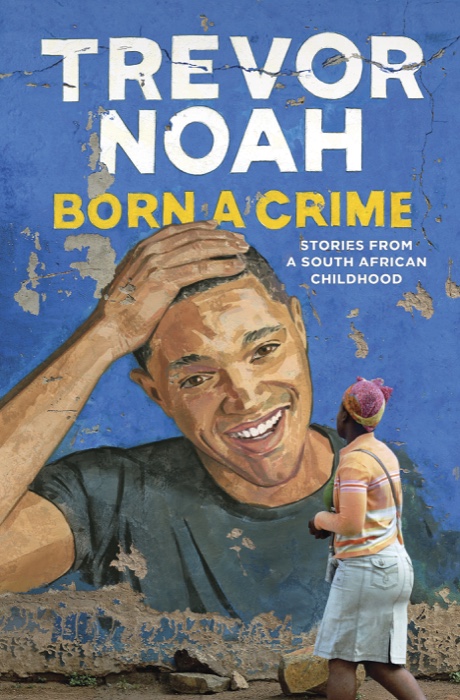 Born a Crime: Stories From a South African Childhood
 The Algebra of Happiness: Notes on the Pursuit of Success, Love, and Meaning
 Secrets of the Millionaire Mind: Mastering the Inner Game of Wealth
 I'll Have What She's Having
 Make Trouble: Standing Up, Speaking Out, and Finding the Courage to Lead
 Barking Up the Wrong Tree: The Surprising Science Behind Why Everything You Know About Success Is (Mostly) Wrong
 Early Retirement Extreme: A Philosophical and Practical Guide to Financial Independence
 Be Useful: Seven Tools for Life
 The Last Lecture
 How to Fail at Almost Everything and Still Win Big: Kind of the Story of My Life
 Professional Troublemaker: The Fear-Fighter Manual
 Before & Laughter: A Life Changing Book
 Same as Ever: A Guide to What Never Changes
 Minimalism: Live a Meaningful Life
 How Do We Know We're Doing It Right: & Other Essays on Modern Life
 Attempting Normal
 The Moment of Lift: How Empowering Women Changes the World
 The Compound Effect: Jumpstart Your Income, Your Life, Your Success
 Ignore Everybody: and 39 Other Keys to Creativity
 The Defining Decade: Why Your Twenties Matter—And How to Make the Most of Them Now